Italy’s Neighbourhoods: Lifestyle Tradeoffs and Buying Steps
Italy’s lifestyle variety meets rising foreign demand — align neighbourhood rhythms with property realities to protect daily life and investment.
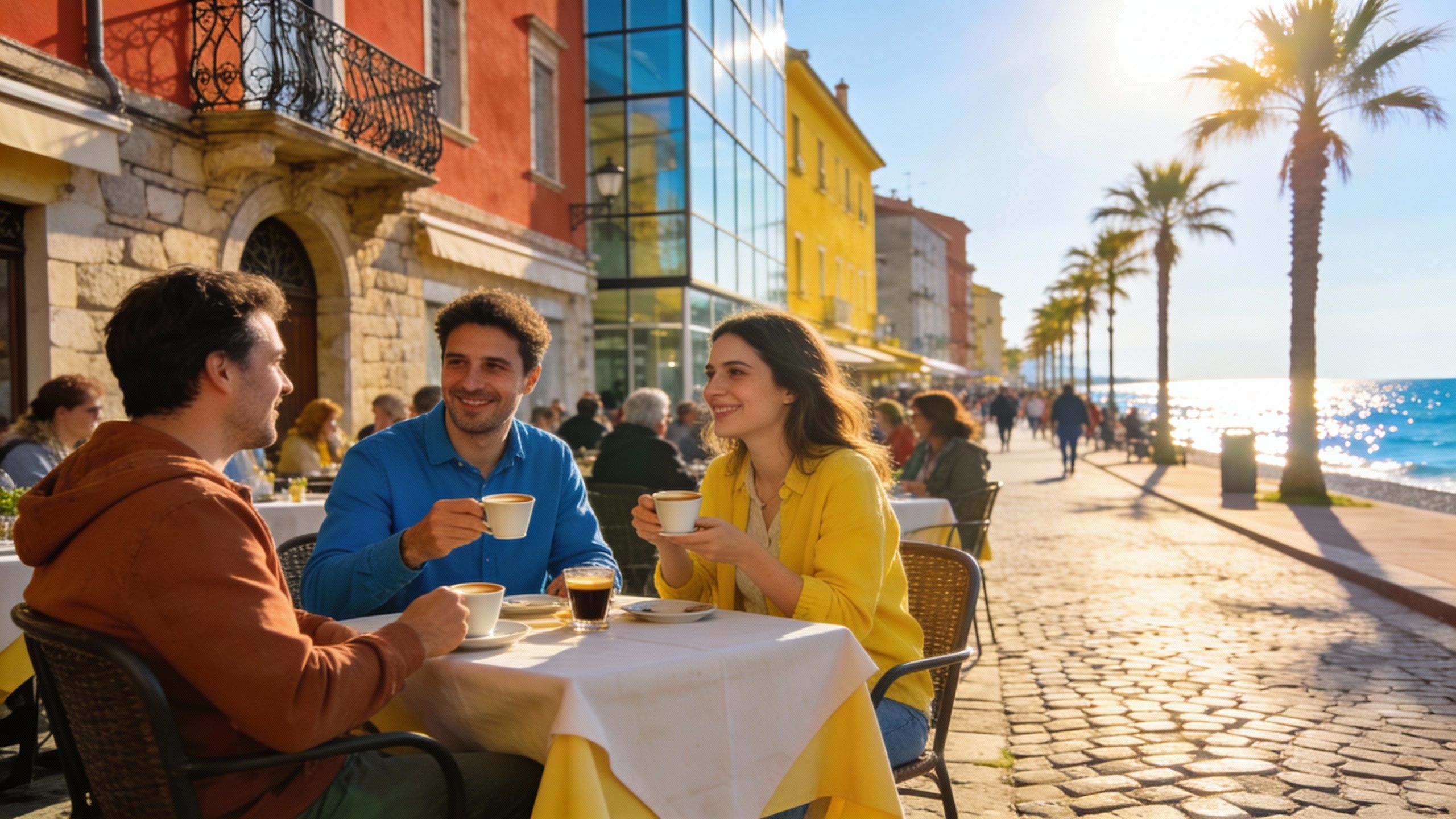
Imagine sipping an espresso at 09:00 on Via dei Coronari in Rome, then wandering to a corner osteria for lunch in Trastevere — Italy moves at a human pace, full of ritual, neighbourhood identity and seasons that shape daily life. For international buyers the romance is unmistakable: piazzas that feel like living rooms, coastal mornings on Liguria’s promenades, and slow afternoons in Tuscany’s markets. But beneath the postcard is a market shaped by regional contrasts, recent regulatory shifts and a rising wave of foreign buyers. This comparison explores how the lived experience in Italy translates into property choices, risks and opportunities for someone relocating from abroad.
Living the Italy life: neighbourhoods, rhythms, taste
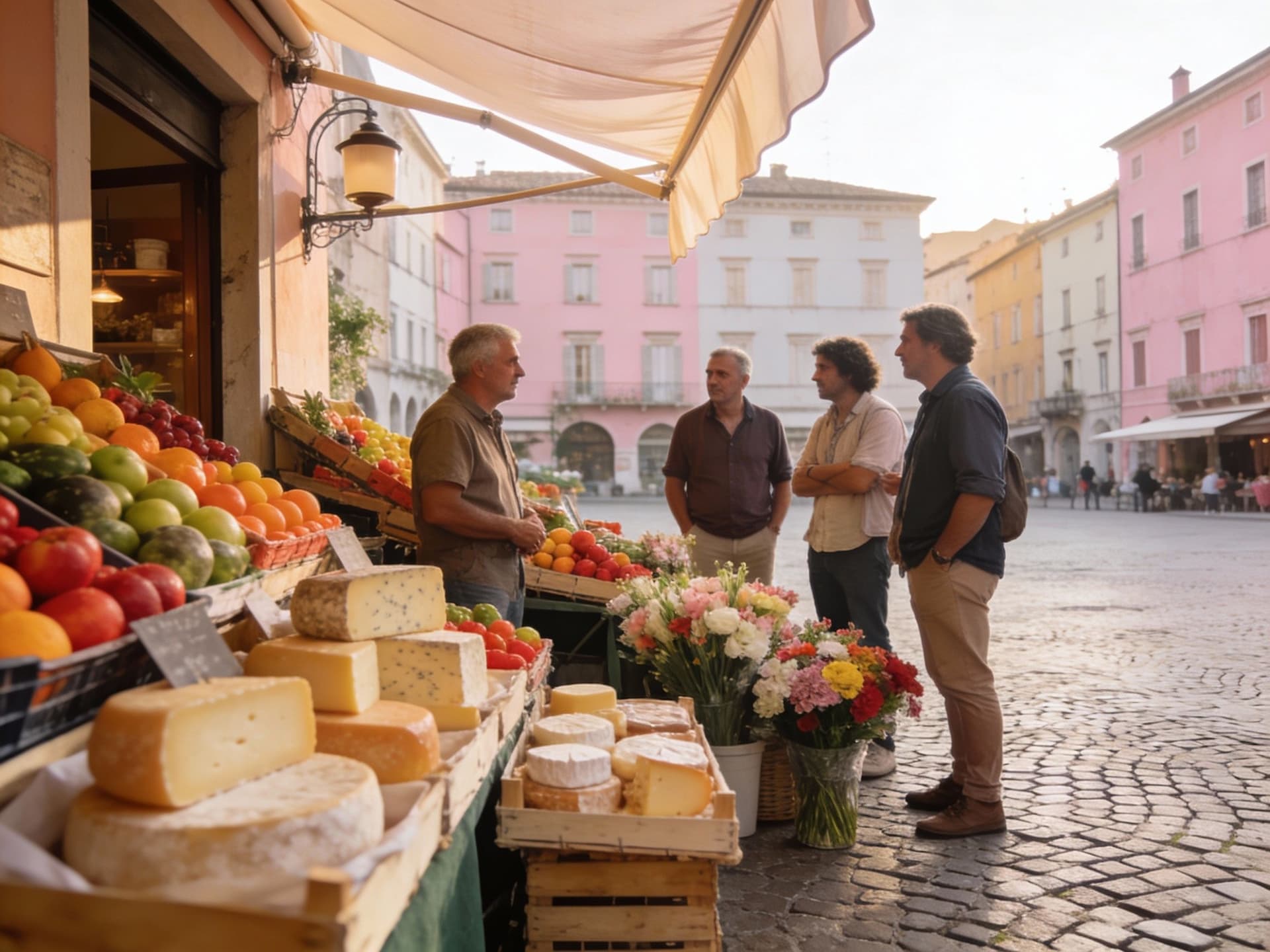
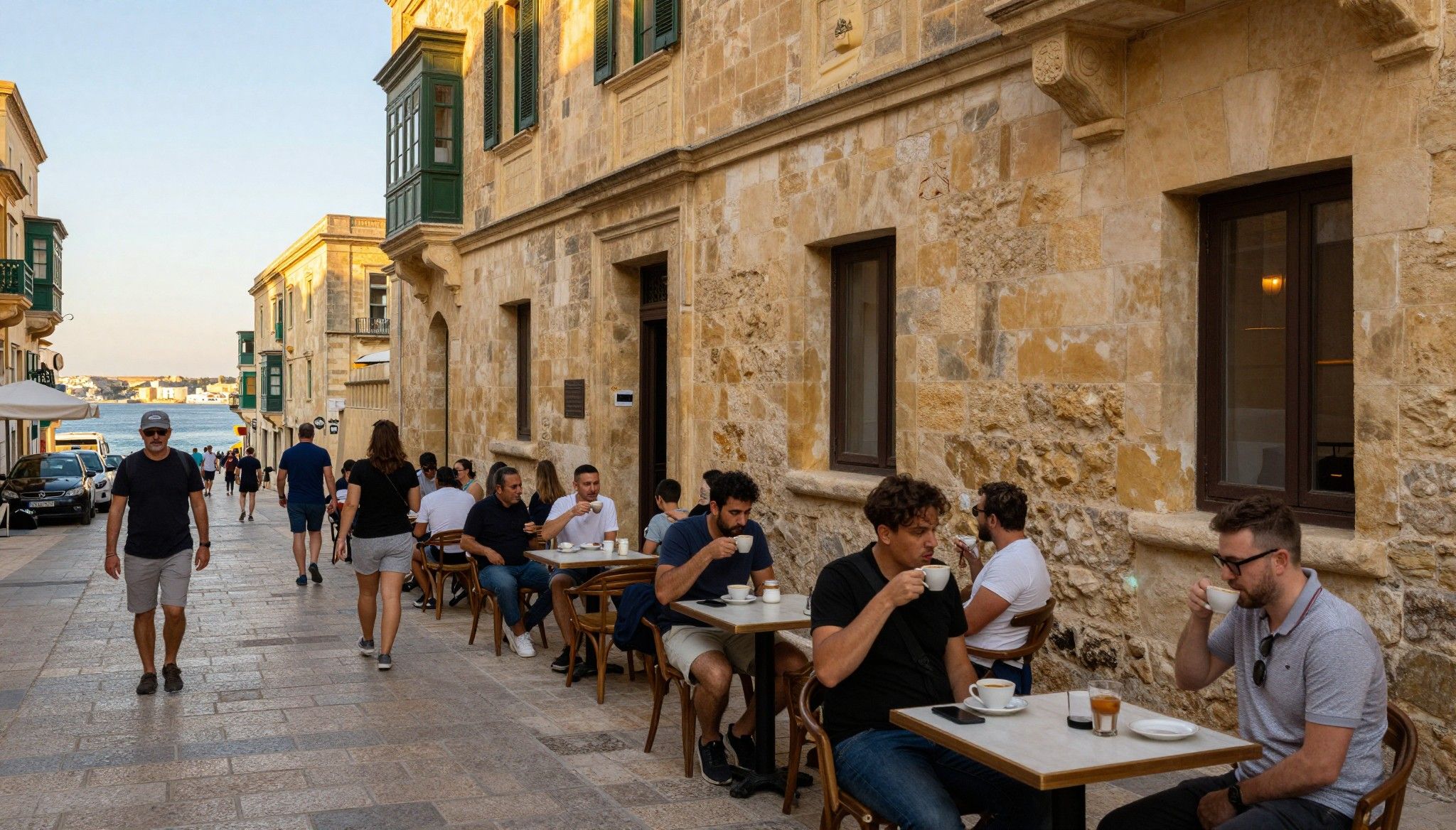
Life in Italy is dramatically local. Morning markets set the tempo in Palermo, coastal promenades define days in Genoa and Naples, while Milan and Turin hum with weekday work rhythms and late-night aperitivo culture. Expat communities cluster not only in capitals but in provincial towns — think Lucca for families, Bologna for food lovers, and Lake Como or Portofino for those drawn to waterside living. Recent data show foreign purchases growing rapidly, which is changing the texture of some neighbourhoods even as it amplifies long-standing local rituals.
Rome’s layers: cobbles, culture, adaptable living
Picture mornings wandering Campo de' Fiori, afternoons at the Galleria Borghese and evenings where neighbours still shout greetings across narrow streets. Rome’s property mix ranges from small historic apartments (characterful but often in need of renovation) to newly regenerated residential blocks near EUR and the Tiber’s banks. Investors and residents alike are noticing a reallocation of interest from Milan to Rome thanks to urban renewal and value gaps — a trend worth watching if lifestyle plus long-term capital upside is your priority.
Coast and lakes: Liguria, Amalfi, Como — different coasts, different days
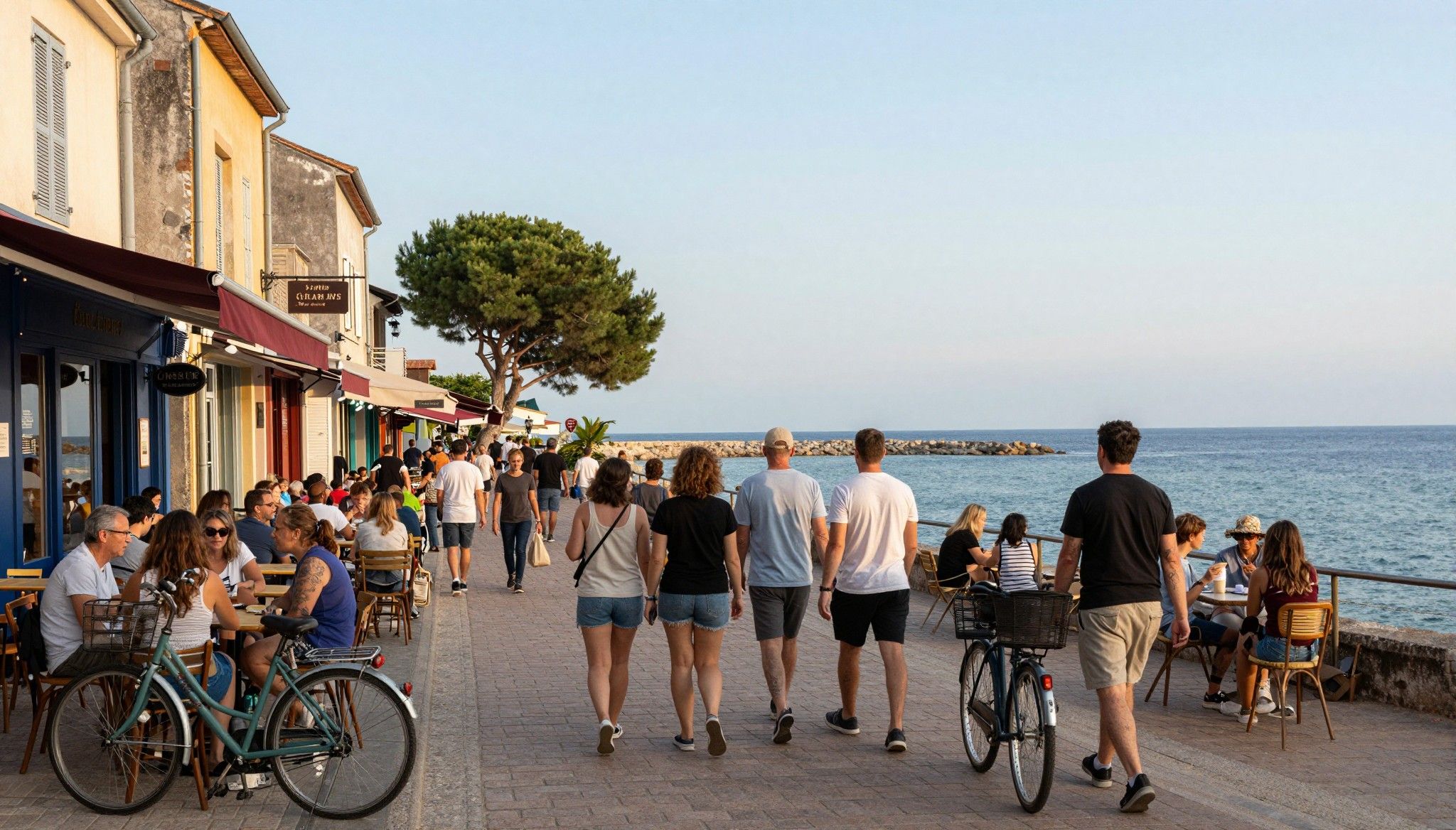
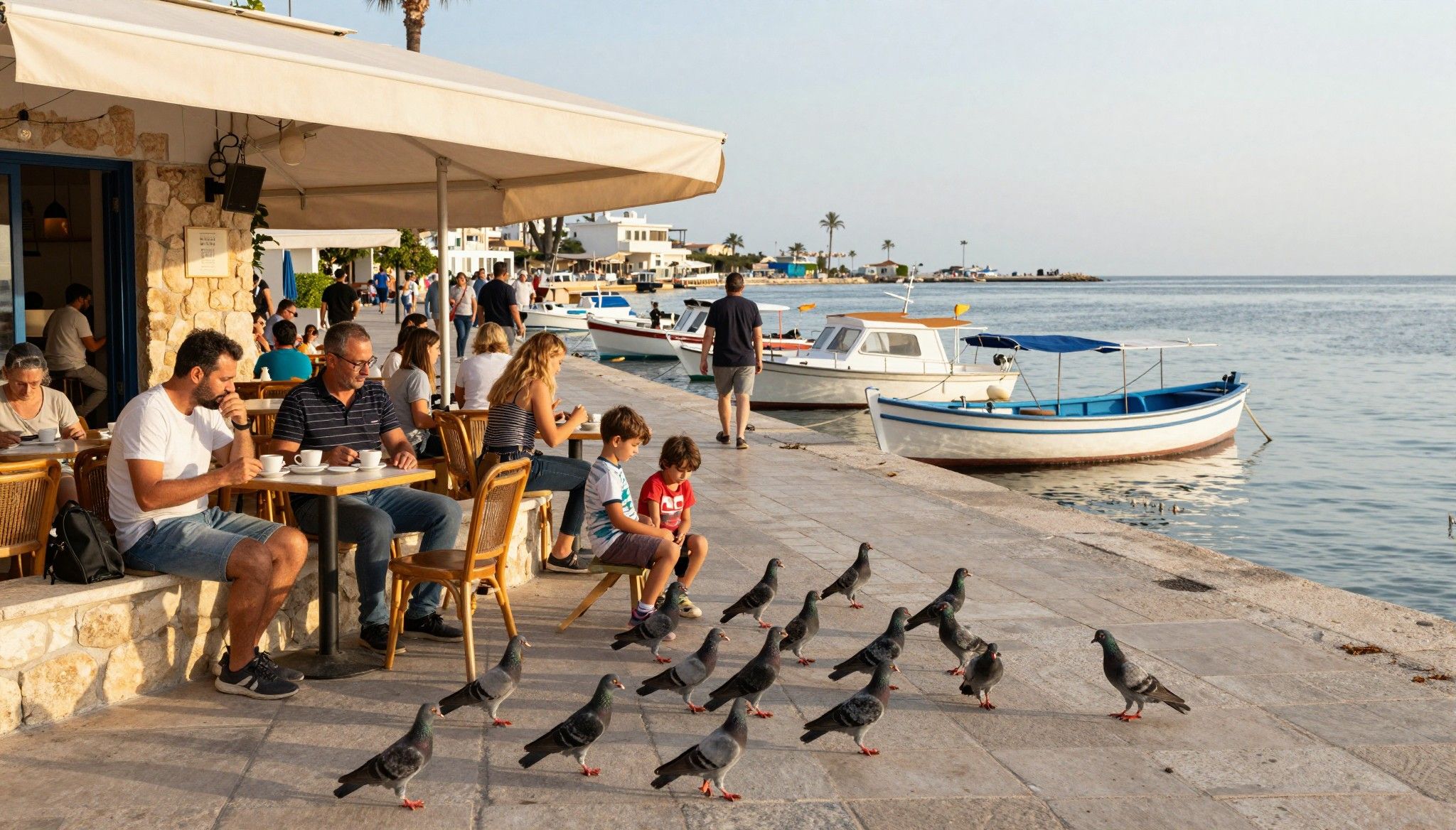
Coastal life means promenades at dawn, seafood markets by the harbour, and summer crowds that concentrate activity into a few months. Liguria’s narrow streets and pastel houses offer compact, walkable living; the Amalfi Coast trades accessibility for dramatic scenery and small, high-value properties; Lake Como rewards year-round lifestyle but with a prime-price tag. These differences change everything about utilities, maintenance and how you’ll actually use the place — a weekend Piedmont villa behaves differently from a seaside apartment in Rapallo.
- Lifestyle highlights to look for
- Morning market rituals: Mercato Centrale (Florence), Mercato di Porta Palazzo (Turin), Pescheria di Rialto (Venice).
- Coffee culture spots: Caffè Greco (Rome), Caffè Florian (Venice), historic bars in Milan’s Brera.
- Seaside promenades: Genoa’s Corso Italia, Viareggio’s Lungomare, Amalfi’s cliffside paths.
Making the move: practical considerations that protect the lifestyle
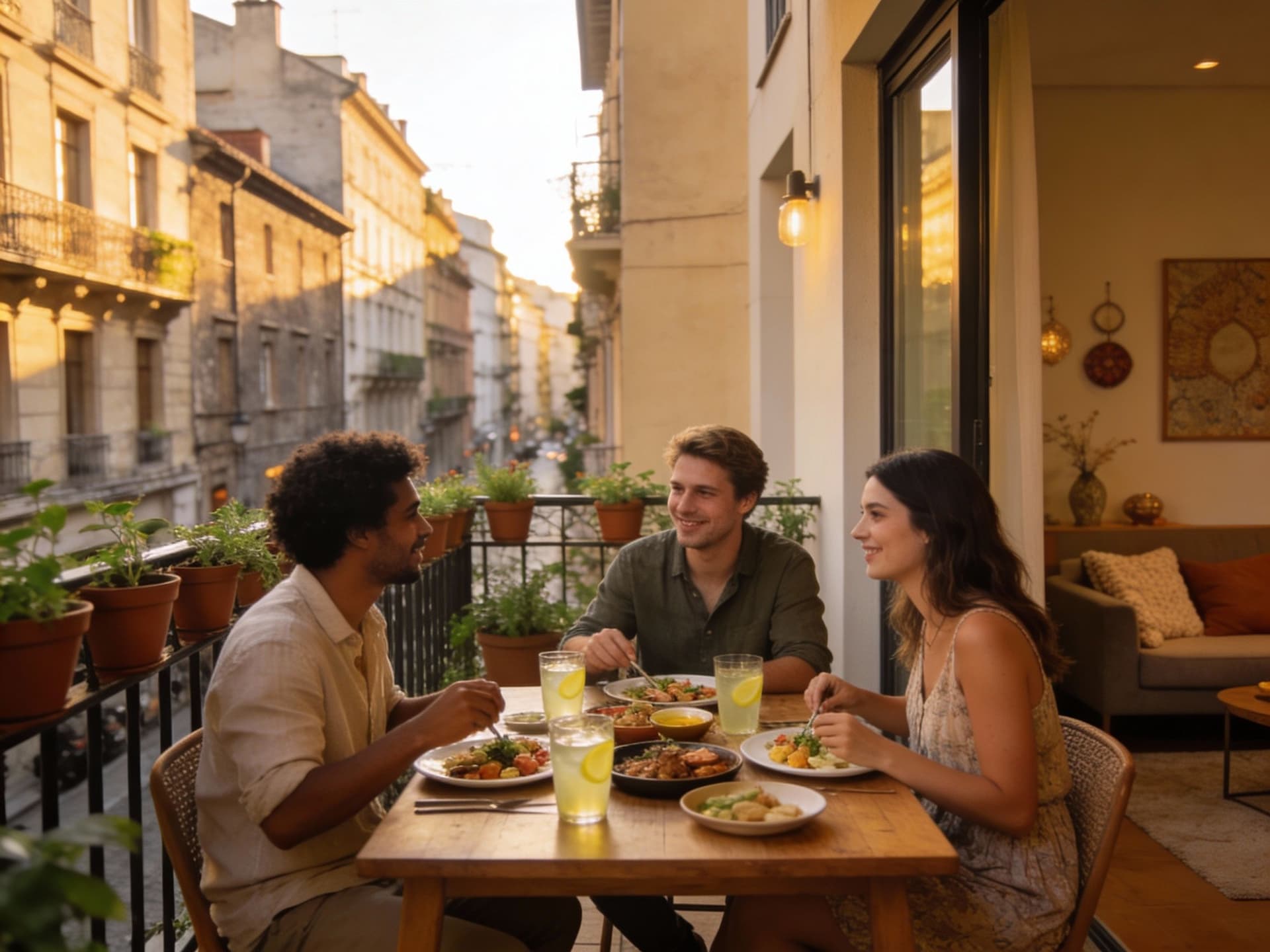
Your dream street defines which practical boxes need ticking. If you want an apartment in Trastevere, expect higher renovation complexity and limited parking; a villa near Lucca demands attention to heating systems and insulation. The national market shows modest growth in transactions and strong regional variation, so aligning the property type with local realities keeps lifestyle promises intact and avoids costly surprises. Work with experts who understand municipal quirks — building permits, heritage restrictions and energy-class upgrades — before you sign.
Property styles and how they shape daily life
Historic centre apartments offer immediacy to culture but often require renovation and are less energy-efficient; new-builds in suburbs provide modern comfort, parking and higher energy ratings but may lack charm. In coastal towns, look for elevated ground floors or upper-level terraces to capture sea breezes; inland villas need attention to heating and rainproofing. Energy class matters — greener homes are increasingly valuable both for quality of life and resale, and incentives are reshaping renovation economics.
Working with local experts who keep lifestyle first
Find agents who do more than show properties: they introduce you to local bakers, anticipate permit challenges and explain seasonal maintenance. Ask for references from recent foreign buyers and examples of properties they’ve closed in your neighbourhood of interest. Use a solicitor experienced in regional codes and a surveyor who can translate building pathologies into cost estimates. Confirm agency knowledge of rental demand if you plan to let — tourism calendars and transport links change yields dramatically.
- Step-by-step checklist for lifestyle-aligned purchases
- 1) Spend at least two separate multi-day visits in your chosen neighbourhood across different seasons.
- 2) Commission a local survey and request recent condominium meeting minutes if applicable.
- 3) Confirm zoning, heritage restrictions and likely renovation timelines with the municipality.
Insider knowledge: what expats wish they’d known
A common confession from expats: they underestimated seasonal life and overestimated year-round footfall. In summer a coastal town can feel alive and busy; in winter you may be the only foreign face for kilometres. Others wished they’d checked energy bills and heating systems more carefully — Italian heating runs on different cycles and costs can surprise newcomers. Recent reporting also highlights increased scrutiny and due diligence expectations for foreign buyers, making thorough checks non-negotiable.
Cultural integration and day-to-day belonging
Language opens doors: a few phrases smooth market conversations, while time spent at local bars and markets builds trust. Neighbourhood committees and volunteer initiatives are common and are often the fastest route to community acceptance. Expect a slower bureaucracy but warmer personal ties; a notary and agent who know local people will make administrative steps more humane. For families, proximity to schools and healthcare should rank above proximity to tourist hotspots.
Long-term lifestyle: how life evolves after you buy
After the move many buyers report a slower daily tempo and deeper social connections — neighbours who become friends and local shops that feel bespoke. Property needs change: a terrace becomes a year-round living room in mild climates, while hillside homes demand ongoing maintenance. Consider local succession laws, rental regulations and community rules early; life in Italy is rich, but it rewards foresight and relationships as much as capital.
Italy offers a range of lifestyles — from alpine mornings to coastal afternoons and centuries-old urban living — each with specific property trade-offs. Market data shows modest national price rises, strong regional variation and growing foreign buyer participation; align your wish list with local realities, prioritise agents and advisers who understand neighbourhood life, and plan for seasonal rhythms and renovation realities. Book two visits, bring a local lawyer and a surveyor, and choose an agent who thinks in lifestyle, not just square metres.
Dutch investment strategist with a Portugal-Spain portfolio. Expert in cross-border financing, rights, and streamlined due diligence for international buyers.