Buy in Italy Off‑Season: How Winter Reveals Value
Winter viewings and off‑season research reveal value across Italy’s regions—pair sensory neighbourhood knowledge with local market data for smarter property decisions.
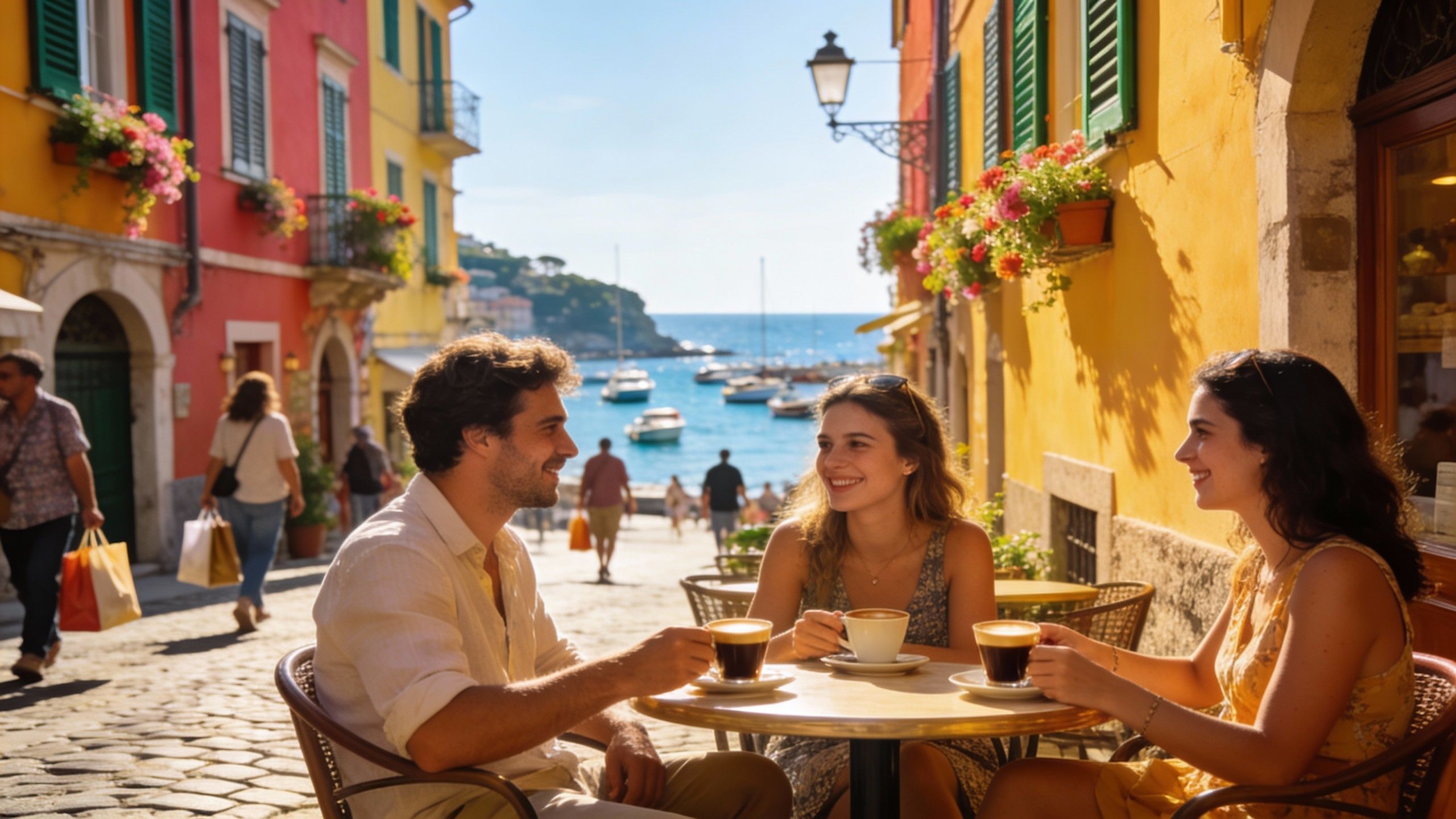
Imagine waking to the sound of a church bell in Lucca, buying ricotta from a market stall in Puglia, then taking a seaside walk at sunset in Liguria — all in one country. Italy’s appeal is sensual and specific: mornings shaped by espresso rituals, afternoons that slow for passeggiata, and neighbourhoods whose character—piazza, bar, mercato—decide how you live. For international buyers this is seductive, but the best buys often hide in the least obvious seasons; winter’s quieter markets and practical viewings reveal value the peak summer glare conceals.
Living the Italy lifestyle
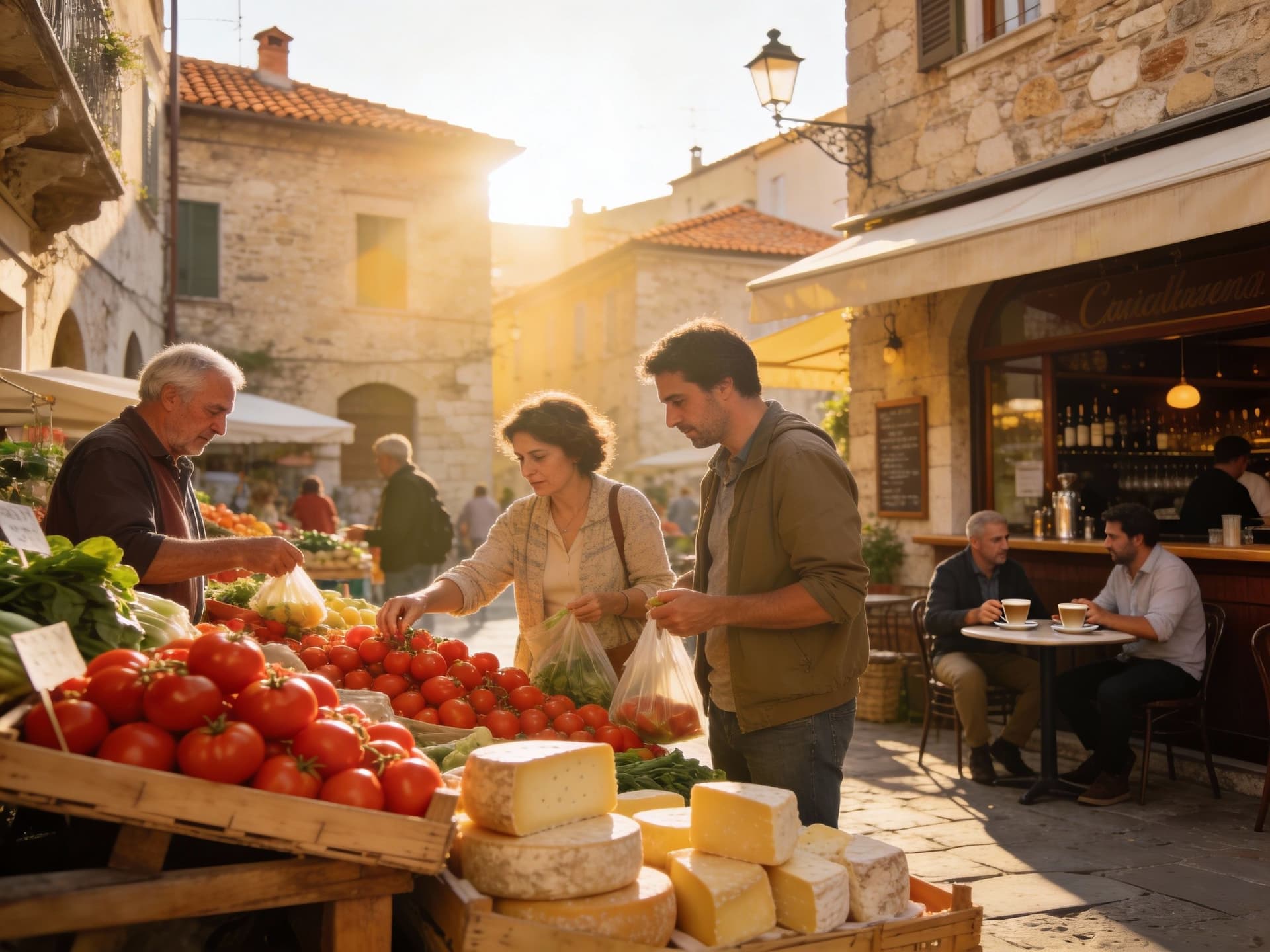
Life in Italy is neighbourhood-first. In Florence you’ll choose mornings at Mercato Centrale and evenings on the Arno; in Milan it’s espresso-to-apertivo rhythms with a buzzy design scene; on the Amalfi Coast days are measured by tide and trattoria bookings. These micro-rhythms shape what properties feel like home: a balcony in Naples becomes an outdoor kitchen; a cellar in Piedmont is a wine-ageing atelier. Knowing these patterns helps you prioritise features that matter to daily life, not just resale value.
Neighborhood spotlights: Lucca, Puglia and Genoa
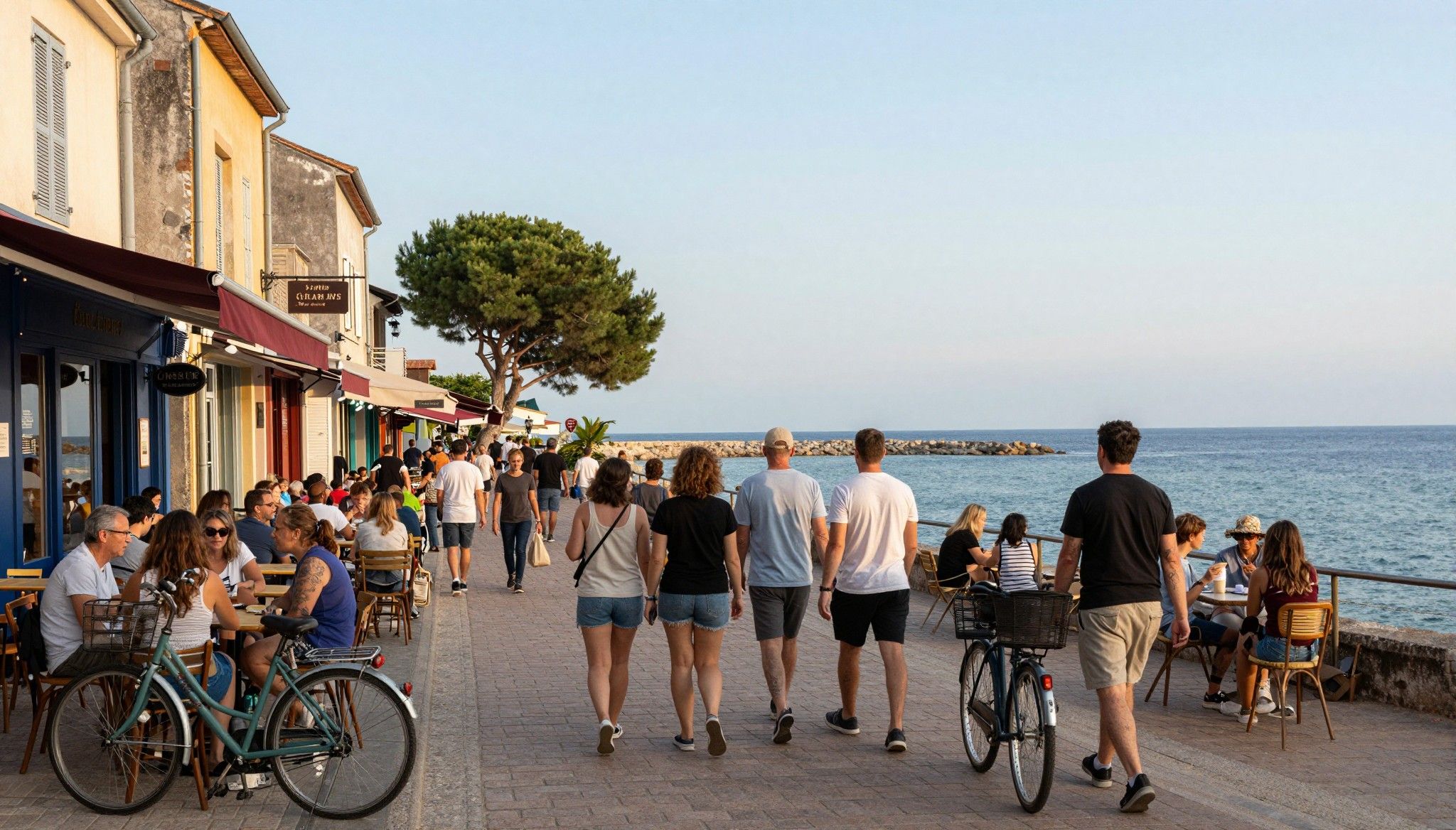
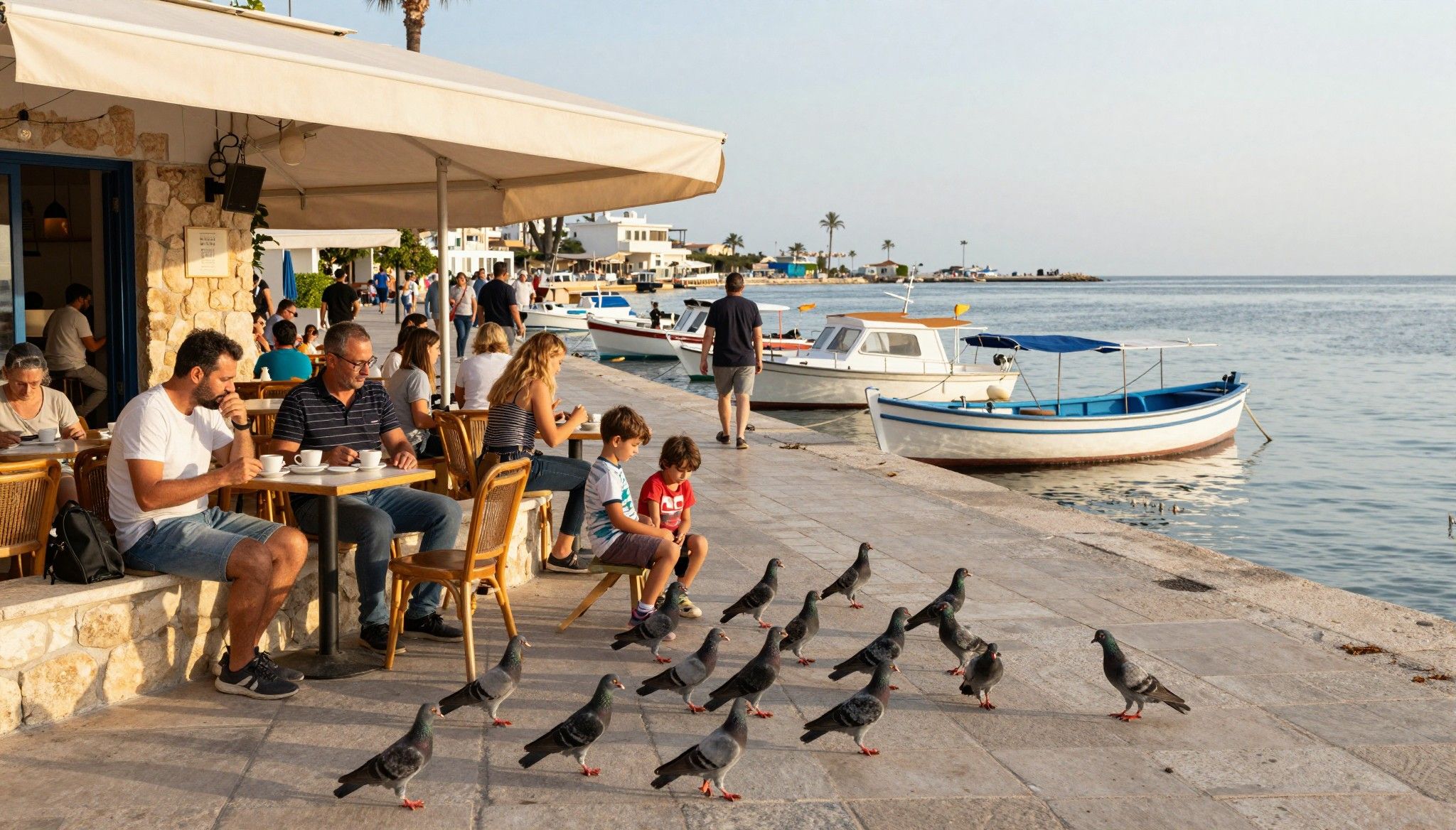
Lucca’s walled centro storico rewards slow Sundays: cobbled lanes, family-run osterie, and restored palazzos that combine period character with modern systems. Puglia trades Tuscany polish for whitewashed trulli, olive groves and a food scene built on seafood and durum wheat; its lower entry prices have drawn renovators and buyers seeking authentic village life. Genoa, once overlooked, is mid-revival—harbourfront promenades and renewed transport links make its historic streets attractive to buyers priced out of Milan but hungry for coastal city life.
Food, markets and daily rituals that define neighborhoods
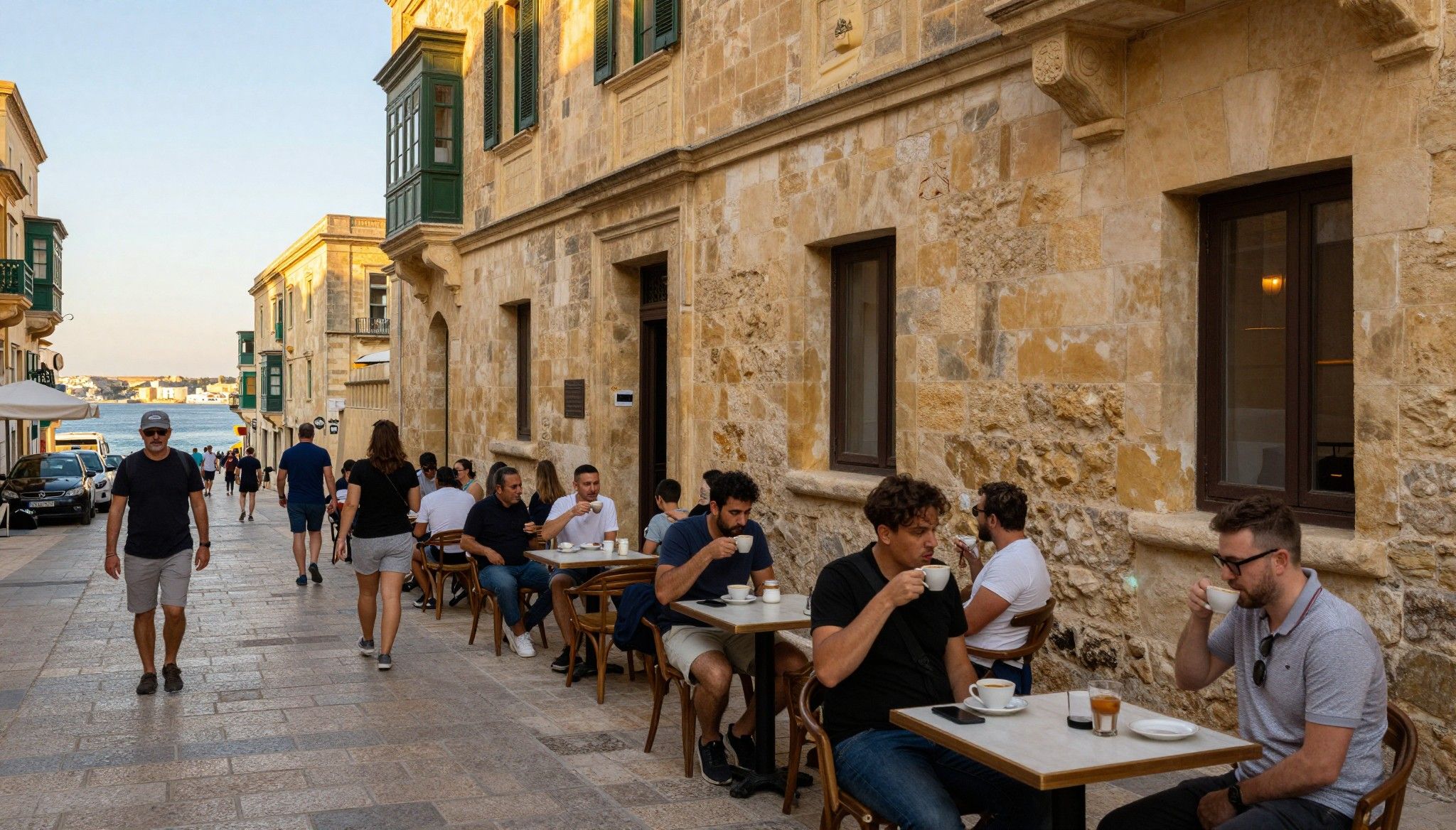
Markets are the social spine: find the best tomatoes at Campo de' Fiori in Rome or the fish counter at Mercato di Sant’Ambrogio in Florence and you’ll discover the rhythms homeowners live by. Cafes—bar tables at Bar Basso in Milan or a seaside caffè in Sestri Levante—turn into community hubs. Choosing a street with an early-morning market or a neighbourhood bar can change your property’s use and resale appeal more than a sea view.
- Lifestyle highlights to look for
- Morning markets (e.g., Mercato Centrale, Florence) and nearby storage for weekly shopping
- A small terrace or balcony suited for evening aperitivo rather than panoramic sea view alone
- Proximity to a neighborhood bar/café that doubles as your social base
- Access to local trains or highways (Milan, Genoa, Pisa hubs) for easy seasonal travel
Making the move: practical considerations
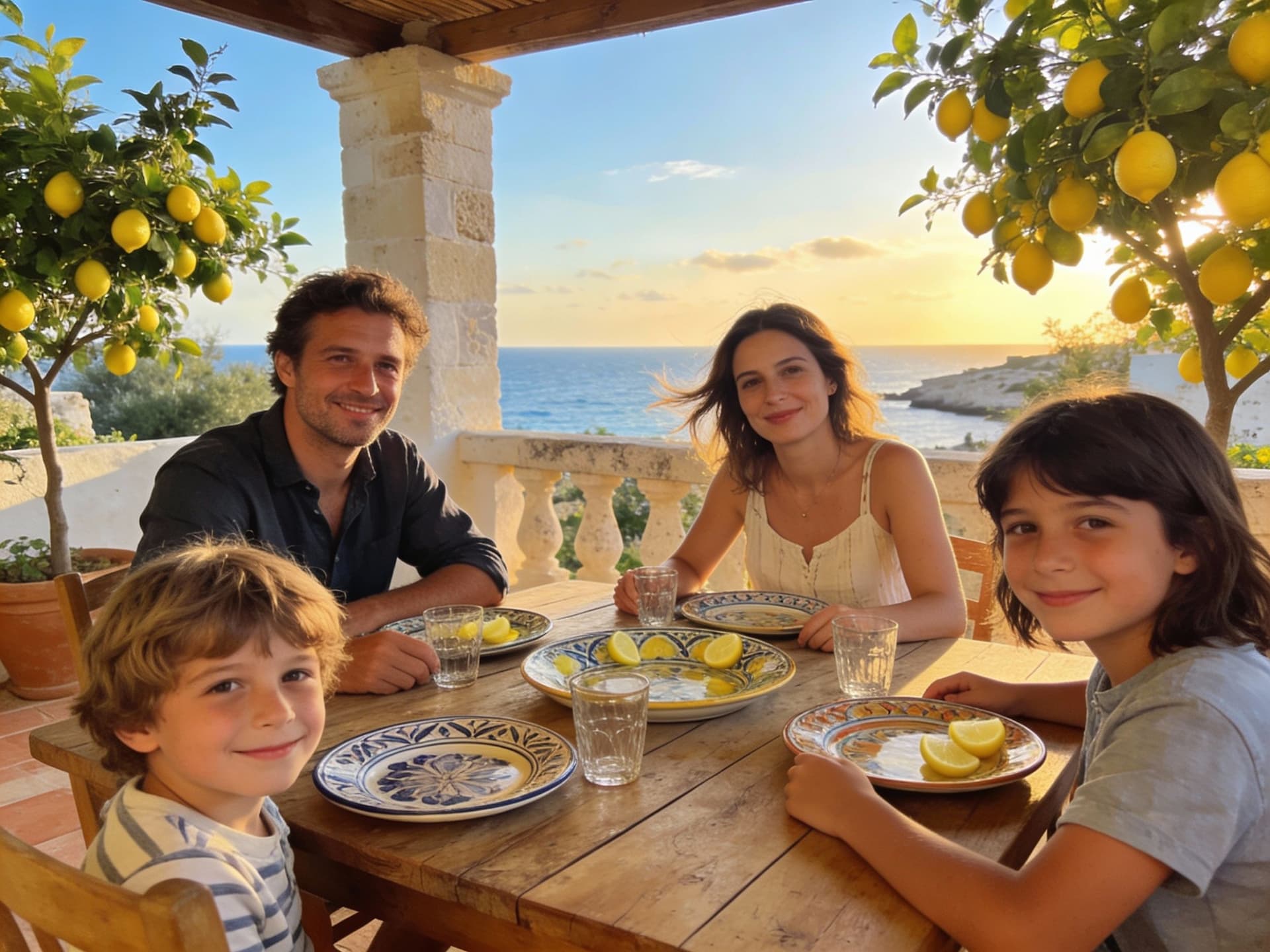
Dreams meet process in the notary’s office and at the municipal catasto. Italy’s buying mechanics—tax categories, notary roles, and registration taxes—are well documented, but what matters most is timing and local expertise. Market reports show a stronger-than-expected appetite for renovated, energy-efficient homes; working with agents who understand seasonal pricing and renovation permits will save time and money. Practical readiness—local tax counsel, a trained agent, and a realistic renovation buffer—lets you convert lifestyle intent into a secure purchase.
Property styles and how they shape daily life
A townhouse in Siena gives you courtyard life and local festivals; a renovated farmhouse in Tuscany is about land, cellar and long-term maintenance; a Milan apartment trades outdoor space for connectivity and cultural amenities. Energy class (Classe A/B) matters: efficient homes cost more upfront but avoid mandatory retrofits and attract long-term rental demand. Match the property typology to how you want to spend time—cooking, commuting, gardening or hosting—because Italian daily life is property-dependent.
Working with local experts who know neighbourhood life
Local agents, not generic portals, will steer you to streets where the lifestyle matches your brief. Choose agents registered with the local Chamber of Commerce and ask for case studies of similar buyers. Notaries and geometri (surveyors) play a larger role here than in many countries; they ensure title clarity, cadastral accuracy and permit legality. A bilingual lawyer can also translate cultural expectations into contract clauses that protect your lifestyle investment.
- Steps to marry lifestyle and purchase (practical + emotional)
- 1. Spend at least one full week living in a neighbourhood to test daily rhythms before making offers.
- 2. Prioritise energy rating and permit clarity—these affect renovation cost and livability more than surface finishes.
- 3. Use local agents with demonstrable neighbourhood experience and request recent comparable sales.
- 4. Budget for notary fees, registration taxes, and a renovation contingency (typically 10–20%).
Insider knowledge: what expats wish they'd known
Expats tell the same three surprises: bureaucracy timelines are long but predictable if you plan; seasonal life changes dramatically (coastal towns empty in winter); and community integration follows ritual, not paperwork. Recent reporting shows buyers shifting into second-tier regions—Puglia, Genoa and smaller Tuscan towns—seeking space and authenticity rather than headline prestige. These choices often bring better value and a more embedded lifestyle, but require patience with permits and local processes.
Cultural integration: language, rituals and neighbourliness
Small gestures matter: learn cappuccino ordering rules, attend a festa di paese, and introduce yourself at the bar. Neighbourhood acceptance often hinges on respect for local routines—trash days, market queues, and apartment stairway etiquette. Language classes, volunteer work and regular presence at local venues accelerate connection and change a property from a second home into a lived-in community asset.
Long-term lifestyle considerations
Think five-to-ten-year horizons: regional regeneration projects, transport upgrades and rising demand for energy-efficient homes will re-rate whole towns. Recent research highlights Tuscany’s steady prime growth and increased interest in southern regions; pairing lifestyle with data—flight routes, school options, and healthcare access—protects lifestyle value over time. Renovation that respects local materials and energy standards both elevates living and improves marketability.
Conclusion: buy the life, not the postcard. Italy rewards residents who prioritise daily rituals—markets, cafés, coastal walks—over headline views. Work with local agents and legal advisors who know the seasons and the paperwork, test a neighbourhood in the off-season, and budget for energy upgrades and permit timelines. When lifestyle and process align, a property in Italy becomes more than an asset: it becomes the setting for a new, richly textured everyday.
Swedish strategist who relocated to Marbella in 2018. Specializes in legal navigation and tax planning for Scandinavian buyers.