Malta: When Coastal Charm Outweighs Central Hype
Malta’s compact lifestyle meets selective market momentum—RPPI shows steady price rises; pick neighbourhoods for life, not averages, and match agents to your lifestyle brief.
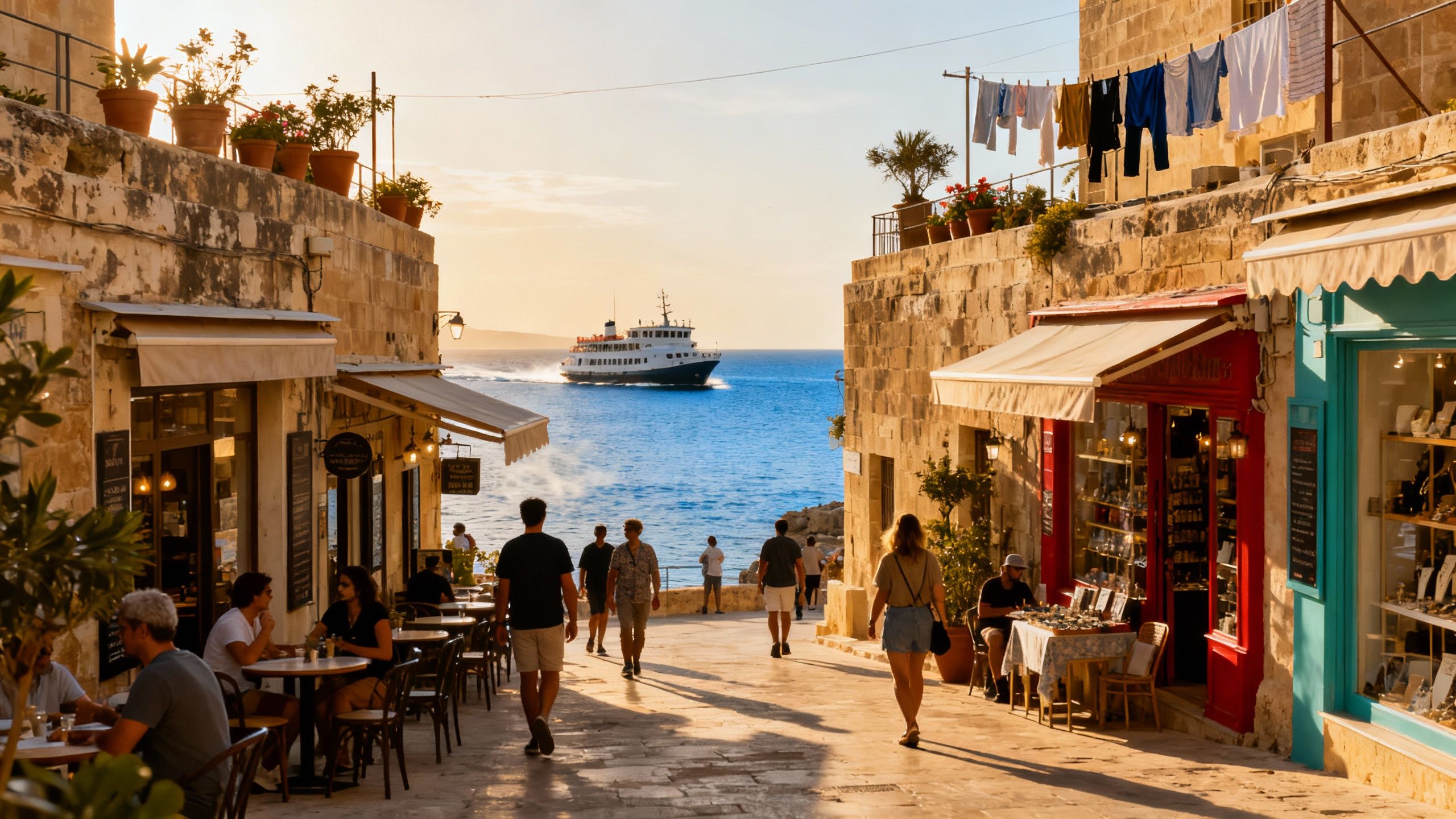
Imagine starting your morning with an espresso on Triq it-Torri in Sliema, watching ferries thread past Manoel Island while locals fetch pastries from a tiny bakery. In Malta the day moves at Mediterranean rhythm — compact, social, sunlit — yet beneath the postcard calm the property market has momentum that changes where and how you buy. This piece pairs those lived moments with the facts international buyers need: where neighbourhood character meets market reality, and when charm becomes premium.
Living Maltese Life: lanes, luzzu and late cafés
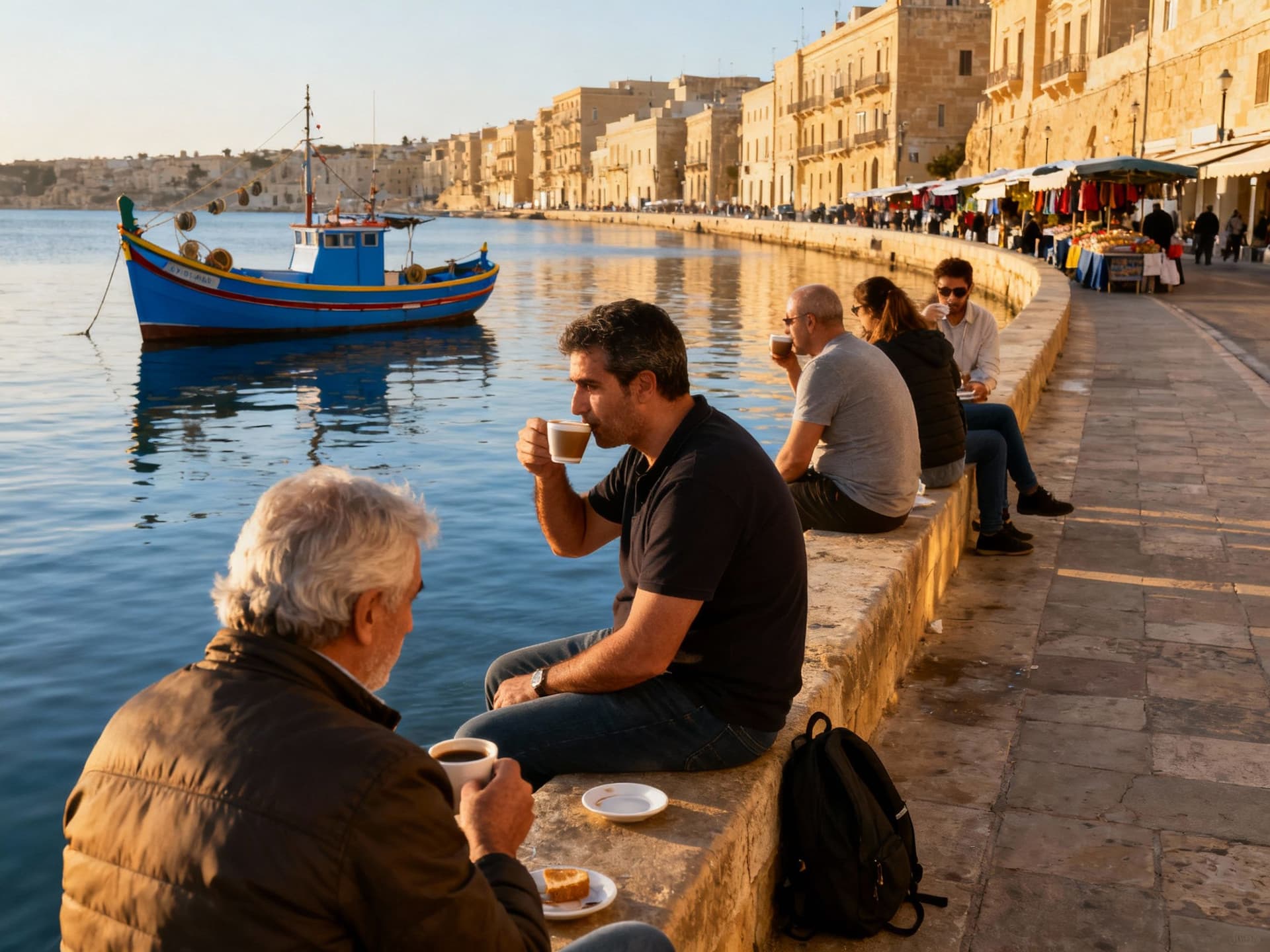
Malta’s lifestyle is compact and tactile: narrow streets in Mdina whisper history, while St Julian’s hums with cafés, co-working hubs and evening energy. Day-to-day living blends English-language ease with Maltese warmth; neighbours swap news outside grocers and weekend markets on Marsaxlokk bring a surge of colour and seafood. For buyers that matters — you’re not just buying floor area, you’re buying a rhythm of life where a 20-minute walk can deliver markets, coastline and nightlife.
Sliema & St Julian’s: seaside, services and rental demand
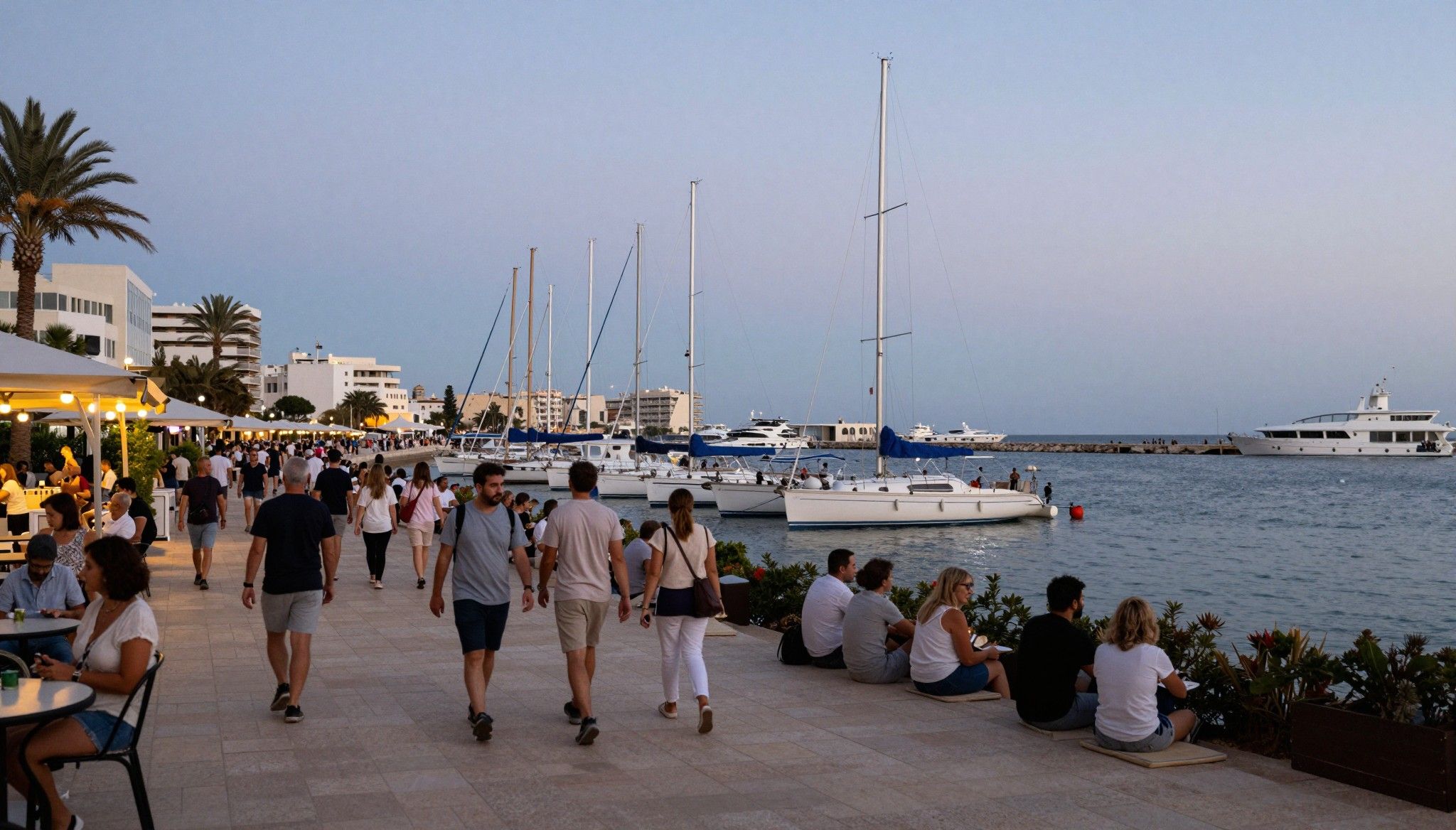
Sliema and St Julian’s offer the easiest transition for internationals: English is everywhere, ferries connect to Valletta, and cafés line the promenade. These areas attract long-stay renters and digital nomads, lifting demand and compressing yields compared with quieter towns. Expect modern apartments and renovated townhouses — excellent for lifestyle-focused buyers, but be prepared for higher price-per-square-metre and a fast-moving resale market.
Mdina & Valletta: history-heavy, slower nights
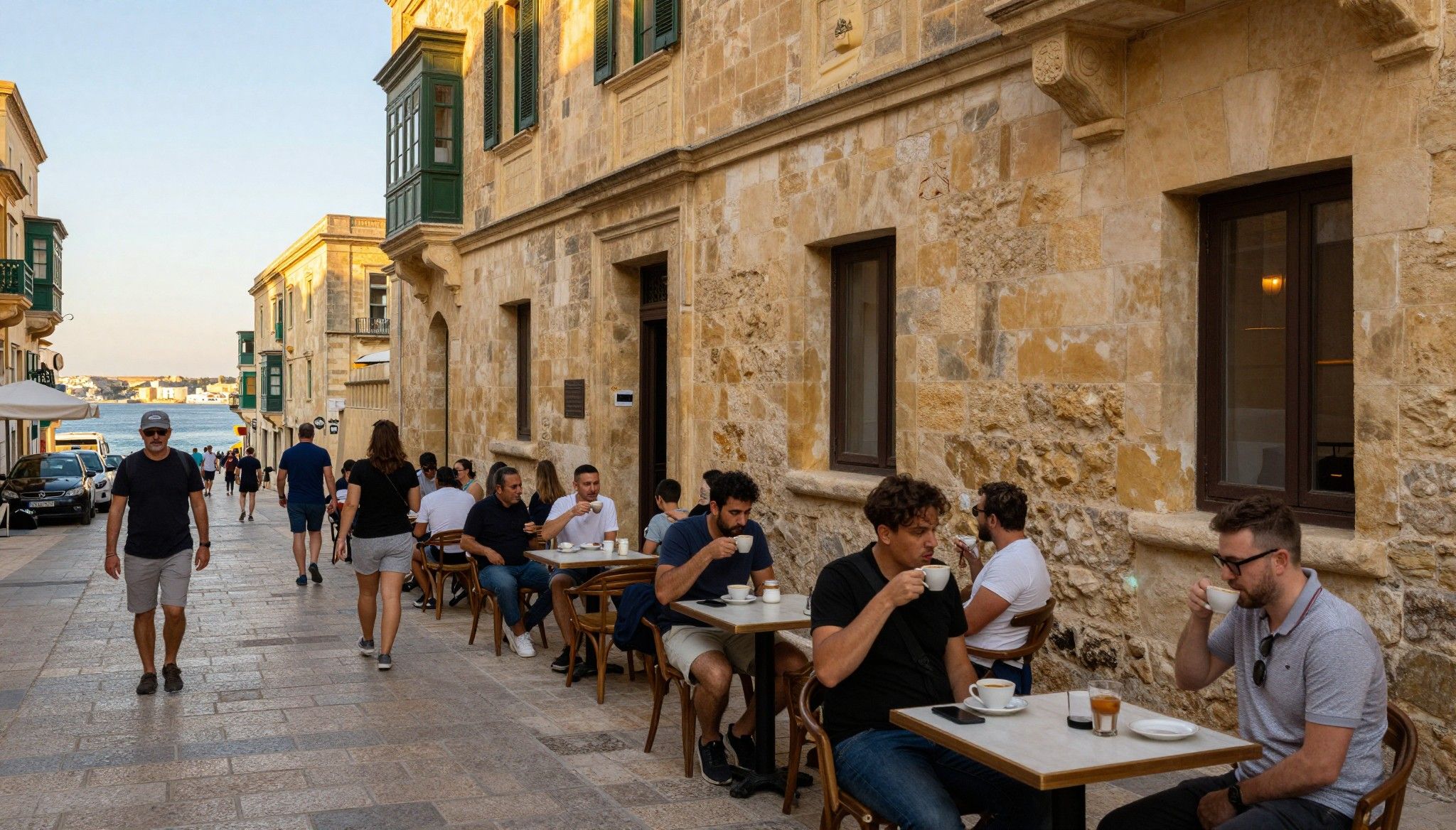
Valletta’s baroque streets and Mdina’s tranquil bastions are magnetic for those craving heritage living. Properties here — historic townhouses and penthouses with wide views — carry character and maintenance quirks: thicker walls, stone repairs and stricter conservation rules. If you value architectural provenance over modern amenities, these areas repay patience; but factor in renovation timelines and specialist contractors into budgets and schedules.
Making the move: where lifestyle choices meet market facts
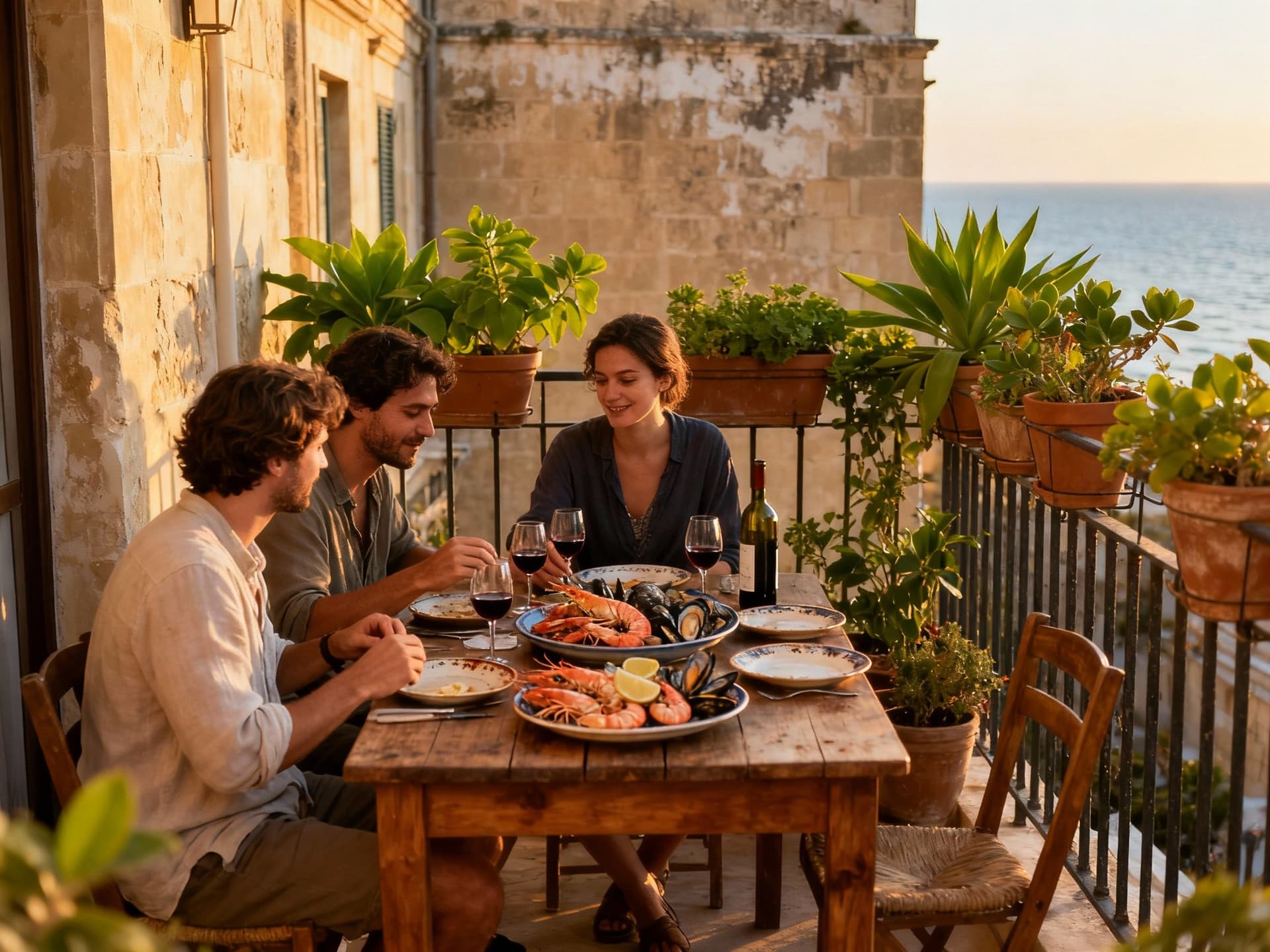
The headline: prices are rising but yields vary. Malta’s Residential Property Price Index shows sustained growth (RPPI 171.93 in Q2 2025), and rental yields average around 4% depending on area and unit type. That combination shapes buyer strategy: choose central locations if you prioritise lifestyle and capital growth; choose quieter coastal towns for value and steadier yields.
Property types: maisonette, apartment, house of character
Maisonettes — single-storey flats with street access — are a Maltese special and often appeal to families wanting outside space. Modern apartments provide conveniences and are easiest to rent short‑to‑mid term, while houses of character reward restoration-minded buyers with dramatic living spaces. Each type carries trade-offs: renovation complexity, maintenance cost, and resale appeal vary widely across these categories.
How a local agent turns lifestyle into a shortlist
Work with a licensed Maltese agent who knows neighbourhood microtrends — which streets attract long-term professionals, which blocks are quiet after 9pm, and where conservation rules bite. Local agents can map lifestyle wishes to practical filters: commute time to international schools, walking distance to the sea, or rooftop options for al fresco dinners. They also help with the negotiation rhythm in Malta, where offers and counter-offers can move quickly when demand spikes.
Insider knowledge: expat truths and seasonal realities
Expats quickly learn that Malta’s small scale intensifies seasonal rhythms: summer brings tourists, late-night dining and a buoyant rental market; winter reveals the island’s local heartbeat, quieter cafés and better negotiating leverage for buyers. Recent data confirm steady price rises (5.6% year-on-year in Q2 2025), so timing matters less as a bet on price falls and more as a decision about lifestyle-season tradeoffs.
Language, community and the social spreadsheet
English is an official language and widely used in commerce and healthcare, which flattens the learning curve for many buyers. Yet integration benefits those who learn Maltese phrases and engage with community events — festa nights, village markets and church square gatherings — which accelerate belonging and make daily life richer. For practical life, register with local services early and join expat groups to shorten the social onboarding.
Long-term living: what changes after year one
After twelve months you notice the small returns that matter: neighbourly brunches, preferred fishmongers and the route that avoids the Sunday market congestion. Property-wise, plan for routine stonework and humidity management; solar panels and insulation rapidly pay back energy savings. The best buys are those that match a lived-in checklist: sunlight, access to daily essentials, and a local community you can see yourself in over years, not just weeks.
- Practical checklist before making an offer
- Confirm RPPI trends for your target area and unit type (NSO releases).
- Visit in off-season to test daily rhythms and noise levels.
- Ask an agent about conservation rules and typical maintenance costs for older properties.
- Compare gross rental yields by district (expect ~3.5–4.5% across mainland areas).
- Factor in seasonal occupancy if you plan short-term lets — tourism months push rates, winter steadies demand.
Why the usual myths mislead
Two persistent myths: that Malta is uniformly 'expensive' and that coastal equals instant yield. Official indices show price growth concentrated in certain property types and districts, so blanket assumptions cost money. Use granular RPPI data and local rental benchmarks rather than averages to choose neighbourhoods that match your investment or living goals.
- Step-by-step: test, shortlist, visit, contract
1) Test the lifestyle: spend a week in both summer and winter. 2) Shortlist properties with your agent tied to specific lifestyle needs (commute, sea access, schools). 3) Visit shortlisted homes in person off-peak to check sound and light. 4) Negotiate with local counsel and a licensed agent; expect earnest deposit norms and a notarial conveyance process.
Conclusion: Malta rewards buyers who balance romance with research. The island’s lanes, cafés and coastline offer an immediate quality-of-life uplift — but data (NSO RPPI, rental benchmarks) show the market is selective and active. Work with agencies who know both the pulse of a neighbourhood and the numbers; arrive with a lifestyle brief and a pragmatic checklist, and you’ll find a home that feels like it was waiting for you.
Danish relocation specialist who has lived in Barcelona since 2016. Helps families move abroad with onboarding, schooling, and local services.