Malta: Compact Mediterranean Life, RPPI‑Led Reality
Malta delivers compact Mediterranean living: prioritise terrace, neighbourhood rhythm and RPPI‑backed comparables to match lifestyle with a tight, rising market.
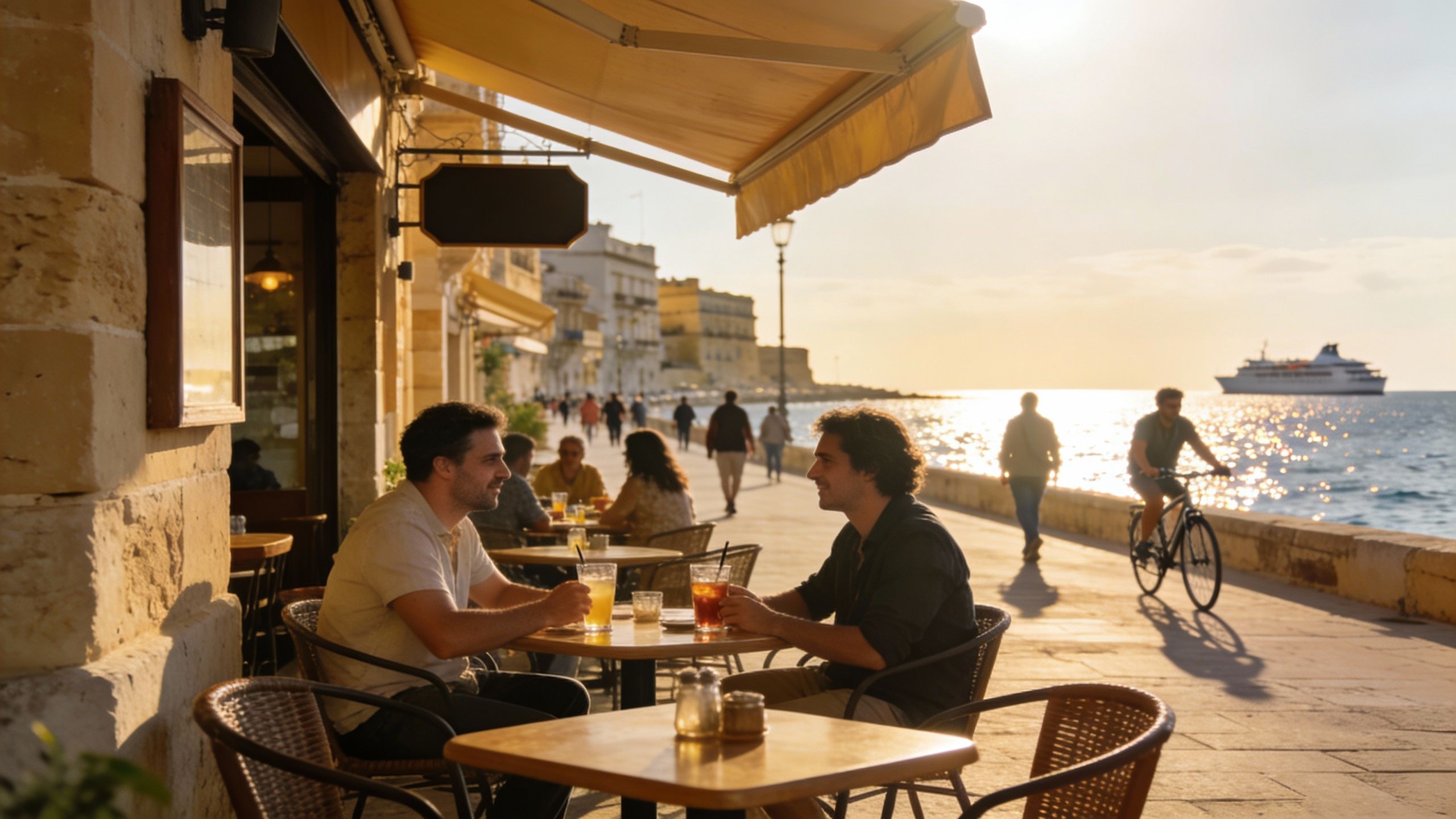
Imagine waking up in a narrow stone street, espresso in hand, the sea a ten-minute walk away and a neighbourhood market filling the air with citrus and fresh bread. That contrast — historic limestone lanes breathing everyday Mediterranean life alongside busy coastal promenades — is Malta’s appeal. For buyers from the Costa del Sol used to wide beaches and long promenades, Malta is compact: everything is closer, the pace alternates between ritual quiet and sudden festival energy, and property choices are driven as much by street life as by square metres.
Living the Malta Life
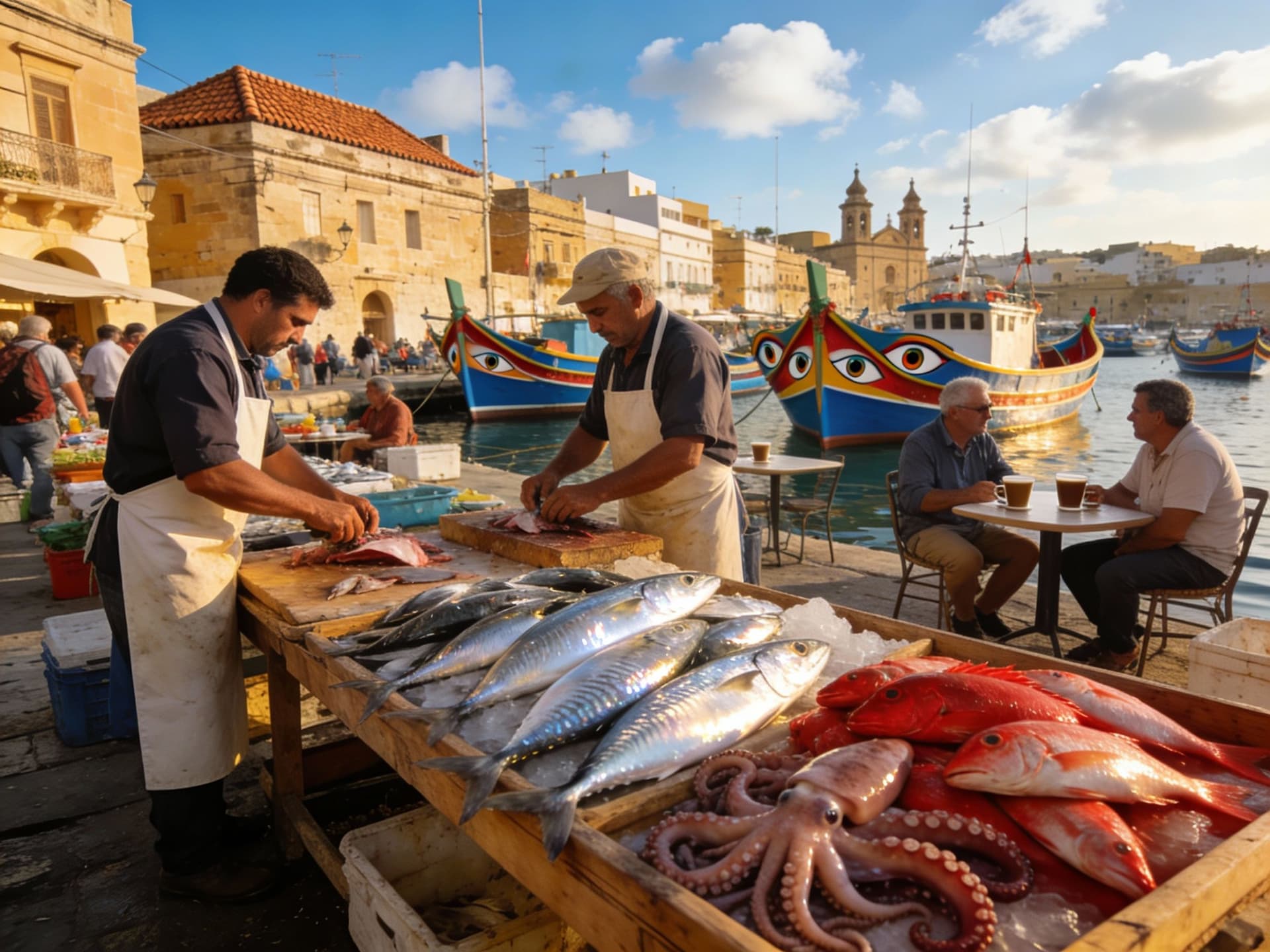
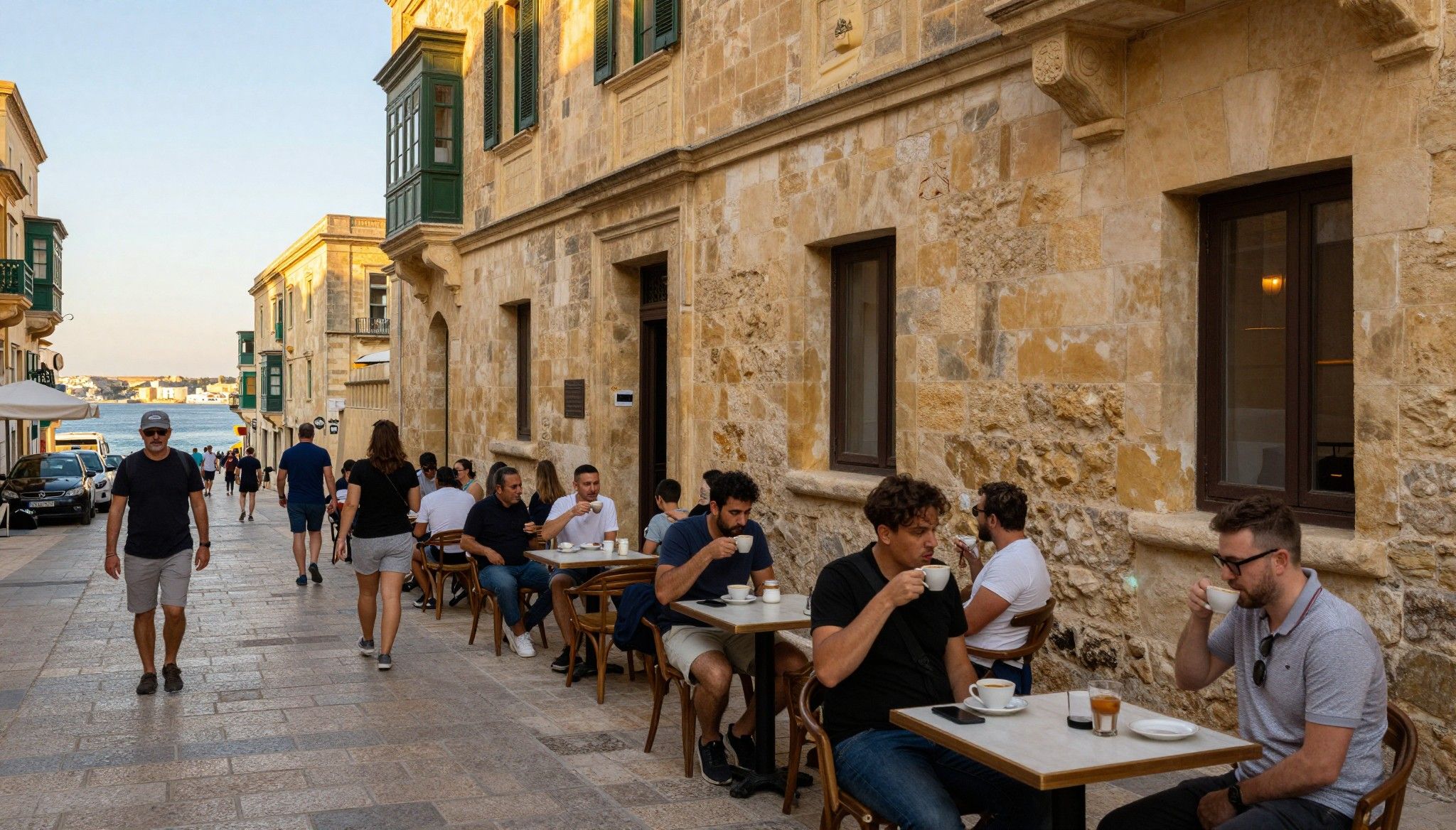
Malta fits the cinematic Mediterranean short‑break — but lived long term it becomes intimate and routine in a good way. Valletta’s baroque facades and slowSunday passeggiata, Sliema’s waterfront cafes, St Julian’s lively marina and Paceville’s nightlife each offer distinct daily rhythms. Winters are mild and social life migrates indoors to wine bars and local festas; summers stretch into ferry trips to Gozo and evenings on rooftop terraces.
Valletta to Sliema: city heritage vs. coastal bustle
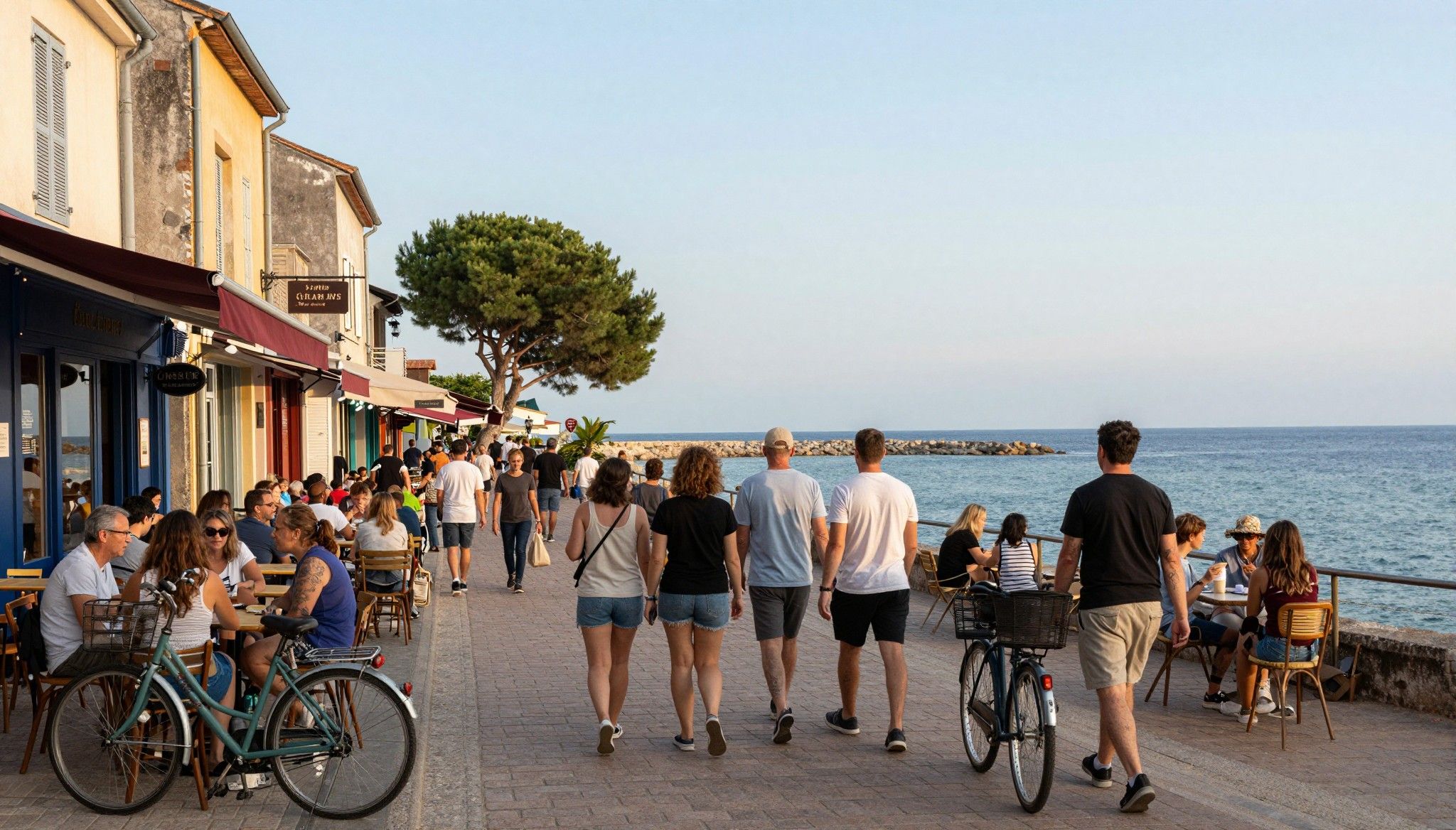
Valletta feels like living inside a museum with functioning shops: cobbled streets, small palazzos and intimate piazzas. Sliema and nearby St Julian’s bend toward a coastal, contemporary life — sea promenades, designer bakeries and apartment towers. If you want doorstep culture and quiet evenings, Valletta or the Three Cities suit. If morning swims and cafés on the promenade matter, Sliema or St Julian’s will fit better.
Food, markets and hidden terraces
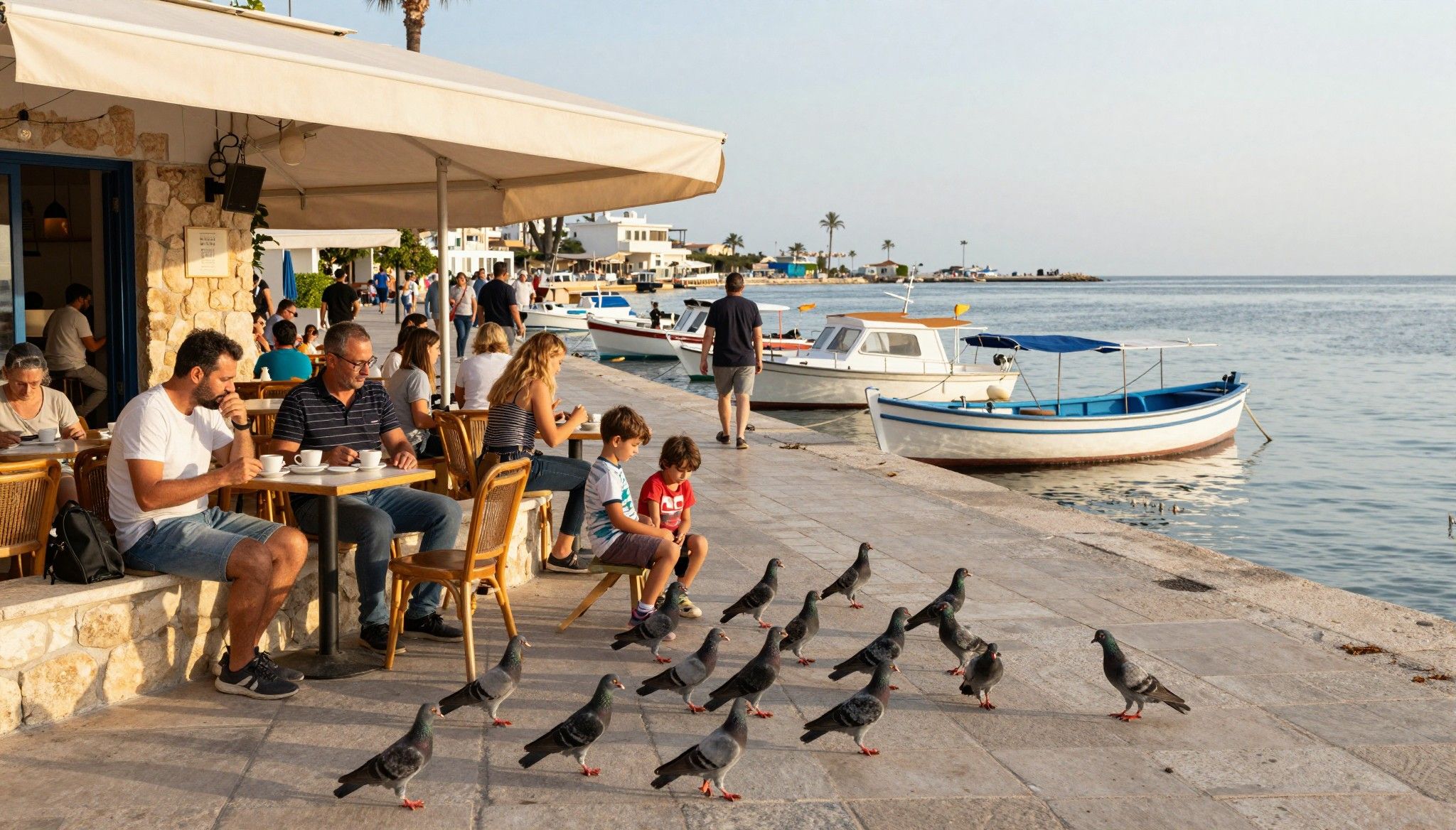
Weekends revolve around fish markets in Marsaxlokk, family lunches of rabbit stew (fenek) and late‑night pastizzi runs. Look for cafés on Triq il-Merkanti in Valletta or the small terraces off Sliema’s Strand — these micro‑spots shape where locals buy. The island’s food scene is gaining traction: modern Mediterranean restaurants sit beside centuries‑old bakeries, creating neighbourhoods that feel lived in rather than staged.
- Lifestyle highlights: Valletta theatre nights; Sliema promenade cafés; St Julian’s yacht‑marina dining; Marsaxlokk Sunday fish market; Mellieħa sandy bay for family weekends; Gozo day trips and rural tranquillity.
Making the Move: Lifestyle Meets Property Reality
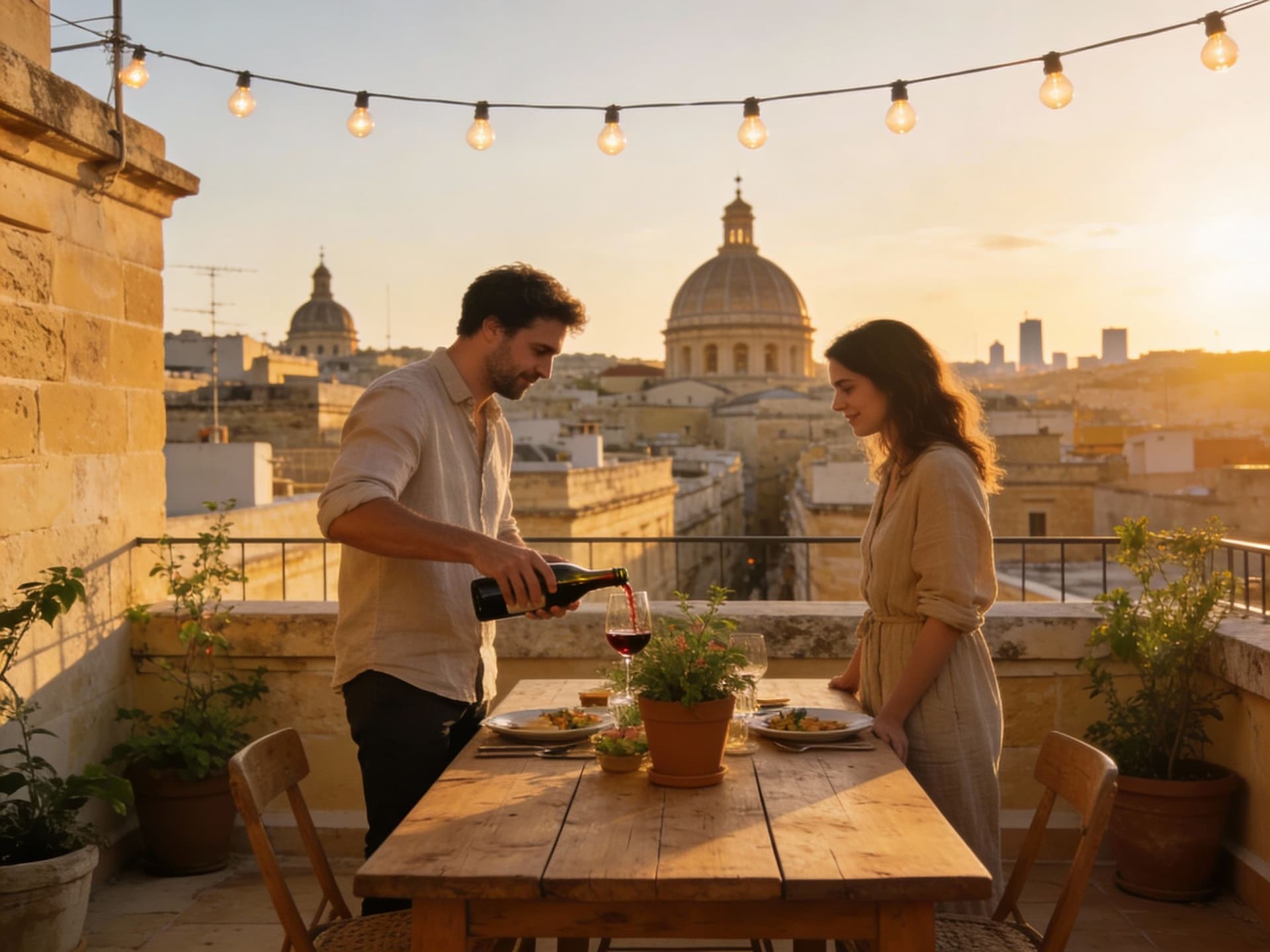
Falling in love with Malta’s terraces and festivals is the easy part. Translating that love into a sound purchase means understanding a tight market where prices have been rising steadily. Official statistics show a continued uptick in the Residential Property Price Index, reflecting strong demand — a reminder to align lifestyle priorities with market reality before making offers.
Property styles and how they shape life
Maisonettes, traditional townhouses, and modern apartments dominate. Maisonettes offer private terraces and street presence suited to social cooks and outdoor diners; converted townhouses bring historic charm and layered living spaces for those who prize character; newer apartments provide amenities and easier maintenance for frequent travellers. Your day‑to‑day — morning coffee on a small balcony or hosting al fresco dinners — should guide which typology you prioritise.
Local experts who match life with listings
Choose agents who know not only paperwork but which streets hum on a Sunday and which blocks quiet down after 20:00. Experienced local agencies assist with practicalities — residency implications, short‑term rental rules, and renovation constraints — while presenting properties that fit how you live: whether that’s a rooftop terrace for summer dinners or a compact apartment within walking distance of a market.
- 1. Prioritise your non‑negotiables (terrace, sea access, walkable cafés). 2. Match property type to routine: maisonette for indoor‑outdoor life, apartment for lock‑and‑leave. 3. Inspect neighbourhoods at different times: weekday mornings, Saturday nights and festival days. 4. Ask agents about absentee ownership and short‑term rental patterns; these shape street life. 5. Include renovation timelines — older townhouses often need structural work that changes move‑in timing.
Insider Knowledge: What Expats Wish They’d Known
A common surprise: Malta’s small size intensifies policy effects. Investment‑driven programmes and strong demand concentrate buying power in prime pockets, sometimes creating absentee ownership and short‑term rental pressure. That dynamic affects both pricing and neighbourhood atmosphere: some streets feel lived‑in, others behave like holiday zones. Expats who live full time quickly learn which blocks have a local backbone versus transient occupants.
Language, customs and making a community
English is an official language, which flattens the learning curve for many buyers. Still, integrating means attending festas, trying local eateries and respecting siesta‑like rhythms in quieter villages. Expect neighbours to know each other; invite them over and you’ll build social capital quickly. Expat groups in Sliema, St Julian’s and Gozo form ready networks for newcomers seeking shared activities.
Long‑term lifestyle trade‑offs
Buying in Malta buys lifestyle intensity and proximity at the cost of space. If long summer gardens matter, Gozo or rural villages provide more breathing room. If proximity to international schools, health services and cosmopolitan nightlife matters, Northern Harbour areas deliver. Expect gradual densification in central areas and carefully weigh maintenance of historic fabric versus modern convenience.
Quick market snapshot: official data showed the RPPI at 165.22 in Q4/2024 with roughly 5% year‑on‑year growth, and further NSO releases indicate continued increases into 2025. This means acting without haste: prepare due diligence, but accept that a considered, timely bid is often needed in sought‑after streets.
- Red flags and practical checks: • High short‑term rental concentration on a street (weekend noise, fluctuating neighbours) • Unclear ownership history in older townhouses • Planning restrictions on facades and terraces that limit renovation • Overly optimistic yields promised by agents — ask for comparable recent deeds • Sparse local services outside peak season in smaller villages
- 1. Request RPPI‑backed comparable transactions for the micro‑area. 2. Get a local architect’s quick facade and structural scan before offer. 3. Verify short‑term rental permissions and typical occupancy rates with the council. 4. Budget 10–20% of purchase price for renovation and compliance when buying older stock. 5. Use a local notary and agency familiar with cross‑border transactions and residency paperwork.
Six months after moving, buyers often report the same revelation: the small conveniences — a favourite butcher, a rooftop terrace that becomes a weeknight ritual, a pedestrian evening route — create more happiness than larger square footage. Malta rewards attention to neighbourhood detail.
If you’re from the Costa del Sol market, expect trade‑offs: Malta offers closer proximity to culture and services, a compact social calendar and a different rhythm of ownership. Use agents to translate lifestyle preferences into credible offers and to find pockets where the life you imagine already exists.
Conclusion: Malta sells a compact Mediterranean life more than a plot of land. Let lifestyle specifics lead your shortlist — terrace, market access, or family beaches — then pair that shortlist with RPPI‑informed pricing, local due diligence and an agent who knows the block. Visit at different times, test morning coffee spots, and let the everyday rhythms decide the right street for you.
Danish relocation specialist who has lived in Barcelona since 2016. Helps families move abroad with onboarding, schooling, and local services.