Malta: Lifestyle Trade‑Offs and Market Insider Notes
Malta’s compact Mediterranean life masks a tight property market: steady price growth, policy shifts on investor citizenship, and lifestyle trade-offs that reward local expertise and off‑season visits.
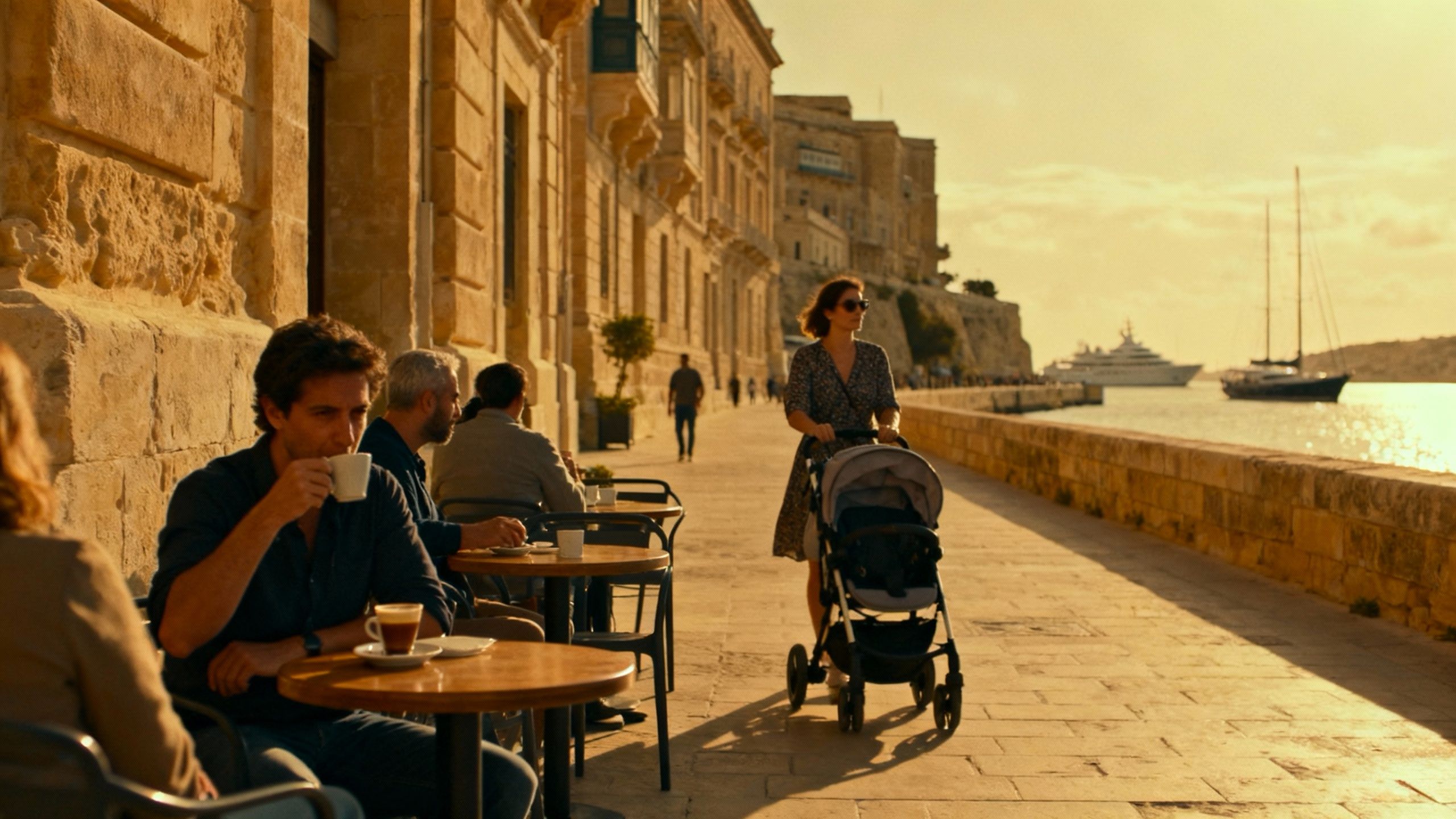
Imagine a narrow street in Valletta at 10am: espresso steam, Maltese balconies dripping bougainvillea, a delivery van squeezing past a cyclist. That compact, sunlit rhythm is Malta — small enough that the sea is never far, layered with Baroque churches, lively fish markets and neighbourhood cafés where neighbours still know your name. For international buyers this immediacy is the appeal; for planners it becomes a practical reality: walkability, a tight supply of listed stone homes, and seasonal demand that pushes prices.
Living the Malta lifestyle
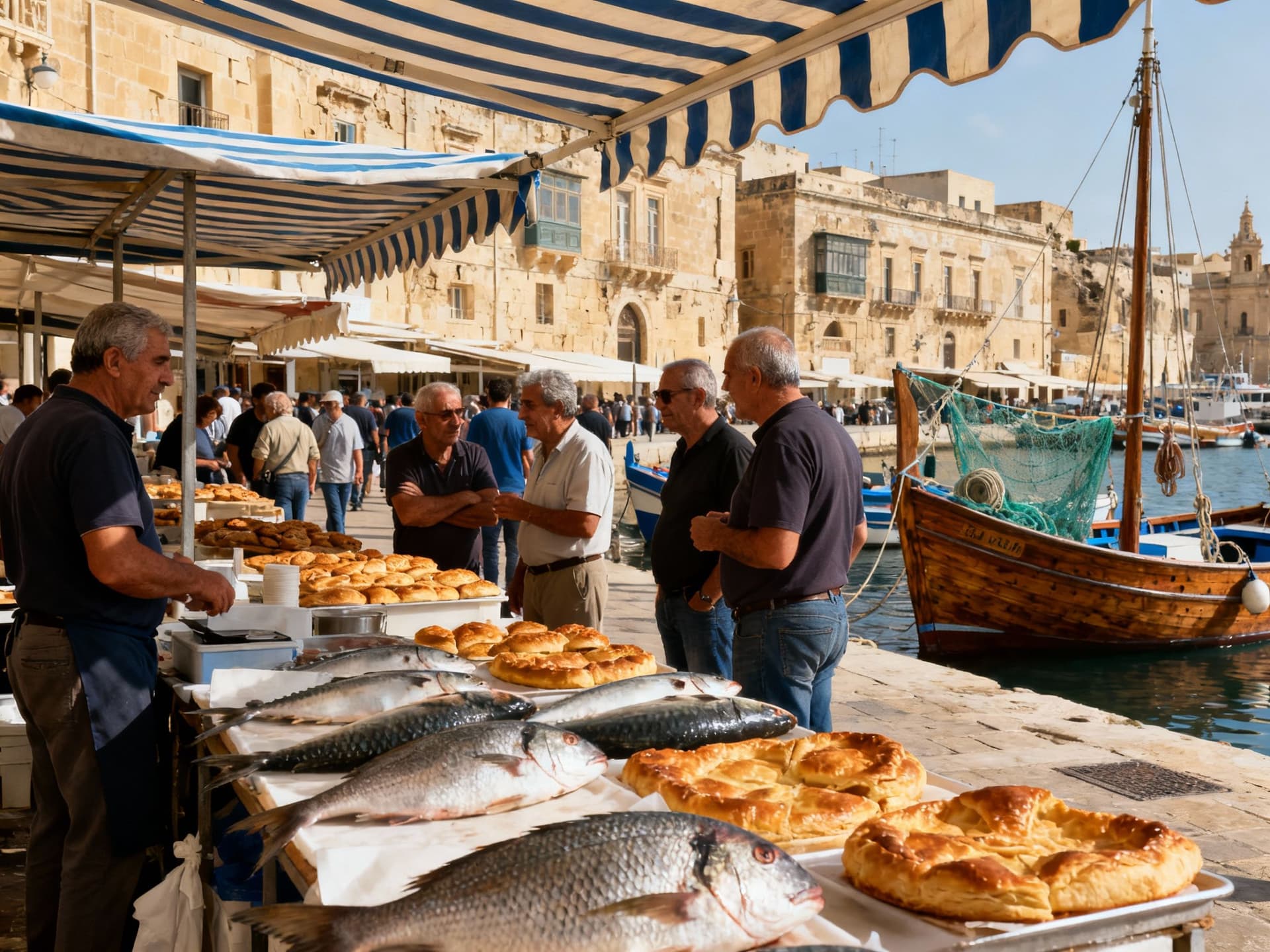
Daily life in Malta blends Mediterranean leisure with British-style practicality: shops open late, English is widely spoken, and a short weekend ferry to Gozo can feel like a mini-retreat. The island’s compactness means commutes are short, but privacy can be scarce — a terraced maisonette with a small roof terrace often beats a distant suburban house if you value community and convenience. Recent statistics show property prices have continued an upward trend, reflecting tight supply and steady demand from locals and foreigners alike.
Valletta, Sliema and St Julian’s: city coastlines
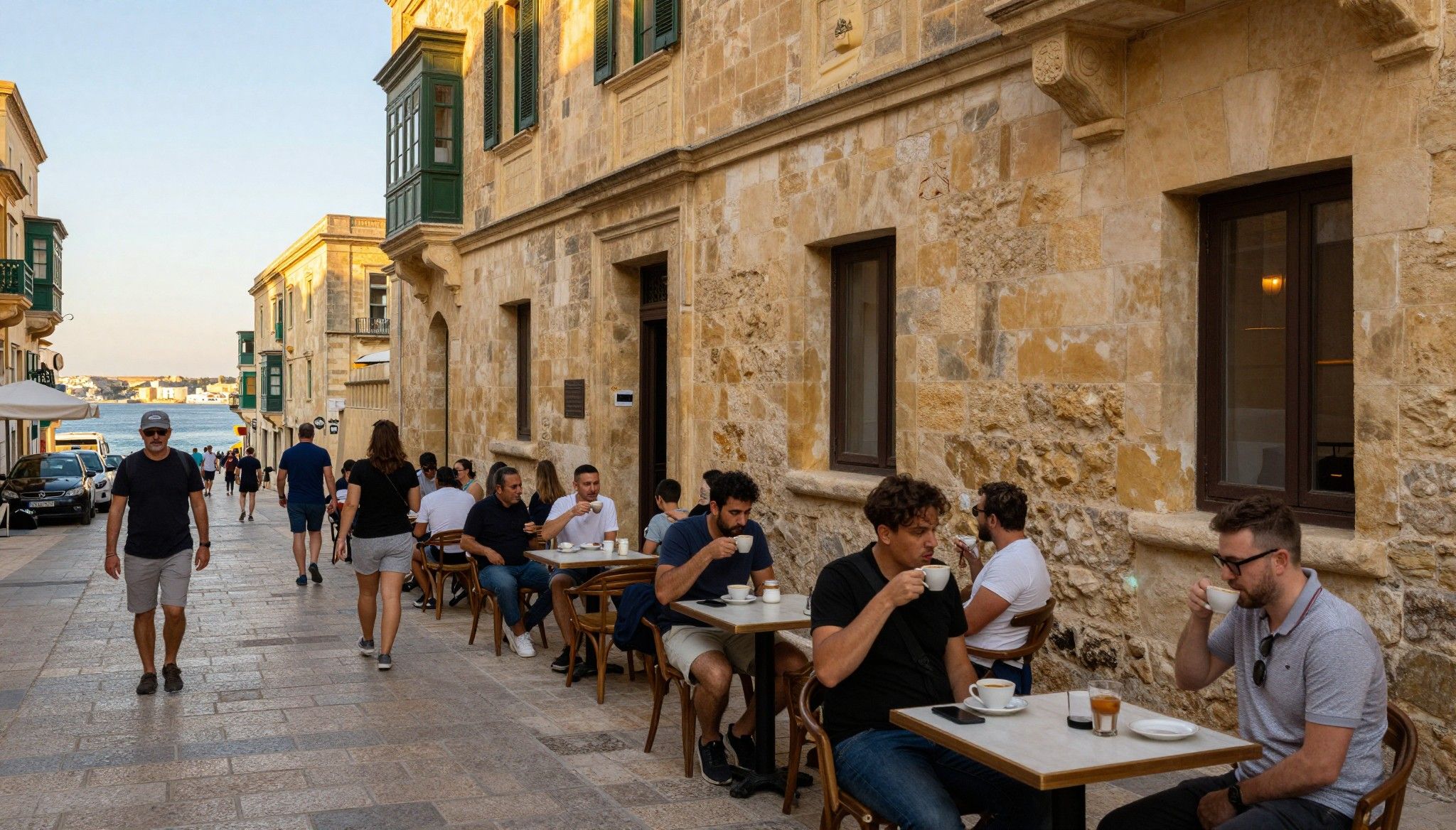
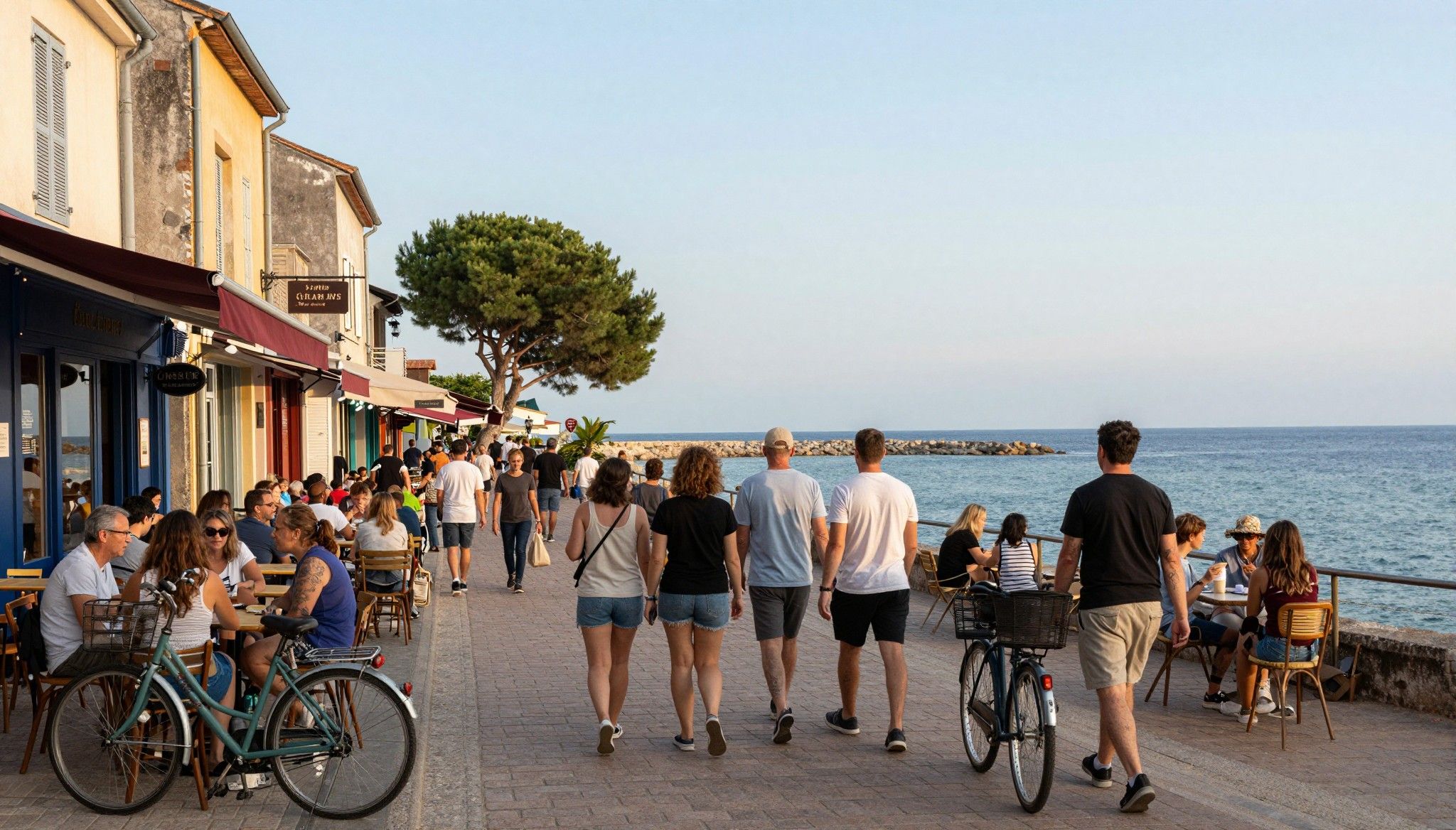
Valletta is theatrical — limestone façades, grand stairways, a theatre-of-life on its narrow streets. Sliema and St Julian’s are where waterfront cafés and modern apartments cluster: think seaside promenades, busy marinas and an expatriate social scene that runs late into the evening. These areas deliver café life, short access to international schools and a strong rental market, but they command a premium per square metre compared with quieter towns.
Marsaxlokk, Mellieħa and Gozo: slower rhythms
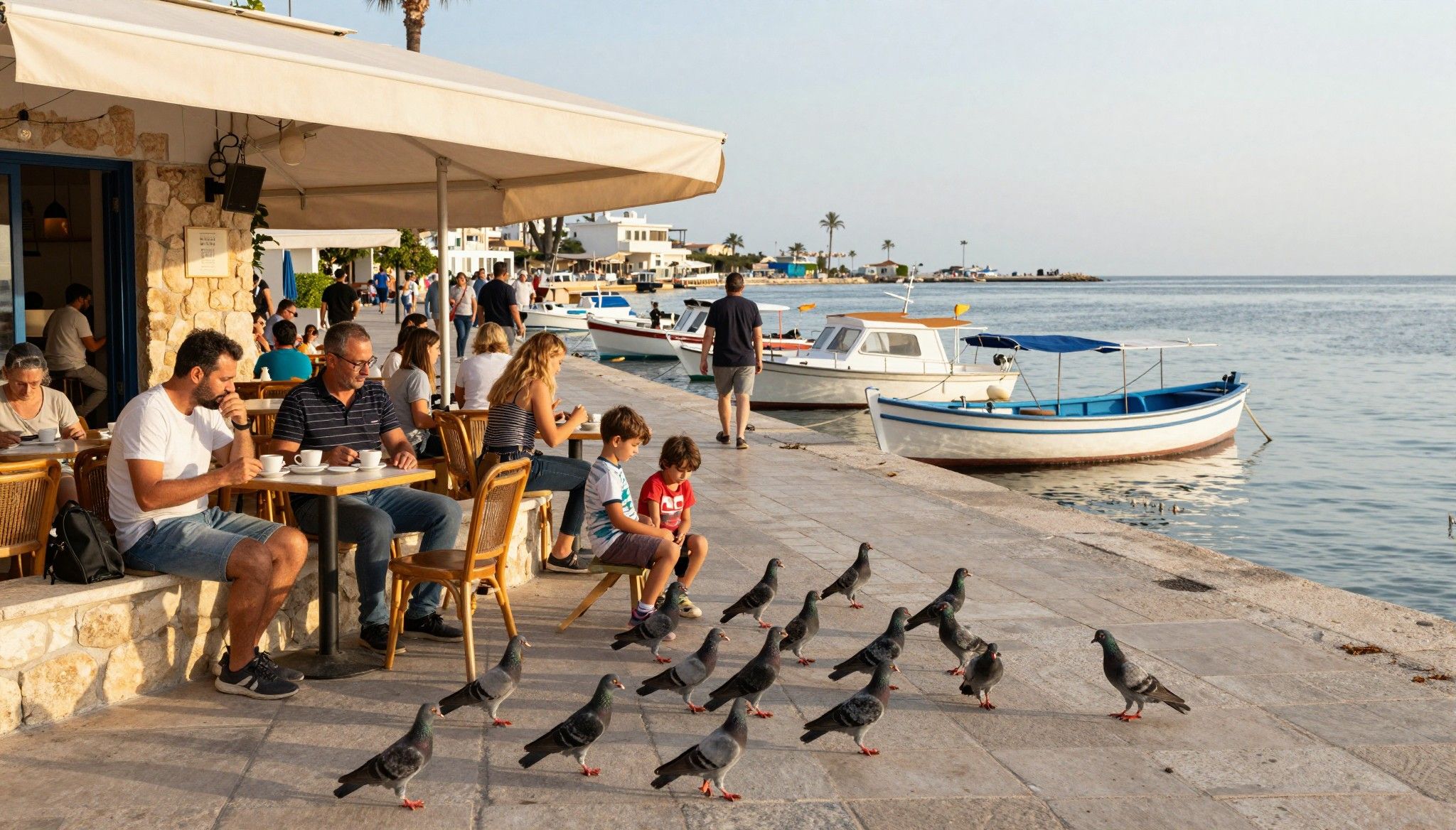
Head to Marsaxlokk’s fish market at dawn, or Mellieħa’s sandy bays in summer, and you feel another Malta: fishing boats, family-run pastizzerias and quieter streets. Gozo, the sister island, trades the bustle for country lanes, stone farmhouses and a slower pace that suits retirees or families seeking space. Price growth has been stronger in urban centres; more rural spots present lifestyle value but come with less liquidity.
- Local highlights to taste and test before you buy: Valletta’s Strait Street bars; Sliema promenade cafés; Marsaxlokk fish market on Sunday; Mellieħa Bay for weekend swims; Mdina for quiet sunset walks; Gozo’s Xlendi village for terrace dining.
Making the move: practical considerations
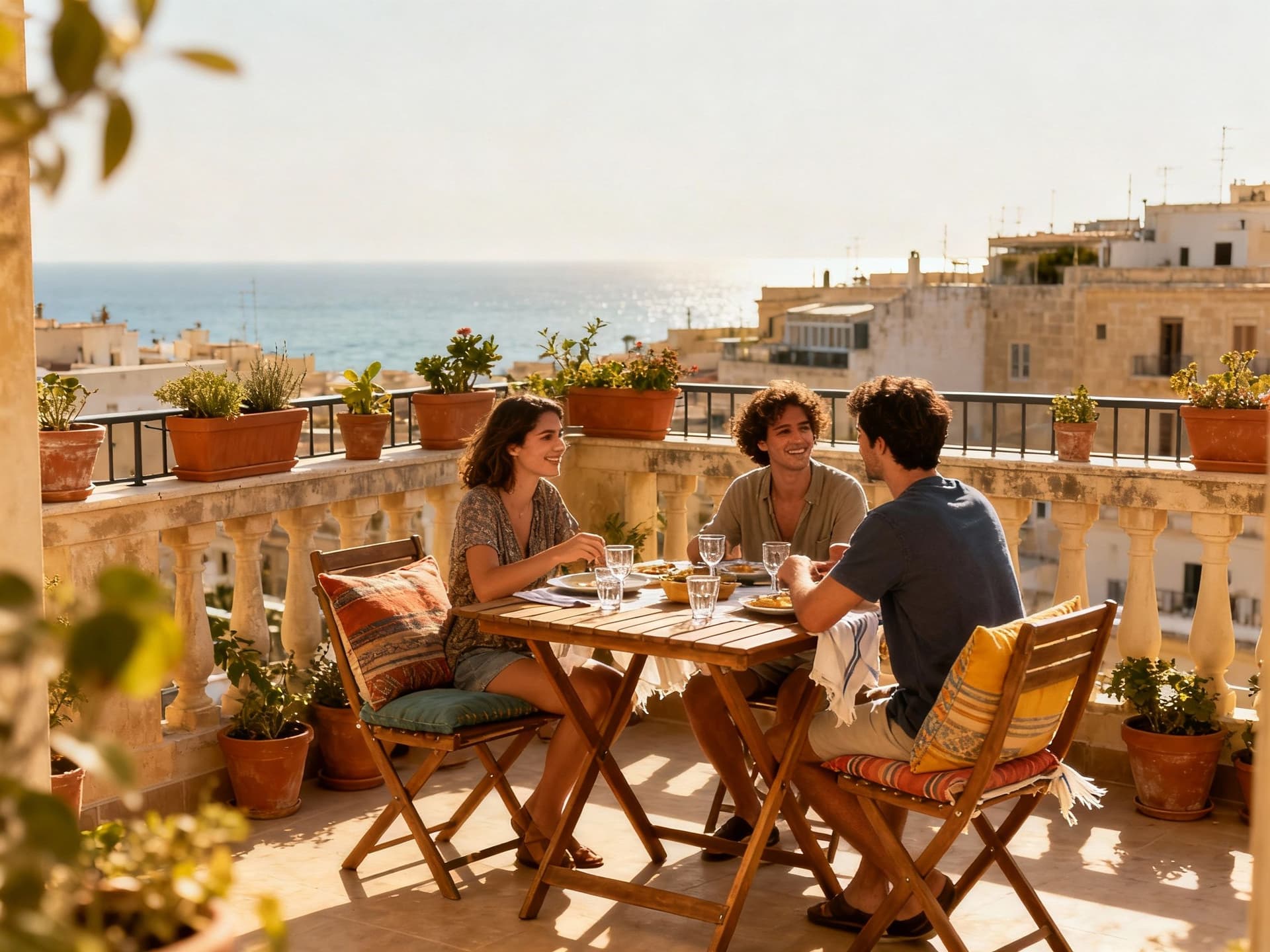
Lifestyle sells the dream; the reality is legal nuance, limited stock of desirable heritage homes, and evolving policy. Malta’s investor citizenship programme faced a landmark EU ruling in 2025 that changes the policy landscape for some investors, and the macro picture — steady price growth and strong demand — should shape how you time a purchase and which property type you prioritise.
Property styles and what they offer
Malta’s palette runs from listed townhouses and Valletta palazzos to new-build apartments around Sliema and St Julian’s. A traditional maisonette (split-level, street entrance) gives outdoor living via roof terraces and balconies; new apartments offer gyms, parking and easier resale in the rental market. Match the property type to how you live: if mornings are for markets and walking, choose central terraces; if you want private outdoor space, prioritise roof terraces or small gardens often found in suburban complexes.
Working with local experts who know lifestyle and law
- 1. Ask for neighbourhood comparisons showing rental yields and walk scores — not just photos. 2. Insist on agencies that show recent RPPI trends and transaction comps (NSO is the reference). 3. Use a Malta-qualified notary and lawyer to check title, planning restrictions and any listed‑building rules. 4. Budget for renovation if buying a historic house: stonework, damp control and insulation are common costs. 5. Negotiate parking or storage into the deal — these can be scarce and add measurable lifestyle value.
Insider knowledge: what expats wish they'd known
Expat buyers often under‑estimate two things: the intensity of summer tourism in coastal hotspots, and the local emphasis on outdoor terraces. Noise and footfall spike in July–August — which makes off-season visits essential. Many also learn that small details (apartment storage, reliable shutters, and proximity to a supermarket) shape daily happiness more than a view.
Cultural integration and everyday social life
English and Maltese are widely spoken; you’ll be invited to festas (village feasts), Sunday lunches and informal neighbourhood gatherings. Respect for church schedules and local siesta rhythms in summer helps with integration. Building relationships with local tradespeople — a reliable plumber, stone mason or architect — pays dividends during renovations.
Long-term lifestyle and market outlook
Expect persistent demand for central coastal properties and steady price growth, driven by limited developable land and ongoing interest from international buyers. That said, policy shifts and the end of investor-citizenship channels mean buyers should place higher weight on long-term residency planning and local ties rather than short-term citizenship gains.
- Practical red flags to watch for before you sign: unclear title history; missing planning permits for extensions; energy inefficiency in older stone homes; ambiguous communal maintenance agreements; reliance on rental income without data-backed comps.
Picture yourself six months after moving: buying morning bread at a corner pastizzeria, an evening ferry to Gozo, friends at a harbour-side restaurant. That picture is exactly why many choose Malta. The sensible next step is a short fact-finding trip in the shoulder season (March–May or October): test daily routines, inspect buildings at different times, and meet two local agents with contrasting portfolios. Bring the lifestyle checklist, bring patience — and let local expertise connect your dream to a sound purchase.
Dutch investment strategist with a Portugal-Spain portfolio. Expert in cross-border financing, rights, and streamlined due diligence for international buyers.