Where Malta’s Price Tag Hides Neighbourhood Value
Malta’s price rises reflect a compact, lived-in lifestyle — match neighbourhood character to your daily rhythm, check NSO RPPI trends and prioritise walkability over raw square metres.
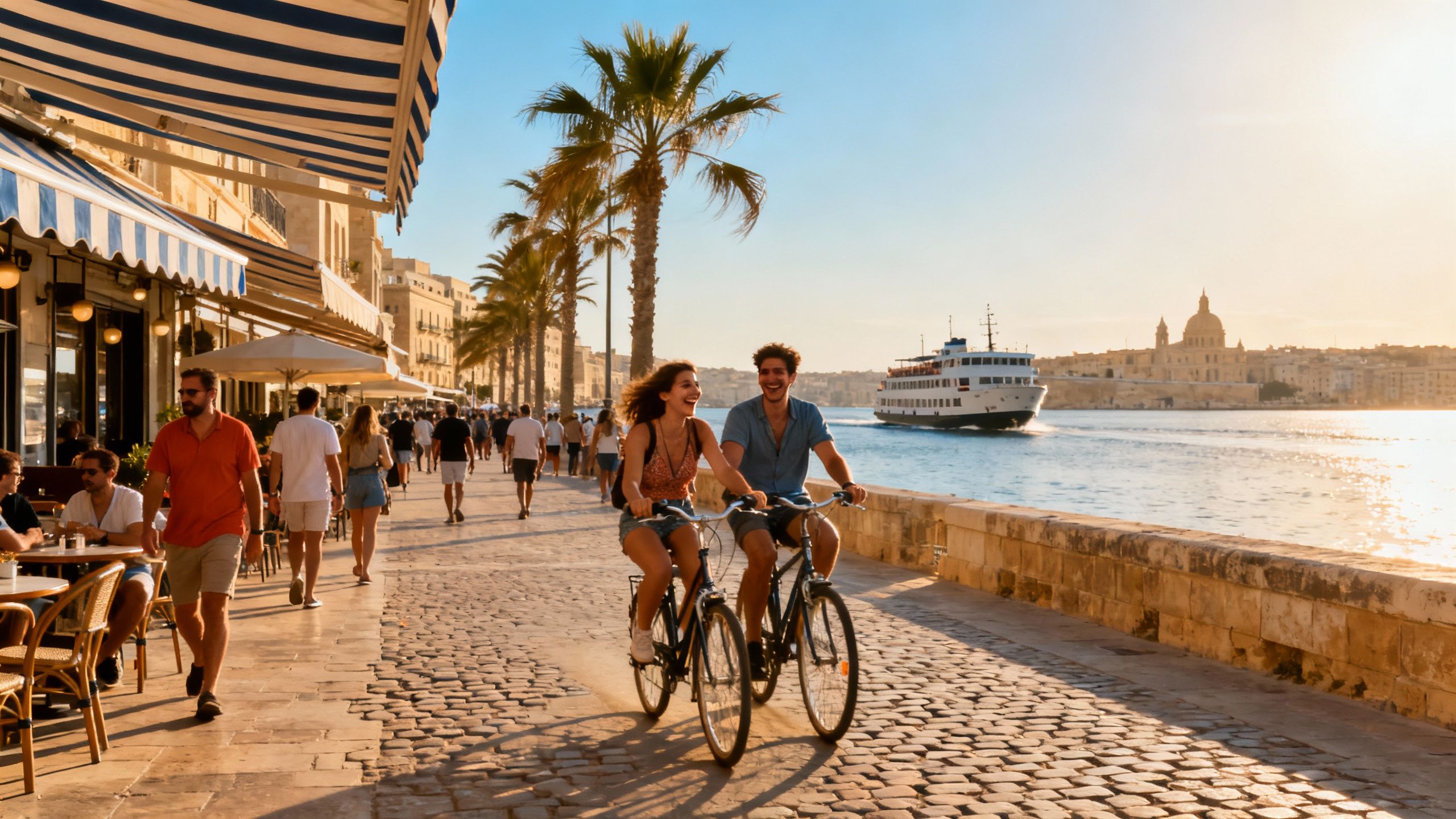
Imagine stepping out at 08:30 to buy bread at Is-Suq tal-Belt in Valletta, watching fishing boats return to Marsaxlokk at noon, then catching an evening jazz set in St Julian’s — all within a 30–40 minute drive. Malta’s compactness makes daily life luminous and efficient, which is why prices keep surprising new arrivals: you’re not just buying square metres, you’re buying a tightly packed, lived-in Mediterranean lifestyle.
Living Malta: compact, textured, social
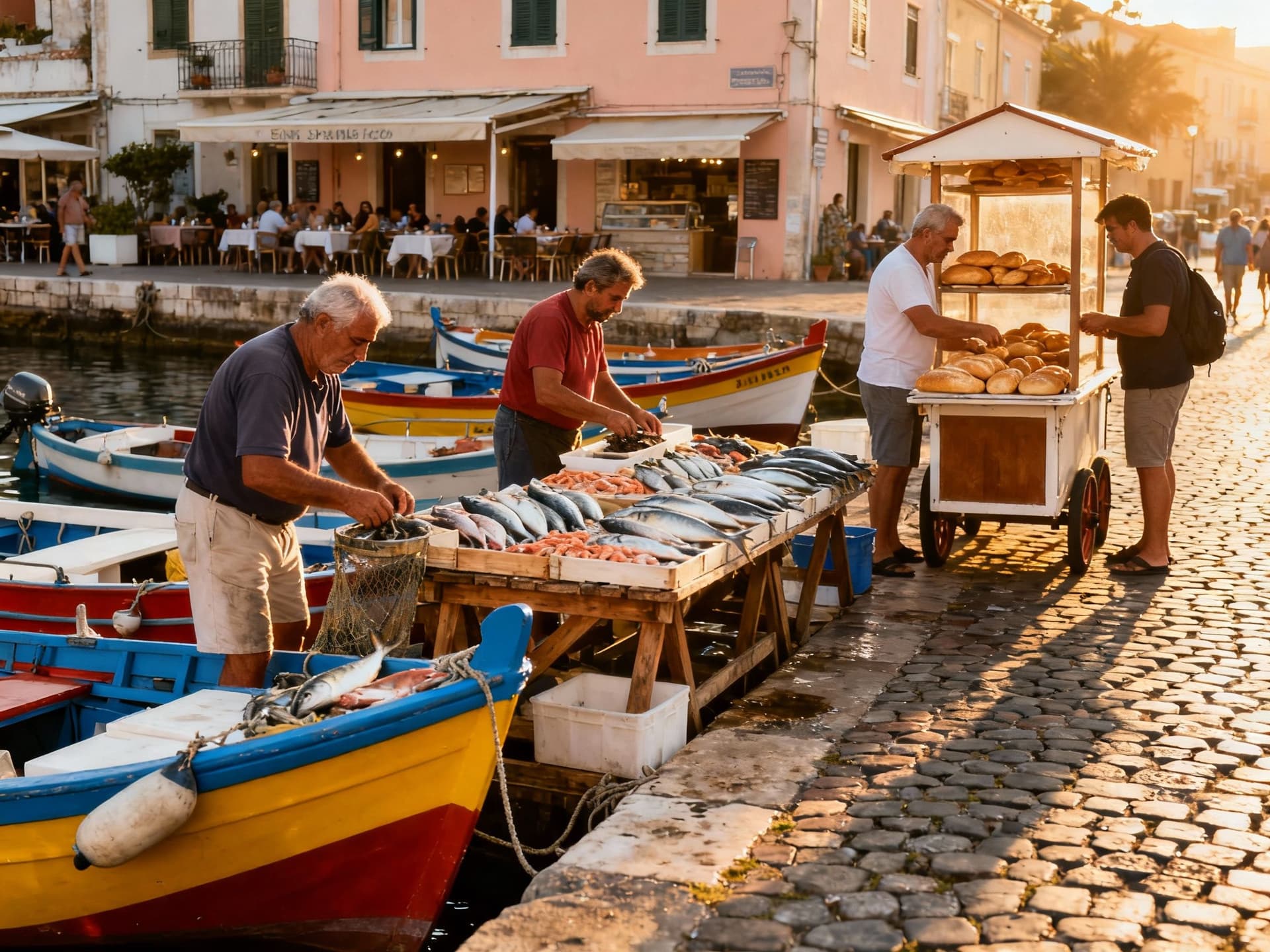
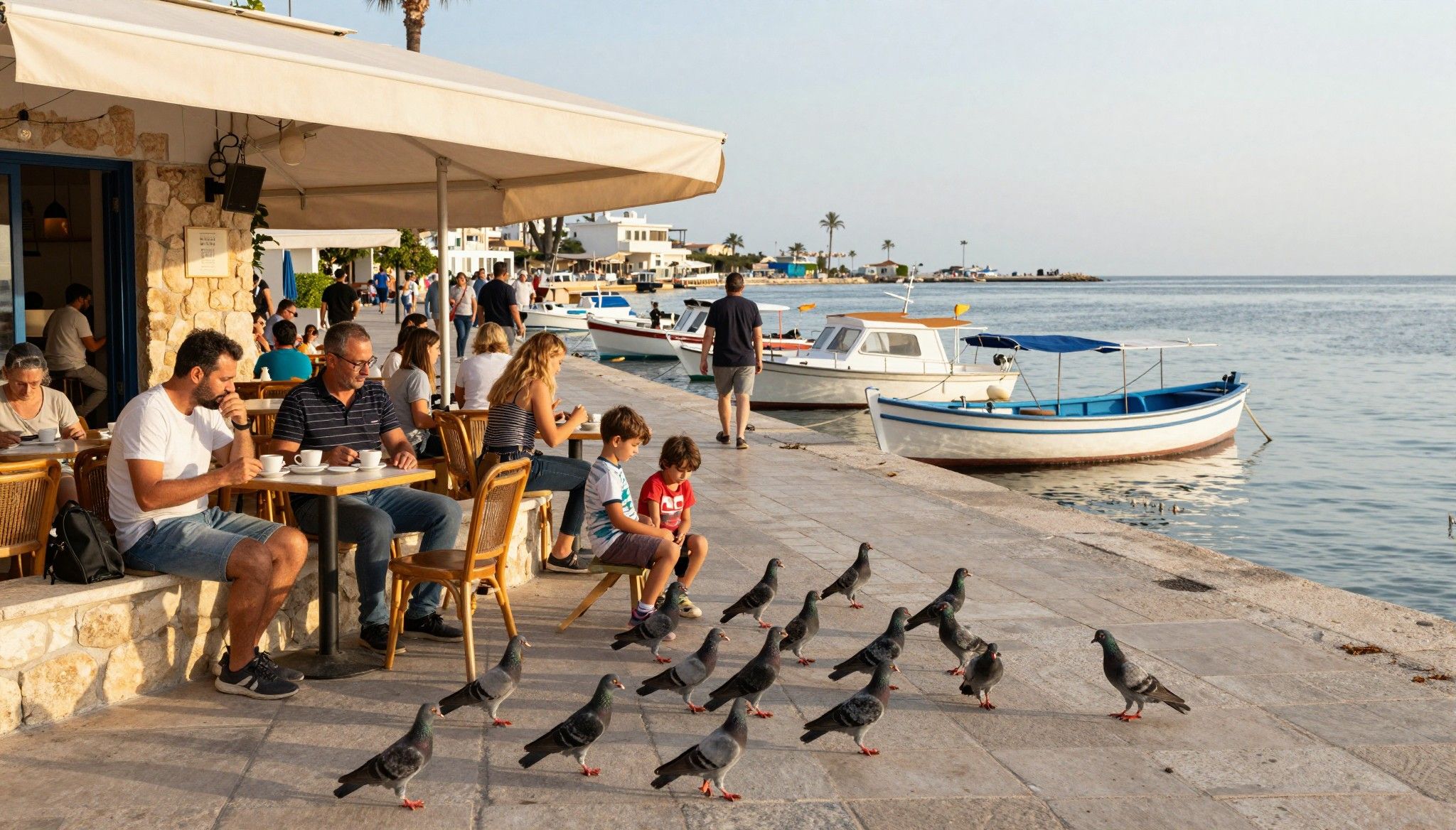
Malta feels like a set of village squares stitched together by lanes, rooftop terraces and coastal promenades. Mornings smell of espresso and fresh pastries; afternoons are for sea-swimming or siesta; evenings gather friends in small restaurants where plates of lampuki and rabbit stew anchor conversation. The island’s human scale — narrow streets, pocket parks and neighbourhood cafés — is the lived product that property prices reflect more than raw land value.
Valletta & The Three Cities: history with an active front door
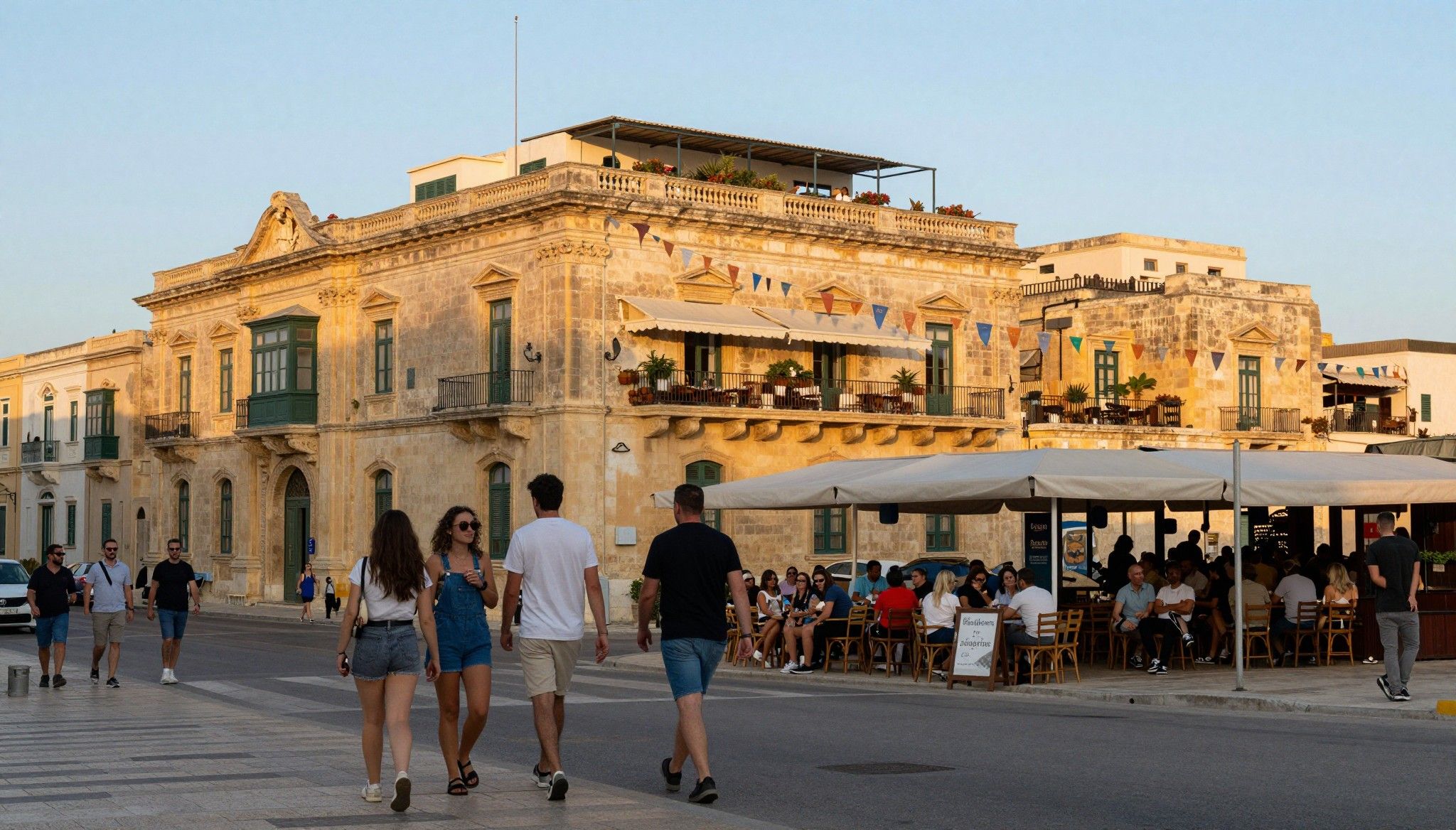
Valletta’s baroque facades, intimate squares and harbour views are not museum pieces — they are neighbourhoods where people run errands, meet for coffee on Strait Street and host gallery openings. Across the Grand Harbour, Senglea and Vittoriosa (Birgu) offer quieter streets with strong local community ties and marinas that come alive in summer. These areas command a premium because they are both historic and daily — you live inside the story.
Sliema, St Julian’s & Gżira: the social coast
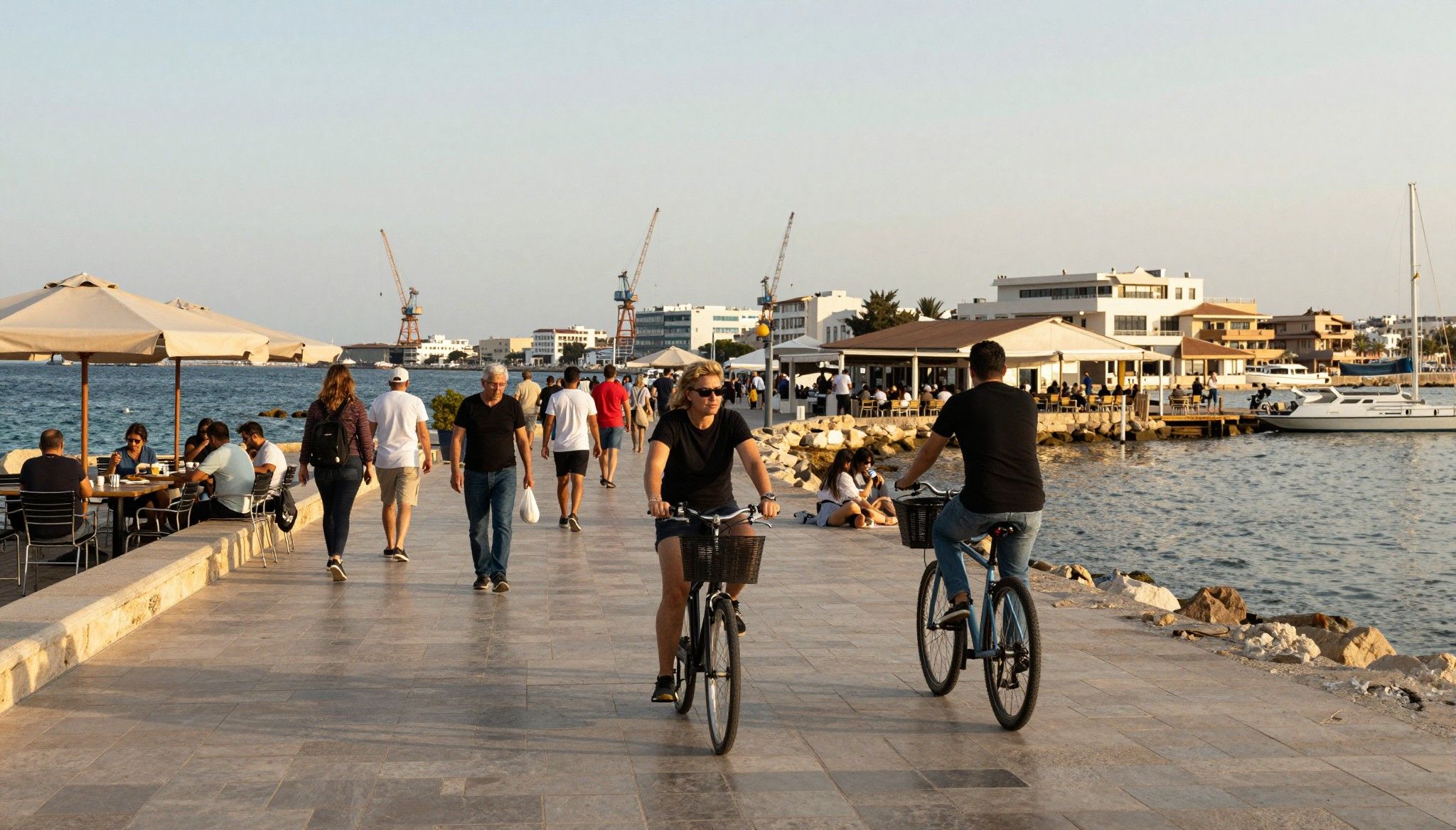
If you want cafés that open at dawn and nightlife that fades in the early hours, Sliema and St Julian’s deliver. Promenades, contemporary apartment blocks with terraces, and international restaurants make these towns a favourite for expats and renters. Gżira and nearby Ta’ Xbiex offer quieter marinas and easy access to Valletta by ferry — a practical alternative if you want coastal life with slightly lower density.
- Lifestyle highlights: Valletta museums, Marsaxlokk fish market, promenades in Sliema, rooftop bars in St Julian’s, Dingli Cliffs sunset walks, local pastizzerias on every corner
Making the move: lifestyle-led property decisions
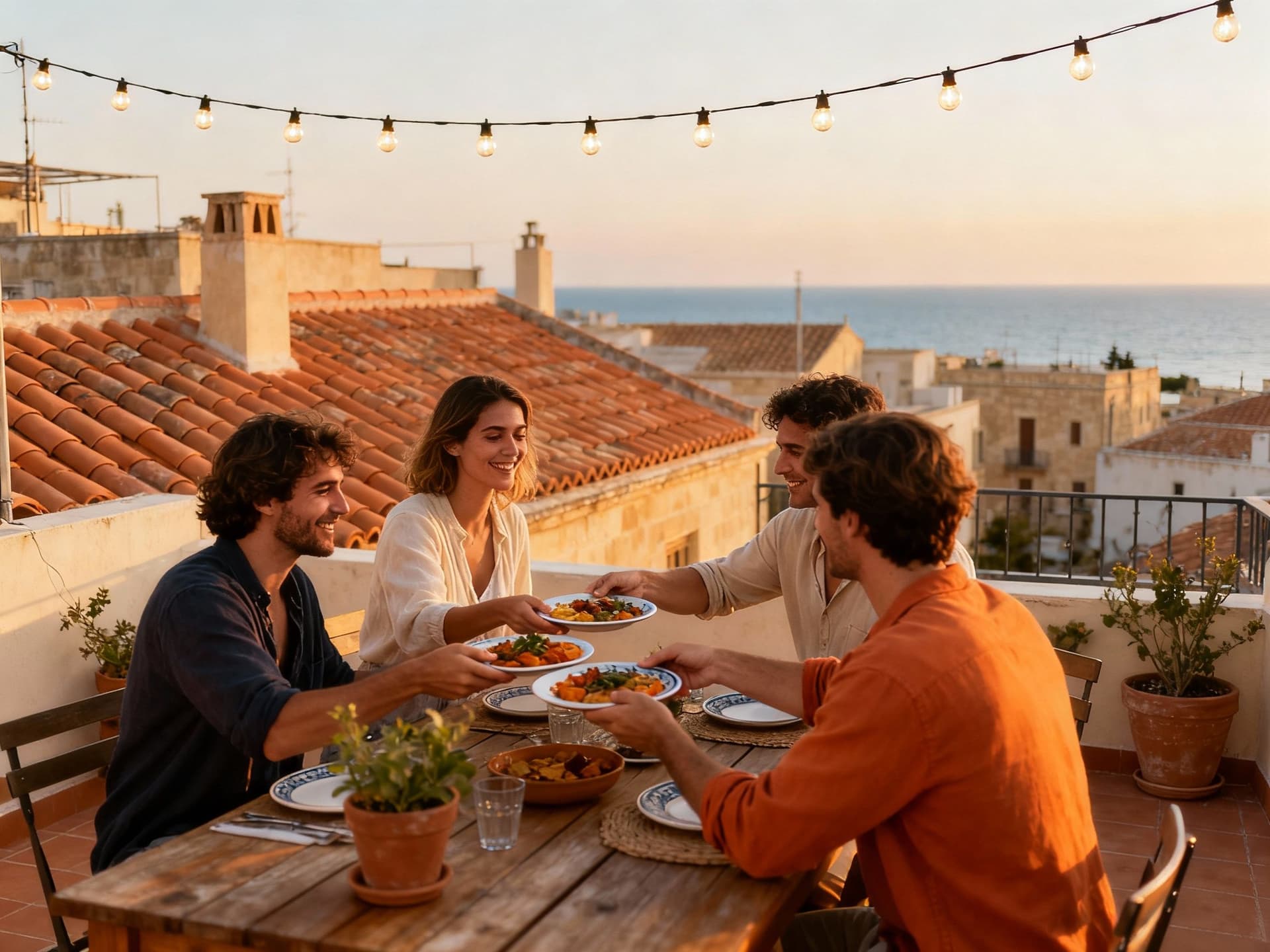
The romance of living where lanes open onto the sea must be balanced with the reality that Malta’s residential property index rose roughly 5–6% year-on-year into 2025. That doesn’t mean you should step back — it means you should match lifestyle priorities to property types and neighbourhood trade-offs before you buy.
Property types and real-life trade-offs
Maisonettes and traditional townhouses deliver character and roof terraces but often require renovation and careful moisture-proofing. Modern apartments give reliable facilities and easier rental prospects but can sit in denser blocks with less private outdoor space. If seaside morning swims matter, prioritise proximity to the promenade over extra internal square metres — in Malta, walking distance wins lifestyle value.
Working with local experts who understand life, not just listings
An agent who knows where the morning markets gather, which streets have better cross‑ventilation, and where building permits are favourable, saves you weeks of guesswork. Seek an adviser who will show alternative neighbourhoods — for instance, Gżira instead of Sliema for quieter evenings — and who can cost renovation and ongoing maintenance in euros, not guesses.
- Steps that mix lifestyle and practicality: 1. Spend at least three short visits across seasons — spring, peak summer and a quiet month — to feel rhythm differences. 2. Match two lifestyle must-haves (e.g., sea access, city walkability) with a workable budget and accept trade-offs. 3. Ask agents for recent energy performance and moisture reports; older stone properties often need waterproofing work. 4. Check local rental yields in the area if you plan to rent: Sliema/St Julian’s typically outperforms quieter south-coast towns. 5. Build a 10–12% renovation and fees buffer into your budget if buying a traditional property.
Insider knowledge: what expats wish they’d known
Expat communities are friendly and bridge language gaps — English is an official language — but buyers often underestimate seasonality, local bureaucracy speed and how much lifestyle affects value. Recent rulings around citizenship schemes have also shifted buyer profiles, reducing one source of speculative demand and nudging the market toward longer-term residents.
Cultural integration and daily rhythms
Malta’s social life revolves around family meals, festa season (village feasts) and cafés that are social hubs. Learning a few Maltese phrases — lighting up with a “Grazzi” or “Bongu” — opens doors. Expect shops to close mid-afternoon in smaller towns and to find the best produce at Saturday markets rather than supermarkets.
Longer-term lifestyle and investment considerations
Malta’s compact land supply and planning constraints mean that high-demand neighbourhoods appreciate faster. If you want a long-term home, prioritise walkability, community amenities and good microclimate (top-floor apartments can be hot in summer without AC). For investors, smaller apartments in Sliema and St Julian’s remain resilient in rental markets, while Gozo offers lower entry prices and a quieter pace.
- Red flags local buyers notice: • Buildings with unchecked damp stains or no recent roof works. • Unclear ownership or fractional titles in older palazzos. • Listings that promise “sea views” but are classified as distant vistas — see the property in person at midday and evening. • Over-reliance on citizenship/residency incentives as the main investment rationale.
Small, specific checks will save money and heartache: request recent RPPI‑based comparables from your agent, check the NSO index for the area’s trend, and insist on a local survey before signing. The island’s official RPPI releases and local market reports are the best antidote to glossy listing photos.
Conclusion — Malta as lived, not labelled: If you love cafés that spill onto cobbled streets, dinner that begins at 21:00 and a coastline that’s a 20–30 minute drive from almost anywhere, Malta rewards patience and specificity. Work with agents who understand which streets hold neighbourhood life, plan for seasonal visits, and treat the NSO data as your reality check. Do that, and the price tag becomes a map to the life you wanted.
Dutch investment strategist with a Portugal-Spain portfolio. Expert in cross-border financing, rights, and streamlined due diligence for international buyers.