Malta’s Small‑Island Myth: Streets, Not Statistics
Malta’s compact size masks micro-markets: tourism and street-level differences drive value. Use NSO price data and neighbourhood visits to match lifestyle with realistic prices.
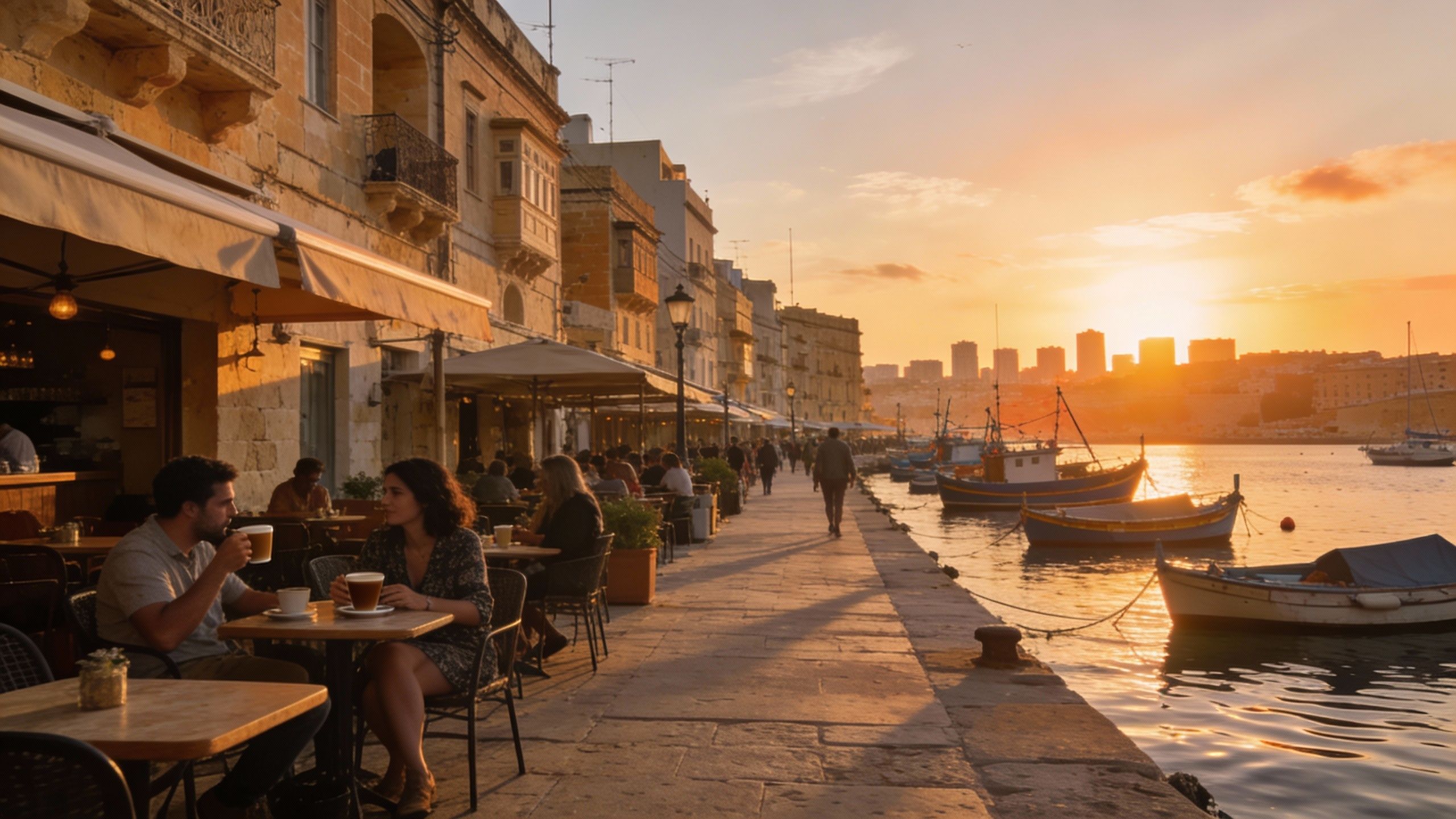
Imagine waking to a harbour sunrise in Valletta, buying morning pastries on Triq il-Merkanti, and finishing the day with a swim off St. George’s Bay. Malta feels compact but layered: baroque streets, exposed limestone terraces, buzzy coastal cafes and quiet lanes in towns like Marsaxlokk and Żebbuġ. Many international buyers read “small island” and assume limited choice or high, uniform prices — that’s the myth we’ll challenge. I’ll show you the specific streets, neighbourhood rhythms and market data that make Malta feel larger than its map.
Living Maltese: daily life that surprises newcomers
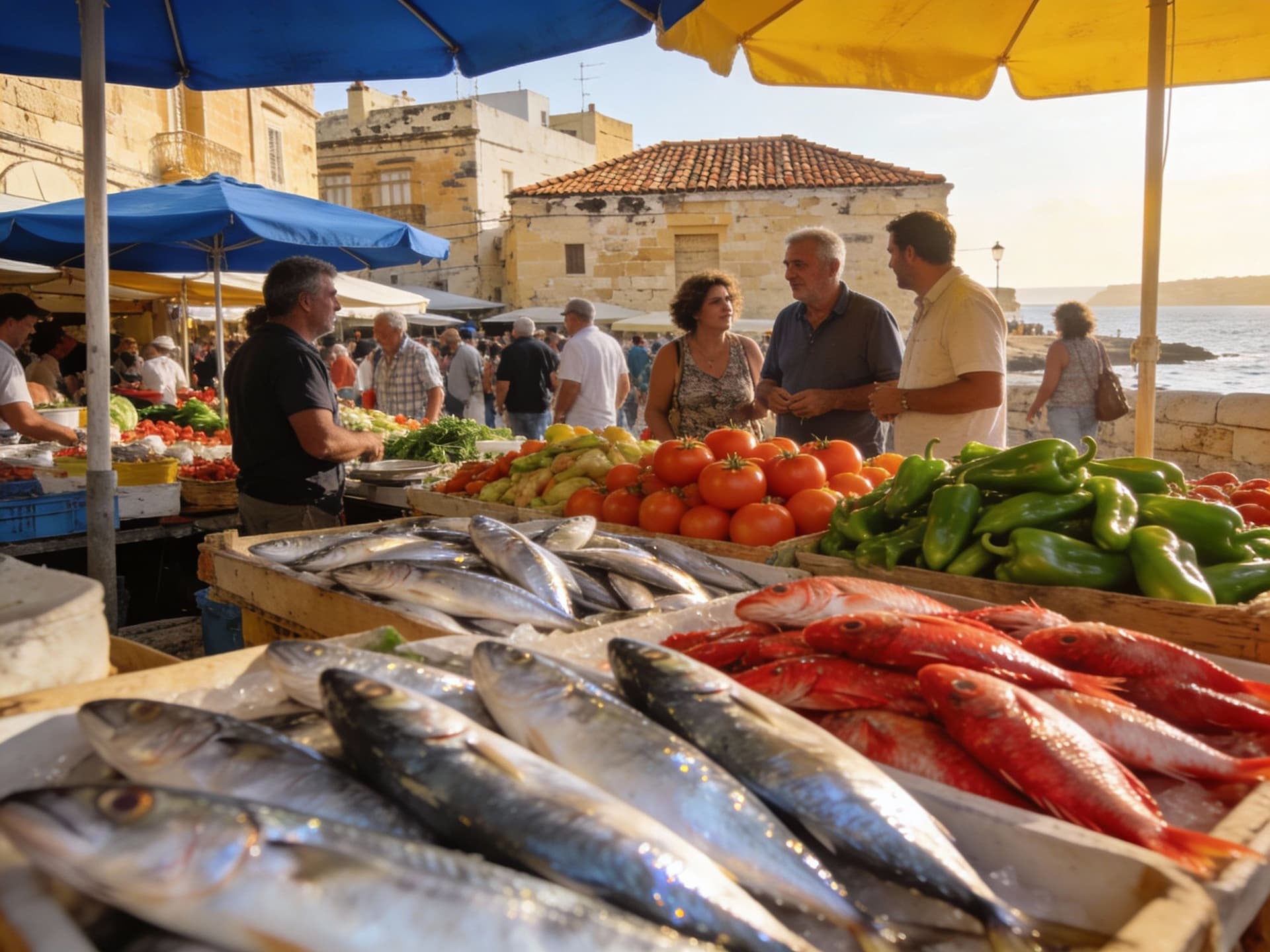
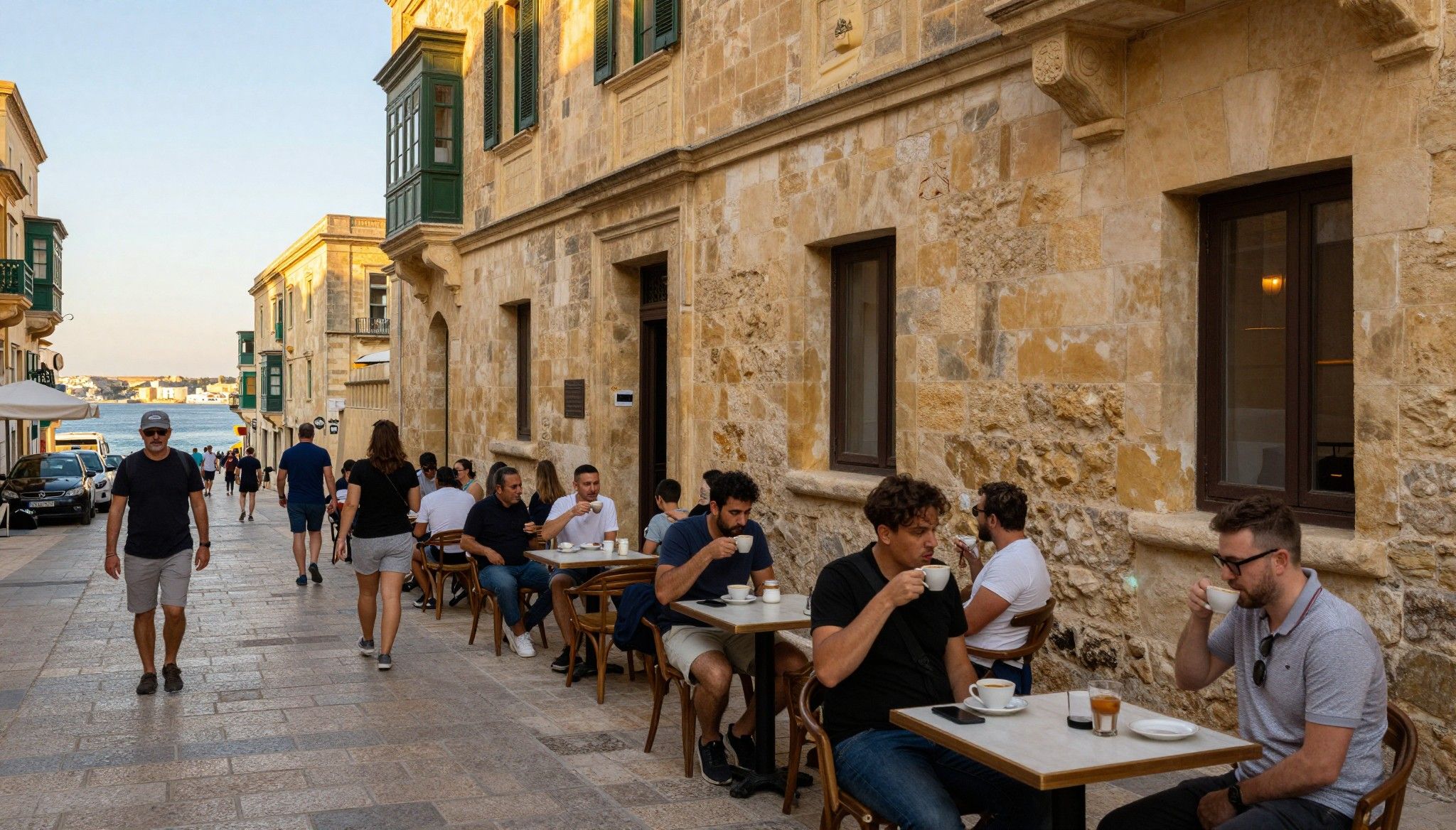
Living here is tactile: limestone underfoot, espresso on café terraces, Malta’s sea wind folding into conversations at sundown. Sliema and St Julian’s deliver a coast-meets-city pulse with boutiques and promenades; Valletta offers concentrated cultural life, museums and narrow-step urban walks. On Gozo, life slows into village piazzas and ferry timetables; even within a few kilometres the pace can flip from nightclub energy in Paceville to village quiet in Mellieħa. That contrast is why buyers often find value by choosing micro-neighbourhoods rather than judging Malta on national averages.
Sliema & St Julian’s: coastal routines and modern conveniences
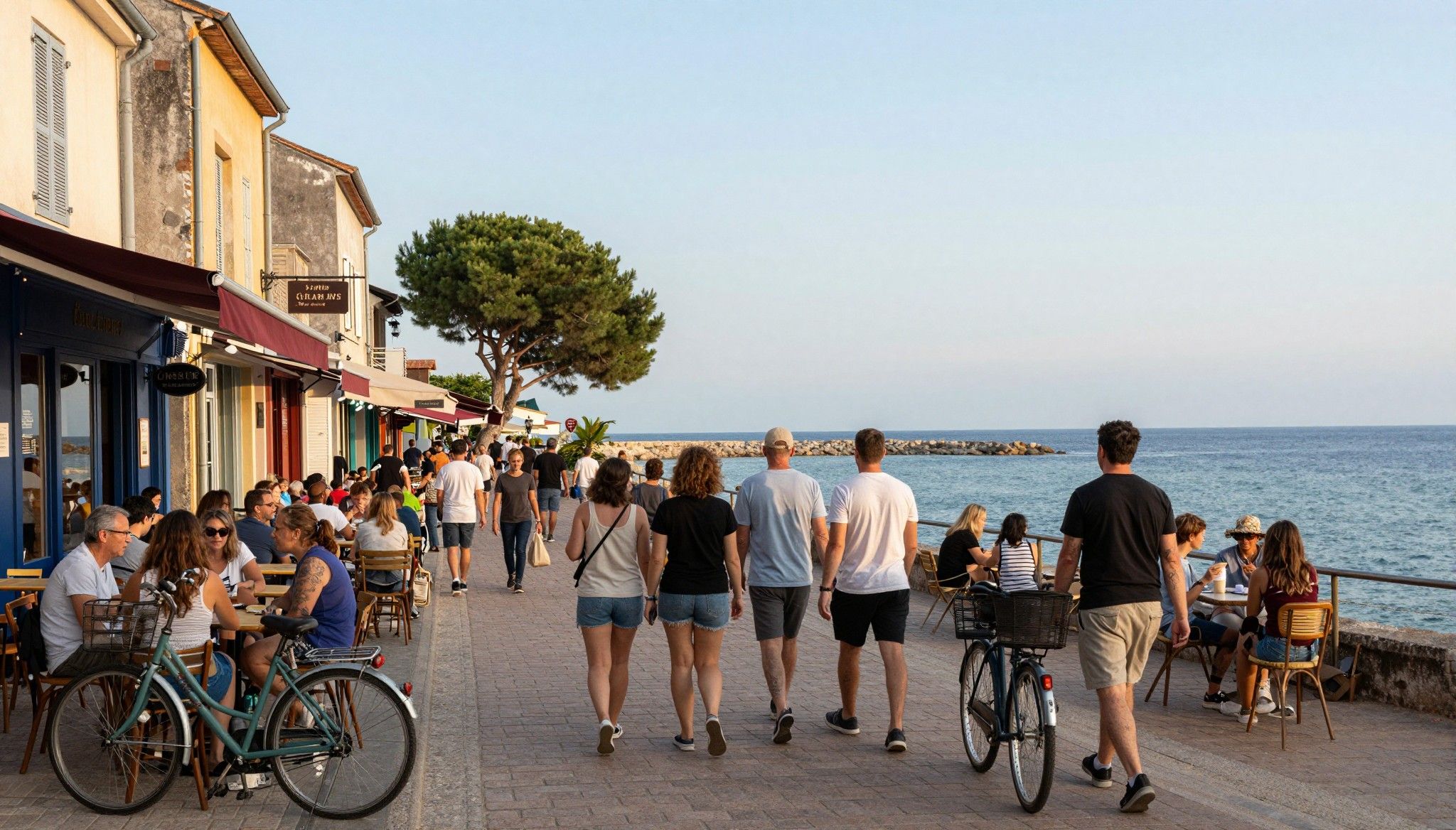
Sliema’s seafront promenades and cafe-lined Tower Road make morning runs and late-night dining equally effortless. St Julian’s, especially Spinola Bay, mixes family-friendly restaurants with apartment blocks that suit short-term rental demand. Expect smart gyms, international supermarkets and English-speaking service staff — practical everyday comforts for international buyers. If you prioritise walkability, reliable ferry links and a social expat scene, these areas justify their premiums through convenience.
Valletta & The Three Cities: historic living, compact scale
Valletta’s grid of baroque facades folds into tiny squares and rooftop terraces with harbour views; living here feels like inhabiting a museum that’s also someone’s home. The Three Cities—Vittoriosa, Senglea and Cospicua—offer more space and lower prices for similar maritime character, with fishermen’s cafes and restored warehouses. Properties here are often older and require sensitive refurbishment, which attracts buyers who prioritise character over instant turnkey finishes. That trade-off is part of Malta’s localized opportunity.
- Lifestyle highlights to test out in a weekend visit: buy pastizzi at Crystal Palace (Valletta), walk the Sliema promenade at sunset, dine at a Marsaxlokk fish stall on Sunday, explore boutique hotels on Triq il-Kbira in Gozo, swim from Għajn Tuffieħa at low tide.
How Malta’s market really behaves (and why that matters)
The headline: prices rose but growth is nuanced. Malta’s Residential Property Price Index recorded a 5.2% annual rise in Q4 2024 compared with Q4 2023, with apartments and maisonettes moving at different rates. Tourism is recovering strongly — inbound stays reached over 3.5 million visitors in 2024 — boosting short-stay demand in central coastal towns. These figures mean localized demand spikes (tourism seasons, festivals) can lift yields in narrow pockets while leaving neighbouring streets quieter and more affordable.
Property types and where value hides
New-build apartments in Sliema command convenience premiums; older townhouses in Valletta sell for character premiums but often need renovation. Meanwhile, maisonettes and terraced homes in Żebbuġ or Paola can represent relative bargains with scope for tasteful refit. The practical point: instead of treating Malta as a single market, compare micro-types—maisonette vs apartment vs townhouse—and the specific street exposure to sun, sea breeze and noise.
Where buyers misjudge cost vs lifestyle
Some buyers overpay for proximity to nightlife or a sea view without weighing management costs, VAT on new builds or renovation surprises. Political and regulatory shifts—like the EU scrutiny of Malta’s citizenship-by-investment practices—also change the calculus for those who considered residency or citizenship as part of a purchase plan. Treat such policy developments as part of long-term risk assessment rather than deal-breakers; they affect certain buyer segments more than day-to-day life on the island.
- Steps to blend lifestyle intent with a data-led purchase: 1) Shortlist 3 streets (not just towns) and visit at different times of day; 2) Compare recent sold prices from NSO data and local agents for those streets; 3) Estimate renovation and running costs from a local contractor; 4) Run seasonal rental scenarios if you plan to rent; 5) Factor in local permit timelines and community rules.
Insider knowledge: what expats wish they’d known
The common surprise: English is widely spoken so daily integration is easier than expected, yet social networks form around neighbourhood rituals more than language. New residents tell me they wish they’d checked terrace orientation for summer heat and rainwater run-off; a south-facing terrace can be glorious but demands shades and insulation. Another theme: community committees and building maintenance arrangements vary; knowing who manages the roof is as essential as knowing the local bakery.
Culture, community and the slow rhythm
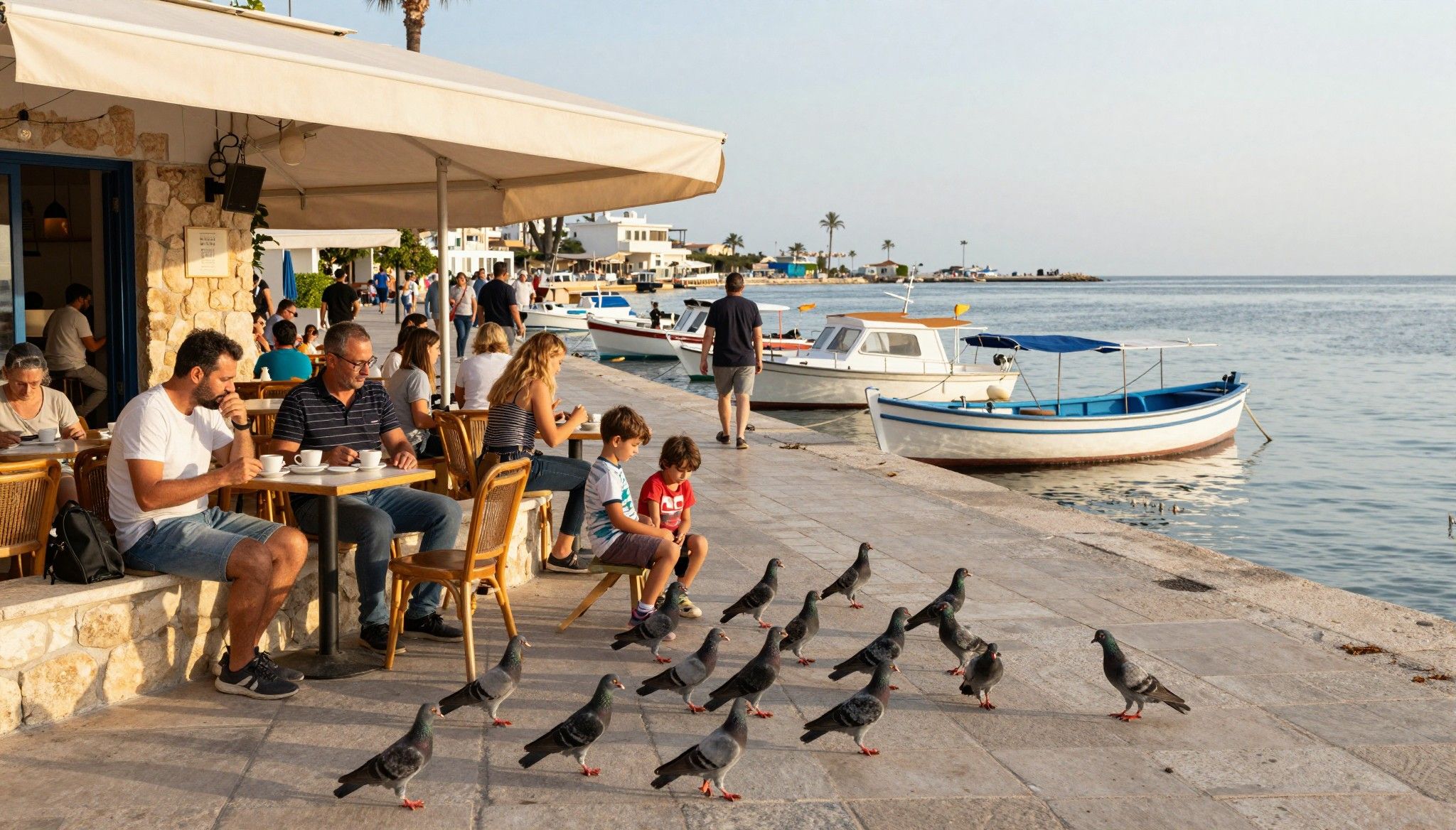
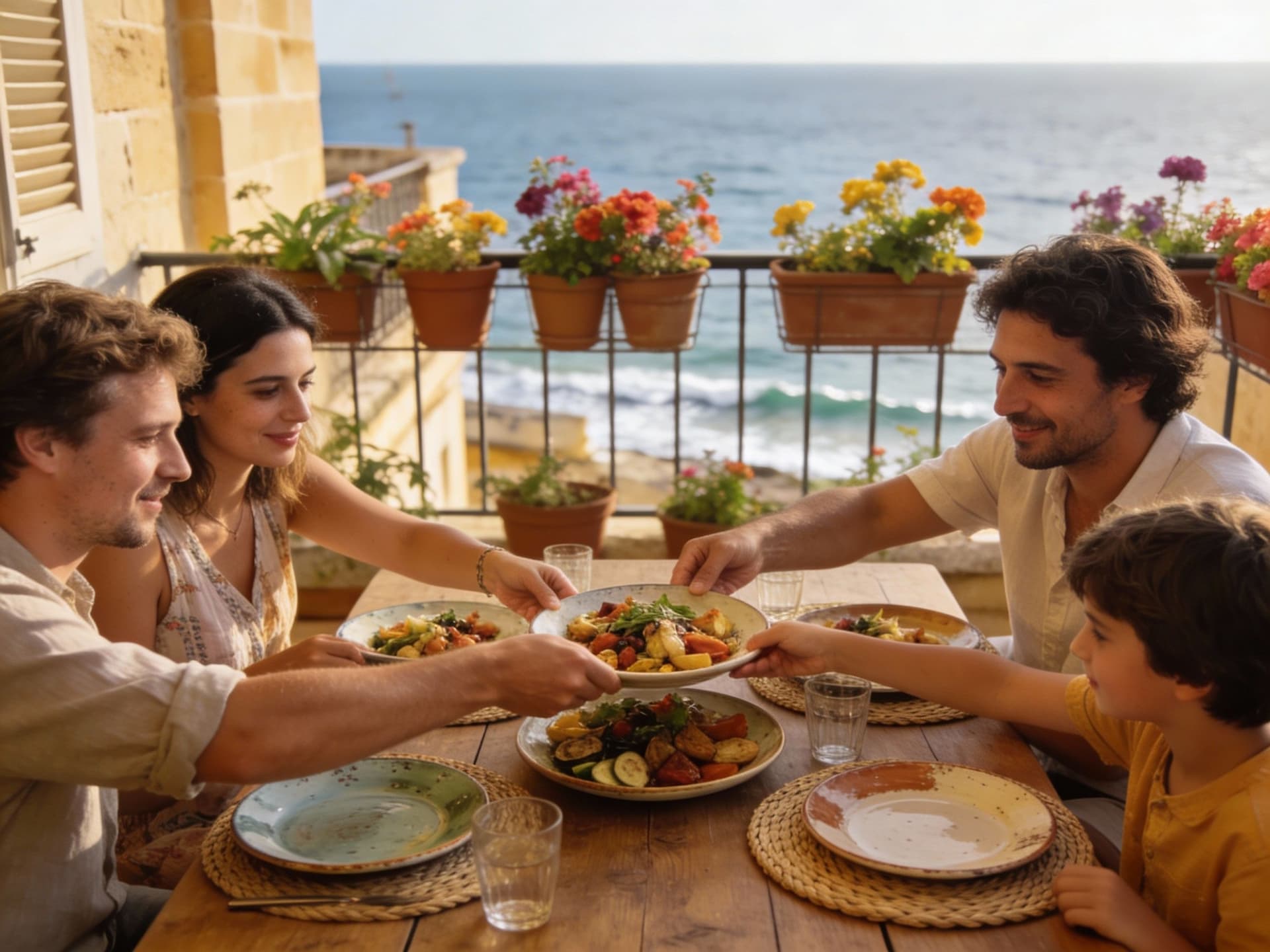
Weekends revolve around cafés, festas and family dinners; market mornings in Marsaxlokk or Valletta feel social rather than transactional. Expats often find friendships through hobbies—sailing clubs, language tandems, and volunteer events—so getting involved quickly smooths the transition. Respecting local routines (shops closing mid-afternoon in some places, loud festas at night in others) goes a long way toward feeling at home.
Longer-term living: how life evolves after move-in
After six months most buyers shift priorities: from location novelty to daylight in winter, community ties, and utility reliability. Property choices that fit a short holiday don’t always suit full-time life—storage, insulation and local healthcare access matter more than an extra balcony. That’s why we recommend triaging purchases: first, confirm lifestyle fit; second, confirm building fabric and services; third, model long-term running costs.
- Practical local tips buyers overlook: check terrace drainage and sun exposure; confirm building committee records; ask for recent utility bills; visit outside high season; verify floor-to-ceiling heights in historic properties; meet neighbours if possible.
If Malta feels like a single island on the map, remember it behaves like many small towns stitched together by sea and history. That gives you both intimate neighbourhood life and targeted investment pockets. Start with the lifestyle you want—morning market, seaside promenade or quiet village square—then use NSO price indices and local agent insight to find streets that deliver that life within your budget. When you’re ready, choose an agent who understands both the culture and the data: someone who can point to Triq it-Torri in Sliema one moment and a sensible maisonette in Żebbuġ the next.
Next steps: visit the three streets that match your lifestyle, request recent sold-price evidence from NSO or agents, and ask a local architect for a quick renovation estimate. If you want help compiling that shortlist, an experienced local agent will pair street-level knowledge with the data above. In Malta, small decisions—which balcony, which street—shape the life you’ll actually live more than national headlines do.
Swedish strategist who relocated to Marbella in 2018. Specializes in legal navigation and tax planning for Scandinavian buyers.