Malta: The Value Hidden Behind High Price Tags
Malta’s headlines show rising prices, but lifestyle value—neighbourhood rhythm, English services and compact convenience—often offsets per‑sqm premiums.
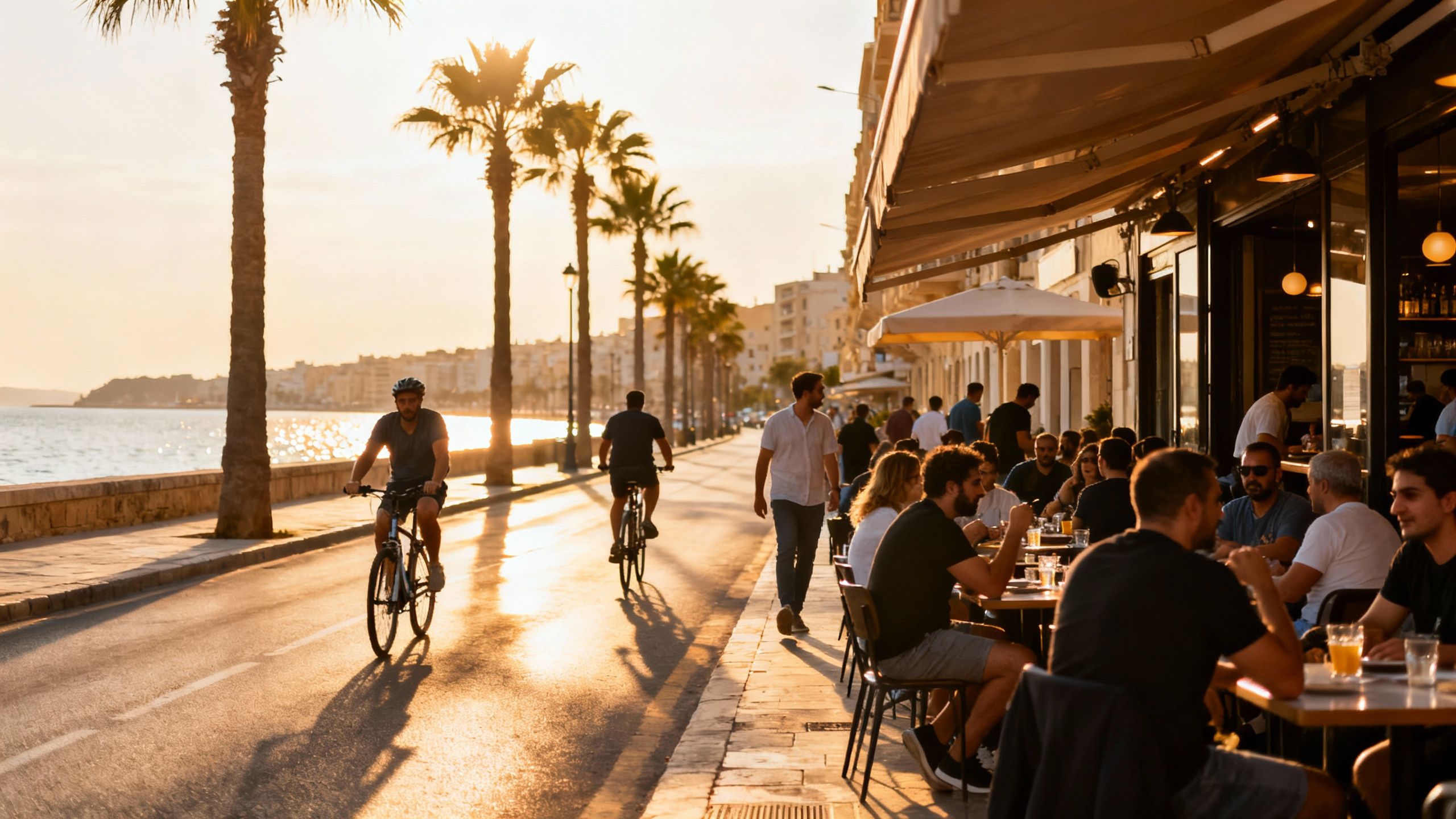
Imagine starting your morning in a café on Sliema’s Strand, espresso in hand as ferries slip past and neighbours greet each other in a mix of Maltese, English and Italian. That social rhythm — brisk, sunlit and unpretentious — is what draws many buyers. But when you start looking at listings, the numbers can feel intimidating. This piece shows how Malta’s price headlines hide lifestyle value, and what to watch for if you want a home that earns its keep as life, not just an investment.
Living the Malta life
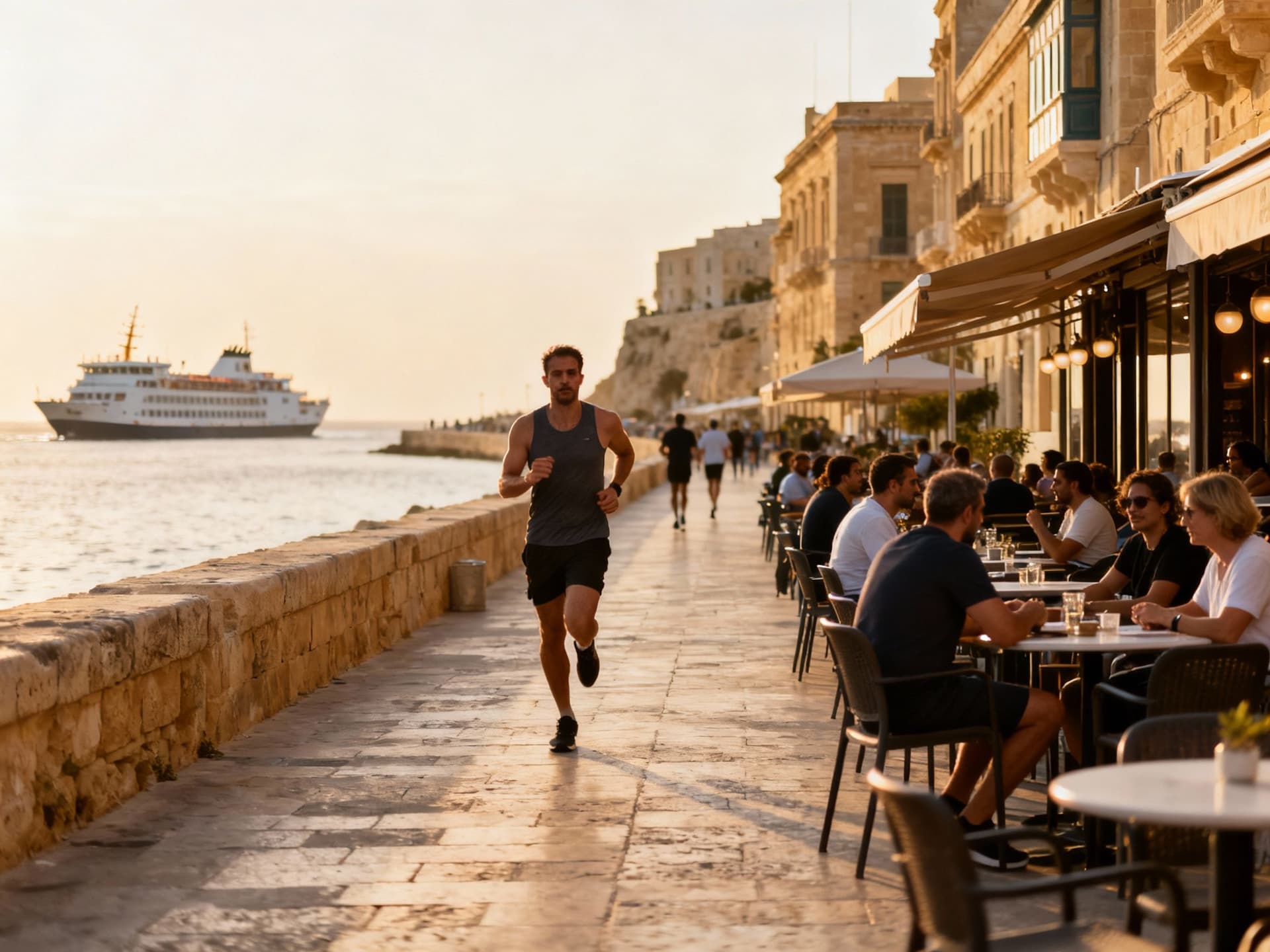
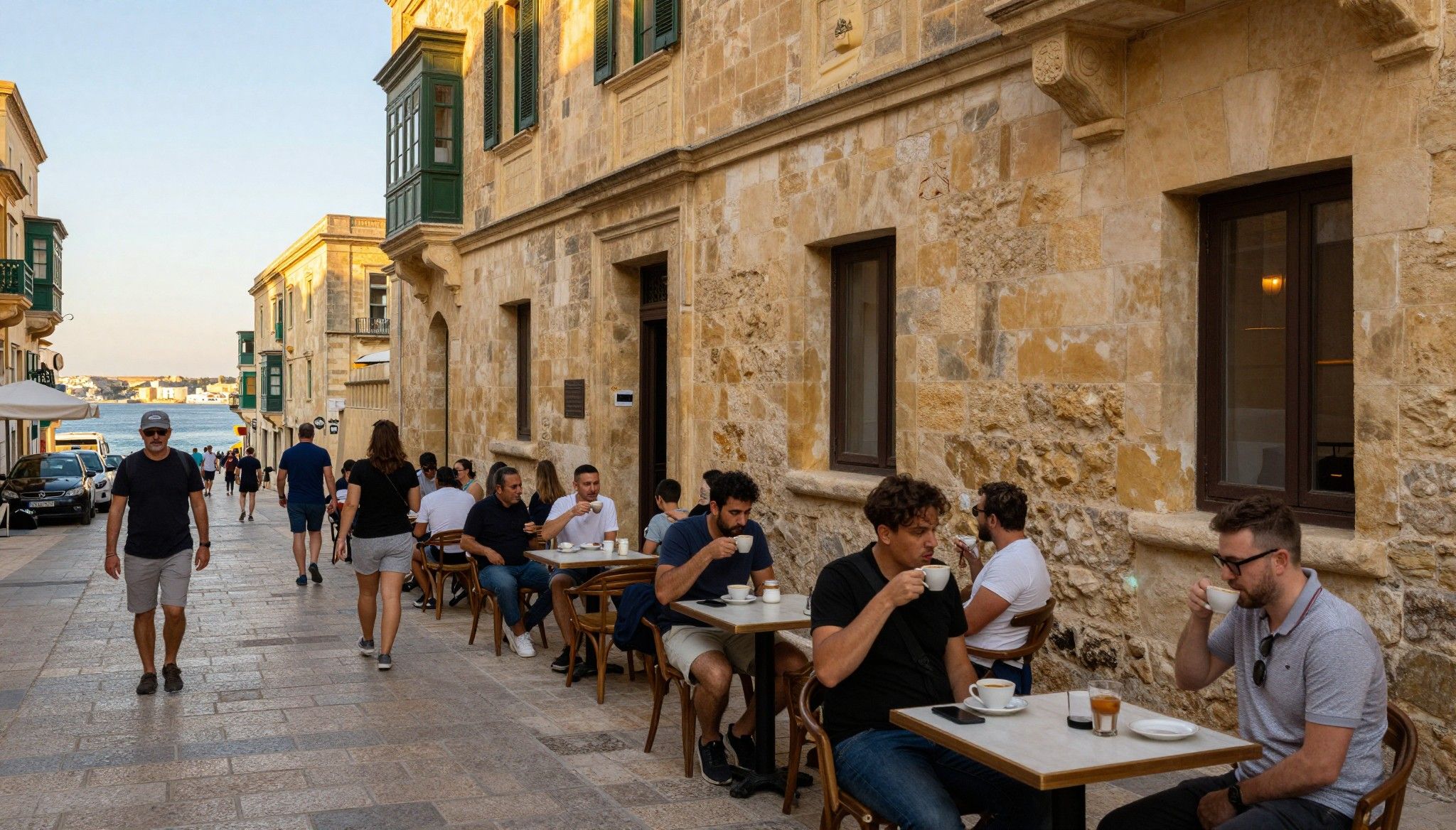
Malta feels compact: a 30–40 minute drive crosses whole regions, and that density shapes daily life. Morning markets in Valletta and Marsaxlokk, late‑night pastizzi runs, and afternoons spent on rocky coves are not just tourist postcards — they’re routines. Recent data show prices continuing to rise, but those figures sit beside a lived reality of walkable neighbourhoods, strong English-language services and an island culture that makes small apartments feel larger because community life spills onto the street. Understanding that dynamic helps you weigh price against the lifestyle you’ll actually buy into.
Sliema & St Julian’s: urban coast with cafe culture
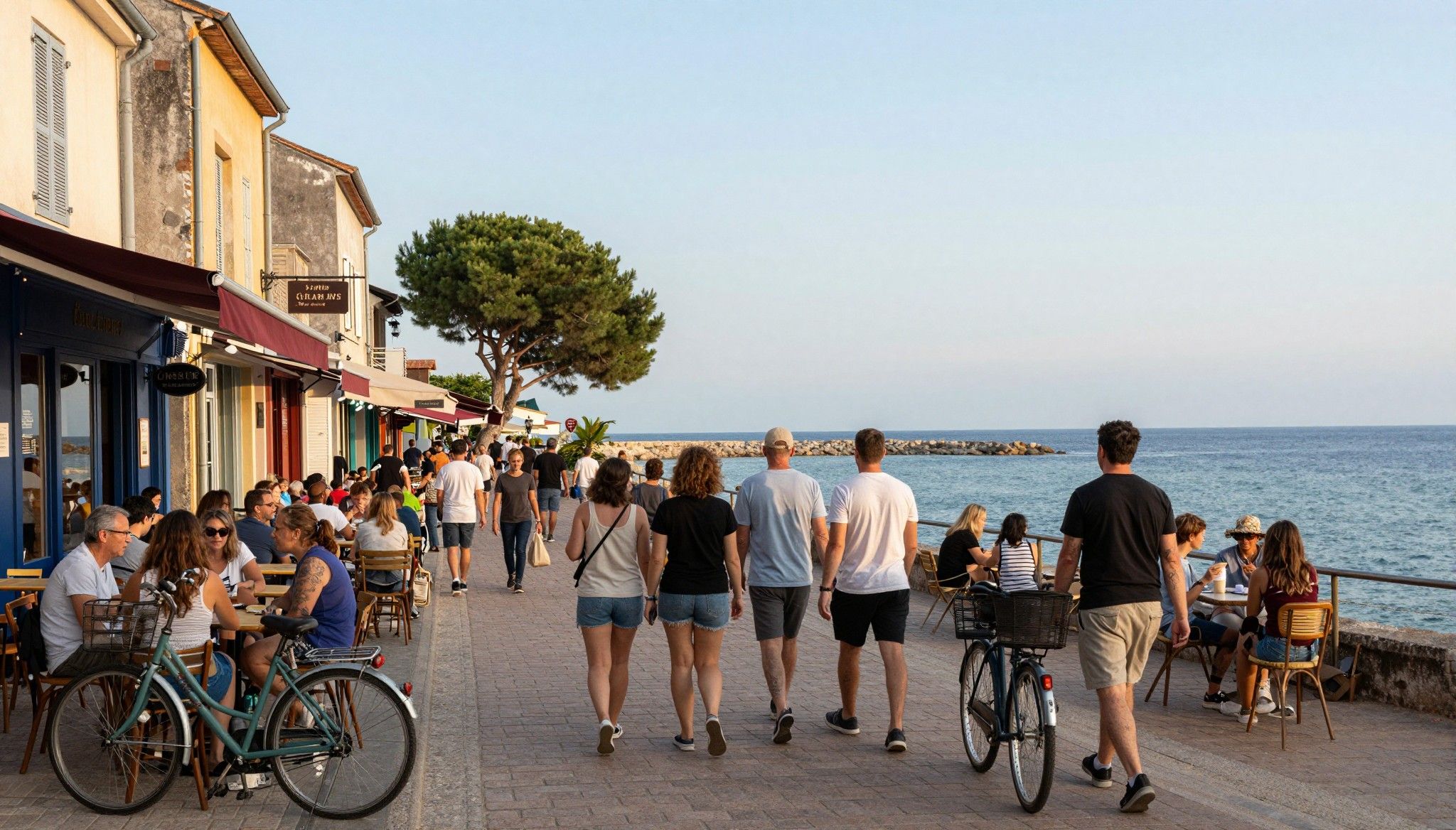
Walk Sliema’s promenade at dawn and you’ll meet joggers, ferry commuters and grandparents skipping down to the bakery on Tower Road. St Julian’s — especially Spinola Bay and Paceville’s fringe — mixes restaurants, coworking spots and nightlife. Properties here command premium per‑square‑metre prices because they deliver immediate convenience: supermarkets, private clinics, cafés and harbourside living. If you crave daily variety and rental demand, these neighbourhoods justify higher asking prices; but the premium narrows quickly once you step two kilometres inland.
Marsaxlokk, Gozo & the quieter side of Maltese life
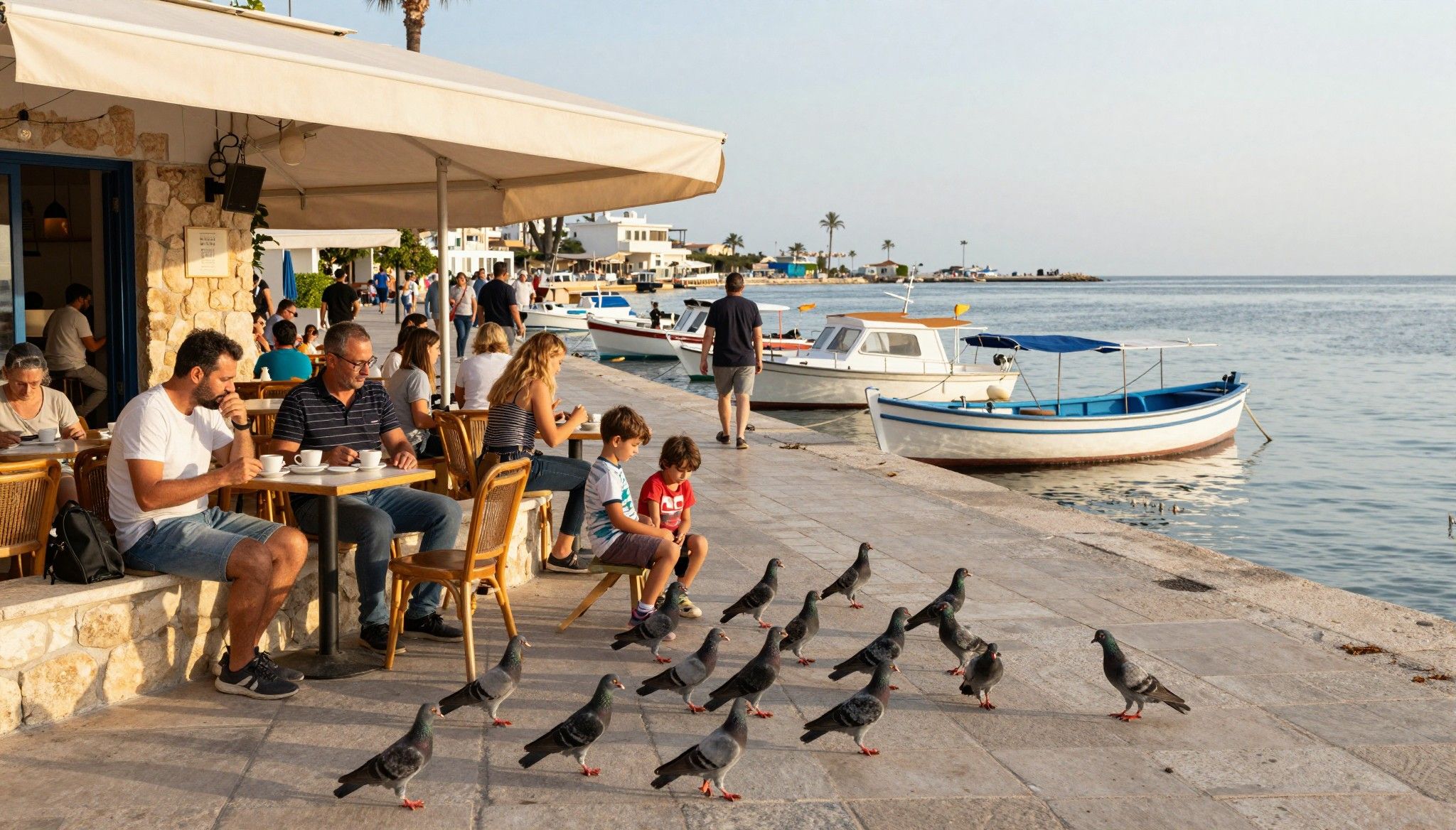
Marsaxlokk’s Sunday fish market and Gozo’s slower tempo offer a different bargain: space, traditional houses and closer ties to local life. In Gozo, a restored townhouse with a rooftop terrace can outdeliver an inner‑harbour flat in terms of privacy, outdoor living and sense of community. For buyers prioritising quality of life over immediate rental yield, these areas can feel like a revelation — lower footfall, more garden possibilities and a clearer path to renovation that respects local architecture.
- Lifestyle highlights: Sliema promenade, Valletta’s café scene, Marsaxlokk fish market, Gozo rooftop terraces, St Julian’s coworking hubs, small coves like St Peter’s Pool.
Making the move: practical considerations
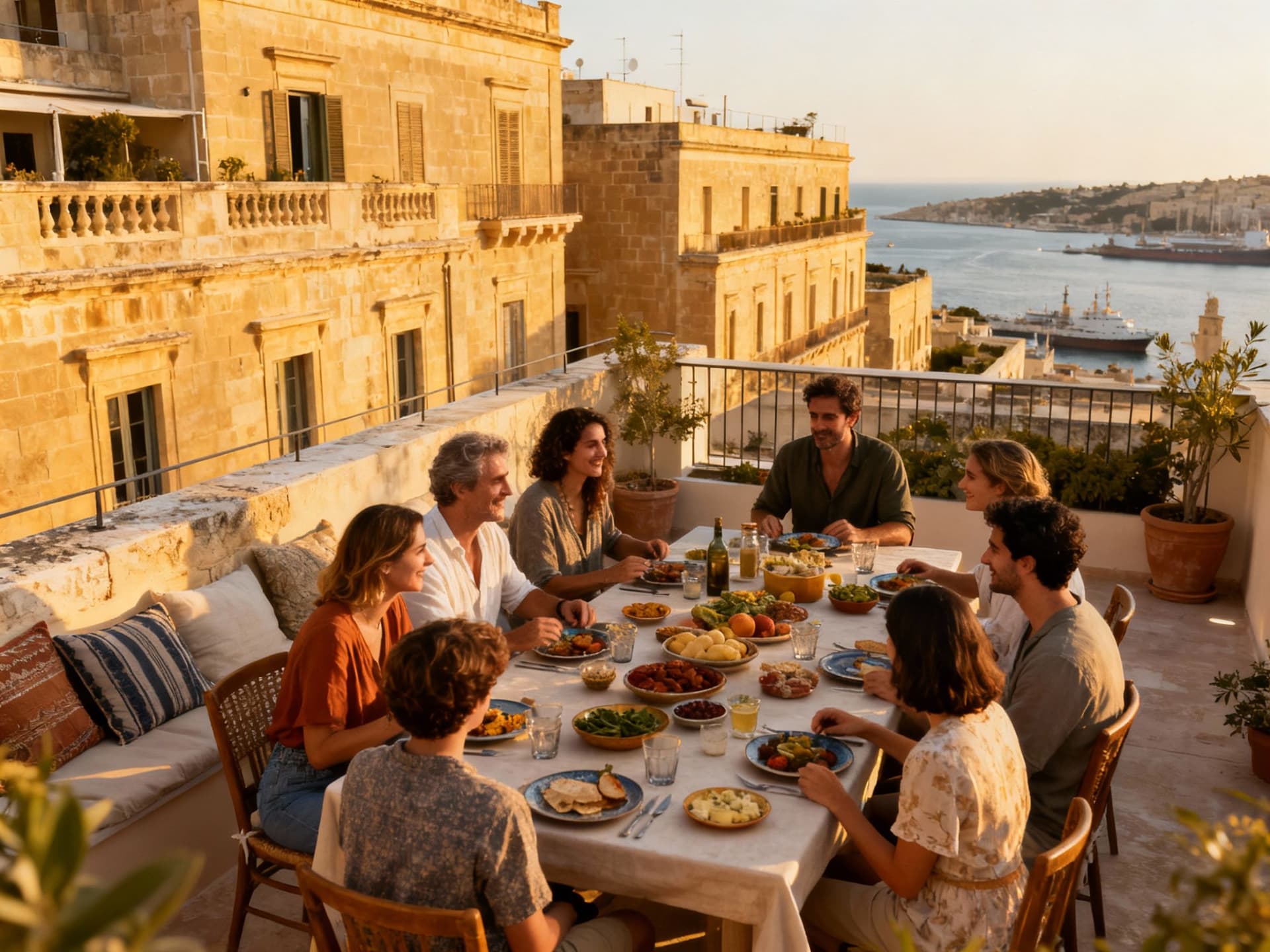
Lifestyle dreams meet sharp realities in Malta’s market: official statistics point to steady price growth, while recent political and regulatory shifts — notably scrutiny of investor residency schemes — change buyer profiles and demand patterns. Translating the lifestyle you want into a sustainable purchase means matching neighbourhood rhythm with the property type and a trusted local adviser who understands both street life and legal nuance. Below we link practical property types to what they mean day‑to‑day.
Property styles and how you’ll use them
Apartments dominate the market in central areas — efficient, often with sea glimpses and easy rental appeal. Maisonettes (traditional ground‑floor units with small yards) and terraced townhouses give you outdoor space without the upkeep of a detached house. Older stone townhouses in Valletta and Mdina need careful inspection but reward with period character and high ceilings. Choose the type that aligns with how you want to live: balcony breakfasts, roof‑terrace dinners, or low‑maintenance lock‑and‑leave.
Working with local experts who know the lifestyle
- 1. Ask agencies for neighbourhood walking tours that show morning and evening rhythms. 2. Insist on agents who can introduce local service providers — a plumber, electrician and a renovator with listed references. 3. Hire a bilingual lawyer familiar with Maltese conveyancing and recent policy changes. 4. Use local property reports and NSO data to check pricing trends before making an offer. 5. Consider property managers if you plan to rent; they should demonstrate occupancy history for nearby listings.
Insider knowledge: what expats wish they'd known
Expats tell a common story: the island’s scale compresses surprises — everything you need is closer than you expect — but rules and reputations matter. Recent court rulings on citizenship-by-investment altered the profile of international buyers, which in turn affects demand for central apartments. That matters if you’re counting on short‑term rental income. Look beyond headline prices and probe occupancy patterns, permit backlogs for renovations and how seasonal tourism affects neighbourhood noise and services.
Cultural integration and everyday life
English is an official language, which makes administrative life easier, but Maltese culture rewards small courtesies: greet shopkeepers, learn a few Maltese phrases and show respect for family rhythms. Weekends are for markets and family meals; festivals (festa) transform villages with fireworks and band marches. These rituals shape how neighbourhoods feel and how comfortable you’ll be settling in: a place with a strong festa tradition is alive in summer but quiet in winter.
Long‑term lifestyle and practical factors
- Things to weigh over 5–10 years: local planning rules that limit extensions, the cost of air‑conditioning for hot summers, the availability of parking in older towns, and how demand shifts if residency programmes tighten. Use recent NSO trend data to test your resale assumptions: prices rose c.5–6% year‑on‑year in 2024–25, so factor realistic appreciation rather than optimistic doubling timelines.
If you’re ready to act: prioritise a shortlist of neighbourhoods based on daily rhythm, then get an up‑to‑date RPPI printout for those areas and ask agents for comparable rented and sold listings from the last 12 months. Small steps — a morning walk, a local café visit, a chat with a property manager — reveal more than swathes of spreadsheeted data. And if the lifestyle match is right, the premium you pay today can feel justified not only by capital prospects but by better days lived.
Conclusion: Malta’s numbers are real, but so is its life. Read the NSO data, check how local policy changes reshape buyer pools, and prioritise neighbourhood rhythm over headline price per square metre. Start with a lived‑in test — spend a month in a neighbourhood you like before you bid — then work with an agent who treats lifestyle as seriously as spreadsheets. That balance is how you buy a Maltese home that delivers both daily joy and long‑term value.
Swedish strategist who relocated to Marbella in 2018. Specializes in legal navigation and tax planning for Scandinavian buyers.