Buy in Malta's Quiet Season: Winter's Hidden Advantages
Winter viewings in Malta reveal everyday life and negotiating leverage: steady price growth but quieter months offer clearer deals, realistic rent expectations and authentic local insight.
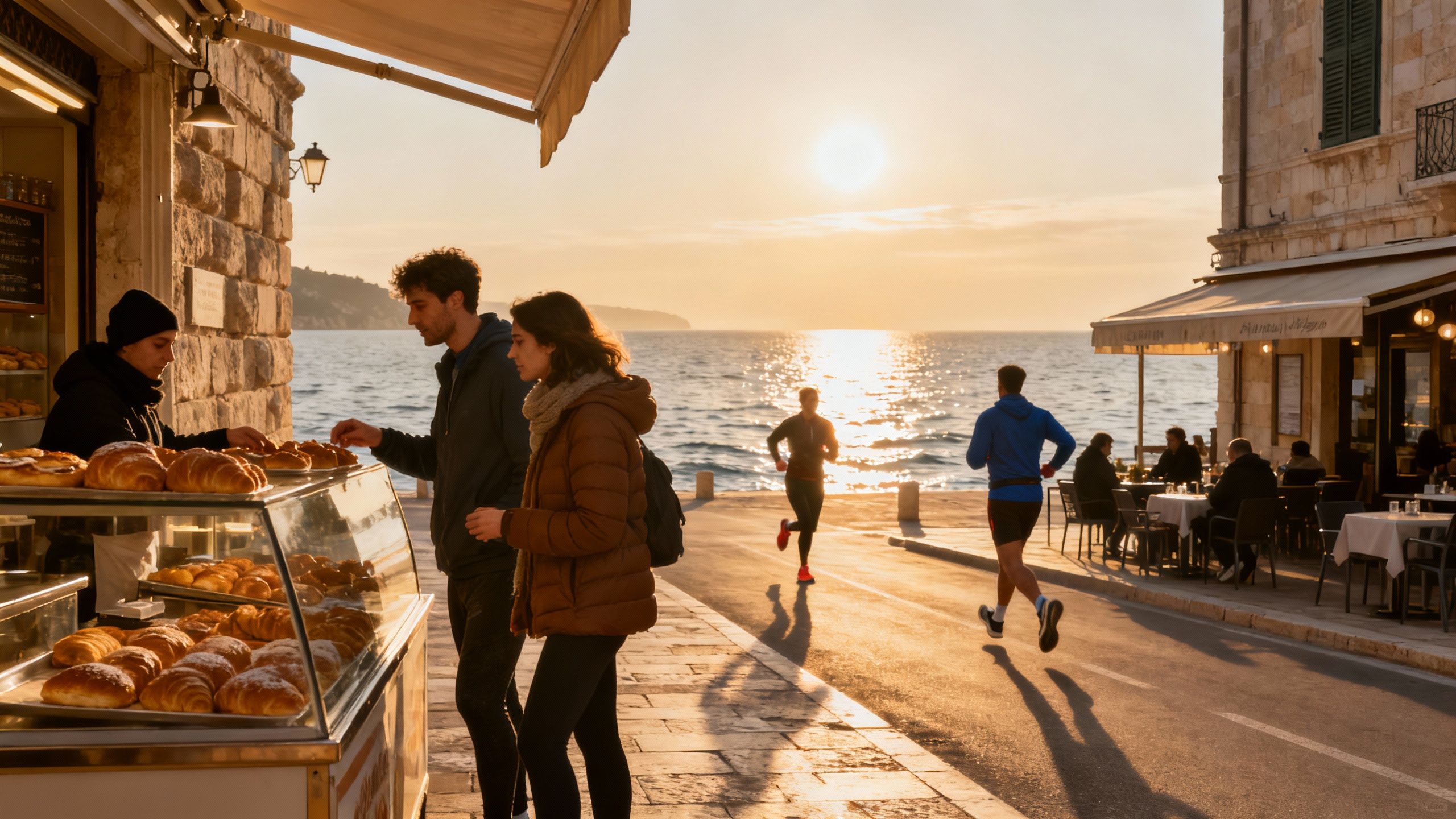
Imagine stepping out at 9am to buy a coffee in Sliema and finding the promenade almost empty, the light low and Mediterranean air clean — that surprised calm is Malta in winter. For buyers who want place before price, the quieter months reveal the island’s everyday rhythms: neighbourhood markets restocking, retired sailors meeting at cafés, and construction noise reduced enough to hear the sea. These off-season scenes matter because Malta’s market and lifestyle are compact: small changes in timing, neighbourhood choice or property type can alter yield, enjoyment and resale prospects. Recent market analysis shows steady price rises, but the season you view and transact in can change what you actually pay and how you live here.
Living Malta: daily life, not postcard moments
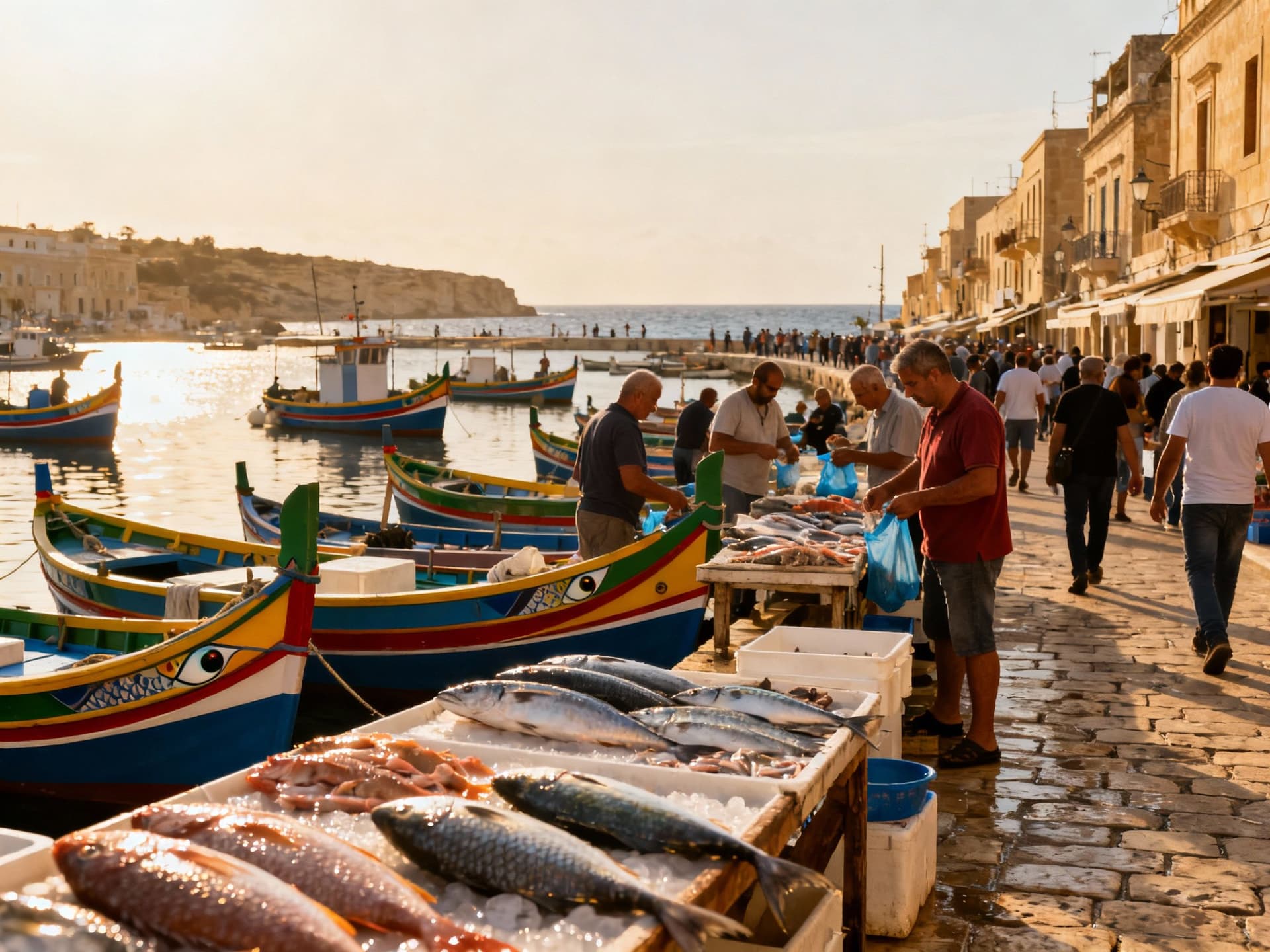
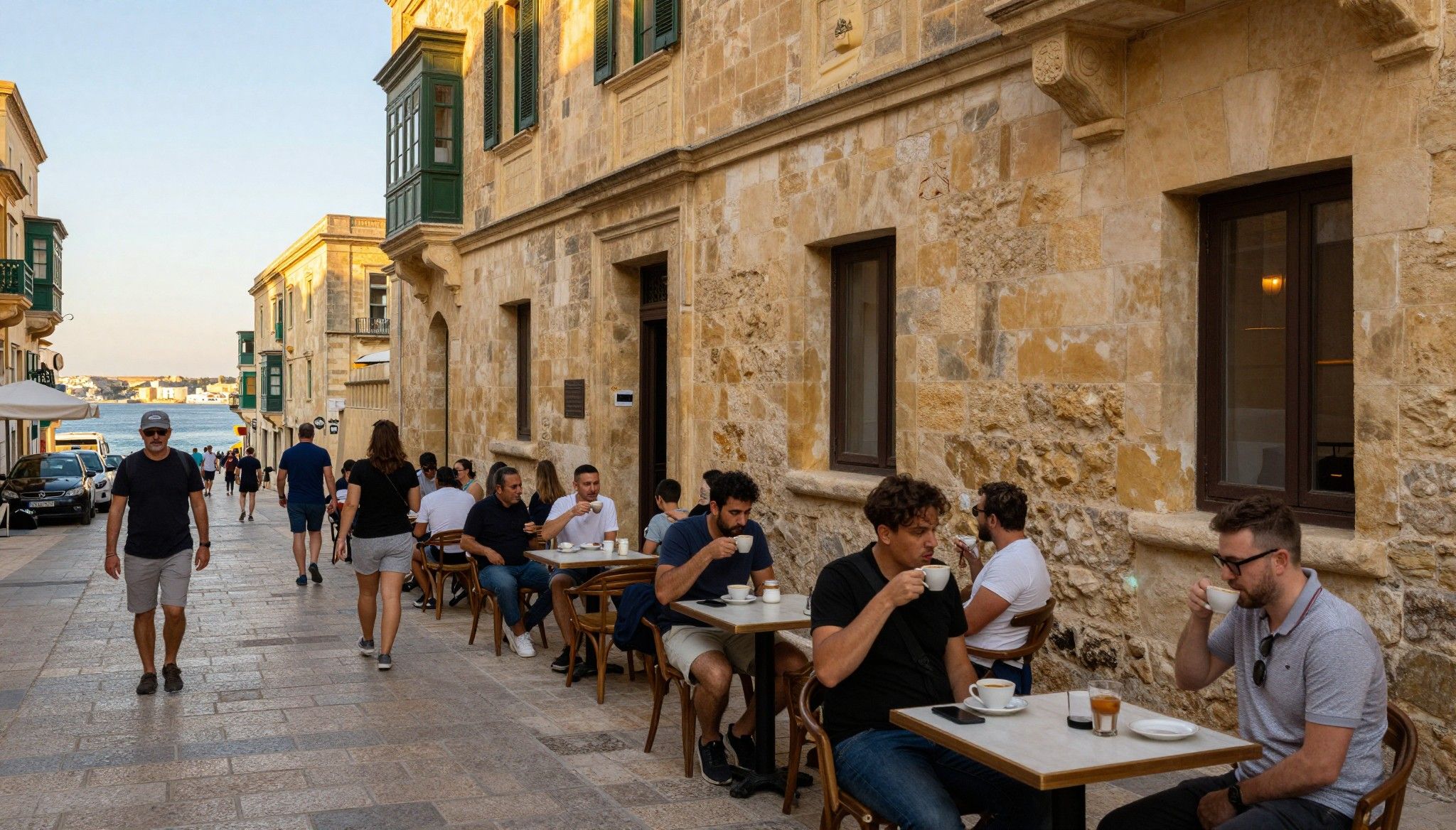
Malta looks different at different times of year. Summer is postcard-packed: boats in the Blue Lagoon, packed terraces in St Julian’s and a louder pace across Valletta. Winter is where the island’s texture becomes legible — narrow streets in Mdina hold regular neighbourhood life, cafés in Marsaxlokk hum with fishermen swapping routes, and the long promenade between Sliema and St Julian’s is used for morning walks rather than nightlife. If you want to live Malta rather than be seen in it, those quieter months let you imagine a daily routine: an early swim at Għajn Tuffieħa, lunch at a family-run trattoria, then a stroll through a market to pick up fresh fish.
Neighbourhood spotlight — Sliema & Tigné: lively convenience, winter clarity
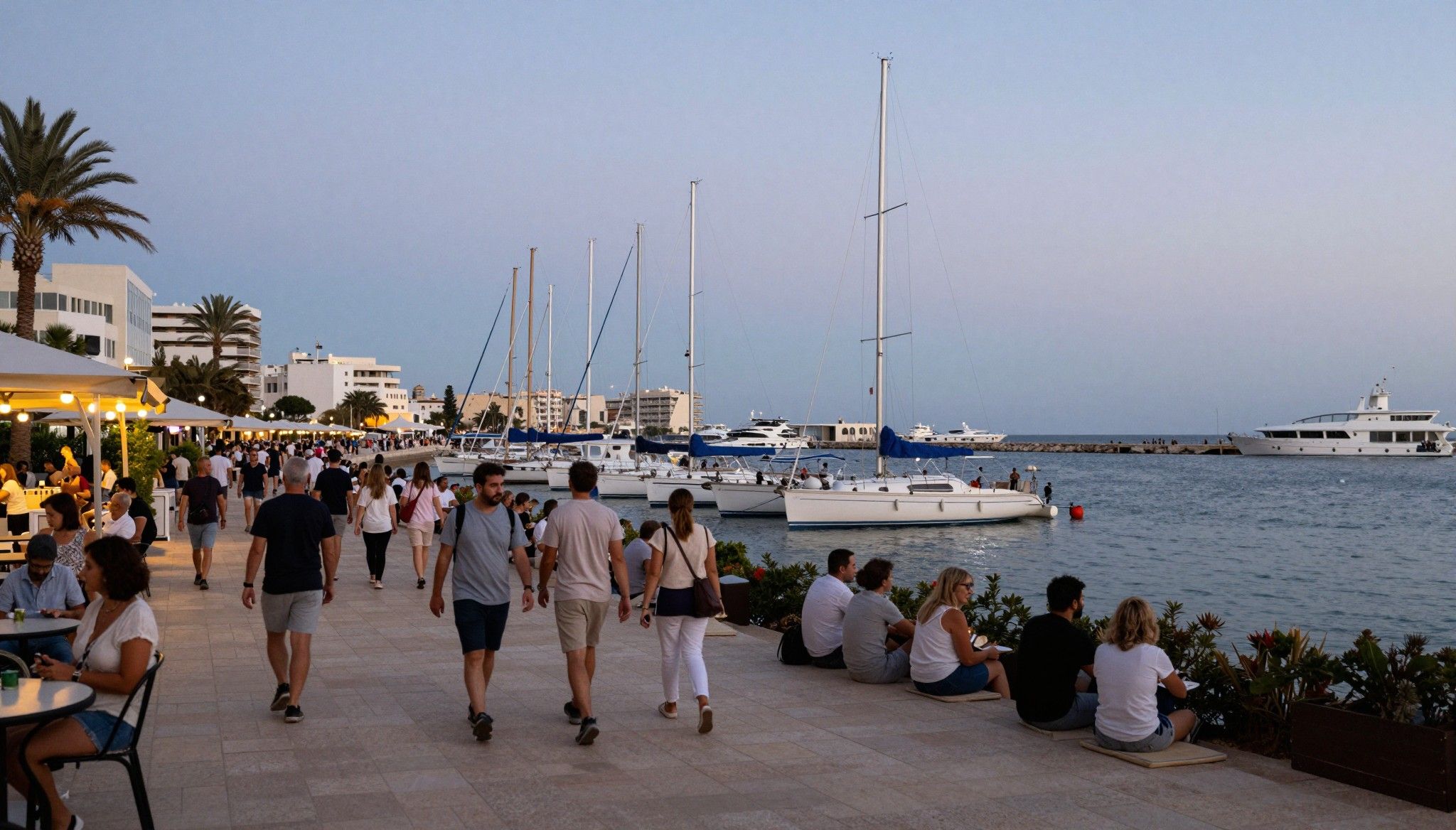
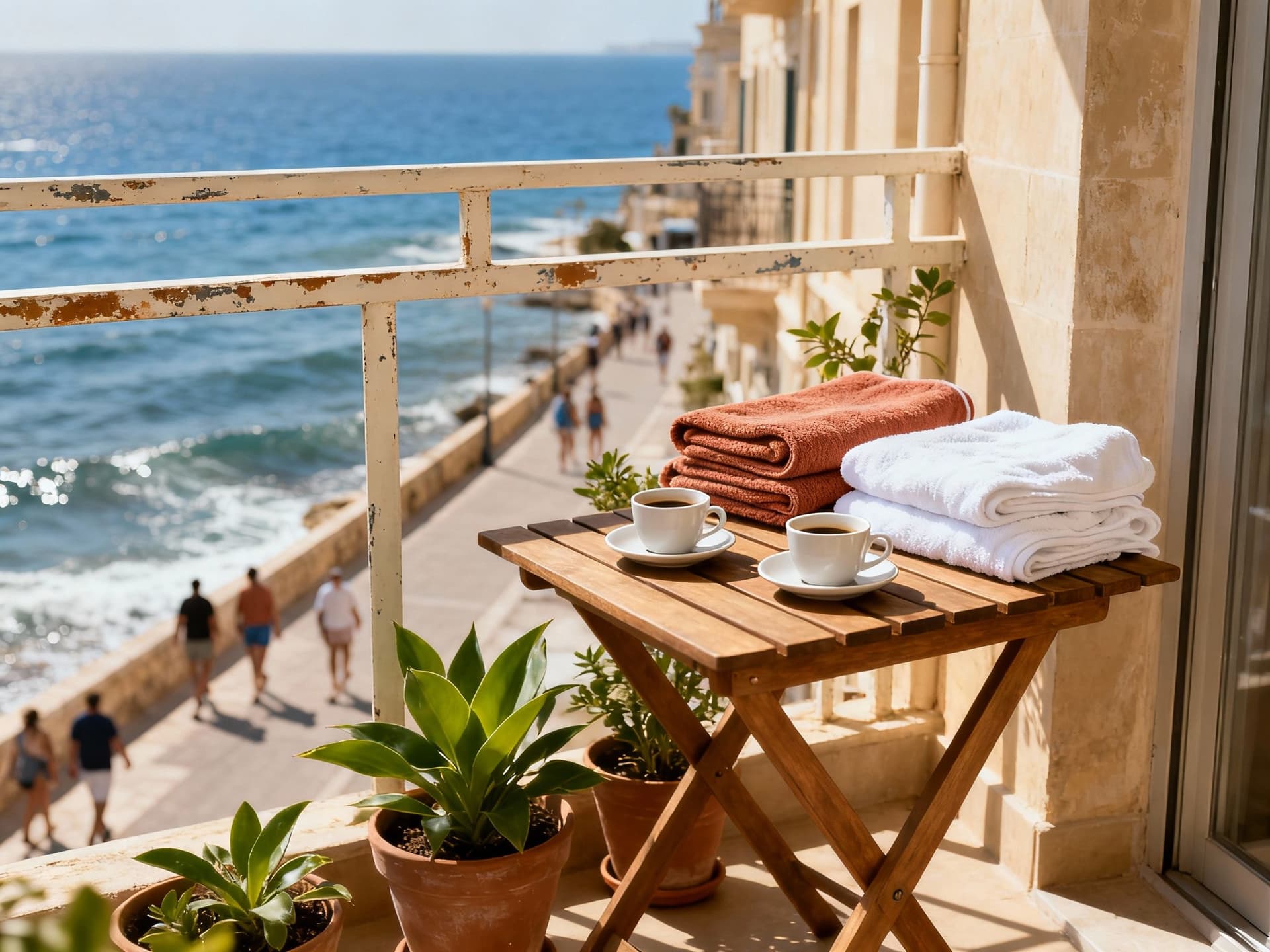
Sliema’s promenade and the Tigné seafront are where convenience meets everyday Maltese pace. In summer you see tourists and sunbathers; in winter the promenade is where residents walk dogs, cafes seat regulars, and terraces feel like neighbourhood living. Properties here — modern apartments and converted townhouses — suit buyers who want cafes and groceries in walking distance and easy ferry access to Valletta. For investors, short-term rentals peak in summer, but winter occupancy and long-term rentals are steadier than many expect; if you plan to live here year-round, winter visits show how the area functions when tourism isn’t dictating rhythm.
Neighbourhood spotlight — Marsaxlokk & Birżebbuġa: fishing harbours, slower pace
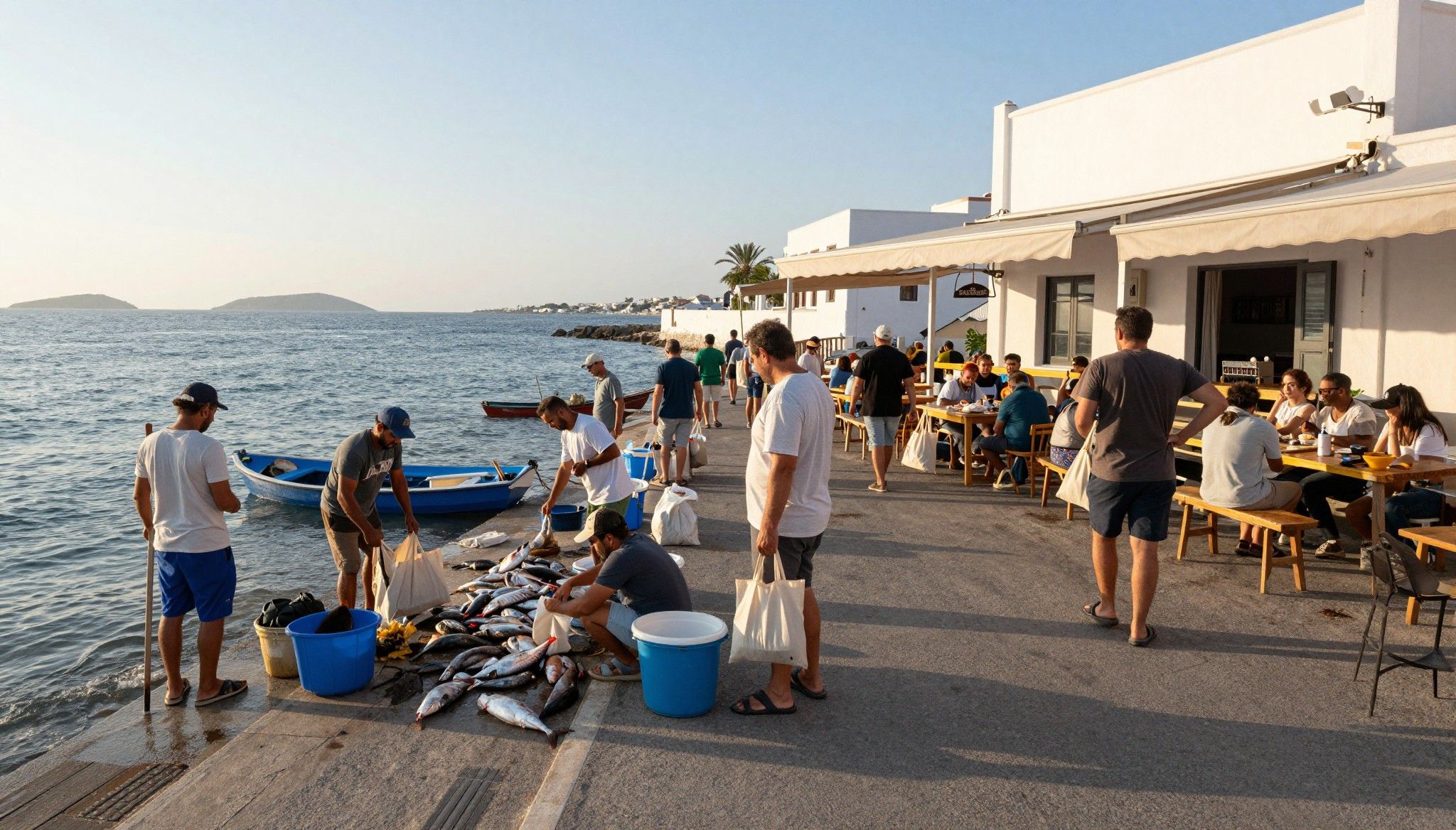
Head southeast to Marsaxlokk’s waterfront or Birżebbuġa and you meet Malta’s maritime heritage: colourful luzzu boats, Sunday markets, and family-run fish restaurants. These coastal towns are quieter off-season but highly authentic — you’ll hear Maltese used more than English and find community events that reveal local culture. Property here tends toward low-rise maisonettes and terraced houses with sea glimpses rather than skyline views. If you favour morning swims and a neighbourly café culture over late-night bars, these towns keep giving year-round.
Making the move: winter’s practical advantages
Practically, Malta’s compact market rewards buyers who time their search. Agencies report clearer negotiation windows in quieter months, fewer competing offers, and more realistic viewings — because you judge a home by daily life rather than peak-season staging. Industry surveys show demand remains resilient year-round, but the composition changes: domestic buyers dominate final deeds while foreign interest tends to spike in warmer months. If you want negotiating leverage and an authentic sense of living conditions, winter viewings help you separate tourism gloss from true lifestyle fit.
Property types & how they match daily life
Malta’s common property types — apartments, maisonettes, terraced houses — influence how you’ll live. Apartments in Sliema and St Julian’s give walkable cafés, gyms and ferry links; maisonettes in village cores offer private terraces and slower evenings; terraced houses and palazzos in Mdina or Rabat bring high character and quieter streets. The national Residential Property Price Index rose about 5% year-on-year in 2024, with apartments and maisonettes both increasing, so choose a property type aligned with daily routines: do you want doorstep cafés or private outdoor space?
How a local agency helps (winter-focused checklist)
1) Arrange off-season viewings so you see noise patterns, light and usage across a week. 2) Ask for utility and maintenance bills to understand winter heating and insulation costs. 3) Verify short-term rental regulations if you plan summer lets — rules and demand vary sharply by location. 4) Request introductions to neighbours or expat groups to test social fit before purchase. 5) Use a bilingual agent to clarify planning restrictions and conversion possibilities for older properties.
Insider knowledge: expat truths and local quirks
Expat life in Malta mixes English ease with Mediterranean pace. English is an official language, which flattens the integration curve, but cultural nuance matters: Sundays remain family time, and small courtesies — greeting shopkeepers, learning a few Maltese phrases — smooth everyday life. Rental yields average around 4% depending on area, so investors should weigh seasonal short-term upside against stable long-term lets. Real expat advice: live in a neighbourhood for a few days in two different months before committing — winter will tell you if you’ll use the kitchen, the terrace, or escape to the countryside on weekends.
Cultural integration & what locals notice
Maltese communities value continuity: long family ties, local festas and a preference for face-to-face interactions. That shapes everything from negotiating a deal to finding a reliable builder. Learn fiesta dates in the towns you like — they reveal social hubs and show how streets animate for weeks. Practically, this affects when contractors work, when shops close and even when neighbours expect quiet. Accepting local rhythms — and letting an agent translate them into property expectations — is as important as understanding price per square metre.
Hidden costs & practical details to factor in
Agency fees and notary costs can be variable and should be confirmed up front. Older buildings often need waterproofing and insulation work that’s easiest to schedule in winter. Short-term rental rules and registration requirements affect summer income potential and require local compliance. Public services and transport operate on different timetables during festas and public holidays — factor this into living plans.
Malta’s market is active and compact: NSO figures and industry surveys point to steady price growth and high transaction volumes concentrated in central and northern clusters. That means two things for buyers: first, small locational choices (which street in Sliema, which block in St Julian’s) have outsized impact; second, working with a local agent who knows winter rhythms, local planning constraints and the realities behind advertised prices materially improves outcomes. Use winter viewings to probe not just a property’s fabric but the neighbourhood’s daily pulse.
Picture your life here after you buy: weekend swims at Golden Bay, weekday espresso at a tucked-away Valletta café, and the ability to step onto a ferry for a Saturday in Gozo. If that vision matters, schedule a winter trip to test it. If your plan is investment, compare advertised yields with seasonal occupancy patterns and ask agencies for anonymised ledger data on real bookings. Either way, an agent who acts as a cultural translator — arranging neighbourhood introductions, showing maintenance histories and pointing out festa calendars — will let you choose a property that fits how you will live, not how you’ll holiday.
If you’re ready to move from dreaming to doing: book a winter visit, ask for week-long viewings, request utility records and short-term rental histories, and meet at least one local builder and an estate agent who can explain festa calendars and planning restrictions. Malta rewards buyers who see it in its honest light — not only at its busiest. When you choose timing, neighbourhood and property type with equal attention to lifestyle and data, you buy more than a property; you buy a lived-in Mediterranean life.
Norwegian market analyst who relocated to Mallorca in 2020. Focuses on data-driven market insights and smooth relocation for international buyers.