Why Riviera Hill Towns Outsmart Costa del Sol Prices
Contrarian Côte d'Azur: inland Riviera towns often offer the lifestyle and value buyers expect from the Costa del Sol — plus year‑round community and larger homes.
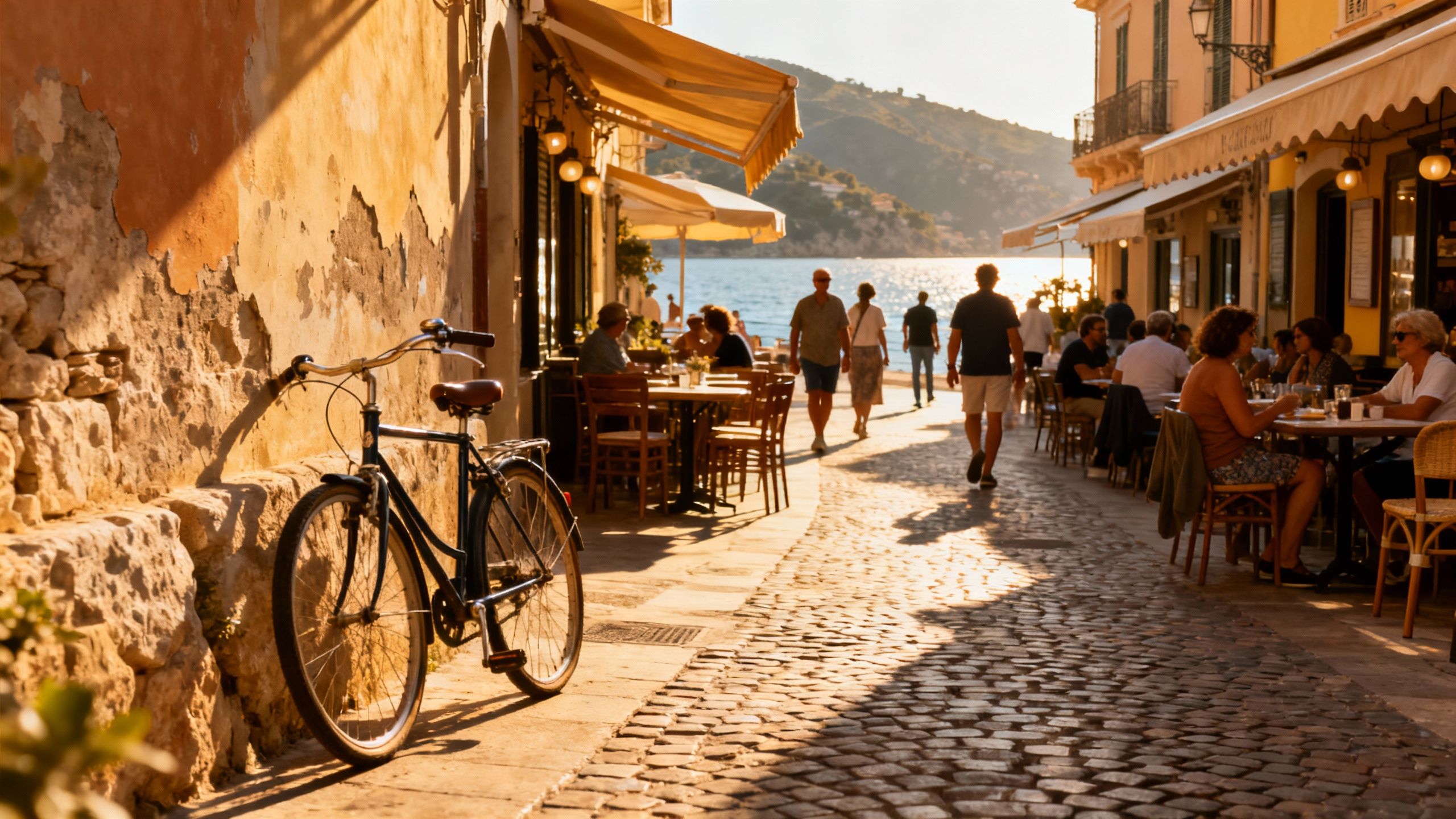
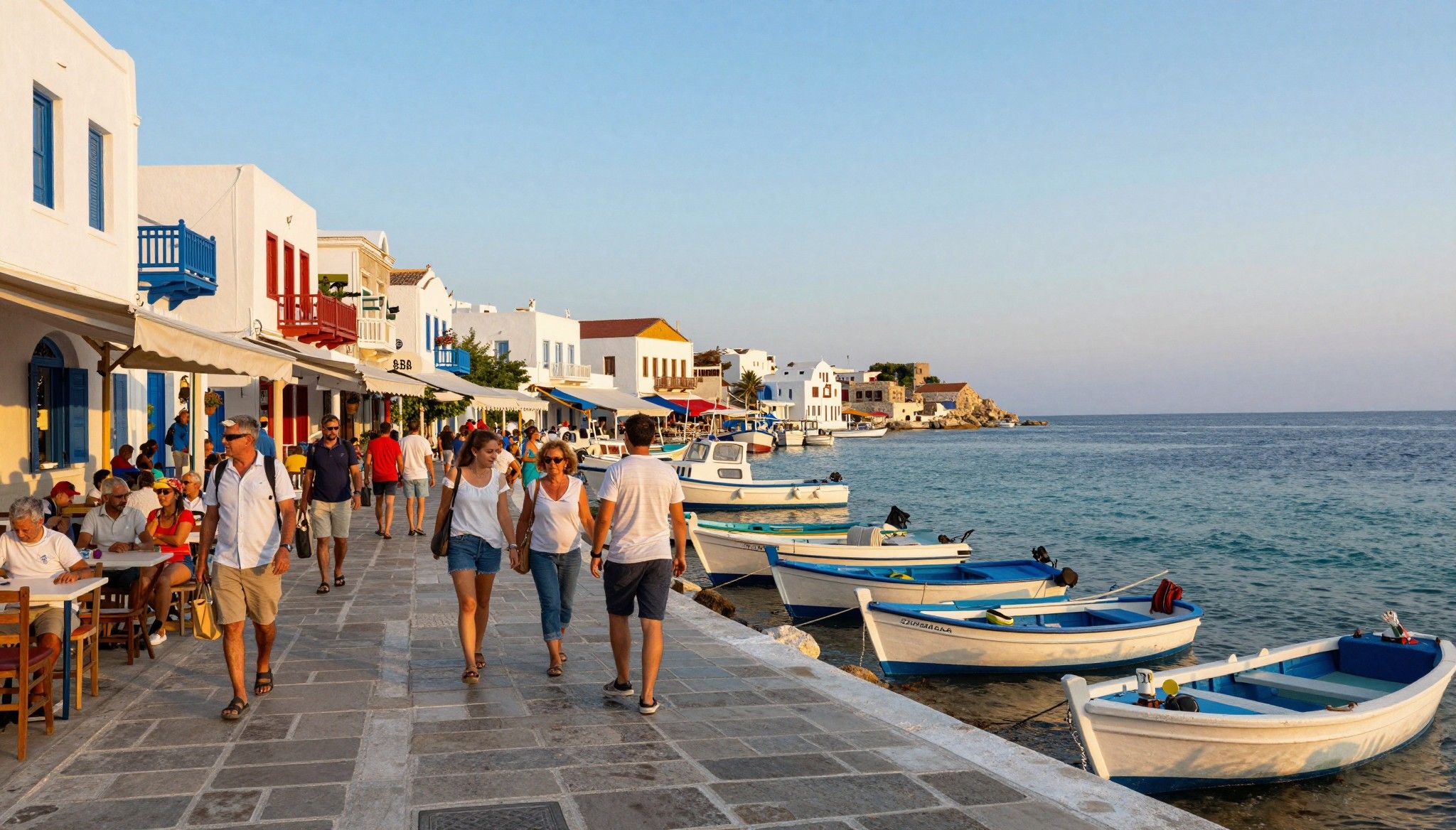
Imagine morning espresso on a quiet terrace in Valbonne, olive trees scenting the air, then an afternoon at a small beach near Antibes. For many buyers who compare the Côte d'Azur with the Costa del Sol, the image is glamour and price tags. But there’s a different story under the postcard: inland hill towns and overlooked neighbourhoods on the French Riviera are delivering lifestyle richness — and, increasingly, better value — than many assume. This piece shows where that value is, why it matters, and how to make it yours.
Living the Riviera life — beyond Cannes postcards
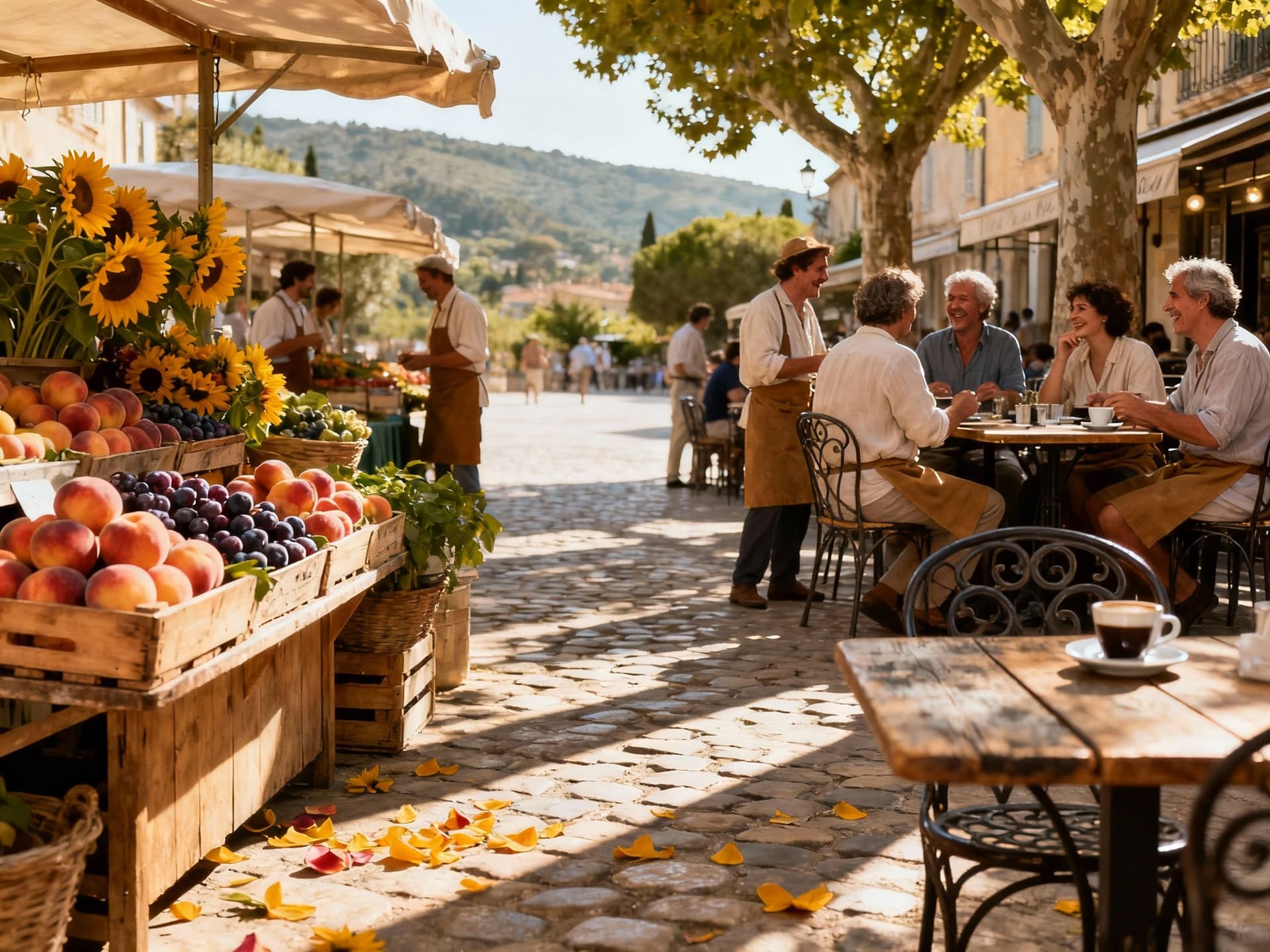
Daily life on the Riviera is not only yachts and film festivals. In places like Mougins, Tourrettes-sur-Loup and Saint-Paul‑de‑Vence you'll find morning markets, slow lunches under plane trees, and evenings in narrow streets where neighbours still greet one another. These hill towns trade sea-front frenzy for space, larger homes with terraces and gardens, and a pace that suits long-term living rather than seasonal spectacle. Recent reporting notes buyers are migrating inland for quieter street life and relatively softer prices, creating unexpected pockets of opportunity. (See Financial Times reporting on hill‑town demand.)
Mougins, Valbonne and Saint-Paul‑de‑Vence: character over crowd
Walk the shaded lanes of Mougins and you’ll meet artists, chefs and families who value space for a studio or garden. Valbonne’s market square hums Saturdays and hosts independent cafés, while Saint‑Paul‑de‑Vence offers galleries and a compact village center that feels lived‑in year round. Properties here are often historic stone houses or 1980s villas with gardens — possibilities for renovation or instant move‑in. For buyers prioritising authenticity and community, these towns beat the emptier seaside strips in year‑round life.
Food, markets and seasonal rhythm
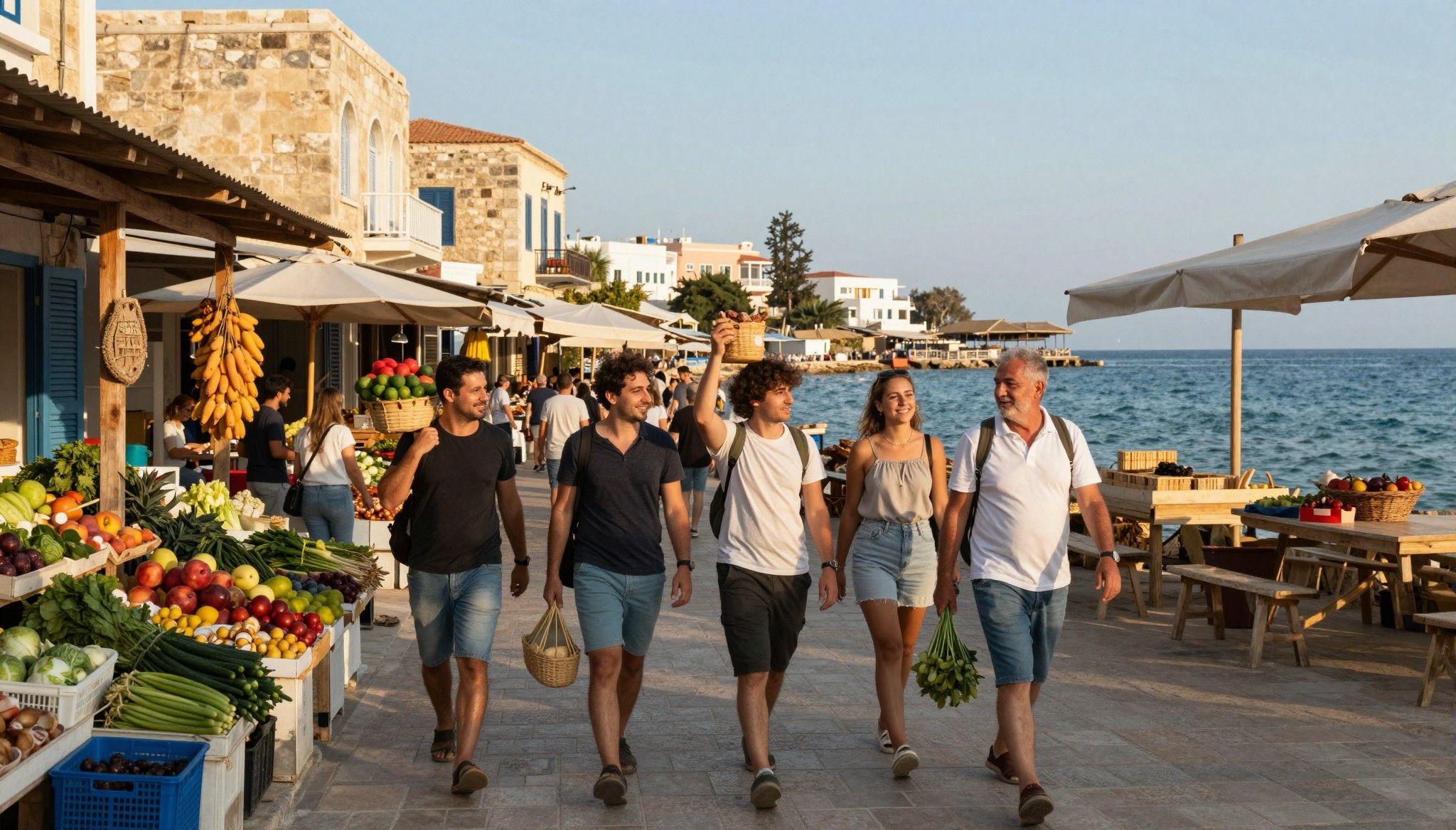
The Riviera's culinary calendar shapes daily life: morning boulangeries, weekly marchés brim with produce, and restaurants shift menus with the season. Coastal towns may fill with summer crowds, but inland villages keep local cafés and shops active through autumn and winter. For buyers who want a year‑round francophone life — not a summer rental engine — this rhythm matters more than a sea view. It also changes what type of property works best: larger terraces, independent access and energy efficiency for cooler months.
- Lifestyle highlights worth hunting for
- Valbonne market square — Saturday farmers and artisans
- Mougins old town — galleries, chef‑owned bistros, quiet lanes
- Gorges du Loup drives and waterfalls — weekend nature access 20–30 minutes inland
- Beaches near Antibes and Juan‑les‑Pins — day trips without living on the promenade
Making the move: property truths that match the life
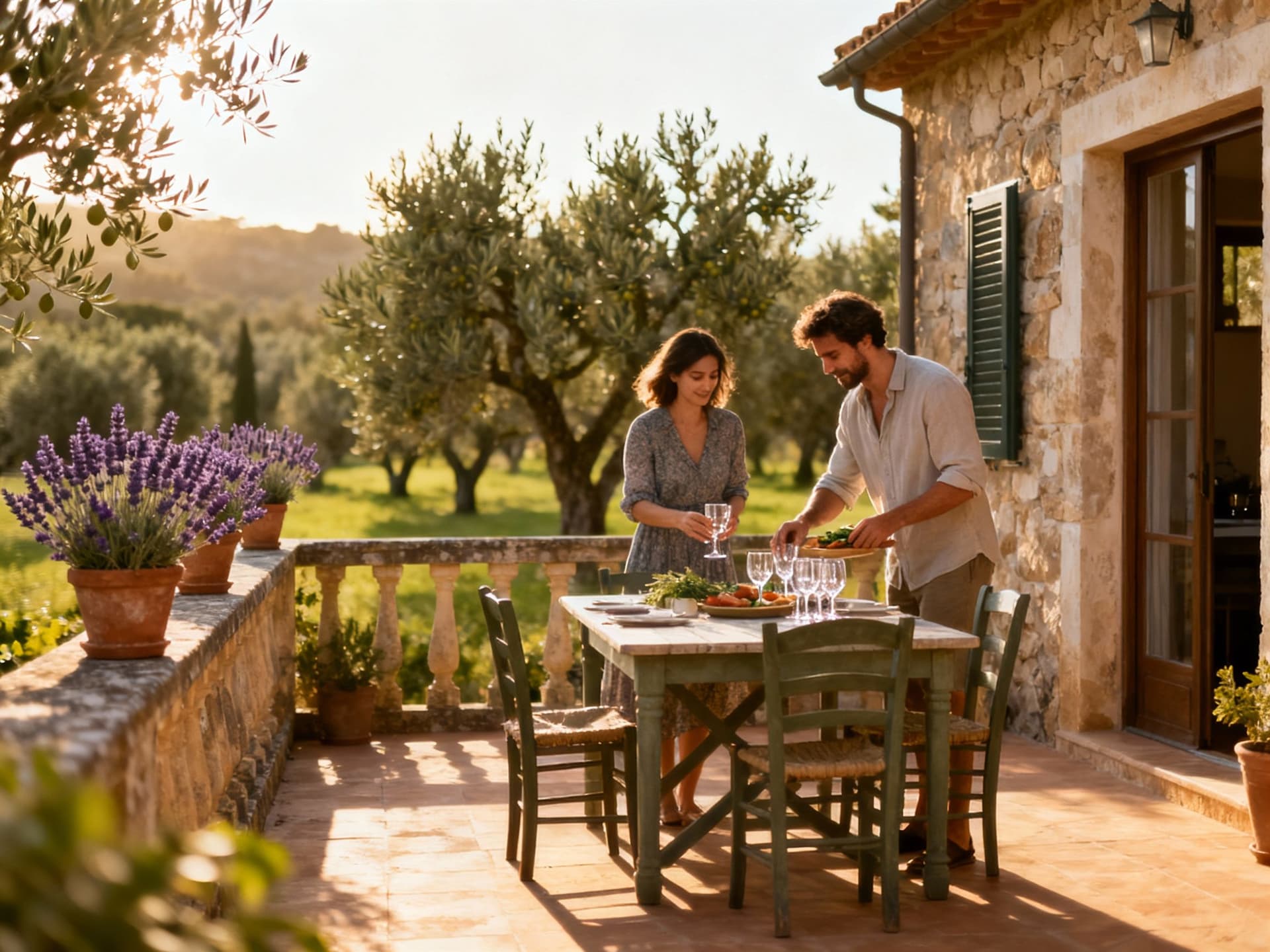
If you’re weighing Côte d’Azur towns against the Costa del Sol, start with true apples‑to‑apples comparisons: price per square metre, running costs, and rental seasonality. The Costa del Sol has seen double‑digit growth in many towns and record asking prices in 2025, pushing beachfront premiums higher. That makes inland Riviera towns comparatively attractive for buyers wanting space and lifestyle without the highest coastal premiums. A local agent who knows both markets helps translate asking prices into likely sale prices and ongoing costs.
Property styles and how you’ll live in them
On the Riviera you’ll find restored Provencal houses, 1970s villas with mature gardens, and a steady supply of tasteful renovations. These homes offer larger indoor/outdoor living compared with many new coastal apartments on the Costa del Sol, where vertical living and gated complexes are more common. If you value an outdoor kitchen, private garden and year‑round village life, hill‑town villas frequently deliver more practical square metres for the same budget as a one‑bed apartment on the beach.
How local experts translate lifestyle into listings
A good local agency will show you the tradeoff: sea views vs. garden size, year‑round community vs. summer rental yield. They’ll also flag seasonal realities — for example, some coastal properties earn well in July/August but sit empty off‑season. Agencies with Riviera experience can source off‑market village houses that match a lived‑in lifestyle and negotiate terms reflecting local sale dynamics. Think of the agent as a translator from ‘what this place feels like’ into ‘what you can buy’ and ‘what it will cost to run.’
- Practical decision steps that blend life and market sense
- Decide how you’ll live year‑round (primary residence, seasonal, rental mix).
- Compare price/m² for inland Riviera towns vs coastal Costa del Sol equivalents.
- Request recent sold prices, not just asking prices; ask agents for net rental projections by month.
- Inspect energy performance (DPE in France) and seasonal maintenance needs for older stone homes.
Insider knowledge: what expats wish they’d known
Expats often arrive expecting perpetual summer; the Riviera actually has defined seasons and a quieter winter community feel. Many buyers underestimate renovation scope in older village houses and the time it takes to secure permits for structural changes. Others are surprised by cultural rhythms — shops that close Tuesday mornings, lengthy summer holidays for some services, and the importance of local introductions. These matters shape where you should buy: proximity to a lively market or to essential services matters more in winter.
Language, community and everyday life
French is the social lubricant; a few phrases open doors to neighbourly invites and local trusts that influence long‑term happiness. Expat communities exist around Antibes and Nice, but inland villages integrate expats with locals more readily because daily life is shared in markets and cafés. For buyers who want inclusion rather than a parallel expat bubble, learning local routines and supporting small businesses pays social dividends and helps when you need local recommendations for craftsmen or services.
Long‑term lifestyle and value signals
Look for towns investing in transport, markets and local school life — these are reliable signals that a village will sustain year‑round demand. Infrastructure upgrades, restored public squares and expanded cultural programs often presage rising interest and price resilience. Choose properties with flexible layouts (guest wing, office, rental potential) to adapt as your life changes — that makes a house both home and a liquid asset if you decide to sell or rent for part of the year.
- Red flags to watch for in Riviera listings
- Overly high asking prices compared with sold‑price evidence in the same village.
- Properties with unclear access or long narrow drives that inflate renovation costs.
- Listings that emphasise sea view at the expense of usable outdoor space for year‑round living.
Conclusion: If your dream is a lived‑in Riviera life — markets that matter, neighbourhood cafés, space for friends and family — don’t let seaside flash define your search. Inland Côte d'Azur towns and overlooked neighbourhoods deliver an authenticity and often a better mattress of square metres for your money than busy Costa del Sol beach strips, especially when you prioritise year‑round life. Talk to local agencies experienced in both markets, gather sold price data, and start with visits in shoulder seasons to feel the place beyond summer postcards.
Swedish strategist who relocated to Marbella in 2018. Specializes in legal navigation and tax planning for Scandinavian buyers.