Riviera vs Costa del Sol: The Lifestyle Price You Pay
Compare the French Riviera’s steady, culture‑rich living with the Costa del Sol’s high‑momentum investment scene—seasonal life, property types and real market signals to guide your move.
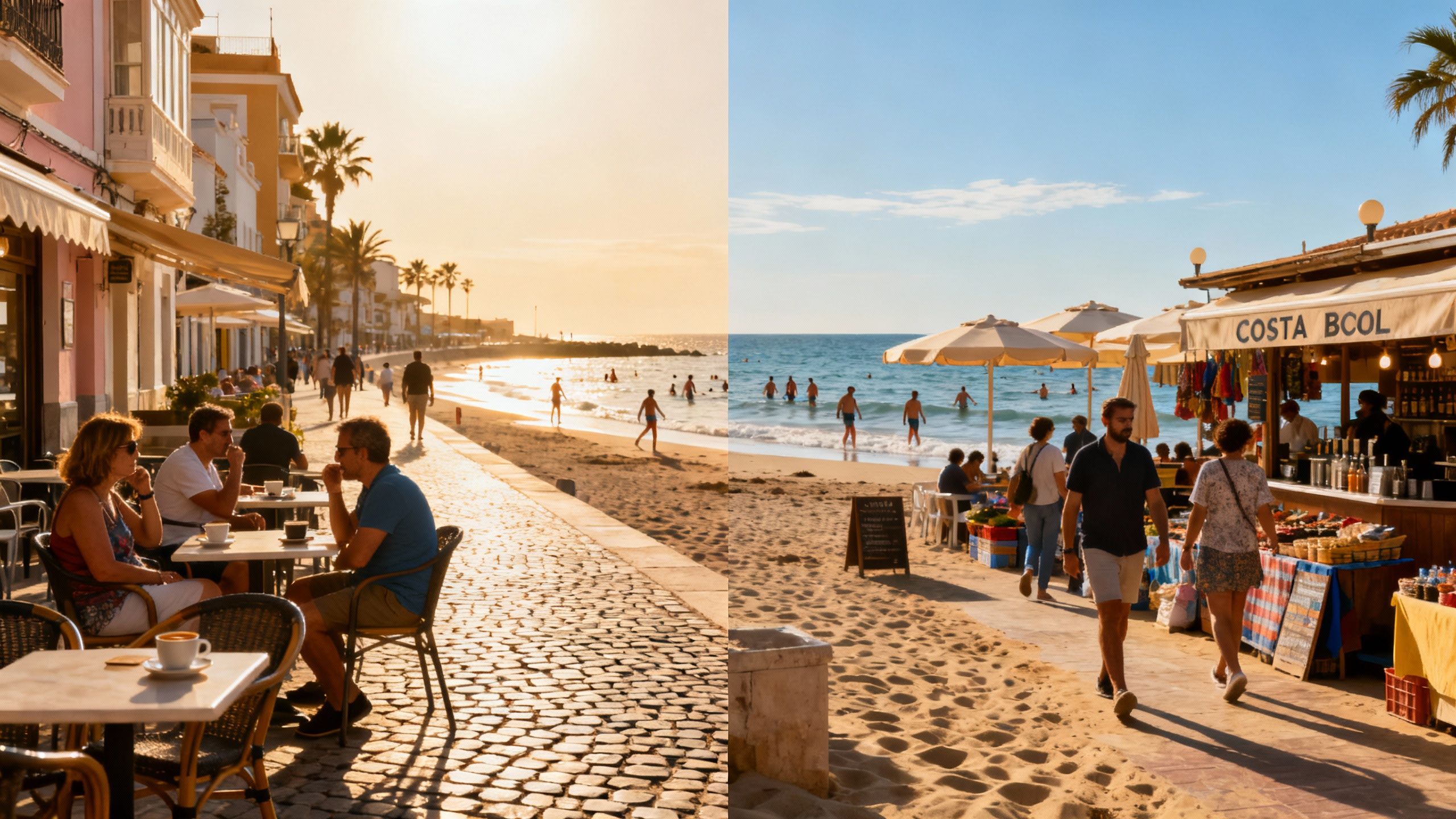
Imagine sipping espresso on a shaded terrasse in Nice, then swapping that scene for a late‑afternoon paseo in Marbella two weeks later. France’s coast smells of sea salt and boulangerie butter; the Costa del Sol smells of citrus groves and grilled sardines. For many international buyers the choice isn’t only about price per square metre — it’s about which rhythm of life you want to wake up to. This piece compares the lived experience and practical trade‑offs between France’s coastline and the Costa del Sol so you can weigh lifestyle against market reality.
Living the French Coastline Rhythm

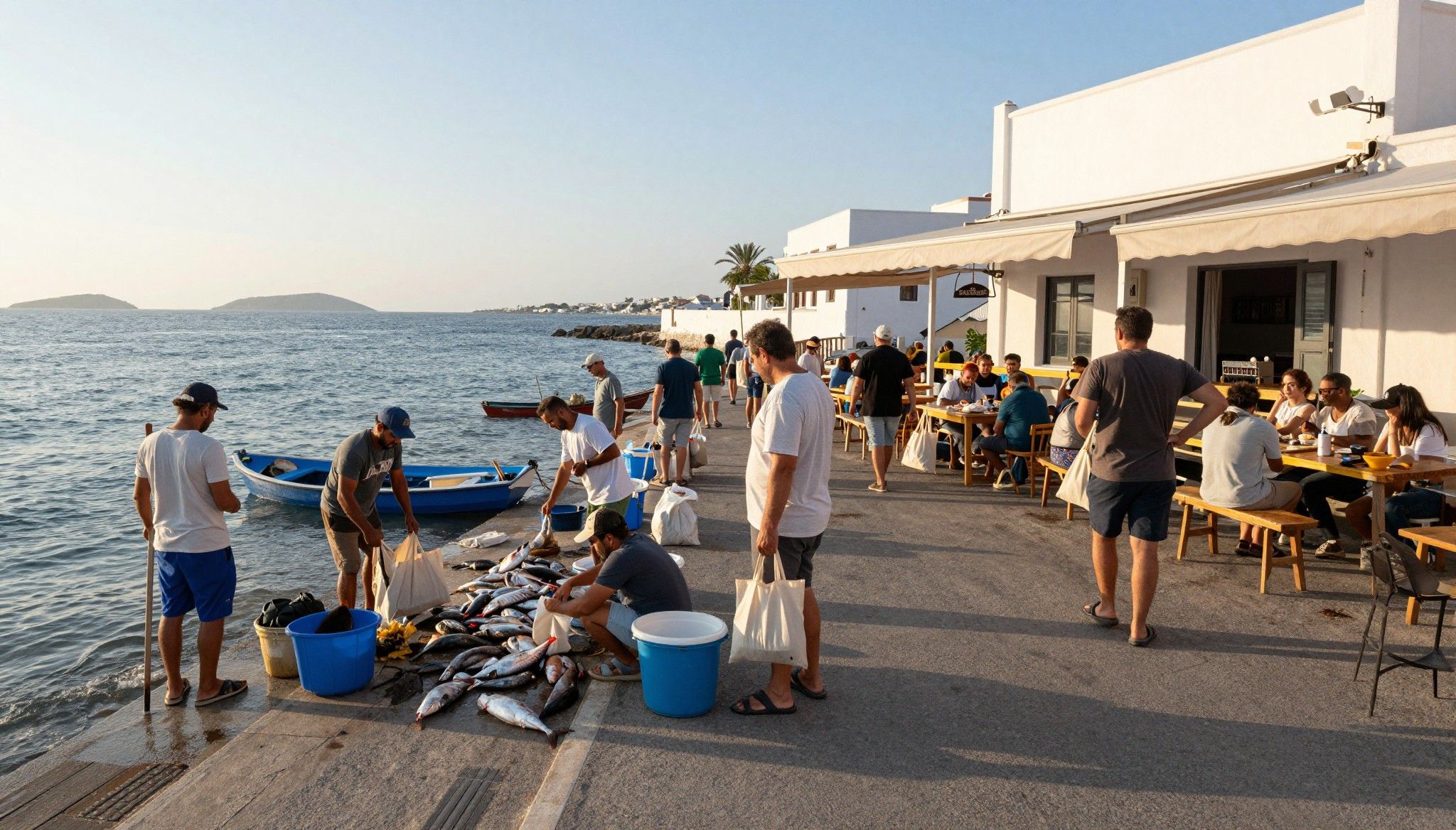
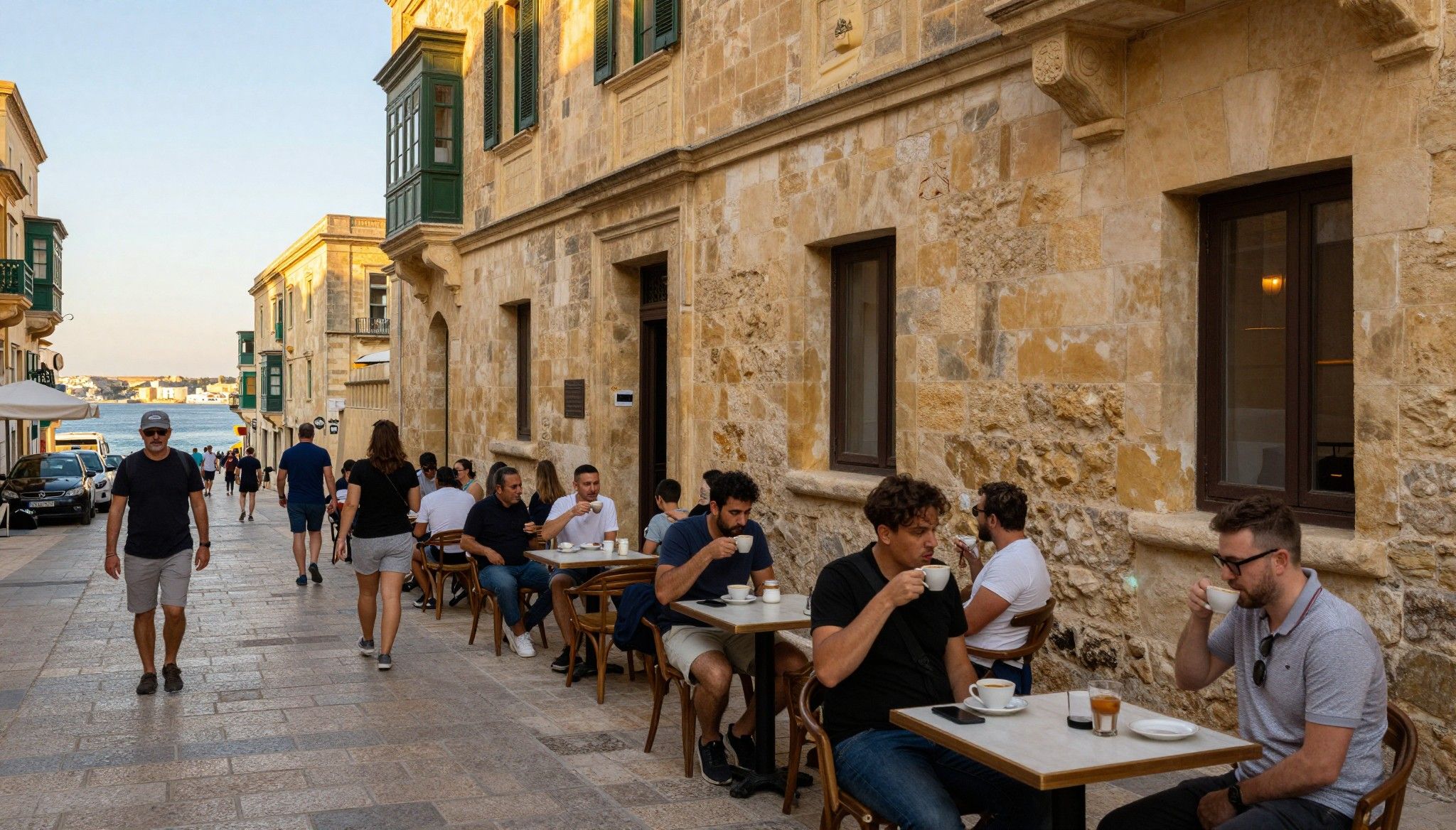
Start with daily life: mornings in the Côte d'Azur begin with compact cafés on shaded squares, markets overflowing with Provençal produce, and a slow devotion to long lunches. Towns like Antibes and Saint‑Raphaël balance tourism with local rhythms — morning fish markets, evening pétanque, and quiet lanes where families have shopped for generations. For buyers, that history matters: properties near marché squares tend to be older, with characterful façades and restrictions on changes, which changes renovation budgets and living expectations. International demand is strong but often domestic — many Parisians own regional second homes, which shapes seasonality and local social dynamics.
Neighborhood spotlight: Vieux Nice to Cap Ferrat
Vieux Nice is compact and sensory: narrow alleys, morning produce stalls on Cours Saleya, and boulangeries that close by early afternoon. In contrast, Cap Ferrat offers secluded villas and manicured promenades — a different tempo where privacy is the commodity. Choosing between these areas means choosing scale: narrow, walkable town-centre living versus larger plots and more private gardens. That decision maps directly to property types available and their maintenance needs: apartments in town versus garden villas with higher upkeep.
- Lifestyle highlights on the French coast
- Cours Saleya market (Nice): morning produce and flowers — great for weekly living
- Promenade des Anglais: city‑beach balance and easy access to services
- Cap Ferrat & Èze: quiet, high‑privacy villa enclaves ideal for long‑term owners
Making the Move: Lifestyle Meets Market Reality

If you love sun, outdoor life and a culture of late dinners, the Costa del Sol answers immediately. But recent data shows record price rises there: Málaga province recorded sharp annual increases in 2025, with Marbella commanding premium per‑m² figures. That growth makes the Spanish coast a high‑momentum market — attractive to buyers seeking capital appreciation, but it also raises entry costs and competition for on‑market stock. In France, coastal price dynamics vary more by micro‑region and are often driven by domestic demand and rail/connectivity to Paris rather than wholesale international inflows.
Property styles and how you'll live in them
On the French Riviera you’ll find historic apartments with Provençal shutters and low ceilings, modern apartment blocks with sea views, and period villas on elevated plots. In Andalusia the stock mixes beachside apartments, new‑build gated communities and hillside villas with pools. The practical difference shows in maintenance and lifestyle: older French apartments often mean less garden but more walkability and integrated town life; Spanish villas offer outdoor living and pools but higher running costs and seasonal service needs.
- How to balance lifestyle and market signals (practical steps)
- Decide which season feels like home: if you want year‑round cafés and stronger off‑season life, favour French towns with broader resident bases.
- Match property type to service tolerance: villas with pools need maintenance budgets; compact town apartments need less hands‑on upkeep.
- Factor travel connectivity: proximity to TGV lines or Málaga airport affects how often you’ll realistically use the property.
- Layer resale and rental strategy: Costa del Sol can deliver stronger short‑term tourist demand, while some French coastal towns deliver steadier long‑term lettings.
Insider Knowledge: What Expats Wish They’d Known
Expats often arrive imagining continuous summer: the reality is seasonal social life, municipal rhythms and service availability. On the Costa del Sol the tourist season fuels lively summer months and a strong short‑let market — recent figures show foreign purchases in Spain at record levels, concentrating demand in Málaga and Alicante. In France, social life tips toward slower winters and active cultural seasons; locals prize stability, which affects how quickly you can integrate and whether a property feels like a neighborhood or a holiday rental.
Cultural integration and daily practicalities
Language matters on a day‑to‑day level: French markets, administrative services and many neighbourhood associations operate in French. In Spain you’ll often find English used in coastal hotspots, but integrating demands local phrases and time. Expat communities are present in both countries — British and Northern European groups are well‑established on the Costa del Sol; northern and Parisian second‑home owners shape many French coastal towns. Building relationships with local traders, mairie staff and neighbours transforms a property into a home faster than any renovation.
- Practical red flags expats commonly miss
- Seasonal closures: small-town services that shrink in winter, affecting grocery and medical access.
- Conservation restrictions in historic French towns that limit exterior work and additions.
- Tourism pressure in Spanish hotspots that drives short‑let rental rules and parking headaches.
Working with local experts who know the lifestyle
Hire agents who live the life you want: a French agent who shops at Cours Saleya will know about walkable apartments and neighbourhood committees; a Málaga‑based agent will know which new‑build in La Cala offers sea breezes and rental demand. Ask to see comparable lived‑in homes, not staged showrooms, and request rental calendars or municipal occupancy patterns so you can understand actual seasonality. Good local counsel saves months of buyer’s remorse and helps you match everyday life to contractual reality.
- Steps to a confident purchase blending lifestyle with market facts
- 1) Visit in two different seasons to test off‑peak life and services.
- 2) Ask agents for actual utility, community and maintenance costs documented for the last 12 months.
- 3) Verify rental rules and tourist tax regimes before planning short‑term income strategies.
- 4) Build a two‑year budget that includes seasonal staffing, garden/pool upkeep and local insurance.
Conclusion: The right coast is the one that fits the life you want. If you want sun, rapid market momentum, and stronger tourist rental upside, the Costa del Sol delivers immediate rewards but at a price premium and higher competition. If you want slow mornings, integrated local culture, and property types steeped in history, France’s coastline offers durability and a different kind of lifestyle capital. Either way, test the seasons, demand real local data, and work with agents who can translate lifestyle into numbers — that’s how the dream becomes a sustainable decision.
Swedish strategist who relocated to Marbella in 2018. Specializes in legal navigation and tax planning for Scandinavian buyers.