Why Summer House‑Hunting in France Misleads Buyers
Summer visits flatter the senses but obscure year‑round realities in France; use off‑season data, local agents and tax guidance to buy for 12 months, not 12 weeks.
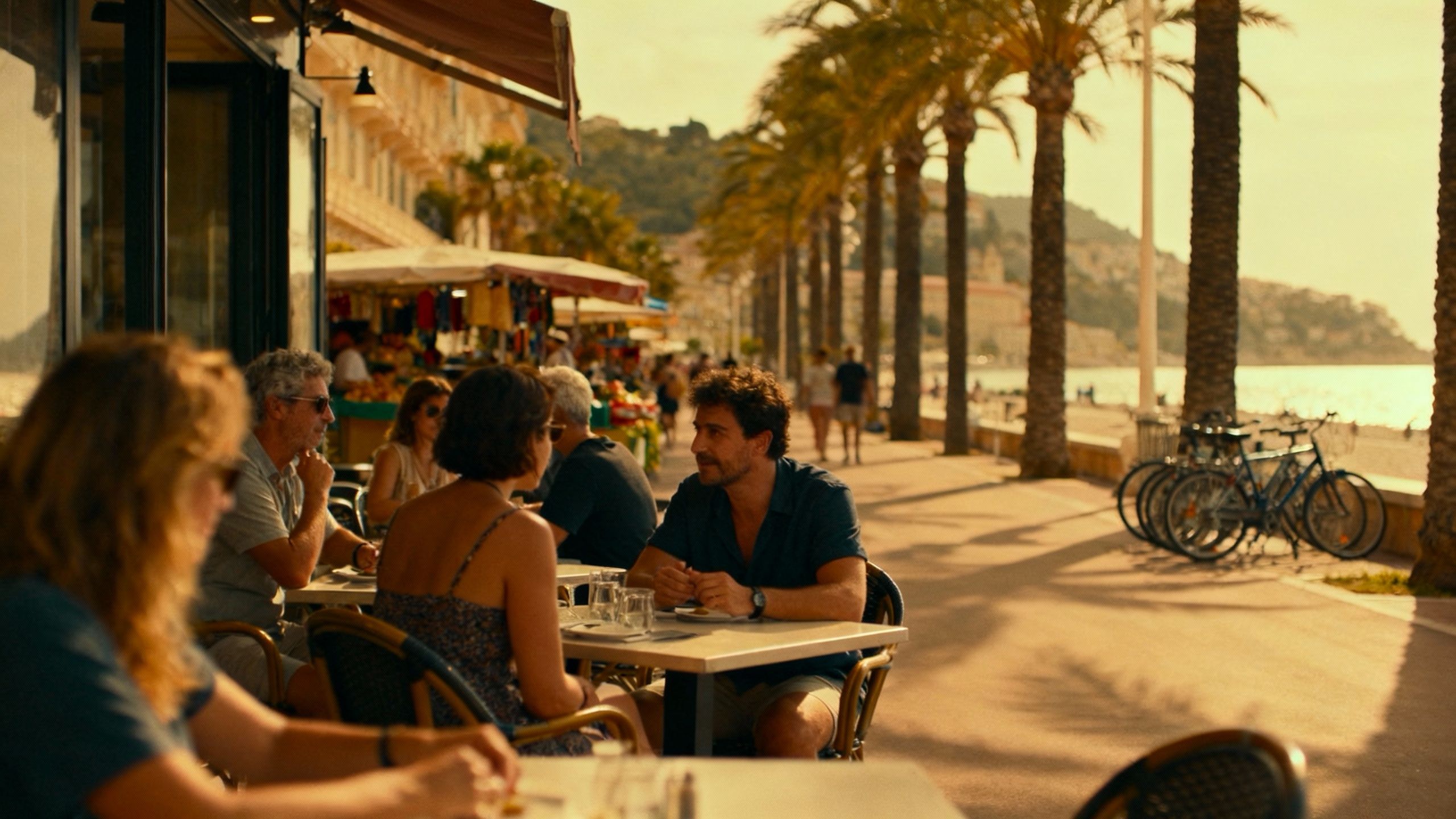
Imagine strolling the marché at Cours Saleya in Nice at 09:00, the air filled with citrus and fresh basil, then deciding that the same square-hour reflects year-round neighbourhood life. That’s the trap many international buyers fall into when they house-hunt in France during high season: sensory certainty replaces measured judgement. Summer streets, seaside terraces and overflowing cafés create an emotional shorthand—"this is living here"—but they mask seasonality, supply quirks and local pricing dynamics. This piece explains why hunting in summer misleads, where value actually hides on the French coast and in cities, and how to translate desire into a confident purchase.
Living the French life: more than a summer postcard
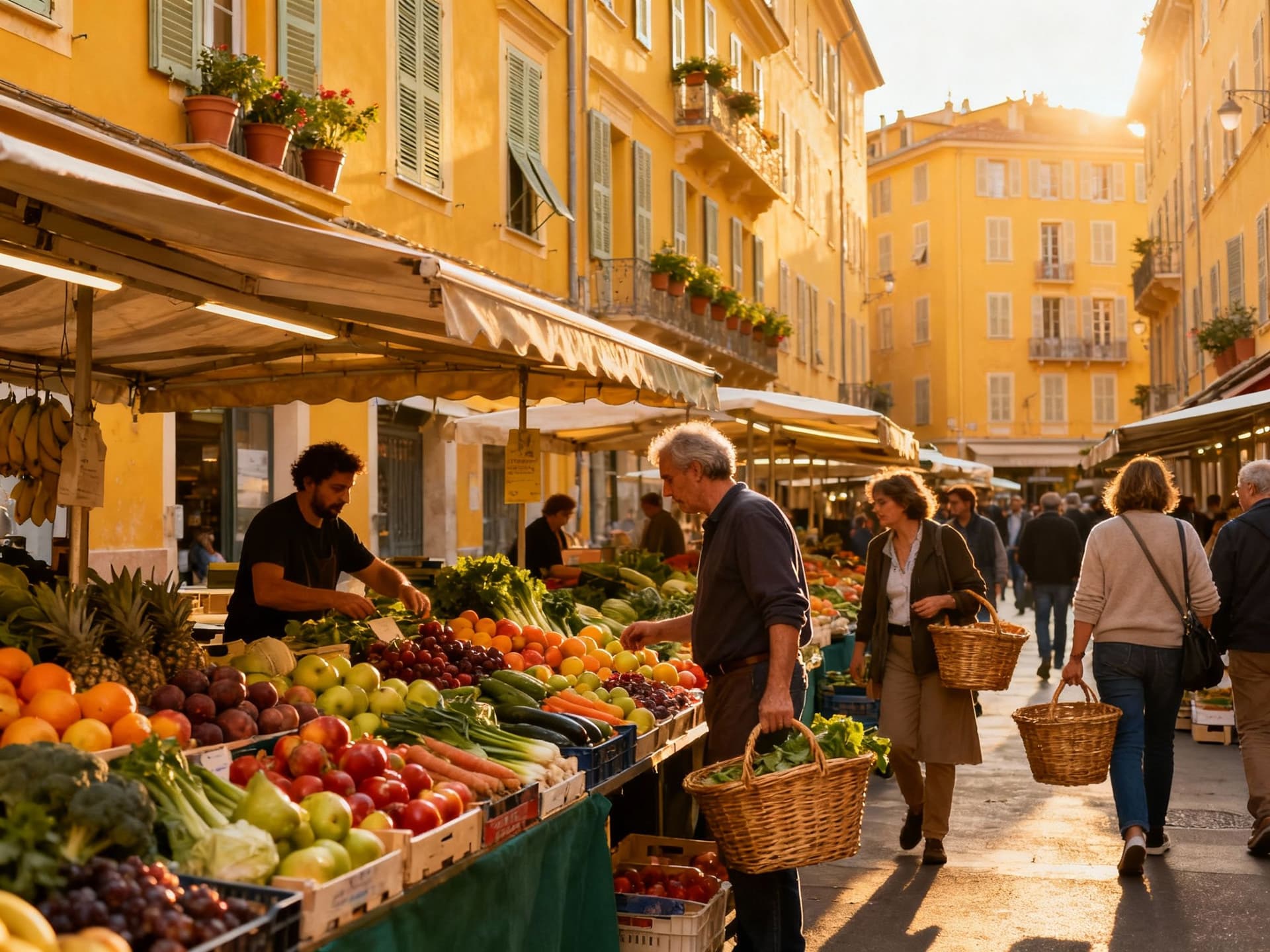
France’s everyday life shifts by season: coastal towns that brim in July are quiet by November, and city neighbourhoods pulse differently during school terms and festival weeks. Recent INSEE figures show national house prices began nudging upward again in early 2025, but that statistic masks large regional variation—what you see walking a summer promenade is not the whole market. Picture Bordeaux’s neoclassical streets in winter or Marseille’s Le Panier on a weekday morning: both offer distinct rhythms that affect how you’ll use and rent a property over 12 months. Savvy buyers learn the year-round cadence before making emotional decisions on sunny days.
Coastlines: Riviera glamour vs real seaside living
The Côte d'Azur—Nice, Antibes, Cannes—comes with postcards and premium pricing, but the lifestyle there is not uniform. Away from the Promenade des Anglais, neighbourhoods such as Liberation in Nice or the quieter antique streets around Antibes’ Vieil Antibes offer community markets, local boulangeries and year-round life that feels more lived-in than the marina front. On the Atlantic coast, towns like Biarritz or La Rochelle have surf culture and different seasonality: summer brings tourists, winter brings local surfers and a calmer property market. Knowing which coastal rhythm you prefer changes the type of property that fits both your life and investment horizon.
City life: where everyday pleasures beat headline glamour
Cities like Lyon, Bordeaux and Marseille offer a different compactness: morning coffee rituals on Rue Mercière in Lyon or aperitifs on Cours Julien in Marseille define daily life more than summer beaches do. Paris, of course, remains a special case—luxury and scarcity concentrate value there and drive distinct buyer behaviours tied to prestige rather than season. For remote workers and families, neighbourhoods with parks, markets and schools—such as Bordeaux’s Chartrons or Lyon’s Croix-Rousse—often trump proximity to tourist magnets. Decide whether you want a place that performs socially in July or one that supports twelve-month routines.
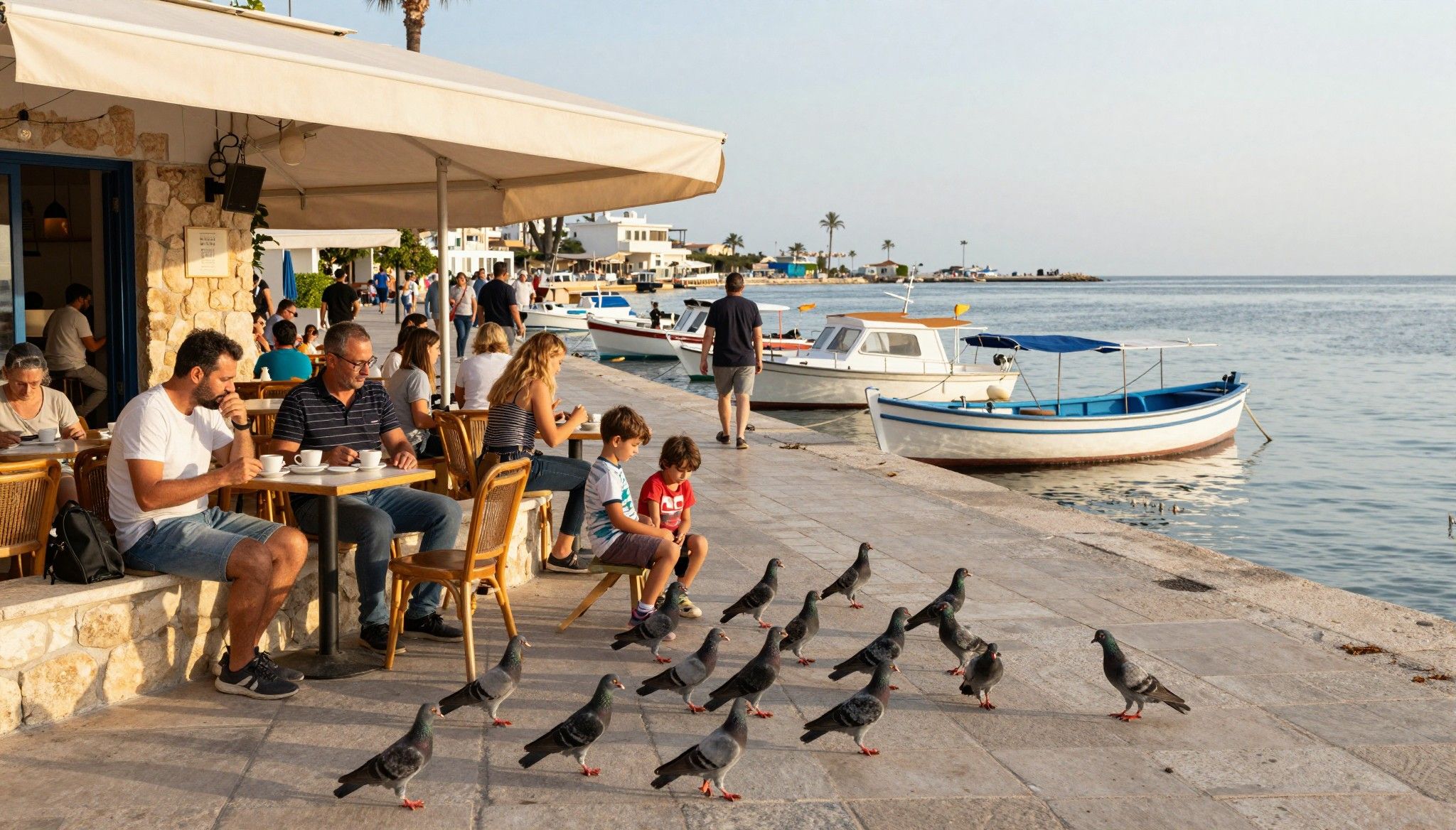
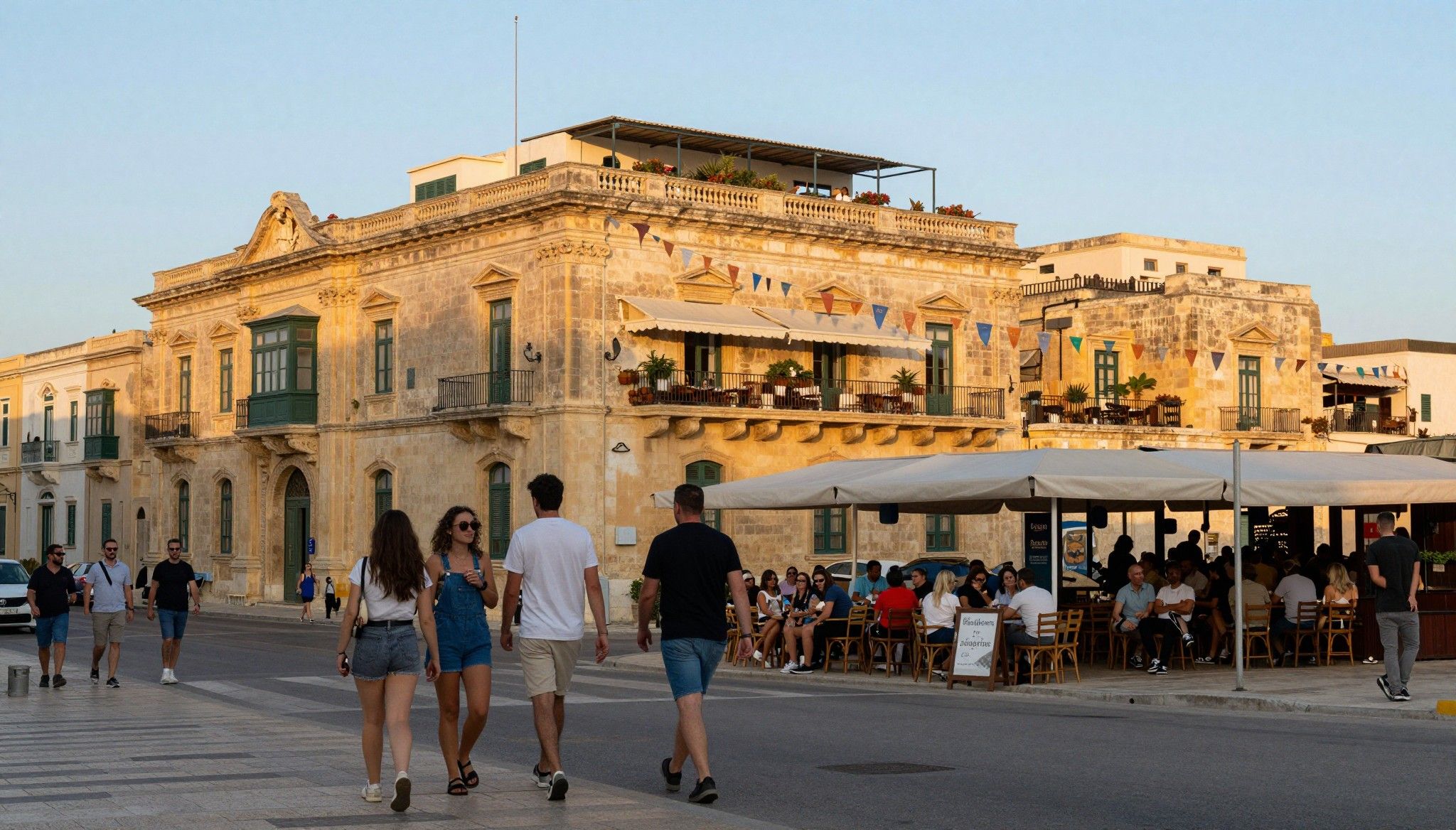
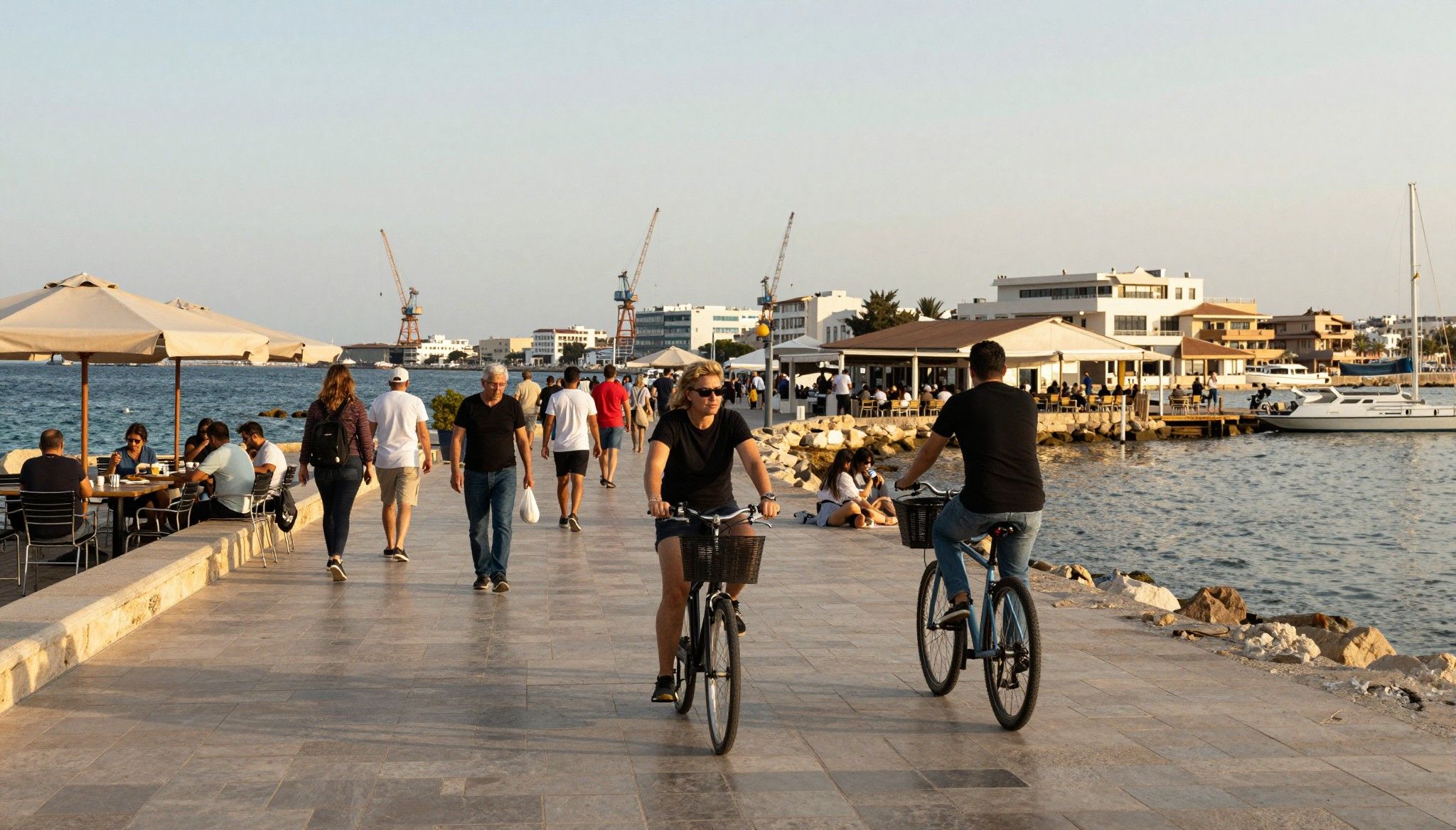
Morning market ritual at Cours Saleya (Nice) — seasonal but indicative of local produce culture
Weekday café life on Rue de la République (Marseille) — shows year-round social patterns
Surf mornings at La Côte des Basques (Biarritz) — coastal lifestyle outside summer crowds
Le Marché des Capucins (Bordeaux) weekend scene — local food culture supporting daily living
Making the move: practical realities beneath the romance

The French buy-sell process and tax framework create consequences that become visible only once summer fizz fades: local taxes, rental-season regulation, and non-resident tax filings can change net returns and lifestyle costs. France’s government portal details responsibilities for non-resident owners, from property tax obligations to declarations when you rent or sell. If you planned to cover mortgage costs with high short‑term summer yields, you should model full-year occupancy and account for winter vacancy or lower long-stay demand. Treat summer income as a bonus, not the baseline for purchase calculations.
Property types and how they shape daily life
A seafront apartment with a terrace offers instant summer appeal, but noise, seasonal crowds and maintenance can make it less comfortable for year-round living. A town-centre apartment with thick stone walls and a courtyard might be calmer, easier to rent long-term, and better insulated in winter. If your priority is weekly cafés, markets and walkability, target older quartiers with mixed retail and apartments; if you want privacy, look at villas on town edges with year-round sun exposure and insulation considerations. Align the building type to how you want to live across seasons—not just what looks good in July.
Working with local experts who understand rhythm and rules
Local agents, notaries and property managers who live in the area across seasons will spot red flags a summer-only tour misses: structural damp visible after winter rains, neighbourhood noise patterns out of season, or holiday rental regulations that limit short-term income. Use agents who bring transaction data—seasonal occupancy rates, off-season pricing, and real rental yields—rather than those who show only curated summer listings. A good agent will arrange visits in different months or provide recent off-season comparables to avoid summer-driven bias.
Calculate total annualised yield (not peak summer yield) — include taxes, agency fees, maintenance, and expected winter vacancy
Ask for 12‑month utility and maintenance records — seasonal spikes and winter issues reveal hidden costs
Request recent off‑season comparables from your agent — you want transactions from November–March as much as June–August
Verify short‑term rental rules with the mairie and read local bylaws—some communes restrict tourist lets in high-demand zones
Insider knowledge: what expats wish they'd known
Expats often tell the same story: they fell in love with summer scenes and underestimated transport limits, winter heating costs, or the slow pace of local administrations. French bureaucracy is methodical; utility setups, co‑ownership rules (copropriété) and mairie permissions take time and prefer documentation over charm. Local networks—neighbour associations, language exchanges at the municipal centre, and the market regulars—are invaluable for integrating and for practical tips like trusted tradespeople who understand local stonework or roofing specific to the region.
Cultural integration and daily patterns
Speaking basic French opens doors: the boulangerie owner will accept repair requests more easily than a cold email. Weekly rhythms—market day, village fête, municipal swimming hours—structure community life and often determine when shops are open or when public services are available. Expect slower administrative responsiveness than in many Anglophone markets, but deeper local relationships once you are known. Invest time in neighbourhood rituals and you’ll get more value from your property than the headline view alone.
Long-term lifestyle and property resilience
France’s market shows signs of recovery after a period of decline; INSEE reported price rises in early 2025, but regional divergence and local fundamentals still matter most for long-term lifestyle fit. Prioritise properties with good insulation, adaptable spaces and proximity to everyday services to minimise hidden seasonal costs and maintain rental appeal year-round. Consider properties within established neighbourhoods where demand persists outside tourist peaks—these usually provide steadier capital preservation and more predictable lifestyle outcomes.
Look for thermal upgrades or double glazing — reduces winter bills and increases off‑season comfort
Prefer buildings with active syndic and clear co‑propriété accounts — avoids surprise levies in slow months
Choose locations with year‑round services (bakeries, groceries, clinics) rather than purely tourist infrastructure
Conclusion: fall in love with the life, then buy the year. Summer will sell you an idea of France—but a wise purchase reflects 12 months of weather, community and cost. Use local data (off‑season comparables and occupancy records), vetted agents who know winter realities, and the French tax guidance for non‑residents to build a realistic plan. If you want help testing neighbourhood rhythms or getting off‑season comparables, our local partners can arrange autumn and winter viewings and provide full-year cash‑flow modelling so your dream life and your purchase align.
Danish relocation specialist who has lived in Barcelona since 2016. Helps families move abroad with onboarding, schooling, and local services.