Why Malta’s 'Pricey' Tag Hides Practical Value
Malta’s high prices hide a denser truth: pay for convenience, community and year‑round life. Evidence shows steady 5% annual gains; match neighbourhood to lifestyle for value.
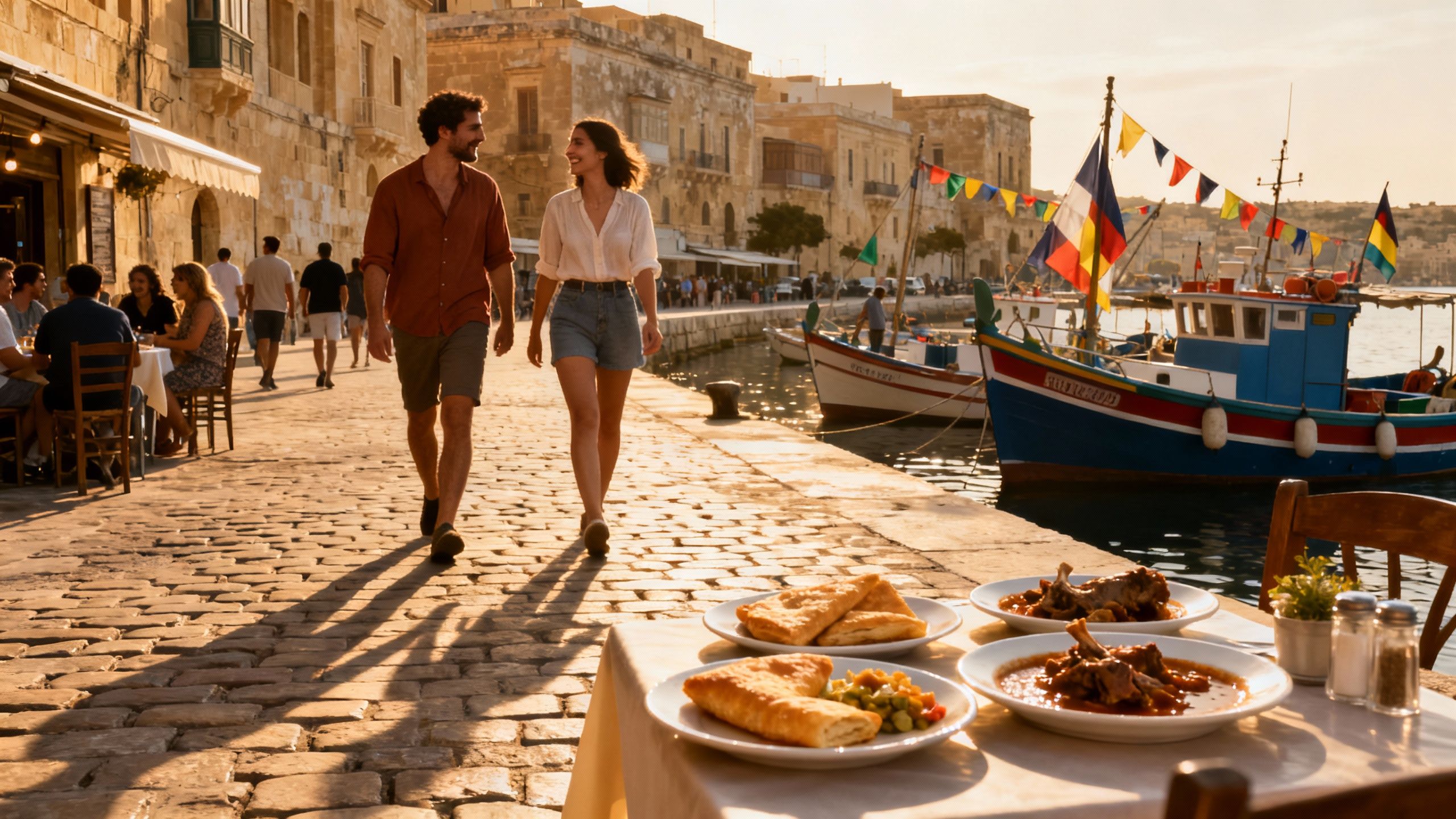
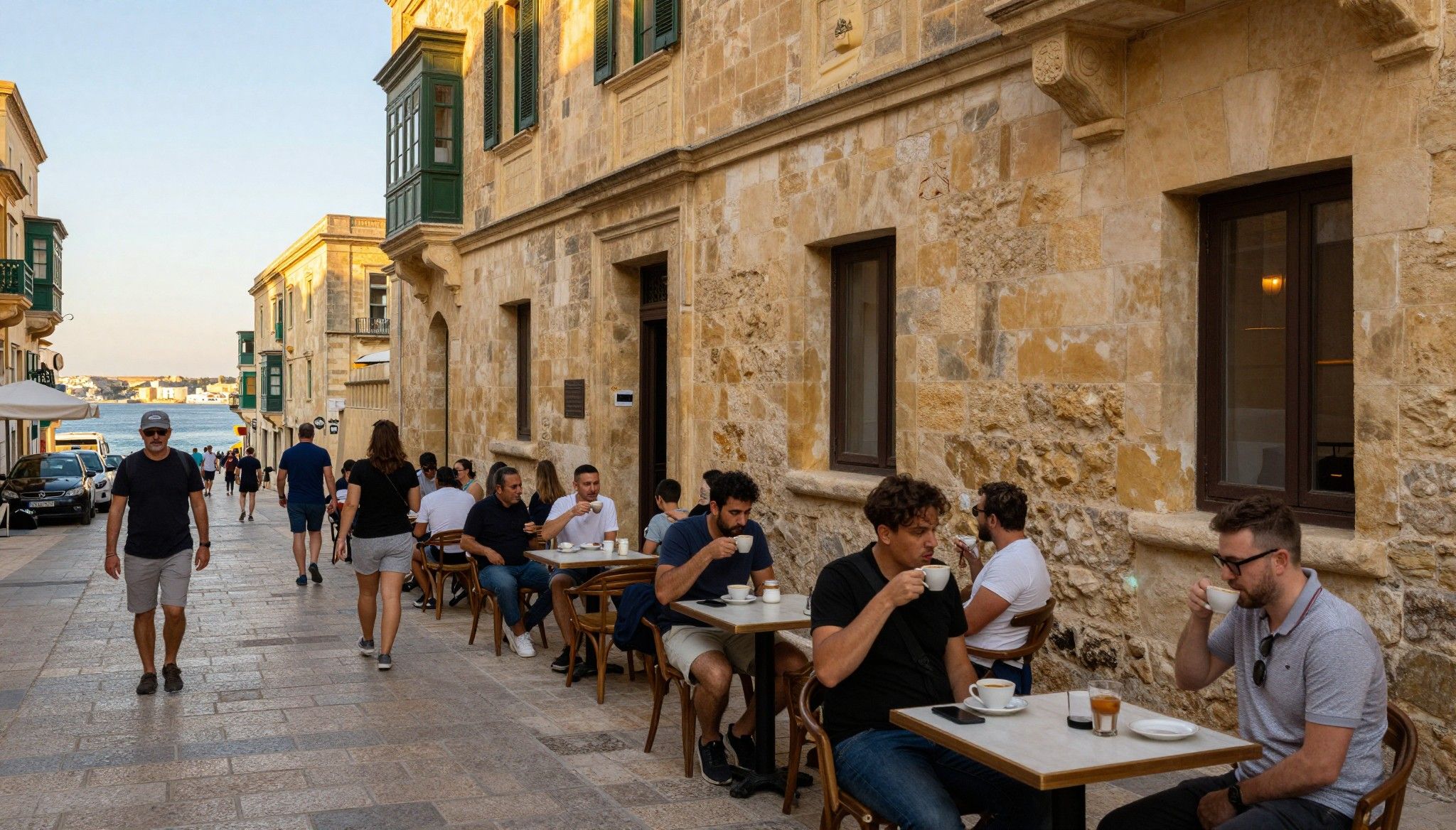
Imagine walking down Triq il-Merkanti in Valletta at 08:30 — a barista pulls a crema espresso while sunlight slices between limestone façades and the harbour smells faintly of sea and lemon. That domestic, lived-in scene is Malta: compact, loud in the best ways, where cafés, neighbourly banter and weeknight paseos shape daily life. For many international buyers the first reaction is sticker shock — Malta feels expensive — but beneath the headline prices is a different story: a high‑quality, serviceable Mediterranean life and market mechanics that reward the right strategy. This piece pairs atmosphere with evidence so you can decide if Malta’s cost really buys the lifestyle you want.
Living Maltese Life: small‑scale, all‑season, sociable
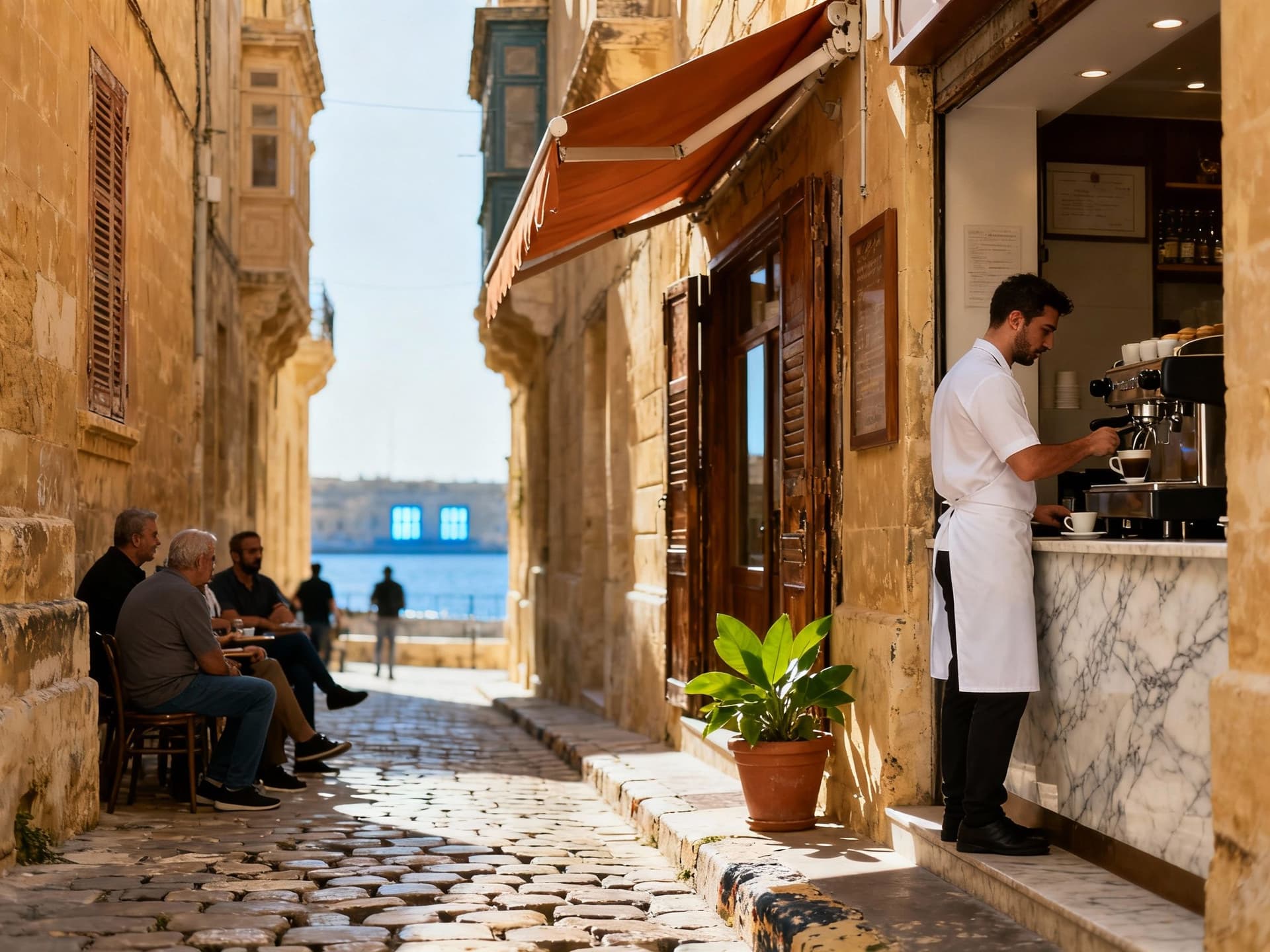
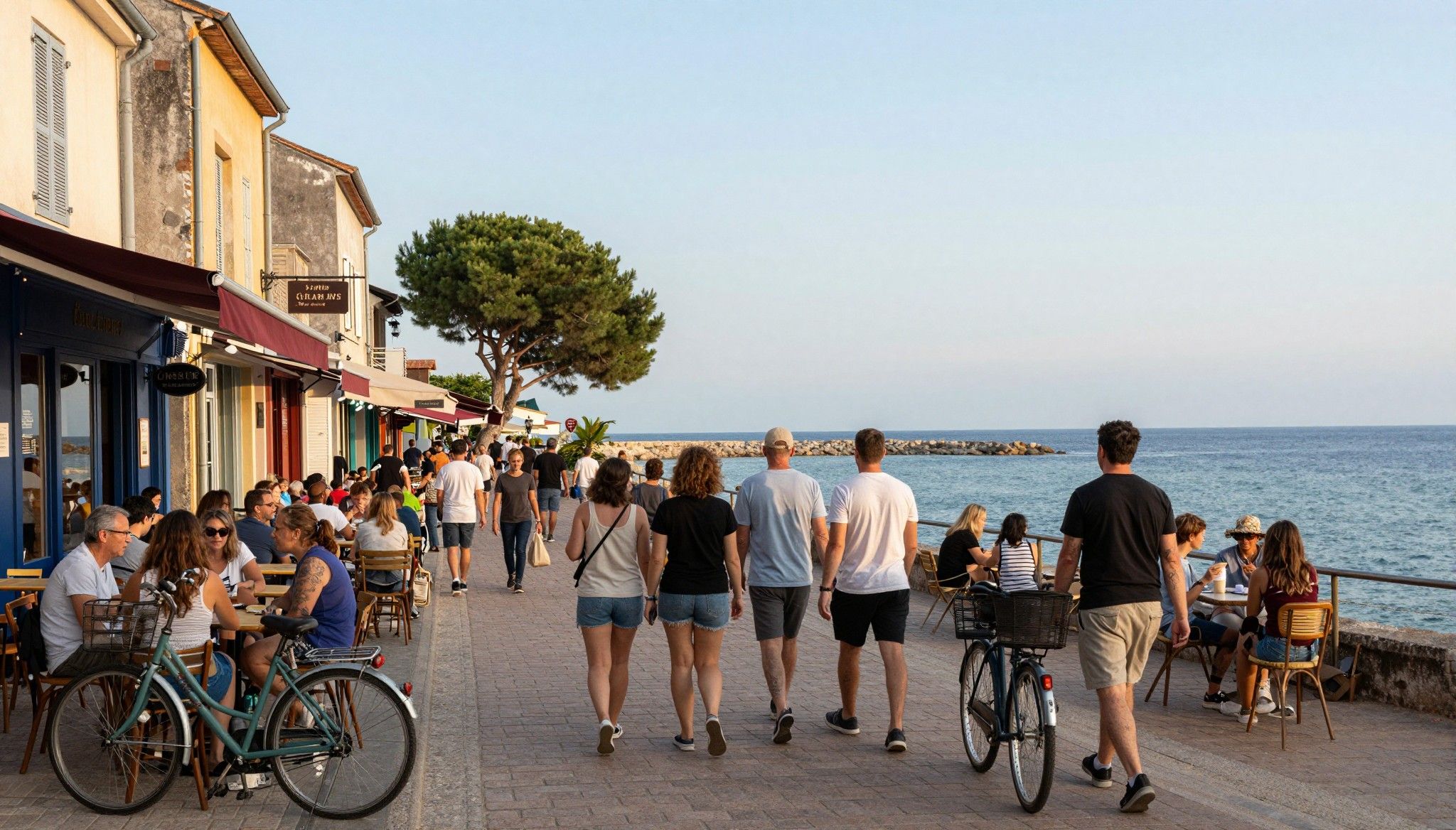
Malta is compact — a 30‑minute drive can take you from a UNESCO walled city to a sandy bay — and that density shapes everything. Streets in Sliema and St Julian’s pulse with cafés and shops; in neighbourhoods like Gzira and Ta’ Xbiex you’ll find morning joggers, working waterfronts and freelancers with laptops. The island’s rhythm is year‑round: summers bring terraces and festas, winters concentrate life around indoor cafés and neighbourhood clubs. That means a property here is not just a place to sleep — it’s an entry ticket to a social network and conveniences within walking distance.
Valletta & Three Cities: history as everyday backdrop
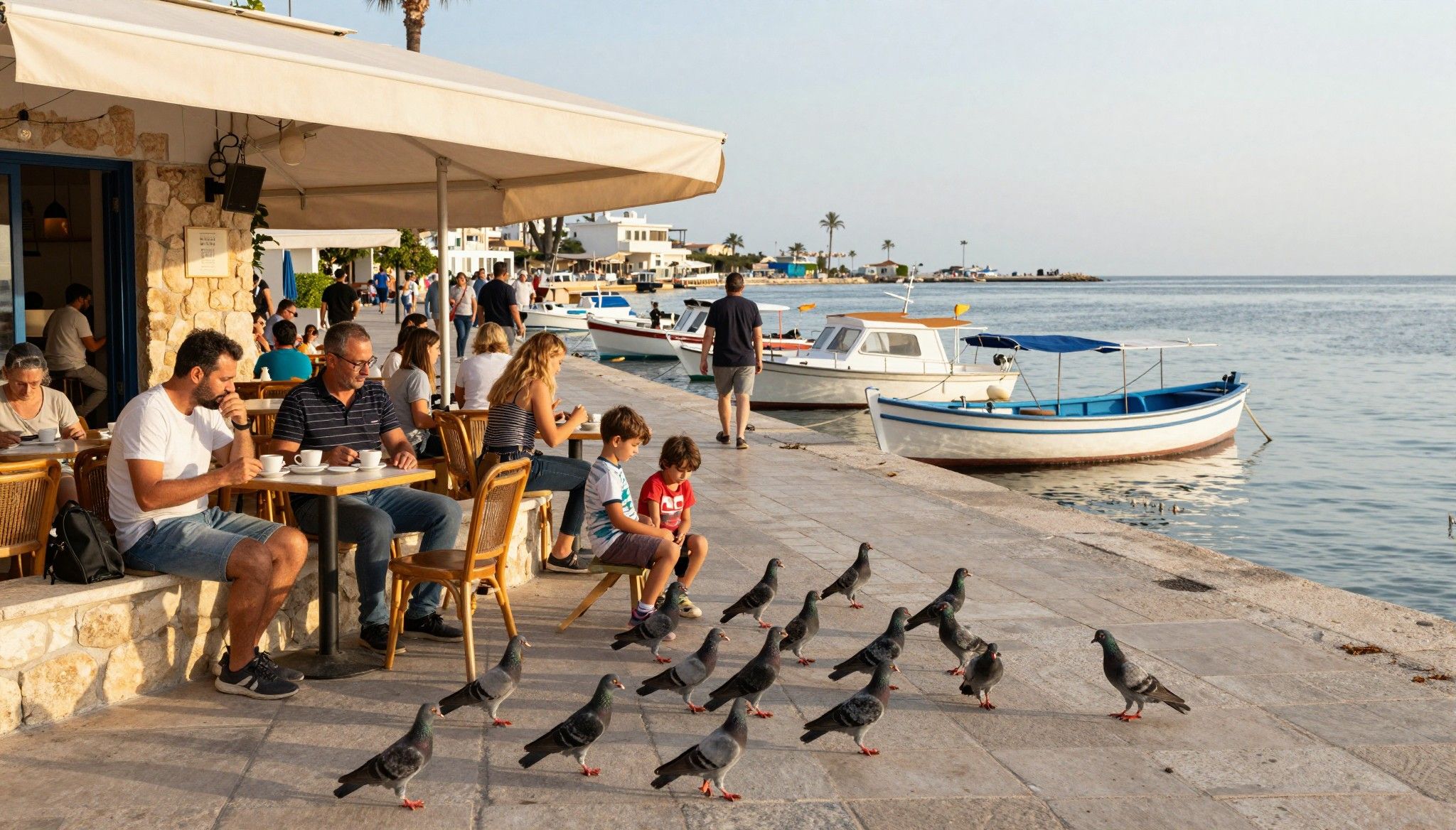
Valletta’s narrow streets, baroque churches and tiny wine bars make city living cinematic but practical: grocery shops, specialist bakers and a compact social scene mean you can live largely on foot. Cross the Grand Harbour to the Three Cities and the atmosphere shifts to fishermen’s yards, family‑run pastizzerias and quieter terraces overlooking moored luzzi boats. For buyers who prize streets with pedigree and immediate amenities, these areas trade square metres for character — expect smaller interiors but unmatched location value and rental appeal during off‑peak months.
Sliema–Gzira–Ta’ Xbiex: coastal convenience and commuter ease
These waterfront strips are Malta’s most dependable daily‑life neighbourhoods: ferries to Valletta, sea promenades, lively cafés and a mix of new builds and converted townhouses. If you want a morning swim, café society and easy access to international schools and services, this cluster answers. Expect modern apartments with terraces, and a rental market that runs beyond the tourist season thanks to local demand and long‑stay expats.
Food and weekend life swing between markets in Marsaxlokk for fresh fish, small neighbourhood bakeries in Rabat, and buzzy restaurant clusters in St Julian’s and St Paul’s Bay. Seasonal festas (village feasts) and film/arts festivals in Valletta punctuate the year and shape how locals use public spaces—important when you pick a street for noise, light or community.
Making the Move: market reality and timing
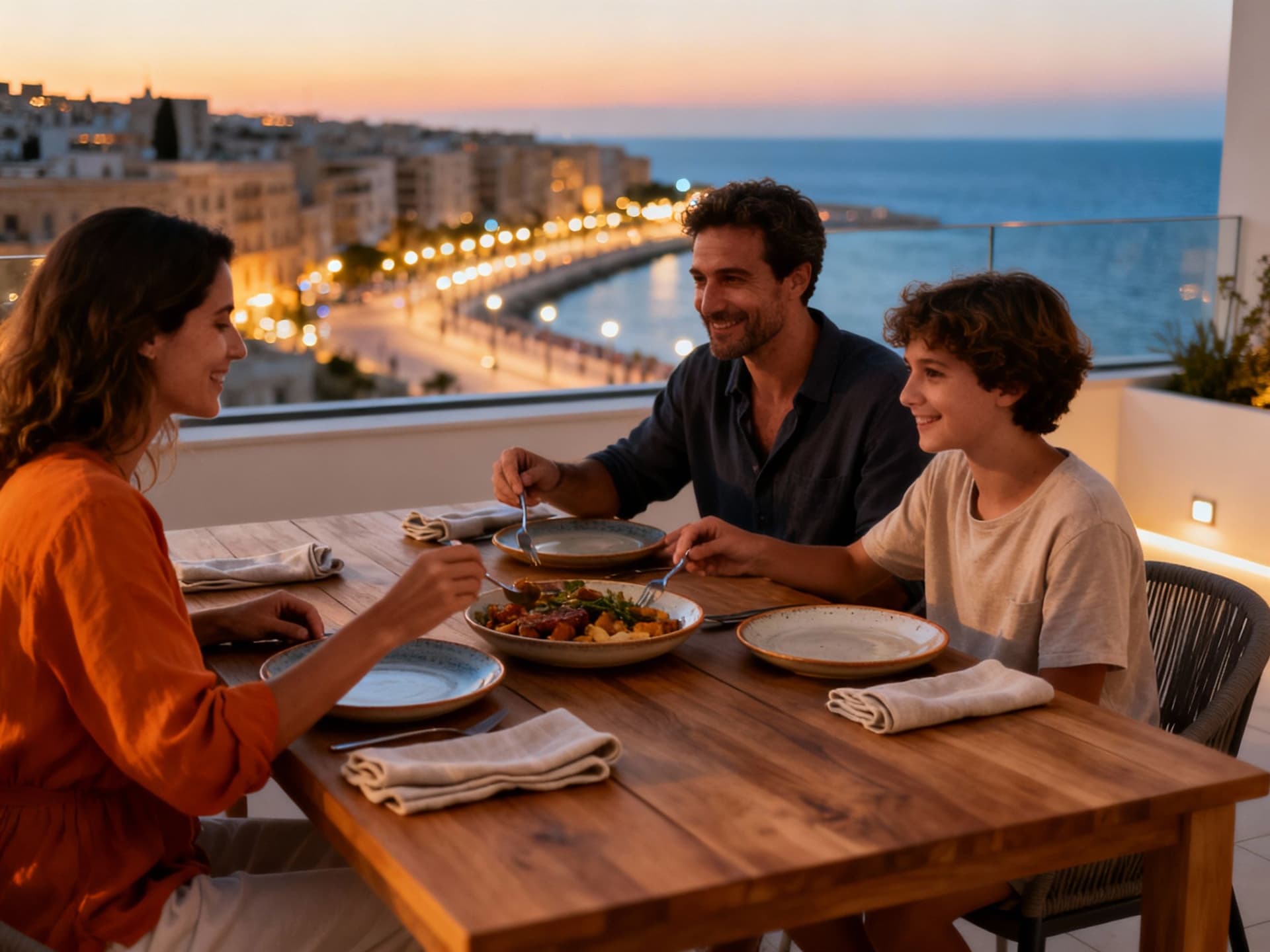
If the lifestyle seduces you, the data tells a steady story: official figures show residential prices rose about 5% year‑on‑year in recent quarters, reflecting ongoing demand in a small, supply‑constrained market. Malta’s RPPI (Residential Property Price Index) rose to 165.22 at end‑2024 and continued upwards in 2025, so price movement is real but incremental rather than explosive. Understanding where and when prices move — and the factors behind them — is the smart buyer’s advantage: location, building type and legal constraints matter more than headline averages.
Property styles: maisonette charm versus new‑build practicality
Traditional maisonettes and townhouses offer limestone character, high ceilings and internal courtyards — they feel Maltese and age well with sympathetic renovation. New developments and penthouses deliver light, terraces and predictable mechanicals, which can be easier for remote owners or short‑let operations. Your daily life is shaped by that choice: choose a maisonette if you want street life and intimacy; pick a new build if you prioritise insulation, warranties and modern living systems.
How local experts match lifestyle to purchase (5 steps)
1. Start with neighbourhood recon: spend two weeks living locally or rent to test day‑to‑day noise, light and commute. 2. Prioritise building condition: older limestone needs specialist plaster and damp checks. 3. Match the property type to use: permanent move, holiday home or rental each favours different finishes and management. 4. Confirm legal status early: some incentive schemes and passport/residency options have changed after EU rulings, so rely on up‑to‑date counsel. 5. Set a three‑year plan: Malta’s small market rewards patient owners who understand seasonal cashflow and local demand.
Insider Knowledge: what expats learn (and wish they knew)
Expats often tell the same story: the island isolates quickly — in a good way — and small daily rituals matter more than big‑ticket luxuries. But they also flag practical surprises: maintenance costs for limestone, occasional bureaucracy, and the reality that some neighbourhoods are noisier during festa season. That mix of charm and friction is why working with a local agency that understands lifestyle trade‑offs is indispensable; they’ll steer you to streets that match your evening habits, school runs and social tastes.
Language, community and integration
English is an official language in Malta, which flattens many early obstacles: doctors, banks and schools operate bilingually, speeding integration. Local clubs, festa committees and community councils are where friendships form — volunteering at a village festa or joining a watersports group will often teach you more about local life than a year of formal classes. Expect directness in conversation and a communal approach to neighbourliness; be ready to reciprocate invitations and small favours.
Long‑term lifestyle considerations
If you plan to live in Malta long term, think beyond purchase: energy upgrades, sea‑air corrosion protection and flexible interiors matter for comfort and resale. The RPPI shows steady price gains, but your property’s micro‑location (street orientation, proximity to the sea, soundscape) will decide value preservation. Community planning and modest development pipelines mean well‑located homes tend to retain demand, particularly those near transport links and schools.
Lifestyle highlights to map before you buy:
• Morning espresso at Caffè Cordina (Valletta) or a stroll along the Sliema promenade for daily life and people‑watching. • Weekend fish market in Marsaxlokk to taste freshest catch and scope local suppliers. • Sunset swims at Golden Bay or St Peter’s Pool for quick coastal escapes near many residential areas. • Festa evenings in small towns to hear band marches, local fireworks and community culture. • Co‑working in Valletta’s refurbished townhouses if you mix remote work with social life.
Key practical steps to take now (numbered checklist)
1. Verify current residency/citizenship pathways — EU rulings have altered some programmes and documentation requirements. 2. Request RPPI‑based comparables for your target street to see material price movement. 3. Insist on a technical survey that covers limestone conditions and salt‑air effects. 4. Build a three‑month and three‑year budget for management, taxes and possible renovation. 5. Work with an agency that can run local rental scenarios if you plan to offset costs with long‑lets.
When Malta’s 'expensive' label is misleading
Headline price per square metre in Valletta or Sliema may be high compared with less dense European coastal towns, but cost per service — proximity to healthcare, English‑language services, year‑round transport and a lively local market — narrows real cost differences. In short, you pay for convenience and certainty; if your priority is that lifestyle rather than land area, Malta can be competitive with other Mediterranean markets on a total‑cost basis.
Conclusion: Malta rewards buyers who buy the life, not the square metres. If you want a compact European routine — cafés, promenades, festivals, English‑speaking services and efficient healthcare within short distances — prioritise neighbourhoods that support those rituals. Practical due diligence, specialist surveys and an agency fluent in both lifestyle matching and local regulations will convert the 'expensive' label into a confident decision. When you're ready, spend two weeks living where you might buy and let the island tell you whether the price fits the life.
Dutch investment strategist with a Portugal-Spain portfolio. Expert in cross-border financing, rights, and streamlined due diligence for international buyers.