Why summer visits mislead property buyers in Malta
Malta’s summer bustle masks year‑round realities: RPPI data show steady price rises — visit off‑season, verify street‑level demand, and balance lifestyle with realistic yields.
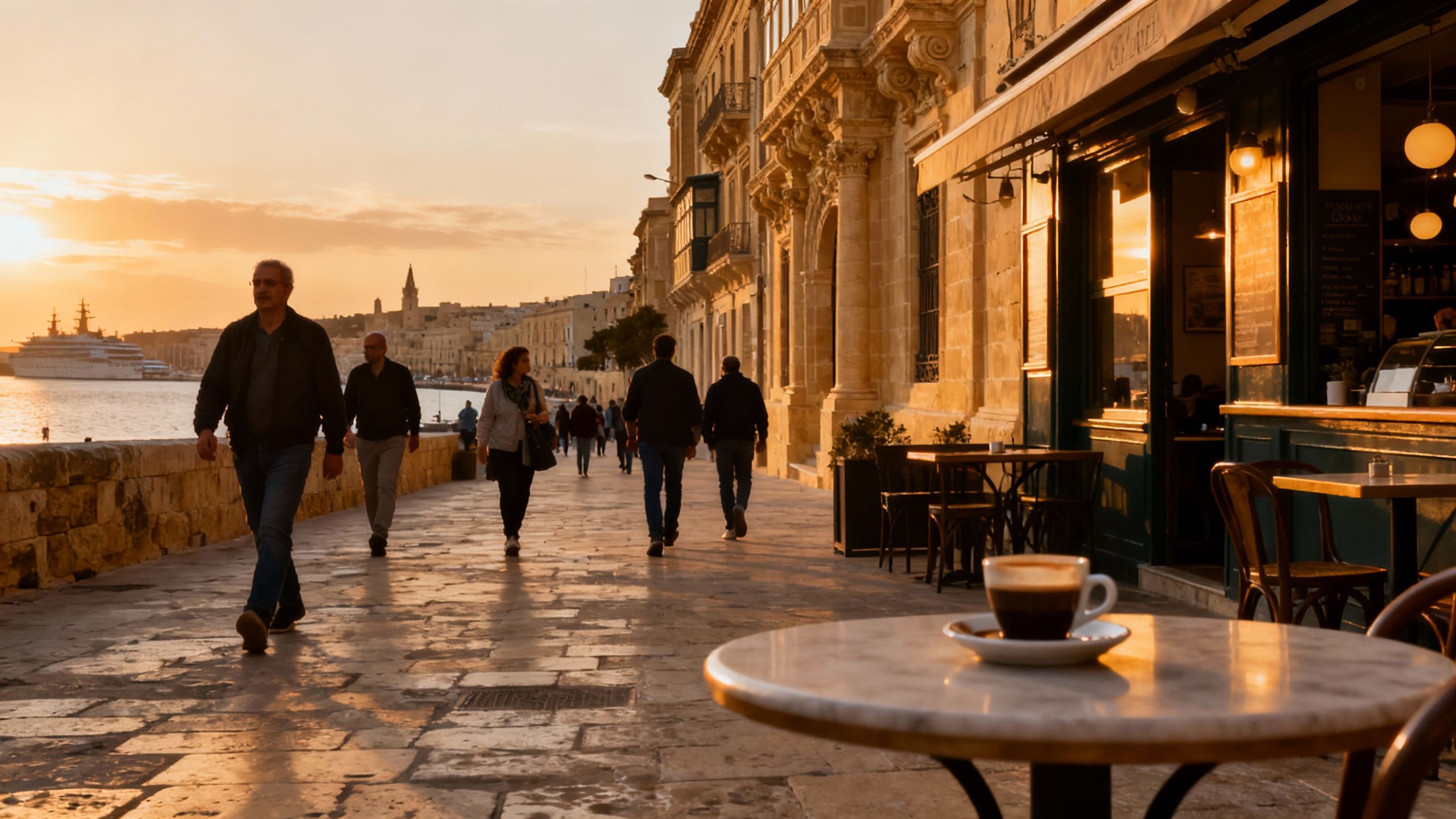
Imagine walking from Sliema’s seafront cafés into a narrow lane where a contractor is repainting a limestone façade and a neighbour hangs herbs to dry — that sensory, immediate life is what draws buyers to Malta. But the island’s small size and intense seasonality mean the summer you visit can tell a flattering, incomplete story. Recent official data show prices rising steadily — a reality every buyer must factor into timing and expectations. (See NSO RPPI Q2 2025.)
Living the Malta life: compact, social, sunlit
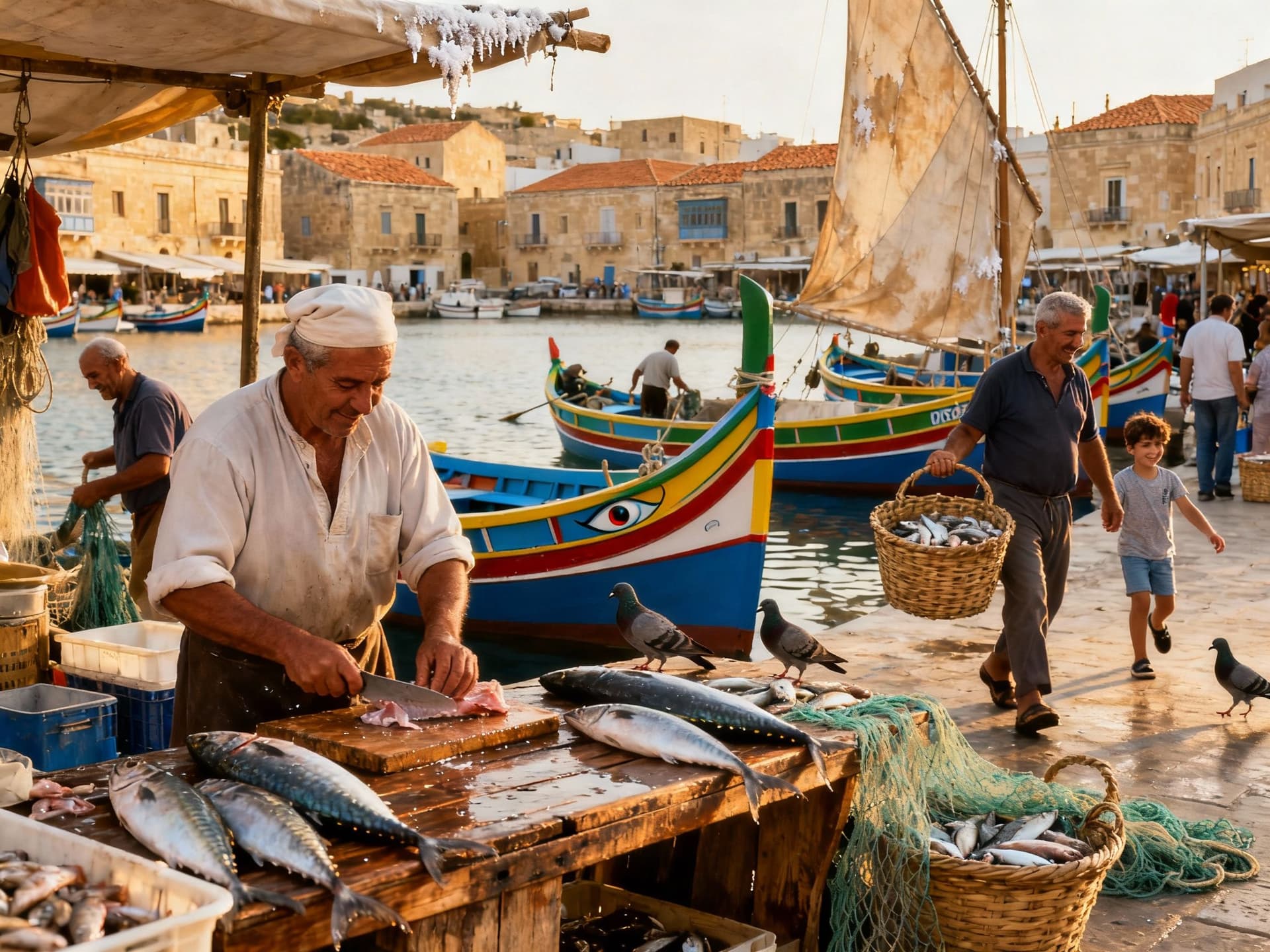
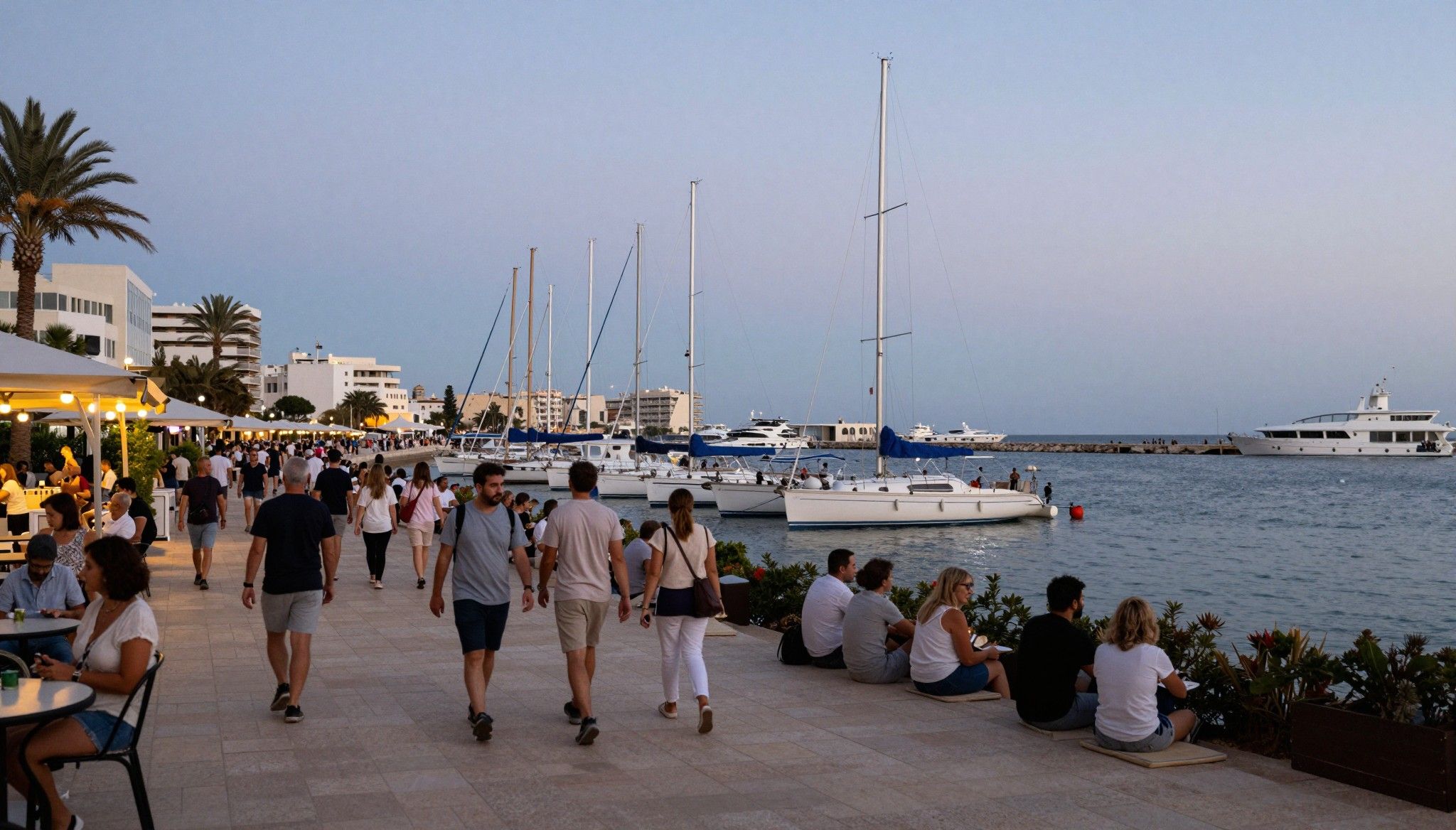
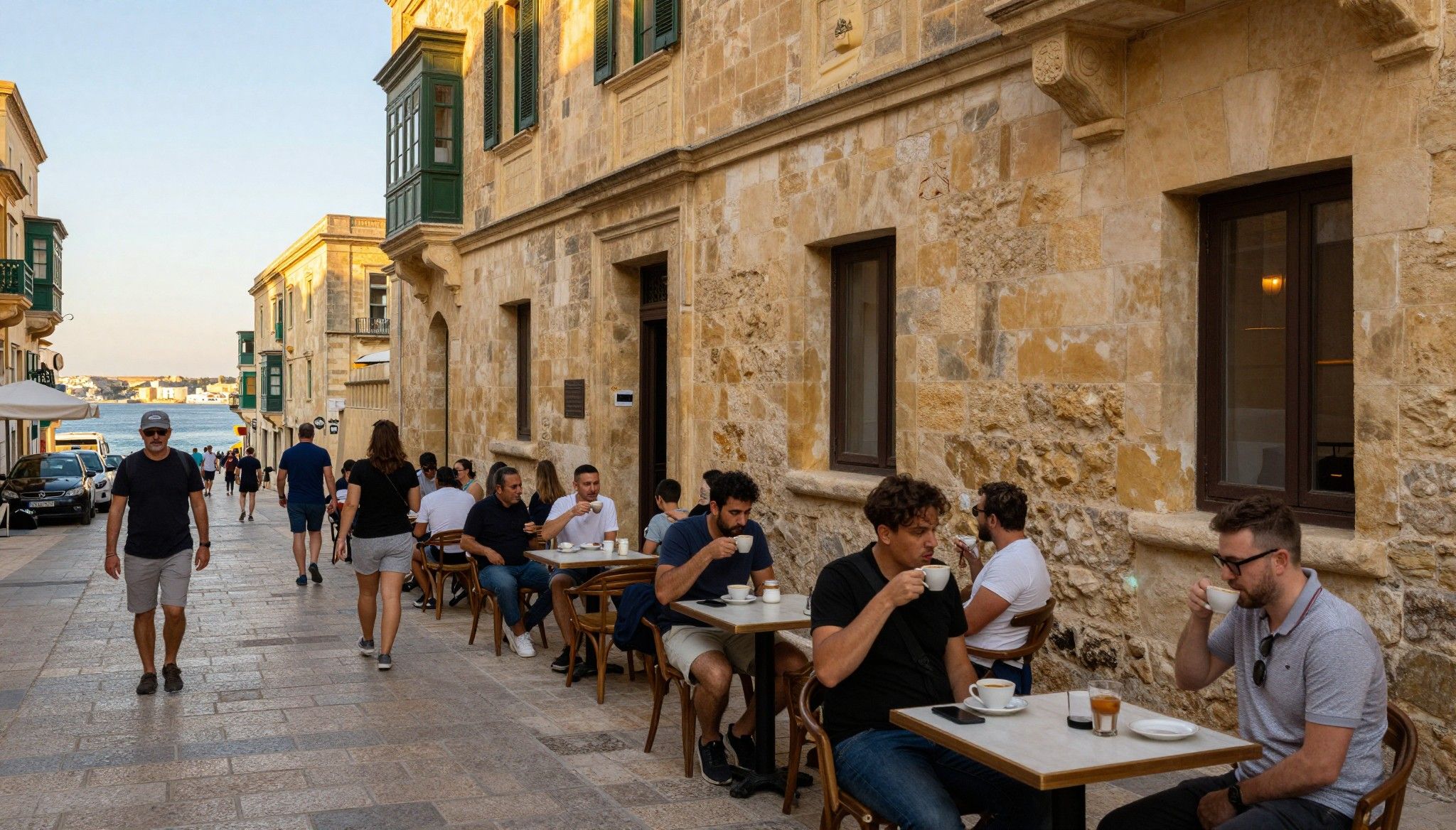
Malta is compact: distances are short and daily life folds around outdoor rituals — espresso on narrow terraces, late-night passeggiata in Valletta, boat trips from Marsaxlokk at dawn. Summers feel amplified: narrow streets, full restaurants, and the sea drawing the whole island out. But that intensity can exaggerate demand visibility for a visiting buyer; off-season streets reveal quieter service levels, different rental dynamics and community rhythms.
Sliema and St Julian’s: cafés, promenades, and condominium living
If you want a daily espresso ritual and easy commuting to international schools, Sliema and St Julian’s fit. Expect smart apartments, mixed-use streets and a strong short‑let market. In summer these towns hum with tourists and holiday renters; in winter you’ll feel a stable resident community and different availability for viewings and renovations. That contrast matters when assessing rental projections and lifestyle fit.
Valletta, Il-Belt: history as everyday backdrop
Valletta is living history — baroque churches, rooftop dining, and weekday government energy that softens on Sundays. Properties here are often older, with character (and quirks: narrow staircases, listed façades). The summer festival calendar lights the city up, but long-term living leans on quieter rhythms and proximity to cultural venues — a different consideration than seaside towns where summer occupancy dominates.
- Lifestyle highlights (local, specific, and lived-in)
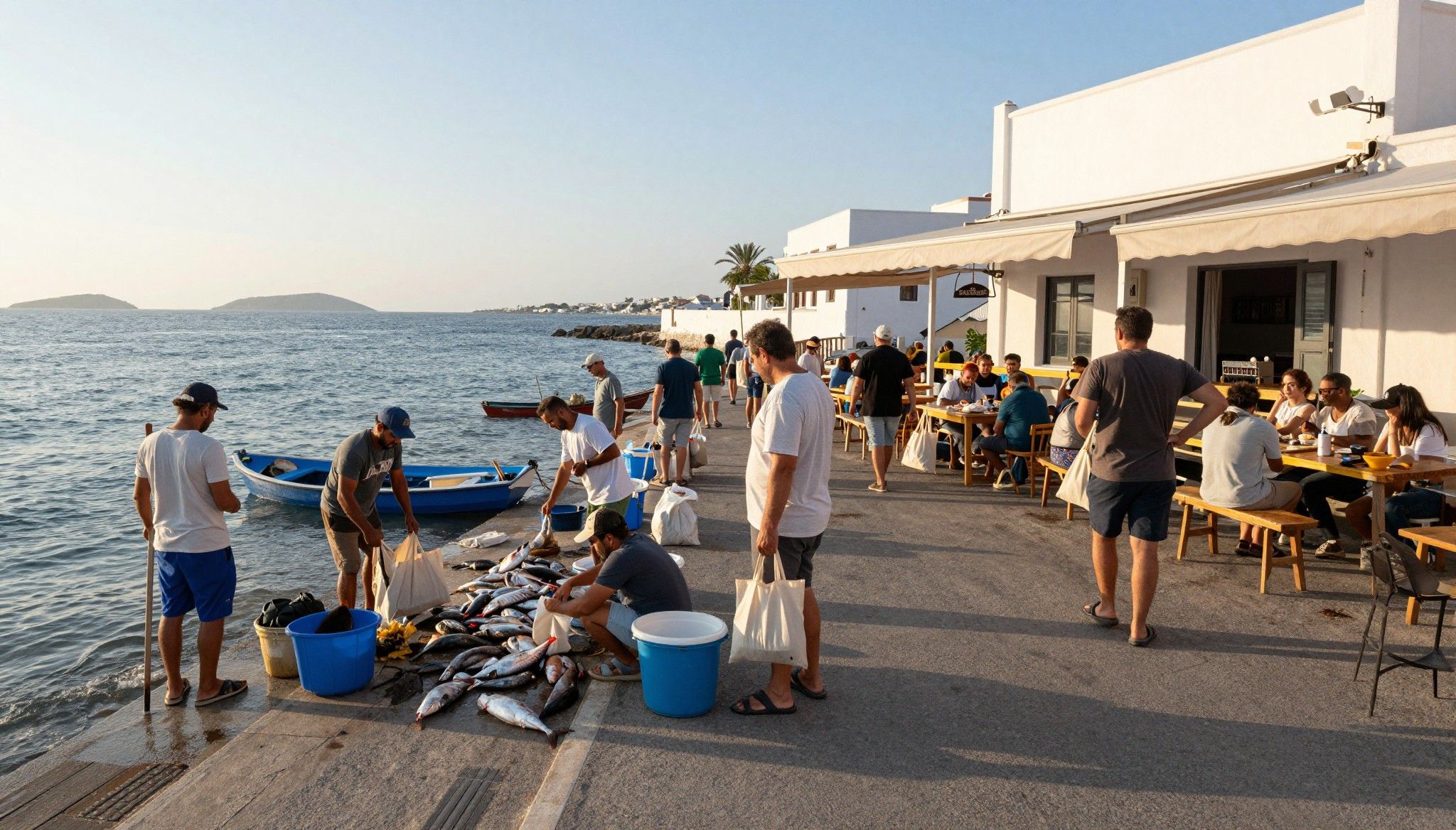
- Morning coffee at Targa in Sliema, then a walk along the Balluta Bay promenade - Weekend fish market at Marsaxlokk followed by a seafood lunch at Tartarun - Aperitivo terraces on Strait Street in Valletta after a theatre night at Teatru Manoel - Ferry to Gozo from Ċirkewwa for hiking and calmer countryside living - Sunset swims at Golden Bay in early autumn when the water is warm but crowds are thinner
Making the move: practical realities that shape lifestyle choices
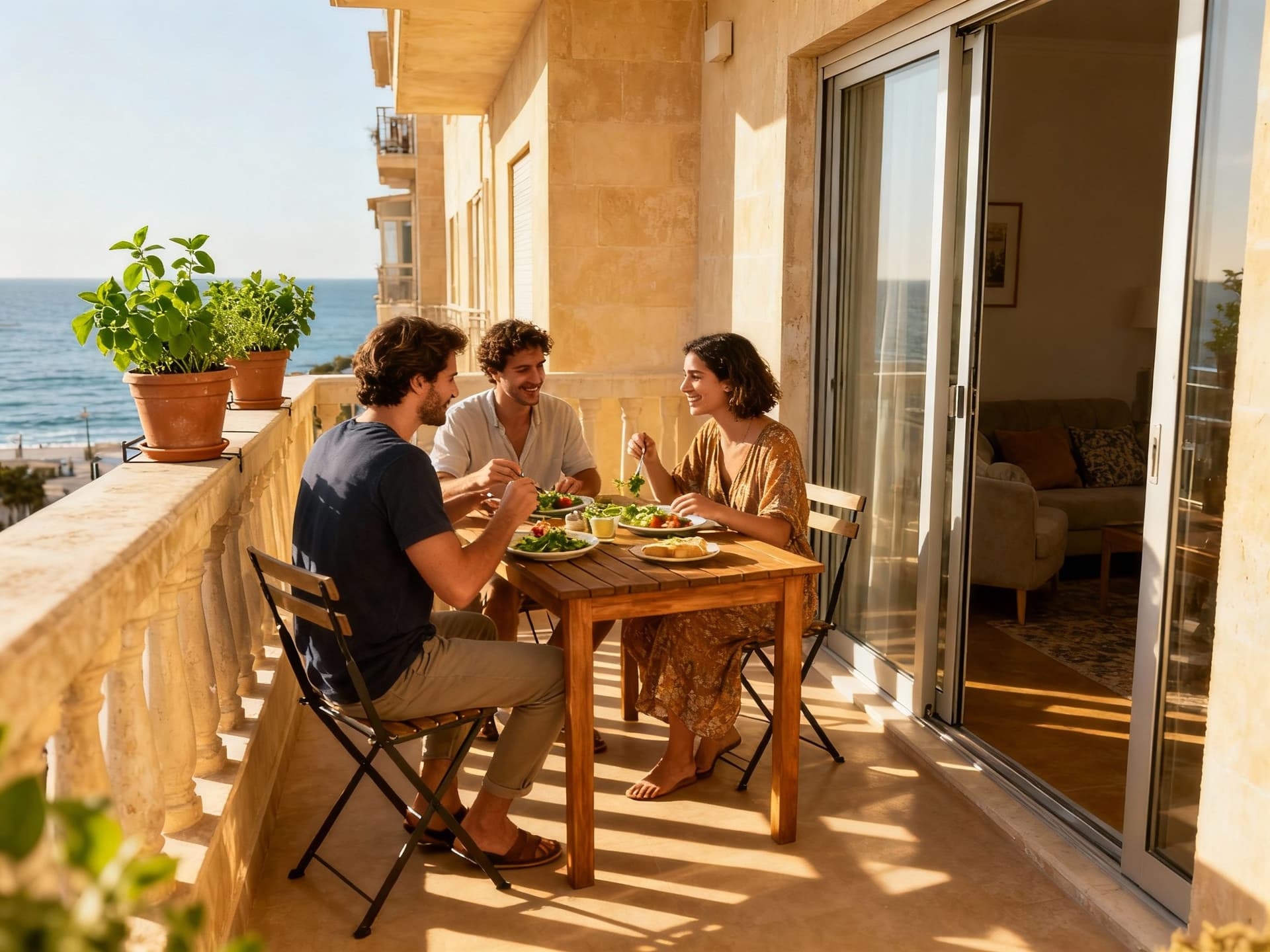
The lifestyle you see in July will influence what you look for — terrace size, sea view, short‑let potential — yet Malta’s RPPI shows sustained price growth year‑round, so timing viewings around the peak season won’t necessarily secure a bargain. Official figures underline steady annual rises; that impacts financing, yield expectations and the feasibility of renovation-driven value-add strategies. Use data to temper the summer sentiment.
Apartments, maisonettes, and period houses — pick by lifestyle, not just by photo
Apartments in Sliema or St Julian’s suit buyers wanting low-maintenance living and proximity to cafés and coworking spots; maisonettes in older villages give terrace life and a closer front-door relationship with neighbours. Period townhouses in Valletta or Mdina are atmospheric but often require investment for insulation, plumbing and planning clearance. Think daily routines first: if you crave outdoor dining year-round, a south-facing terrace matters more than a marginal sea view.
Working with local experts who know the seasonality
A local agent who knows where the market cools in autumn, where rental demand shifts, and which streets offer true community rather than tourist footfall will save weeks. Agencies that handle property management, short‑let compliance and renovation permits are especially valuable in Malta’s tightly regulated, compact stock. Treat agencies as lifestyle curators: they should match your daily-life checklist to realistic supply, not just show summer-ready photos.
- Practical steps blending lifestyle and market sense
1. Visit twice: once in high summer to feel the buzz, and once in late autumn/winter to assess year‑round noise, services and neighbour patterns. 2. Compare rental yield data (e.g., Global Property Guide) against RPPI growth to set realistic return expectations. 3. Ask local agents for recent off‑season occupancy rates for the exact street or block — island averages hide micro-markets. 4. Budget for building maintenance and conservation works for older properties; Valletta façades often require special approvals. 5. Confirm short‑let regulations with an agency before assuming tourist income is available year‑round.
Insider knowledge: what expats wish they'd known before moving
Straight talk: language is easy (English is official), but social rhythms, service levels and bureaucracy shift with the season. Expats often overestimate rental demand seen in summer and underestimate winter maintenance needs. Knowing where locals actually shop, the timing of municipal waste collection, and which streets are pedestrian‑friendly in off‑season changes daily life more than a sea view does.
Cultural integration, daily rituals and small‑town rules
Malta’s social life is hospitable but local: join a band club night in a village, learn basic Maltese greetings, and you’ll be invited into networks that matter for services and repairs. English makes paperwork simpler, yet municipal offices and craftsmen operate on local timetables — expect flexibility and some negotiation. These small rhythms determine whether you feel at home by month three or month twelve.
Long‑term lifestyle: growth, sustainability and future proofing
Malta’s constrained land and steady inbound demand suggest prices will remain firm; rental yields across towns average around 3.5–4.5% gross, making buy‑to‑let feasible but not explosive. If you value year‑round community and predictable services, prioritize neighbourhoods with stable resident populations (e.g., Gżira, Ta' Xbiex, parts of Sliema) over tourist corridors that show inflated summer figures.
- Red flags and local tradeoffs to check before bidding
- High summer occupancy on a street can mask poor year‑round utility and limited grocery options. - A listed façade may limit changes to plan and add conservation costs. - Short‑let income projections based on peak months can overstate annual returns by 20–40%. - Small setbacks (blocked access, noisy bars) feel larger on a compact island and are harder to mitigate. - Confirm exact RPPI context — national averages conceal micro-market volatility.
Conclusion — fall in love with the life, then buy with the year in mind
Malta sells a lifestyle — narrow streets, strong coffee culture, easy island-hopping — but the island sells differently in July than in February. Use the data (RPPI trends and rental yields), split your visits by season, and ask agents for street‑level occupancy and service patterns. Do that and you’ll buy a property that supports the life you felt on holiday, not the summer mirage.
Norwegian market analyst who relocated to Mallorca in 2020. Focuses on data-driven market insights and smooth relocation for international buyers.