Buy the Côte d'Azur in Autumn: The Seasonal Advantage
Why buying on the Côte d'Azur in autumn and winter can deliver better value, calmer viewings and clearer negotiation — if you use local timing, DPE checks and smart agents.
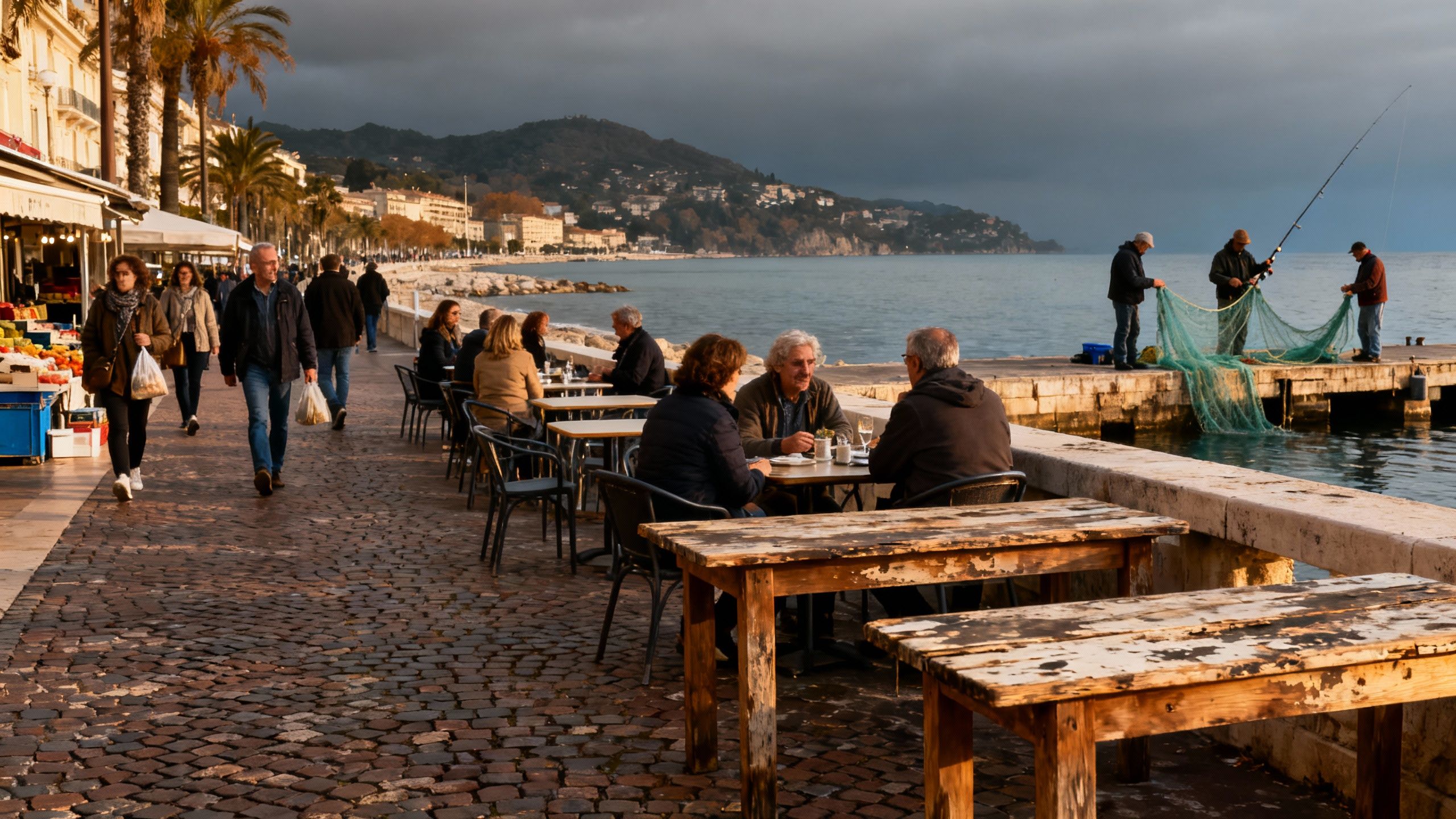
Imagine walking the Promenade des Anglais on a rainy November morning: cafés still open, local boulangeries filling the air with warm brioche, and a handful of serious buyers viewing apartments without the summer rush. That quieter season changes everything — not just the vibe but the market dynamics. For international buyers the Côte d'Azur’s lifestyle is inseparable from its calendar: festivals, yacht season and school terms all shape supply, price negotiation and what you actually get for your money. This piece argues a contrarian case: the Riviera’s off-season (autumn and winter) is often the smartest moment to buy, provided you know the rhythms and rules.
Living the Côte d'Azur life — beyond postcards
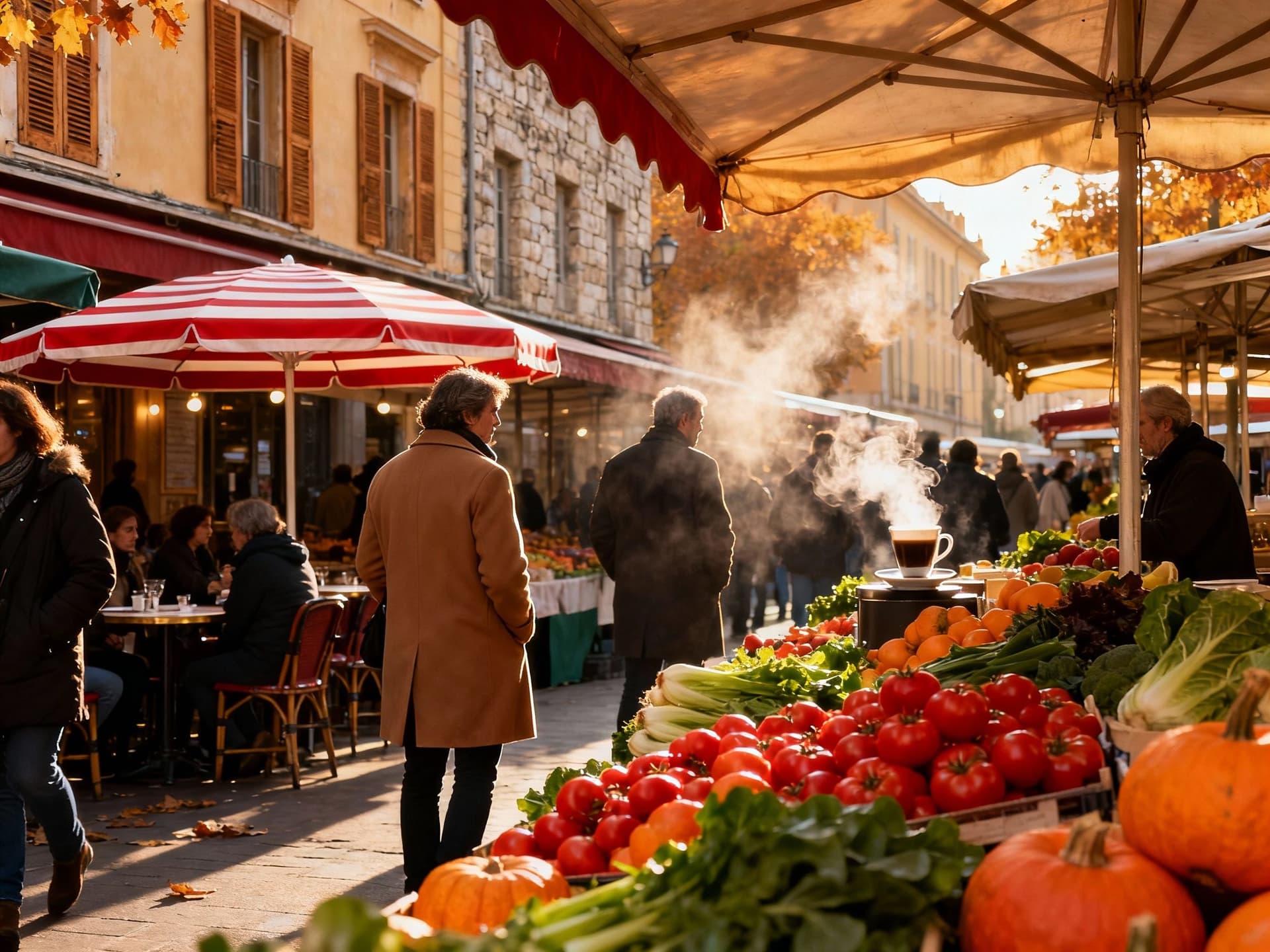
The everyday Riviera is less about red carpets and more about small rituals: morning espresso at Café Sulli on Place Masséna in Nice, weekday markets in Antibes’ old town selling anchovies and local olive oil, and late-afternoon walks along Cap-Ferrat before sunset. Life here follows seasonal layers — a sun-drenched bustle from May to September, then a reflective off-season when locals reclaim streets and restaurateurs refresh menus. For buyers, living the life means choosing the tempo that matches you: café-based social mornings, sea-access weekends, or village markets and hiking in the hills above Cannes.
Neighborhood spotlight: Old Nice, Vieux-Nice and the Port districts
Vieux-Nice offers narrow lanes, morning markets on Cours Saleya and a neighbourhood feel that attracts buyers who want to walk everywhere. The Port district (Quai Lunel area) balances maritime life with charming bistros and quicker access to ferries and marinas. These pockets are noisy in summer but deeply livable off-season — the kind of place where you’ll learn the baker’s schedule and join impromptu pétanque games on cooler afternoons.
Food, markets and daily rhythm
Weekends mean marché runs — fresh socca, Provençal vegetables, and oysters near the port in Villefranche-sur-Mer. Restaurants pivot seasonally; chefs use autumn to refine menus and local producers sell chestnuts and truffles at pop-up stalls in November. Those small rhythms matter when choosing property: proximity to market stalls, covered arcades and a protected balcony for drying clothes can be more valuable than an ocean-facing terrace that’s only usable three months of the year.
- Lifestyle highlights to weigh when choosing area: - Morning coffee spots: Café Sulli (Nice) and Café de France (Antibes) - Weekend markets: Cours Saleya (Nice), Forville (Cannes) - Beaches with quieter months: Plage de la Gravette (Antibes), Paloma Beach (Saint-Jean-Cap-Ferrat) - Cultural anchors: MAMAC (Nice), Film Festival circuit (Cannes) - Local hidden gem: Rue Obscure’s artisan shops near Vence
Making the move: practical considerations when buying off-season
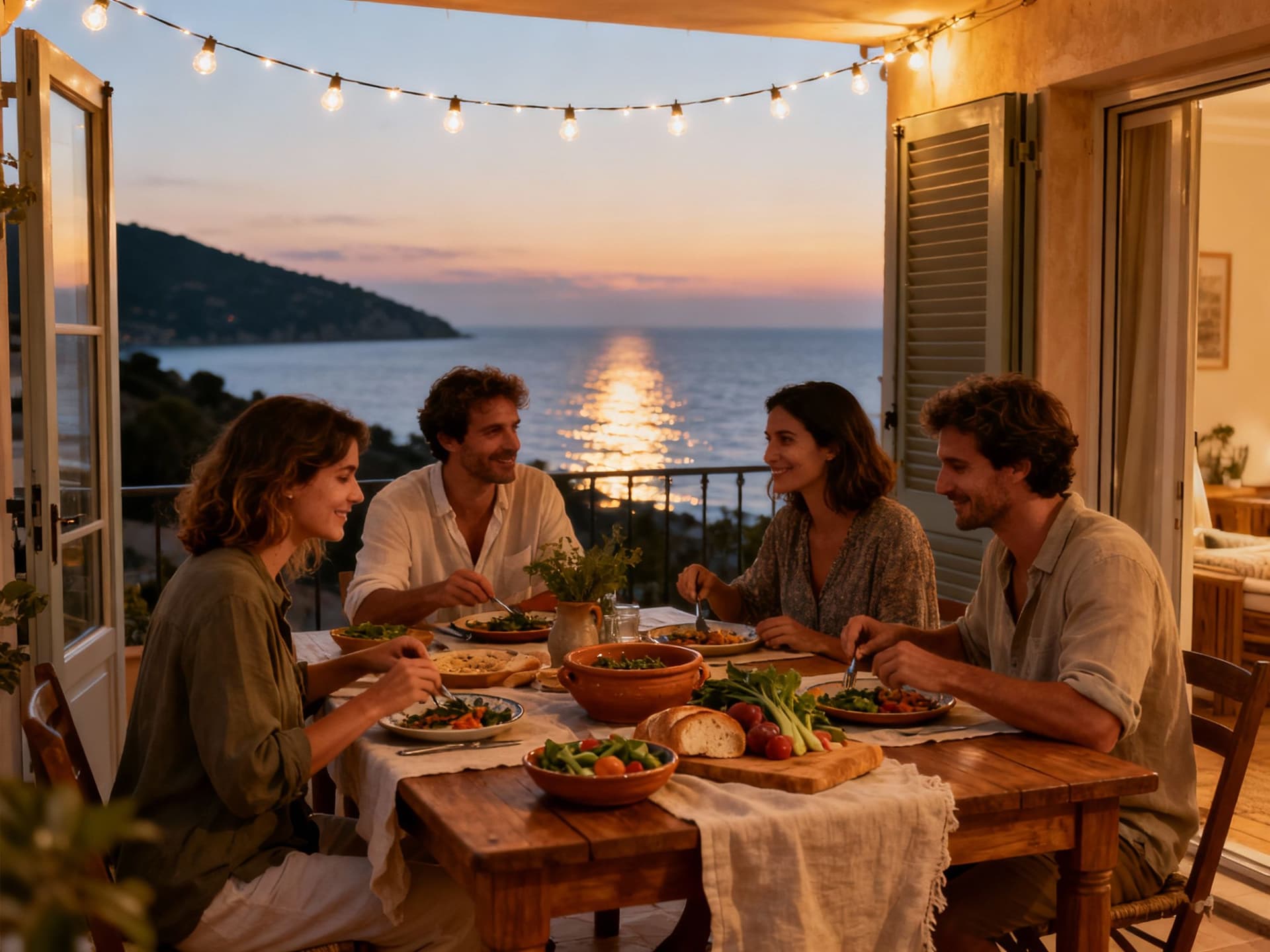
Buying in autumn or winter looks attractive for three reasons: sellers are more motivated after a summer of missed opportunities; inventory includes properties that didn’t sell at peak season; and professionals (notaires, surveyors, architects) often have more bandwidth. Data from market specialists highlights that Riviera transaction volume and strategic buying shift outside the high season, and French tax authority pages remind buyers to factor non‑resident obligations into net yield calculations. Off-season buying requires planning — inspector availability, utility checks and local contacts become decisive.
Property styles & what they mean for life here
Choose a Belle Époque apartment in Nice for character, a modern seafront flat in Antibes for easy maintenance, or a renovated Provençal mas inland for privacy and olive groves. Older buildings often have thick stone walls that smooth summer heat but may need energy upgrades — an important cost if you plan rentals. For year-round living, prioritise double glazing, DPE (energy performance) ratings and reliable heating; for seasonal owners, proximity to airport links and short-term rental rules matter more.
Working with local experts who know the rhythm
A local agent who lives the season can read the calendar — when municipal permits are slower, which owners list only after summer, and where renovation grants for energy efficiency apply. Use agencies for off-market leads (winter owners who list quietly), and instruct them to check DPE certificates, copropriété meeting minutes and recent work carried out on façades. Expect negotiation room in autumn; Savills and other market advisors report that motivated sellers and reduced footfall often produce better net prices.
- Steps to buy during the Riviera off-season: 1. Book an extended visit (5–7 days) to sample different weekday rhythms and talk to neighbours. 2. Ask your agent for off-market and winter-returning listings; many owners wait until September to test price expectations. 3. Commission a DPE and structural survey before offer; energy upgrades affect value and incentives. 4. Reserve a notaire early — closing timelines can slip if paperwork is incomplete. 5. Plan for local taxes and non‑resident declarations using official guidance.
Insider knowledge: what expats wish they'd known
Expats often discover the Riviera’s calendar after they arrive: a summer rental calendar that constricts long-term availability, a municipal schedule for renovations, and a neighbourhood social life that deepens in the off-season. French buyers value paperwork and provenance; international buyers who arrive prepared with pre-approved finance and a local agent save time. Recent press notes a market recovery and renewed transaction volumes — a reminder that timing matters but so does due diligence.
Cultural realities: language, neighbours and local rules
Learning a few phrases, joining the marché on Saturday and attending a mairie meeting will pay dividends. Co-ownership (copropriété) rules are strictly applied, and local committees decide façades, roof work and shared fees. Respecting quiet hours, recycling rules and the rhythm of school holidays eases integration and helps you spot problem buildings versus well-run copropriétés.
Long-term lifestyle vs short-term rental trade-offs
If you split time between France and another country, balancing long-term comforts (robust heating, storage, local services) with short-let potential (easy check-in, low-maintenance finishes) is essential. French rules on rentals, occupancy declarations and tax reporting for non-residents affect net returns; consulting the official tax pages early prevents surprises and clarifies whether IFI or local taxes apply to your holdings.
- Red flags to watch for in winter viewings: - Damp or poor ventilation in basements and ground-floor apartments - Missing DPE or recent energy upgrades in older stone buildings - Unresolved copropriété debt or pending large façade projects - Overly staged listings that hide accessibility issues - Unclear rental permissions for short lets in municipal zones
Six months after moving, many buyers report the same surprise: the Riviera in winter feels like owning a secret. Streets are calmer, local restaurants serve serious menus, and community ties form faster. But that intimacy depends on sensible choices — a property that performs across seasons, advisors who understand municipal calendars, and a budget for energy work if needed.
If the Riviera appeals to you for lifestyle reasons, try buying with the season in mind: tour in autumn, validate running costs in winter, and close when spring activity supports resale or rental. Ask an agency for winter and spring comparables, request detailed breakdowns of copropriété charges, and align inspections with local contractors. The result: a home that feels lived-in year-round and a purchase made from knowledge, not just during a festival buzz.
Dutch investment strategist with a Portugal-Spain portfolio. Expert in cross-border financing, rights, and streamlined due diligence for international buyers.