Côte d'Azur: Lifestyle Rhythms That Change Where You Buy
The Côte d'Azur blends seasonal glamour with everyday rituals; use off‑season visits, DPE checks and neighbourhood rhythm to pair lifestyle choices with smarter buys.
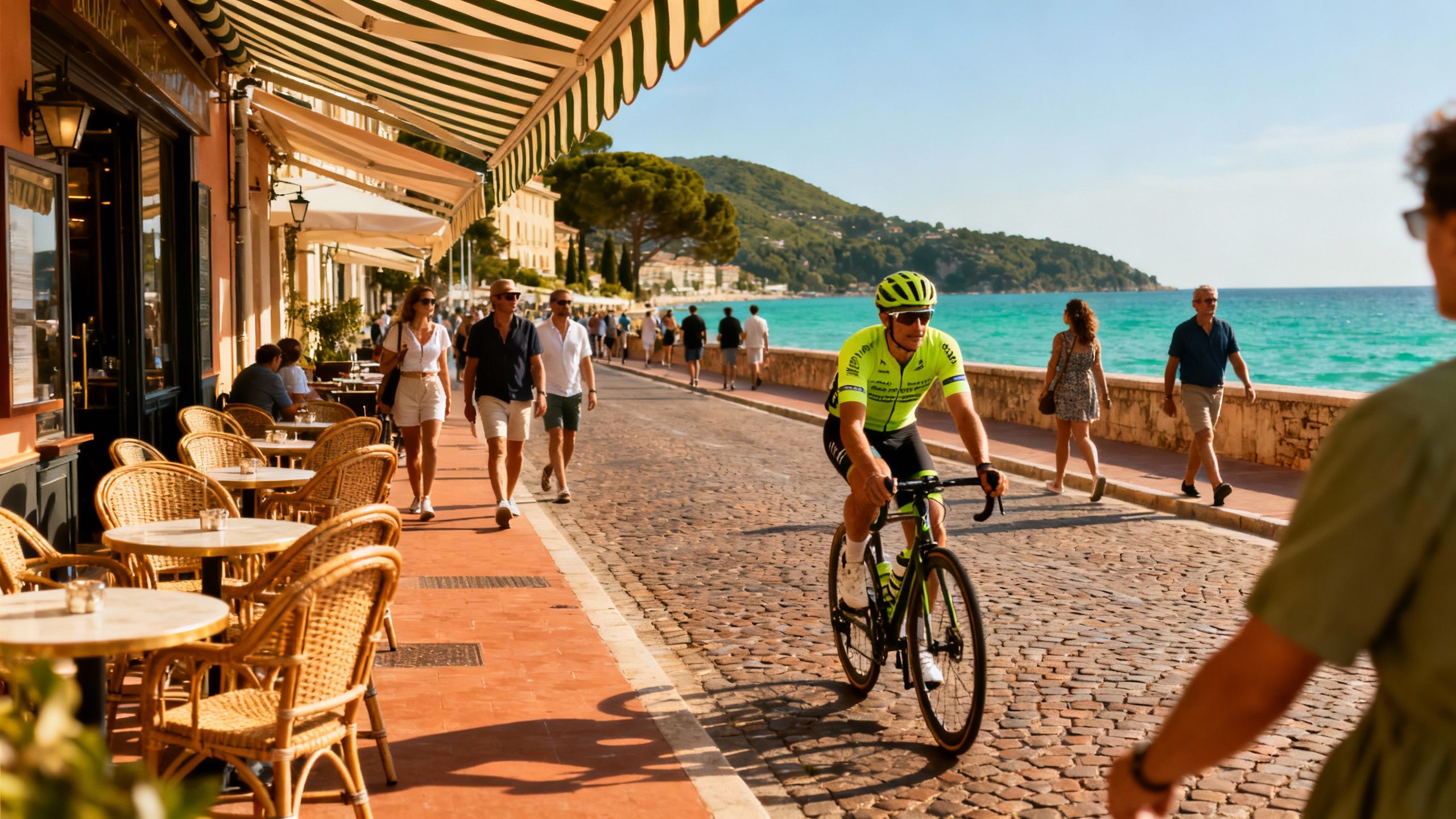
Imagine stepping out at dawn to buy fruit at Cours Saleya, espresso in hand, then slipping down narrow lanes toward Place Masséna — that daily choreography is the Côte d'Azur's real currency. The Riviera mixes a slow, ritualised morning with compressed bursts of cosmopolitan energy: gallery openings in Nice, film premieres in Cannes, and late‑day aperitifs on Antibes' ramparts. For international buyers, those rituals shape not just lifestyle choices but where property holds value through seasons and cultural calendars.
Living the Côte d'Azur lifestyle
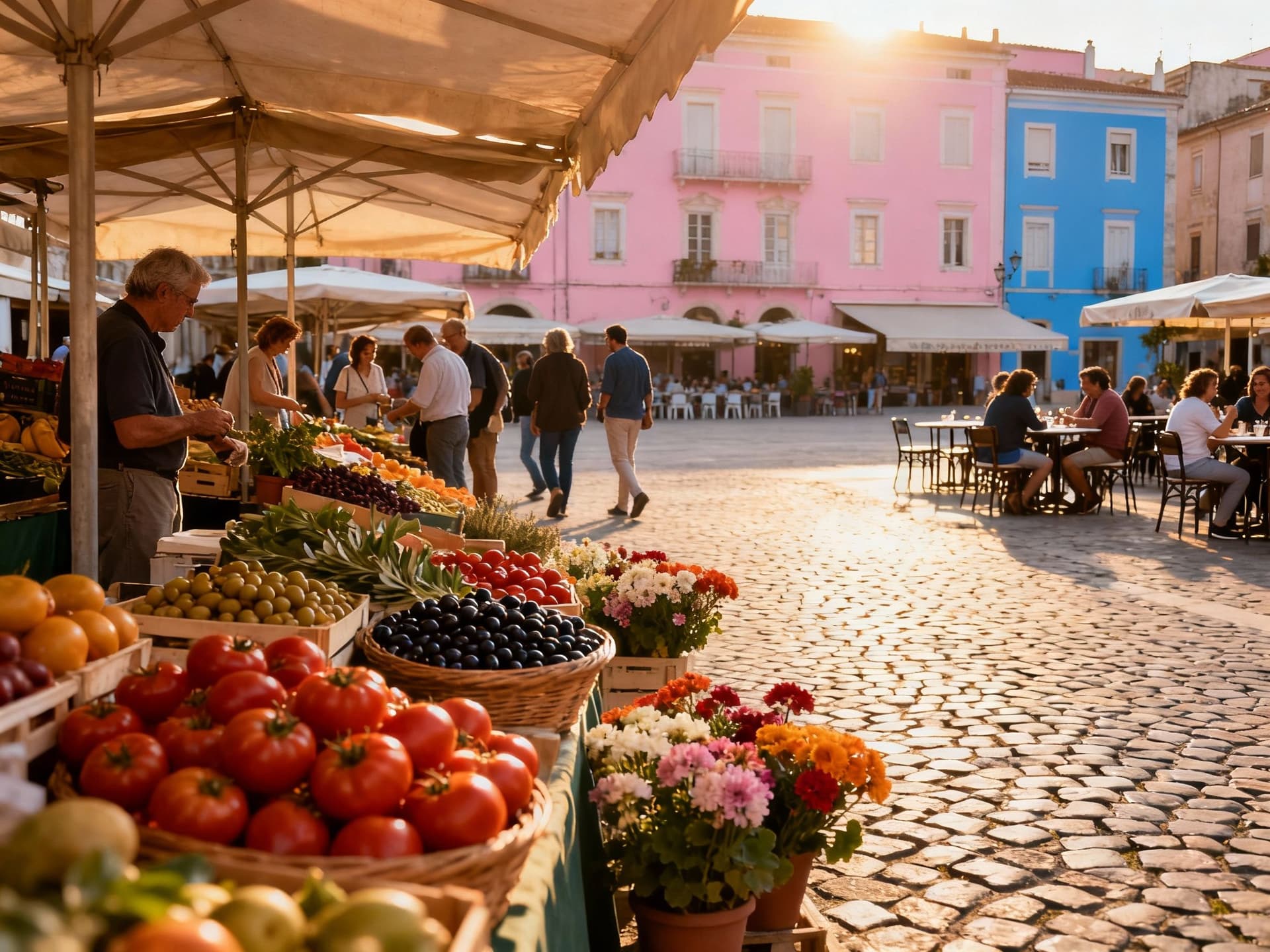
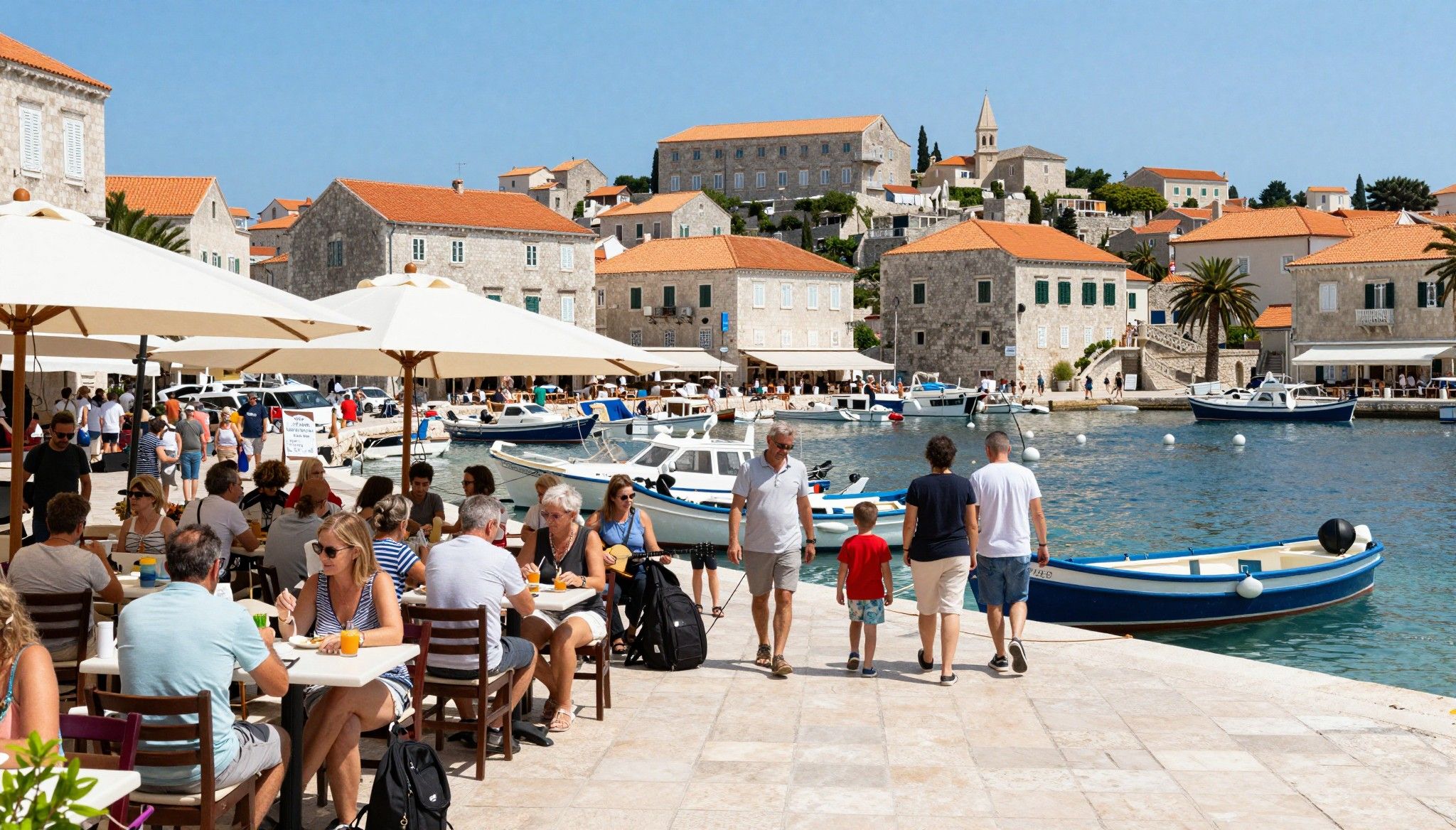
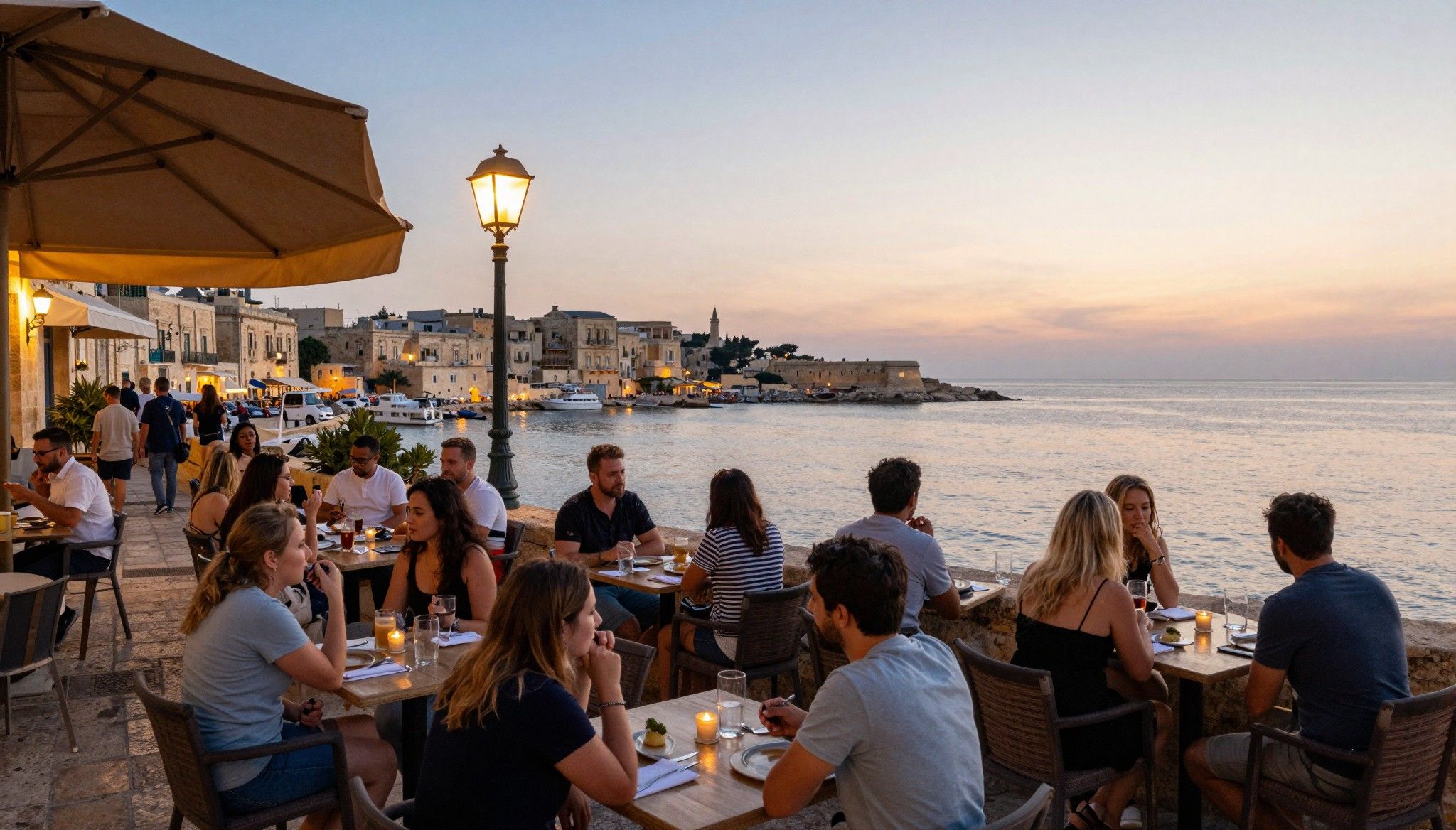
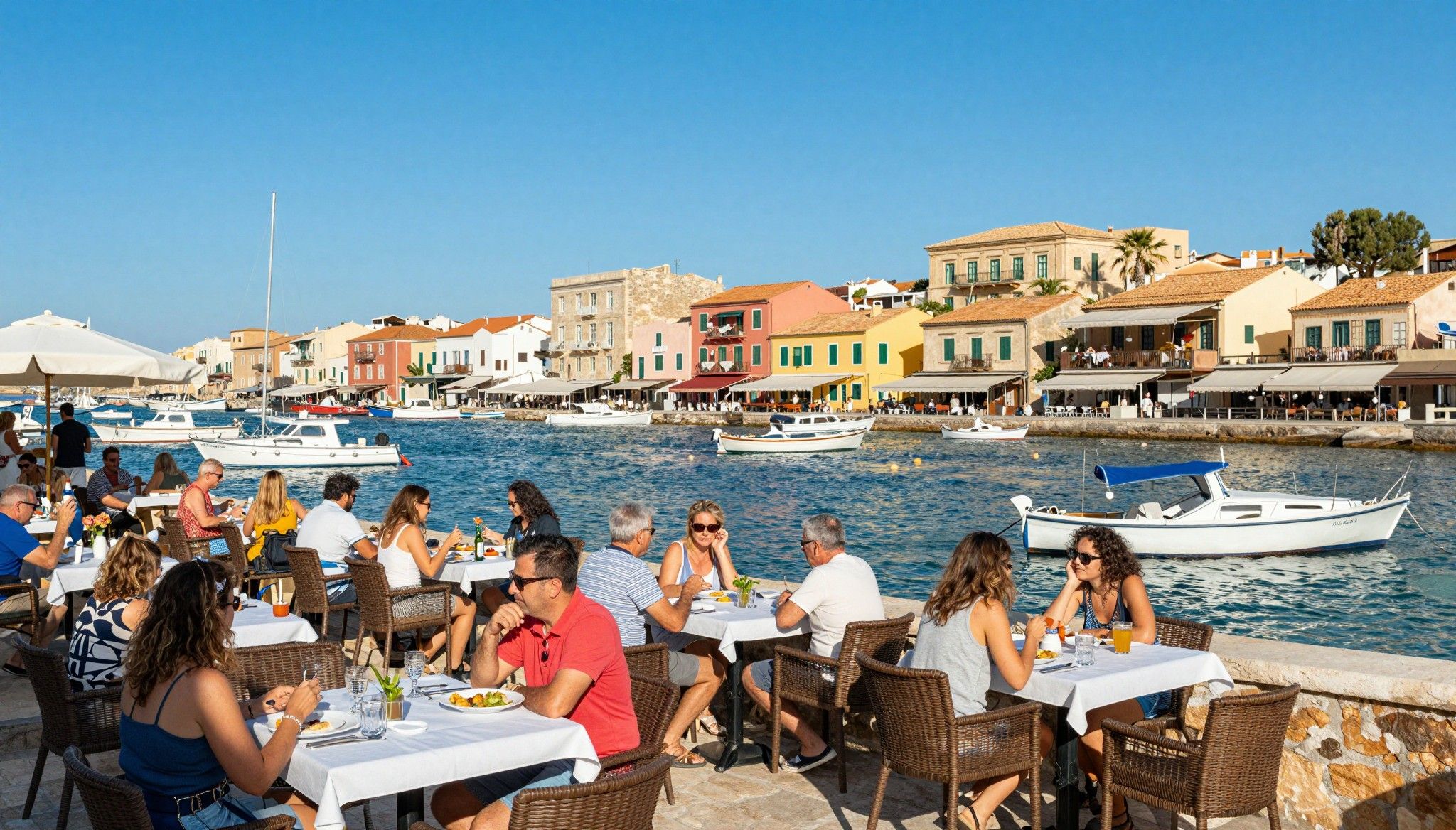
Life here is sensory and seasonal: salt on the breeze, market sellers calling out heirloom tomatoes, and evenings that pulse around seaside terraces. Expect two tempos — a languid daily rhythm in hill towns like Saint-Paul‑de‑Vence, and a high‑intensity calendar in Cannes and Saint‑Tropez that spikes demand during festivals and regattas. That duality explains why buyers often choose a coastal pied‑à‑terre plus an inland home for quieter months.
Neighborhood spotlight: Nice — Vieux‑Nice to Cimiez
Vieux‑Nice trades theatrical markets and pastel façades for small apartments that put you at the heart of daily life; Cimiez offers boulodromes, larger villas and tranquil gardens. Walkable streets, bakeries open before sunrise, and a local café scene mean you live in public here — which suits buyers who prize community over isolation. Properties near Promenade des Anglais hold year‑round rental appeal, while hill neighbourhoods reward those after space and quieter winters.
Food, markets and social life
The Riviera's food scene is neighbourhood‑centred: morning markets like Cours Saleya (Nice) and Forville (Cannes) set the day's pace, while small bistros and family‑run traiteurs anchor social life. Seasonal festivals — lemon festivals in Menton, jazz in Nice — transform local squares into living rooms, and they also temporarily lift short‑let demand. If you imagine weekend farmers' markets and weekday café rituals, property choices should prioritise proximity to these social nodes.
- Cours Saleya market (Nice) — morning markets and apartment demand
- La Croisette (Cannes) — festival rhythm and short‑let premiums
- Cap d'Antibes — coastal walks, villa conservation zones, steady luxury values
- Mougins and Valbonne — hill towns for larger homes and quieter winters
Making the move: lifestyle meets the market
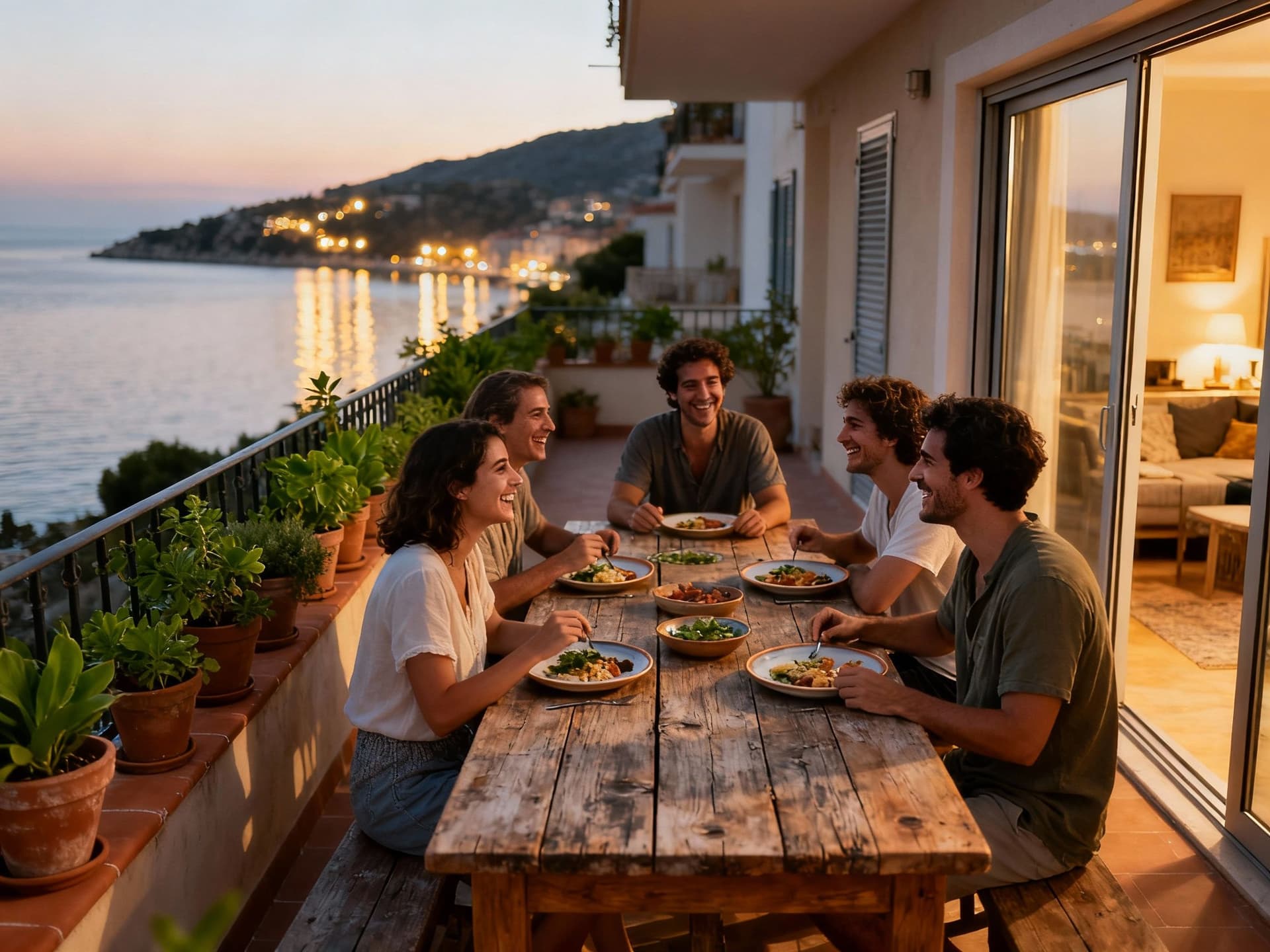
The dream‑scene collides with market reality: national data shows house prices returned to growth in Q1 2025 after a period of stagnation, and the Riviera displays pockets of resilience and seasonal volatility. Coastal hotspots command a premium, but inland hill towns can offer size and negotiating room. Knowing where lifestyle and value intersect is the buyer's advantage — and that requires local market context, not myths.
Property styles and how you'll live in them
Choose an apartment in Vieux‑Nice for proximity to daily life and manageable upkeep, or a villa in Mougins if you want gardens, parking and privacy. Older 1970s coastal blocks often lack modern insulation (DPE ratings) — a key cost consideration for renovation and resale. Pairing a coastal small apartment with an inland family home is a common strategy: you keep the Riviera lifestyle without sacrificing indoor space or long‑term value.
Working with local experts who know the lifestyle
A local agency does more than list properties: they explain festival calendars, rental windows, and neighborhood norms — for example, which streets in Cannes convert to congestion during the Film Festival. Look for agents who show data on seasonality, occupancy rates, and energy performance rather than glossy photography alone. The right team helps translate your lifestyle wish list into a shortlist of neighbourhoods and exact streets that deliver it.
- Define the lifestyle you want (daily markets vs festival pulse) and map it to neighbourhoods and property types.
- Ask agents for DPE/energy rating, typical seasonal occupancy, and recent short‑let yields for comparable units.
- Inspect properties off‑season to see true noise, local life and maintenance needs — not just summer gloss.
Insider knowledge: what expats wish they'd known
Expat experience often highlights small surprises: deliveries schedule differently here, waste collection days define when streets are quiet, and many social bonds form around schools and local associations. Language matters less in tourist seasons but is crucial for integration in smaller hill towns. Practicalities — where to park, how to register for utilities, and which local boulangerie stays open on Sundays — shape daily happiness more than square metres.
Cultural integration and everyday norms
Make time to learn basic French phrases and local etiquette — shopkeepers appreciate effort and it smooths negotiations on local works or renovations. Join municipal associations, volunteer at markets, or take a cooking class to build local ties; these bonds often unlock trusted craftsmen, gardeners and property managers. Expect a measured pace: bureaucracy is slower than in some countries, but decisions once made tend to be enduring.
Long‑term thinking matters: the Riviera benefits from structural demand (climate, culture, international appeal) that supports steady values in prime areas, even if short‑term cycles wobble. Consider how municipal plans, conservation zones (especially on Cap d'Antibes) and DPE energy rules will affect renovation costs and resale. A pragmatic horizon — five to ten years — tends to reward buyers who align lifestyle with regulatory realities.
- Check local municipal plans and conservation zones before bidding.
- Prioritise properties with good DPE ratings or realistic renovation plans.
- Factor in concierge/property management costs if you plan seasonal rentals.
Conclusion: The Côte d'Azur is more than postcard glamour — it's a set of neighbourhood rituals and seasonal economies you can join if you align lifestyle choices with local market facts. Use off‑season visits, local agents with data, and checks on energy and municipal rules to convert longing into a sustainable ownership plan. When you pair Riviera rhythm with grounded due diligence, you buy not just a property but a way of life.
Swedish strategist who relocated to Marbella in 2018. Specializes in legal navigation and tax planning for Scandinavian buyers.