Côte d'Azur: Fall in Love, Then Buy with Data
Fall for Côte d'Azur mornings and Provençal markets — but pair the romance with notaire data, seasonal visits, and local experts to buy wisely.
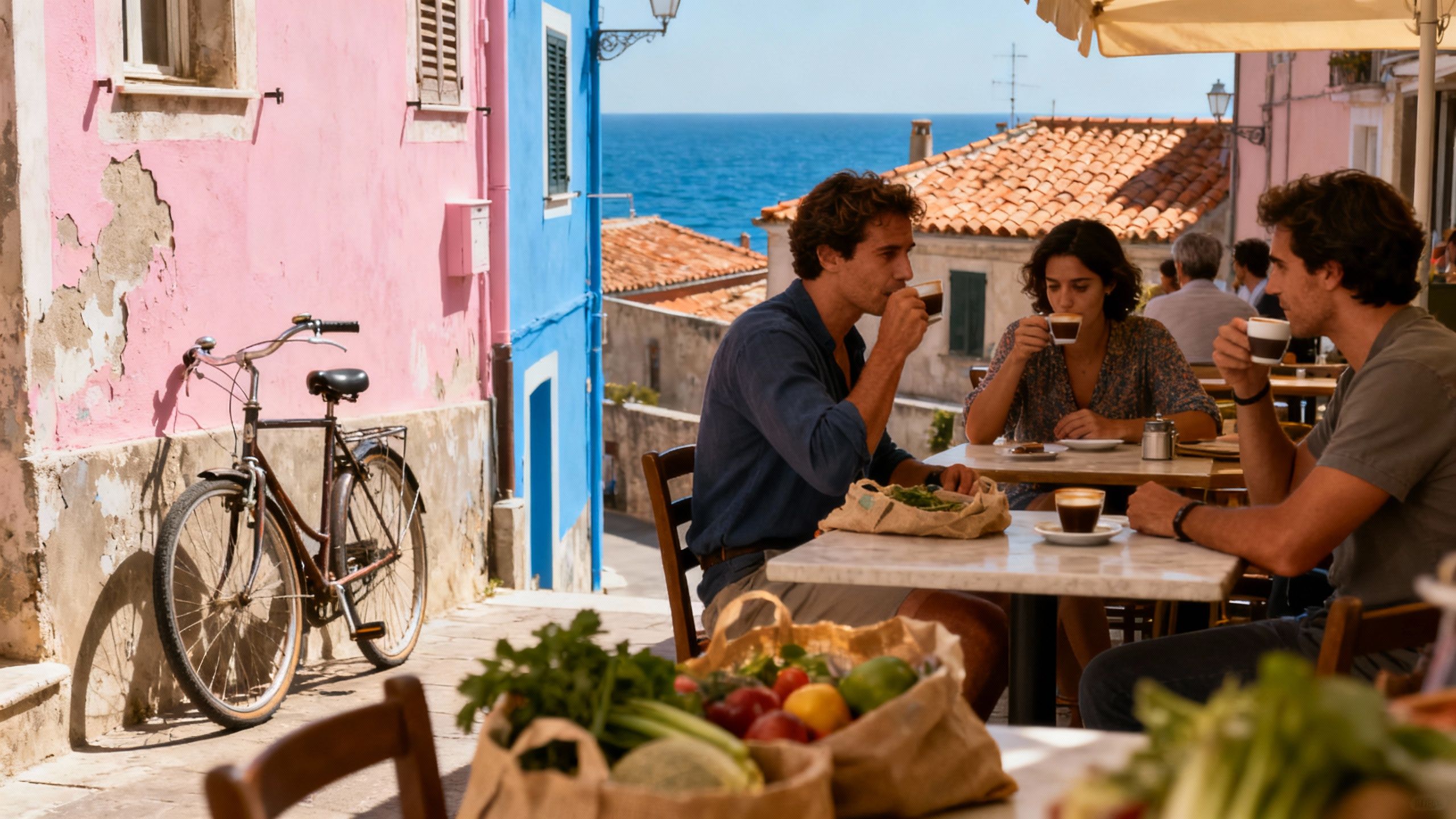
Imagine stepping out at 08:30 to pick figs and coffee from the cours market in Nice, then wandering a few streets to a calade where old men play pétanque and a boulanger fills the air with warm croissants. That slow, sensory morning — light on limestone facades, the sea on the horizon, languages rubbing shoulders — is what draws people to the Côte d'Azur. But lifestyle in Provence-Alpes-Côte d'Azur is layered: coastal promenades and blue-water glamour sit beside hilltop villages, markets, and year-round cultural life. This piece pairs those lived moments with concrete, sourced advice so you can fall for the Riviera and still make a smart buy.
Living the Côte d'Azur lifestyle

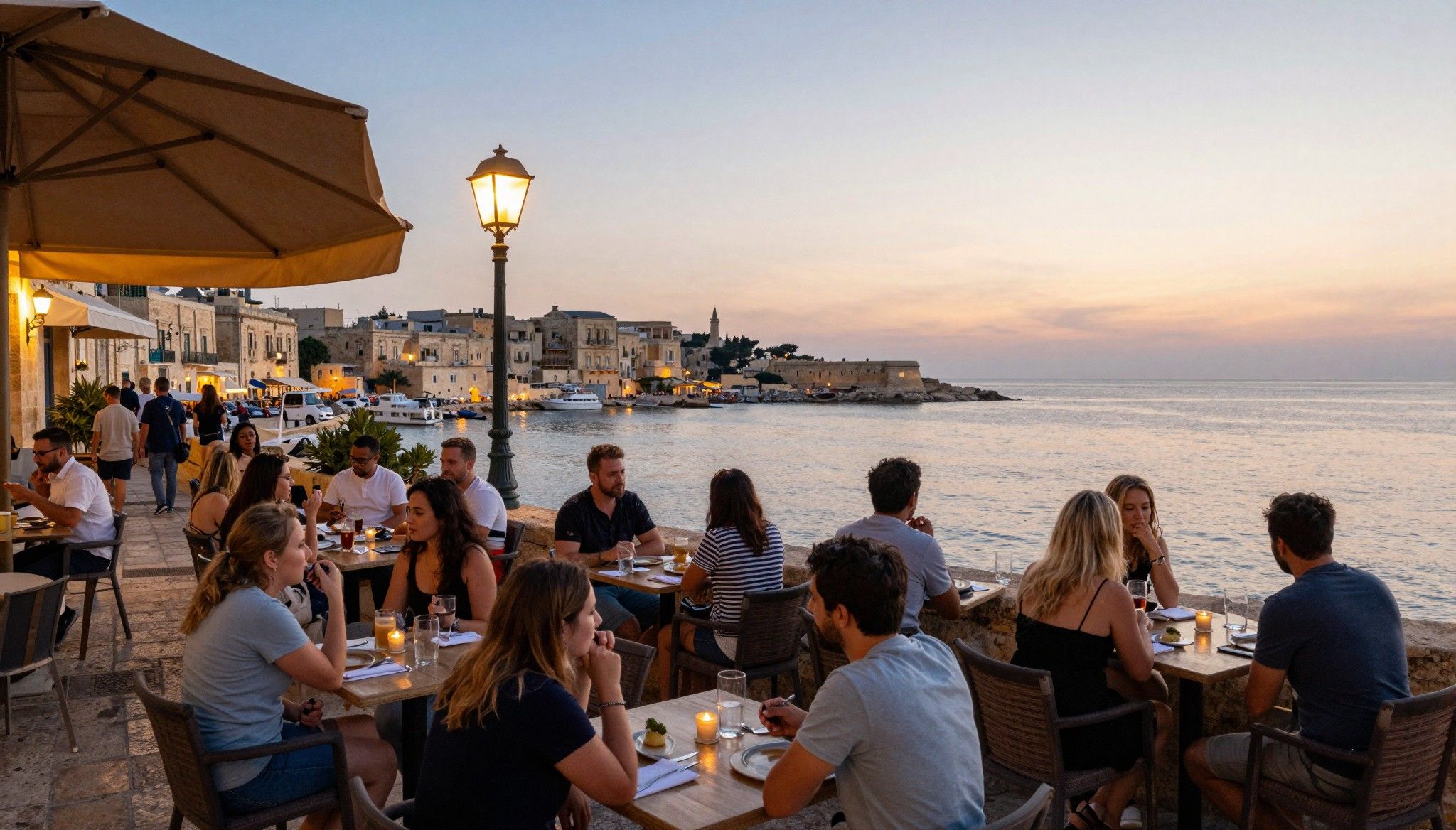
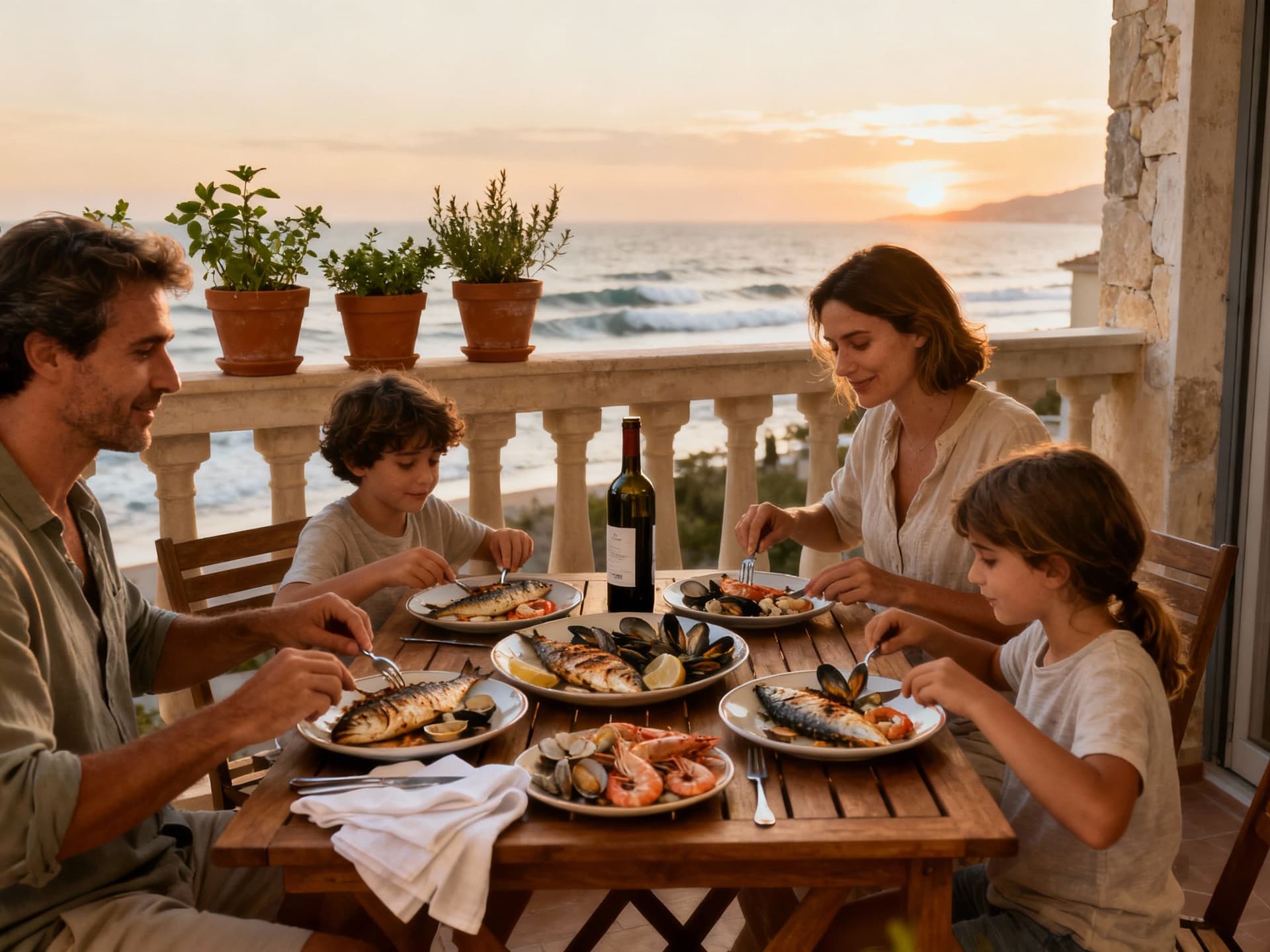
Mornings here are for markets and cafés; afternoons for beaches or a lane in Saint-Paul-de-Vence; evenings revolve around small plates and a glass of rosé on a terrace. The Riviera is busier than it was a decade ago — the region recorded around 13 million overnight stays in 2024 — but that bustle is distributed across towns, meaning you can still find quiet pockets. The key is choosing a neighbourhood that matches how you want to live, not the one with the biggest price tag.
Coastal pulse: Nice, Antibes, Cannes
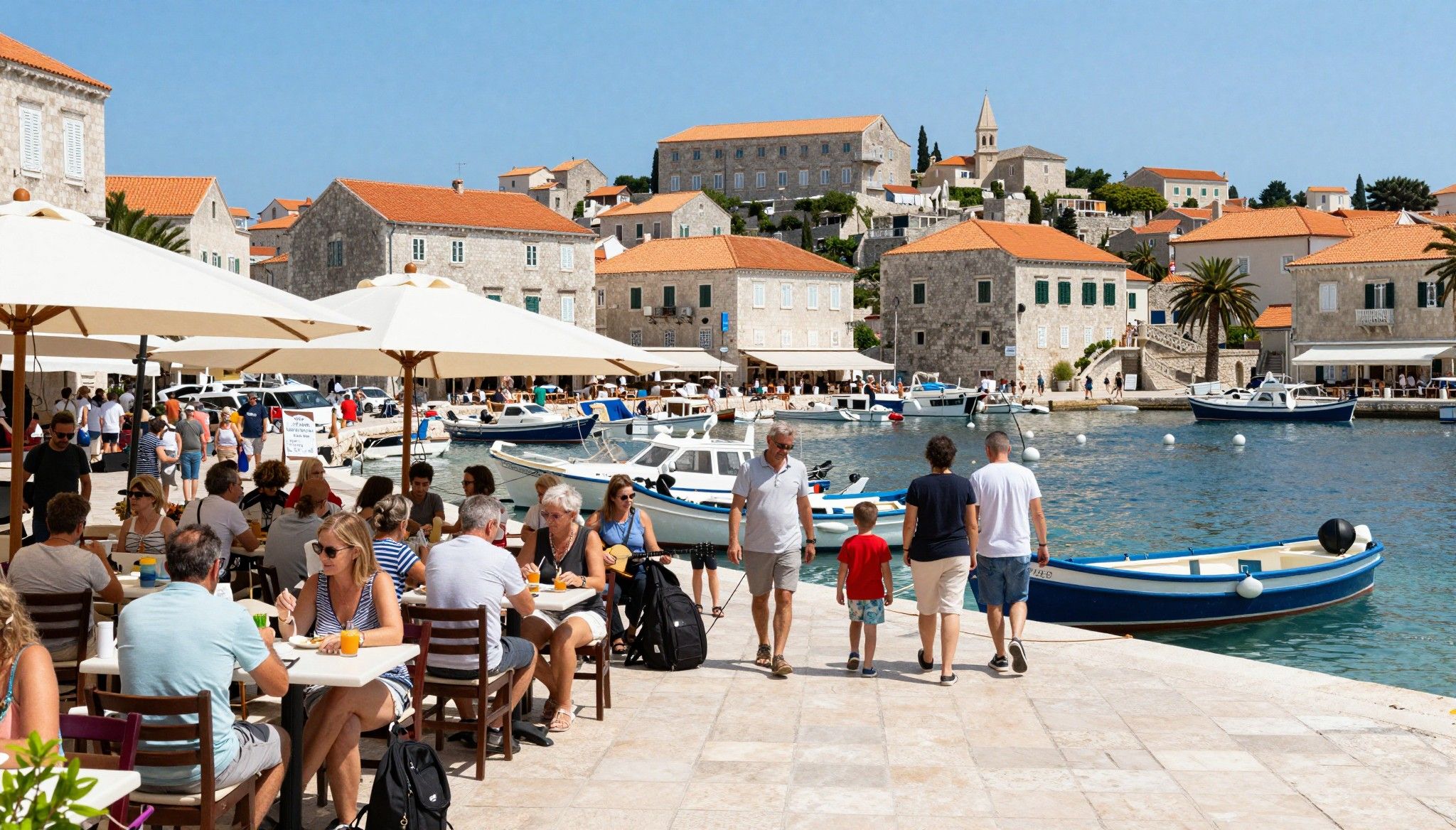
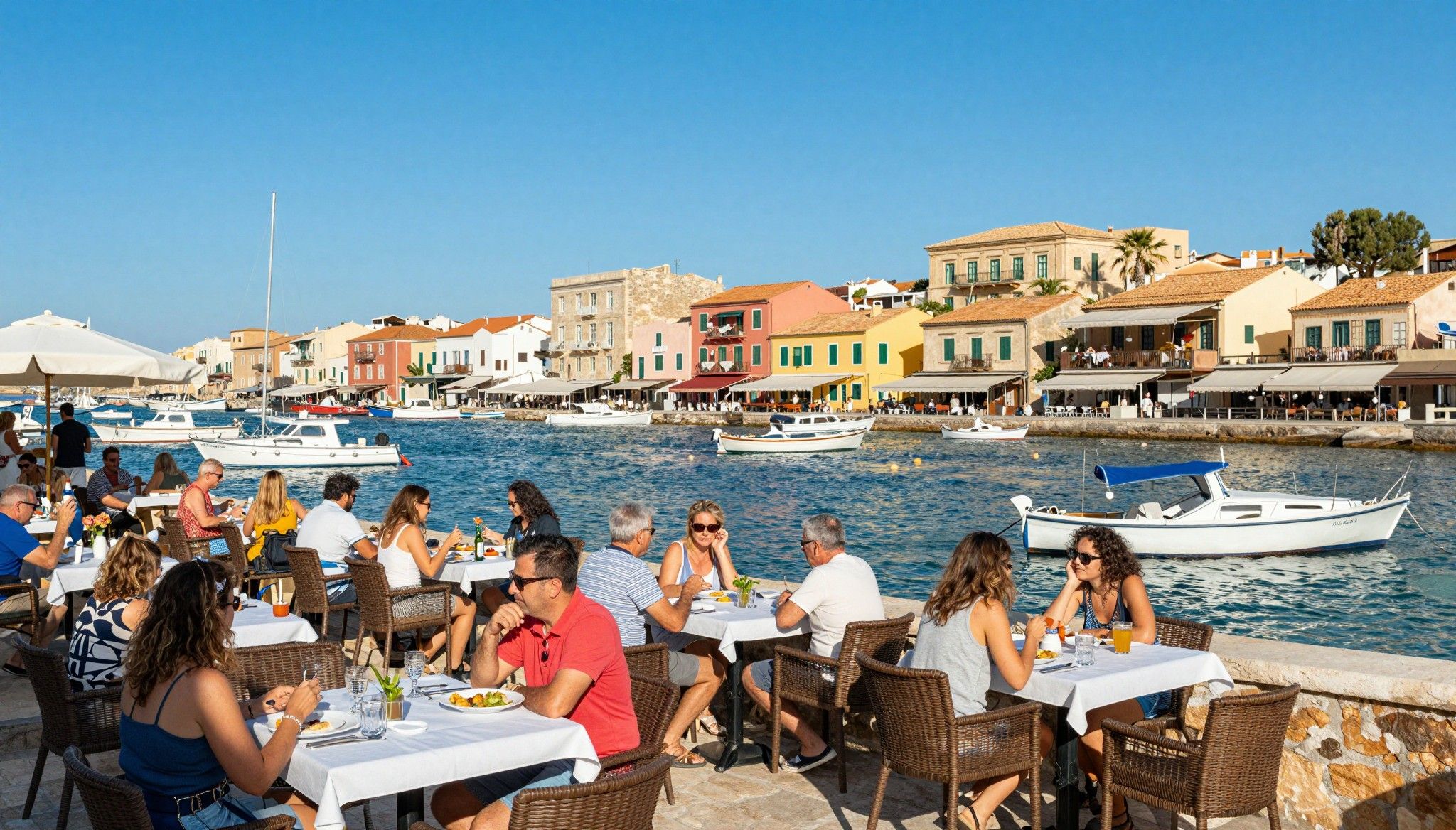
If you want walkability, cafés open at 07:30 and a mix of museums and seafood, Nice’s old town and the Promenade des Anglais deliver. Antibes gives quieter beaches and an old-port vibe, with Provençal markets on Provençal squares. Cannes keeps the spotlight for events and luxury listings; outside festival season it’s calmer and better for long-term rental upside. These towns are lively year-round, but expect tourist peaks in July–August and a steadier, local rhythm in spring and autumn.
Hill-town calm: Mougins, Valbonne, Saint-Paul-de-Vence
The hill towns offer scale and gardened plots that coastal centres rarely do: larger terraces, old stone houses and a conversational pace. Buyers moving inland often swap sea views for olive trees and space — and suddenly afford a villa rather than an apartment. These places are attractive for families and buyers seeking community continuity through the seasons, and recent reporting shows hill towns can be more affordable than the busiest coastal pockets.
Lifestyle highlights: markets of Cours Saleya (Nice), Sunday antiques in Valbonne, early swims at Plage de la Salis (Antibes), lunch at La Colombe d'Or (Saint-Paul-de-Vence), evening strolls on Boulevard de la Croisette (Cannes), and local vineyards near Aix‑en‑Provence.
Making the move: practical considerations tied to lifestyle
The Riviera’s desirability has market consequences: prime central sectors command high per-square-metre values, while nearby hill towns offer larger footprints for less per metre. Notaires and regional price trackers remain essential to benchmark offers and understand where seasonal rental demand concentrates. Transaction costs have also shifted; departmental changes to transfer taxes and the split between VAT on new-builds and registration for old stock affect your bottom line, so layer lifestyle wants over a clear cost model before making an offer.
Property types and how they shape daily life
An apartment on the Promenade gives immediate access to cafés and the sea but usually limits outdoor private space to a small balcony. A Provençal villa or renovated mas provides gardens and privacy — perfect for families or gardeners — but can add commuting time into town. New-build developments offer modern insulation and lower immediate maintenance, while character houses need renovation budgets but reward with authentic materials and higher long-term value if sensitively restored.
Working with local experts who know lifestyle signals
1. Ask agents for micro-neighbourhood rental data to test seasonality and secondary income potential. 2. Commission an energy audit for older houses; France’s EPC rules are tightening and affect rental eligibility. 3. Get a planning search before buying in hill towns — protected zones limit extensions and preserve village character. 4. Compare new-build VAT treatment (20%) vs older stock registration fees to find a tax-efficient purchase. 5. Visit across seasons: spring market life, July heat, and winter calm reveal different neighbourhood characters.
Insider knowledge: what expats wish they'd known
Expats often arrive enchanted by weekend markets and coastal life but underestimate the rhythm of French bureaucracy and local social codes. Language helps: a few months of conversational French unlocks neighbours, tradespeople and better renovation quotes. Many also wish they’d checked winter heating performance and local medical access before committing; these practicalities determine whether a place works 12 months a year, not just for holidays.
Cultural integration and daily realities
Joining local associations, signing up for a neighbourhood market stall, or learning to navigate mairie (town hall) services accelerates integration. Expect different opening hours (long lunch breaks in some towns), and an older social fabric in villages where community calendars drive life. These rhythms affect everything from renovation schedules to when you’ll find the best ingredients at market.
Long-term lifestyle and sustainability of your choice
Think beyond the purchase: energy rules, local planning and demographic shifts will shape resale and livability. Coastal towns may retain liquidity but show higher price volatility tied to tourism cycles; hill towns trade that for steadier family demand and space. If your plan mixes living and letting, run conservative rental projections that account for off-season occupancy rather than festival-week spikes.
Practical next steps: visit patterns, inspections, and agent choices — 1) Visit in shoulder season (April/October) to experience local life; 2) Hire an English‑speaking notaire or bilingual conveyancer early; 3) Order a structural and energy survey before final offer; 4) Ask agents for comparable sold prices (not just asking prices).
The Côte d'Azur rewards those who pair sensorial reasons to live here with disciplined, source-backed buying. Taste the markets, listen to the lanes, but anchor desire with notaire data, seasonal visits and local experts who understand both village calendars and coastal market cycles. When lifestyle and due diligence run together, you keep the romance and remove the regret.
Dutch investment strategist with a Portugal-Spain portfolio. Expert in cross-border financing, rights, and streamlined due diligence for international buyers.