How Greece’s Rhythm Shapes Where to Buy
Greece’s daily rhythms — from Athens lanes to island harbours — shape where and how to buy. Rising prices and residency rule changes make local expertise essential.
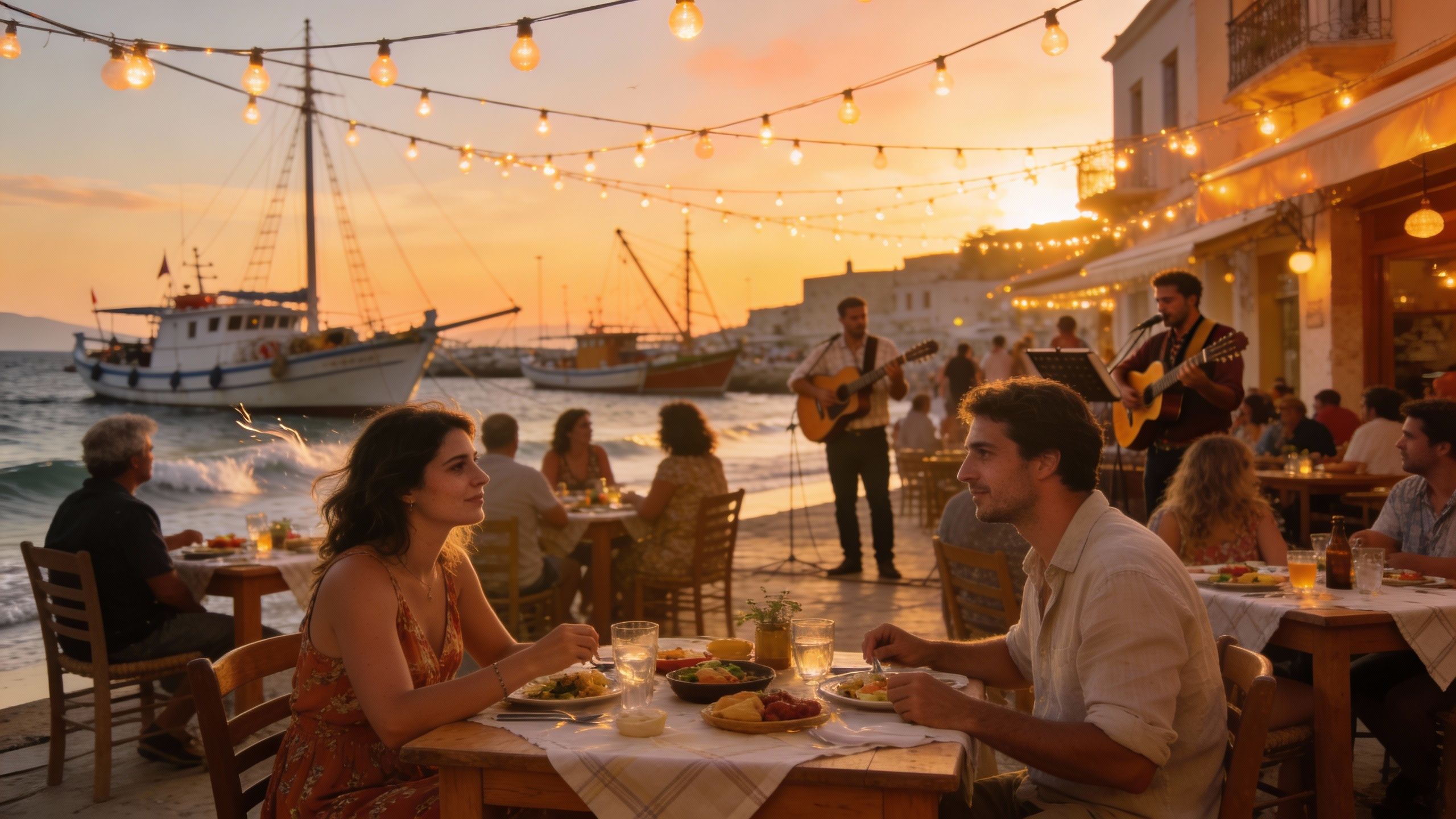
Imagine walking from a sun-warmed kafeneio on a narrow street in Plaka to a ferry that drops you on a tiny Cycladic harbor an hour later — that ease of everyday island-hopping, loud conversations over espresso, and late-night seaside tavernas is what owning in Greece actually feels like. But the Greece that charms you on holiday also has a market logic: rising prices in cities, changing residency rules, and pockets of genuine opportunity if you know where to look.
Living the Greece life: rhythms, neighborhoods, and smells
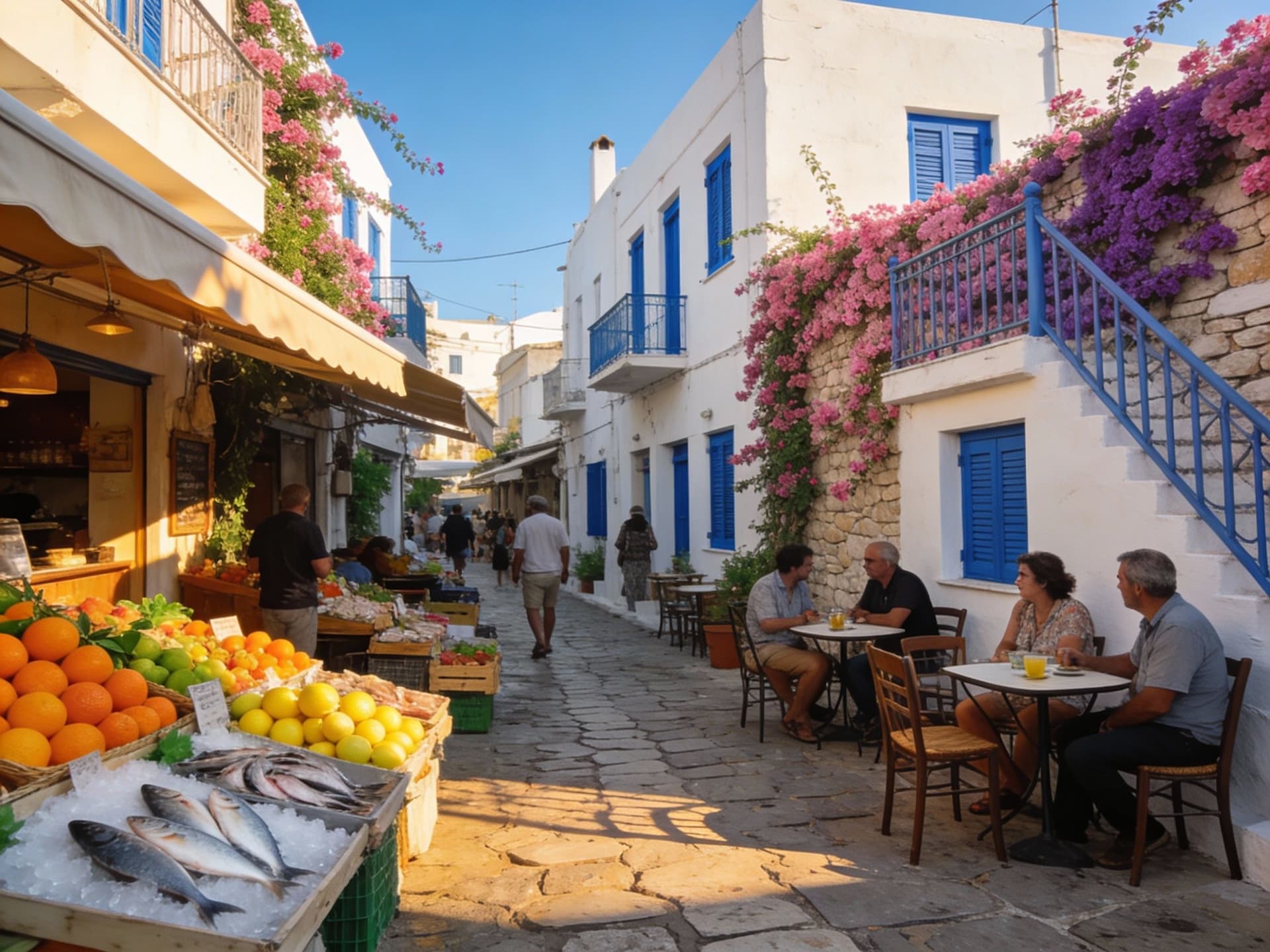
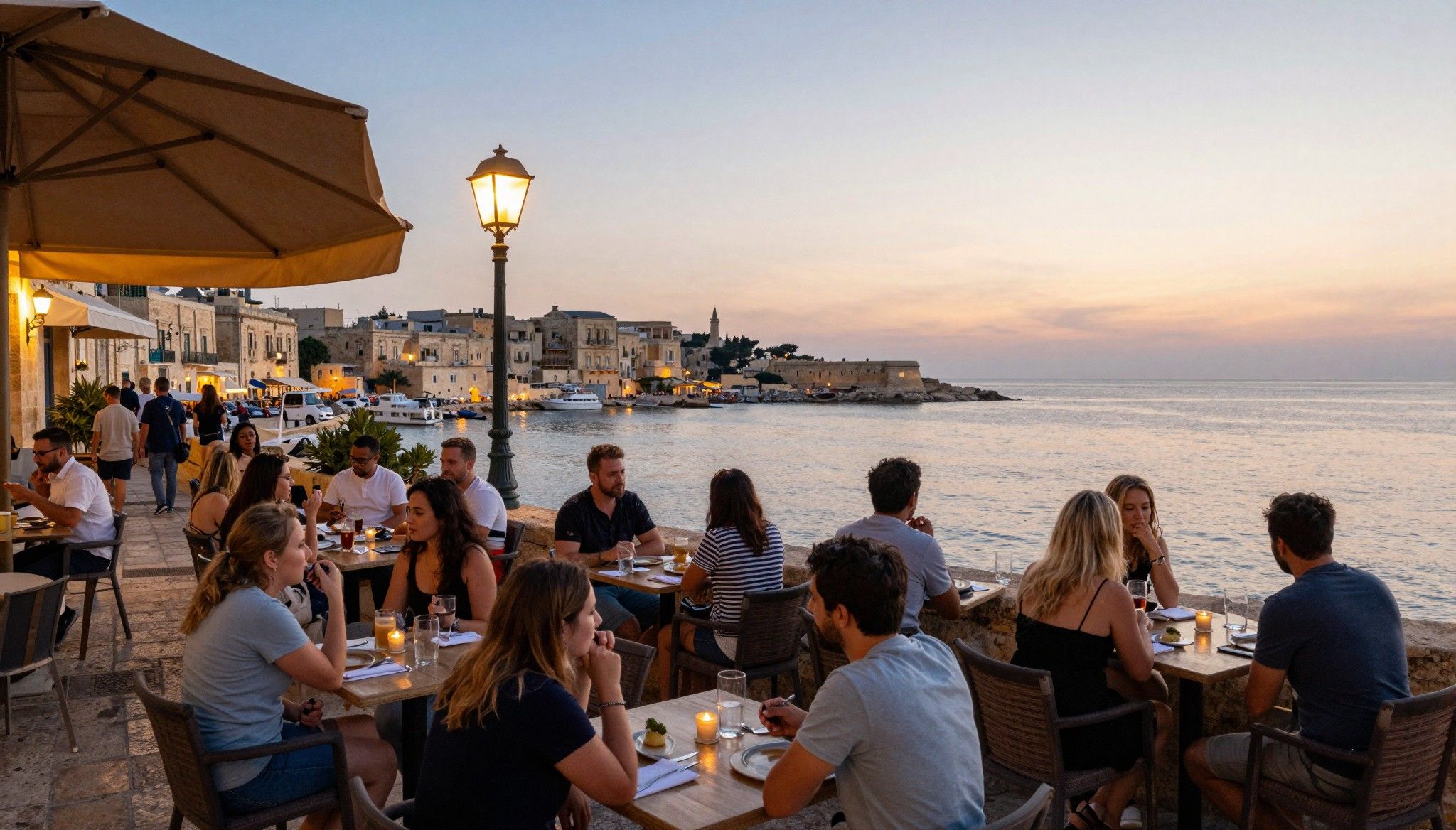
Greece is sensory: citrus and sea air, the hiss of espresso machines, church bells at midday and a late-night hum in neighbourhood squares. Athens pulses with layered history and neighbourhood-by-neighbourhood variety; islands trade solitude for social beaches and sculpted villages. For buyers, that atmosphere determines not just where you want to live but how a property will be used through the year — full‑time residence, seasonal rental, or a hybrid second-home lifestyle.
Athens & the Athenian rhythms
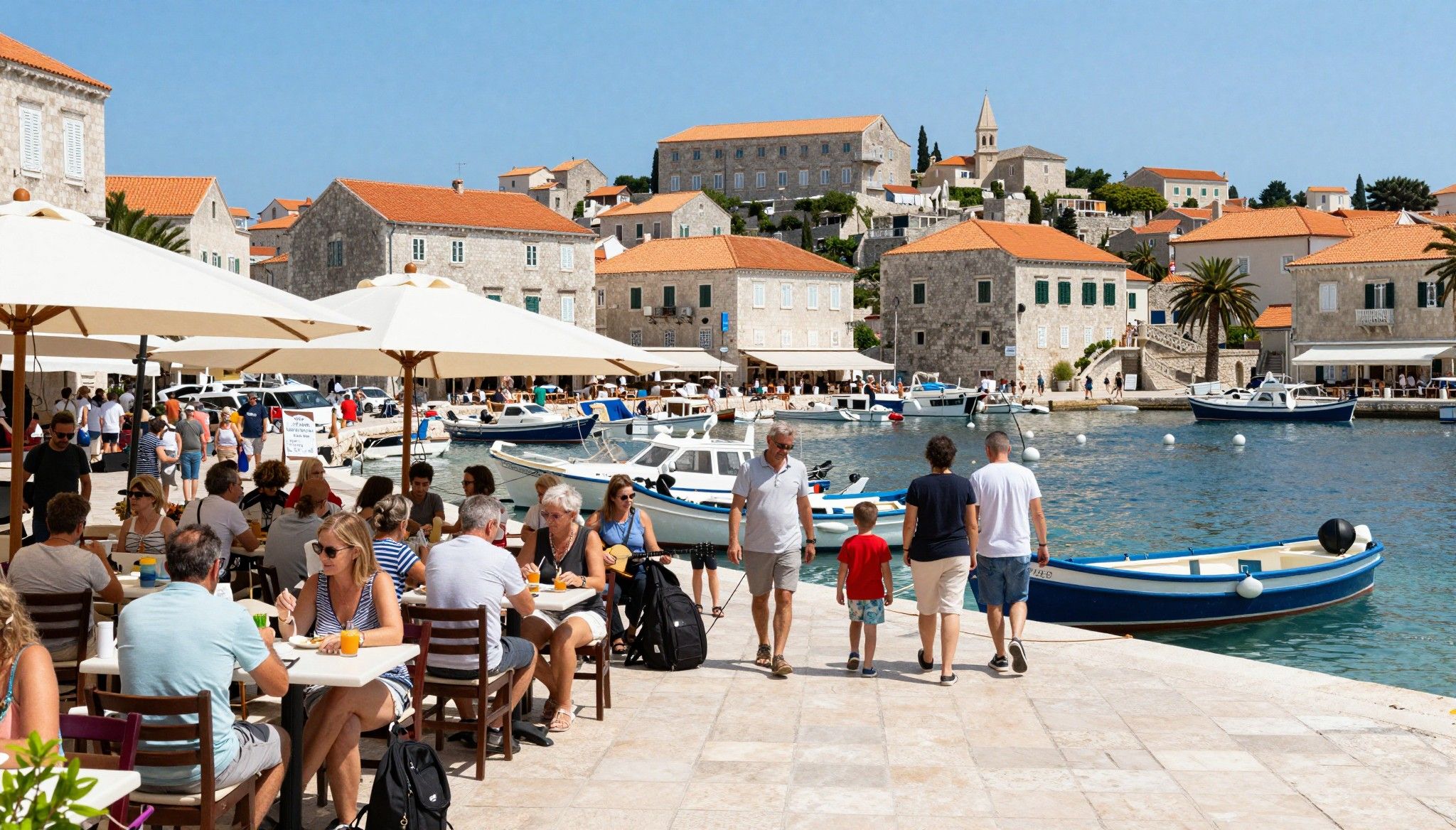
Picture morning markets in Monastiraki, espresso and bougatsa on Ermou, then late afternoons on Anafiotika’s calderas. Athens offers walkable neighbourhoods — Koukaki for quiet cafés and local life, Pangrati for bars and design shops, and Glyfada for a coastal stretch favoured by families. Each micro‑district has a different rhythm that influences resale demand and rental patterns.
Islands: the choice between slow and social
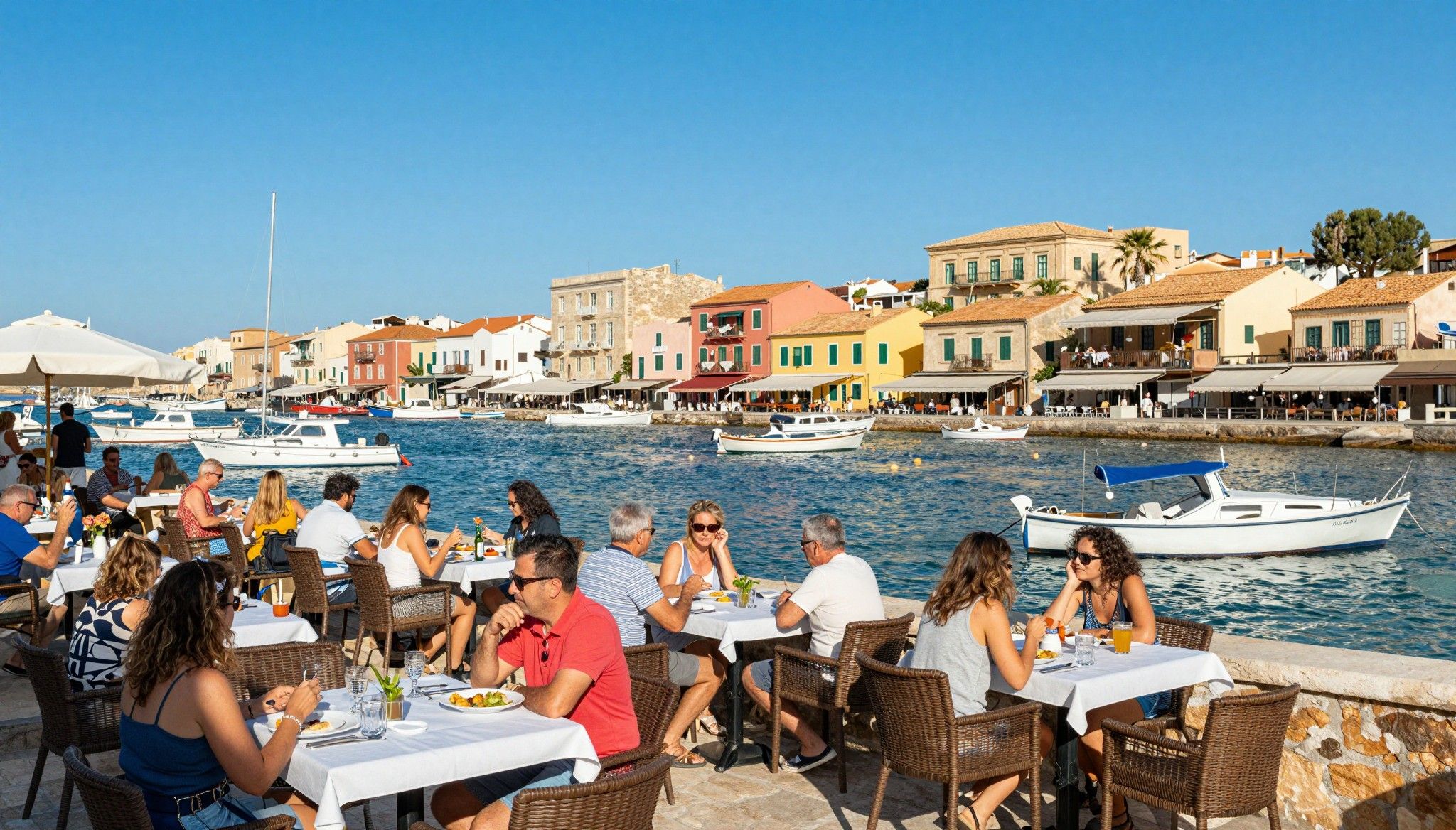
Mykonos and Santorini are headline names with premium price tags and a summer social economy; islands like Naxos, Syros or Serifos give a version of island life with lower entry prices and steadier year‑round communities. Know whether you crave festival-season vibrancy or true off‑season tranquillity — it affects maintenance, local services, and the kind of neighbours you’ll have.
Lifestyle highlights
- Morning espresso ritual at a corner kafeneio in Pangrati
- Weekday fish markets in Piraeus and Crete’s Saturday bazaars
- Late‑season swimming on less crowded Ionian beaches
- Village festivals (panigyria) with local food and music all summer
Making the move: lifestyle choices meet market reality
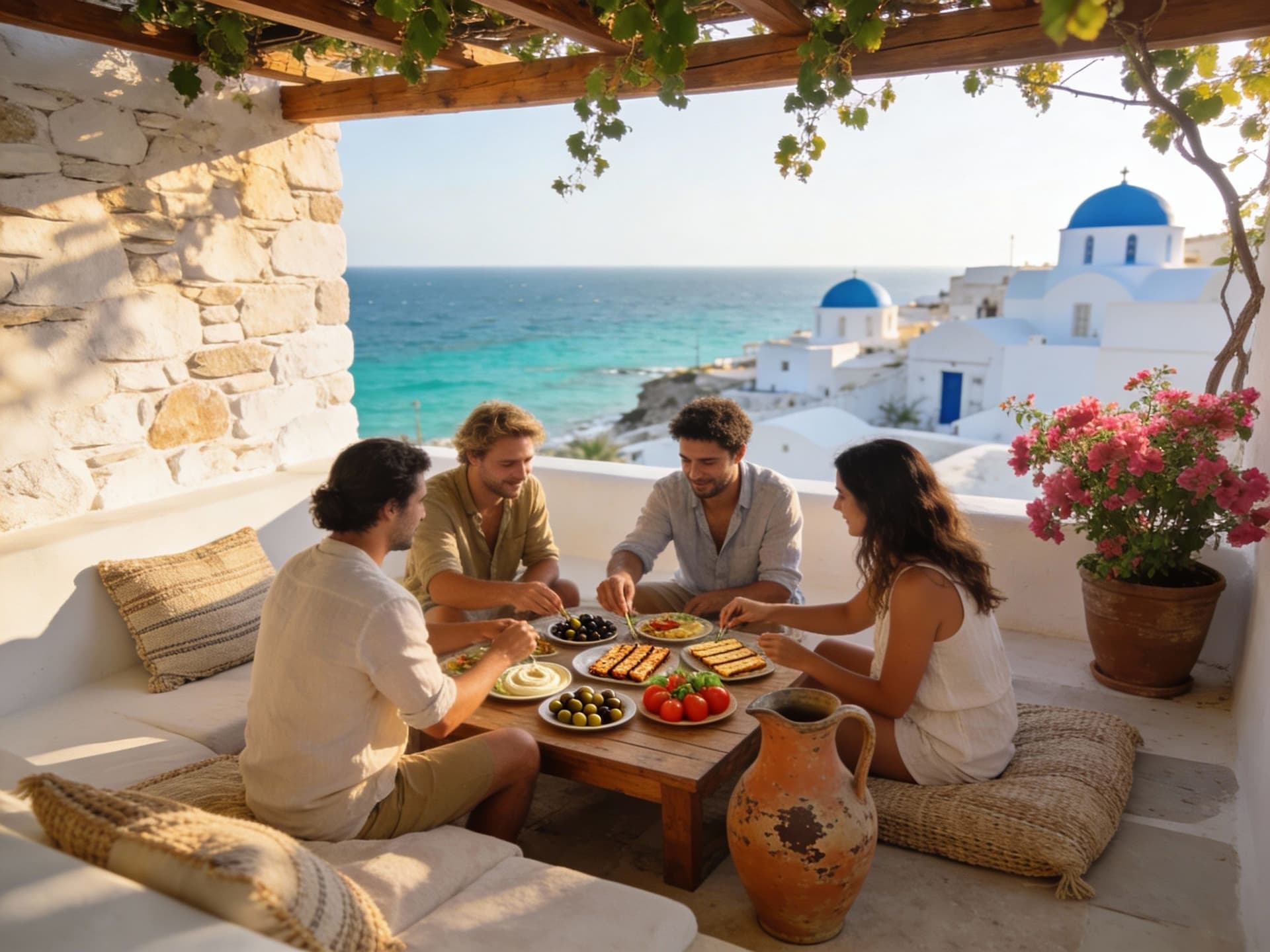
The emotion of the place should lead, but data and rules close the deal. Greece’s market has been running hard: multiple sources report consistent price growth across 2024–2025, with urban and island markets diverging on pace and liquidity. That means timing, property type and location are practical levers that shape both lifestyle outcomes and investment resilience.
Property types that match how you live
In Athens, modern apartments near metro lines support full‑time living and rentals; waterfront apartments in Glyfada or Voula suit family life with quick sea access. On islands, traditional stone houses and renovated lofts create a different daily rhythm — maintenance is higher and infrastructure seasonal, but the lifestyle payoff is distinctive.
Why local experts double as lifestyle matchmakers
A local agency doesn’t just show listings — they translate neighbourhood tempo into property features: which streets are noisy in high season, where water pressure drops in August, or which blocks host the best year‑round cafés. For international buyers, the right agent flags maintenance realities, seasonal service gaps, and hidden lifestyle costs before you sign.
- Practical steps that preserve lifestyle value
- Map daily life: visit neighbourhoods at breakfast, midday and after dinner to assess noise, shops and lighting
- Match property to use: full‑time home, seasonal retreat, or mixed rental — choose layout and services accordingly
- Check connectivity: fast internet and ferry/flight frequency matter for remote work and guest turnover
- Budget for climate-driven maintenance: coastal salt, summer humidity and winter rains affect finishes and systems
Insider knowledge: the truths expats learn the hard way
Expats often arrive with a vacation image of Greece that underestimates seasonality, local bureaucracy and community integration. The surprises that repeatedly come up are social — how neighbours expect to be greeted — and logistical — how services scale back off‑season. Successful buyers adapt to local rhythms and choose properties that support the life they actually want to live, not the postcard.
Language, community and everyday manners
A little Greek goes a long way: neighbours, bakers and local officials appreciate basic phrases and a friendly approach. Join a local panigyri or volunteer at a community olive‑harvest and you’ll be welcomed faster than with fancy renovation plans alone. That social integration also helps when small issues with utilities or permits pop up.
Residency, seasonality and legal changes to note
Greece revised its residency investment thresholds in 2024: higher minimums in high‑demand areas and tighter rules on short‑term rentals affect how investors should approach islands and city centre buys. Treat residency programs as evolving policy — they influence price dynamics and the kinds of buyers who will compete for the same properties.
- Market signals & practical red flags
- Rapid price growth in 2024–2025 (urban and island gaps) — check recent transaction volumes, not just asking prices.
- Golden Visa rules: higher thresholds in key zones and restrictions on short‑term rentals — confirm current regulations before purchase.
- Off‑season services: verify year‑round access to healthcare, ferries and maintenance if you plan longer stays.
How to make Greece your daily life (3 steps)
- Visit across seasons: spend at least one week in high season and one in low season to test infrastructure and community.
- Choose an agent who lives where you’re buying: local presence matters for off‑market finds and realistic cost projections.
- Plan for running costs: utilities, ENFIA property tax, insurance and seasonal maintenance add materially to owning costs.
If you want a home that feels lived‑in from day one, pick a neighbourhood with daily life that matches your rhythm. If you want a quiet retreat, prioritise villages and the less-travelled Ionian or northern Aegean spots. Either way, combine lifestyle scouting with trusted local data and legal advice.
Data sources we used include the Bank of Greece and national market reports showing solid price growth in 2024–2025, and official updates to residency thresholds that took effect in late 2024. These shape both opportunity and caution for international buyers: more competition in headline islands, but clearer incentives for urban and heritage investments.
Ready to turn the feeling into a plan? Start by short‑listing two different neighbourhood rhythms (one urban, one island or coastal), book season‑spanning visits, and work with an on‑the‑ground agent who can compare real transaction data and explain localized costs. That combination — sensory scouting plus rigorous local intel — is how you buy a life in Greece, not just a property.
Norwegian market analyst who relocated to Mallorca in 2020. Focuses on data-driven market insights and smooth relocation for international buyers.