Greece: The Off‑Season Advantage and Golden Visa Reality
Greece’s appeal is year-round; match neighbourhood rhythms to policy shifts and seasonality to buy a home that lives like a life, not a summer investment.
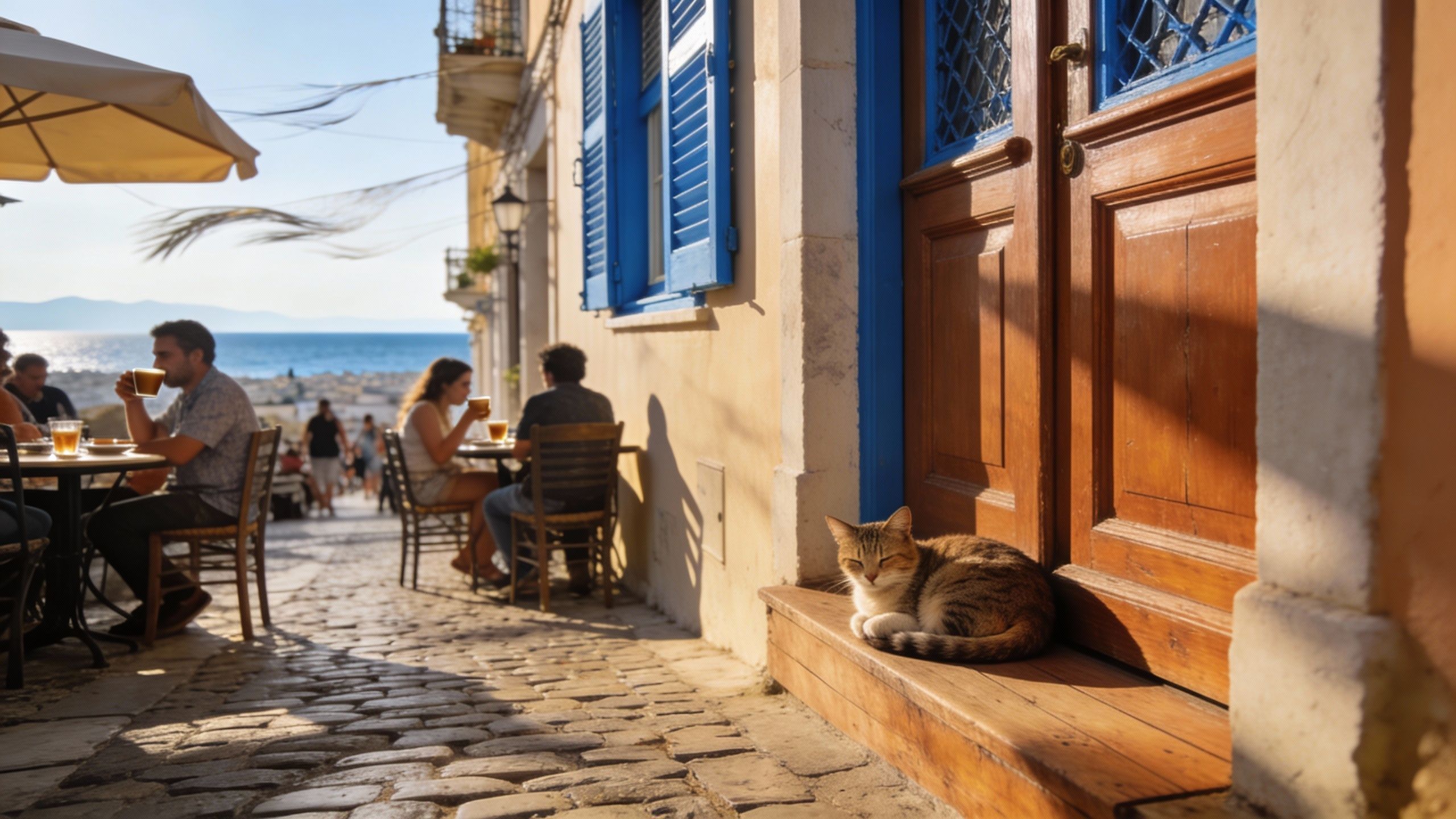
Imagine waking to a sea-salted breeze, breakfasting on koulouri near a sunlit taverna, then walking to a local market where the fisher knows your name. That's Greece in everyday episodes — islands that feel like small towns, Athens neighbourhoods that shift from the clatter of morning cafés to quiet courtyards by dusk. For international buyers this is more than a holiday fantasy: it’s a set of living rhythms that determine what kind of property works and when to buy.
Living the Greece lifestyle
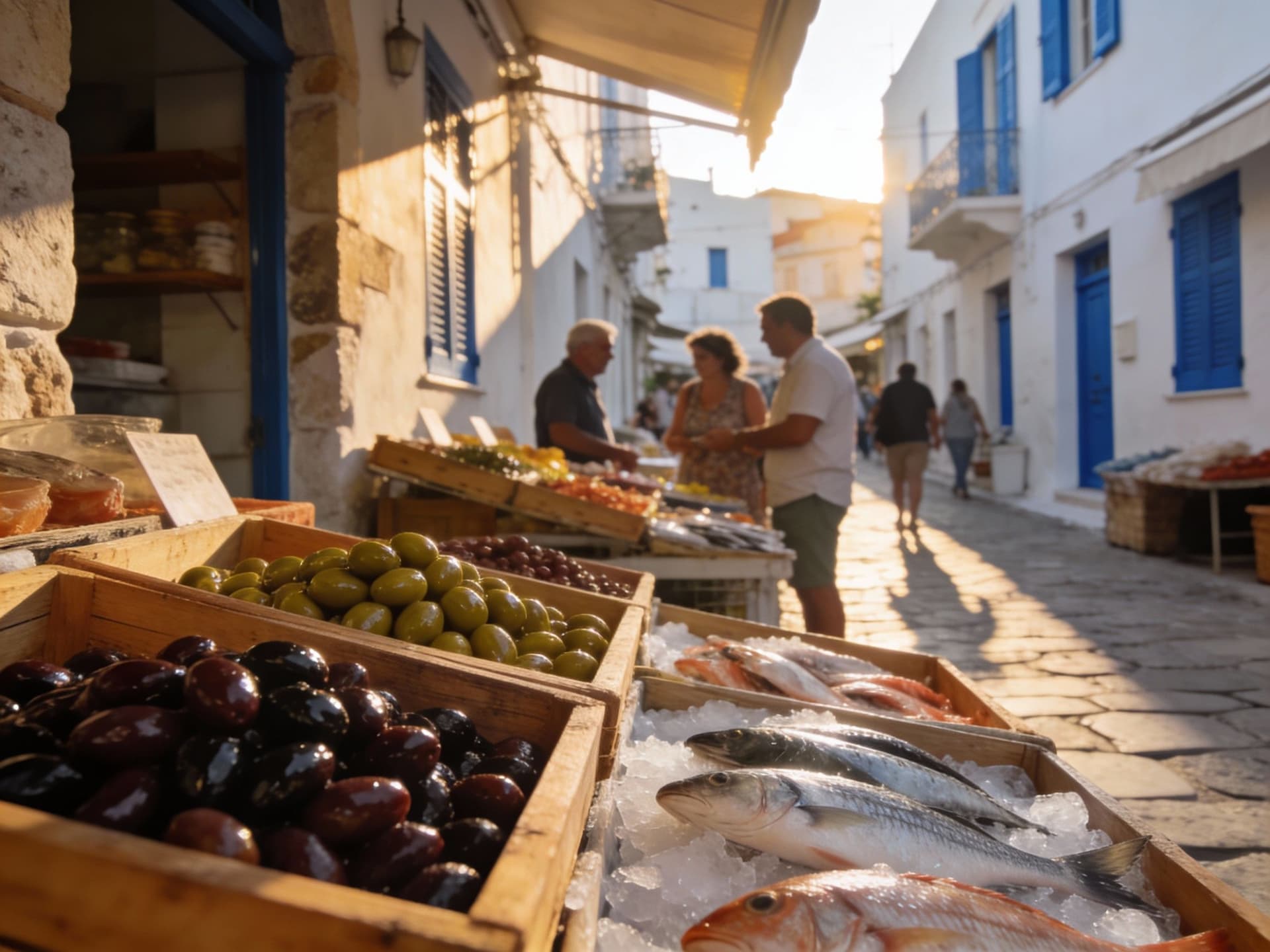
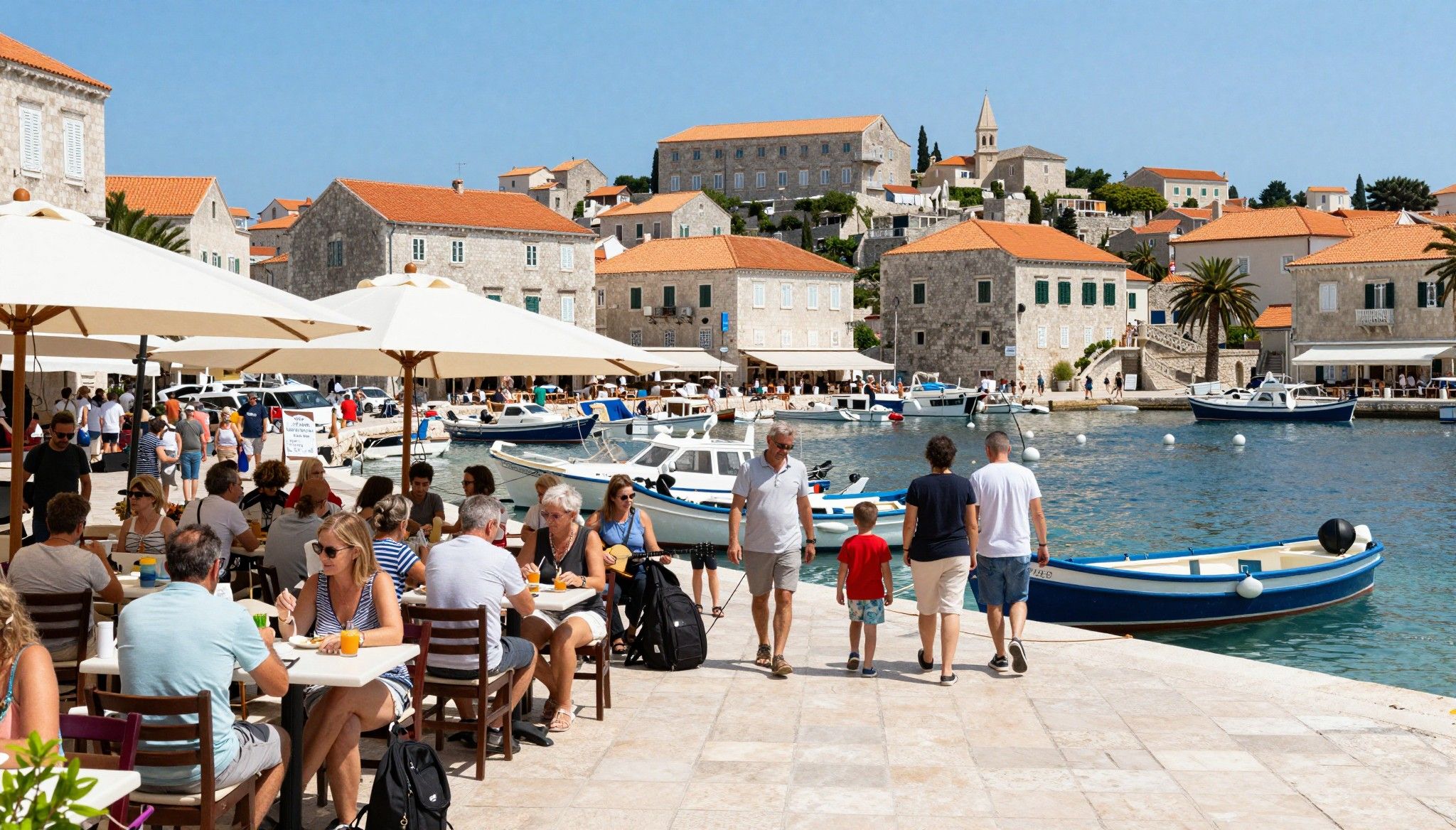
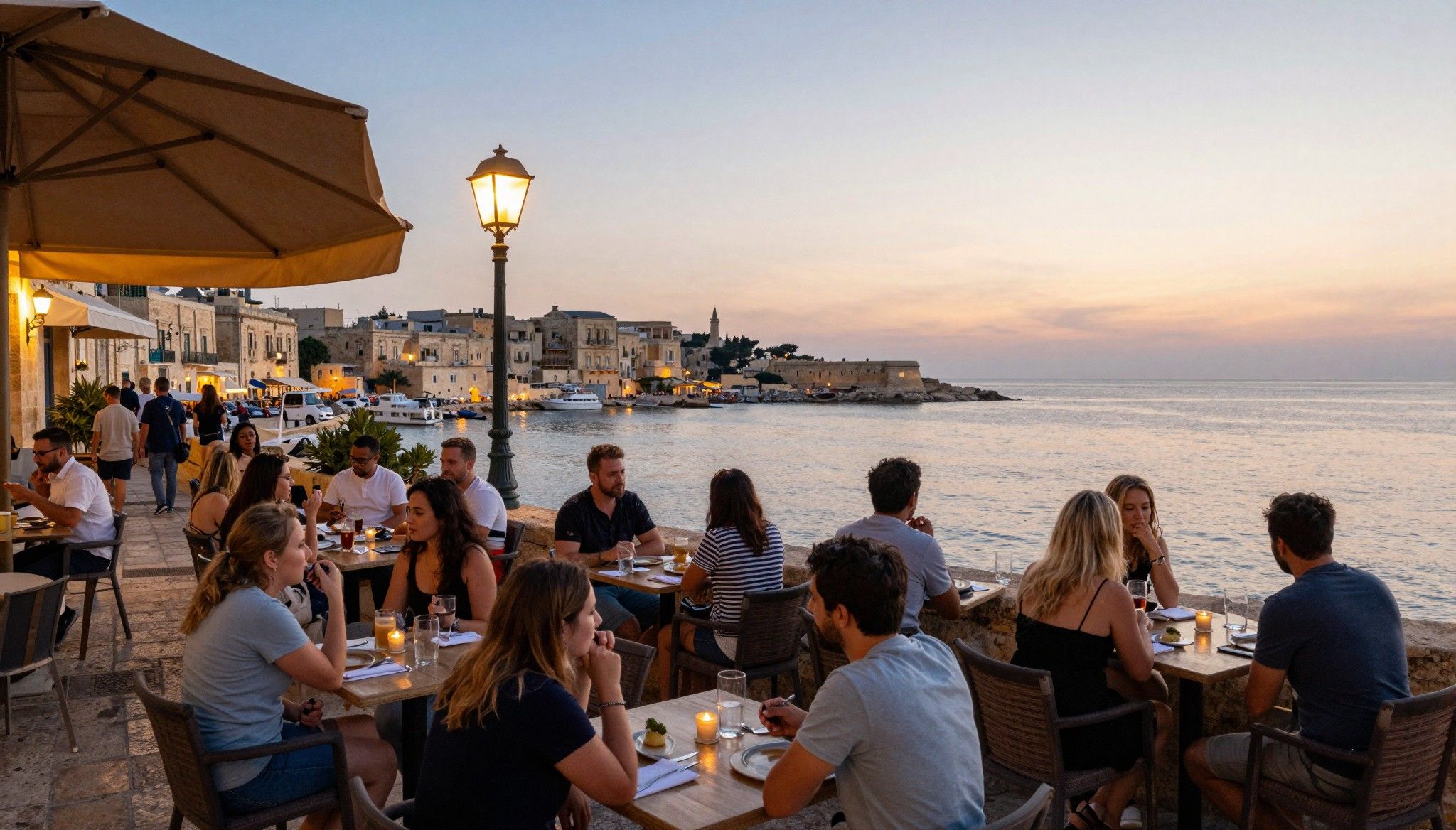
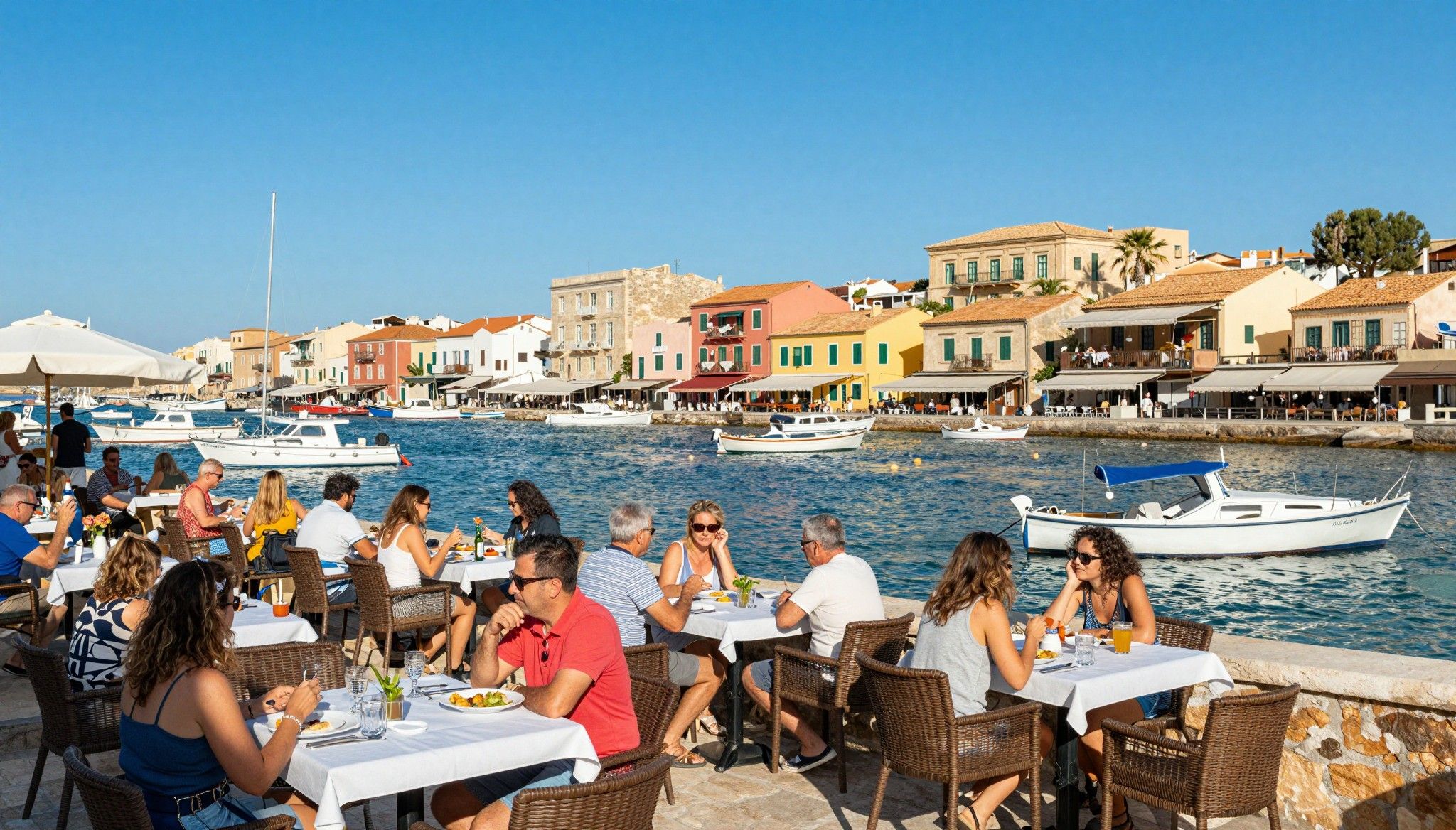
Daily life in Greece is paced by markets, sea and season. In Athens you’ll hear espresso machines at 08:00 and bouzouki at 22:00; in Chania or Nafplio mornings mean bakeries filling streets with warm bread and afternoons drift toward beaches. The growing off-season tourism (more international arrivals outside summer) means towns feel more liveable year-round — a crucial consideration if you plan to live here beyond summer months. Local rhythms shape property needs: balconies and shutters for hot summers, compact central flats for urban life, and larger terraces for island entertaining.
Athens neighbourhoods: city life with a coastal heartbeat
Walk Koukaki and you’ll find pavement cafés, second‑hand bookshops and neighbors who chat in squares; head to Glyfada and the sightlines tilt to the sea with marina bars and late-night dining. Plaka is tourist-dense but delivers historic character; Kifisia offers leafy, quiet streets and a weekend market culture that suits families. Choosing between them is less about price per square metre and more about how you want to live: morning coffee in a square, or sunset walks along an esplanade.
Islands and smaller cities: lived-in character vs. seasonal rhythm
On islands like Naxos or Corfu, mornings are market-driven and afternoons are for the sea; Santorini and Mykonos trade everyday life for high-season intensity and correspondingly higher prices. Mainland towns such as Chania (Crete) and Nafplio feel more balanced throughout the year, offering cafés, cultural events and year-round services. Price is a signal: high-cost islands bring short, exuberant summers and quieter winters — pick according to whether you crave a seasonal social calendar or steady community life.
- Markets, beaches and small pleasures to seek out
- Syntagma and Monastiraki flea markets (Athens) — morning ritual and antiques hunting
- Agios Nikolaos fish market (Crete) — buy and learn recipes from local vendors
- Elafonisi and Balos beaches (Crete) — half-day escapes that shape weekend life
- Koukaki cafés and pedestrian streets — the rhythm of urban community
Making the move: lifestyle-informed practicalities
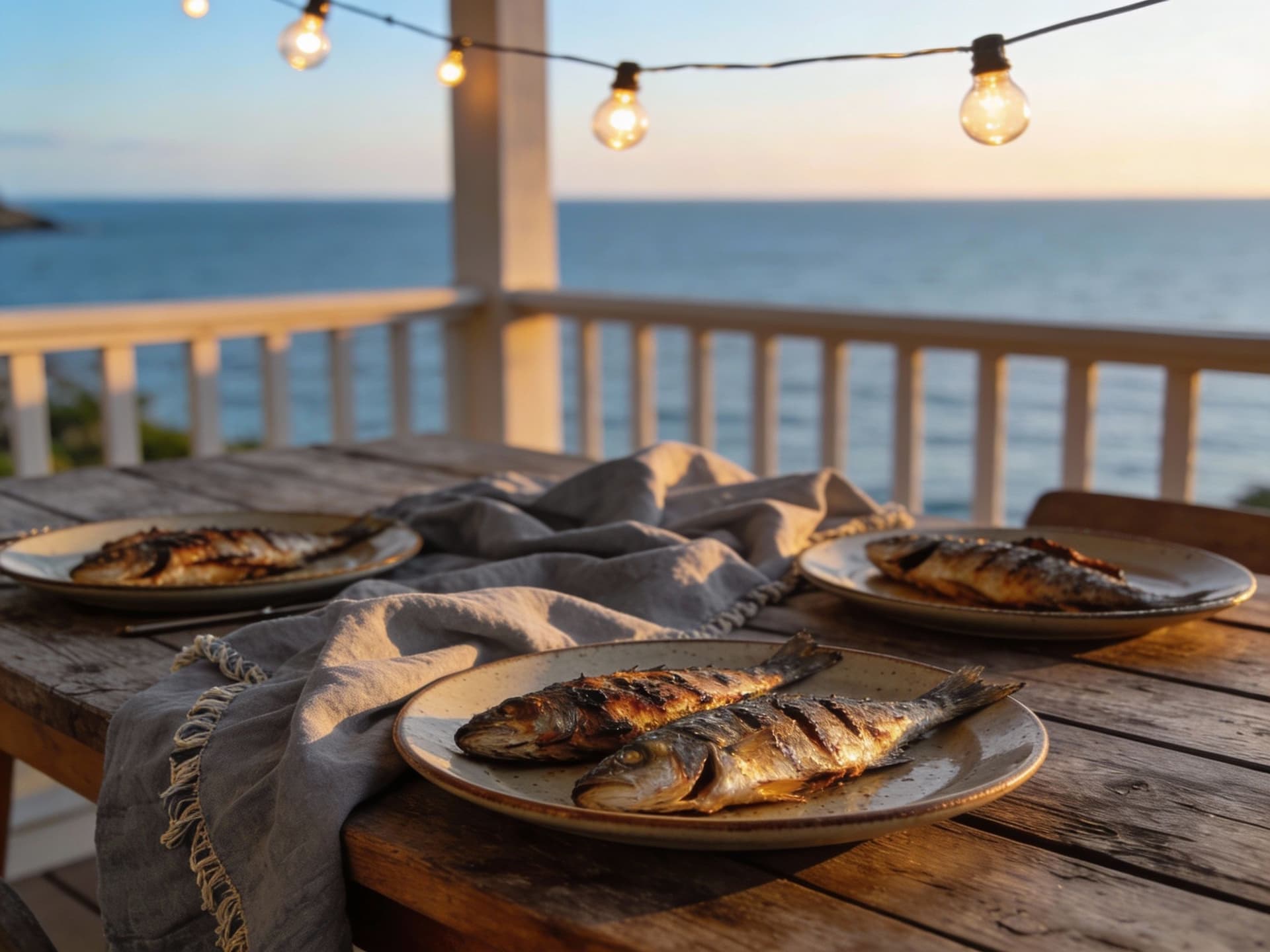
Translating lifestyle into a property purchase means matching daily routines to building type and location. Greece saw roughly a 6–7% national price rise in 2024 driven by constrained supply and strong demand, so timing, area selection and the right local agent matter. Think beyond square metres: consider broadband for remote work, winter heating needs, accessibility in low-season, and whether the property can legally be used as you expect — for example, short-term rentals face new taxes and restrictions.
Property styles and what they actually feel like
Neo-classical flats in central Athens give you courtyard life and walkable services but smaller interiors; newer builds near the sea offer terraces and parking at the cost of longer commutes. On islands, look for properties with cisterns, shaded terraces and insulation suited to hot summers; in northern towns choose double glazing and efficient heating. A practical inspection should check sun orientation, water pressure, and the condition of shutters and terraces — elements that determine comfort more than cosmetic finishes.
Work with experts who know the lived reality
Good local agents do more than show properties — they map neighbourhood daily life, advise on seasonal rental demand and explain recent legal shifts like Golden Visa thresholds and short-term rental rules. Greece raised investment thresholds for high-demand areas and tightened rules in 2024–25, so agencies that track policy and municipal zoning save you costly surprises. Use agents to verify utility permits, rental licensing and island-specific rules that often differ from mainland practice.
- Steps to align lifestyle with purchase
- Spend at least a week living like a local in your chosen neighbourhood before making an offer.
- Ask agents for utility bills and occupancy data to see off-season realities, not just summer peaks.
- Confirm Golden Visa or residency rules with a local immigration lawyer if residency is a motive.
- Factor in new tourism levies and short-term rental taxes when modelling yields and running costs.
Insider knowledge: what expats wish they'd known
Here’s the real talk: Greeks value community ties and predictable seasonality; buy with that social geography in mind. Many expats initially underestimate off-season service reductions — ferries run less often, and some restaurants close from November to March. Others overestimate rental yields on popular islands because they model returns only on peak months rather than averaged annual occupancy. Knowing the rhythm means choosing a place you’ll happily inhabit in January as well as July.
Language, integration and day-to-day logistics
Basic Greek goes a long way — shopkeepers, municipal offices and neighbours appreciate the effort even when English is common in tourist zones. Enrol in a local cooking class or join a beach clean to meet neighbours; these networks are how you learn unofficial rules like where to park or when markets run. For families, check school options early; international schools cluster in Athens and Thessaloniki, while smaller towns often require private tutoring or bilingual solutions.
How life evolves after you buy
After purchase, your priorities often shift from legal checks to lifestyle optimisation: building relationships with local tradespeople, registering with your municipality, and adapting spaces for year-round use. Policy changes to residency and taxes have made long-term commitment more important; properties bought for lifestyle tend to fare better financially than those purchased solely for speculative short-term rental returns. Expect a learning curve — but also a gradual increase in belonging as you shop at the same deli and join local celebrations.
- Red flags to watch for when an agent shows a property
- No evidence of regular water pressure or recent plumbing works — island properties can hide major costs.
- Ambiguous paperwork on terraces or access rights — these affect enjoyment and resale.
- Agent reluctance to share recent utility bills, occupancy or running-cost history.
- Promises of guaranteed high yields based only on summer months.
Conclusion: live-first, buy-second — with local expertise
Fall in love with Greece’s everyday scenes first — markets, neighbourhood cafés, and winter festivals — then use data and local advisers to translate that affection into the right property choice. Recent market reports show steady price growth and policy adjustments that favour long-term, community-minded investors. If you want a place that feels lived-in in January as well as July, book a week in the neighbourhood, ask for documented running costs, and work with an agent who explains local life as clearly as they explain contracts.
Norwegian market analyst who relocated to Mallorca in 2020. Focuses on data-driven market insights and smooth relocation for international buyers.