How Italy’s short‑let rules reshape where to buy
Italy’s lifestyle beats headlines — but recent short‑stay tax and rental rules reshape which neighbourhoods make sense for living and investment.
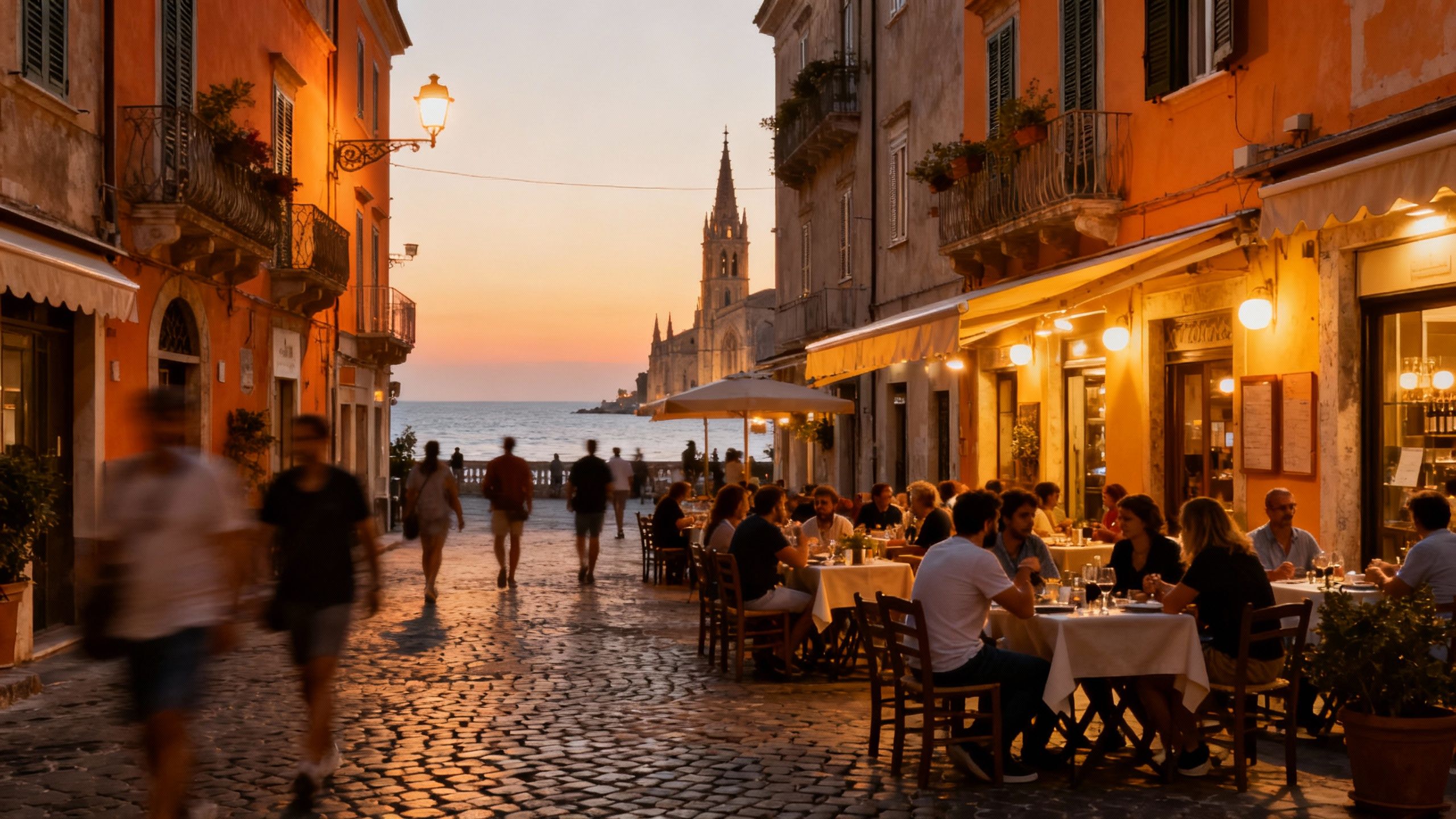
Imagine waking up to the clatter of a nearby mercato, espresso steam rising from a corner bar on Via Garibaldi, and the sea-salt air if you’re near Liguria. That morning scene is Italy — a patchwork of neighbourhood rhythms where food, ritual and architecture shape daily life. For international buyers, the romance arrives first; the fine print follows. Recent policy shifts around short-term rentals and local tourist rules now change where lifestyle and returns line up, so knowing which streets keep their soul — and which become tourist-stage sets — matters.
Living the Italian lifestyle: more than views
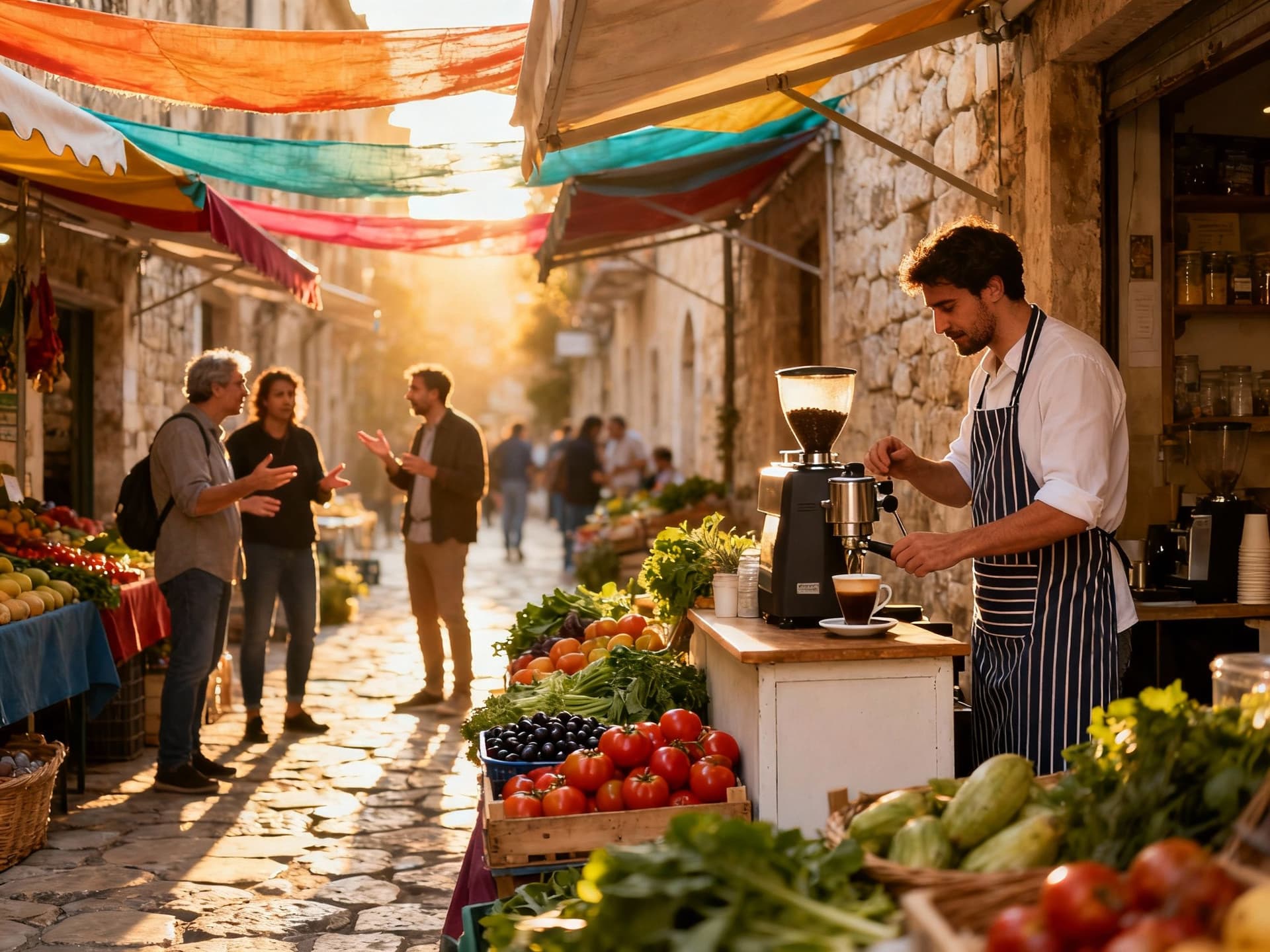
Italy isn’t a single life; it’s many lives on a small stage — fisherman mornings in Genoa, aperitivo hours in Milan’s Navigli, late suppers in Trastevere. Streets are the living rooms: neighbourhood bakeries, open-air markets, piazzas where conversation lasts longer than coffee. These daily rituals shape where you want to live: narrow historical lanes deliver intimacy and character, while seaside promenades promise slow summers and salt-scented Saturday markets. Understanding the rhythm — not only the view — is what makes a property feel like home.
Oltrarno, Trastevere, Navigli: examples that matter
Take Florence’s Oltrarno: workshops, quieter streets and artisans mean larger interiors and a community anchored by craft. Trastevere in Rome offers cobbled nightlife and dense social life — great if you want immediate neighbourhood energy but trickier for long-term quiet. Milan’s Navigli blends canalside cafés and creative offices, ideal for remote workers who want urban services alongside convivial evenings. Each name speaks to a lifestyle: choose the rhythm you want first, then the apartment that supports it.
Food, markets and the tempo of the week
Picture buying vegetables from Mercato Centrale on Saturday, a weekday espresso at the same bar every morning, and dinner at a trattoria where the owner knows your name by the second month. Italy’s market culture not only feeds you but organizes your week around deliveries, festivals and religious feasts. This calendar affects property choices: proximity to a market or a weekly piazza can add months of lived convenience and happiness, especially if you plan to live there full-time.
- Lifestyle highlights to scout on visits
• Morning market (example: Mercato di Ballarò, Palermo) and local butcher/cheese shops • A regular coffee bar where owners know patrons by name • Weeknight restaurants with neighbourhood menus (not tourist trap lists) • Public green space within a 10-minute walk for weekend routines • Local cultural clubs or small theatres that keep community life active
Making the move: practical realities tied to lifestyle
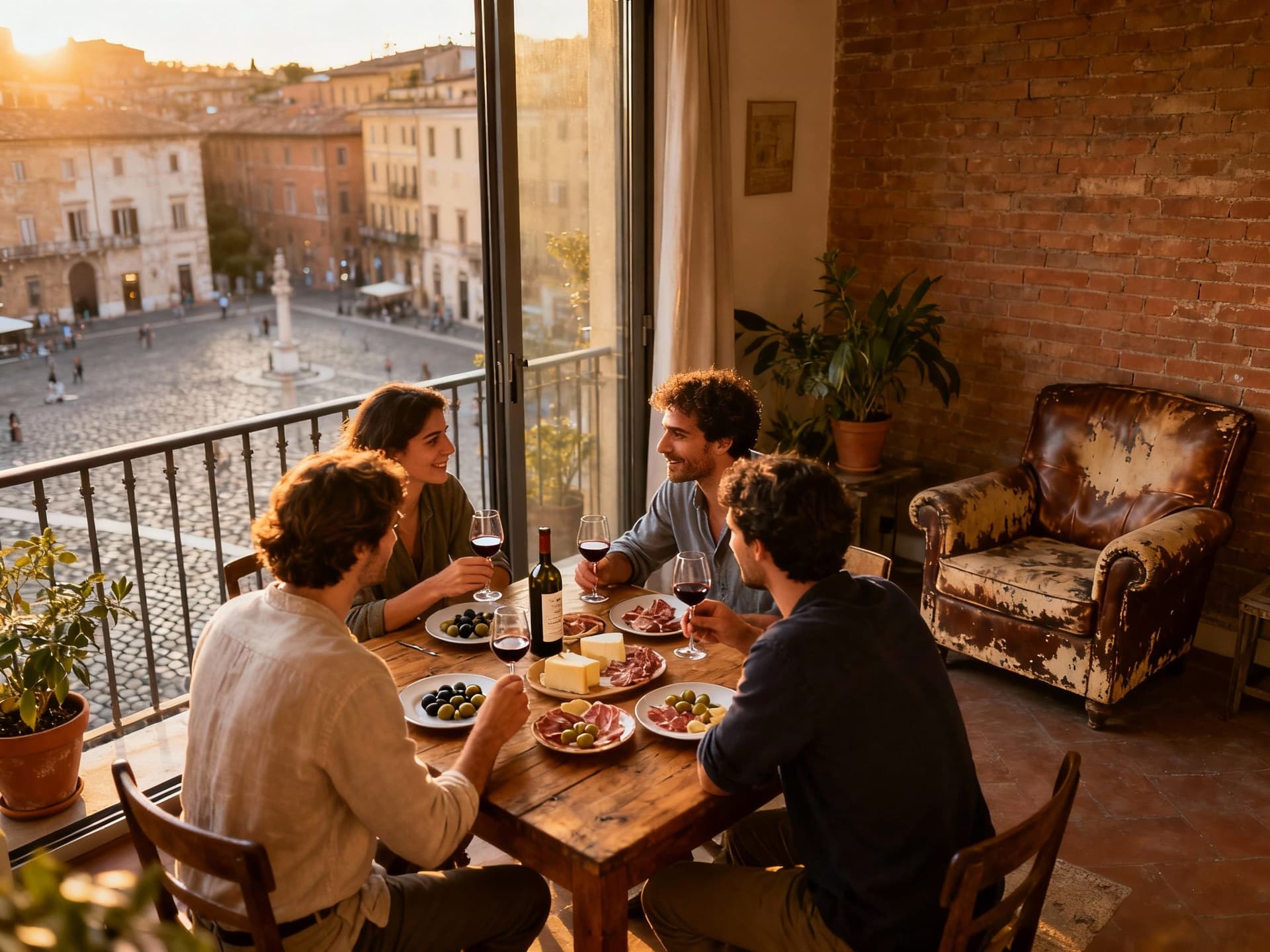
Lifestyle choices intersect with tax and regulation: cities tightening short-stay rules or changing cedolare secca rates reshape where renting makes sense. Recent national and municipal updates (including shifts in the flat-tax regimes and registration duties) mean a seaside apartment that once delivered easy seasonal income may now face higher withholding or different classification if listed via an intermediary. Before you fall for terrazza views, check how local rules treat short lets — the financials can flip a neighbourhood from opportunity to regulatory headache.
Property types and how they support the life you want
A historic centro apartment delivers charm and walkability but usually smaller rooms and higher renovation complexity. A Ligurian townhouse often provides terraces and sea access but requires attention to damp, insulation and coastal maintenance. New-builds on city edges buy space and modern systems but trade distance from piazza culture. Match property form to routine: if weekly markets and evening passeggiata matter, prioritise centrality and a kitchen you’ll use; if summer outdoor life is essential, prioritise terraces, shutters and durable finishes.
Working with local experts who understand both lifestyle and law
A good local agent does more than show apartments: they explain municipal quirks (tourist tax bands, SCIA registration, Alloggiati web obligations), practical renovation realities, and which streets retain resident communities. Lawyers and accountants fluent in Italian property tax and rental law are essential, especially with rising penalties for non-compliance. Use agencies that can produce comparable rental yields, recent transaction examples in the same street, and introductions to local craftsmen and property managers — that network converts aspiration into daily life.
- Steps to align lifestyle with solid purchasing choices
1. Visit outside peak season to feel weekday rhythm and noise levels. 2. Check municipal rules for short-term lets and tourist taxes where you want to buy. 3. Ask your agent for three comparable recent sales on the same street. 4. Factor in renovation timelines — historical façades often need permits and specialist contractors. 5. Confirm utility classifications (residential vs tourist) for long-term living and tax treatment.
Insider knowledge: what expats wish they’d known
Expat stories repeat common themes: the language gap matters less than the social rhythms, but neighborhood reputation can mislead. Areas touted as "up-and-coming" may lack everyday services; conversely, streets locals avoid because of tourist footfall often have the most authentic trattorie at dawn. Seasonal shifts are pronounced — coastal towns empty in winter, which is when you hear real community life. Treat visits as reconnaissance: one-week holidays show the tourist surface; two-week stays reveal the resident core.
Integration, language and community
Learning basic Italian pays in practical ways: grocery bargaining, knowing waste collection days, and arranging local services. Local associations — neighbourhood committees, volunteer cultural groups, or parish activities — are where lasting friendships form. For families, proximity to schools and pediatricians trumps glamorous facades; for remote workers, reliable broadband and a nearby café with stable Wi‑Fi become routine priorities. Seek neighborhoods that match your daily life, not just your photo aesthetic.
Long-term lifestyle and value: what changes after year one
After a year you’ll notice which streets keep their families and which rotate short-term visitors. Stability often correlates with small, independent shops, local schools and accessible services. Where municipalities apply stricter tourist rules, resident life tends to return and long-term rental demand increases, improving community feel but sometimes reducing tourist revenue. Think five years ahead: neighbourhoods that nurture daily life sustainably hold both lifestyle satisfaction and steady value.
Practical takeaway: fall in love with a street, not a headline. Check local short‑let rules and tax treatment before you make an offer; they can materially change expected income and community character. Work with agents who can show street-level comparables, municipal rules, and real renovation timelines. Start with lifestyle priorities — markets, cafes, transport — then overlay the regulatory and financial map to choose a property that will feel like home and stand up to reality.
If you’re ready to explore Italy seriously, schedule visits in shoulder seasons, request recent sales on the exact street you love, and ask agents to run a local rule checklist (tourist tax level, SCIA requirements, condo rules). Agencies are there to translate neighbourhood life into practical buying steps; the right one turns a dreamy piazza scene into an address you can live in and manage. Italy’s everyday charms remain real — pair them with due diligence and you’ll find a property that matches both lifestyle and long-term sense.
British investor turned advisor after buying in Costa del Sol since 2012. Specializes in cross-border compliance and data-driven investment strategies for UK buyers.