Italy: Street & Sea — Lifestyle That Shapes Value
Italy’s lifestyle sells the property — but recent 2025 data show regional price gaps and rising demand; match your neighbourhood rhythm to the right property and due diligence.
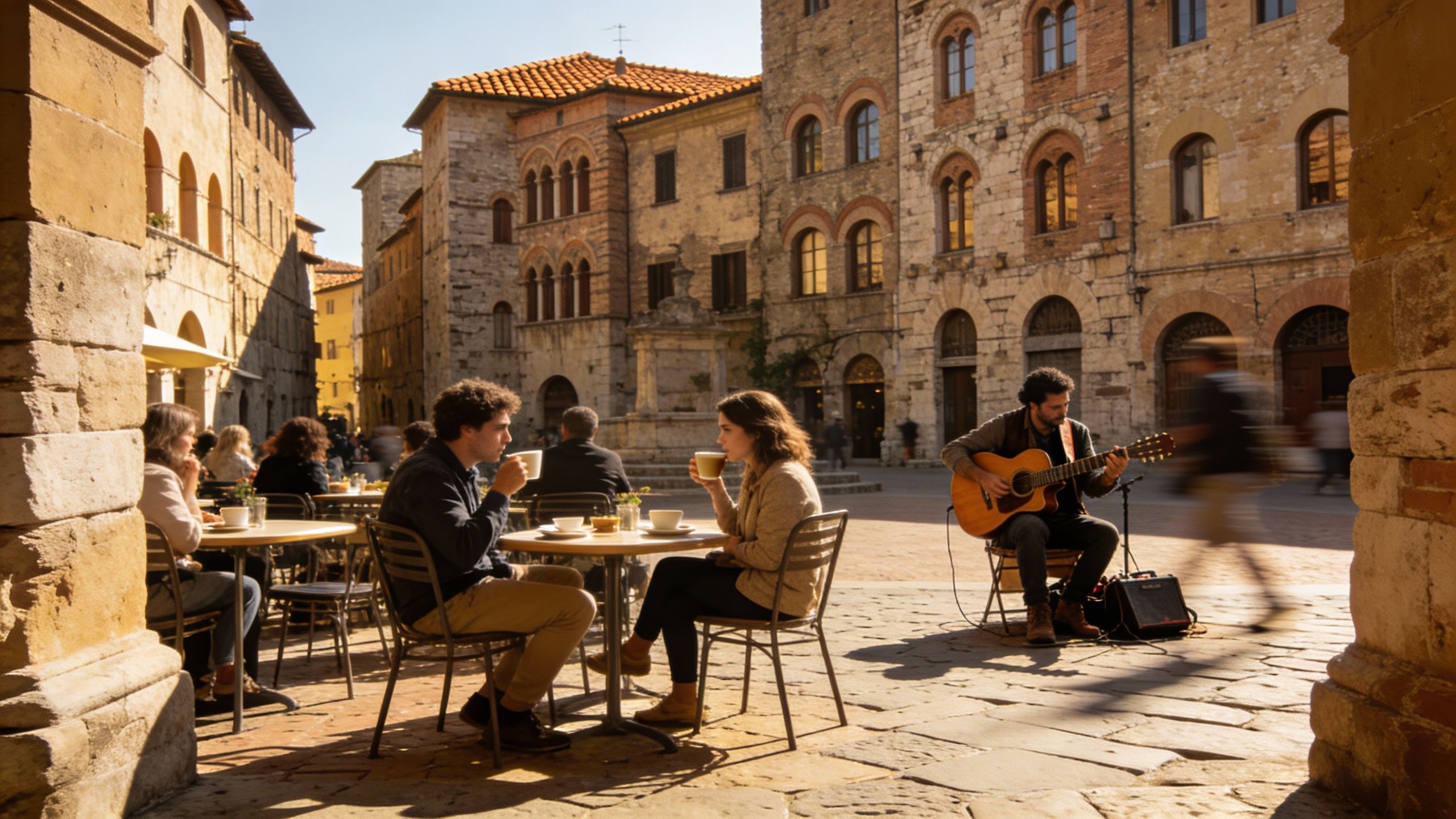
Imagine sipping a macchiato at a sunlit table on Via del Governo Vecchio in Rome, then hopping the train to a weekend market in Lucca or a cliffside lunch in Positano. Italy isn’t one uniform dream — it’s a collection of daily rituals: morning espresso, late afternoon passeggiata, and food that shapes the calendar. For international buyers, that rhythm is the real purchase: a way of life you can move into. But lifestyle and contracts must coexist — this piece pairs place‑forward storytelling with the market facts you need to act with confidence.
Living the Italian Life — Street by Street

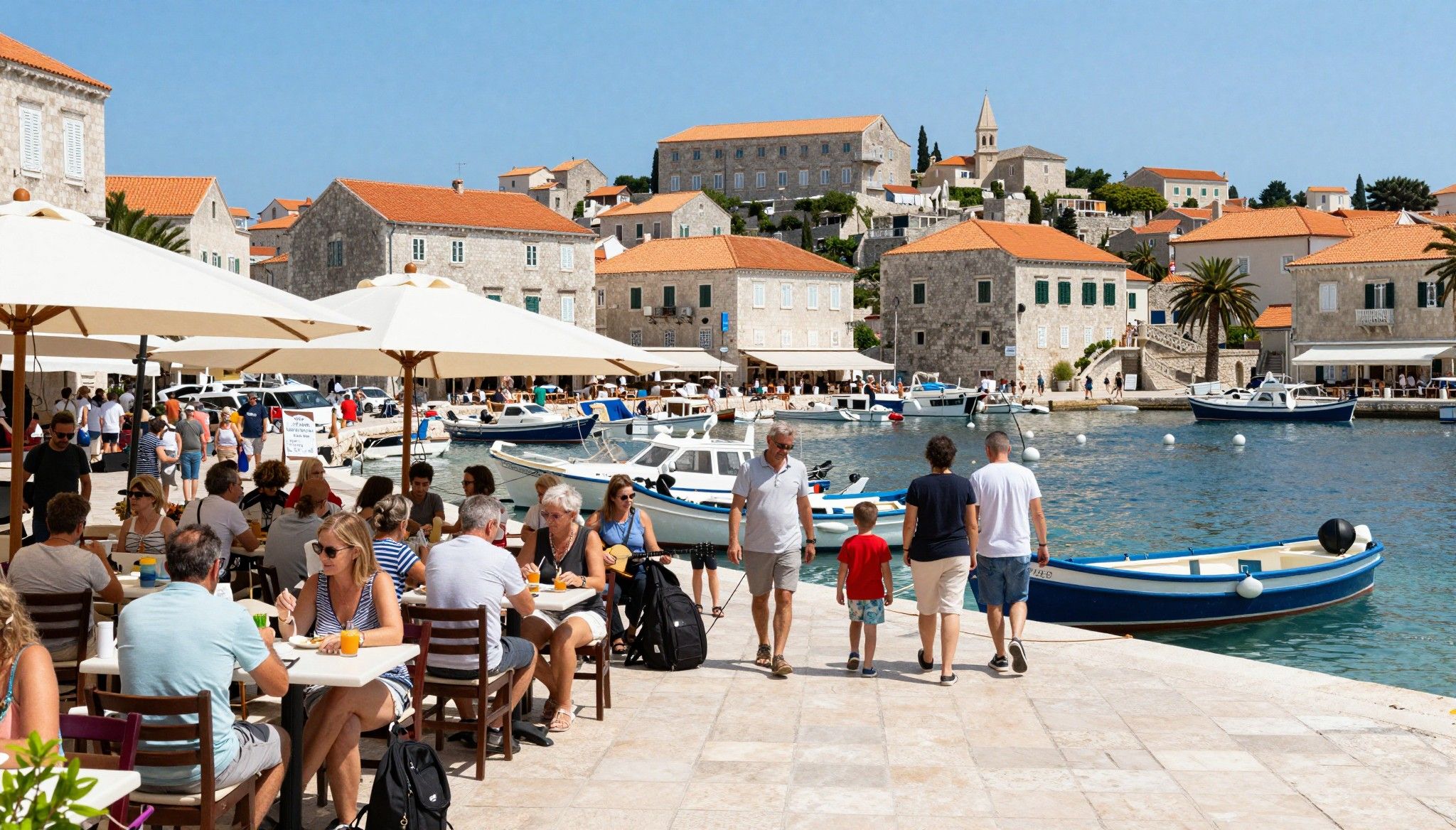
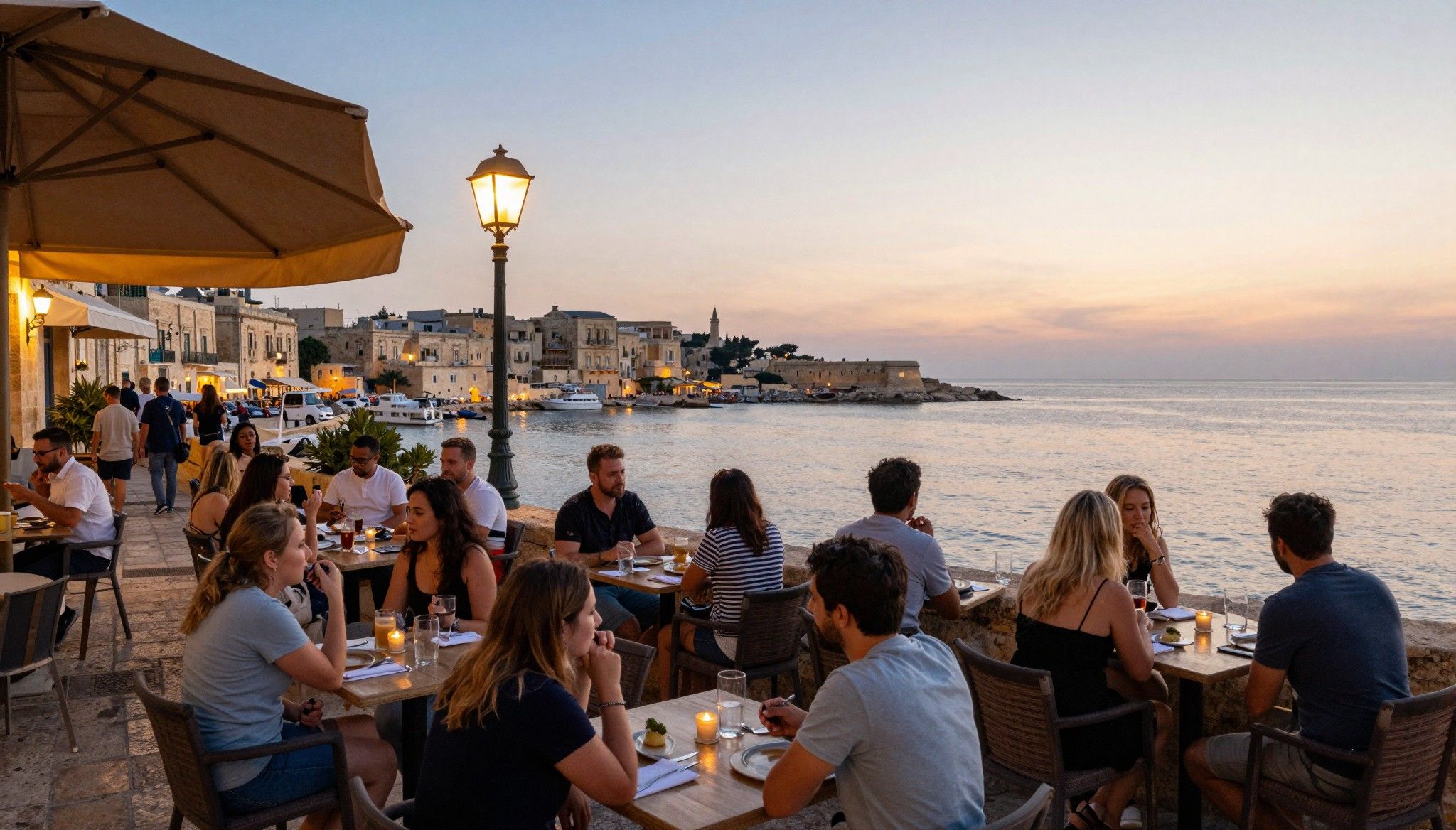
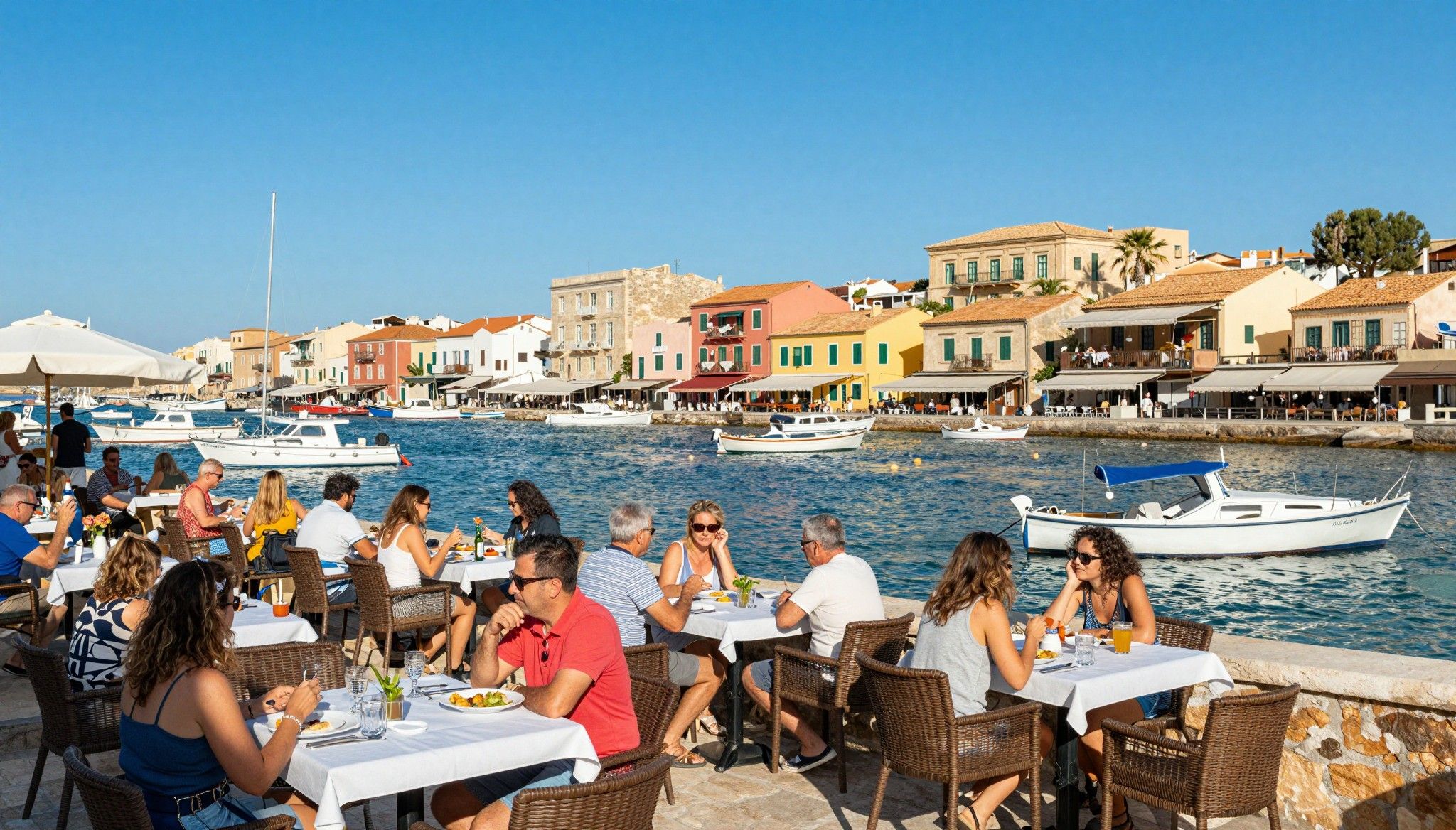
Living in Italy is sensory and slow in the best ways. In central Florence you hear church bells and see artisans repairing leather goods on side streets; in Milan you trade quiet piazzas for curated cocktail bars and fast trains. Coastal towns such as Camogli and Sorrento fold seafood, light, and salt air into everyday routines; in Puglia, long lunches stretch across sun-baked courtyards. Each place signals how you’ll spend mornings, evenings and weekends — and which property type will fit that life.
Neighborhood spotlight: Rome — Trastevere, Prati, and Monti
Trastevere still feels like a village inside a capital: cobbled lanes, tiny bakeries, and terraces where the conversation lasts long after the aperitivo. Monti appeals if you want a curated mix of independent shops and restored palazzi. Prati, adjacent to the Vatican, is residential and well-served for international families — straight avenues, morning markets on Via Cola di Rienzo, and short Metro rides to central museums.
Coast and countryside: Amalfi Coast vs Puglia vs Lake Como
The Amalfi Coast is cinematic: vertical towns, steep staircases and cliffside terraces — a lifestyle for those who prize dramatic scenery and seasonal tourism. Puglia’s trulli, olive groves and slow pace reward buyers seeking space and value; towns like Ostuni and Monopoli combine local life with rising demand. Lake Como and the Italian Lakes mix alpine air with luxury services; expect high prices and strong second‑home markets around towns such as Bellagio and Menaggio.
- Lifestyle highlights to map into a property search: - Morning espresso on Via Condotti (Rome) or a pastry at Pasticceria Marchesi (Milan) - Weekly market in Mercato Centrale (Florence) for food-focused living - Aperitivo along Navigli (Milan) or seafront dining in Positano - Olive‑harvest experiences in Puglia and Tuscany - Weekend ski trips from Milan to the Alps (1–2 hours by car or train)
Making the Move: Lifestyle Meets Market Reality
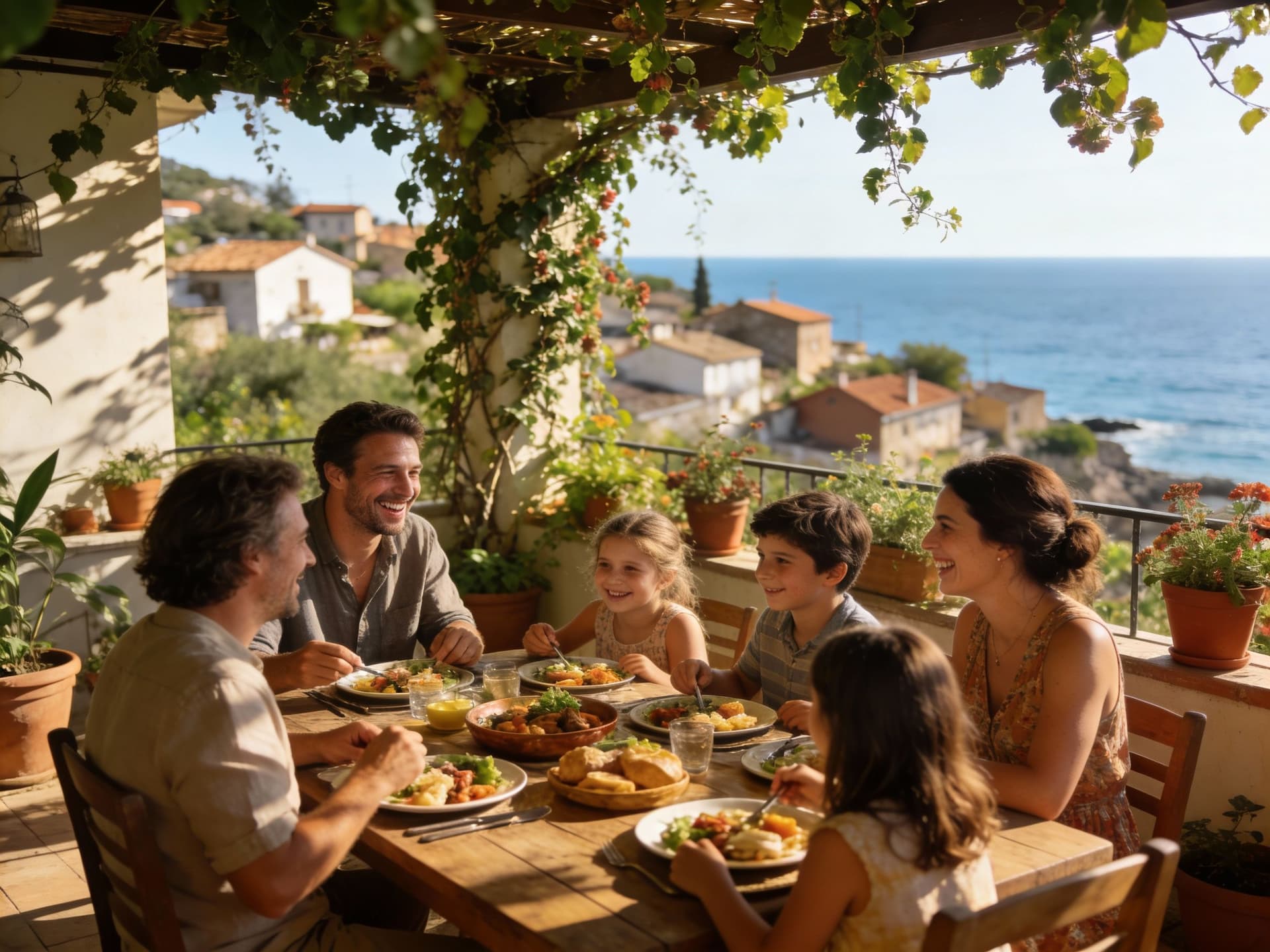
Dreams must be tempered with data. Nationally, asking prices averaged roughly €2,100/m² in mid‑2025, with large regional gaps — Milan and Venice sit well above average while southern regions like Calabria remain far more affordable. Official ISTAT data show house prices rose about 4.4% year‑on‑year in Q1 2025, while transaction volumes also increased, signalling renewed buyer confidence. Match the lifestyle you want to the local pricing reality before making offers.
Property styles and their lived experience
A historic apartment in a centro storico offers scale‑downs in space but immediate access to daily life — cobbles, markets and neighbourhood bakeries. A seaside villa buys light, outdoor living and privacy but adds maintenance and seasonality. New build apartments near Milan or Bologna trade historic character for efficiency, higher energy ratings and easier rentals. Choose the property type that matches how you want to spend a week, a weekend and a year in Italy.
Working with agents who understand lifestyle
- Practical steps to blend lifestyle and dealmaking: 1. Ask an agent for a day‑in‑the‑life tour (market, cafes, commute) not just a property visit. 2. Request energy class (A–G) and recent renovation records to understand running costs. 3. Check seasonal occupancy if buying a coastal second home — demand spikes affect maintenance and community life. 4. Insist on local references: neighbours, building custodian (portiere) and property manager availability. 5. Compare municipal zoning and renovation support — some towns in the south offer tax breaks for restorations.
Insider Knowledge: What Expats Wish They’d Known
Expat buyers often say: we underestimated rhythm, not price. Affordability pressures in cities are real — the ECB flagged recovering prices across Europe in 2025 — and that affects local life. In tourist towns, the rhythm of the year dictates service availability, noise and community cohesion. Before buying, stay for a month across seasons, talk to neighbours and rent short‑term to test routines.
Integration: language, community and daily life
Italian daily life rewards small investments: learn basic phrases, join the parish or market circle, and identify the local bar where people gather. Neighborhoods differ — Tuscan villages may welcome foreign buyers if you shop locally; in large cities, expat circles cluster around international schools and cultural centres. Integration changes where you want to live: quiet family streets vs. buzzy neighbourhoods with late nightlife.
Longer-term choices that shape lifestyle sustainability
Plan for five to ten years: tax incentives (flat foreign income tax schemes), local services, and climate resilience matter. Energy performance upgrades raise resale value and reduce bills; seaside properties require coastal maintenance planning; older palazzi need structural checks. Think of the home as a lifestyle investment — its upkeep and location will determine whether it remains a joy or becomes a burden.
- Red flags and quick checks before an offer: - Unclear ownership chain or missing certificato di destinazione d’uso - No recent energy performance certificate (APE) - Excessive outstanding condominium (condominio) debts - Pattern of short‑term holiday lets that hollow out year‑round community - Lack of local plumber/electrician contacts for older properties
- Simple 5-step checklist to go from fantasy to offer: 1. Spend 2–4 weeks living in your target neighbourhood across different seasons. 2. Commission local valuations and an independent surveyor (perizia) focusing on structure and APE. 3. Get a local lawyer (avvocato) to check ownership, servitudes and planning history. 4. Negotiate a provisional agreement (compromesso) with clear deposit and contingencies. 5. Engage a property manager for the first 12 months to handle local suppliers and rental if needed.
Italy is a life you step into more than an asset you simply buy. Match neighbourhood rhythms with property type, back your choices with up‑to‑date market data and local checks, and use an agent who can translate lifestyle into contract terms. When you pair the right street with rigorous due diligence, the purchase becomes the start of a richer daily life — not just a line on a spreadsheet.
Next practical step: book immersive viewings that include a day‑in‑the‑life tour, request energy and maintenance histories in writing, and ask your agent to introduce you to three local service providers before you sign. That way, the apartment or villa you buy already has the human network that makes Italy feel like home.
Swedish strategist who relocated to Marbella in 2018. Specializes in legal navigation and tax planning for Scandinavian buyers.