Italy: Why the ‘Too Expensive’ Story Misleads
Italy’s high‑price headline hides regionally rich opportunities — choose neighbourhood rhythm over averages and partner with local experts for seasonal value.
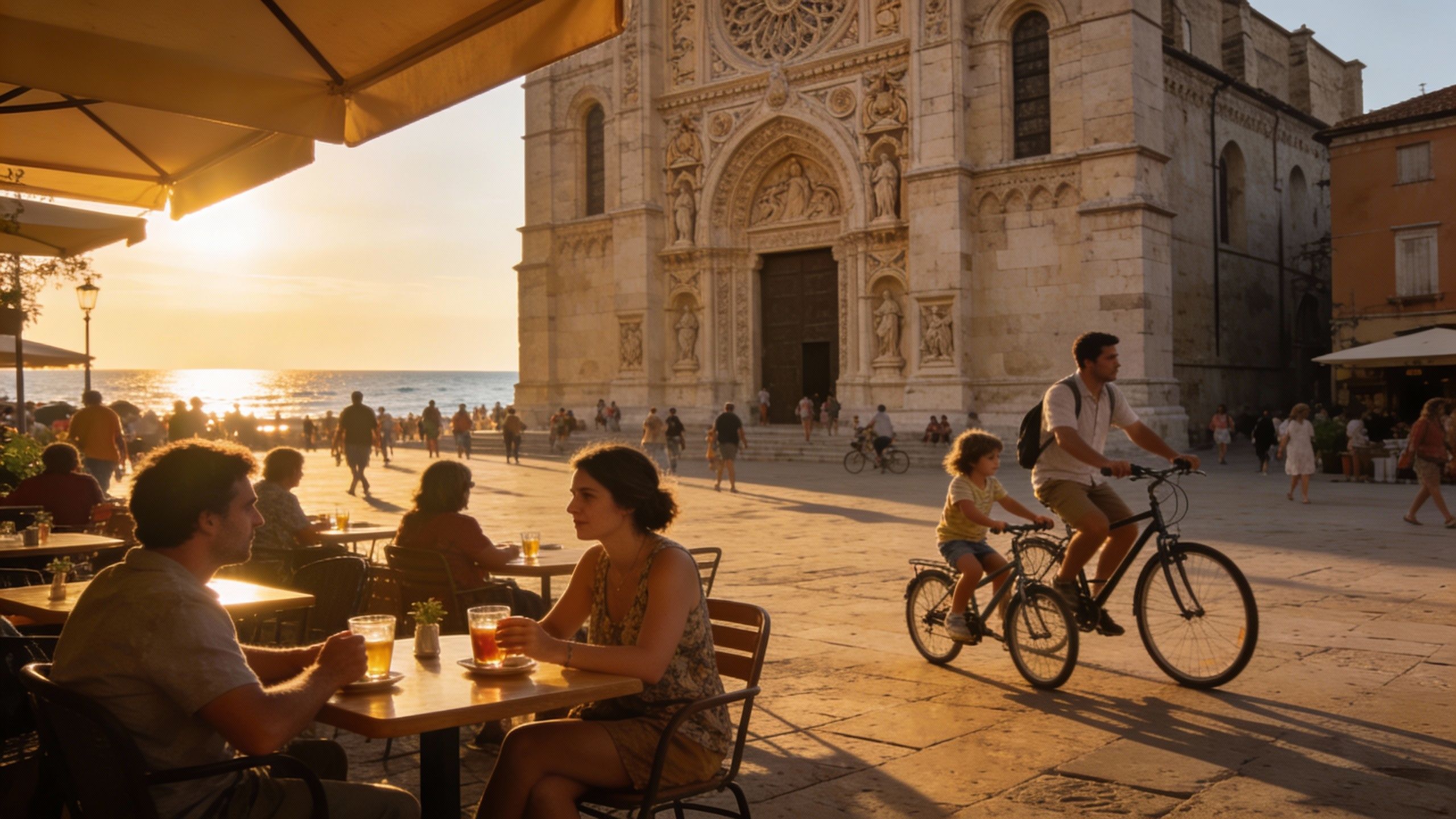
Imagine sitting at a marble-topped counter in a café on Via dei Serpenti in Rome, an espresso in hand, while a local argues the best trattoria on the block. That daily intimacy — markets, piazzas, small rituals — is what draws buyers, not a glossy brochure. Yet many international buyers start with a headline: “Italy is expensive.” That assumption misses regional rhythms, seasonal windows and hidden value in neighbourhoods that locals quietly treasure.
Living the Italian lifestyle
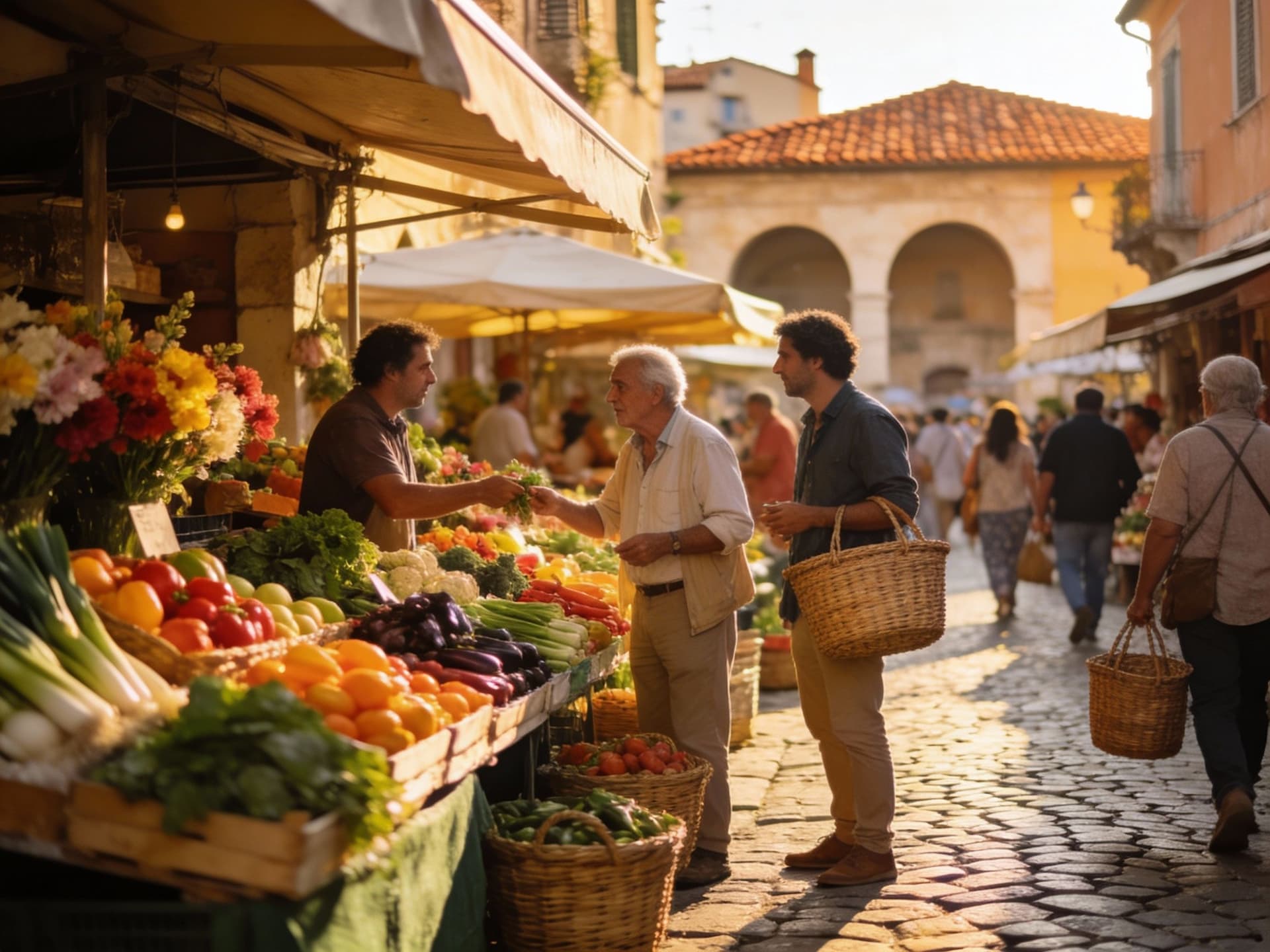
Italy’s daily life is tactile: open-air markets before noon, an unhurried passeggiata at dusk, and neighbourhood bars that double as community noticeboards. Coastal towns like Positano and Portofino feel different from historic centres such as Florence’s Oltrarno or Milan’s Navigli; each place offers distinct rhythms of noise, light and social life. For buyers, the choice isn't only square metres — it’s whether you want the sound of church bells, a sea breeze through shutters, or the hum of a late-night osteria.
Rome’s neighbourhood mosaic: Trastevere to EUR
Trastevere still sells the postcard: narrow lanes, century-old trattorie and morning markets. Move east to EUR and you’ll find rationalist architecture, larger apartments and quieter evenings — the price and lifestyle trade-off is immediate. If you want café life and ornate façades pay attention to small streets like Via della Lungaretta; if you want family-sized interiors and car access, look toward Viale Europa and the newer peripheries.
Coastal contrasts: Amalfi vs Liguria
The Amalfi Coast has headline prices but tiny, seasonal markets; parking and access often dictate property usability more than the façade. In Liguria — think Levanto, Camogli or Sestri Levante — you’ll find longer beaches, commuter links to Genoa and simpler coastal life at lower per‑square‑metre cost. Seasonal tourism shapes income potential, but smaller ports and less theatrical topography can mean steadier, year-round communities.
- Lifestyle highlights: real places to taste, see and feel
- Morning markets: Campo de' Fiori (Rome), Mercato Centrale (Florence), Mercato di Porta Palazzo (Turin)
- Seaside breaks: Levanto’s family beaches, Cala Violina (Maremma), the quieter Ligurian coves near Camogli
Making the move: lifestyle meets the market
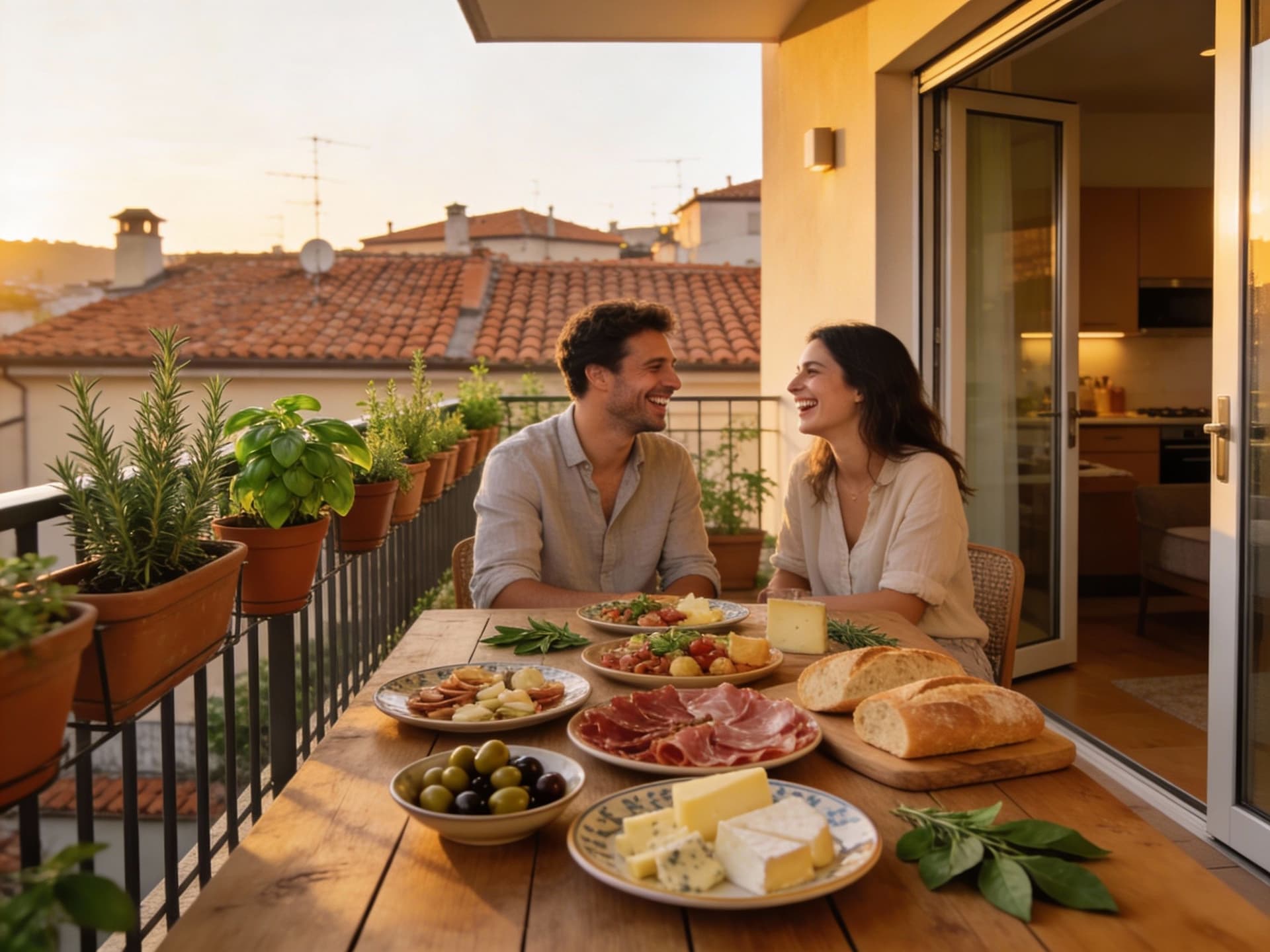
Italy’s headlines about averages mask wide regional gaps. National asking prices hovered around €2,100–€2,135/m² in 2025, but Trentino‑Alto Adige and coastal alpine resorts sit far above that, while southern regions like Calabria remain substantially lower. For a buyer focused on lifestyle, that means you can prioritise experience and still find relative value if you look beyond tourist magnets. Local market reports and listing platforms are essential tools to map where price and lifestyle align.
Property styles and how you’ll live in them
Historic centre apartments deliver proximity and character: exposed beams, thick stone walls and impossibly small kitchens that push you outdoors. New builds in suburbs or smaller towns offer terraces, parking and modern insulation — practical for year‑round living or remote work. Consider how you want to use rooms: if you entertain, prioritise living rooms and outdoor space; if you plan to rent seasonally, prioritise accessibility and low-maintenance finishes.
Work with local experts who know the life you want
A local agent who lives the neighbourhood will point out tradeoffs a listing won’t: how noisy a piazza gets on festival nights, whether winter humidity affects stone walls, or where the best bakery queues form. Agencies also connect you to notaries, surveyors and builders who understand local building practices — crucial where apartments share common areas governed by condomini statutes. Choose advisers who can show comparable lived-in examples, not only staged sales material.
- Practical steps that blend lifestyle and market sense
- 1. Visit across seasons — sample a town in high and low season to feel true daily life.
- 2. Map essential services — public transport, healthcare, markets and school options within 15–30 minutes.
- 3. Ask for utility bills and condominium minutes — running costs and community decisions shape living comfort.
Insider knowledge: what expats wish they’d known
Expats often romanticise Italy’s slow life but underestimate practicalities that shape long-term satisfaction. Italy’s population is ageing and birth rates are low, which impacts local services and school demand in some towns. At the same time, foreign residency and citizenship acquisitions rose in recent years — meaning growing, diverse communities in cities and some provincial hubs. These demographic shifts affect rental markets, caregiver services and local commerce in ways newcomers rarely expect.
Cultural integration and daily rhythms
Language opens doors: a little Italian accelerates friendships and smoother local interactions, from negotiating at the market to understanding condominium minutes. Social life often orbits small rituals — the barista who recognises your order, the local volunteer group that organises the festa — and participating makes neighborhoods friendlier than any online review. For many expats, joining local sports clubs, volunteer associations or a language tandem transforms a house into a lived-in home.
Long-term lifestyle considerations include energy efficiency and renovation incentives. Italy’s push toward better building energy classes elevates desirability for renovated homes and can affect resale value; buyers should weigh upfront renovation against longer-term comfort, utility bills and local incentives. Savvy buyers plan renovations timed to local labour availability and incentive windows, turning energy upgrades into both lifestyle improvements and value-add investments.
- Red flags and quick checks before you bid
- Missing condominium minutes or unclear maintenance reserves
- Uninsulated walls and evidence of damp in basements or bathrooms
- Access problems in winter — steep driveways, limited snow clearance or ferry-only connections
Conclusion: buy the life first, the property second. Italy’s market is nuanced — regional price ranges, seasonal rhythms and demographic trends mean headline averages tell only part of the story. Start with the lifestyle you can’t give up, then map market signals and partner with local experts who show you lived-in examples and seasonal reality. If you want help turning a neighbourhood dream into a shortlist of real properties, an on-the-ground agency that understands both local life and transaction mechanics will save time and uncover off-market possibilities.
Swedish strategist who relocated to Marbella in 2018. Specializes in legal navigation and tax planning for Scandinavian buyers.