Malta: Harbour Hype vs Quiet Value
Malta’s charm is compact and social — prices have been rising, so prioritise neighbourhood lifestyle over harbour hype and visit across seasons before buying.
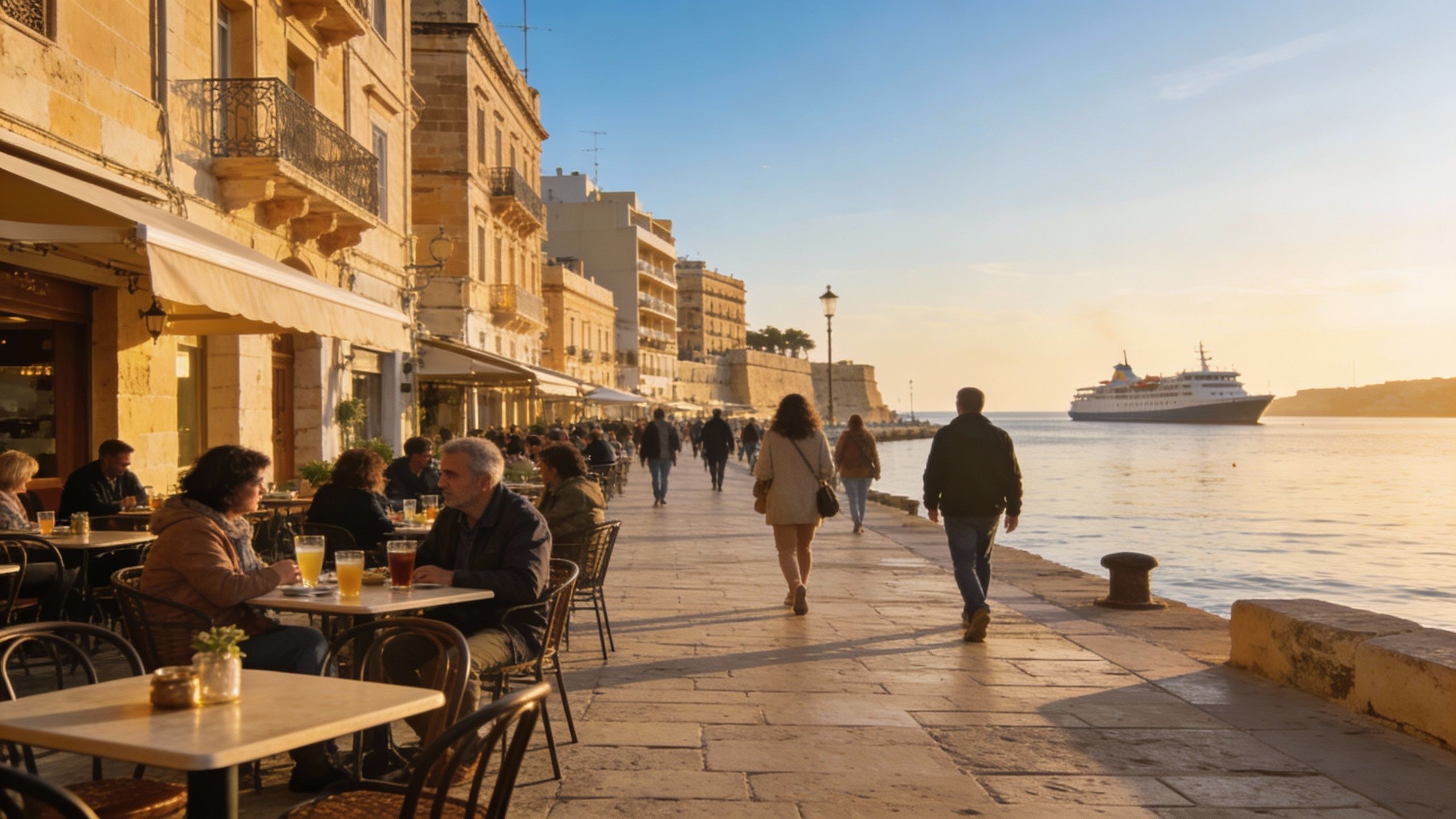
Imagine starting your day with a short walk from a limestone townhouse to a café on Triq il-Kbira in Mdina, then catching a late-afternoon ferry from Sliema to take in the harbour light. Malta feels small enough to know your baker’s name, yet busy enough to keep new restaurants opening every season — a compact Mediterranean life where streets, not highways, set the pace.
Living the Malta lifestyle: compact, social, sunlit
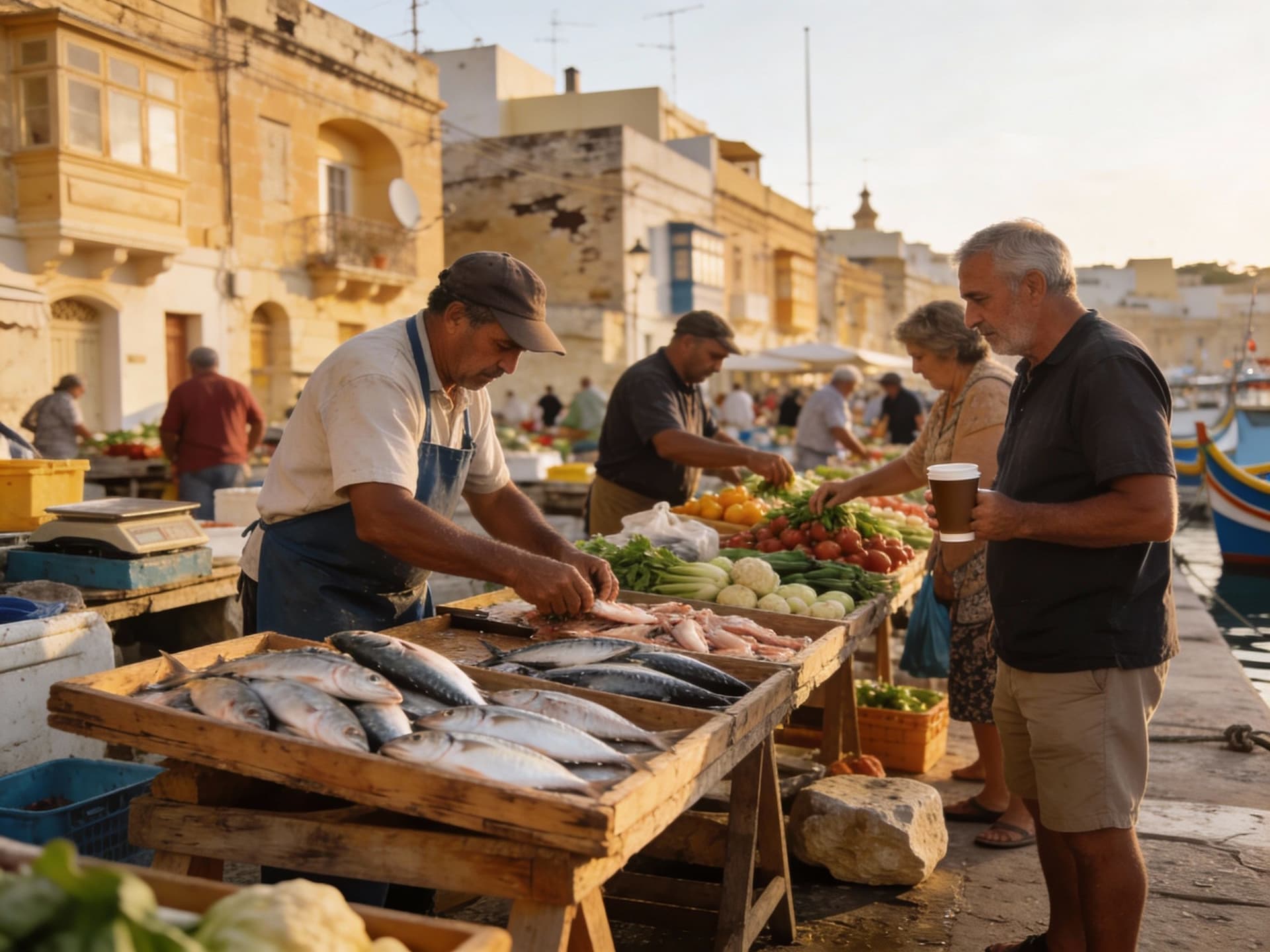
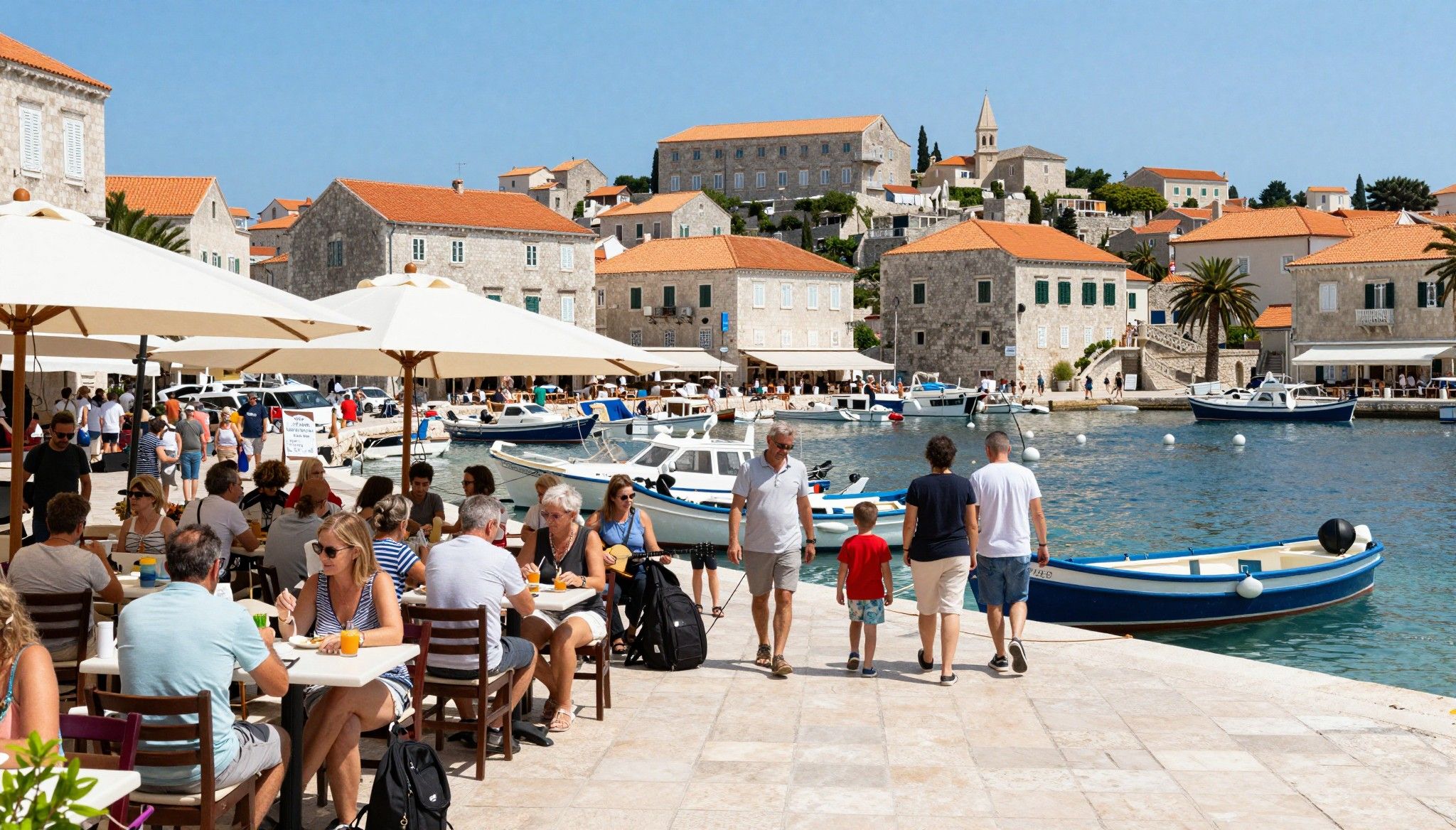
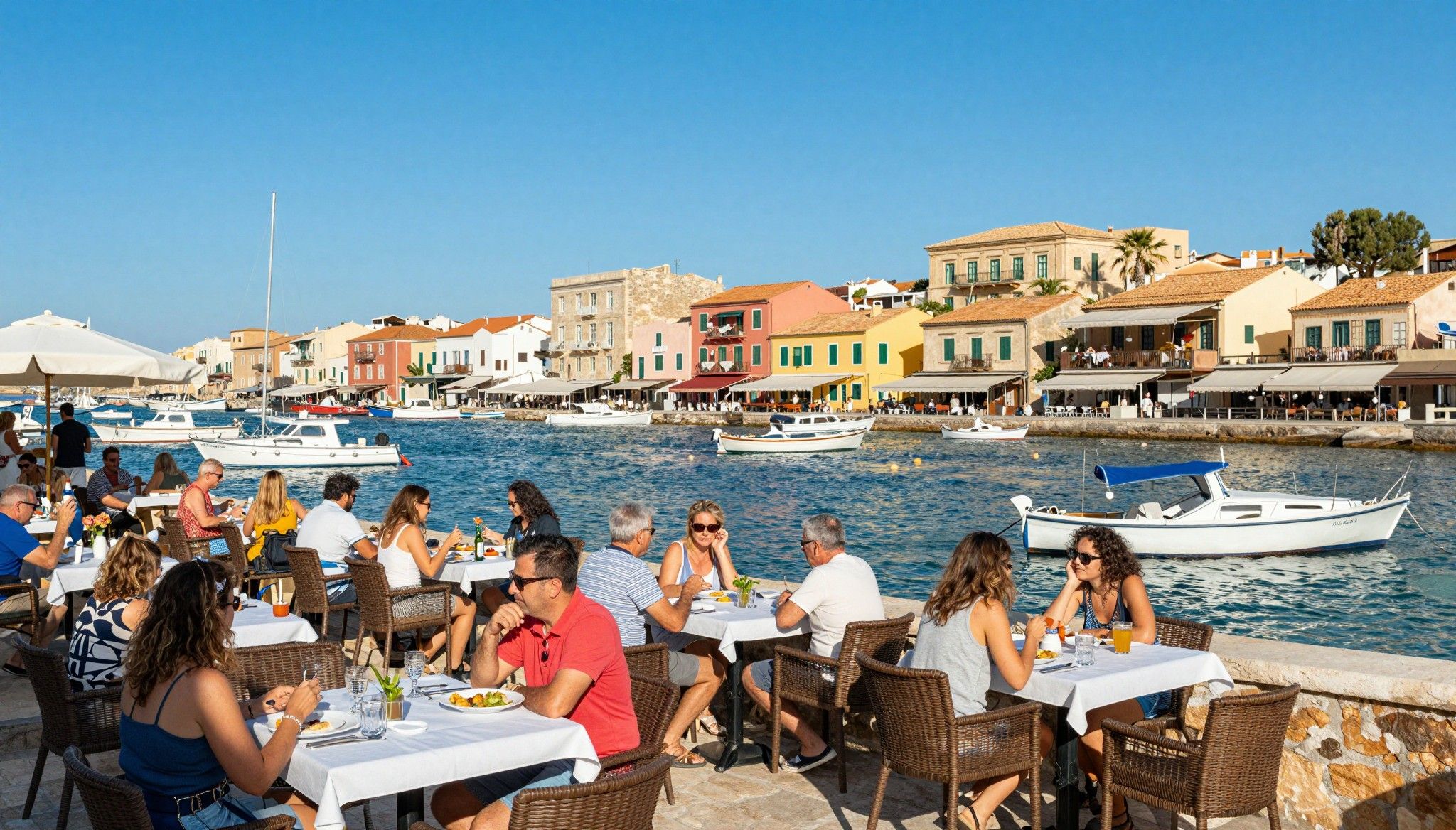
Daily life in Malta is sensory: roasted coffee in the mornings at Sliema’s waterfront cafes, market chatter in Marsaxlokk on Sundays, and evenings that unfurl over long plates of ftira or rabbit stew. English is an official language, which flattens many practical barriers for internationals and makes local services — from healthcare to banking — unusually accessible for a small island nation.
Neighbourhood spotlight: Sliema, St Julian’s and Valletta
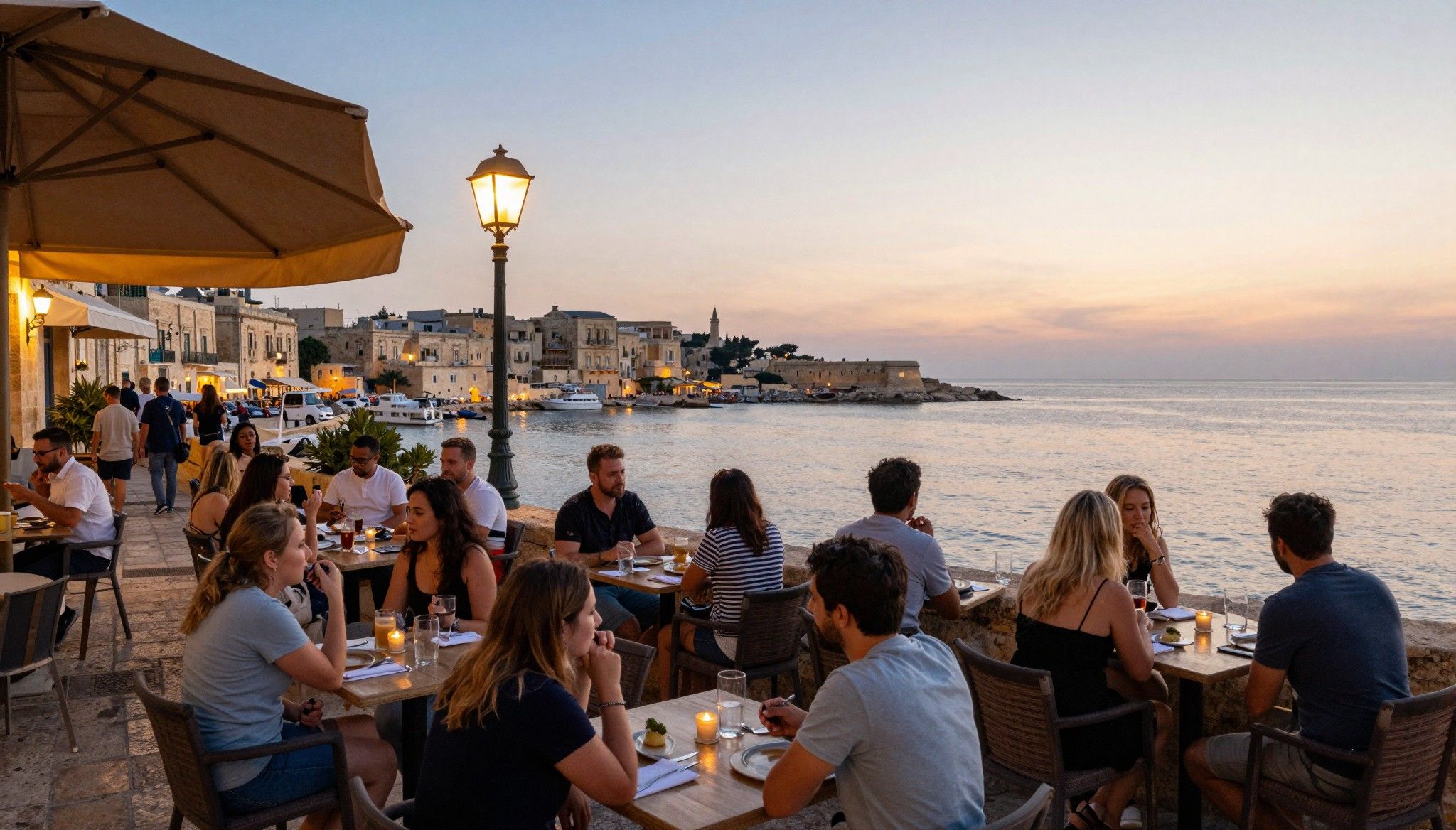
Sliema and St Julian’s deliver seaside promenades, lively bars and modern apartments — they’re social hubs for expats and remote workers. Valletta, by contrast, compresses history into a walkable grid of baroque streets, tiny squares and boutique shops. Each neighbourhood serves a different life: Sliema for morning market runs and sea swims, St Julian’s for night-life energy, Valletta for quiet, cultured living.
Food, rituals and weekend routines
Weekends look like market mornings in Marsaxlokk for fresh fish, afternoons on Golden Bay or Għajn Tuffieħa for sea and sun, and late afternoons spent at a neighbourhood wine bar sampling local gbejniet (cheeses) and sun-dried tomatoes. The social rhythm is public and convivial — small gestures like queueing for bakery bread or chatting with the fisherman are everyday rituals that help newcomers feel at home.
- Senses and small pleasures: • Morning espresso on Sliema promenade • Sunday fish stalls in Marsaxlokk • Limestone facades and narrow alleys in Valletta • Evening passeggiata in St Julian’s Spinola Bay • Local festas with brass bands and street food
Making the move: practical realities behind the postcard
The everyday charm comes with a market backdrop that has been pushing prices upward: Malta’s Residential Property Price Index rose noticeably through 2024–2025, reflecting continued demand across apartments and maisonettes. That means lifestyle tradeoffs — you can buy close to the sea, but expect a premium where cafés, transport and services concentrate.
Property styles and how they shape life
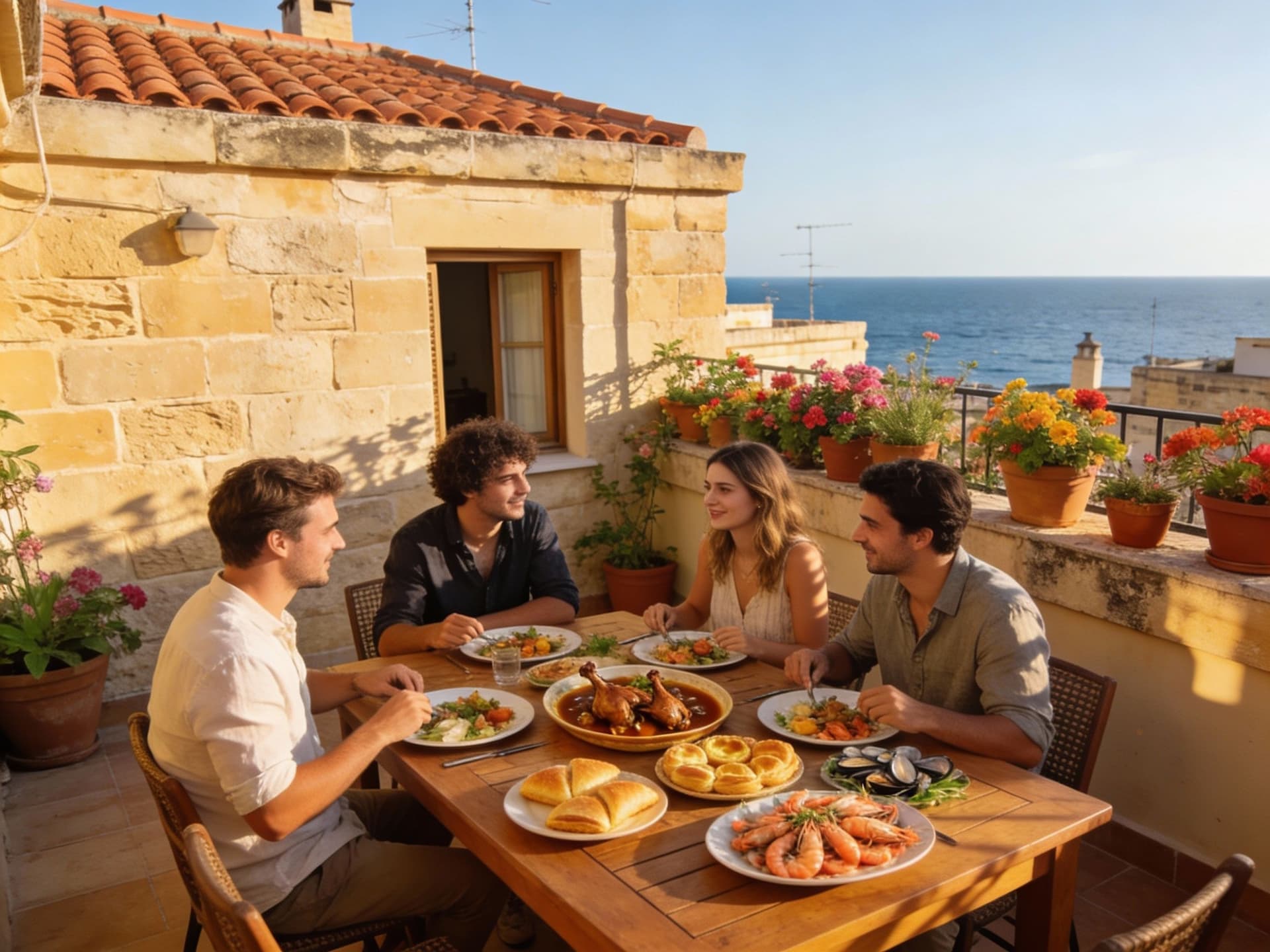
Choices range from restored townhouses in Mdina and Rabat to modern high-rise flats in Sliema and St Julian’s, and spacious family houses in the south and Gozo. A maisonette with a rooftop terrace changes your weekend: it becomes your garden. A small Valletta flat trades outdoor space for cultural immediacy. Match property type to how you intend to live, not only to capital appreciation.
Working with local experts who know the rhythm
- 1. Start with agents who specialise by neighbourhood — ask for recent comparables within 500 m of the property. 2. Test utilities and summer cooling: check insulation and whether air-conditioning is owner‑installed. 3. Verify ongoing maintenance for older limestone facades — factor a renovation quote into your negotiation. 4. Check access to ferries and bus routes if you prioritise walkability over car ownership. 5. Ask about short‑term rental rules if you plan occasional lets — local regulation and community tolerance vary by town.
Insider knowledge: the expat trade-offs locals quietly accept
Expect cultural quirks: festas run late into the night, shop hours can be shorter outside tourist season, and parking in older quarters is a daily puzzle. Recent political shifts around investor citizenship schemes have made residency-for-investment narratives more complex — a reminder that policy can alter the buyer landscape quickly, and that up‑to‑date local counsel matters.
How integration looks in practice
Language is less of a barrier here: English is used in government services, schooling and commerce, which accelerates practical integration. But social integration requires effort: join a local club, volunteer at a festa, learn a few Maltese phrases — these are the shortest routes to feeling local rather than just located.
Longer-term outlook: where lifestyle and value meet
If you prioritise lifestyle durability, look beyond harbour-front hype. Southern towns and Gozo often offer larger living spaces, quieter streets and better square‑metre value — while Sliema and St Julian’s remain liquidity engines for rentals and re-sales. The choice is a balance: immediate seaside life versus longer-term domestic space and quieter routines.
- Practical factors to weigh: • Proximity to services vs. price per m² • Outdoor space (terraces/rooftops) for summer living • Fabric of the building (limestone maintenance) and long‑term upkeep • Transport links for work or seasonal visitors • Local event calendar (festas, regattas) that affect noise and rental demand
- 1. Visit across seasons: see Malta in winter and summer to test crowds, services and noise. 2. Request 12‑month running costs from the seller: utilities, communal maintenance, and recent repairs. 3. Engage a local notary and ask for property title history and any outstanding charges. 4. Speak to neighbours about the area’s quiet hours, festa schedule and rental mix. 5. Get an independent structural and damp survey for older limestone properties.
Conclusion: Malta’s compact scale means lifestyle choices are also investment choices. Choose the neighbourhood that fits how you want to live — the cafés you’ll frequent, the mornings you want by the sea, and whether you prefer a quiet rooftop garden over a harbour view. Work with agents who know both the numbers and the neighbourhood rhythms; that combination turns a Malta purchase from a property into a life.
Swedish strategist who relocated to Marbella in 2018. Specializes in legal navigation and tax planning for Scandinavian buyers.