Why Malta’s Street and Terrace Decide Value
Fall for Malta’s convivial seaside life, but buy with local data: NSO indexes show steady price growth—small choices (terrace, street) drive long-term value.
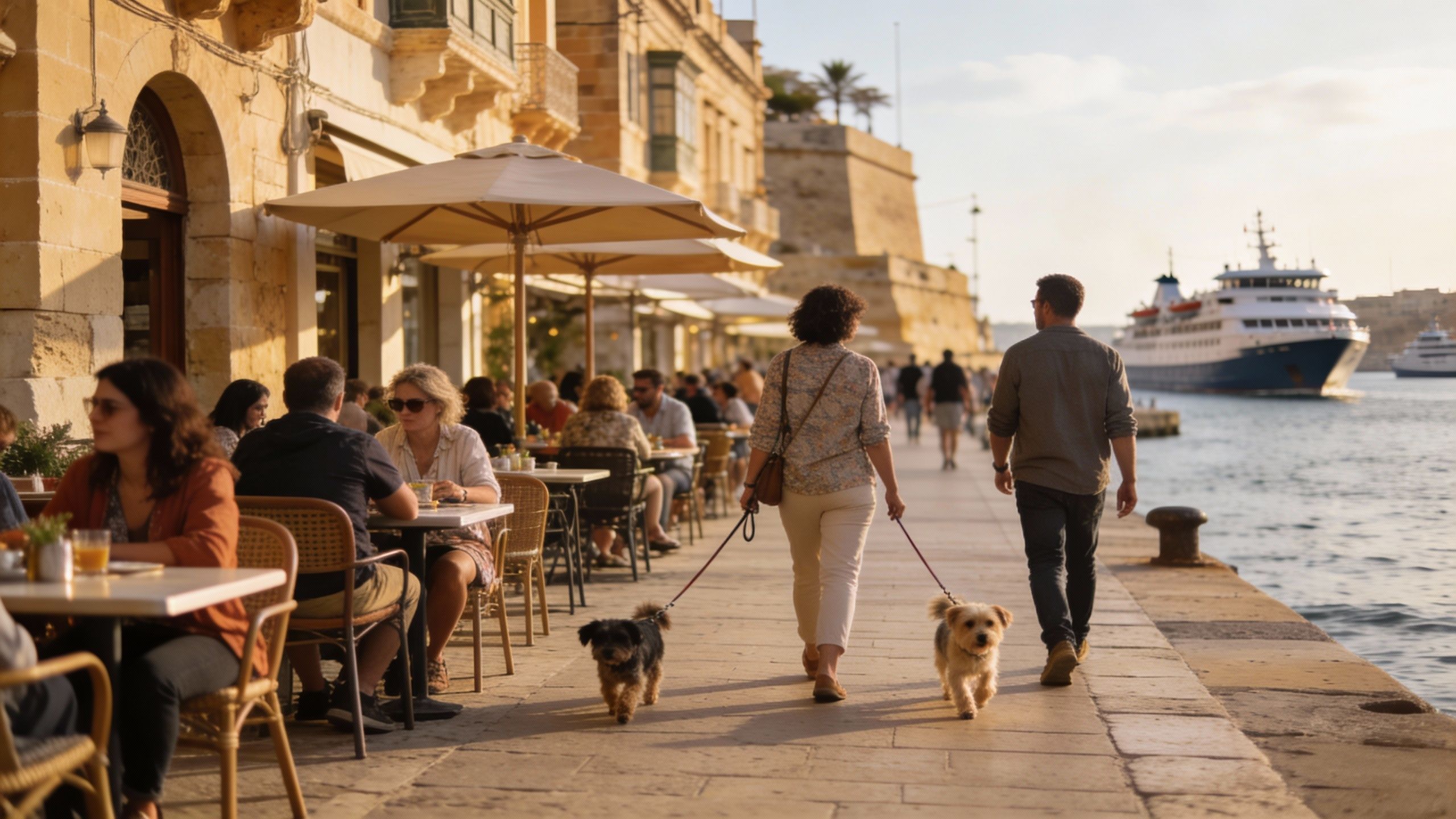
Imagine stepping out onto Tower Road in Sliema as cafés wake up and the sea smells of salt and lemon. That split-second — espresso, limestone terraces, ferries to Valletta — is why buyers fall for Malta. But behind the postcard is a compact market where small choices—street, floor, terrace—shape long-term value. This piece pairs that lived-in feeling with the facts international buyers need, from price trends to on-the-ground neighbourhood cues.
Living the Malta lifestyle

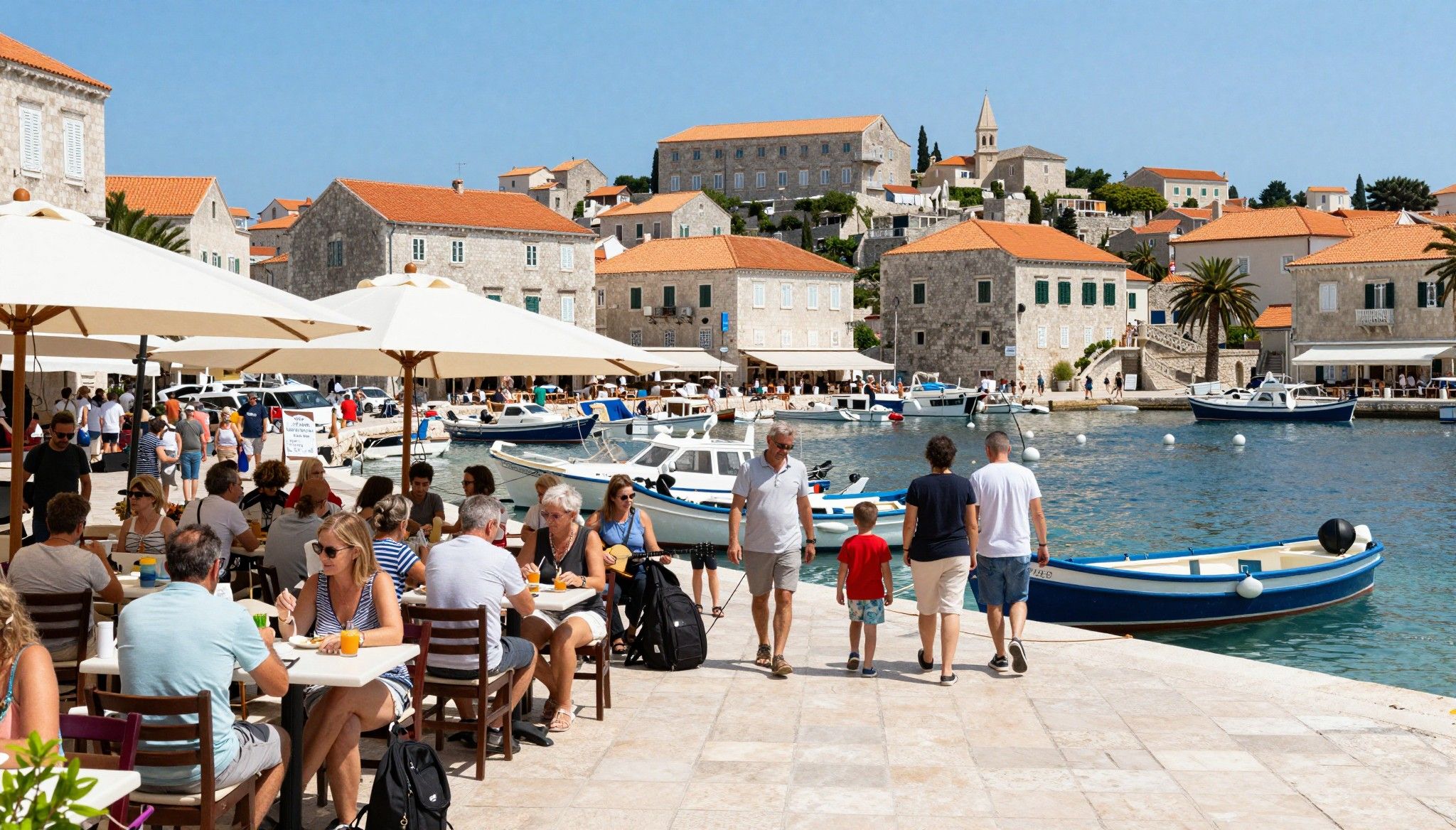
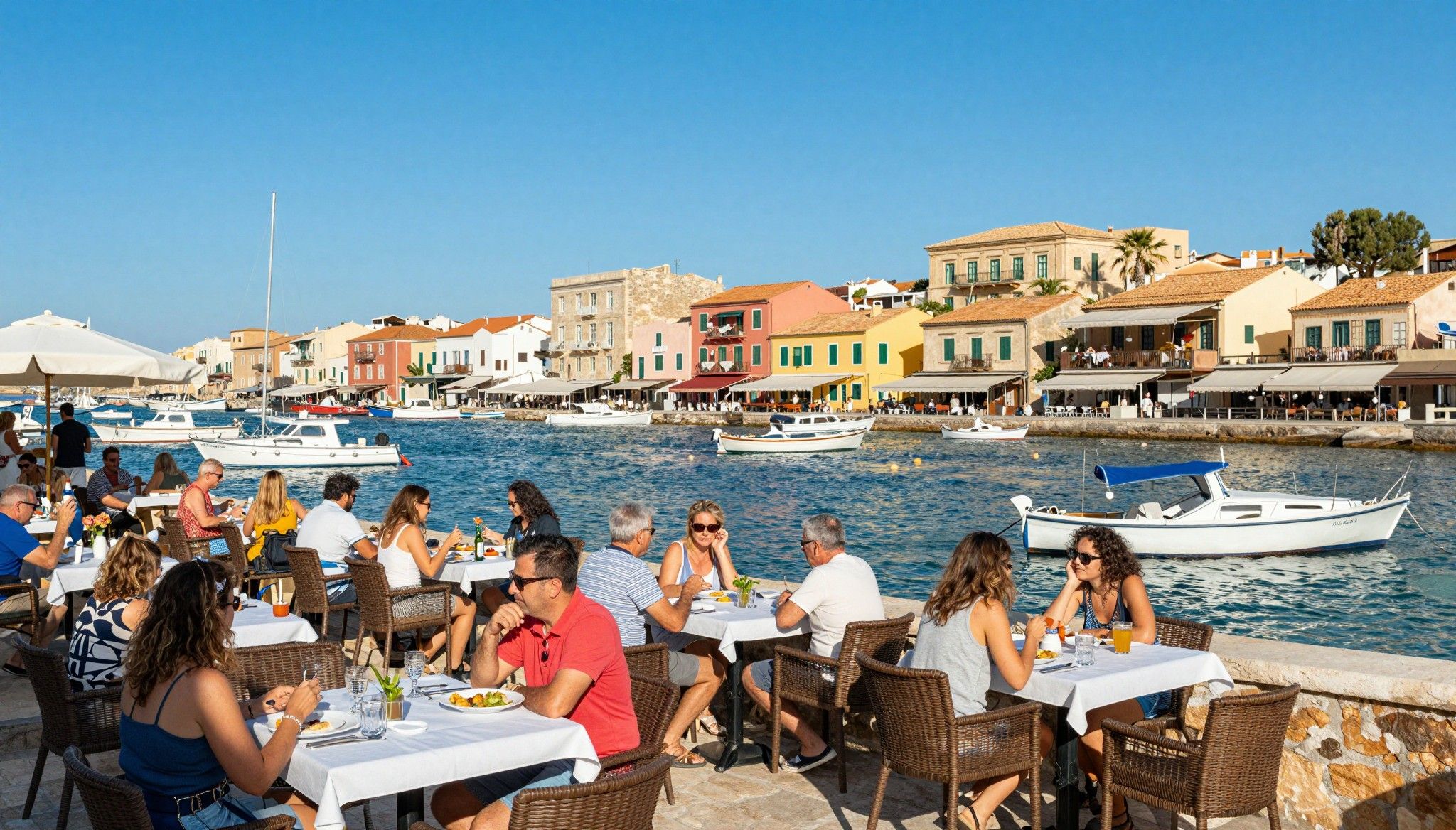
Life here moves on Mediterranean time: mornings at small bakeries, afternoons on narrow sandstone streets, evenings under strings of lights in village squares. Sliema, St Julian’s and Valletta each deliver a different rhythm — waterfront promenades and fitness groups in Sliema; a younger, busier social scene in St Julian’s; ceremonial quiet and baroque details in Valletta. Recent data from the National Statistics Office shows residential prices rose about 5% year-on-year in 2024, reminding buyers that lifestyle demand feeds real market movement.
Sliema & Gzira: morning espresso, evening promenades
Picture Sliema’s Tower Road at 08:30 — joggers, takeaway coffee, ferry commuters. Apartments here are favoured by those who want walkable shops, international schools nearby, and straightforward ferry links to Valletta. Choose a seafront flat for light and rental potential; choose inner streets off Bisazza for quieter living and lower per-square-metre prices.
St Julian’s & Paceville: social life with trade-offs
If nightlife and restaurants matter, St Julian’s delivers. But busy streets mean noise and turnover; savvy buyers look for pockets such as Spinola Bay or Pembroke outskirts where you get amenity access without perpetual foot traffic. For investors, short‑let demand is strong here but local rules and community tolerance vary by street.
- Lifestyle highlights: Valletta’s cafes, Marsaxlokk fish market, Għajn Tuffieħa beach, Mdina’s evening calm, Ta’ Qali crafts village, Comino boat trips
Making the move: practical considerations that match the life
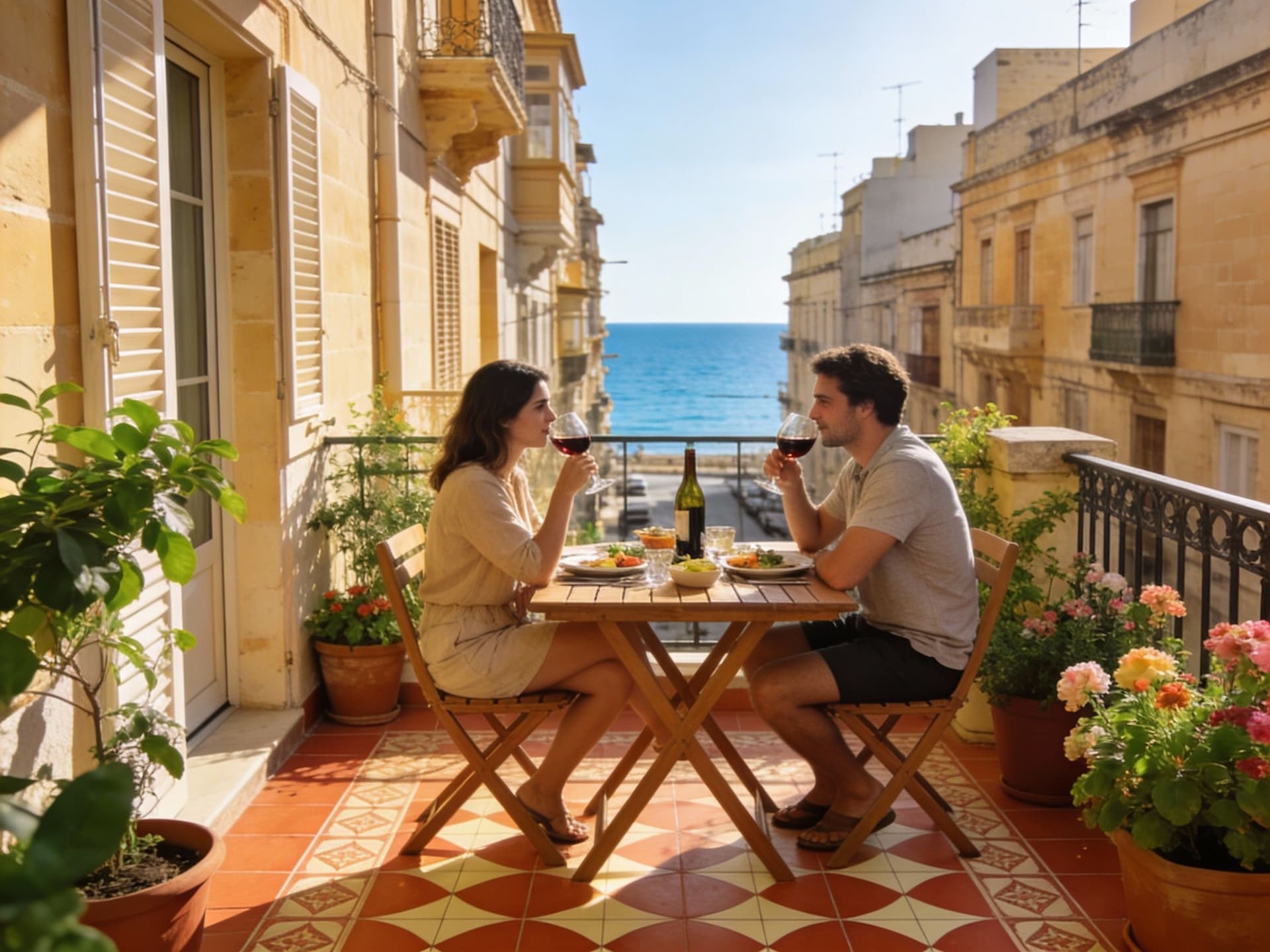
Dreams of terraces and sea air collide with a small‑island reality: supply is limited and price indexes show steady annual growth. That means location micro-choices (which street, which floor, terrace size) often matter more than broad neighbourhood labels. Use market data as a check — the NSO’s index shows modest but persistent upward pressure — and let lifestyle priorities filter choices before you tweak offers or budgets.
Property types and how they shape daily life
Traditional townhouses and maisonettes offer internal courtyards and character but need more renovation; modern apartments give better insulation and communal amenities. If you want outdoor life, prioritize a property with airspace or a generous roof terrace — in Malta, outdoor square metres can be more valuable than an extra indoor room.
Working with local experts who know neighbourhood nuance
Choose agents who can parse rental demand, explain local planning quirks, and flag common renovation issues (damp in older stone houses, rooftop waterproofing). Post‑2024 legal changes around residency and investor routes make up‑to‑date advisers essential; recent legal notices and court rulings on citizenship-for-investment change the residency conversation and influence investor expectations.
- Step-by-step checklist for lifestyle-led buying: 1. Shortlist three neighbourhoods and spend a week living like a local in each. 2. Prioritise outdoor space: visit roof terraces at different times of day. 3. Ask agencies for recent comparable sales on the same street (not just the area). 4. Factor in renovation scope and get local contractor estimates before offer. 5. Clarify long-term residency implications with immigration counsel.
Insider knowledge: what expats wish they’d known
Expat life is warm and immediate here, but integration requires small investments: learning Maltese phrases, joining local clubs, and timing grocery shopping to market days. Many regret not checking roof terraces for leak history or underestimating noise near nightlife hubs. Policy shifts around residency and past controversies over investor citizenship mean paperwork and due diligence are now more scrutinised than before.
Cultural integration and everyday social rules
English is an official language and widely used, which flattens the learning curve for many buyers. Still, weekends often revolve around family feasts and festas; being present at a local festa is the fastest way to meet neighbours. Respect for local rhythms — quieter Sundays in older towns, late dinners — helps turn a house into a community home.
Long-term lifestyle and value signals
Over time, properties that combine private outdoor space, proximity to ferry links, and stone-built character tend to hold value in Malta’s tight market. Watch municipal investment (seafront upgrades, pedestrianisation projects) and limited land supply; these are the sorts of local signals that translate into stronger resale and rental performance.
- Red flags to check on the viewing: unclear airspace ownership, inconsistent planning permissions, recurring damp or waterproofing issues, streets with late-night noise, and properties listed repeatedly without clear reason.
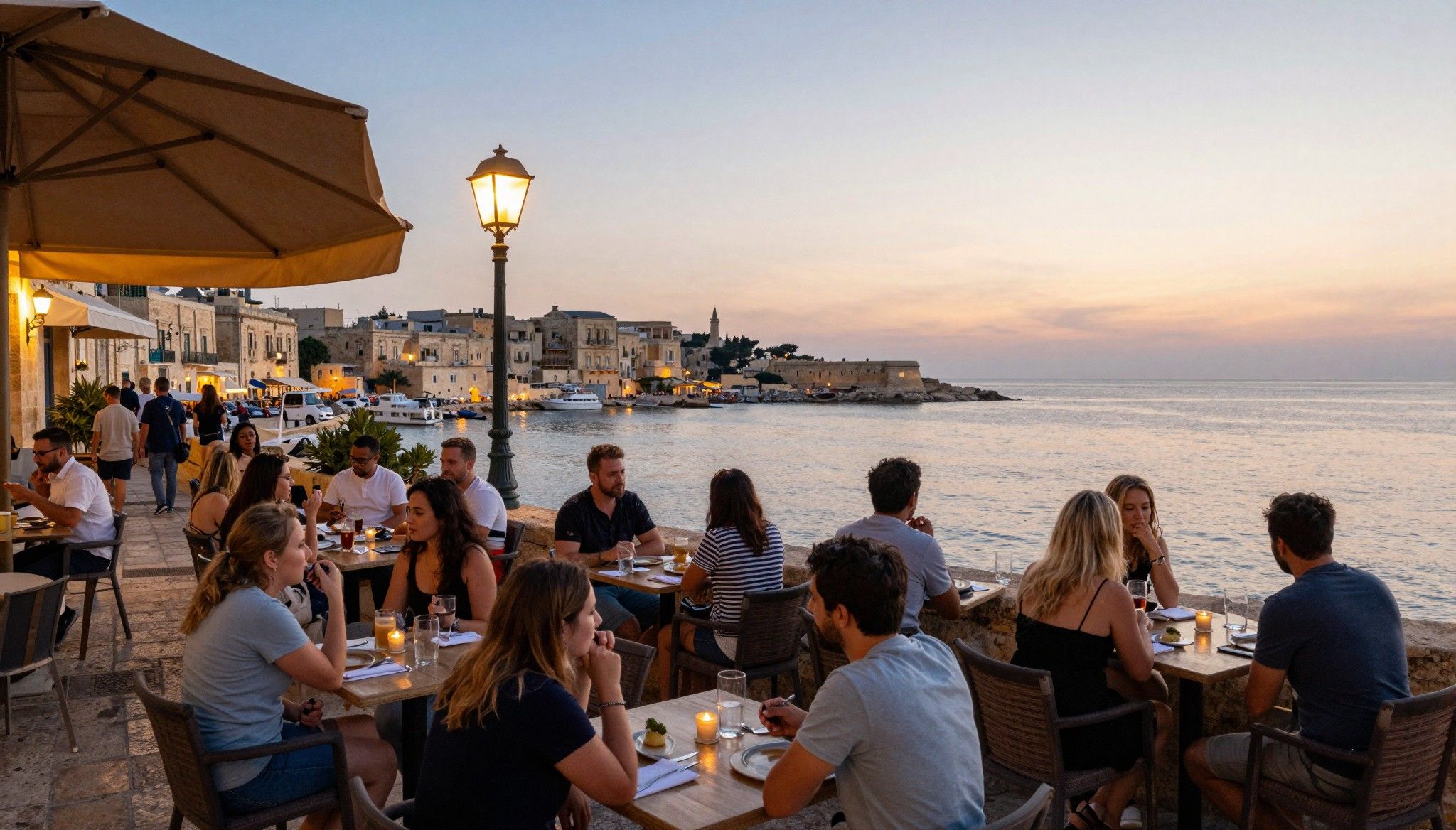
Imagine your first summer here: morning markets in Marsaxlokk, an afternoon swim at Golden Bay, an evening aperitif on a terrace. Then picture the practical follow-through: a clear survey, a trusted local notary, and an agent who knows the street rather than the glossy brochure. If that balance — lived-in lifestyle plus rooted due diligence — appeals, Malta rewards with a compact, richly textured life that’s both immediate and investable.
Danish relocation specialist who has lived in Barcelona since 2016. Helps families move abroad with onboarding, schooling, and local services.