Malta: Fall for the Life, But Buy with Data
Malta’s magnetic lifestyle meets a compact, fast-moving property market—prices are rising, so pair neighborhood-driven choices with local legal checks and data-led timing.
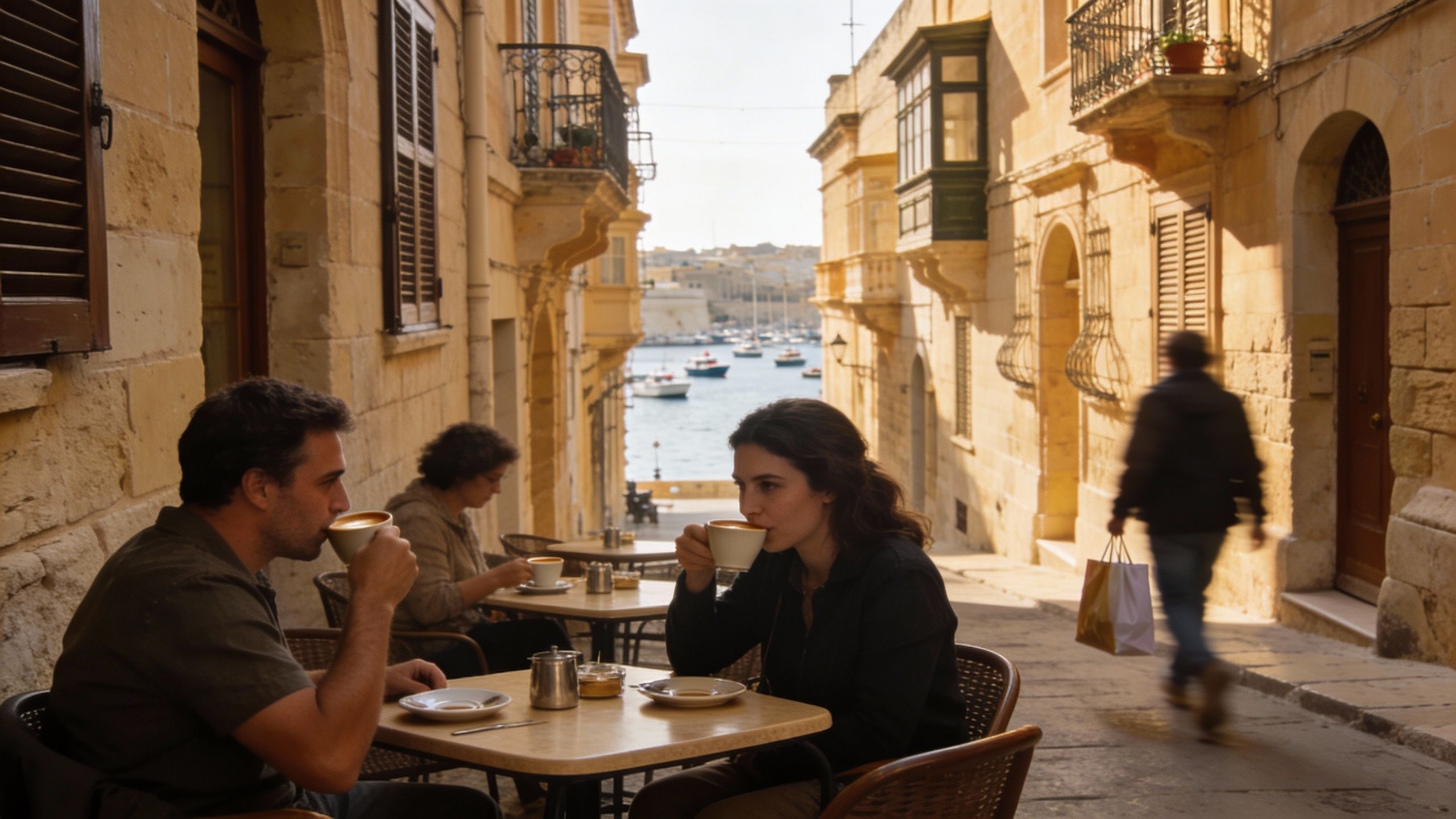
Imagine an early morning in Valletta: espresso steam curling beside limestone façades, fishing boats bobbing in the Grand Harbour and neighbours stopping to chat on narrow streets. That everyday intimacy—history within arm’s reach, Mediterranean light, English widely spoken—is the reason people fall for Malta before they study spreadsheets. Yet the island’s compact geography and persistent foreign demand mean the property market moves fast; recent statistics show residential prices rising steadily, reshaping where lifestyle meets realistic buying opportunity. Understanding these rhythms lets you match the life you want with the right neighbourhood and the right time to act.
Living the Malta life: compact, social, sunlit
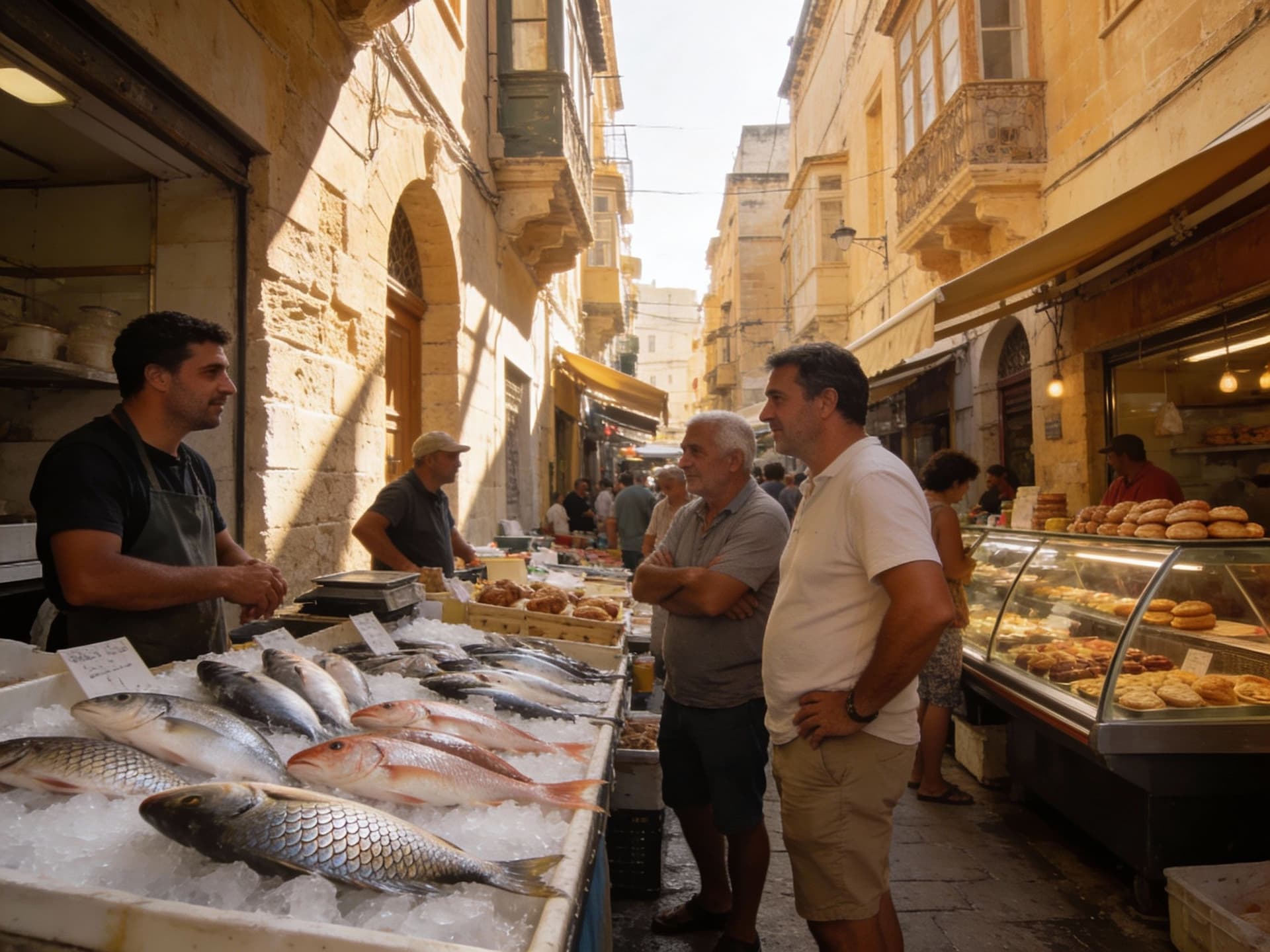
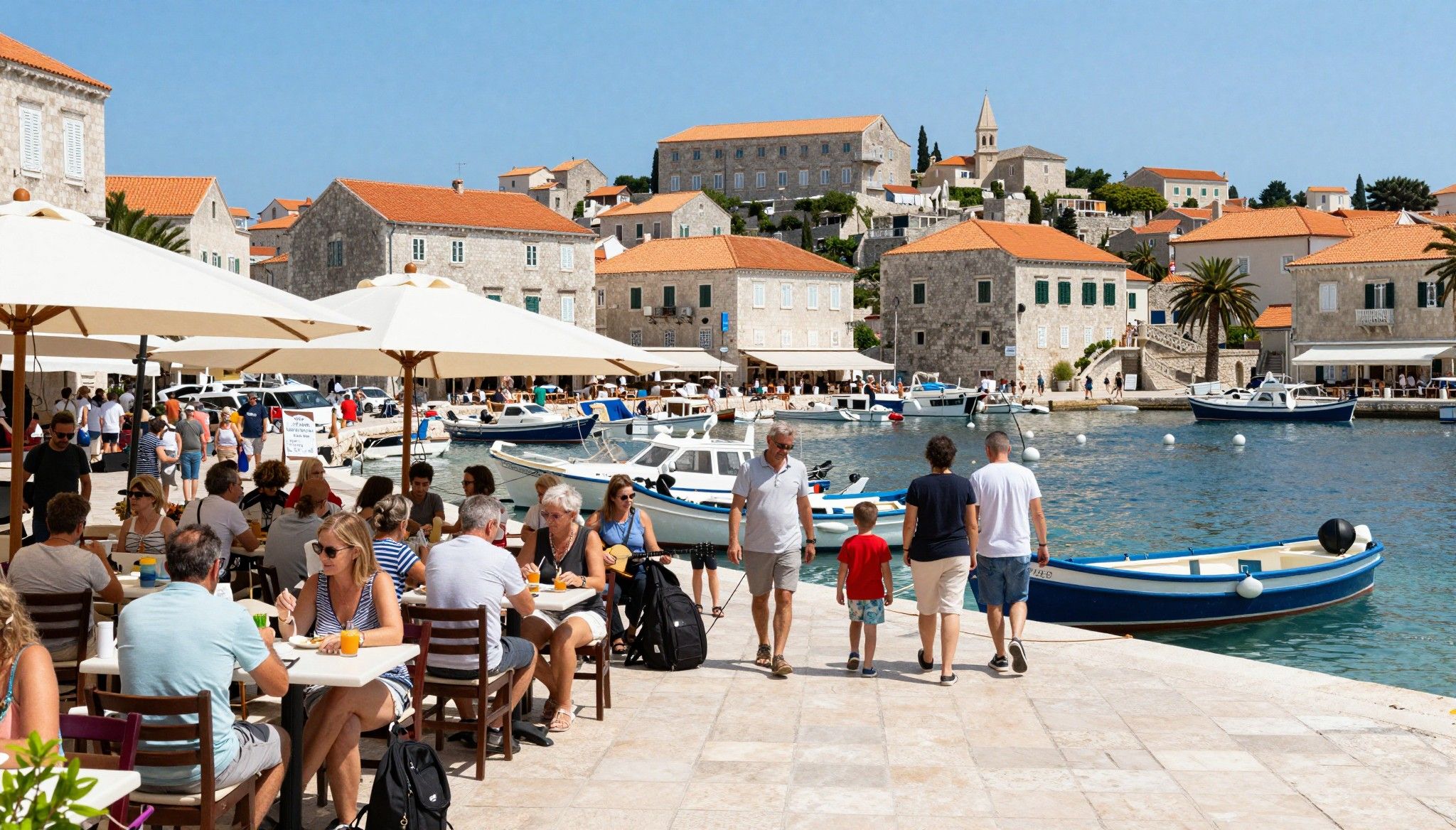
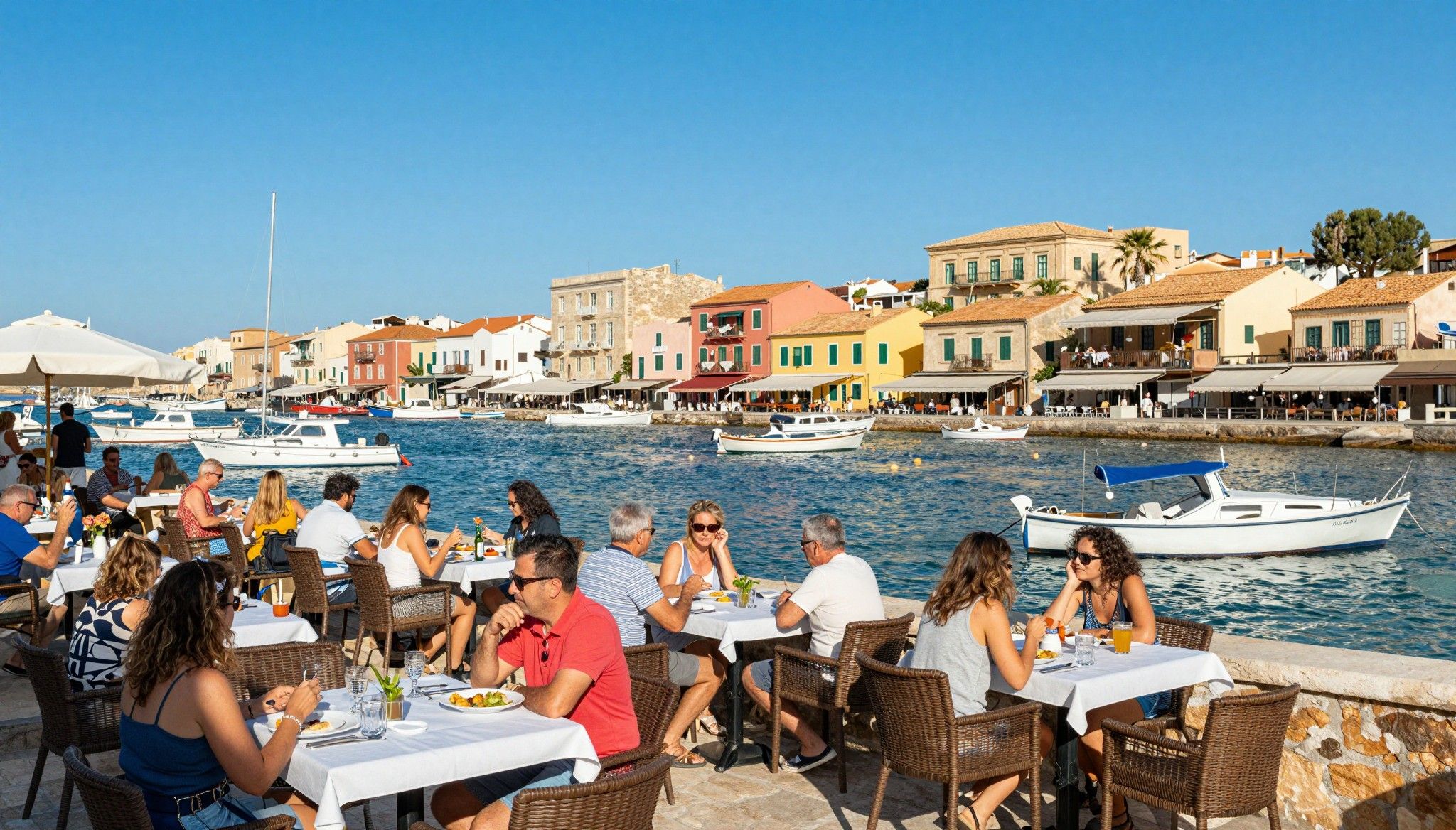
Malta’s daily rhythm is compact and social: mornings at family-run bakeries, afternoons on small urban beaches, evenings lingering at a neighbourhood bar. Coffee culture blends with sea life—Sliema and St Julian’s pulse with expatriate networks and waterfront promenades, while Mdina and Valletta reward quieter, historic routines. For buyers, this means lifestyle decisions are also micro-geographic: a 10-minute walk can change your morning from a terrace café to a pebbled cove.
Valletta & The Three Cities: history as home
Living in Valletta or Senglea feels cinematic: Baroque churches, narrow stairways, and an evening buzz around the waterfront. Properties here often mean converted townhouses or period apartments with high ceilings and shutters; they deliver atmosphere more than large outdoor space. If you prioritise heritage, short walks, and a civic calendar of concerts and feast days, these areas deliver daily culture—but expect premium pricing for restored, character-led homes.
Sliema & St Julian’s: coastal urban living
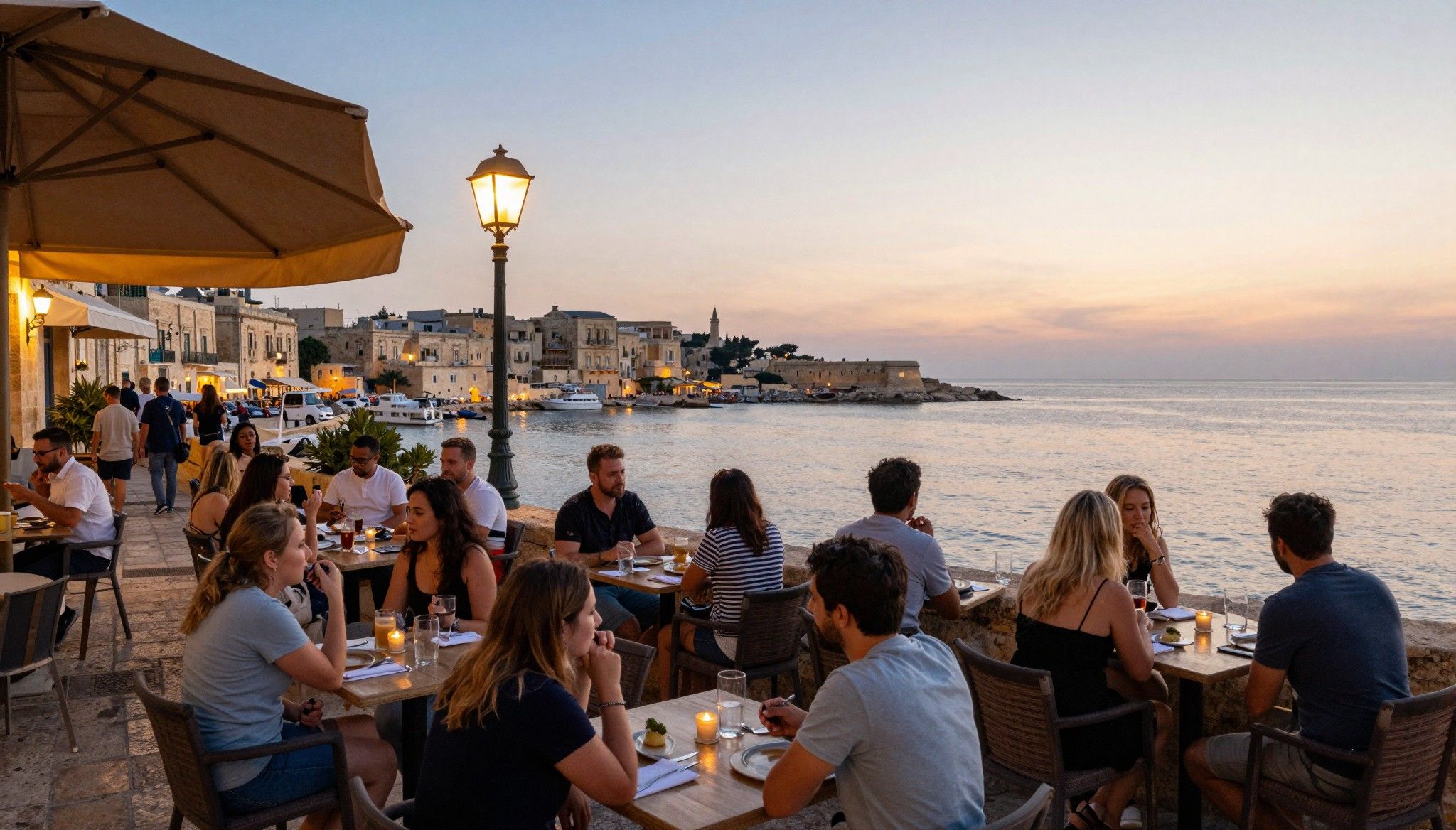
Sliema’s seafront promenade and St Julian’s nightlife attract international residents who want cafés, modern apartments, and easy ferry or bus links. Here you’ll find contemporary developments, roof terraces and concierge-style living adjacent to packed dining strips. The trade-off is density: these neighbourhoods offer convenience and rental demand but less of the leafy, village feel found elsewhere.
- Lifestyle highlights: markets, coves and cafés
- Morning pastries at Piadina in Sliema; sunset swims at Golden Bay; Sunday fish markets at Marsaxlokk; aperitifs on Spinola Bay; a stroll across Valletta’s Upper Barrakka Gardens for harbour views; hidden cafes on Strait Street that locals favour.
Making the move: how lifestyle and property types align
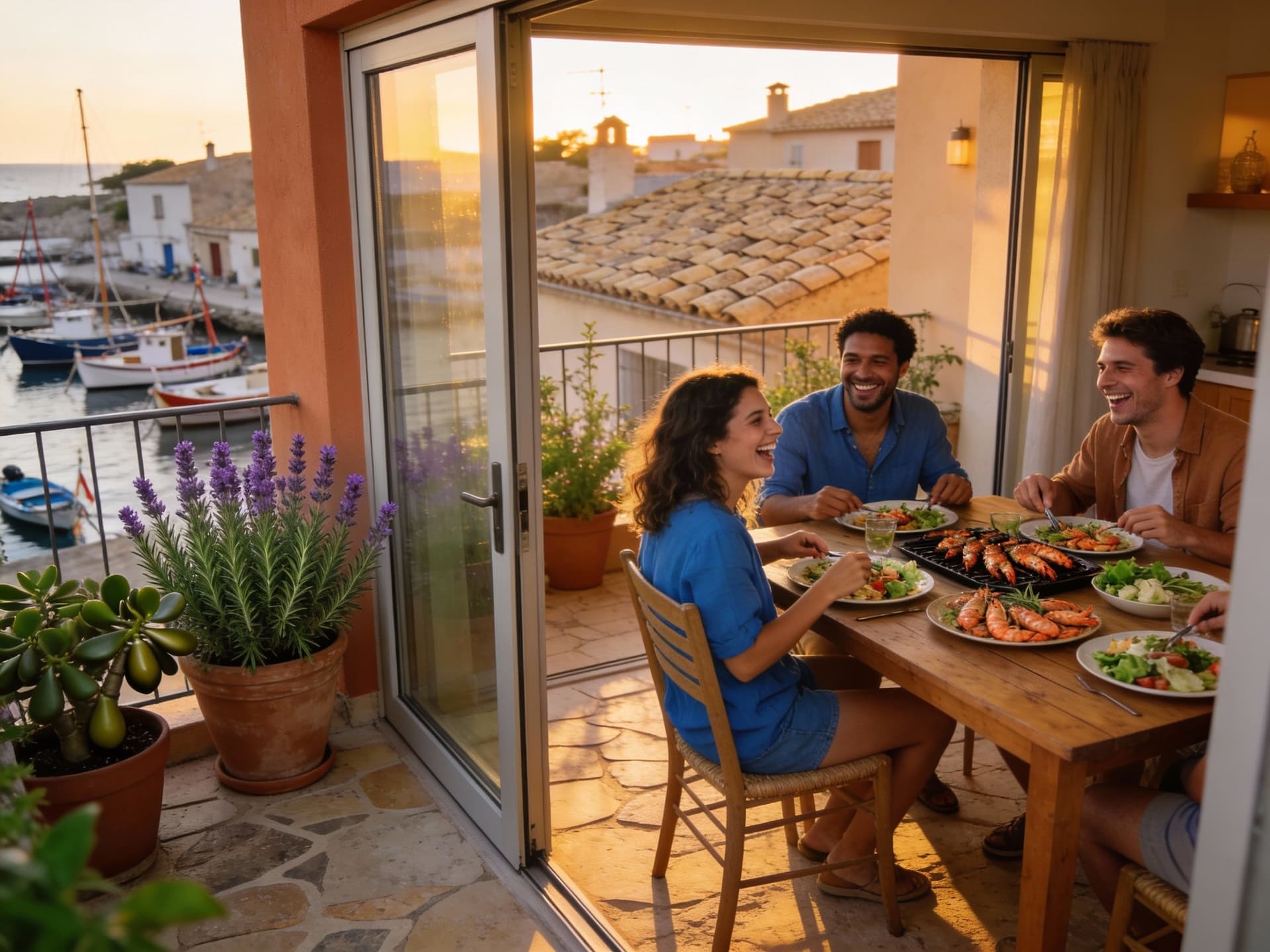
Lifestyle choices in Malta should be read alongside hard data: the National Statistics Office reports continued annual price increases, particularly in apartments and maisonettes, reflecting tight supply against steady demand. That means terrace size, east/west orientation, and proximity to transport are practical value drivers—not just pretty extras. Match property form to everyday use: do you need an indoor workspace, a roof terrace for year-round entertaining, or a smaller pied-à-terre close to cafés?
Property types: maisonette, apartment, townhouse
Maisonettes—ground-floor flats with external access—are prized for private outdoor space and often outperform on resale when outdoor living matters. Apartments dominate supply in central districts and suit buyers seeking low-maintenance, amenity-led living. Townhouses in older villages require renovation but reward with generous rooms and authenticity. Choose by how you live: entertainers prefer terraces; remote workers prioritise quiet rooms and reliable internet.
Working with local experts who know the lifestyle
- 1. Hire an agent who shows micro-neighbourhood differences—two streets can feel like different countries. 2. Ask for recent comparable sales (not asking prices) to see true market movement. 3. Inspect outdoor space in person—terraces photographed online look larger than they are. 4. Check transport noise at times you’ll actually be home—late afternoons differ from mornings.
Insider knowledge: what expats learn the hard way
Expat buyers often arrive enchanted, then confront three realities: scale (Malta is small), seasonality (summer crowds alter the quiet), and regulations (citizenship-for-investment programs have drawn EU scrutiny). The European Court of Justice rulings and subsequent coverage underline that residency and citizenship routes can change; treat any residency promise as regulatory-dependent rather than guaranteed. Smart buyers plan for lifestyle first, then secure legal clarity second.
Cultural integration and daily rhythms
English is an official language, which flattens many practical barriers—doctors, banks and utilities commonly operate in English. Still, integrating means learning local rhythms: feast nights, siesta-like slow afternoons in villages, and an expectation for neighbourly courtesy. Join a club—sailing, a language café, or a local choir—to meet long-term residents rather than seasonal faces.
Long-term lifestyle considerations
Think beyond move-in: consider maintenance on older stone homes, cooling needs for hot summers, and short-term rental demand if you plan to let. Regions like Gozo offer quieter long-term living but smaller resale markets. Use local firms for property management and utilities setup—these small arrangements preserve the lifestyle you moved for.
- Red flags and practical checks before you buy:
- Unclear title history, missing planning permission for alterations, unrealistic rental income claims, properties under ‘golden visa’ marketing with unclear residency outcomes, and inadequate drainage or roof condition in older buildings.
- 1. View at least twice: daytime and evening. 2. Get a local lawyer to confirm title and planning permissions. 3. Request recent utility bills and building management accounts. 4. Meet a neighbour—often the quickest way to learn about noise or building issues.
Malta is a place where public life spills into private life: markets, small harbours, and community fêtes shape daily living. If you want compact streets, English signage, Mediterranean food, and a tight-knit social scene, the islands can be irresistible. Pair that romance with rigorous local checks and you keep the dream intact while avoiding common pitfalls.
Conclusion: fall for the life, and verify the details
Picture yourself choosing a small terrace cafe instead of a chain bar, or swapping a long commute for a walkable street and a weekly fish market. That is Malta’s promise. To keep it, marry that lifestyle brief with data: consult the NSO price index, ask agents for real sale comparables, and use a local lawyer to confirm rights and permits. When lifestyle and due diligence work together, Malta rewards both heart and head.
British investor turned advisor after buying in Costa del Sol since 2012. Specializes in cross-border compliance and data-driven investment strategies for UK buyers.