Marsaxlokk: the quiet quarter outsmarting Malta’s coastal hype
A contrarian look at Malta: why quieter quarters like Marsaxlokk deliver the everyday Mediterranean lifestyle and better value than headline hotspots, backed by NSO and industry data.
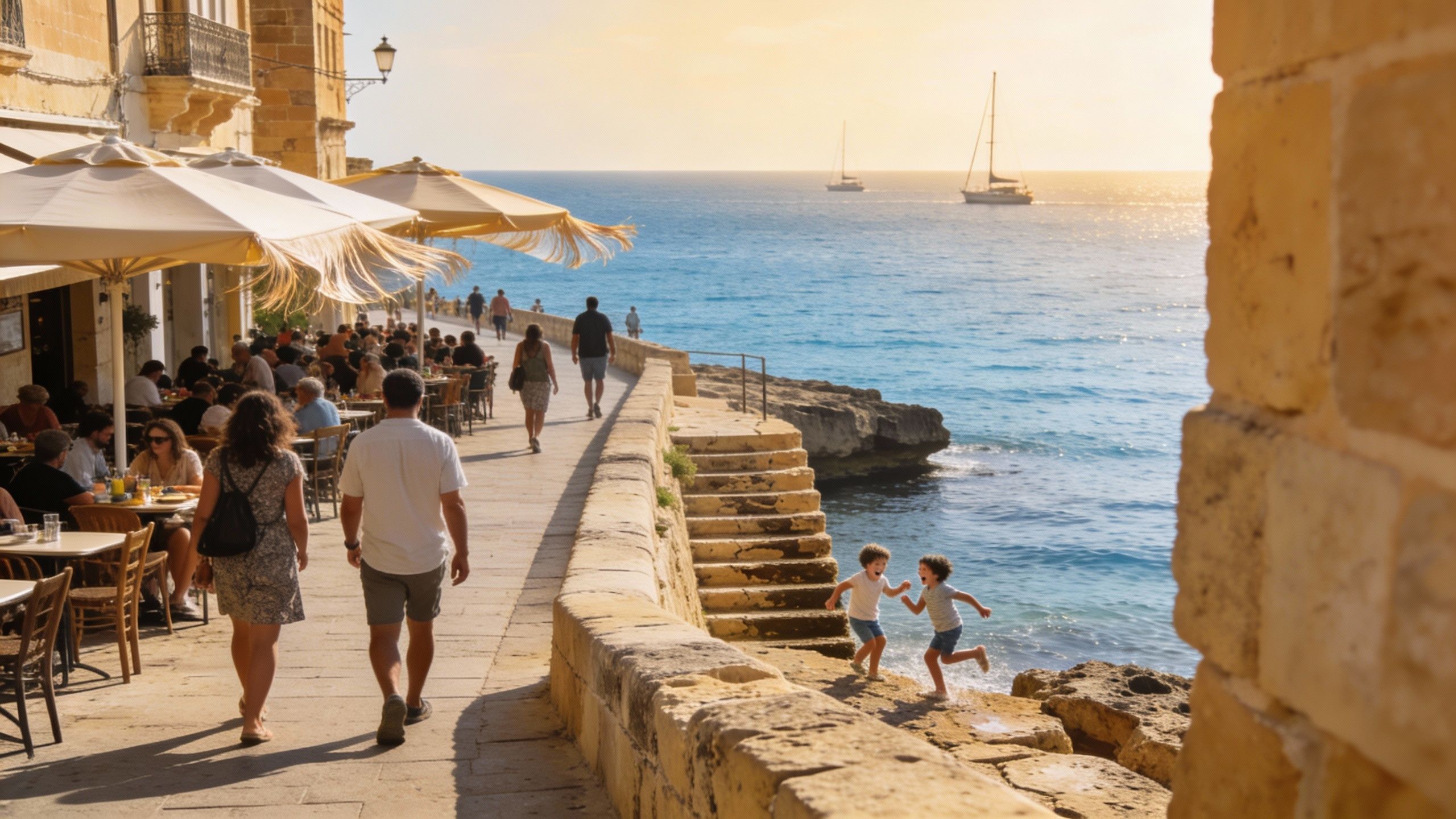
Imagine starting your morning with a coffee on a low stone quay as fishing boats glide past, then wandering three streets to a neighbourhood bakery where the baker knows your name. Malta is compact, loud with history and unexpectedly practical: English is an official language, neighbourhoods are walkable, and the rhythm of life moves between sea and feast. That daily intimacy is why many buyers fall for Malta — and why a few overlooked quarters can offer more value than headline hotspots.
Living Malta: small‑island rhythms, big lifestyle
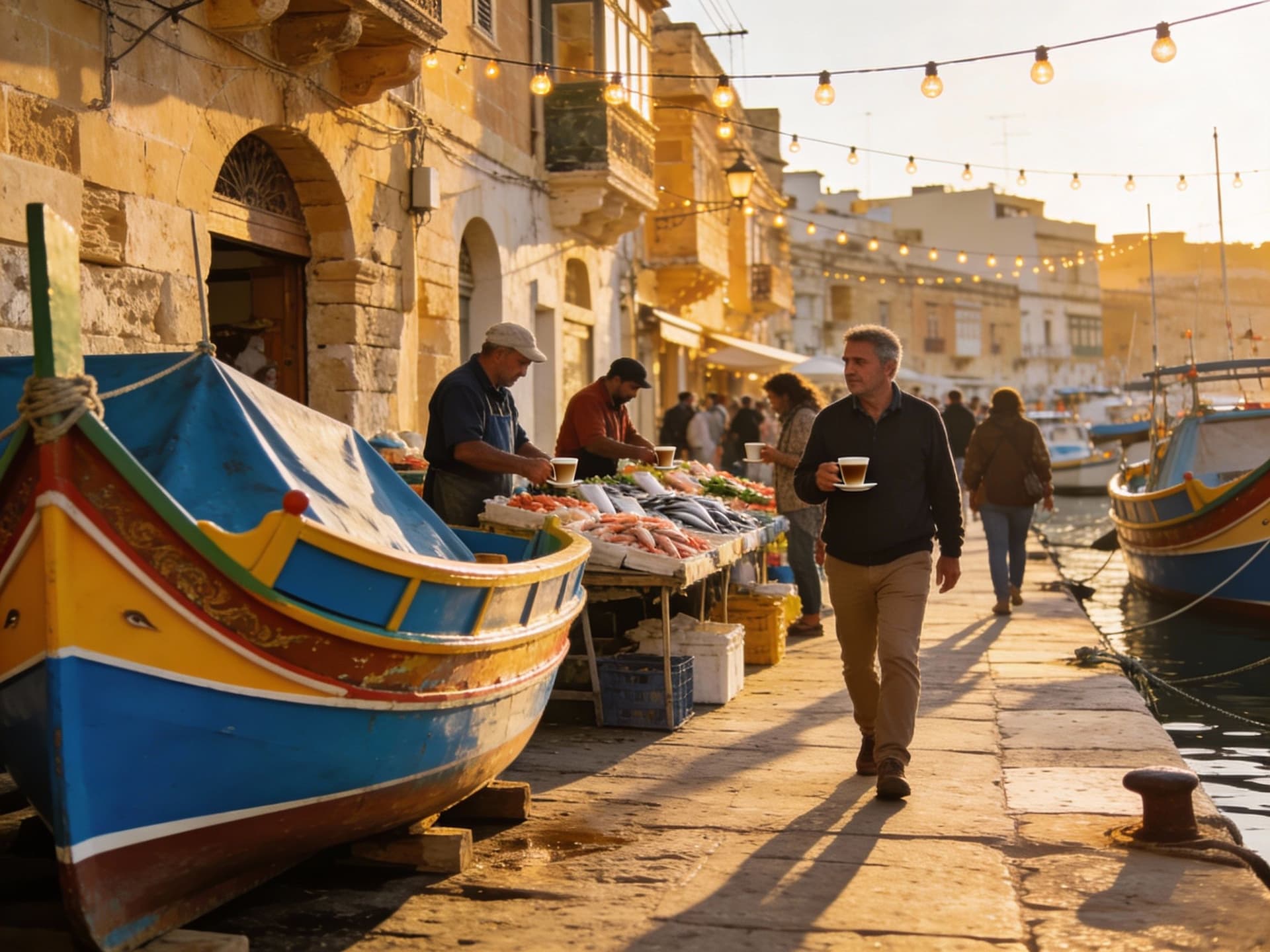
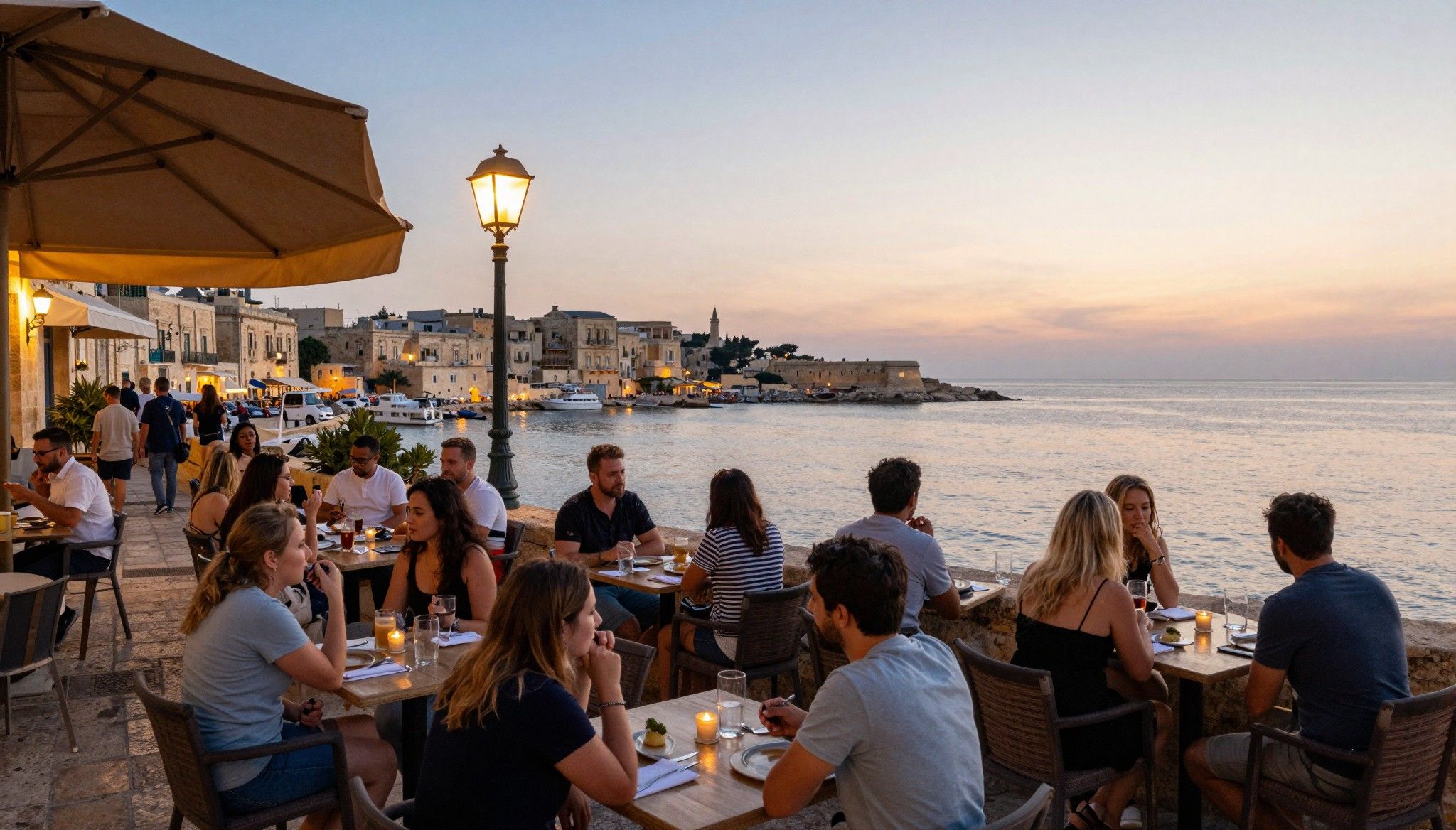
Life here blends Mediterranean rituals with practical compactness: espresso at 09:00, lunch of lampuki and broad beans by the harbour, an evening passeggiata on a sea promenade. Valletta’s baroque streets, Sliema’s shopping spine and St Julian’s nightlife are loud and obvious — but the quieter fishing villages and inner suburbs deliver the everyday that many internationals actually want: community, calmer streets, and easier parking. Recent official data show the island’s Residential Property Price Index rising steadily, underlining demand that’s focused on central and coastal pockets rather than the whole map.
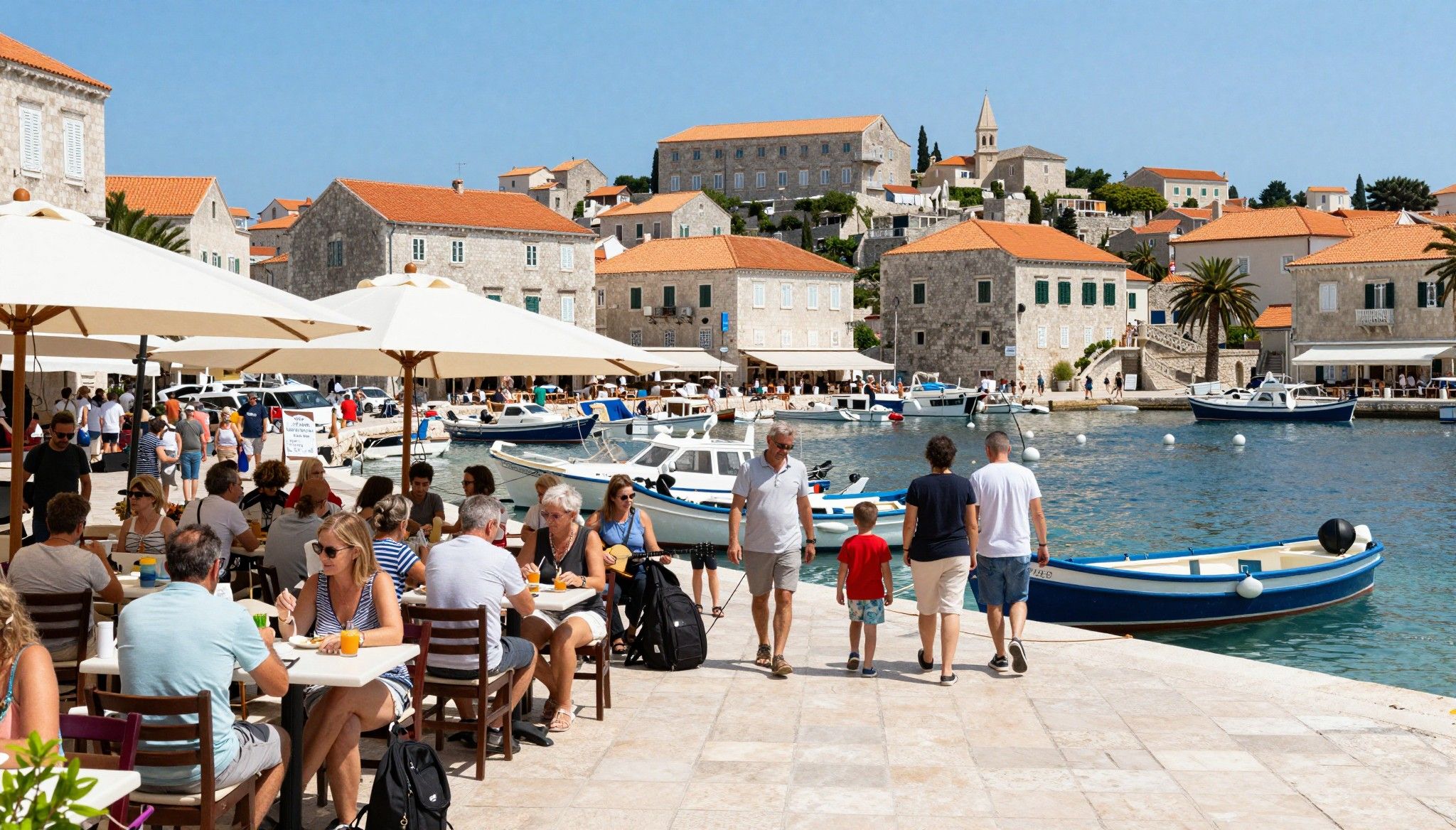
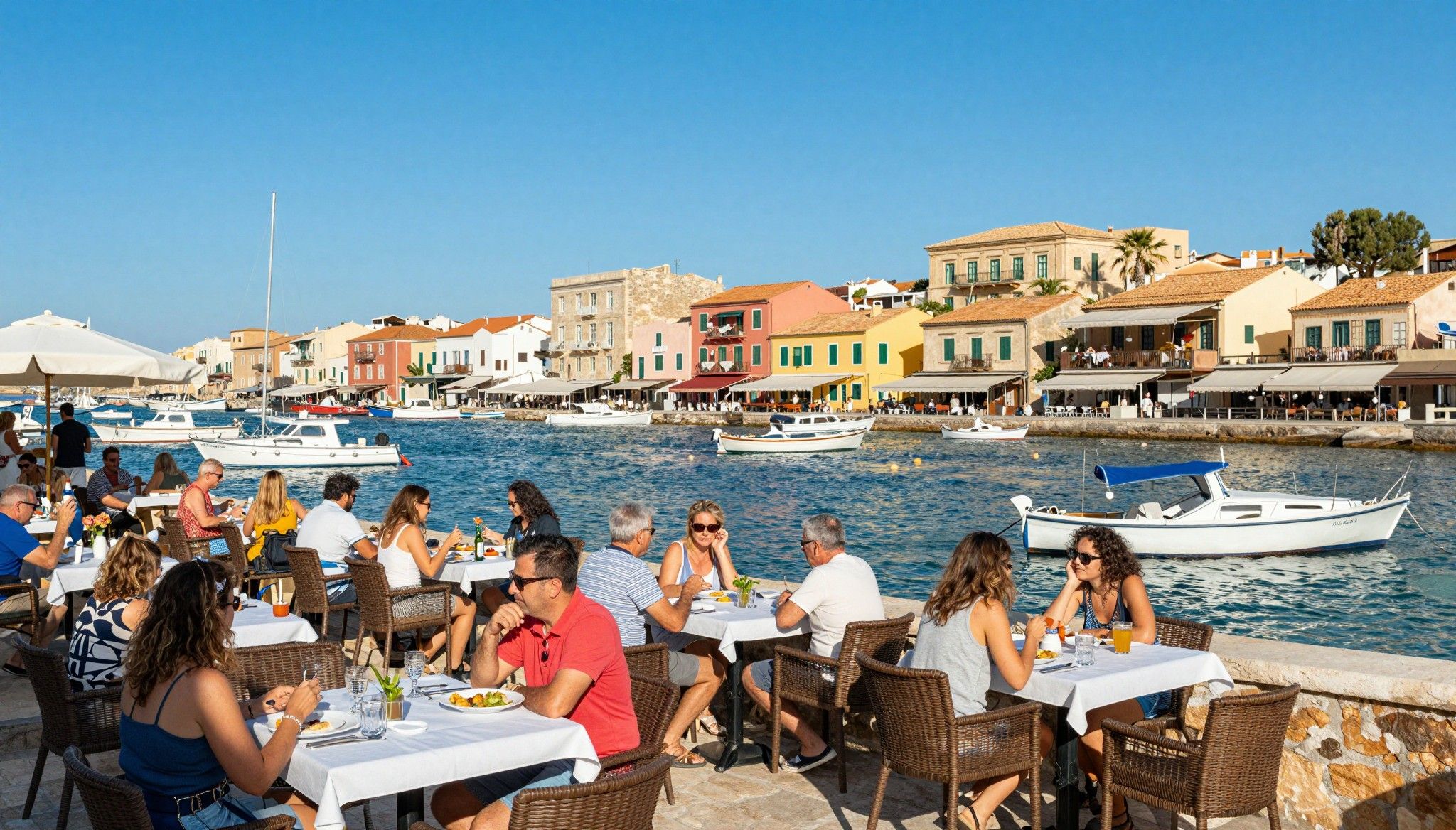
Contrary to expectation: the harbour village of Marsaxlokk — the place tourists visit for fish and luminous luzzu boats — is the neighbourhood everyone assumes is only for day trips. In truth, it offers terraces, low-rise houses and a daily market life that translates into a lifestyle many buyers prize: seaside mornings, community festivals, and a slower pace while still being 20–30 minutes from urban centres.
Buyers who choose Marsaxlokk swap a Sliema skyline for real terraces and access to fresh fish markets; they accept longer commutes for daily authenticity. Local surveys and industry commentary note growing interest in such neighbourhoods from buyers seeking lived‑in character rather than glass towers. For lifestyle‑minded buyers who value village rhythm, Marsaxlokk’s property stock — historic stone houses and modest maisonettes — often outperforms expectations on rental demand during peak seasons.
Food, festivals and the small‑island social life
Imagine Saturdays at Marsaxlokk market, Sundays at Ġnien il‑Kbir (Valletta’s gardens) or evenings when village festa bells call neighbours to the feast. Maltese food culture is regional and seasonal: fish of the day, Ġbejniet (cheeselets), and local wines. These rituals shape how properties are used — terraces for long lunches, shaded courtyards for summer evenings — and partly explain why demand is strongest in locations that offer both authentic local life and practical connections to services, as reflected in steady price growth across the island.
- Lifestyle highlights to look for in Malta - Marsaxlokk harbour market and Sunday fish stalls - Valletta tea rooms and artisan shops along Republic Street - Sliema promenade and front‑line cafés for sunset walks - Għajn Tuffieħa and Golden Bay for weekend beach escapes - Local festas (village feasts) that knit neighbourhood communities
Making the move: lifestyle choices that affect value

Translating Malta’s lifestyle into a property decision means balancing three realities: limited land supply pushes prices in central pockets, the island’s compact scale makes micro‑location crucial, and official indices show ongoing price growth that varies by property type. That means what looks affordable on a per‑square‑metre basis can still deliver high running costs or limited rental upside if it lacks terraces, parking or easy access to local amenities.
Property styles and how they shape daily life
Stone townhouses and traditional maisonettes give you private outdoor space and character but often need renovation; contemporary apartments offer low‑maintenance living and better short‑term rental appeal. If your day will revolve around cafes and promenades, a Sliema apartment with a narrow terrace may win; if you want morning fish stalls and a quieter street, a Marsaxlokk maisonette with a courtyard is a smarter match.
How local agents turn lifestyle into a shortlist
- Steps agents use to match lifestyle to value 1. Map daily routines: commute, cafés, weekend beaches. 2. Filter by micro‑location attributes: terrace size, parking, views. 3. Vet building quality and service costs against rental demand. 4. Check legal constraints and residency requirements for non‑EU buyers. 5. Produce a 3–5 year scenario: lifestyle satisfaction vs resale horizon.
Insider knowledge: what expats wish they’d known
Straight talk from people who moved here: north‑to‑south differences are real, services cluster around urban hubs, and policy shifts — such as recent rulings affecting citizenship‑for‑investment programmes — can change the motivation for foreign buyers. Learn the day‑to‑day: grocery runs, school routes, and how festas reshape evening plans. Ask locals about water pressure, sun exposure on terraces, and whether neighbours use their outdoor space year‑round.
Before you decide: spend a week living the neighbourhood, not just visiting. Time visits around a weekday and a weekend, sample markets, and test the commute at rush hour. Use a local agent to get off‑market viewings; they’ll flag maintenance history, façade licences and microclimate quirks that matter for terraces and solar panels.
Malta gives you a concentrated Mediterranean life: loud festas, close‑knit streets, and an easy English‑language entry. If you prioritise lived‑in character over postcard gloss, look beyond the obvious waterfronts. Start with a lifestyle map — cafés, markets, and a favourite beach — then ask an agent to translate that map into a short, realistic property list so you can move from dream to deed with clarity.
Swedish strategist who relocated to Marbella in 2018. Specializes in legal navigation and tax planning for Scandinavian buyers.