Evening Markets, Not Marinas: Where Riviera Value Hides
The Côte d'Azur's real value often hides off the promenade: hill towns and suburbs offer larger homes, community life and steadier value—backed by 2025 market data.

Imagine waking on a hill above a sun-drenched market square in Vence, buying morning bread at a stall, then catching a 25‑minute drive to Cannes for dinner. The Côte d'Azur isn't only palm‑lined promenades and megayachts; its quieter hill towns and lesser-known coastal suburbs shape the smartest lifestyle-and-value trade‑offs for international buyers. Recent market signals show prices stabilising nationally and demand shifting toward understated, lived‑in neighbourhoods rather than headline waterfronts.
Living the Riviera life — beyond postcards
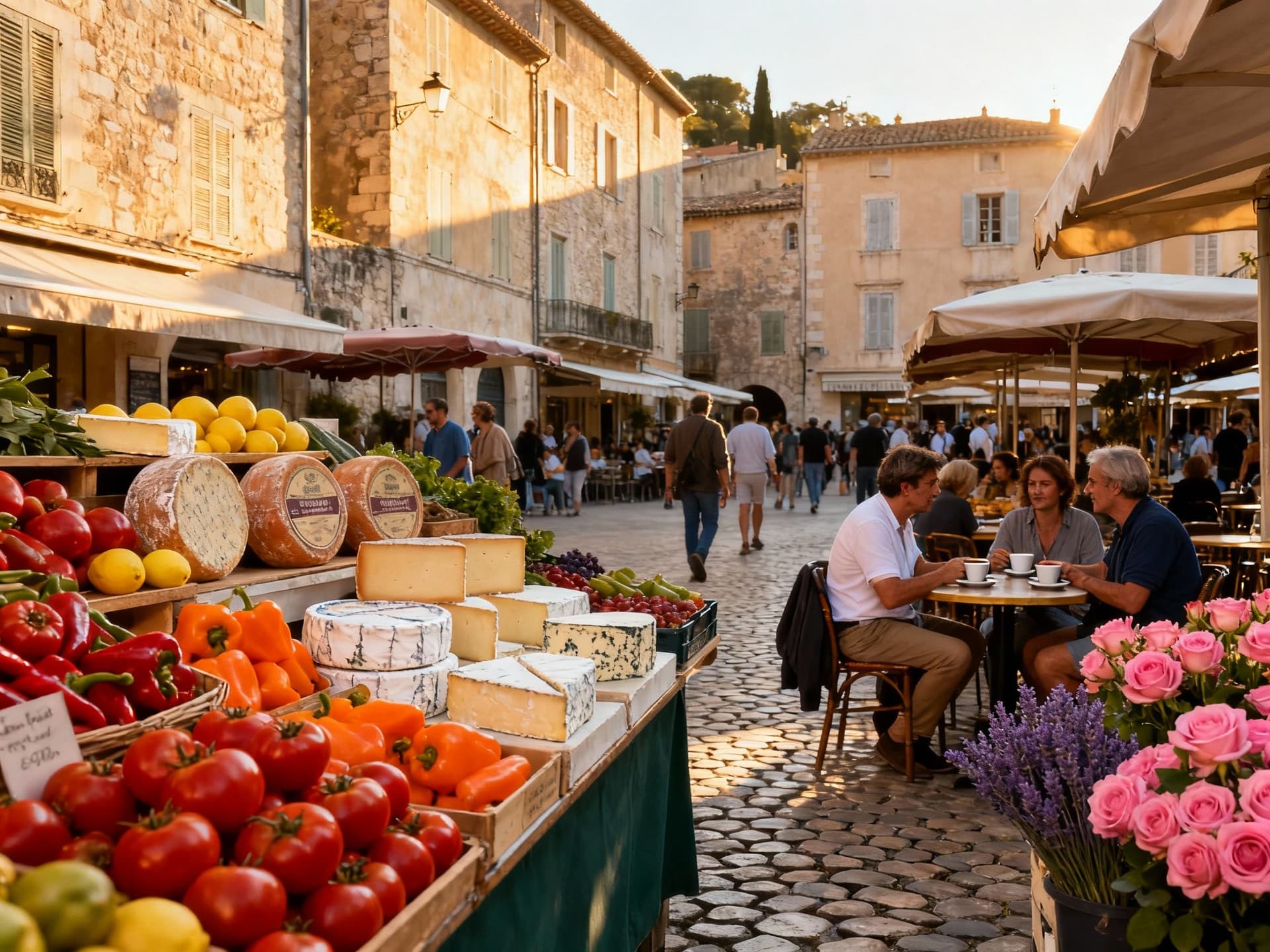
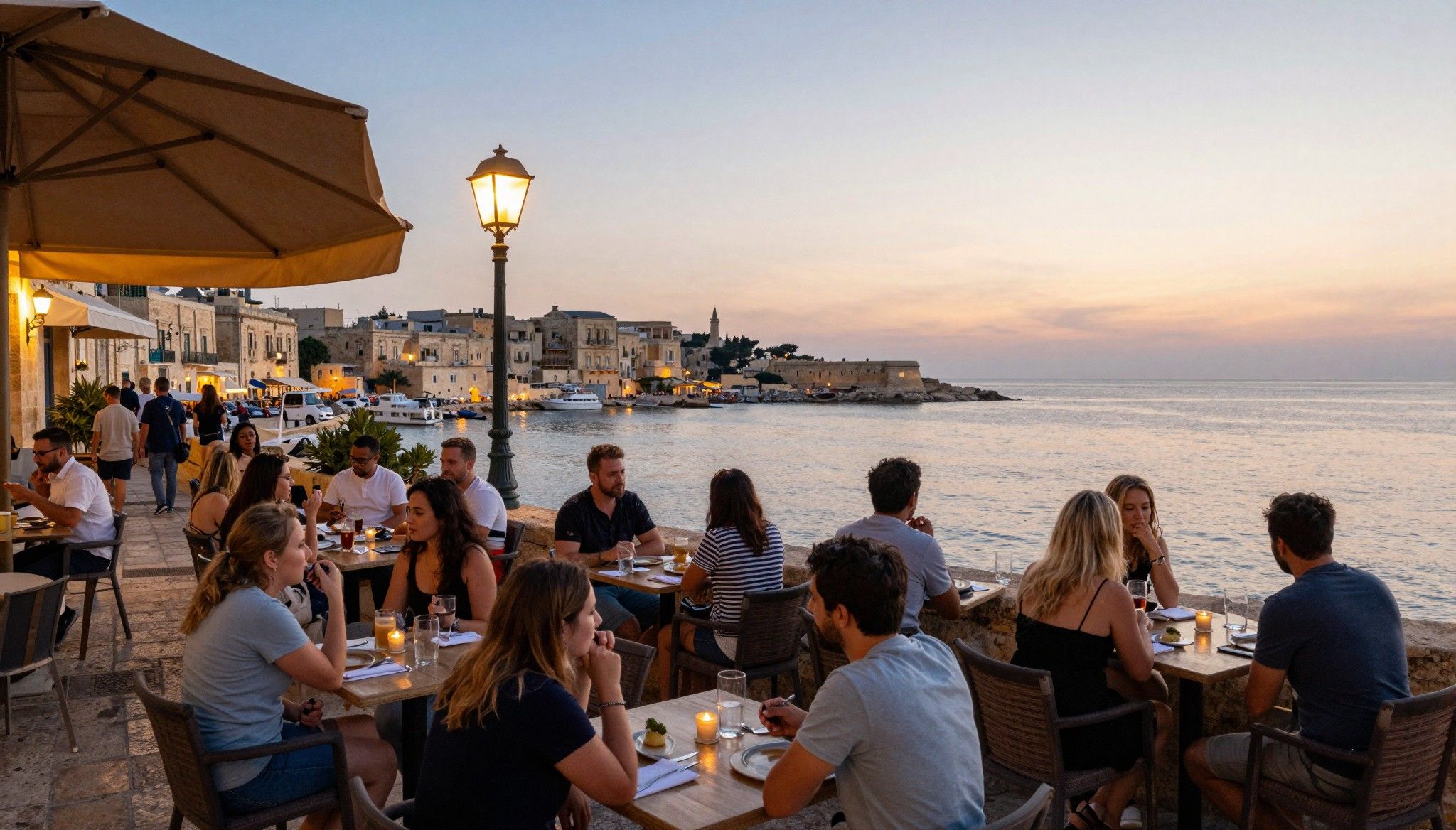
Start days the way locals do: espresso on a corner table in Nice's Liberation quarter, then a weekend marché at Antibes’ Provençal market filling reusable bags with olives, socca and basil. Evenings are informal: small-group dinners at family-run bistrots in Saint-Paul‑de‑Vence, aperitifs on private terraces in Mougins, and occasional festivals — from jazz in Juan‑les‑Pins to film premieres in Cannes — that punctuate the year. This rhythm matters for buyers: the place you love at 09:00 often determines the property type and neighbourhood you should prioritise.
A hill‑town day: Mougins, Valbonne, Tourrettes-sur-Loup
These villages trade sea views for space, stone streets and community life. You get larger gardens, private parking and rooms that feel lived in — often at a lower per‑square‑metre premium than central Cannes or Antibes. For families and buyers craving local ties, the slower pace, weekly markets and village schools create immersion that the promenade cannot match.
Coastline moods: Nice, Antibes, Cannes, Saint‑Raphaël
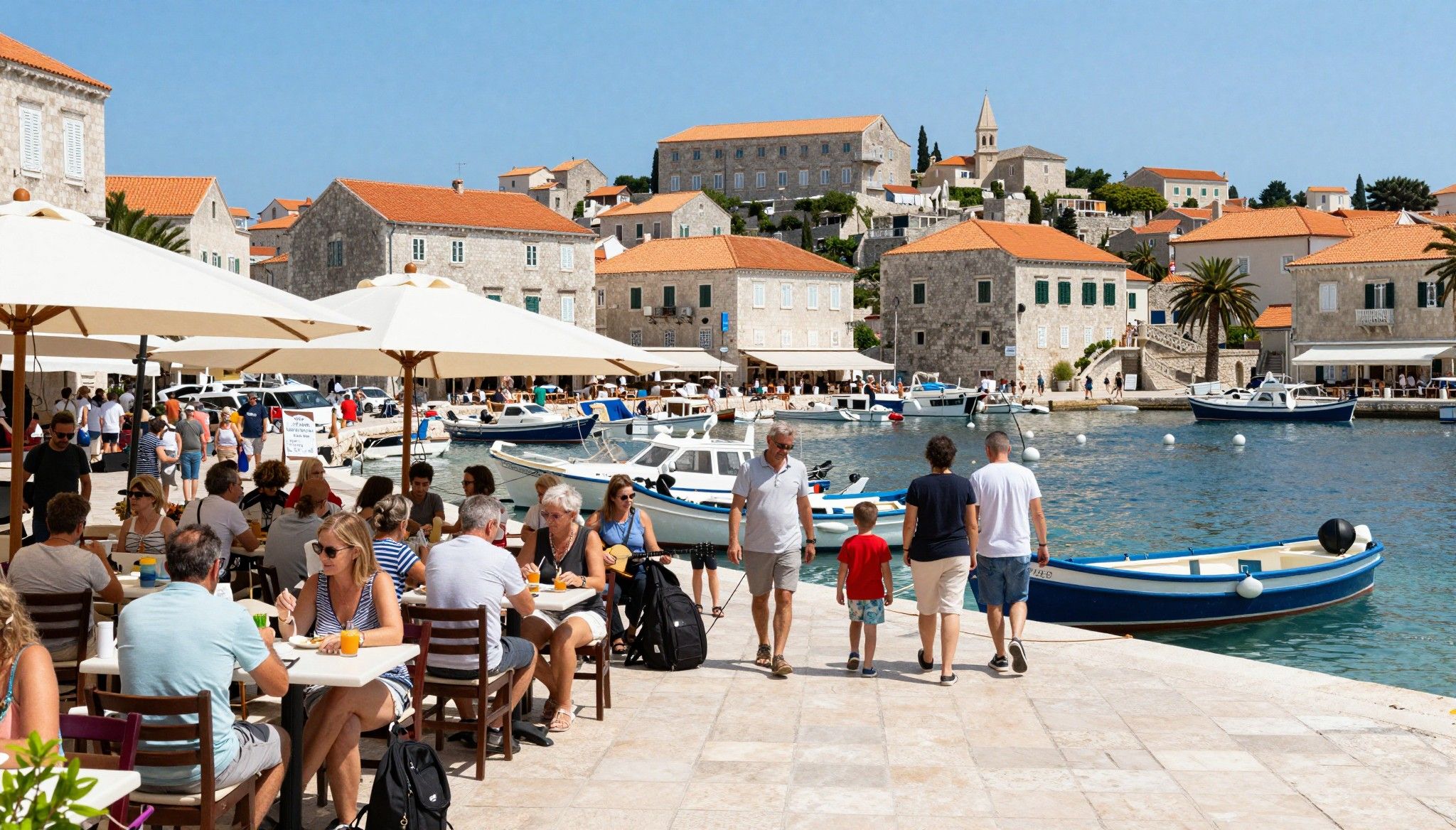
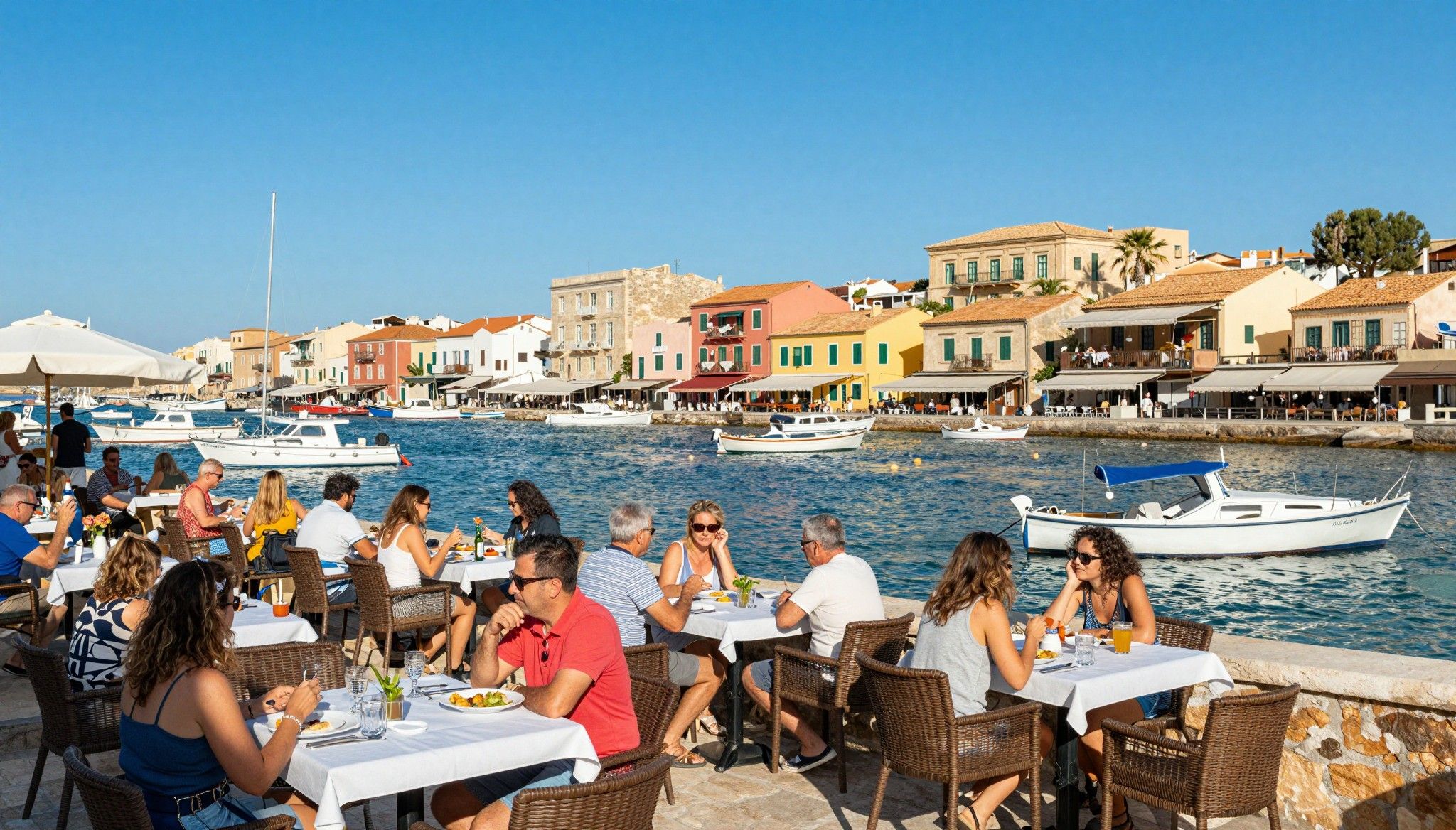
The coast offers immediate access to beaches, yacht moorings and urban amenities, but it also brings seasonality, tourist crowds and higher maintenance demands. As the FT observed, buyers are increasingly looking inland to gain living space and value. If your life includes regular long stays, choose a coastal neighbourhood with year‑round services (Cannes Croix des Gardes, Antibes Juan‑les‑Pins edges) rather than a purely tourist strip.
- Lifestyle highlights to map on your property search: • Vence Old Town market and weekly Provençal arts scene • Mougins restaurants and larger villa plots • Antibes’ Marché provençal (fresh produce, fisherman stalls) • Nice Liberation for daily convenience and trains • Saint‑Paul‑de‑Vence galleries and quieter winter life • Juan‑les‑Pins jazz clubs and summer events
Making the move: lifestyle choices that shape property decisions
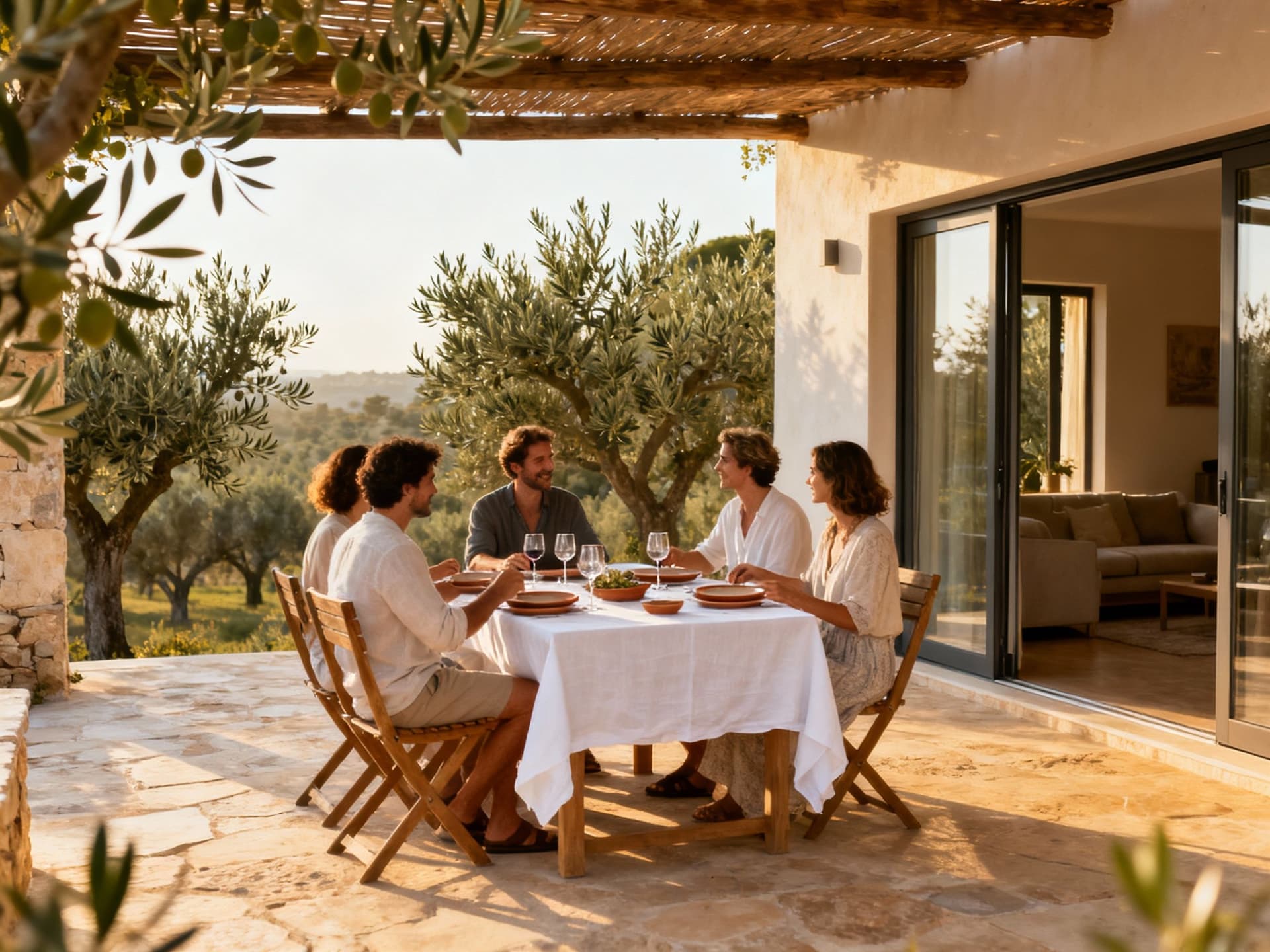
Lifestyle preferences steer practical decisions. National data show France's second‑hand prices returned to modest growth in early 2025, but local volatility remains: coastal prime remains resilient while inland pockets can offer quicker value. That means your lifestyle brief — daily commute tolerance, need for outdoor space, desire for village life versus urban buzz — should inform neighbourhood selection before you start bidding.
Property types and how they fit real life
Apartment on the Promenade: immediate sea access, concierge services, smaller indoor footprints but high running costs. Provençal village house: larger footprint, mature gardens, renovation needs and community bonds. Modern new build on Riviera outskirts: lower maintenance, better insulation, but sometimes limited character. Match type to how you’ll actually use the property — weekend retreat, year‑round home, or rental asset.
- How local experts translate lifestyle into listings: 1. They map morning routines to neighbourhoods — where you can walk to a market within 10 minutes. 2. They estimate realistic rental demand by village versus promenade seasonality. 3. They advise on renovation scope and local permitting for hill‑town restorations. 4. They vet property management options that preserve your lifestyle when absent.
Insider knowledge: what expats wish they’d known
Real buyers tell the same story: the romance of the Croisette is real, but everyday happiness often lives on quieter lanes, near bakeries and green spaces. Expat owners we spoke with preferred being 10–20 minutes from the coast if it meant a safe school run, a larger kitchen and neighbours who know your name. The unglamorous details — reliable heating, winter sunlight, water pressure — matter more over five years than a postcard view.
Cultural tips that change where you buy
Learn the weekly rhythm: many small businesses close Monday mornings or August‑wide; public transport schedules thin outside term time. Language is practical: a few phrases ease transactions and neighbourliness; agencies fluent in English and French smooth negotiation and service handovers. Expect slower administrative processes than in some countries — plan timelines accordingly.
- Long‑term considerations for lifestyle sustainability: 1. Factor seasonal service availability into year‑round living plans. 2. Budget for maintenance on older stone properties and coastal corrosion. 3. Check local school options early if staying long term. 4. Balance rental potential against personal use days when judging yield.
If you imagine life here — shopping at Place Masséna, dinner on a private terrace, or a winter morning walk in a mimosa grove — start with where you want those moments to happen, then let practical checks follow. Work with agencies that live the lifestyle they sell: ask about local neighbours, recent maintenance bills, and how properties perform off‑season. These conversations reveal where value and daily joy converge.
Next steps: visit in shoulder season, spend mornings at markets, and shortlist properties in both a coastal and hill‑town neighbourhood to compare real‑life trade‑offs. Use data — local transaction trends and national indices — to test your instincts. A short list of two agencies, one with deep Riviera village knowledge and one with coastal listings, is the practical way to ensure you buy both the lifestyle and the right property.
British investor turned advisor after buying in Costa del Sol since 2012. Specializes in cross-border compliance and data-driven investment strategies for UK buyers.