Riviera life before the offer
Feel the Riviera before bidding: lifestyle-first insights and data-backed market signals for buyers seeking coastal life in France.
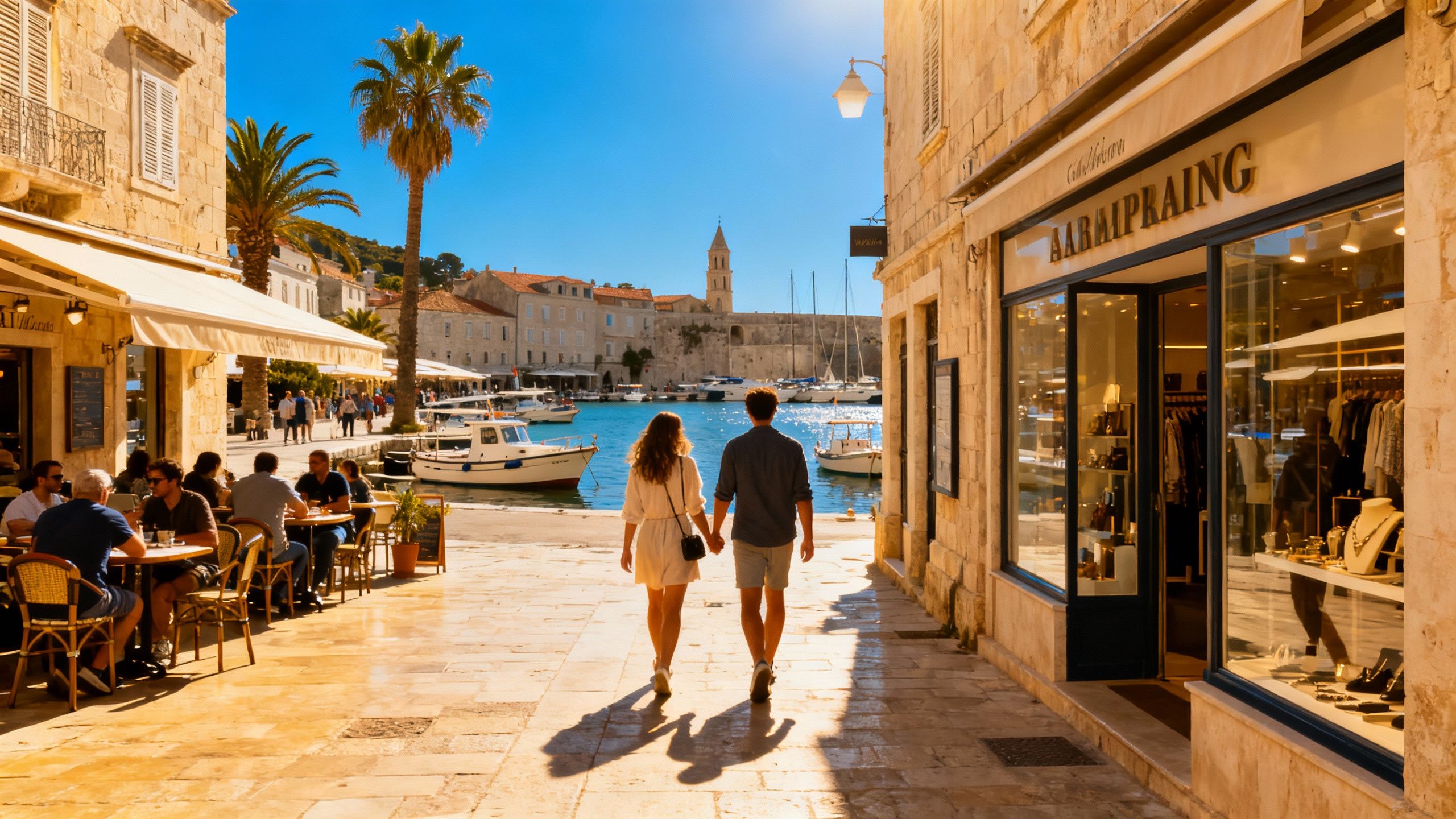
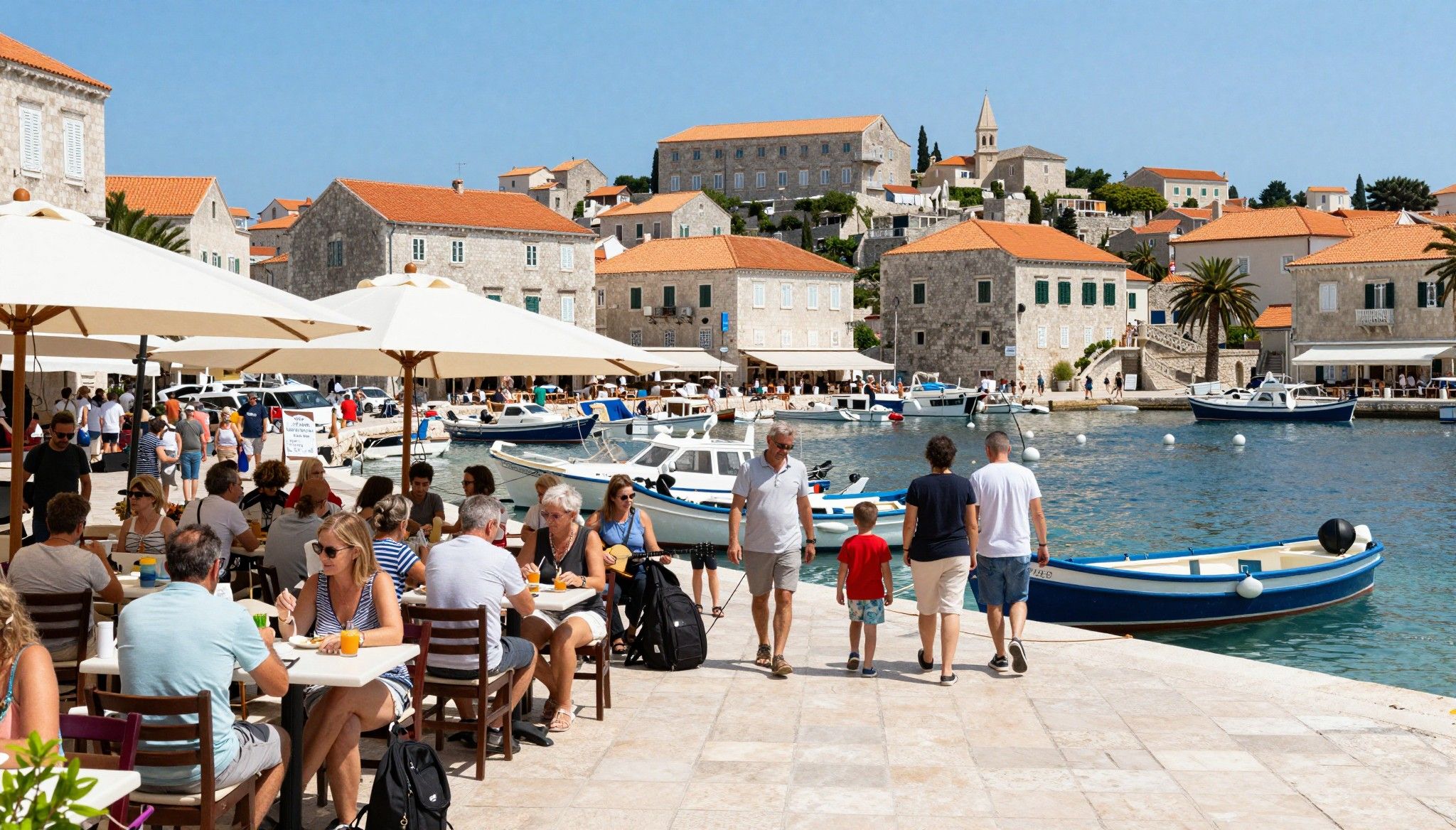
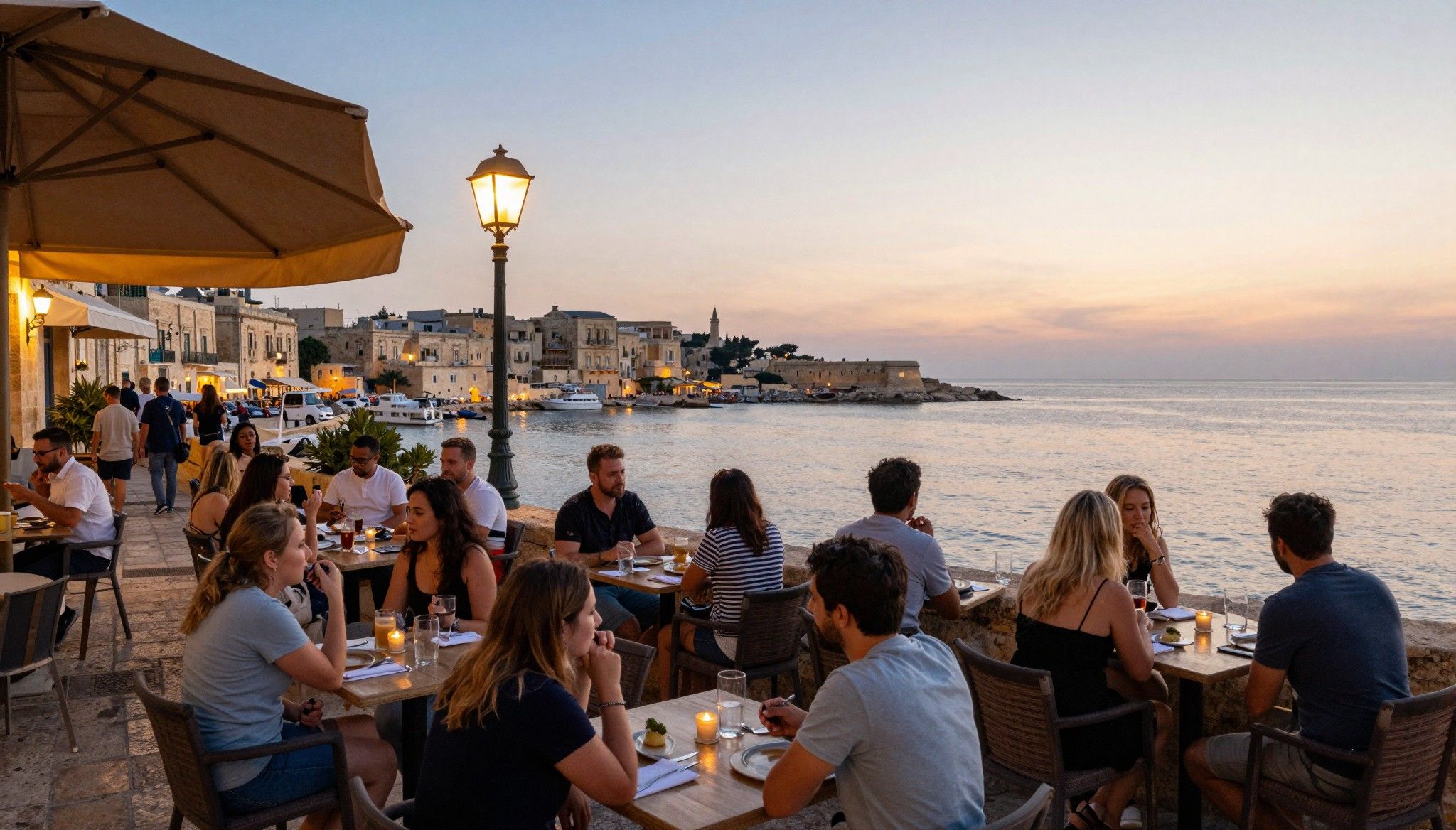
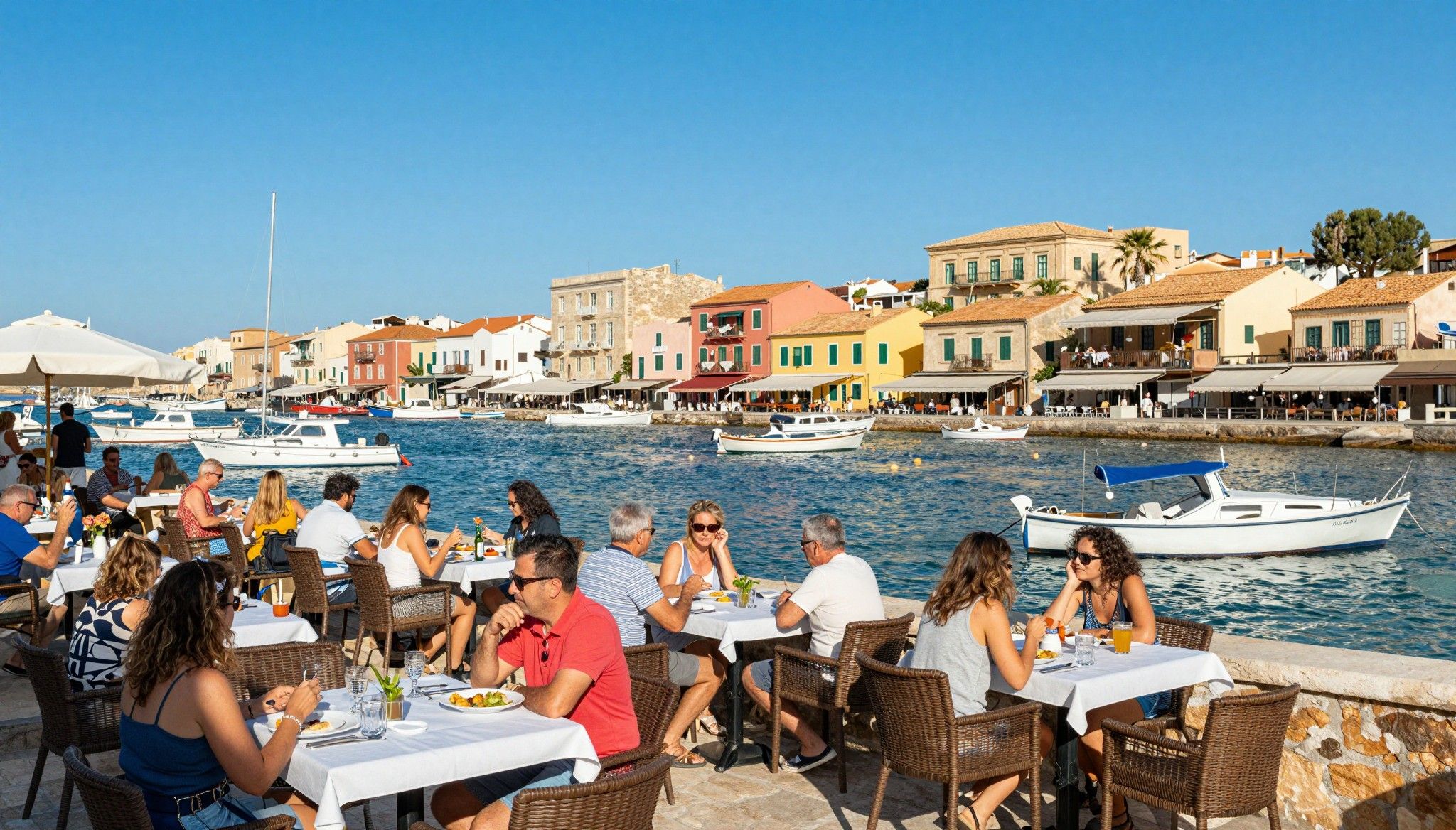
Imagine starting your day with a short walk from a sun-dappled rue in Cannes to the market for fresh socca, then pausing for espresso at Cours Mirabeau-style terraces before an afternoon dip at Plage du Midi. That sense of slow, tangible luxury is what draws international buyers to France’s Côte d'Azur — but the picture is layered. Beneath the market postcards are clear patterns: ultra-prime scarcity, shifting demand toward hill towns, and seasonal rhythms that change what living here actually feels like. This piece blends sensory, street-level life with the market facts you need to decide where — and when — to press “offer.”
Living the Côte d'Azur life
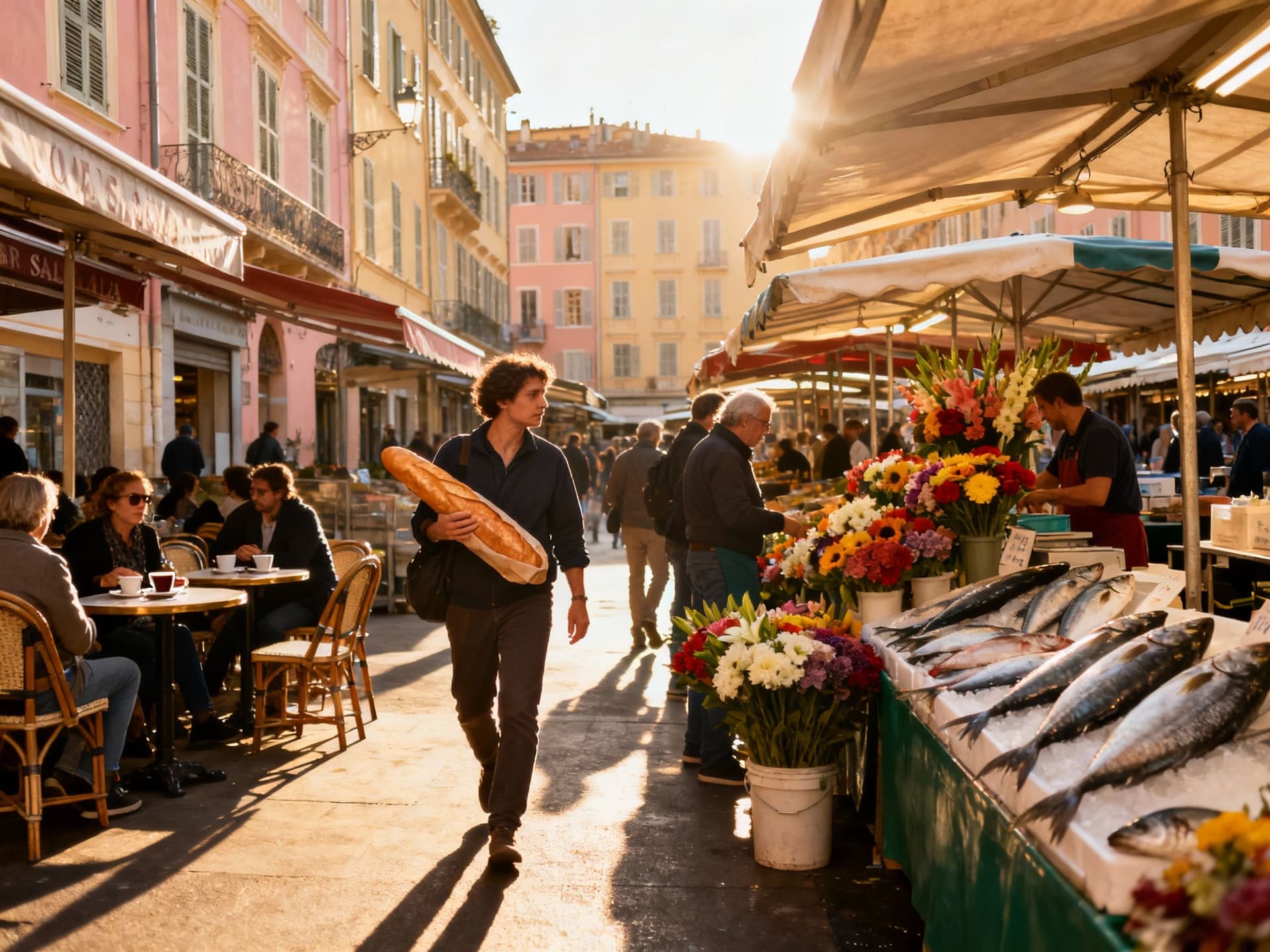
The Riviera is not a single lifestyle but a coastline of micro-worlds: boardwalk glamour in Cannes, village afternoons in Mougins, and intimate harbour life in Villefranche-sur-Mer. Each place has its daily rhythm — morning markets and boulangeries in Nice, afternoon siestas and late aperitifs in Saint-Tropez — and those rhythms shape what a property gives you. Savills notes a tight supply in prime locations that keeps prices high; at the same time, buyers are discovering value inland in historic hill towns where space and calm replace a marina view. If you come for beaches, you stay for the markets, the art festivals, and those ordinary street moments that make the summer lifestyle repeatable year after year.
East vs West Riviera: different atmospheres
Travel east from Nice toward Monaco and you find gilded promenades, Michelin dining, and compact, high-priced apartments where concierge services are the norm. Head west toward Cannes and Saint-Tropez and the coastline opens into broader beaches, larger villas, and a different social scene dominated by summer festivals and boating culture. The demographic mix shifts too: more trophy, off-market purchases near Monaco; families and longer-stay buyers in the western Var and Provençal towns. These contrasts mean your daily habits — school runs, weekend beach life, entertaining — determine which stretch of coast will feel like home.
Markets that feel local: hill towns and small ports
Mougins, Valbonne and Saint-Paul-de-Vence offer village squares, bakeries, and broader plots for a price that buys more life than a tiny seafront apartment. The Financial Times reports buyers finding quieter bargains inland, and Sotheby’s highlights resilient luxury performance in proven locations. For many internationals the draw is authenticity: Provençal markets on Saturday, a 20-minute drive to a beach for Sunday lunch, and a community that knows your name after a season. These areas also give better scope for renovations, gardens, and regular rentals for cashflow if you decide to let in summer.
Lifestyle highlights to sample during a viewings trip
Cours Saleya market (Nice) — morning food stalls, flowers, socca tastings.
Rue d’Antibes (Cannes) — boutique shopping and casual bistros for people-watching.
Vallon des Auffes (Marseille) and Port of Antibes — small harbours for calm evening strolls and seafood.
Making the move: practical, place-first advice
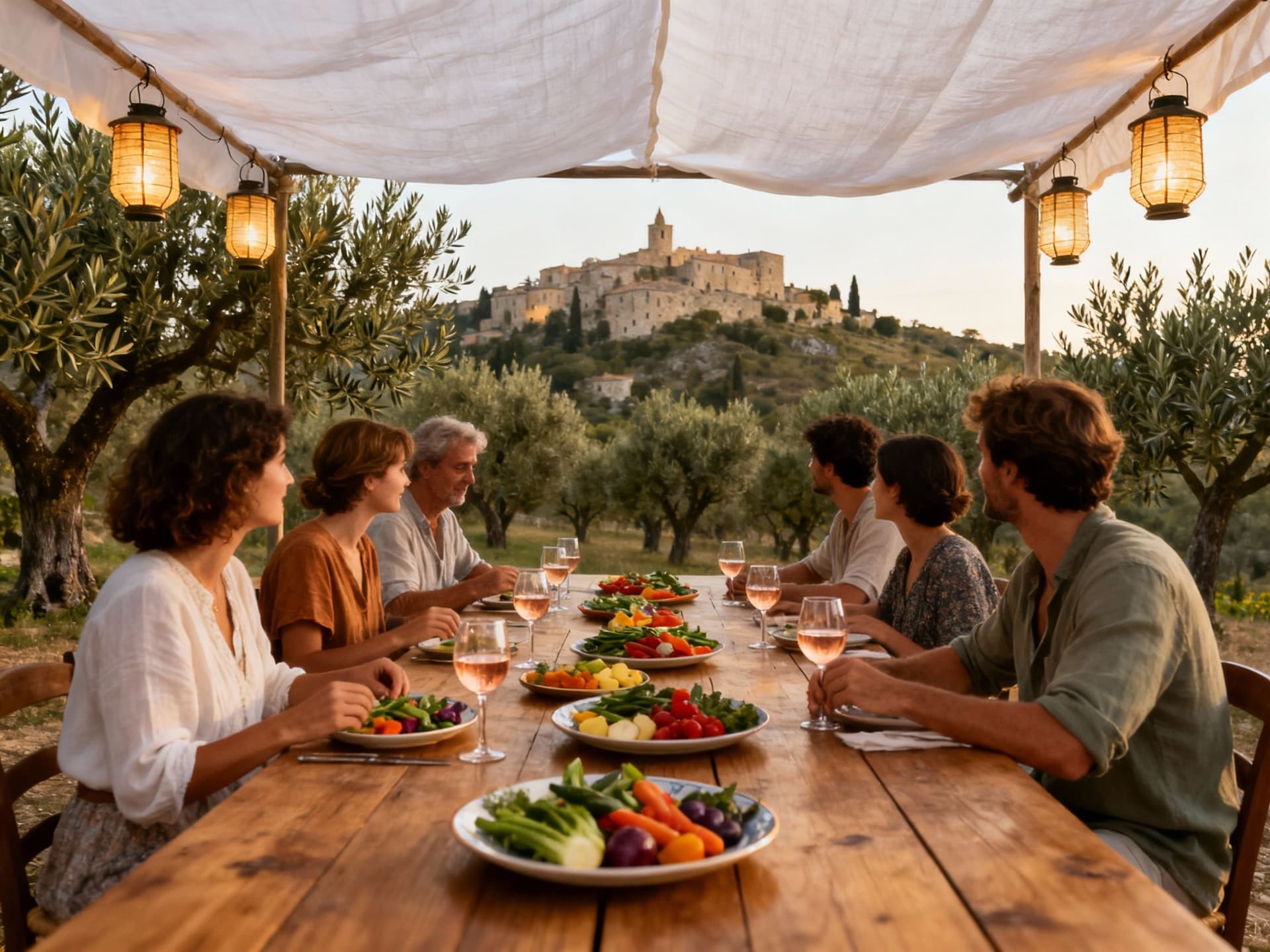
Luxury cachet obscures practical trade-offs: smaller floorplates in coastal towns, limited parking, and intense seasonality for rentals. Savills points to constrained supply in prime pockets that keeps prices elevated while creating off-market opportunities for buyers who know where to look. Before making offers, match the property type to how you intend to live: short-stay income, full-time relocation, or a mix. That decision changes everything from the preferred neighborhood to the type of agency you hire.
Property styles and daily life trade-offs
Seafront apartments give immediate beach access and low-maintenance living but usually sacrifice interior space and private outdoor areas. Villas inland tend to offer gardens, parking, and longer-term lifestyle comfort, yet add commute time to Nice airport and local services. New-builds on the Riviera often feature modern insulation and air-conditioning (important for hot summers), while older Belle Époque flats require careful inspection for structure, heating, and wiring. Think through daily rituals — breakfast on a balcony, grocery runs, school pickups — and choose a property form that supports them without constant compromise.
How local experts protect lifestyle value
A locally rooted agency understands which streets hold their value and which pockets are seasonal rentals that empty out in winter. Use agents who know municipal rules for coastal construction, risk of flood zones, and listed-building constraints; those details affect renovation plans and long-term enjoyment. Agencies with concierge services can also arrange seasonal lettings, property management and renovation crews, turning a property into a practical lifestyle asset rather than a maintenance burden. Work with advisors who ask about how you want to live first, then show homes that match that life.
Steps to combine lifestyle and prudence when buying on the Riviera
Visit in two seasons: sample high summer and a quieter month (May or October) to feel the year-round lifestyle.
Prioritise neighbourhoods by daily routines: markets, school options, commute times, and proximity to Nice airport.
Get a local survey and flood/heritage check before bids — these can reshape renovation budgets and timelines.
Insider knowledge: expats, seasons and what few sellers tell you
Expats often discover that the Riviera’s rhythm is seasonal: streets buzz in July and August and whisper in January, and that ebb matters for services, social life and short-term rents. Sellers may emphasise sea views and concierge packages, but seldom stress recurring costs like winter heating in older properties or the higher supply-chain cost for tradespeople in high season. Locals prize community — weekend markets, municipal fêtes, and local boulangeries — and those ties determine how quickly you feel at home. Talk to neighbours, attend a municipal market and test being a local for a weekend before committing.
Language, social rhythm and practical integration
Basic French opens doors: shopkeepers, mairie staff and local contractors respond faster when you try. Expat communities cluster around international schools in Antibes and Nice and around artistic centres in Mougins and Saint-Paul-de-Vence, offering social shortcuts. Yet integration also means accepting local rhythms: later dining, a slower bureaucratic tempo, and strong neighbourhood opinions on short-term rentals. Expect to learn by doing — join a pétanque club, visit the marché, and you’ll find that lifestyle advantages follow social familiarity.
Long-term lifestyle and resale signals
Resale strength often follows infrastructure: improved rail links, airport accessibility and local planning that protects coastal character. Sellers seldom advertise municipal plans that could change market dynamics, so request recent commune planning documents early. According to Savills and Sotheby’s, ultra-prime supply remains constrained and that scarcity supports long-term value where lifestyle is durable. Simple upgrades — efficient glazing, sensible air-conditioning, and modern kitchens — can materially lift both enjoyment and marketability.
Conclusion: fall in love, then do the homework
The Côte d'Azur is a collage of daily pleasures and hard market facts: lazy market mornings and tight, sometimes off-market, prime supply. Let lifestyle lead the search — know which cafés, markets and streets you want — then use local experts to translate those preferences into legal checks, renovation budgets and off-market opportunities. If you love waking to a village square yet need reliable airport access, there’s a narrow list of streets and towns that deliver both: that’s where an informed agent and a thoughtful viewing plan make the difference. Start with short, two-season visits and a local agent who asks how you want to live, not just what you want to buy.
Swedish strategist who relocated to Marbella in 2018. Specializes in legal navigation and tax planning for Scandinavian buyers.