Riviera Rituals, Hill‑Town Value: Côte d'Azur Realities
The Côte d'Azur is both promenade and village — choose coastal liquidity or hill-town space while accounting for new short‑term rental rules and energy regulations.
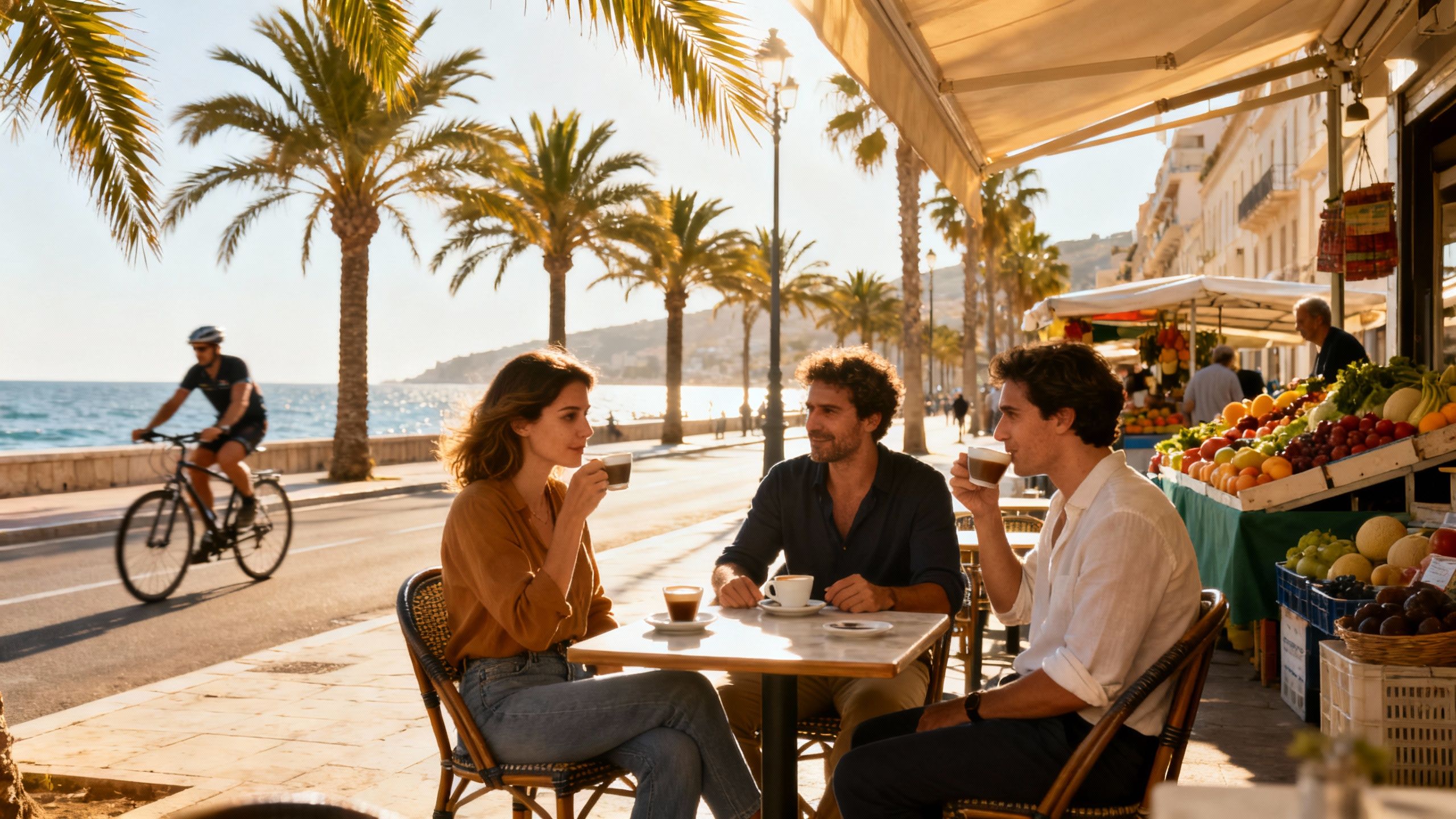
Imagine sipping espresso on Rue Masséna in Nice at 09:00, then driving twenty minutes up into pine-scented hill towns where the pace slows, terraces open and village boulangeries queue every morning. The Côte d'Azur is both postcard coast and quietly domestic hinterland — and the reality of owning here is a blend of sunlit ritual, seasonal flux and new legal and market pressures that every international buyer should know.
Living the Riviera: daily rhythms and real places
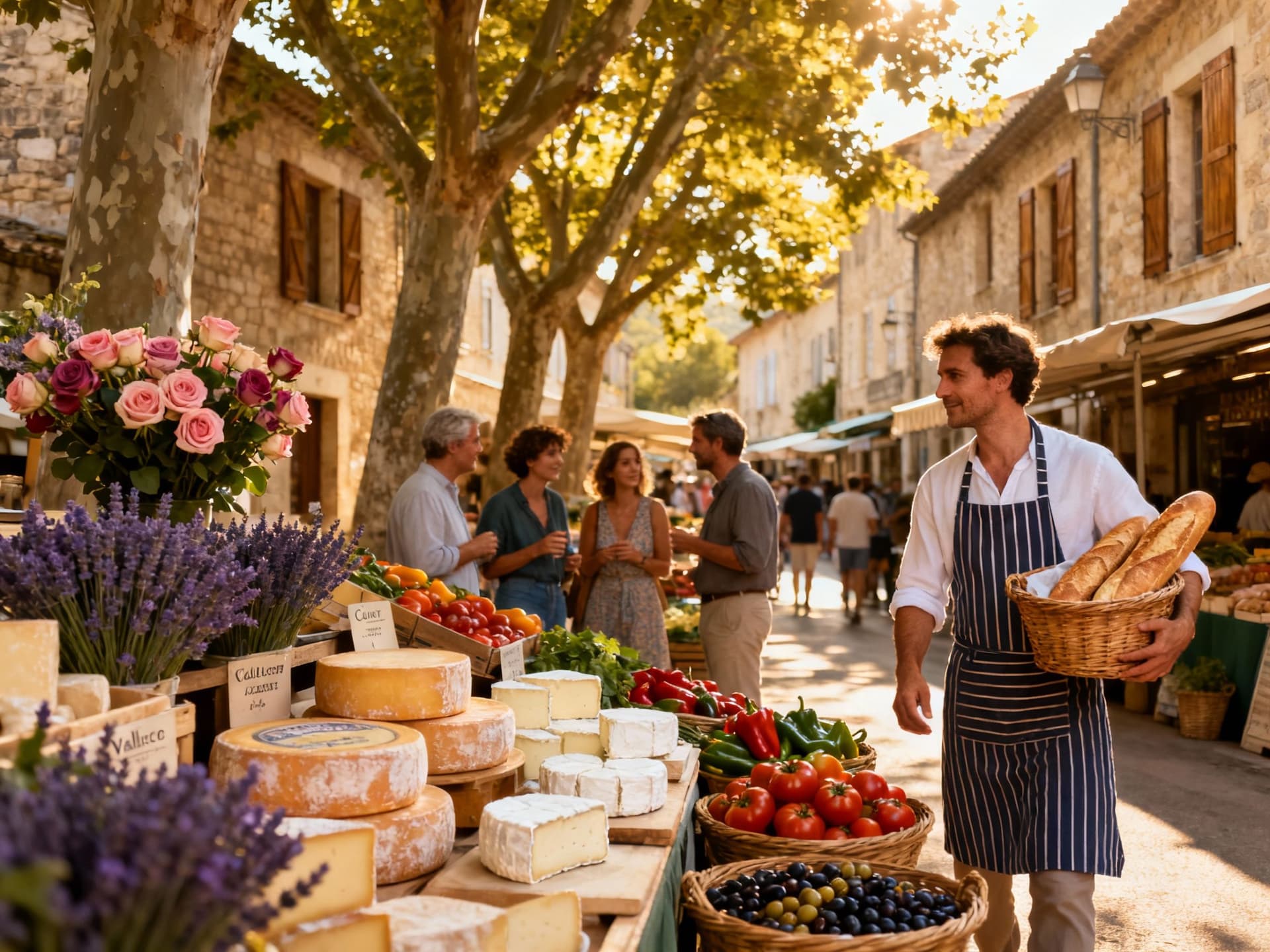
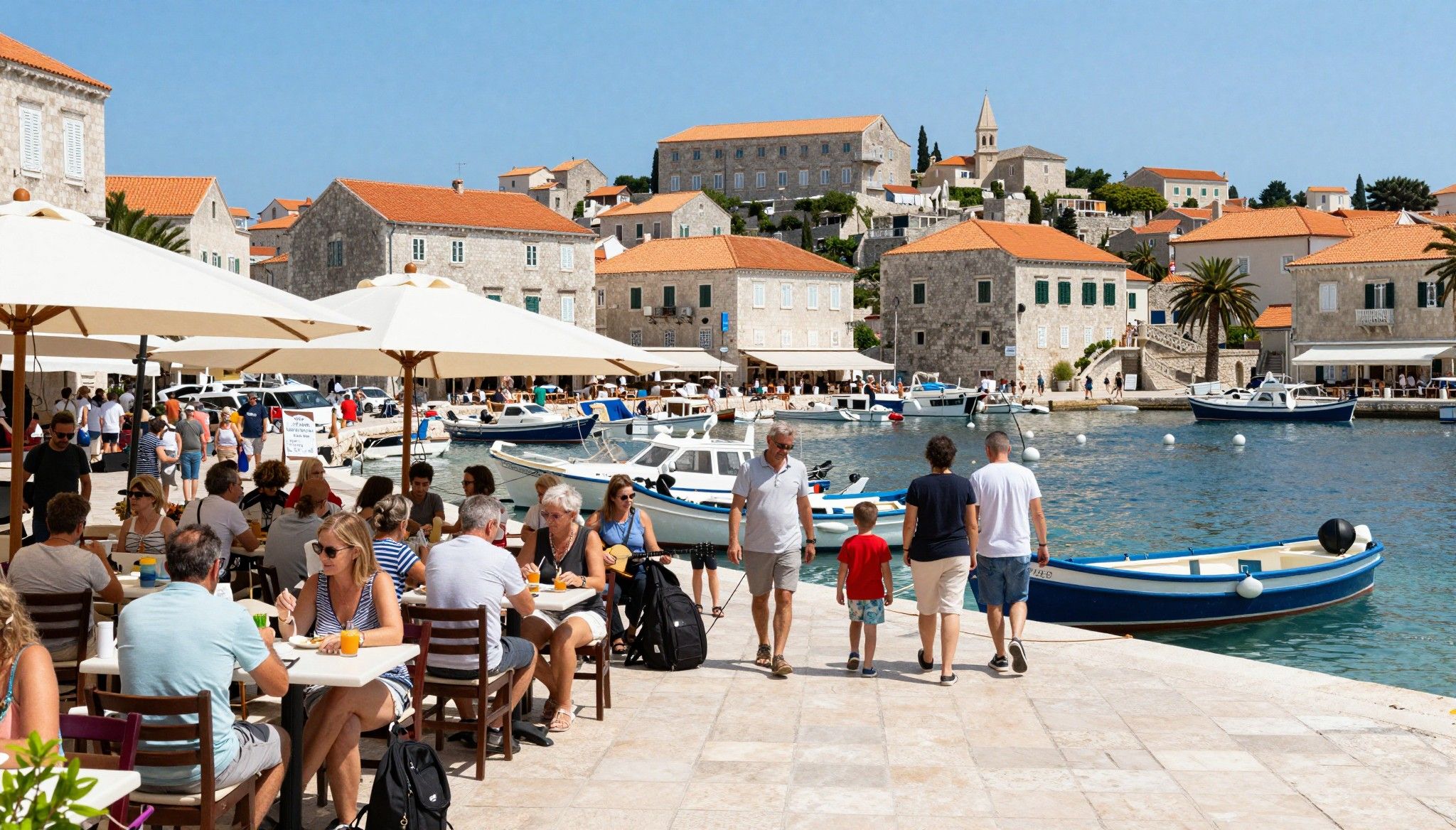
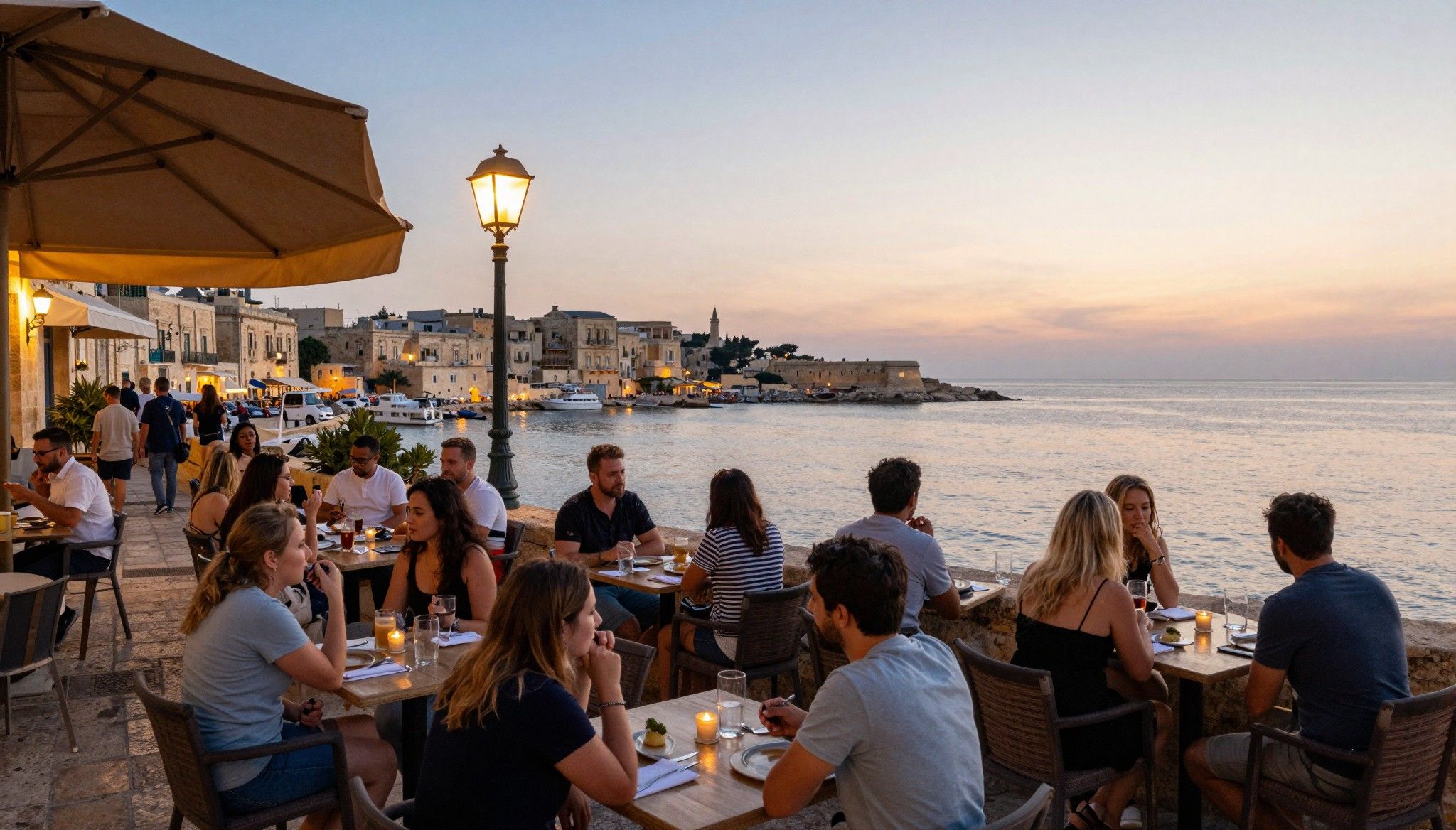
Life here is split between two registers: the promenade and the village. Mornings on the Promenade des Anglais or in Cannes' Le Suquet feel coastal and social; afternoons are for markets — Cours Saleya in Nice or Forville in Cannes — where fishmongers, socca sellers and flower vendors set the rhythm. Evenings, locals drift to tucked-away wine bars on rue d'Antibes or to hilltop restaurants in Mougins and Valbonne. Recent reporting notes buyers increasingly favour quieter hill towns for space and value rather than the busiest seafront districts.
Hill towns: bigger homes, slower summers
If you crave sun plus space, look inland to Mougins or Valbonne where limestone façades, narrow streets and Provençal markets feel lived-in year-round. Properties here often include gardens, cellars and vaulted rooms — features that change how you use a second home: weekend gardening, long winter stays and hosting friends off-peak. Sellers in these towns price for privacy and plot size, not beachfront vanity.
Coastal pockets: Cannes, Antibes, Nice
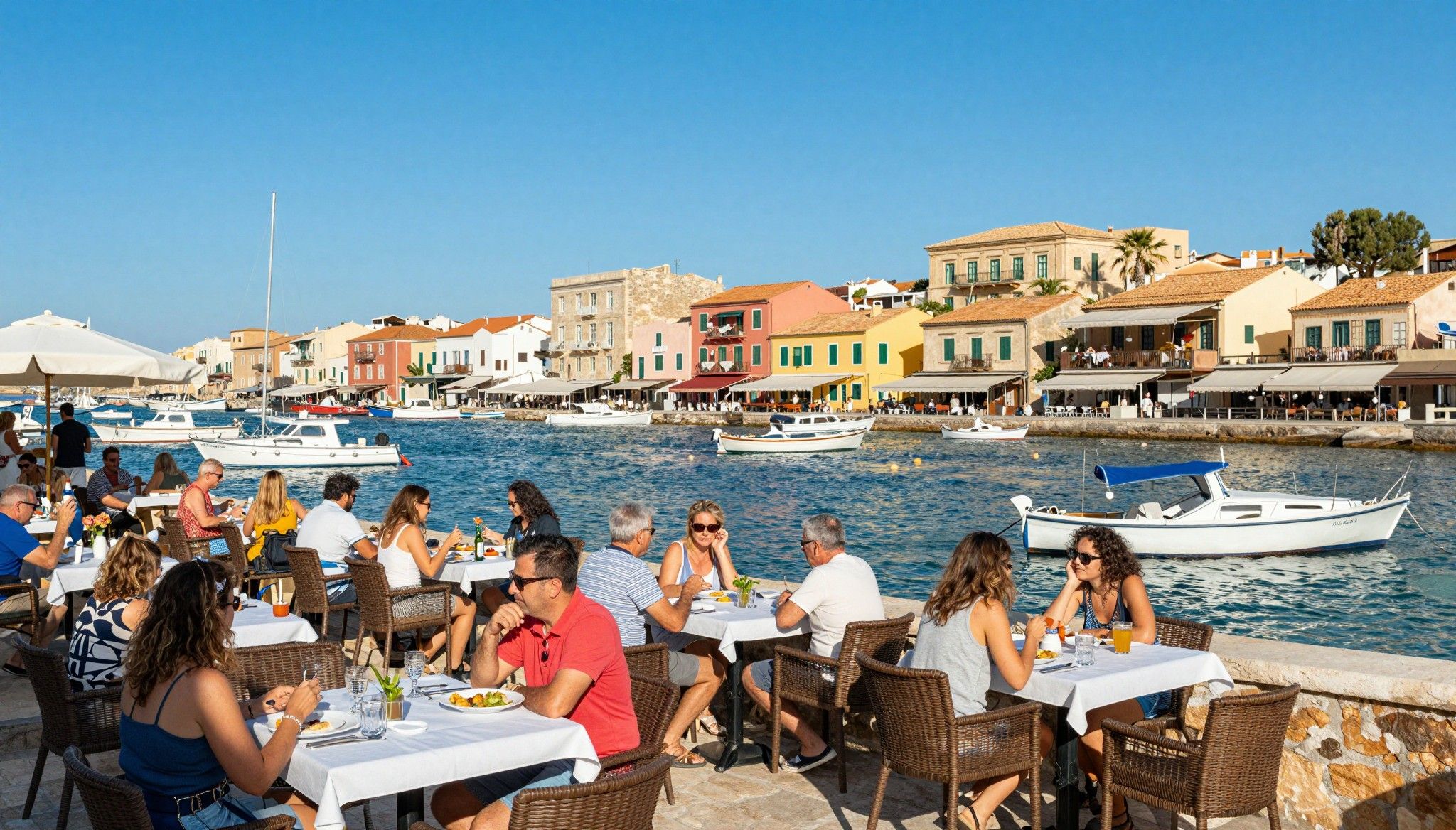
Coastal neighborhoods still sell the Riviera dream: seafront apartments in Nice with morning markets on Cours Saleya, Art Deco buildings on Promenade des Anglais, or smart apartments near Palais des Festivals in Cannes. These locations are highly liquid for short-term rental seasons but attract heavier regulation and higher purchase premiums — factors that should shape how you plan use and financing.
- Market and lifestyle highlights: Cours Saleya market mornings; Promenade des Anglais walks; Mougins restaurant scene; Valbonne weekly Provençal market; Antibes Plage and Juan-les-Pins nightlife; Saint-Paul-de-Vence galleries and quiet winters.
Making the move: lifestyle choices that shape the deal
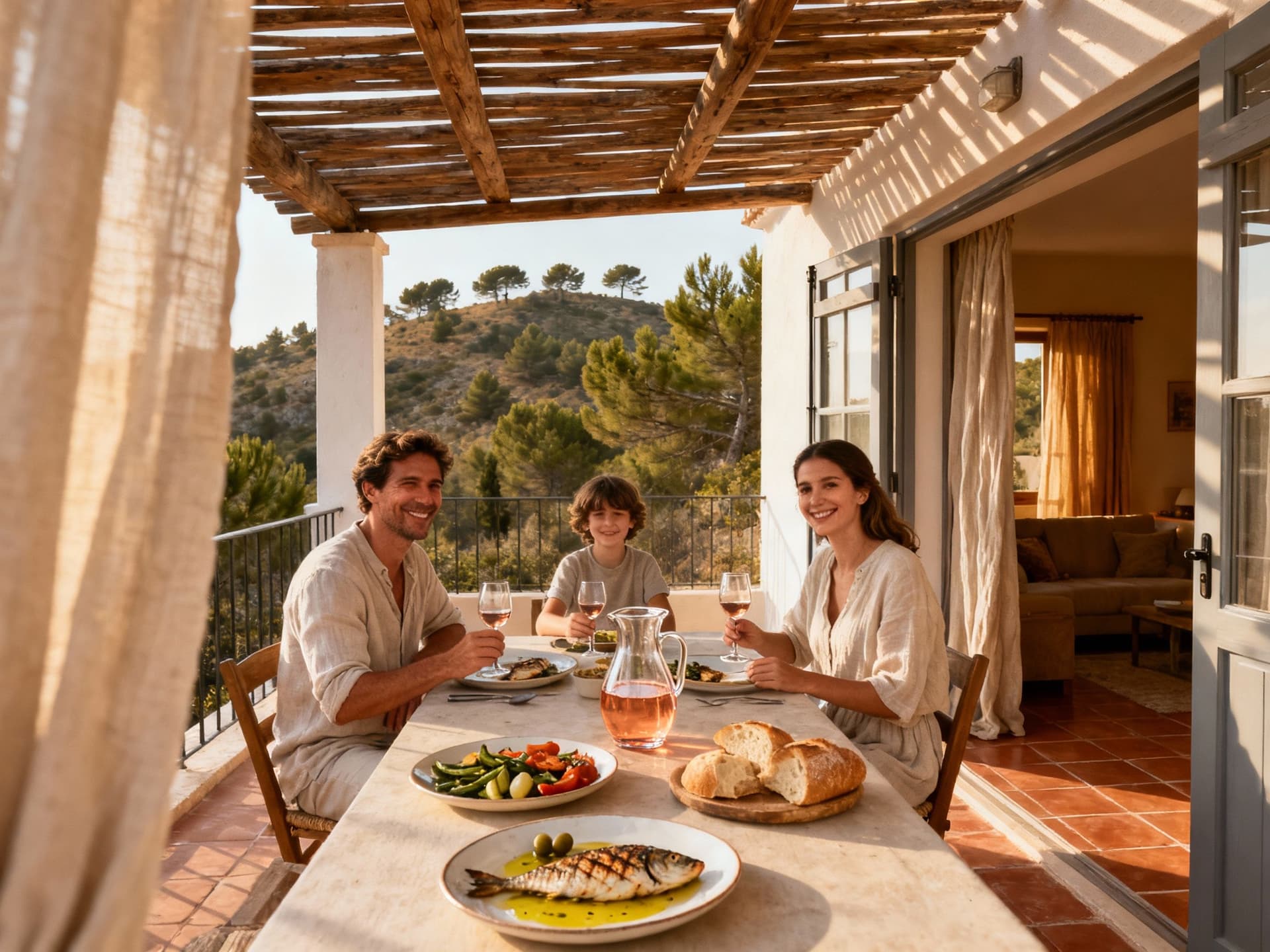
Your intended lifestyle — full-time resident, seasonal retreat, or a rental-backed investment — determines what features matter and which pitfalls to avoid. New national rules and municipal powers have tightened the short-term rental market: registration, night limits, energy performance deadlines and lower micro-BIC allowances now affect expected rental income and operating models.
Property styles and how you'll actually live
Choose an apartment in Nice or Cannes if you prioritise walkability, cafe life and proximity to events. Pick a villa or house inland for outdoor space, privacy and year-round living. Note that period properties require renovation budgets — electrics, insulation, and DPE energy upgrades — while newer developments deliver lower maintenance but often higher purchase prices.
Working with local experts who match lifestyle to legality
- How local advisors protect lifestyle value: 1. Confirm municipal short-term rental rules and registration requirements (some towns limit nights or cap quotas). 2. Check a property's DPE (energy rating) and plan upgrades ahead of national deadlines. 3. Verify copropriété bylaws that may ban tourist lets. 4. Budget for syndic fees, taxe foncière and modest local renovation costs. 5. Ask for recent comparable sales in both coastal and hill markets to see true value.
Insider knowledge: what expats wish they'd known
Expats often discover that the dream — village markets, Mediterranean light, and easy travel — interacts with unexpected constraints: stricter short-term rental rules, seasonal utility costs and local social norms about noise or co-ownership. In places like Nice or Cannes the administrative side can be surprisingly strict; in upland villages, services slow in winter and you may miss city conveniences without planning.
Cultural integration and day-to-day practicalities
Learning basic French opens doors — from a friendly chat at the marché to negotiating with a local syndic. Join a municipal association, try the village pétanque, and pick a local cafe (for example, Cafe de la Place in Valbonne) to meet neighbours. Practical habits — separate bins, Sunday closures and seasonal opening hours — shape how you live here.
Long-term lifestyle: costs, energy and community resilience
Expect an evolving trade-off: coastal addresses retain strong brand value for lifestyle and resale; hill towns can offer better space and quieter winters but may be less liquid. Energy-efficiency upgrades — now legislated for rentals — will also shape maintenance budgets and resale desirability over the next decade.
- Key red flags locals flag before buying: restrictive copro bylaws on rentals; properties with poor DPE (energy G or F); unclear building permits for terraces or pools; distance from year-round services; and towns actively limiting tourist lets.
- Practical first steps for buyers: 1. Decide how you will use the property (primary, secondary, short-term let). 2. Ask the seller for recent syndic minutes and the property's DPE certificate. 3. Have a notaire or bilingual lawyer review title, servitudes, and urban planning. 4. Verify municipal rental registration rules and micro-BIC allowances. 5. Request local comparables covering both peak and off-peak sale prices.
If you want the Riviera lifestyle without surprises, work with local agents who share neighborhood-level intel: which streets in Antibes allow seasonal lets, which copropriétés accept short-term rental clauses, and what energy upgrades neighbours have completed. Good local advice saves money and preserves the life you imagined.
Picture this: a spring morning buying flowers at Cours Saleya, a lazy lunch under plane trees in Valbonne, and a winter where your house is warm and efficient because you planned the DPE upgrade. That twin focus — immersive local life plus clear, practical checks — is how international buyers turn Riviera aspiration into a lasting home.
Danish relocation specialist who has lived in Barcelona since 2016. Helps families move abroad with onboarding, schooling, and local services.