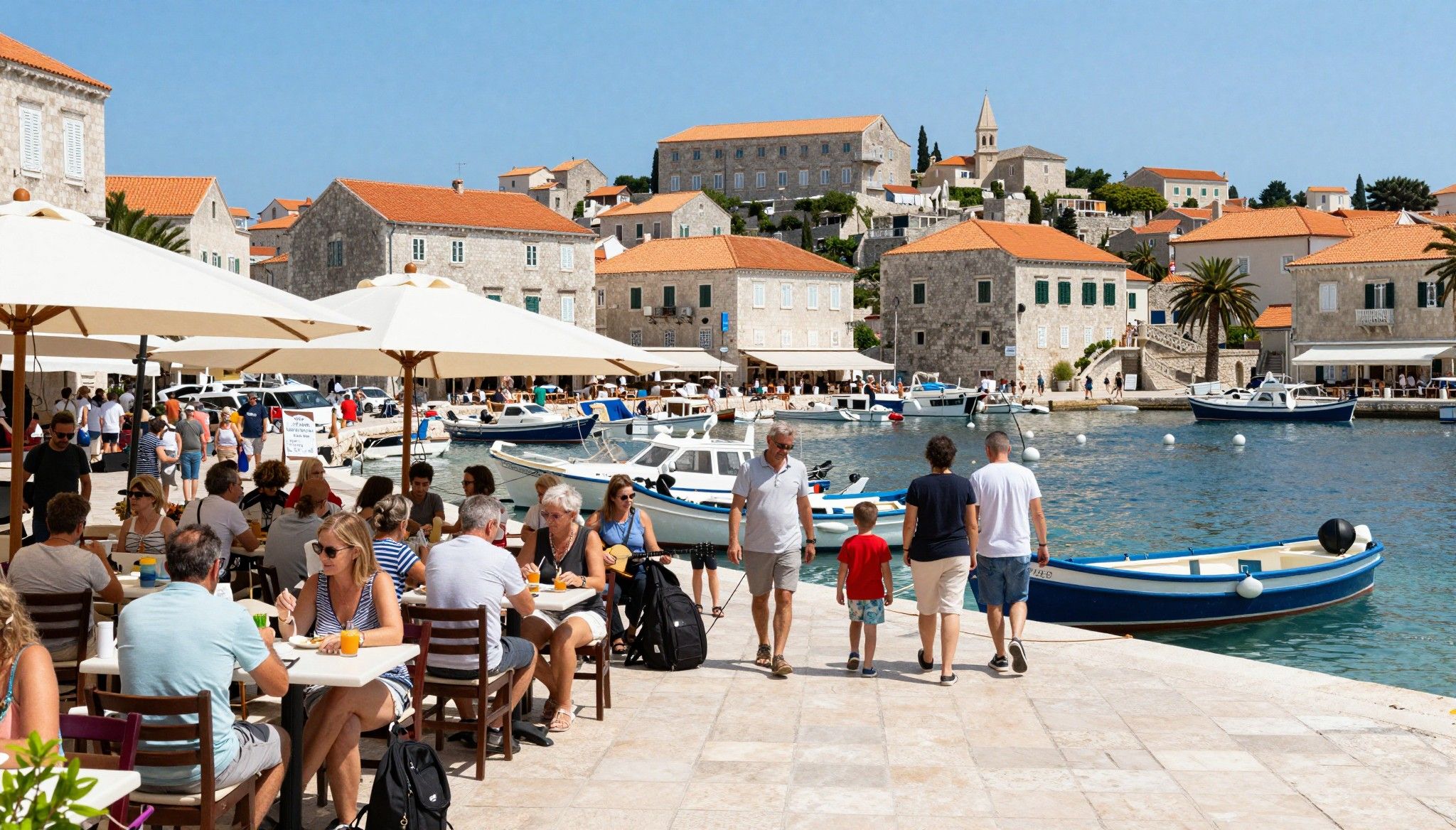
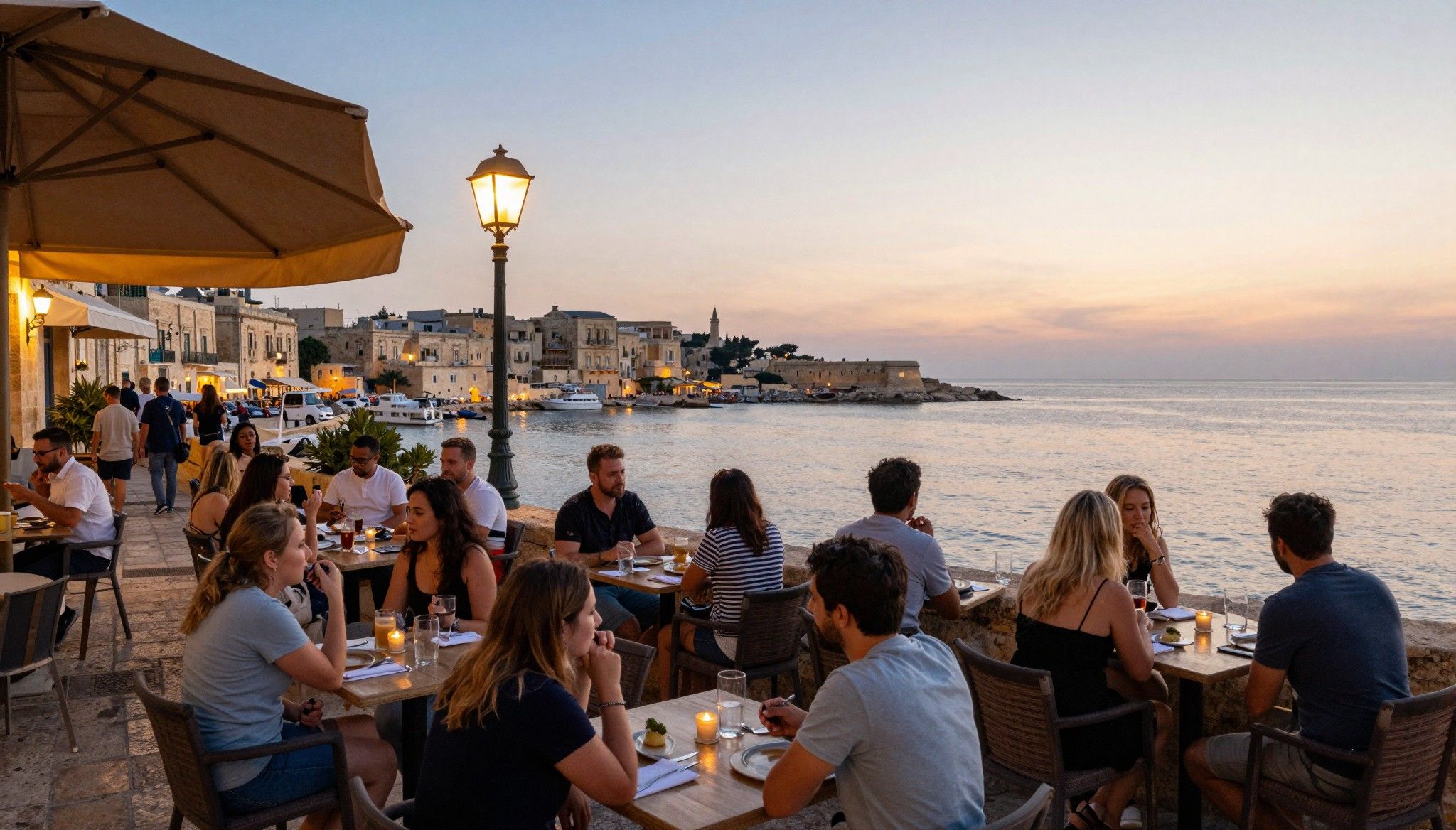
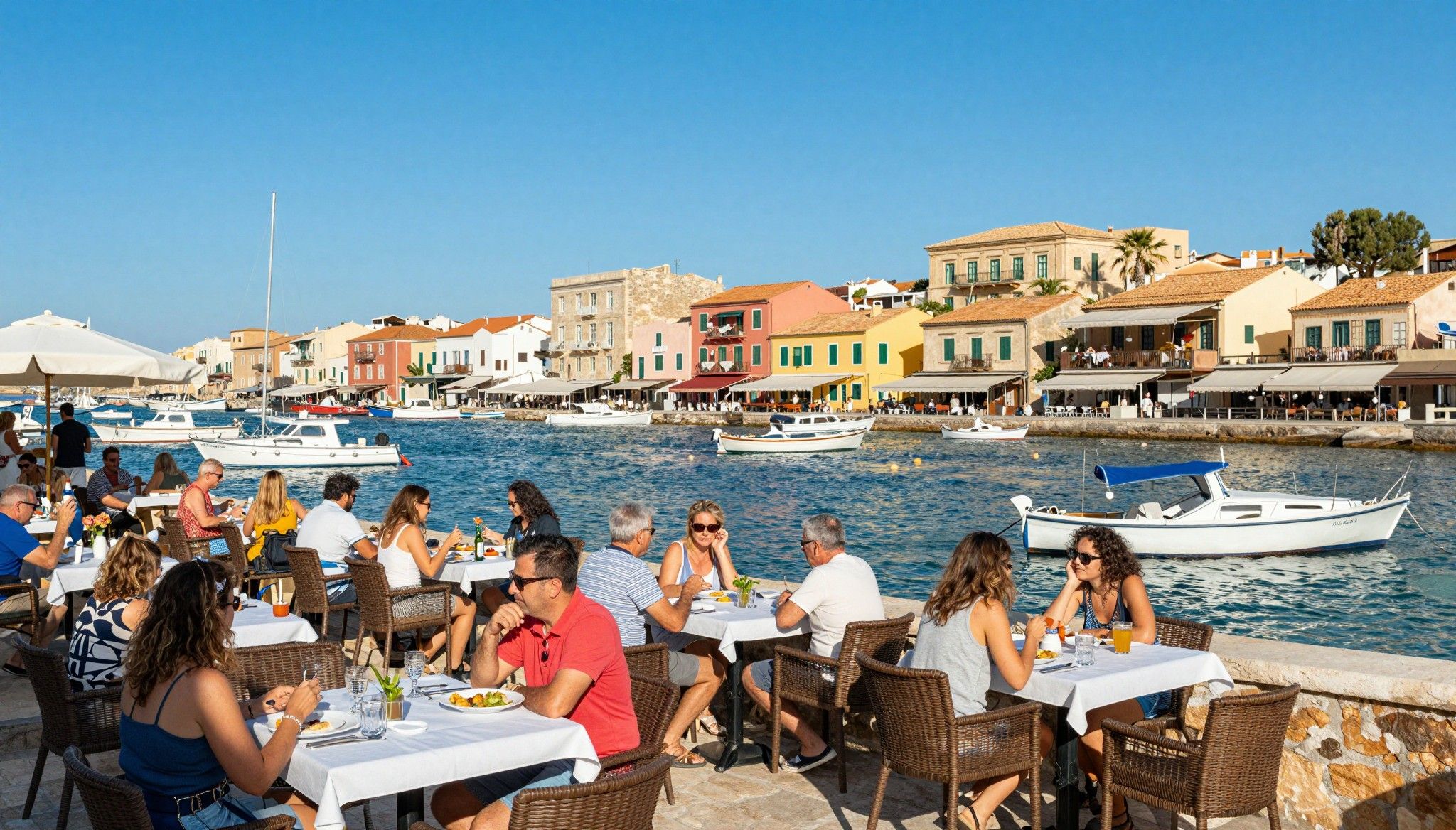
Riviera life first, market facts next
Fall for Côte d'Azur life — then buy with evidence: season-tested neighbourhood choices, INSEE-backed price context, and street-level due diligence for confident purchases.
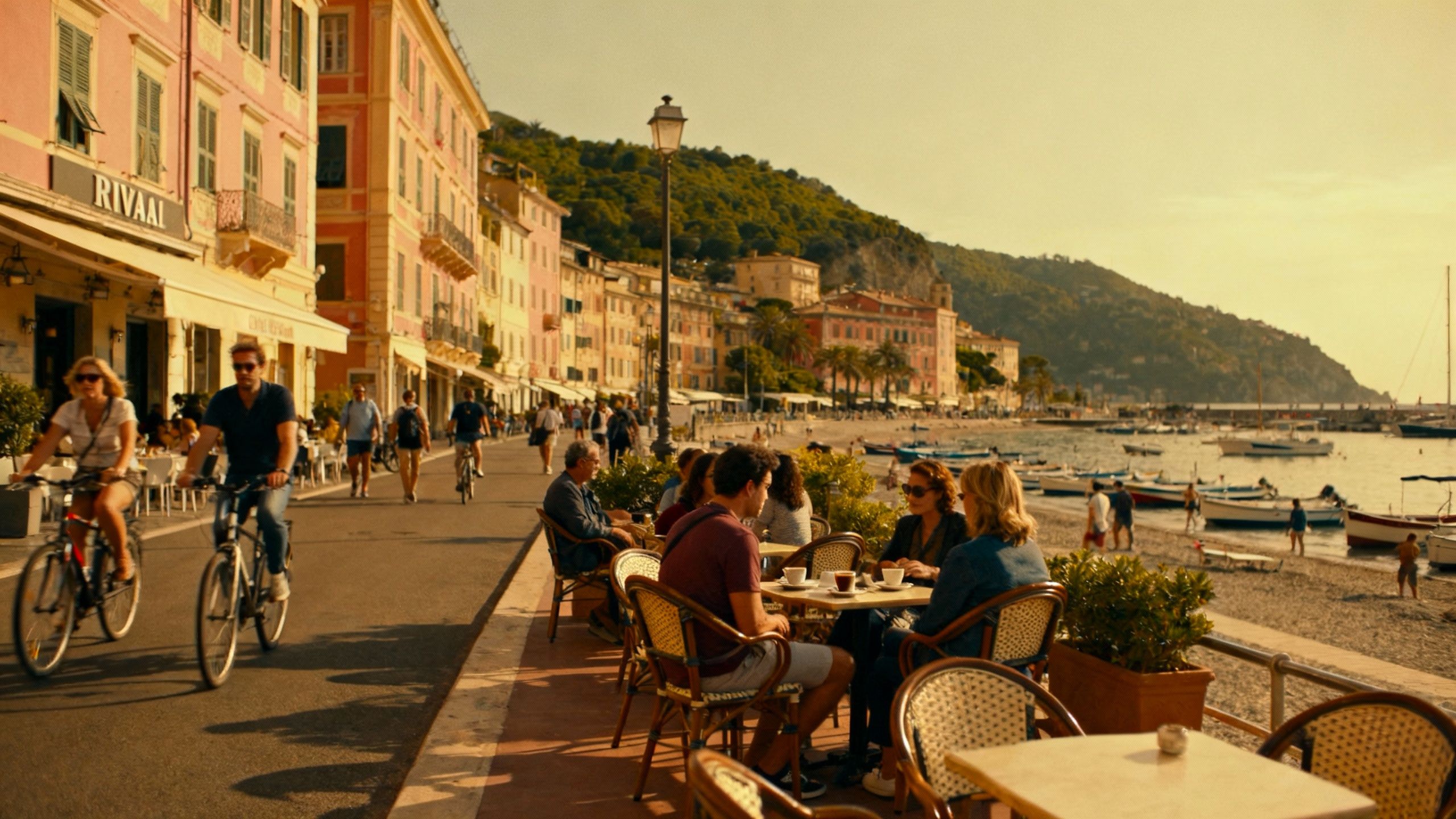
Imagine walking the rue d'Antibes at 08:30: croissants steaming in paper bags, small boats creaking in the harbour, and an apartment balcony where neighbours call good morning. The Côte d'Azur sells a daily rhythm more than a view — a ritual of markets, cafés, and mapped seasons. That reality shapes what you buy: a narrow pied-à-terre for summer weeks, a hillside villa for year-round privacy, or a village house where the baker knows your name. This piece blends that lived-in Riviera life with the modern data you need to make a confident purchase.
Living the Côte d'Azur lifestyle
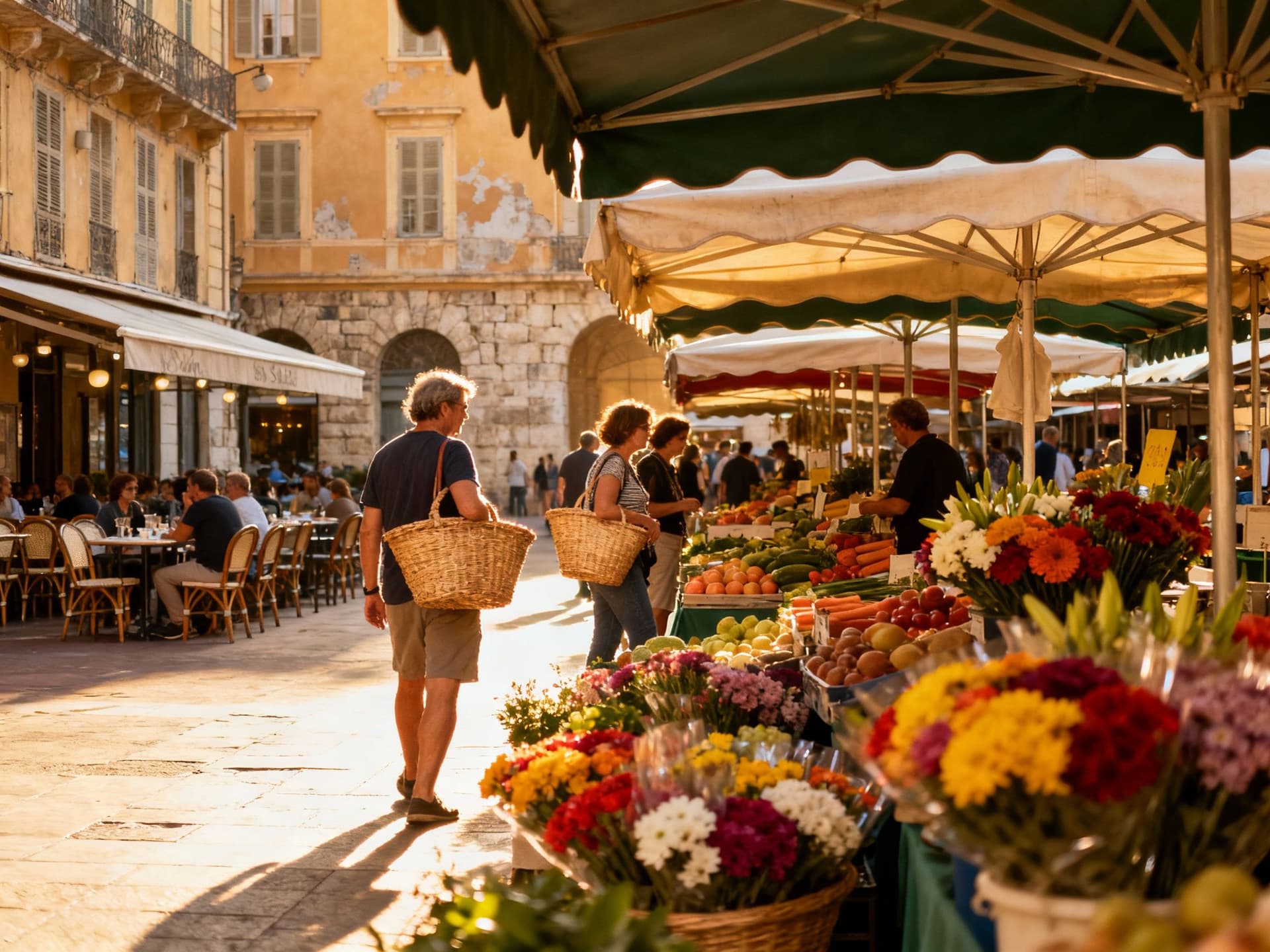
The Riviera is both seaside spectacle and quiet hinterland. Mornings mean marché runs — olives at Cours Saleya in Nice, fresh fish at the old port in Antibes — while evenings pull people to terraces for long, unhurried meals. But the region also contains hill towns and perched villages where life slows and property values behave differently; recent reporting highlights a buyer shift inland toward places like Mougins and Valbonne. Knowing which microclimate suits your pace of life matters more than broad price headlines.
Coastline: Cannes, Antibes, Saint‑Tropez
The classic coastal towns deliver immediate seaside living: promenades, beaches, and a calendar of international events. Expect high season vibrancy and premium short‑term rental potential, balanced by seasonal crowds and elevated running costs. Properties tend to be apartments with concierge services in Cannes and modern villas near Cap d'Antibes; prices vary block-by-block so street-level research is essential. Recent local reports show resilience in 'golden triangle' suburbs while some central coastal pockets saw softer 2024 transaction volumes.
Hills & Villages: Mougins, Valbonne, Saint‑Paul
Perched towns trade sea views for space, privacy, and a slower social calendar: morning markets, quiet lanes and larger gardens. They often offer better square‑metre value and negotiating room compared with beachfront addresses. For families or remote workers who value space and community, these towns can feel like the Riviera’s best-kept secret. Local agents report that buyers seeking year-round living increasingly favour these areas over flashier waterfront zip codes.
Lifestyle highlights to look for
Cours Saleya market (Nice) — morning produce, flower stalls and immediate neighbourhood life
Plage de la Garoupe (Antibes) — sheltered waters, accessible family beaches, nearby village cafés
Place des Arcades (Mougins) — artists’ galleries, quiet restaurants, larger garden plots
Making the move: practical considerations
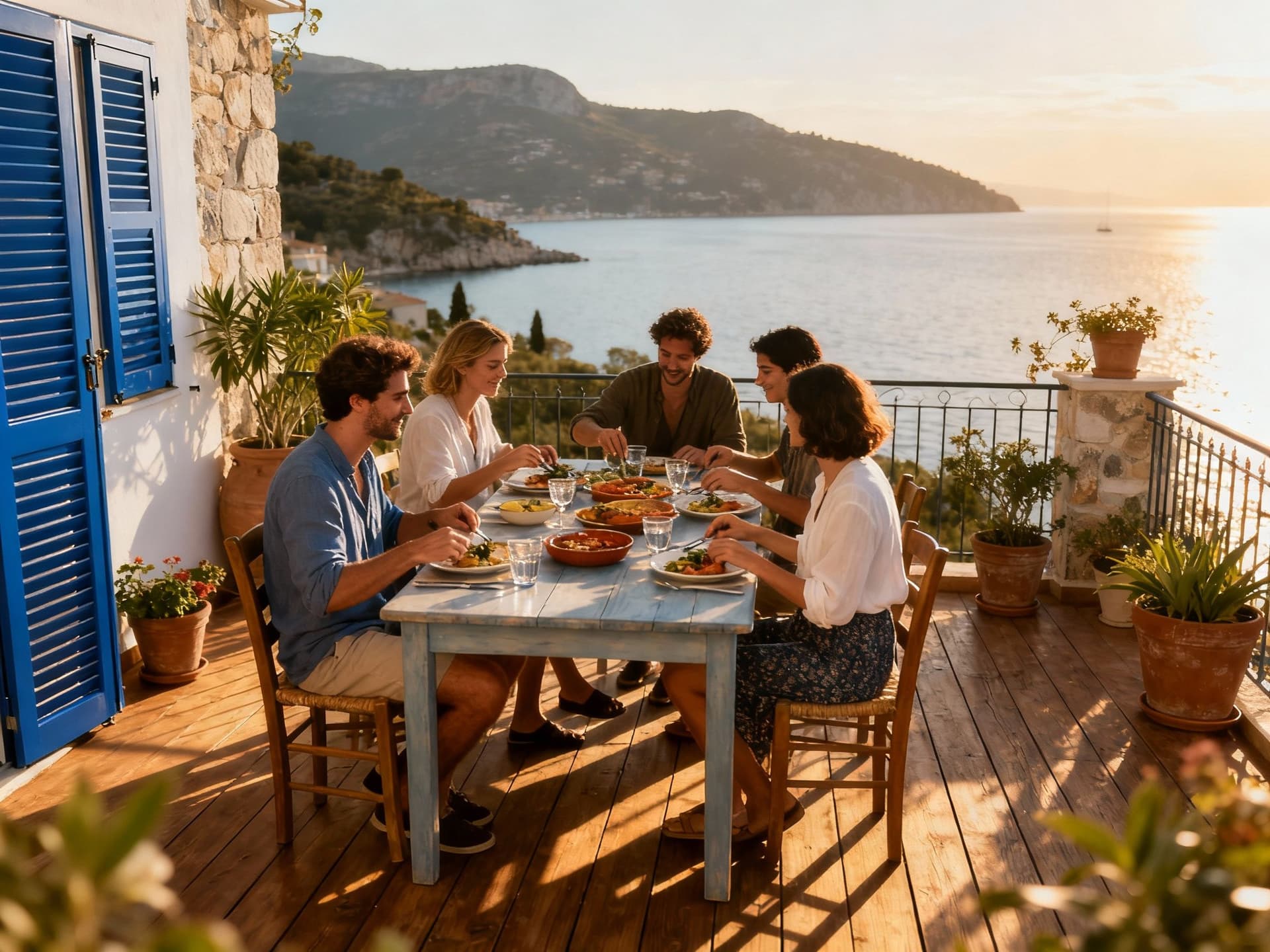
Lifestyle visions meet market facts when you start viewing properties. National data from INSEE show French house prices rebounding in Q1 2025 after a period of near stability, a reminder that timing matters but local variation is decisive. On the Riviera that means flat transactions in some coastal pockets while hill towns saw stronger negotiating power. Translate national trends into neighbourhood actions: verify recent sold prices, days on market, and whether listings are being discounted before you make offers.
Property types & how they fit daily life
Apartments near the Promenade provide easy access to cafés and the sea but often sacrifice outdoor private space. Villas on the hills bring gardens, parking and quieter streets, but longer commutes to town centres. Renovation projects are common in older village houses and can unlock character — expect stricter heritage rules in protected zones. Match the property type to how you plan to use the home: short stays, full-time residence, or a blended live-and-rent strategy.
Working with local experts who know the lifestyle
An agent who lives the Riviera life introduces you to neighbourhood rhythms, seasonal quirks and realistic price expectations. Look for brokers who demonstrate street-level knowledge (specific cafés, local fêtes, typical lease lengths) and can handle off‑market opportunities. Agencies with a local office and international network help balance lifestyle fits with sound transaction execution. Ask for recent comparable sales, municipal planning notes, and examples of holiday‑rental histories where relevant.
Step-by-step buying checklist that blends life and logistics
1. Visit across seasons: test summer crowds and quieter winter rhythms to feel true neighbourhood life.
2. Request sold-price records for the last 12 months on the street to see real bargaining room.
3. Check local planning rules and heritage protections that can affect renovations and extensions.
4. Interview two estate agents and one independent surveyor who specialise in your target area.
Insider knowledge: what expats wish they'd known
Expat buyers often speak of two surprises: seasonality and neighbours. Seasonality alters the social life and services — many restaurants close in winter — and neighbours range from full-time locals to summer-focused owners. A Financial Times piece highlights how domestic second-home buying patterns shape regional markets; understanding who your neighbours are (Parisians, retirees, international owners) clarifies your longer-term lifestyle fit. Accepting these local rhythms helps you choose a home that feels lived-in year-round.
Cultural integration and everyday practicalities
Learning a few French phrases, joining a market morning or a pétanque game, and knowing the rhythm of local fêtes unlocks belonging faster than formal introductions. Services like waste collection, administrative offices (mairie), and local health clinics run on local schedules you’ll want to know. Many expats find language courses, volunteer groups and local clubs accelerate social integration and create useful practical networks for trades and repairs.
Long-term lifestyle: how your Riviera life evolves
Your relationship with the Riviera often moves from spectacle to routine: the first year is discovery, the second builds neighbour ties, and by the third you buy with a sense of place. Consider resilience: choose areas with year-round services if you plan to live permanently, or pick a compact pied‑à‑terre if you prefer concentrated summer living. Property decisions that prioritise everyday comforts — storage, heating, local transport — pay dividends for long-term happiness.
Red flags buyers commonly miss
No recent energy performance certificate (DPE) — unexpected upgrade costs can follow.
Unclear parking rights — beachfront towns often restrict resident parking seasonally.
Heritage zone restrictions that block exterior changes and extend renovation timelines.
Conclusion: fall in love, then verify. The Côte d'Azur offers a life shaped by markets, markets shaped by seasons, and neighbourhoods shaped by people. Start with where you imagine your morning coffee, then translate that scene into data: sold prices, service continuity, planning rules and a local agent who knows the street. Visit across seasons, ask for comparables, and treat local lifestyle as a literal part of your due diligence; lifestyle-first buying yields homes that feel like home.
British investor turned advisor after buying in Costa del Sol since 2012. Specializes in cross-border compliance and data-driven investment strategies for UK buyers.