When Italy’s Summer Illusion Masks Smart Buys
Italy’s romantic rhythms mask seasonal market swings; use off‑season visits, local experts and regional data to match lifestyle with value.
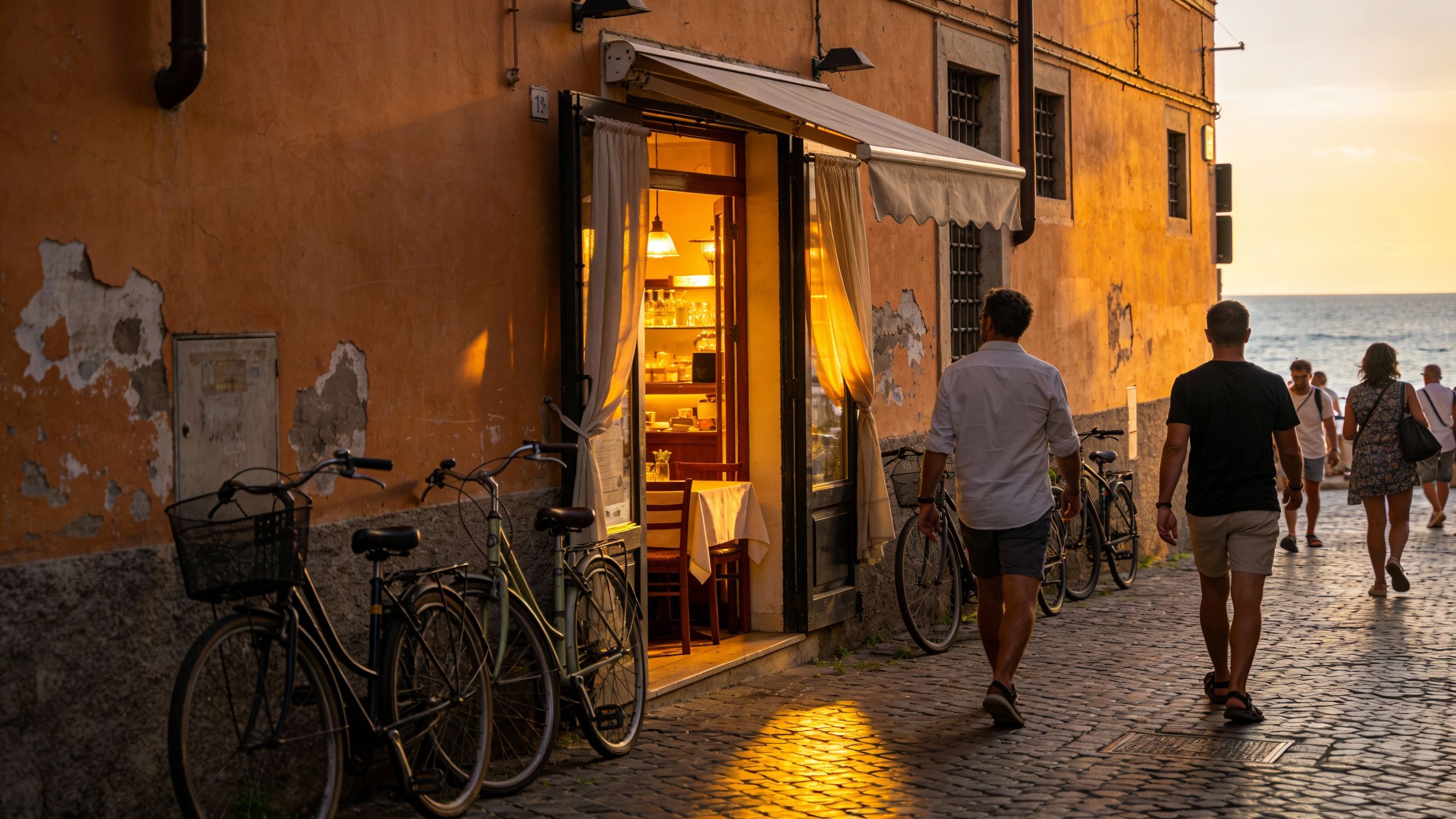
Imagine a morning in Italy: espresso on a tiny terrace, market vendors ringing bells in a piazza, and narrow streets that lead to a sea you can reach by late afternoon. That everyday poetry is the headline reason buyers fall for Italy — from Milan’s design energy to Tuscany’s olive-scented hills and the Amalfi Coast’s cliffside pace. But beneath the romance lies a market that moves with seasons, policy nudges and local rhythms; recent data show national house-price gains and seasonal swings that savvy buyers can use to their advantage. Knowing when the market is performing (and when it’s a performance) makes the difference between lifestyle love and costly regret.
Living the Italian Life — Morning to Moonlight
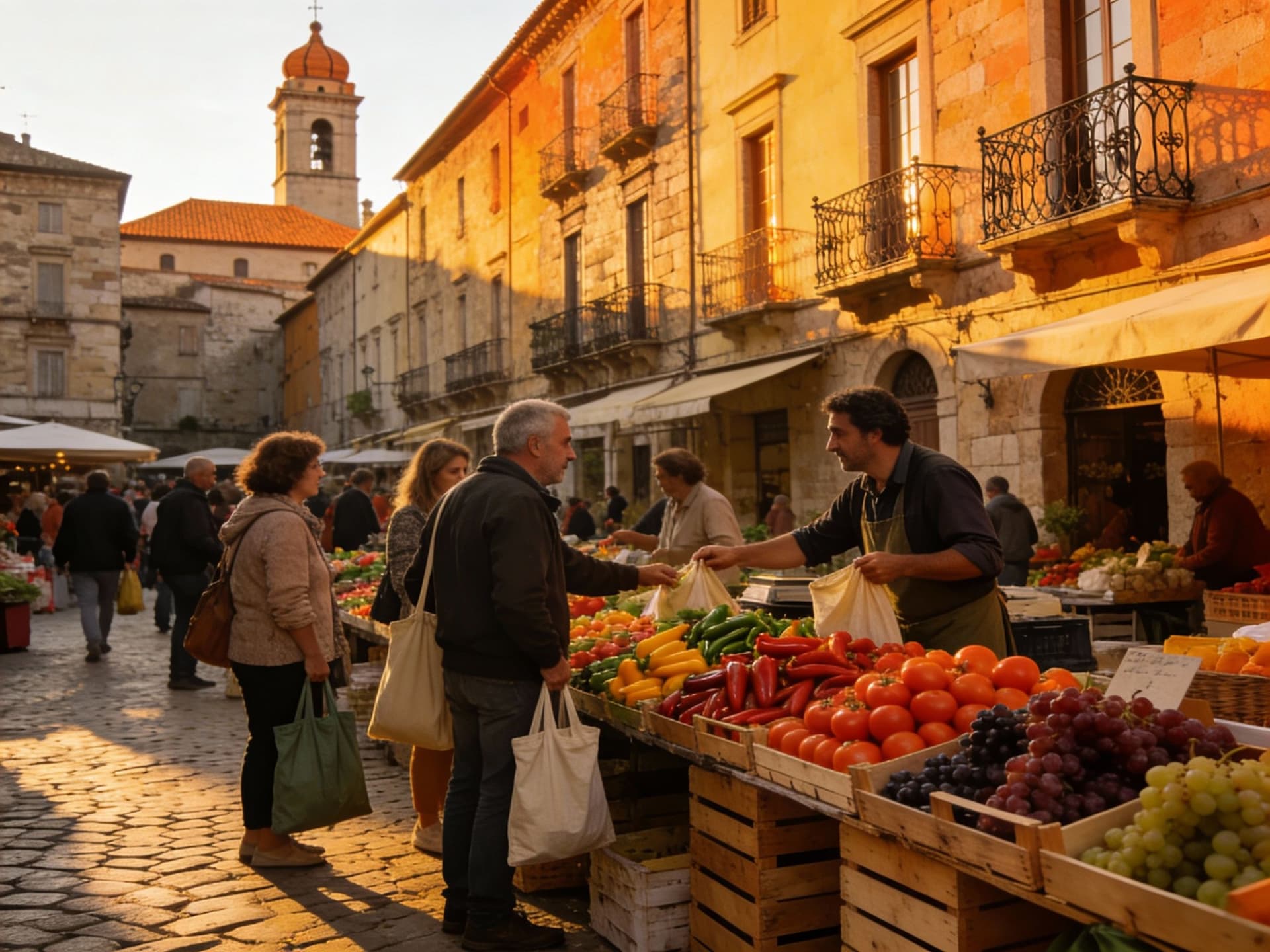
Italy is less a single place than a set of daily rituals: cafés that define your morning, marchés that structure weekends, and aperitivo that stretches a late afternoon into a social evening. In Milan you’ll feel the city’s cadence around brunch spots in Brera and co-working hubs near Porta Nuova; in Rome the cadence is slower — market mornings in Testaccio and evenings in Trastevere; and in Tuscany a week’s rhythm follows the market, the olive harvest and the local trattoria schedule. These rhythms shape what kind of property fits you: a compact apartment for lively city streets, a farmhouse for seasonal living, or a sea-facing flat for weekend escapes. Picture walking to Bar Pasticceria in the morning, buying produce at Mercato Centrale by noon, and ending the day on a small balcony watching the neighborhood come alive.
Neighborhood snapshots: Milan, Rome, Florence and the Coast
Brera and Navigli in Milan offer galleries, design boutiques and cafés that suit buyers who want day-to-night urban life; apartments here are compact but prized for walkability and public transport links. In Rome, Prati and Trastevere trade strict elegance for lived-in charm — you buy into history, narrow lanes, and a schedule where restaurants open late and Sunday markets matter. Florence’s Oltrarno still feels artisanal: workshops, small osterias, and piazzas that host locals rather than staged tourism. Along the Amalfi and Ligurian coasts, towns like Positano, Camogli and Portofino give dramatic sea access and seasonal rental demand, but expect sharp price differentials between high season and the rest of the year.
Food, markets and the social calendar
Markets are the social backbone: Mercato di San Lorenzo in Florence, Campo de’ Fiori in Rome and the weekly mercato in Sestri Levante are both grocery runs and community theatre. Seasonal festivals — a truffle fair in Alba, the Palio in Siena, or local sagre celebrating chestnuts or fish — reshape where locals eat and how neighborhoods perform for weeks. For buyers this means lifestyle value is often tied to seasonal rhythms: a coastal home may feel deserted in winter but gains vibrant short-term rental yields in summer; conversely, inland towns can be more stable year-round. Living here is sensory: olive oil smells, church bells, market calls and the cadence of late-night dining.
Lifestyle highlights to look for
Daily espresso at a bar where the owner knows your name (example: Caffè Propaganda, Rome)
Saturday market runs: fresh produce, regional cheeses and conversation (Mercato Centrale Firenze, Mercato di Porta Portese, Rome)
Evening passeggiata on a historic street (Via dei Calzaiuoli, Florence or Via Toledo, Naples)
Seasonal coastal weekends: Cinque Terre hikes or Amalfi drives with small, family-run restaurants
Making the Move: Practical Considerations
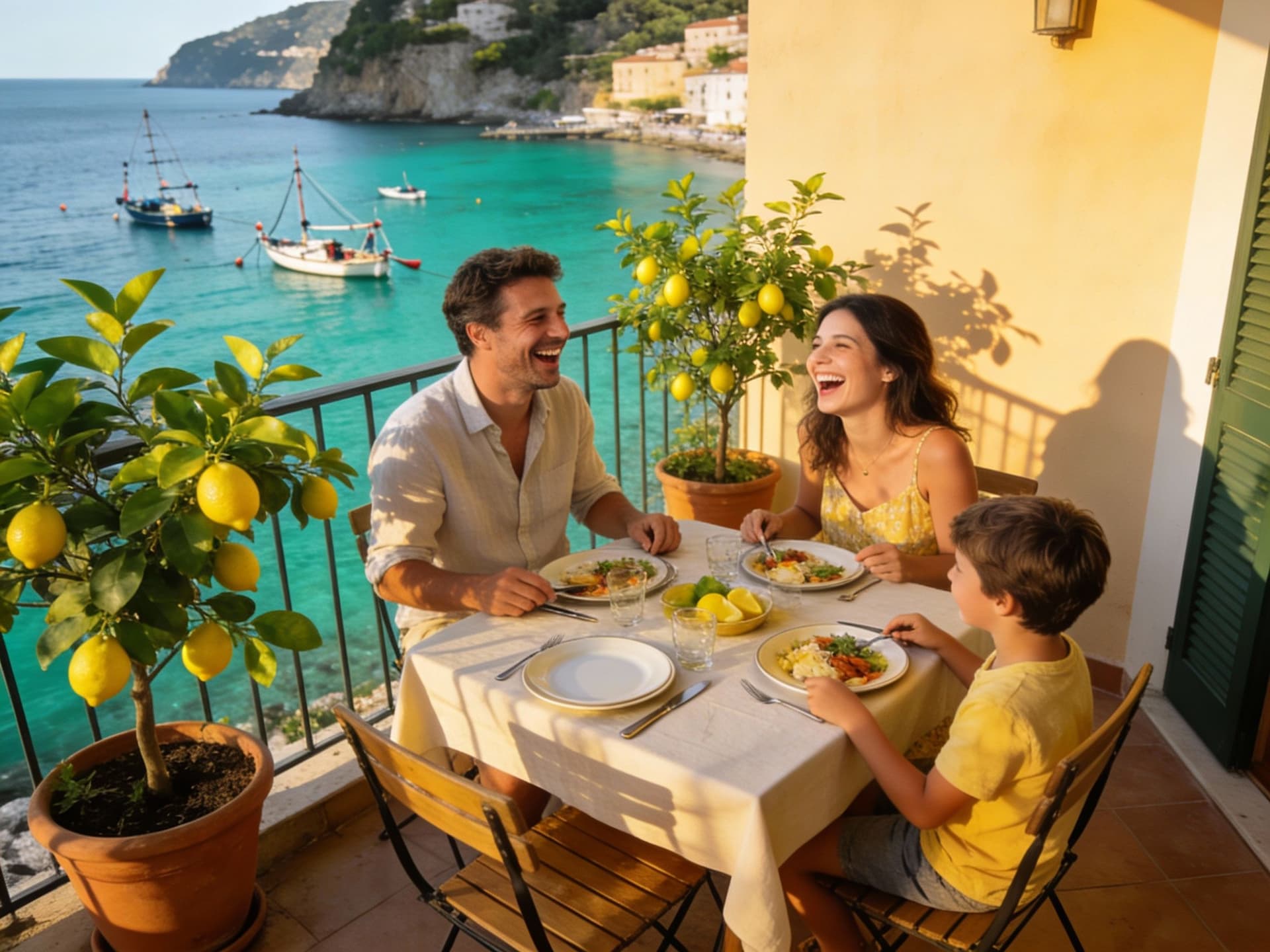
The dream of waking up in Italy must meet the practical: market timing, local regulations, tax rhythms and the reality of renovation. National data show modest but real price appreciation through 2025, with regional variation that benefits buyers who are flexible on location. Work with advisers who can read regional patterns — a coastal town’s summer spike is not the same as a city’s steady core demand — and always test a neighbourhood’s year-round life by visiting off-season. Your lifestyle choice determines the property type that will hold value and deliver the life you imagined.
Property types and how they match lifestyle
A central Milan apartment delivers urban convenience and strong long-term rental demand but requires acceptance of smaller floorplates and higher service charges. A Tuscan farmhouse offers space and connection to land, but expect renovation timelines, APE energy certification work and rural service limits. Coastal villas promise dramatic lifestyle returns and seasonal rental income, yet they also demand maintenance, flood and erosion checks and an honest assessment of off-season livability. Match property form to daily life: do you want a front‑door café or olive groves?
How local experts close the lifestyle loop
An agent who knows the neighbourhood social calendar and the off‑season realities saves time and money: they’ll flag noisy streets, unreliable utilities, or seasonal traffic that erodes weekend bliss. Local accountants explain the tax timing around purchase dates and fiscal year implications for rental income; lawyers navigate servitudes, building consents and heritage rules that can stall renovations. Use firms with bilingual teams and local networks — they translate cultural expectations into contract terms and help arrange seasonal management for coastal rentals. The right expert makes your lifestyle a feasible project rather than a fantasy.
Steps that blend lifestyle and process
Visit the area in low season (autumn/winter) to test daily life and services.
Commission an APE energy report and a structural survey before making an offer.
Ask your agent for a seasonally adjusted rental estimate if you plan to rent out the property.
Work with a local notary (notaio) early — they are central to transfer, mortgages and tax filings.
Insider Knowledge: What Expats Wish They’d Known
Expats tell a few recurring truths: neighborhoods breathe differently in January than July; bureaucracy takes patience and local goodwill; and the property you buy will often be a patchwork of historical features and modern compromises. Data from market reports underline this: prime pockets in Tuscany and key northern cities have shown steady interest from international buyers, while smaller coastal towns can produce volatile seasonal returns. Practical expectation-setting prevents heartbreak and keeps the romance intact.
Cultural fit, language and local social life
Language matters less than willingness: Italians respond to respect and effort, not perfection. Join a language class, volunteer at a market or bring neighbours a plate after a renovation — these small gestures accelerate integration. Local clubs, church fêtes and voluntary associations are where friendships form, and many towns have active Anglo communities that help newcomers find their feet. Expect slow bureaucratic replies but warm personal invitations.
Long-term lifestyle thinking
Think five years ahead: will you want train links, good healthcare access, or reliable international flights? Coastal holiday homes may be delightful now but become harder to maintain as you age; city apartments offer services and transport but less outdoor space. Look at local demographic trends and infrastructure plans — investments in transport or cultural hubs often translate into steadier property performance. A clear lifestyle horizon keeps your purchase aligned with how life will actually feel.
To finish: Italy rewards buyers who trade impulse for seasonal knowledge. Visit off-season, match property type to lived rhythm, and work with bilingual local experts who understand both sagra calendars and cadastral quirks. Market data from national statistics and industry reports show modest growth with regional winners — use those patterns, not postcards, to plan your purchase. When you do it right, the life you fall in love with every morning is the one you actually live.
Norwegian market analyst who relocated to Mallorca in 2020. Focuses on data-driven market insights and smooth relocation for international buyers.