Why neighbourhood rhythm matters more than views
Italy’s romance masks practical trade‑offs: choose neighbourhood rhythm over photogenic views, test locations across seasons, and use local agencies for data on rental seasonality and heritage rules.
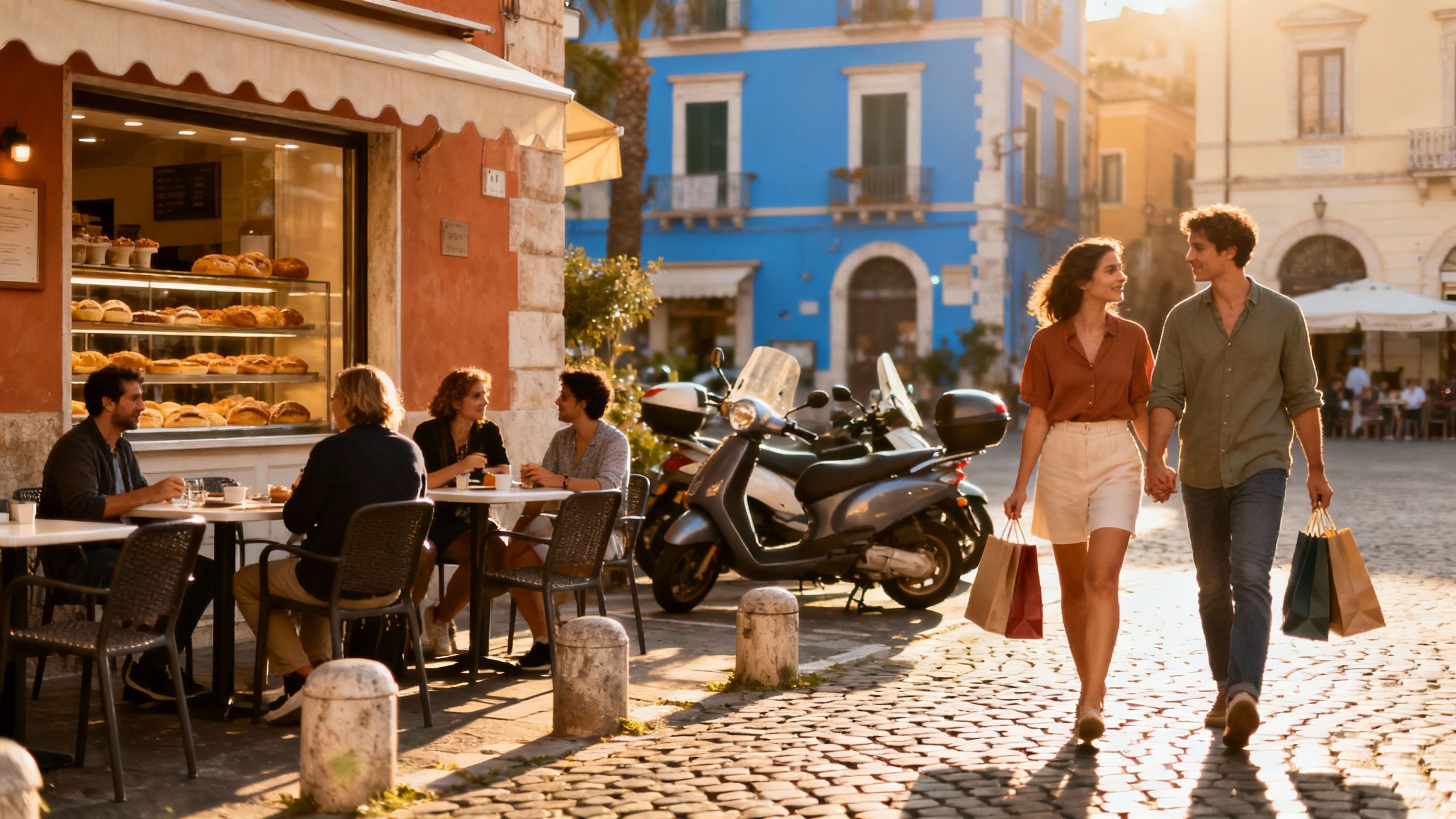
Imagine stepping out at 08:00 to a piazza where the coffee bar hums, delivery vans thread narrow streets, and a fruit vendor arranges figs beside a florist. In Italy the day begins small — espresso, markets, a walk — and that rhythm shapes how you live and what kind of home makes sense. For international buyers the romance is immediate; the practical choices that follow — neighbourhood, property type, seasonality and local expertise — determine whether the romance lasts.
Living the Italian lifestyle

Italy is not one life but many: seaside mornings on the Ligurian Riviera, rush-hour scooters in Milan, aperitivo at dusk in Florence’s Oltrarno. The sensory details matter — the weight of a stone stair, the salt carried on coastal breezes, the cadence of neighbourhood markets — because they inform what property suits daily life. Recent lifestyle guides and expat resources show newcomers trade square footage for locality: proximity to a market, a reliable espresso bar, and walkable streets often beat a larger, isolated villa. cite
Signature neighbourhoods that define days
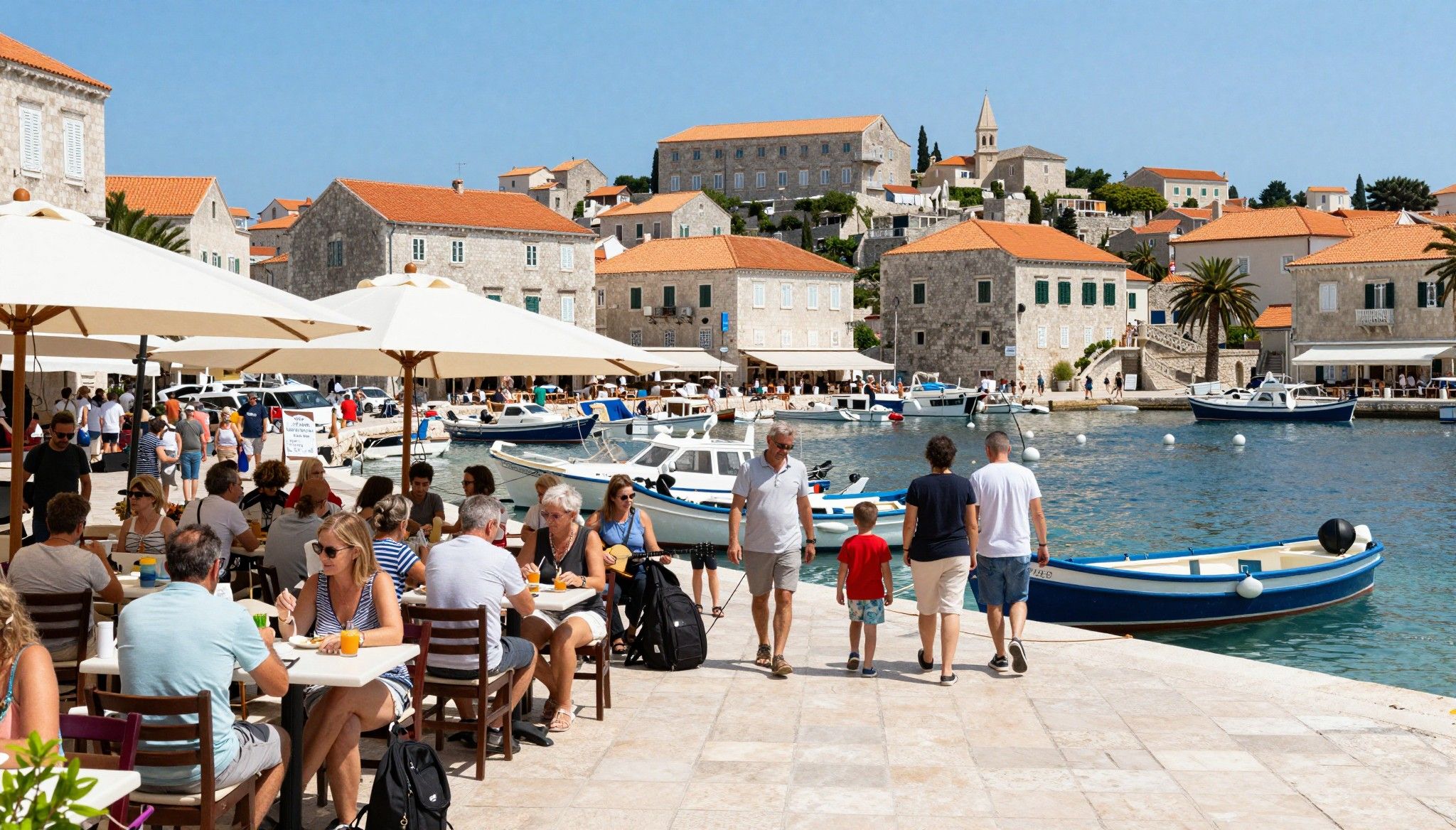
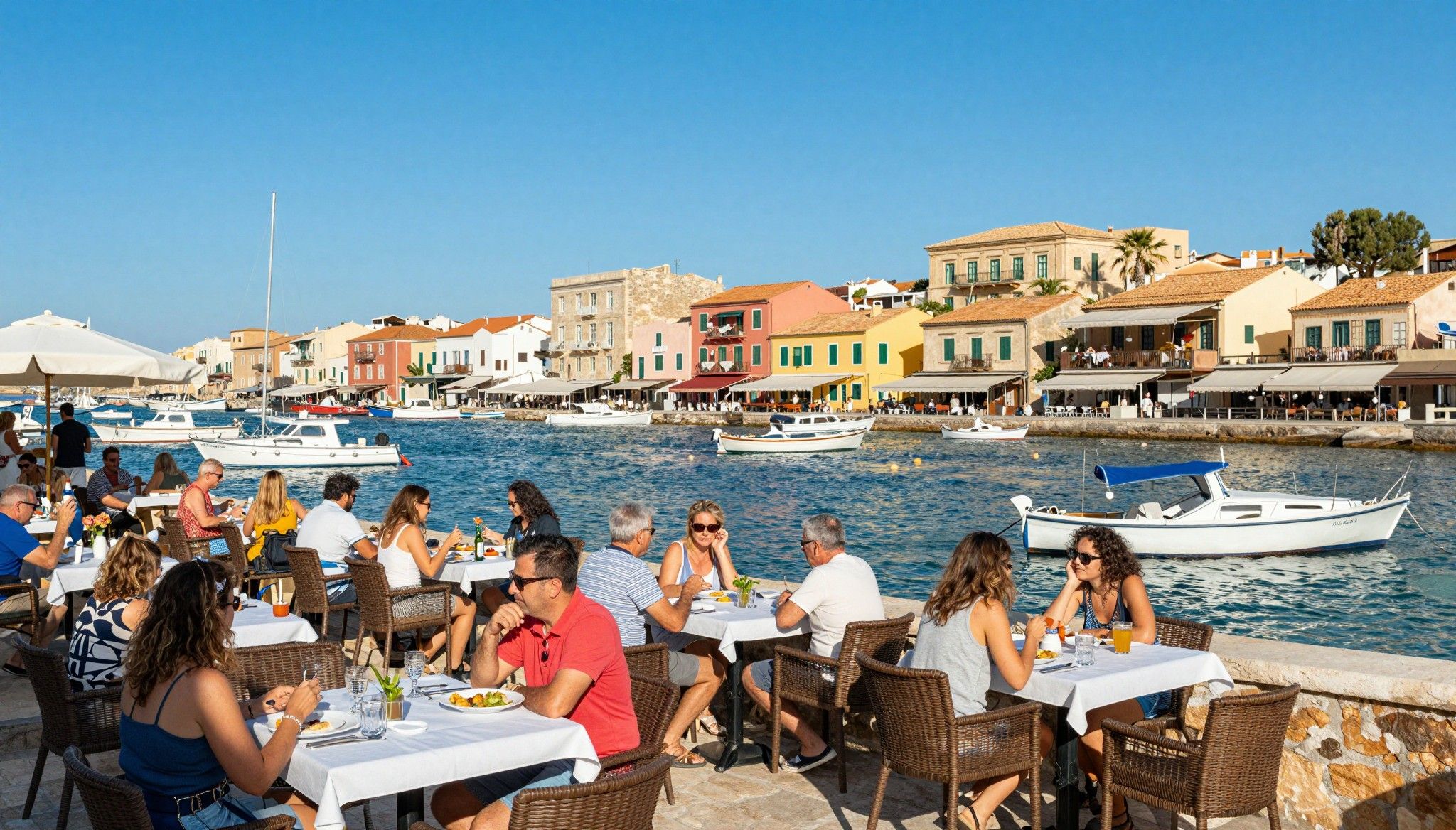
Pick a neighbourhood first, floorplan second. In Florence, Oltrarno’s artisan workshops and quieter trattorie create a weekday rhythm of errands and local friends; Santo Spirito offers bohemian evenings and small piazzas. In Liguria, Santa Margherita Ligure and Camogli anchor coastal walks and harbour life; their compact cores reward owners with daily seaside routines rather than weekend-only use. These micro-differences shape renovation choices (terrace vs. garden), maintenance expectations, and rental appeal. cite
Food, markets and the tempo of life
Weekends in Italy often revolve around markets, family lunches and small festivals. That means properties with a modest kitchen but easy access to fresh produce and an active street life can outperform larger, isolated homes for both enjoyment and rental demand. If you imagine weekend bike rides, seaside lunches and aperitivo rituals, choose neighbourhoods that support those rituals rather than picturesque but logistics-poor hamlets. cite
- Neighbourhood lifestyle highlights
- Florence — Oltrarno: artisan workshops, evening enotecas, Mercato Centrale access.
- Liguria — Santa Margherita Ligure: harbour promenades, compact pedestrian core, daily cafés.
- Tuscany countryside — Chianti: vineyard weekends, restored farmhouses, slower services.
Making the move: practical considerations

Lifestyle sets the objective; the market sets the constraints. Italy’s macro picture — moderate inflation and regional market variety — means you can find value if you target the right micro-locations and season. National statistics show steady, regionally varied consumer trends that influence demand for urban rentals versus holiday lettings, so pair your lifestyle aim with city-level data and on-the-ground agency insight. citeturn0news12turn0news14
Property styles and how they shape daily life
Historic apartments in Milan or Florence offer high ceilings, stone details and centrality — they suit walkable, culture-led lives but often come with heritage rules and higher renovation costs. Coastal townhouses and terraces prioritize outdoor living and sea access; farmhouses in Tuscany trade neighbours for land and privacy. Match the property’s physical quirks (stairs, insulation, terrace size) to how you want to spend your mornings, not just how it photographs in a listing.
Working with local experts who know the lifestyle
An agent who knows where locals actually buy — which cafés host resident groups, which streets flood in autumn, which piazza goes quiet in winter — saves months of trial and error. Look for agencies with strong local networks, bilingual staff and demonstrable knowledge of municipal restrictions and seasonal rental patterns. Agencies are not sales partners: they are cultural translators who can link lifestyle desires to viable properties. cite
- Steps to combine lifestyle with market sense
- Map daily routines: mark your preferred café, market and transport line before viewing properties.
- Visit across seasons: a summer seaside town and its off‑season life can feel like two different markets.
- Ask agencies for neighbourhood spend data: rental yields, short‑stay vs long‑let trends, and occupancy seasonality.
- Factor renovation rules early: historic centres often require heritage permission that lengthens timelines.
Insider knowledge: what expats wish they'd known
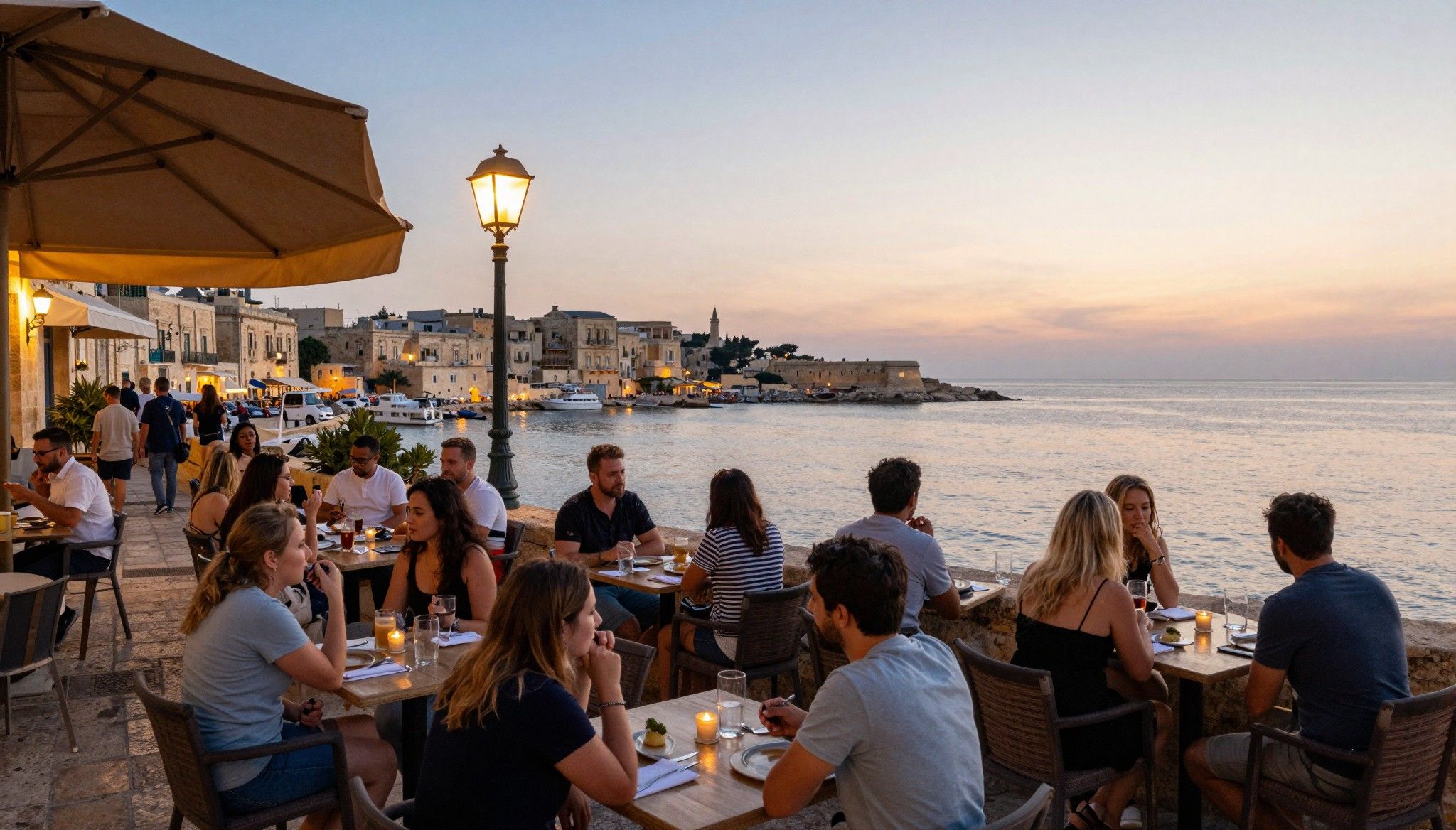
Here’s the real talk: Italians prize neighbourhood life and services over isolated perfection. Expat regrets often trace back to prioritising views over convenience. If you plan to live year-round, access to healthcare, grocery variety and winter maintenance matter more than a photogenic terrace used three months a year. That pragmatic pivot is what separates a holiday purchase from a sustainable home.
Cultural integration, language and daily rituals
Learning basic Italian opens doors — from baristas to the Comune clerk. Join local associations, volunteer at the market or sign up for a cooking class to meet neighbours. Small rituals — knowing when to order a cappuccino, where to buy seasonal porcini, who runs the neighbourhood laundry — are the social currency that translate into a smoother life and better housing choices. cite
Long-term lifestyle and practical considerations
Think beyond move-in: insurance and energy efficiency matter as winters can be damp in older stone houses; local taxes and municipal fees vary by region and affect carrying costs; and community dynamics evolve — a town under renovation may improve or lose its character. Buyers who imagine their life five years on — schools, friends, healthcare access — make steadier, happier choices. cite
- Red flags to watch for
- Properties advertised as 'stone charm' with no insulation upgrades — expect high heating bills and long renovations.
- Listings without clear title history or with vague common‑area maintenance notes — these hide future disputes.
- Holiday hotspots that empty November–March — good for short-term yield but poor for year‑round community life.
Conclusion: imagine the rhythm, then back it with data. Fall in love with morning markets, terrace dinners, and steep stone streets — then ask for occupancy rates, local seasonal price charts and heritage constraints before you sign. Work with a bilingual agency that can show you life at 08:00 and 20:00, not just staged photos. When lifestyle and local market intelligence align, Italy stops being a vacation and starts being home.
Dutch investment strategist with a Portugal-Spain portfolio. Expert in cross-border financing, rights, and streamlined due diligence for international buyers.