Autumn House‑Hunting in Italy: What You See vs. Reality
Autumn visits expose neighbourhood reality in Italy — pair seasonal insights with municipal data and surveys to choose a home that fits how you’ll actually live.
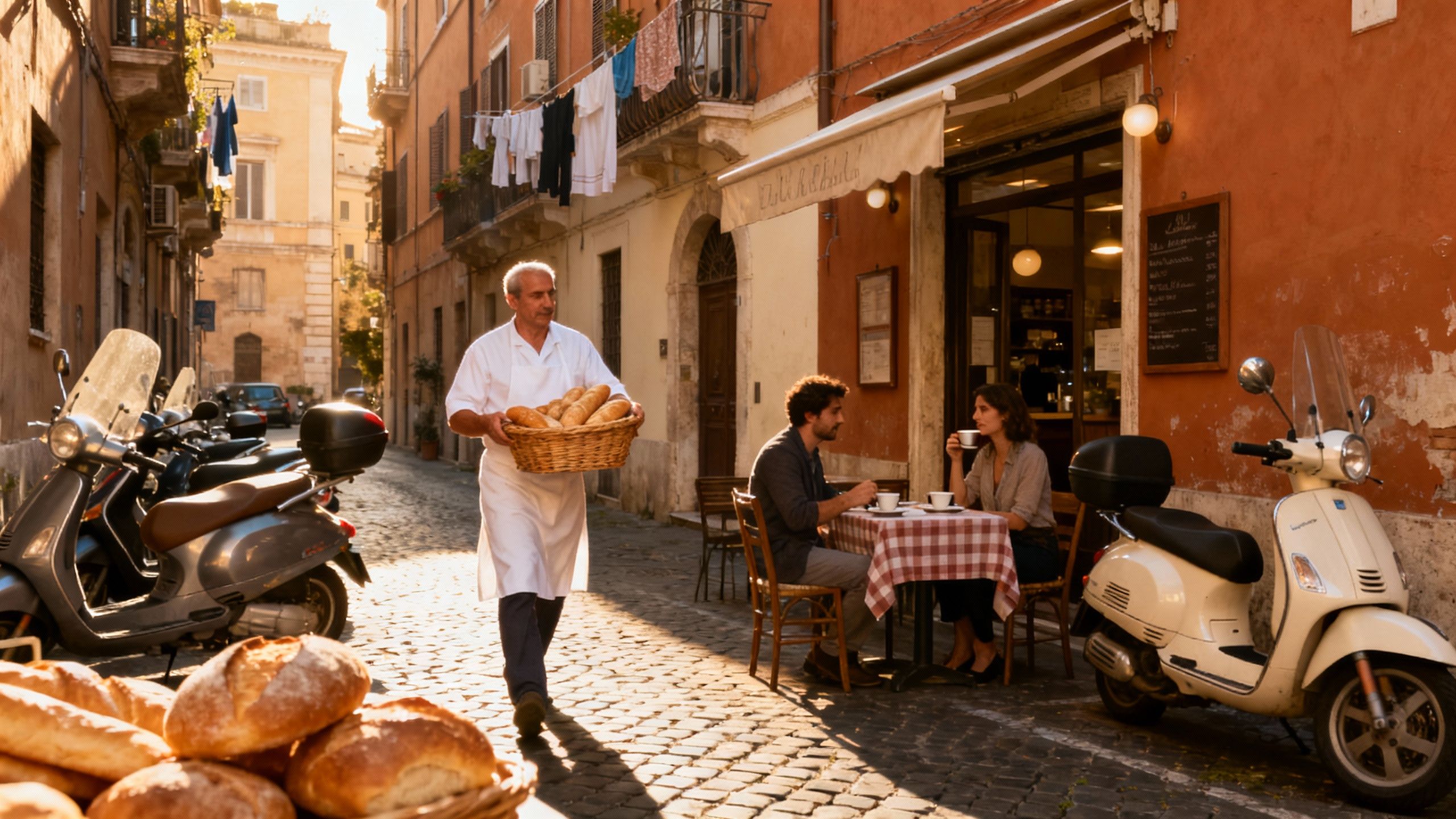
Imagine walking out of a café in Rome’s Testaccio at 09:30 — the baker’s oven still warm, a delivery van reversing down Via Marmorata, and a row of locals debating the day’s market finds. That ordinary morning is why many of us fall for Italy before we ever see the contracts. But the best time to fall in love and the best time to buy are not the same. Recent market signals show small but important shifts that change where autumn visits reveal real value, not just charm.
Living the Italy lifestyle
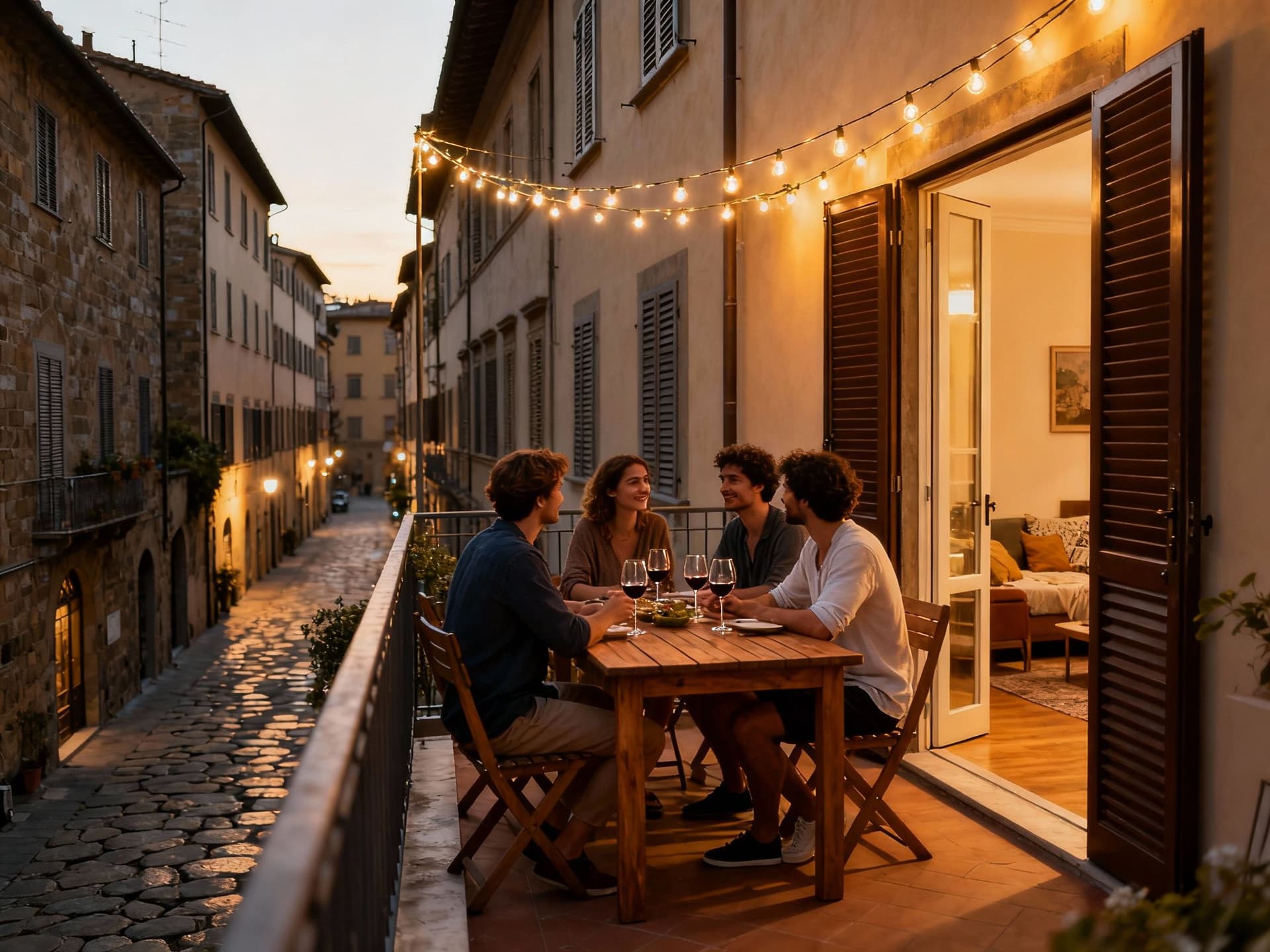
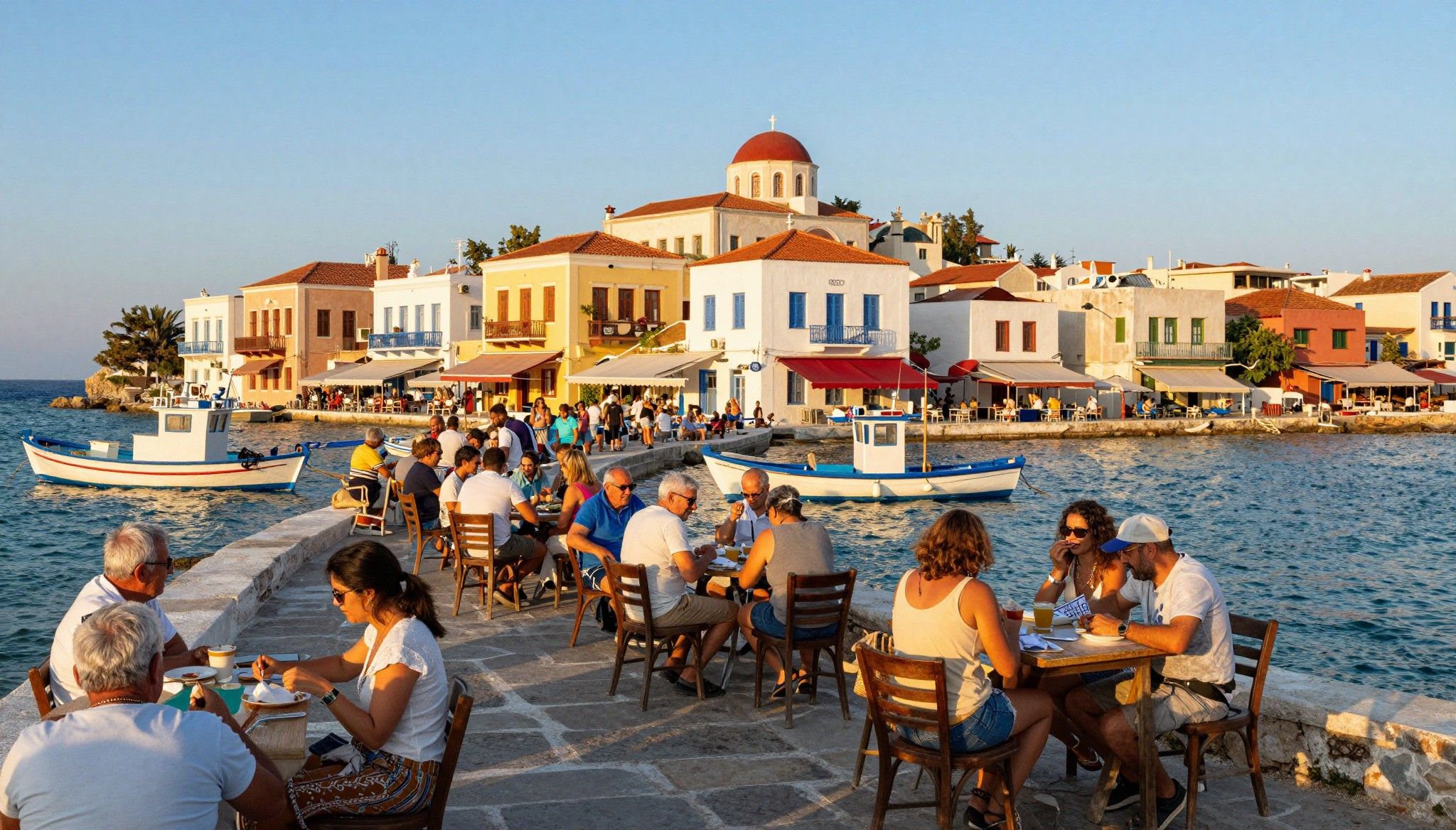
Italy’s rhythm is a patchwork: dawn in a fishing port, late afternoons in piazzas, and long lunches that stretch into gelato runs. In cities like Milan and Turin mornings tilt toward espresso and business; in Florence, afternoons smell of leather and roasting chestnuts; along Amalfi and Liguria, terraces strain under bougainvillea and the sea’s hush dictates dinner times. These daily textures shape where you’ll live — compact historic flats where you want constant street life, or a hilltop villa for slow Sundays.
Neighbourhood stories: where life sets the tone
In Rome, Trastevere and Testaccio offer different promises: Trastevere is tourist‑thick at night but alive with tavernas, while Testaccio feels local — but both demand tradeoffs on space and price. In Milan, the Navigli canals supply aperitivo culture; Porta Romana and Isola give more residential calm with easier access to green spaces. In Tuscany, Oltrarno in Florence is workshop‑rich and neighbourly; on the Amalfi Coast, Praiano trades the bustle of Positano for quieter cliffs and better value for terraces and sea access.
Food, markets and small rituals
Markets are social infrastructure. Picture buying tomatoes at Campo de’ Fiori, then reading the evening’s football chatter in a small bar; or choosing a cacio e pepe lunch in a narrow street in Trastevere. Seasonal produce — porcini in autumn, citrus in winter along the Amalfi — guides weekend plans and even renovation choices (a kitchen designed for slow cooking matters more than a huge open plan).
Market and lifestyle highlights: • Campo de’ Fiori market (Rome) — morning produce and street life • Navigli canals (Milan) — aperitivo culture and Saturday crafts market • Oltrarno workshops (Florence) — artisan studios and small galleries • Posillipo promenade (Naples) — sea views without Amalfi crowds • Lido di Camaiore (Tuscany coast) — calmer beaches for families
Making the move: practical considerations
Lifestyle sells the idea; data keeps you honest. Recent national indicators point to modest inflation and mixed retail figures — a reminder that local micro‑markets diverge sharply. That’s why a neighbourhood visit in high season can mislead: restaurants and short‑lets create an illusion of demand that may not hold in winter. Use national data as a backdrop, then drill to municipal transaction records and on‑the‑ground agency intelligence.
Property styles and how they shape daily life
Think beyond square metres. Historic apartments deliver scale and location but often need insulation and modern heating. Country houses give outdoor space yet can carry renovation and seismic‑strengthening costs. Coastal properties may look irresistible but check exposure to storms and long‑term flood risk; academic work shows repeated flood exposure can weigh on prices in Italy. Match the building type to the lifestyle — small terrace for daily coffee, or larger garden if you see friends weekly.
Working with local experts who know the lifestyle
Agencies that sell lifestyle, not just listings, are your best allies. Look for agents who can point to specific cafés, barangays, and seasonal differences — those recommendations show local knowledge. Also insist on agencies that supply transaction history, typical running costs for similar homes, and references from recent international clients. A good local lawyer and a surveyor who understands Italian masonry practices are non‑negotiable.
Practical steps that blend life and logistics: 1. Visit in autumn (Sept–Nov) to see authentic neighbourhood life and lower short‑let noise. 2. Request three years of rental and sales comparables from the agent for targeted streets. 3. Commission an energy and structure survey before signing to estimate renovation needs. 4. Meet local services — a pharmacist, grocer, and school — to judge daily convenience. 5. Agree on a staged payment timeline with penalties clearly stated in contracts.
Insider knowledge: what expats wish they'd known
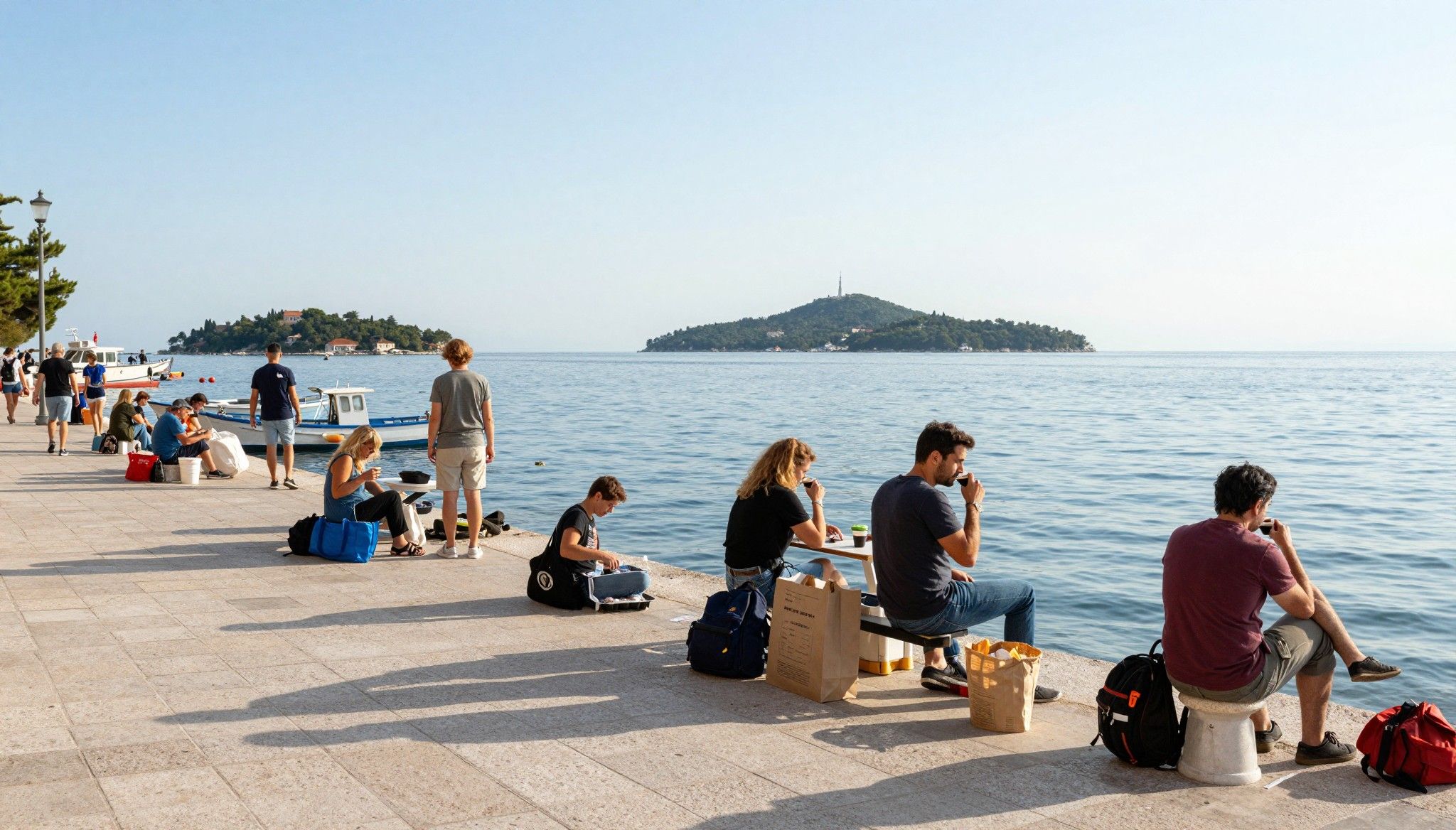
Expats often tell the same story: they fell in love in summer but learned to live in autumn and winter. Streets empty, local shops return, and you can hear neighbours again — a truer picture of daily life. Language matters in small towns; a little Italian opens invitations. And community is earned: joining a market queue, attending a sagra (local festival) or volunteering at a school event fast‑tracks acceptance.
Cultural integration and neighbourhood rhythm
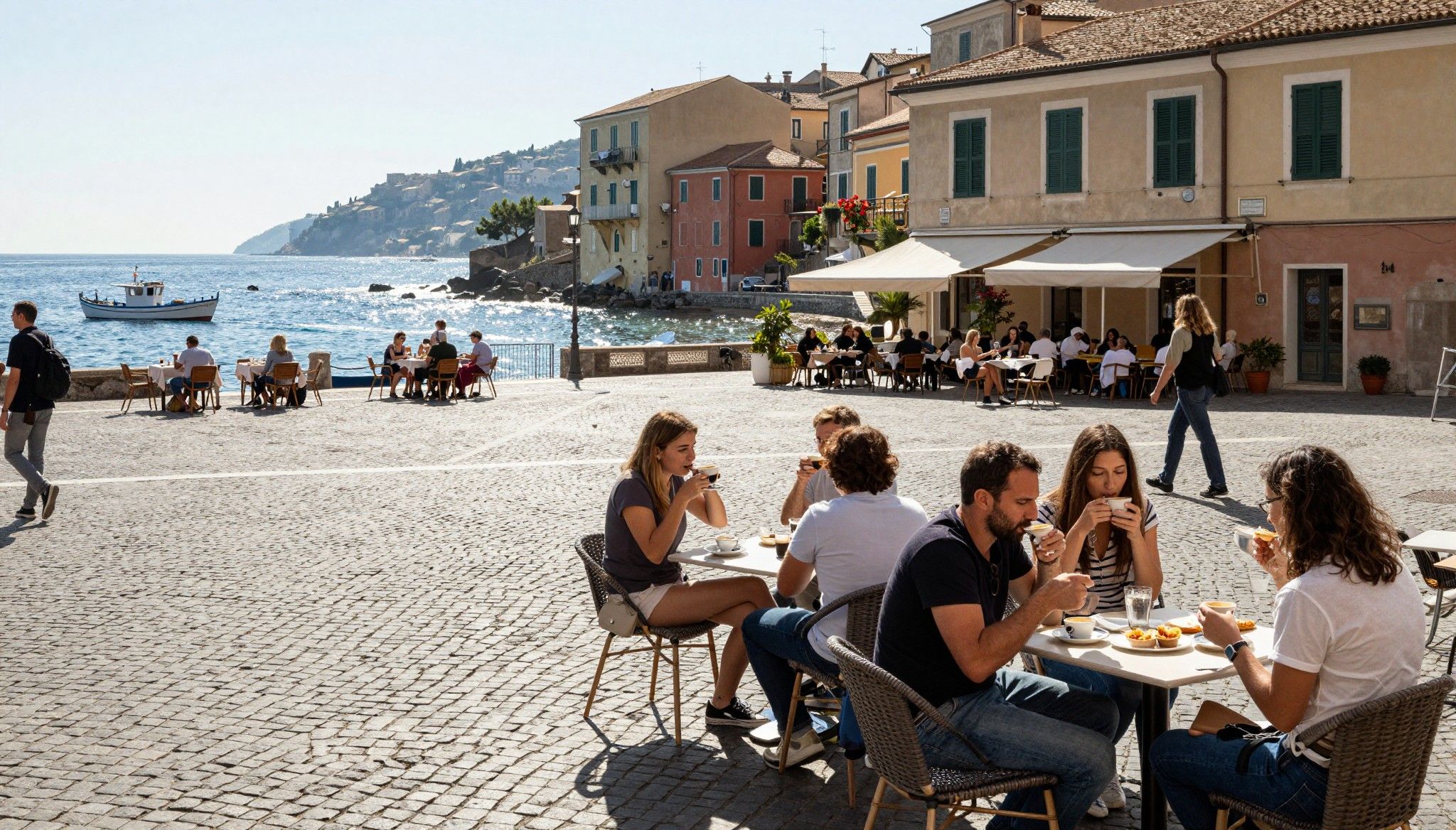
Italians value ritual: aperitivo at 18:30, late Sunday lunches, and public holidays that close whole towns. Respecting these rhythms affects how you use a property — a shopfront may be empty Monday morning but packed Saturday night. Small gestures — learning a baker’s name, buying from the same fishmonger — translate into practical advantages when you need local recommendations or renovation help.
Long-term lifestyle and investment considerations
Long‑term value in Italy is often local: well‑connected towns, energy‑efficient renewals, and properties near everyday services outperform purely touristy buys. National indicators of inflation and retail activity are useful background, but municipal planning, restoration grants, and EU energy incentives often determine the cost and upside of renovations. Consider properties where small upgrades (insulation, windows, heating) materially change comfort and running costs.
Red flags to watch for: • Overreliance on holiday‑let income in single‑season towns • Properties without documented building permits or seismic upgrades • Hidden exposure to repeated flood events in low‑lying coastal plains • Long, unproven vendor chains (multiple owners without proper invoices) • Agents who avoid providing recent comparables or refuse local references
If you want to feel like an Italian resident rather than a visitor, autumn visits are the single most revealing tactic we recommend. You’ll detect authentic neighbours, realistic noise levels, and local services that matter for daily life. Pair that visit with data: municipal transaction records, energy certificates, and an independent survey. That combination — lived experience plus hard facts — is how you turn affection for Italy into a confident purchase.
Next steps: book an autumn visit, ask your agent for street‑level comparables, commission a structural and energy survey, and meet a notary early to understand contract timelines. Good agencies will guide you to places where life works every season — and where your investment logic aligns with the rhythms of Italian daily life.
British investor turned advisor after buying in Costa del Sol since 2012. Specializes in cross-border compliance and data-driven investment strategies for UK buyers.