Why France’s “Expensive” Tag Hides Regional Opportunity
France’s price reputation hides regional opportunity: 2025 data show stabilising prices and lifestyle-led pockets where coastal and city living meet affordability and long-term resilience.
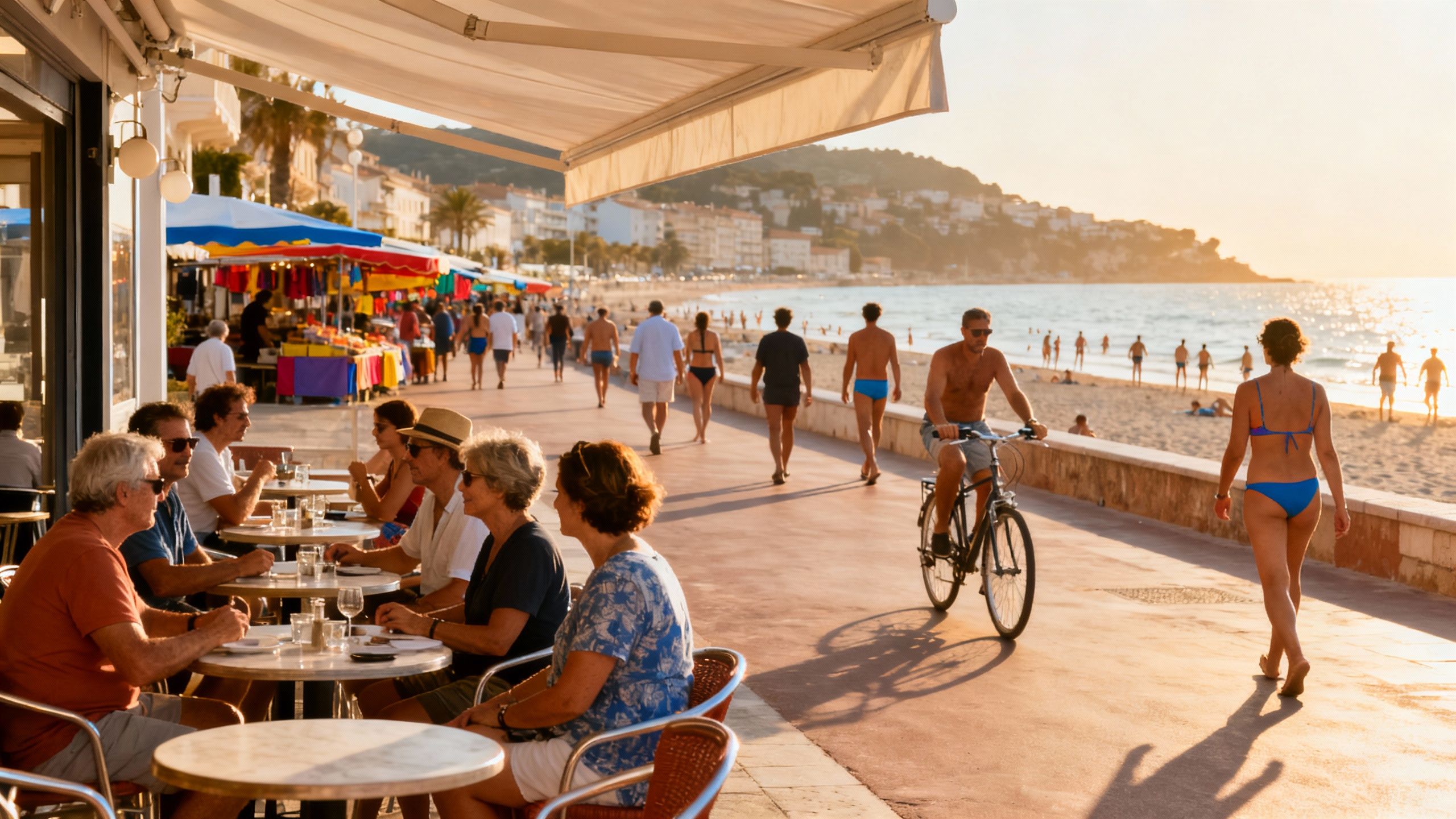
Imagine walking a slow Sunday morning in Montpellier: boulangeries warming their first loaves, cyclists threading between plane trees, and a harbour-side café filled with locals debating football. That lightness — a rhythm that turns ordinary mornings into a lifestyle — is what draws international buyers to France, from coastal surf towns to quiet provincial lanes. Yet many arriving with dreams assume the whole country is out of reach because of a single word: "expensive." The reality is more nuanced: national data show prices stabilising and regional pockets that still offer value and lifestyle upside.
Living France: daily rhythms, neighbourhood characters
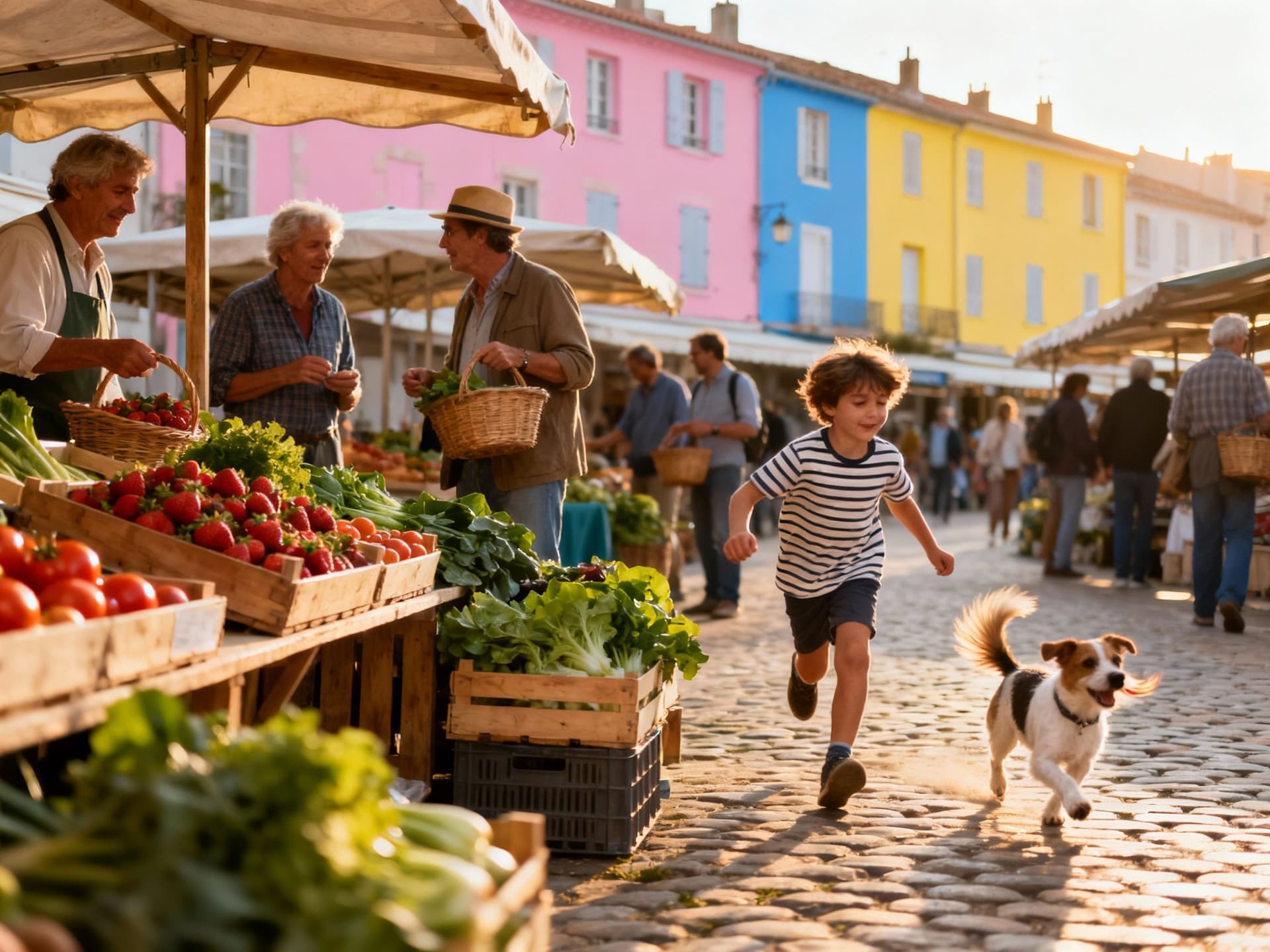
France is not a single experience: Paris offers concentrated cultural wealth and year-round theatre and museum life, while a town like Biarritz structures its year around surf, markets and seasonal tourists. Daily life is sensory — farmers’ markets at dawn, lengthy café conversations at noon, and a late stroll along coastal promenades in summer. For international buyers that matters: what you want from mornings, neighbours and local services should shape the region you consider, not national headlines. Recent reporting points to renewed market activity, reinforcing that lifestyle demand is returning to many provincial towns as well as cities.
Coastal towns: morning markets, surf culture, quieter winters
From Nice’s palm-lined promenades to Biarritz’s salty surf break, coastal France blends local routine with seasonal spikes. Property here varies — compact stone apartments along old promenades, renovated villas set back from the dunes, and new-build complexes aimed at year-round living. Prices can be high in famous enclaves, but neighbouring towns often offer the same rhythm at far lower cost. Look beyond marquee names: coastal communities within 20–40 minutes of major centres frequently provide better value per square metre and a fuller calendar of local life outside high season.
City neighbourhoods: markets, schools and small streets that matter
In cities such as Lyon, Nantes or Bordeaux, neighbourhood choice changes daily experience: a flat on Rue Sainte-Catherine in Bordeaux puts you near wine bars and markets; a small house in Croix-Rousse, Lyon, places you inside a tight-knit artistic community. For families, proximity to a marché, a park and an international school will matter more than headline city averages. Seek streets where locals shop, not the glossy tourist strip: your weekday routine will be defined by where the baker, butcher and café are — not by panoramic vistas.
- Cafe and market moments: what defines French everyday life
- Strolls to local marchés (morning produce and conversation)
- Late lunches and short, regular aperitifs that form social ties
- Weekends centred on provincial fêtes, museum openings or coastal walks
Making the move: lifestyle-led practical considerations

Turning the lifestyle dream into a purchase requires local intelligence: seasonal market rhythms, the notary-led transaction model, and region-specific demand all change timing and price. National indices show prices stabilising in early 2025, which translates to active markets in desirable neighbourhoods and pockets of opportunity elsewhere. Work with agents who know where everyday life happens — the streets locals prefer — and who can show how an apartment or house will support the routine you want. Practical choices — proximity to markets, insulation for wet Atlantic winters, or a terrace for summer life — directly shape resale and enjoyment.
Property styles and how they serve your life
Stone apartments in old towns offer texture and walkability but typically smaller rooms and higher renovation needs. Modern apartments near tram lines provide connectivity and lower maintenance but may lack character. Villas and village houses grant outdoor space but require upkeep and insurance considerations, especially near coastlines exposed to salt and wind. Match property type to how you plan to live: entertaining, gardening, short-term rentals, or simple weekday routines.
Working with local experts who know lifestyle outcomes
A local agent with deep neighbourhood knowledge acts as your translator of daily life: they’ll recommend streets with reliable boulangeries, suggest properties that hold heat in winter, and explain how local associations shape neighbourhood life. Ask candidates for examples: which block would they live on, where do their children go to school, and which small cafés attract locals year-round? Those answers reveal practical compatibility with your lifestyle goals more than generic listings do.
- Steps to align lifestyle with purchase
- Map three daily routines (morning market, work commute, weekend leisure) and prioritise neighbourhoods that satisfy at least two.
- Visit in different seasons — a summer weekend and a damp November week — to test year-round livability.
- Ask agents for streets with long-term resident profiles, not just turnover-driven tourist hotspots.
Insider knowledge: expat truths and contrarian moves
Expats consistently report two surprises: first, neighbourhood feel matters far more than municipal prestige; second, buying slightly inland or a town over from famous hotspots often multiplies lifestyle while reducing price per square metre. For example, towns 20–40 minutes from Cannes or Nice can deliver coastal access, local markets and calmer streets for a fraction of the price. Data-backed regional price tables show wide variation — what feels expensive in one town may be affordable an hour away.
Cultural integration and everyday language
You don’t need fluency to live well — enough French to read menus, ask about opening hours and greet neighbours goes a long way. But investing in phrases and local customs pays social dividends: shopkeepers will go the extra mile, neighbours will include you in fêtes, and you’ll access trusted recommendations. Community life is often organised around associations, sports clubs and market stalls; show up and you become part of the rhythm.
Long-term lifestyle factors buyers miss
Consider energy performance and local regulation: measures phasing out energy class G rentals came into force recently and affect renovation priorities. Also factor transport plans and local school capacity when thinking five to ten years ahead. Regions with growing connectivity and cultural investment often see sustainable value growth; those dependent only on seasonal tourism can be cyclical. Use data sources and local notary insight to test assumptions about future demand.
- Checklist of expat red flags to watch
- A property isolated from local services — no baker, no market within 10 minutes.
- Overreliance on short-term tourist rental income in a single season.
- Hidden renovation complexity: listed building rules or coastal protection zones.
In practice, pairing lifestyle-first research with data checks gives the best outcomes: walk the streets you want to live on, then ask an expert for historical sale prices, local rental performance and annual costs. France’s market is diverse and stabilising in 2025, so the premium you pay should buy a lifestyle you will use — not just a name on a map.
Picture your life here: morning markets, a favourite café, and a small group of neighbours who become friends. If that image aligns with the property you buy, the investment returns in wellbeing and long-term value. Next steps: shortlist neighbourhoods that match your routines, schedule both a summer and an off-season visit, and brief a local agent to show you streets where everyday life happens. An agent who cares about where you’ll shop and where your children will play is the one worth working with.
Dutch investment strategist with a Portugal-Spain portfolio. Expert in cross-border financing, rights, and streamlined due diligence for international buyers.