France: When Lifestyle Drives Where (and When) You Buy
France offers diverse lifestyles — from Parisian streets to Riviera coves — while early‑2025 data shows price stabilisation; pair seasonal visits with local experts.
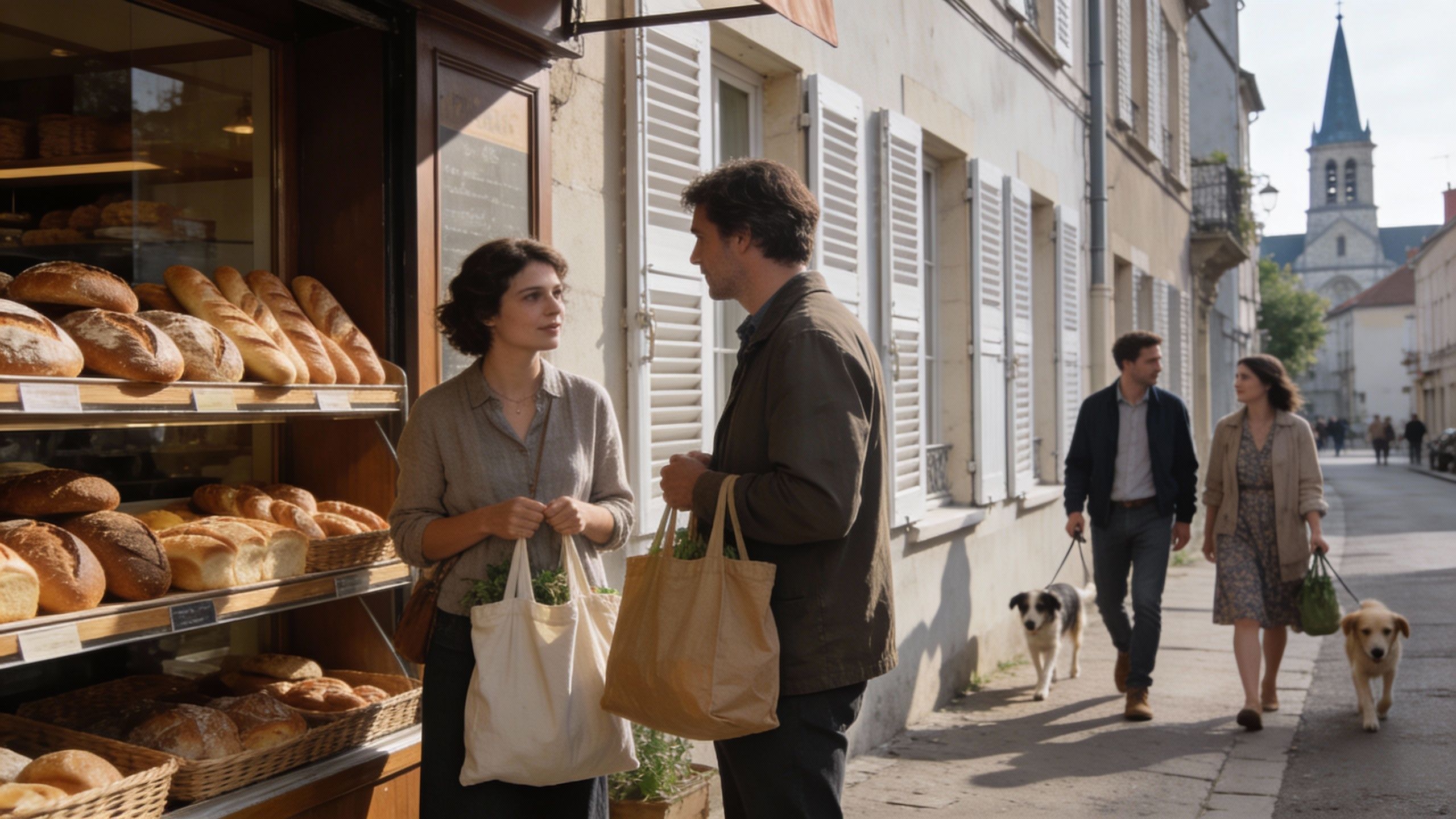
Imagine waking to a Saturday market in Aix‑en‑Provence, a pastry steam still drifting from the boulangerie on Cours Mirabeau, then swapping the afternoon for a late walk along the pebble coves of Cassis. France is not one life — it’s many: provincial mornings, Parisian rhythm, Riviera terraces — and each has different property logic beneath the romance. According to recent market analysis, prices nationally began to stabilise and nudge upwards in early 2025, which matters if you’re balancing lifestyle and timing.
Living the French life — what it actually feels like
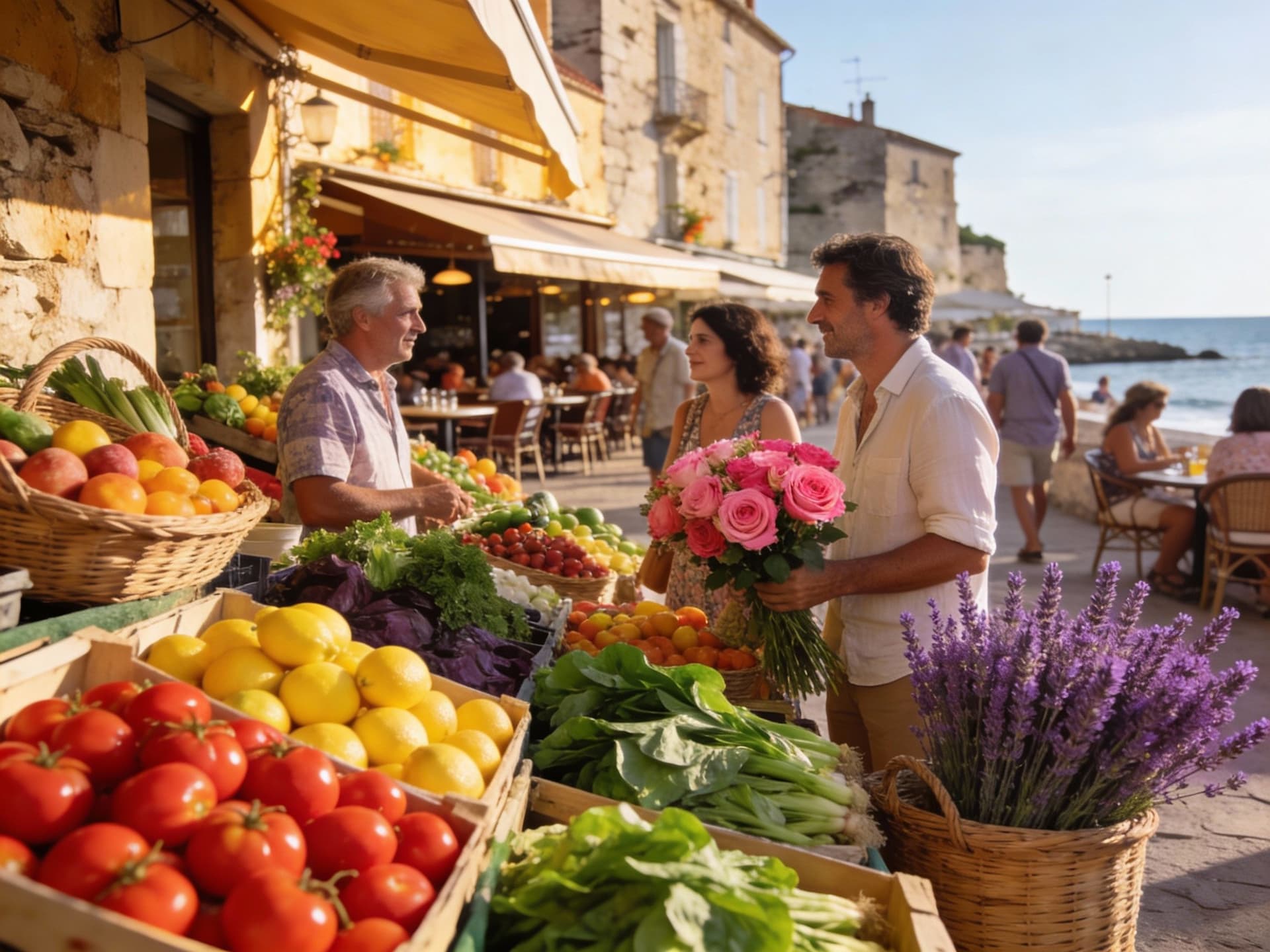
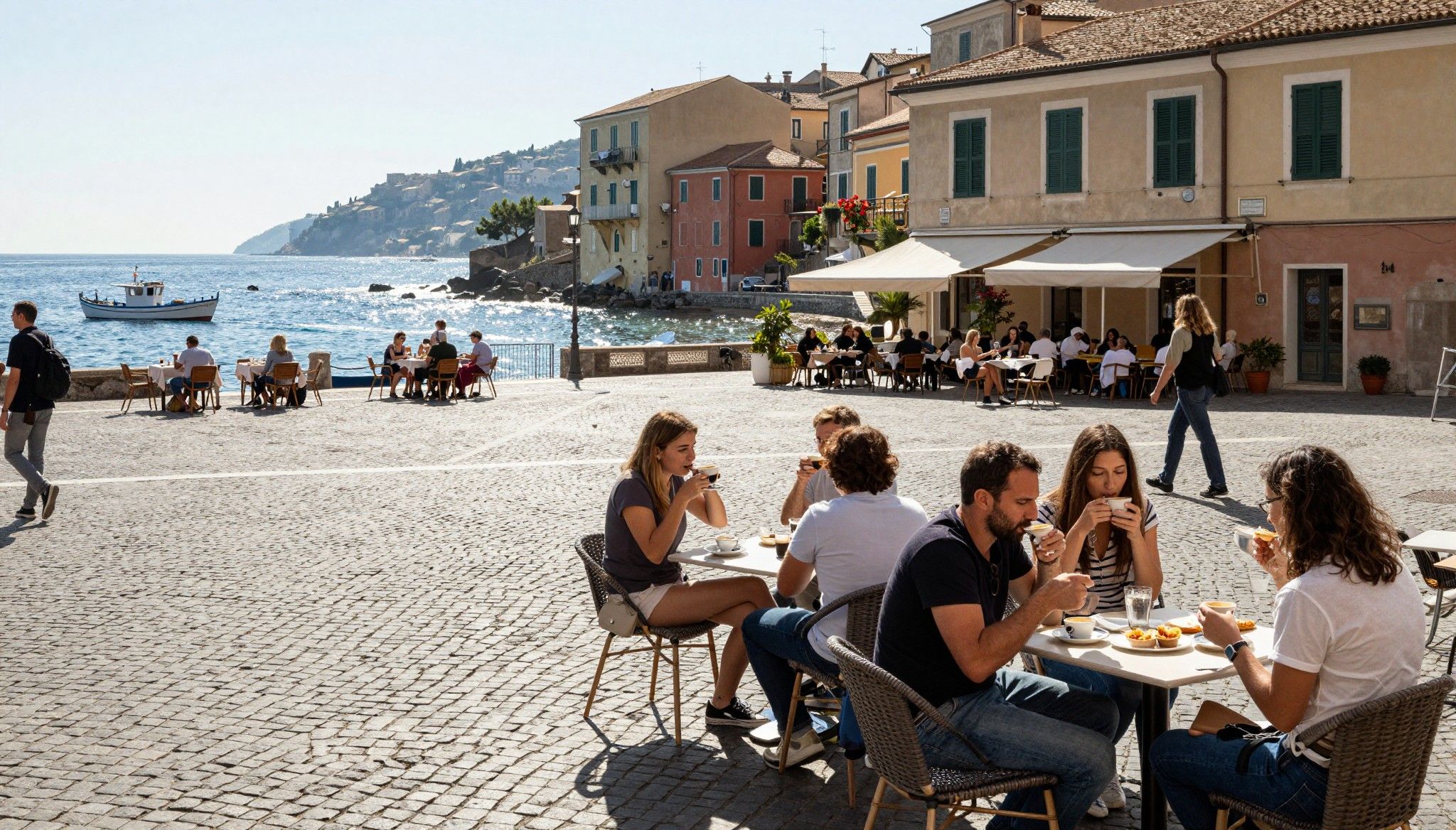
France moves by neighbourhood tempo. In Paris you’ll trade mornings at rue Cler for late dinners in the Marais; on the Côte d’Azur, days orbit beaches and marché runs; in Occitanie, village squares still host card games and aperitifs. The sensory map is decisive: the smell of roasted coffee and wet cobbles, the chatter of market vendors, the sight of shutters closing at dusk — these everyday elements shape where you want to live, and what property will actually suit your daily life.
Neighbourhood spotlight: Paris arrondissements vs. Île‑de‑France suburbs
Walk the 6th and 7th and you’ll feel an inherited, quiet wealth; cross the périphérique and the pace — and prices — shift. Recent reporting highlights persistent concentration of wealth in central arrondissements, so buying in Paris is as much about micro‑location (which street, which floor) as city vs suburbs. For buyers craving community and cheaper square metres, consider south‑east suburbs with direct RER links: the lifestyle trade is more space and local markets for a slightly longer commute.
Coast and countryside: Nice promenades, Cassis coves, and inland village life
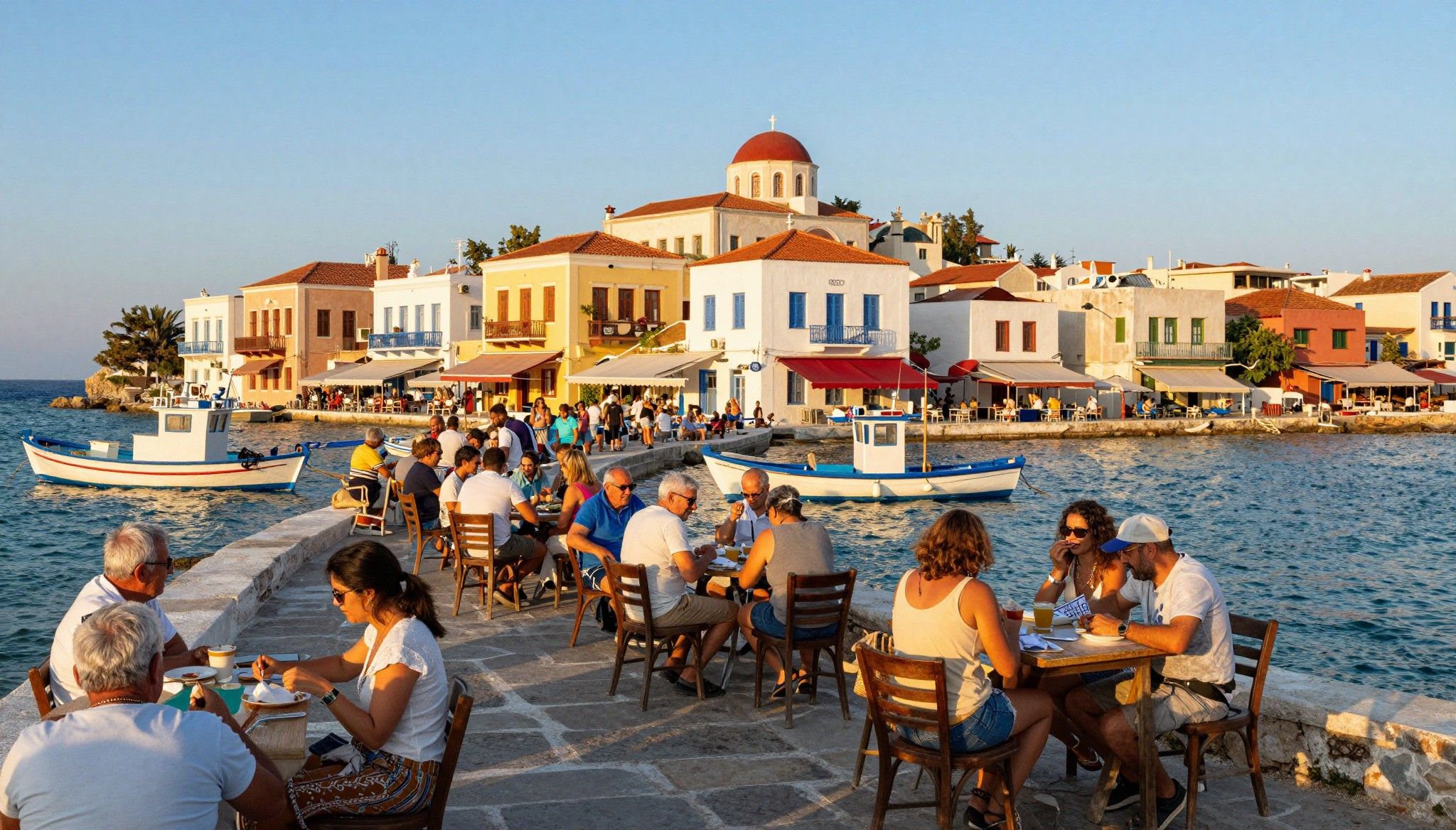
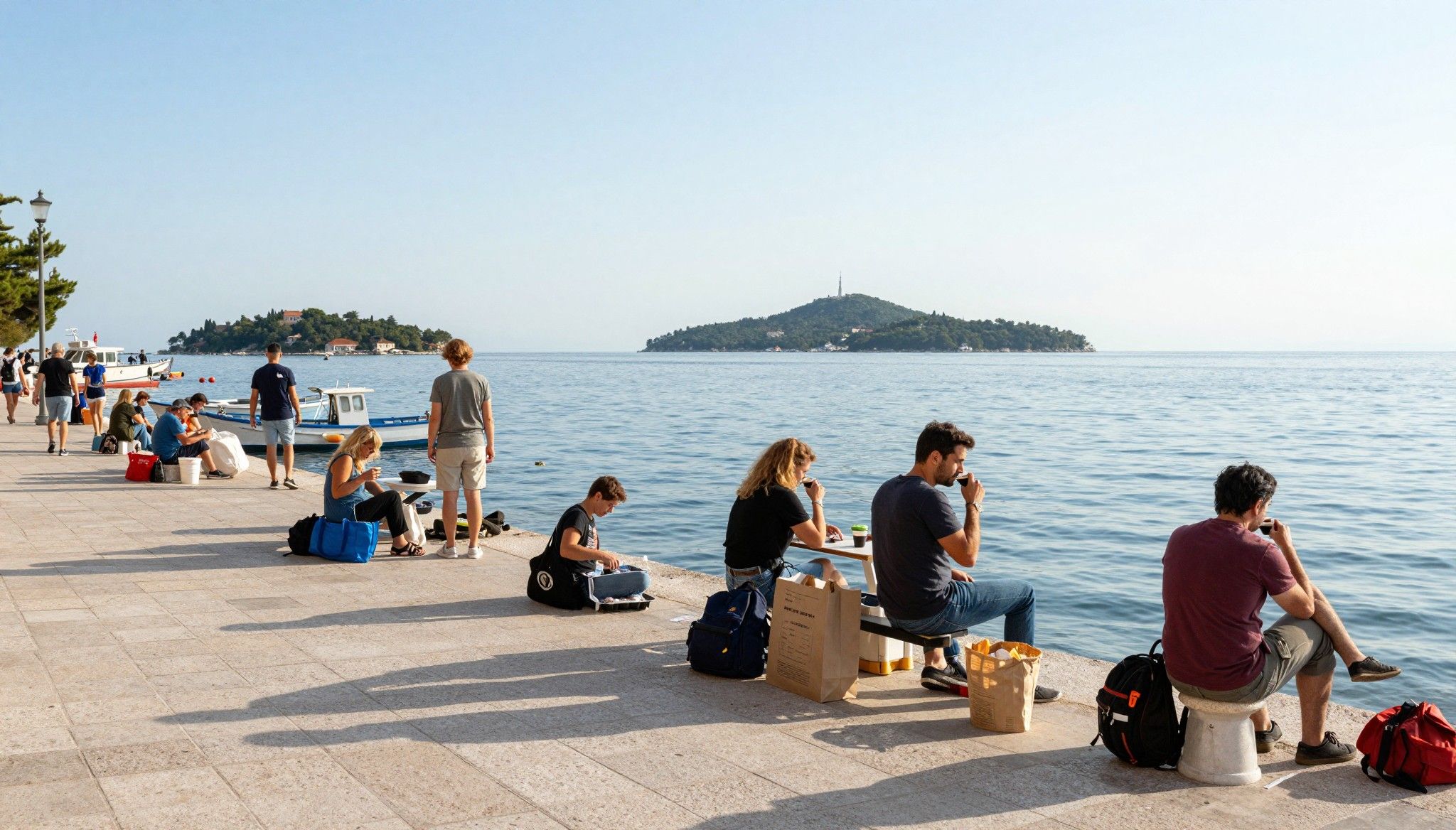
On the Riviera, mornings start with a stroll on the Promenade des Anglais or coffee at Cours Saleya; in Brittany, you’ll follow tidal rhythms and creperie menus. Note how tourism seasons transform local life: 2024 saw record international arrivals, and coastal towns can feel wholly different in high season. If you value calm summers, look a little inland or to smaller ports where community life resists tourist churn.
- Lifestyle highlights to try before you buy
- Walk a marché: Marché Forville (Cannes) or Marché d’Aligre (Paris) to feel daily rhythms
- Try local weekday routines: weekday lunch at a bistro in Lyon’s Presqu’île or a weekday beach swim in Antibes
- Spend an afternoon on a typical street: Rue de Bretagne (Paris) or Rue d’Antibes (Nice) to judge noise, shops and neighbour types
Making the move: practical considerations that preserve lifestyle

Romance meets rules when you sign contracts. National data shows prices stabilising and edging up in early 2025, but regional divergence is strong: Parisian central districts differ from rural Nouvelle‑Aquitaine or coastal Provence. That split matters if you want capital appreciation or steady rental income while preserving the lifestyle you fell for.
Property styles and how they map to life here
Stone village houses mean gardens and slow mornings; Haussmann flats mean light, cafés and small terraces; modern new builds outside urban cores bring amenities and parking. Choose by routine: if you value market mornings and walkability, a central flat wins; if you want entertaining terraces and vegetable plots, factor in maintenance and seasonal use.
Working with local experts who know the life, not just the listing
An agent who knows where the post‑market aperitif happens, the quieter street to the north, and which months bring festivals will find you property that actually fits your life. Good local advisors translate cultural cues into contract terms — delivery timelines for renovations, seasonal rental restrictions, and neighbour associations that shape day‑to‑day living.
- Steps to pair lifestyle with practical purchase
- Visit at least twice in different seasons (one off‑season) to test noise, daylight and community
- Ask your agent about neighbour profiles, utility bills by season, and any planned local developments
- Prioritise properties with adaptable spaces (guest room that converts to office; terraces that shade in summer)
Insider knowledge: how expats really settle and where value hides
Expats tell the same two truths: the neighbourhood beats the building, and seasons reveal real pressures. Recent coverage notes a market pickup in 2025 with heterogeneous gains across regions. That means opportunities: a well‑located provincial apartment with good transport links can outperform a waterfront pied‑à‑terre suffering heavy summer churn.
Cultural cues that change where you buy
French buying choices are shaped by weekly rhythms: market days, municipal fêtes, and weekly café life. Language matters less in everyday errands than knowing the unspoken rules — how to greet shopkeepers, when to expect strikes, and how local syndic (building committees) affect renovations. These cues determine how comfortable you’ll be living there day to day.
Long‑term lifestyle: what grows and what fades
Look beyond immediate charm to infrastructure: rail links, hospital access, school choices, and municipal investment. Town centres with revitalised transport and markets tend to sustain both lifestyle quality and property resilience. Conversely, areas built purely for tourism can lose weekday life and long‑term rental demand.
- Red flags and local checks
- Heavy tourist zoning or short‑term rental saturation that empties streets off‑season
- Opaque building syndic or surprise maintenance levies on historic buildings
- Poor transport links that look fine on paper but are slow in practice (single‑line buses, infrequent trains)
Conclusion: imagine the life, then test its seams — and bring local expertise
If your picture of France includes weekday market mornings, late dinners and a strong local community, look for properties and agents who treat lifestyle as an investment factor — not an afterthought. Start with short stays in target neighbourhoods, consult INSEE and notaries’ data for price direction, and work with a bilingual agent who knows seasonal shifts. Then, when you arrive, let the small everyday rituals decide whether a place is yours.
British investor turned advisor after buying in Costa del Sol since 2012. Specializes in cross-border compliance and data-driven investment strategies for UK buyers.