Why France’s Price Myth Hides Real Lifestyle Value
France isn’t uniformly expensive — foreign buyers find lifestyle-led value outside Paris. Combine seasonal visits, neighbourhood expertise and notaire-backed due diligence to buy smarter.
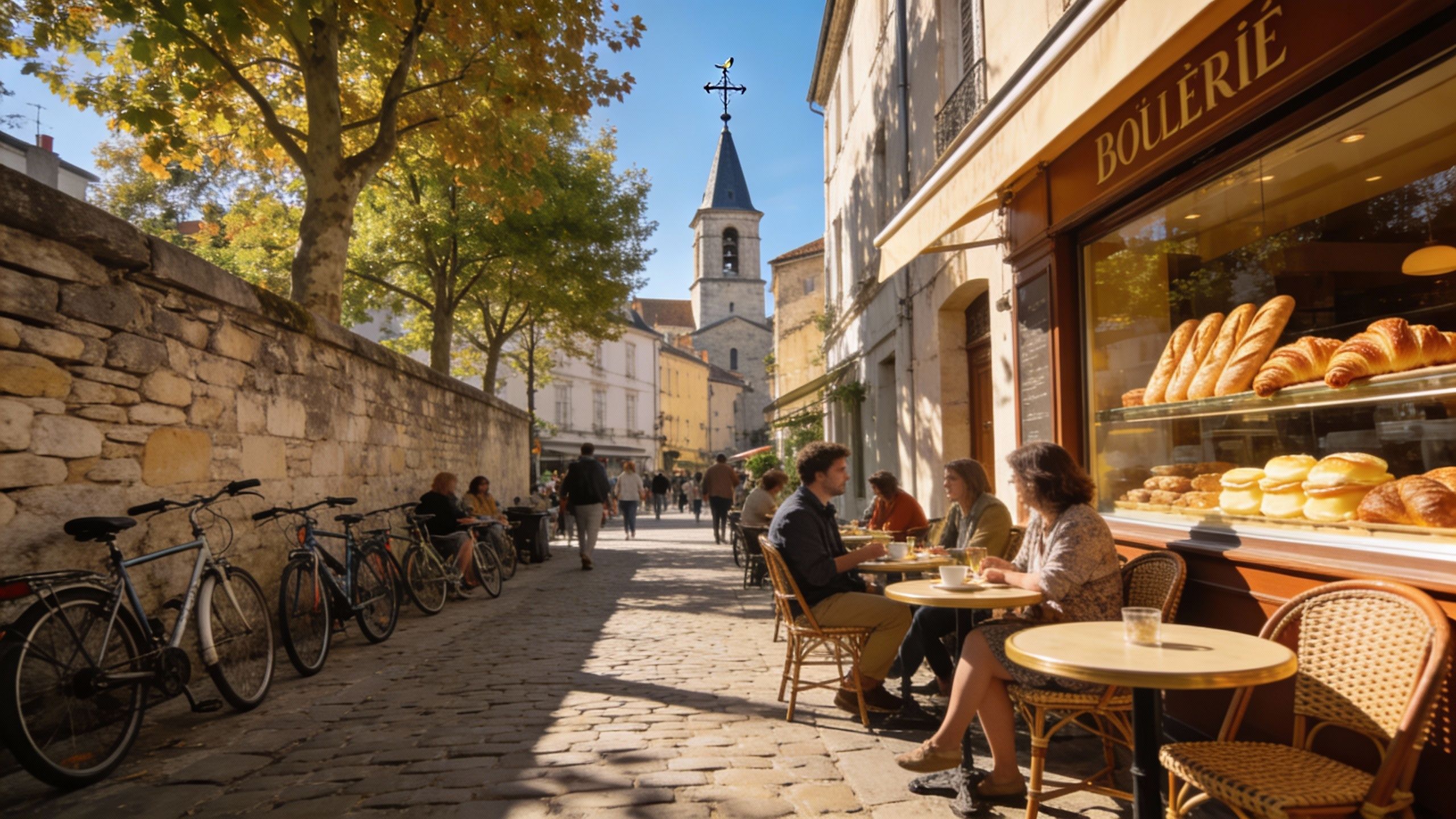
Imagine sipping an espresso on Rue des Martyrs, the bakery steam mixing with morning rain, then flying south for weekend beaches in Cassis — that split life is France. Recent market reports show the country is not a single price-tag but a patchwork: expensive pockets (Paris, Côte d'Azur) and surprisingly affordable corners where lifestyle and value meet. For international buyers chasing both culture and capital growth, this mismatch between reputation and reality matters. See the Notaires market report for context.
Living the French life — beyond the postcard
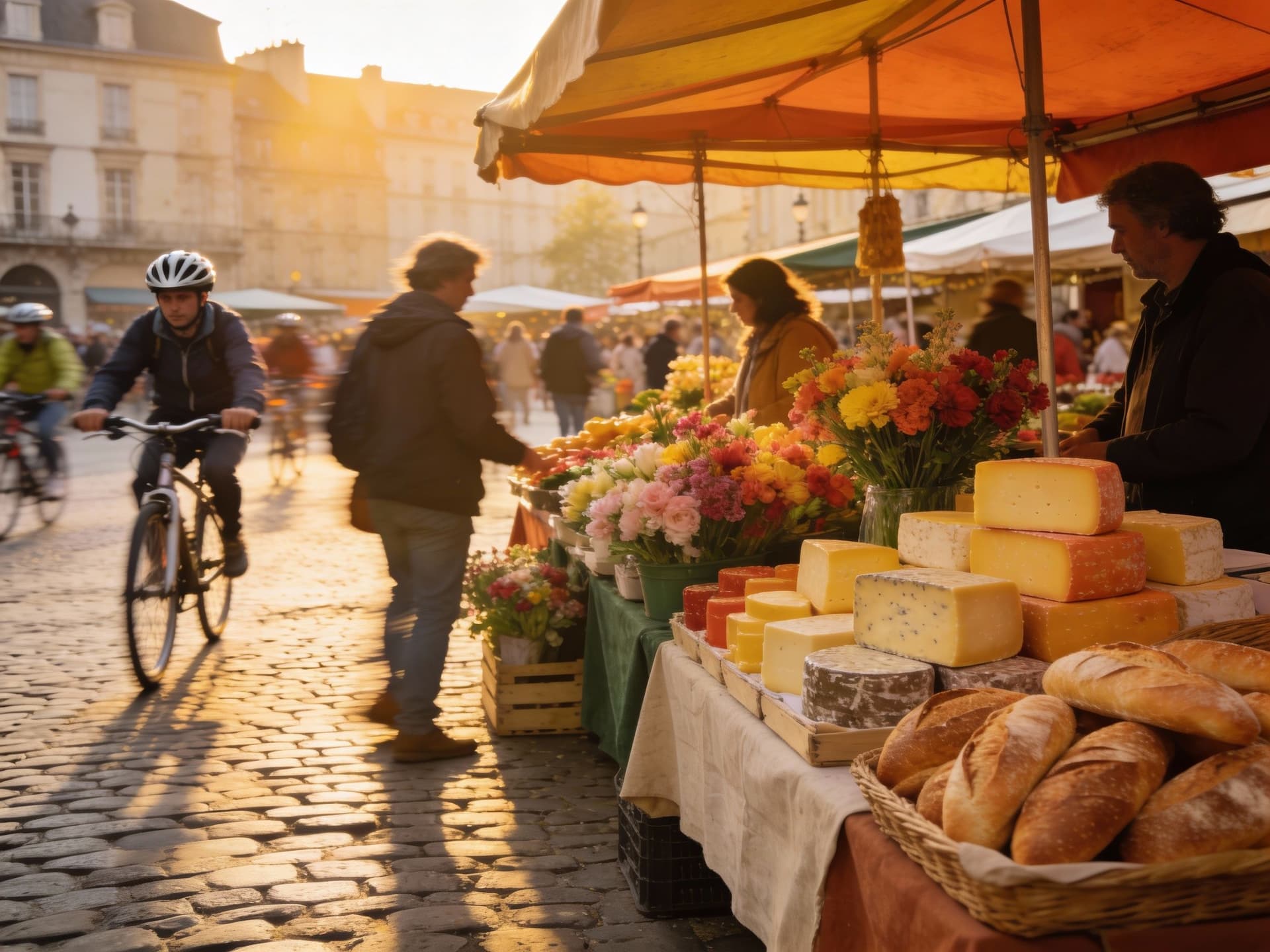
France is sensory: late breakfasts in sun-splashed squares, market chatter over fresh cheese, afternoon siestas in village parks and Friday night aperitifs by the river. But how that life shows up depends on where you are. In Lyon, it's bouchons and river promenades; on the Île-de-Ré, it's oyster stalls and bicycle lanes; in Nice, palm trees and a fast summer beat. Those differences shape where you'll enjoy mornings, how neighbours interact, and what kind of property supports the life you want.
Paris & Île-de-France: concentration, convenience, culture
Central Paris delivers concentrated cultural life — museums, restaurants, and short commutes — but with that comes price density and social stratification. Notaires and local analysts note a high share of foreign and non-resident buyers in Île-de-France, yet price dips in 2024 reopened opportunities. Think of Paris as expensive per square metre but efficient for lifestyle; you buy time and access more than land. The Connexion analysis highlights recent shifts in foreign buyer profiles around the capital.
South & mountain retreats: lifestyle-driven pockets of value
From the Alpes-Maritimes to rural Creuse, foreign buyers increasingly hunt for lifestyle more than headline prices. The south offers Mediterranean light and seaside rhythms; mountain resorts give alpine sports and seasonal rental upside. Recent analyses show foreign purchases spread beyond the Riviera into emerging provincial markets as buyers seek larger footprints and different seasonal economies. These are the places where reputation understates real opportunity.
- Lifestyle highlights to scout in France
- Morning coffee on Rue Montorgueil (Paris) — short-walk culture and weekly markets
- Bike afternoons on Île-de-Ré — seaside villages, oysters, low-rise living
- Wine-tasting weekends in Luberon — stone houses with terraces and slower seasonal life
Making the move: translate lifestyle into property choices
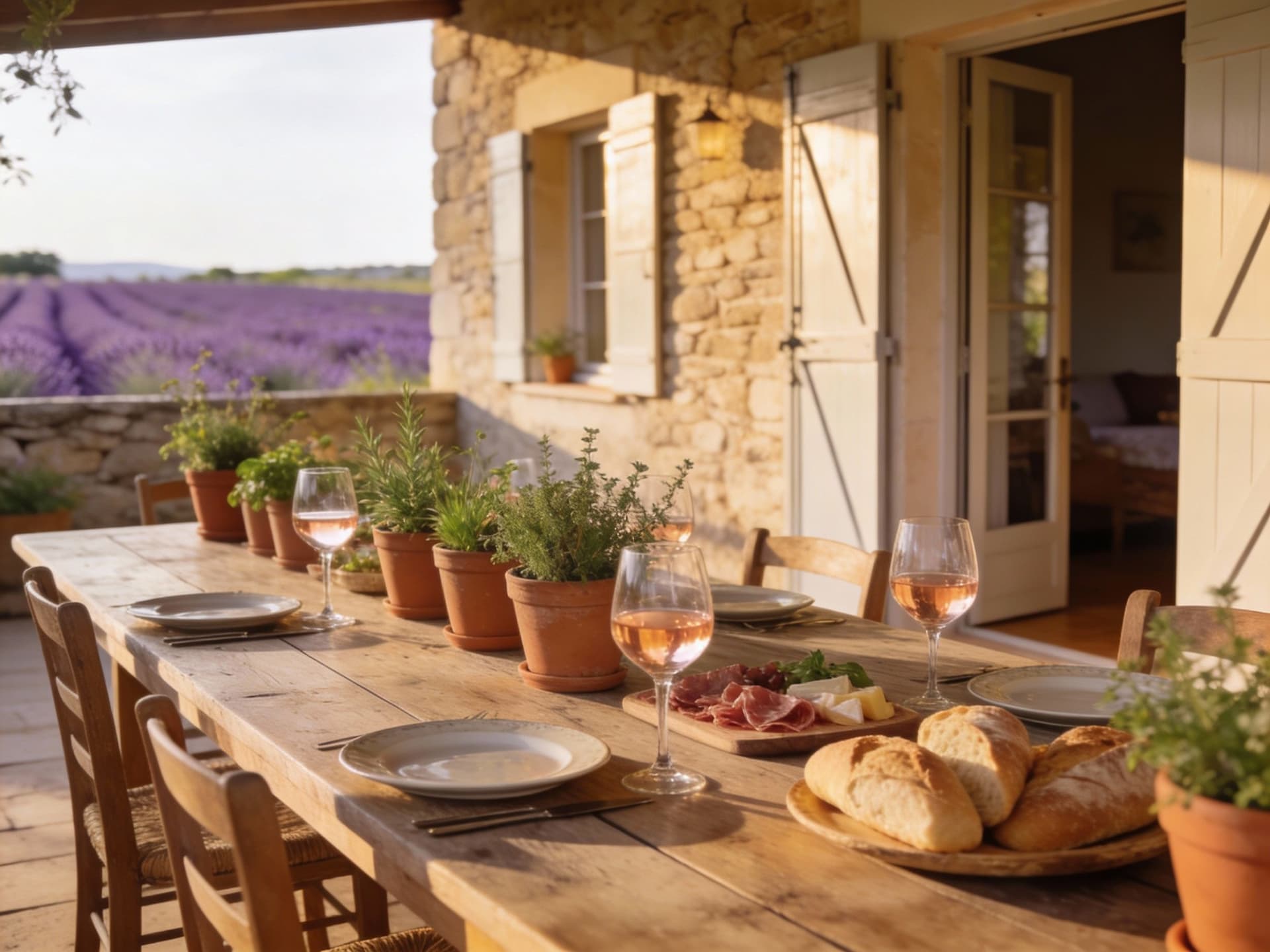
Dreaming of a cafe-lined flat or a Provençal farmhouse is one thing; locking it into a purchase strategy is another. Your lifestyle priorities — daily commute, rental potential, ease of integration — determine property type and region. Use lifestyle first, then filter properties by maintenance needs, community services and seasonal occupancy patterns. That approach keeps emotion from overriding practical realities.
Property styles and how they shape daily life
Parisian Haussmann flats give compact luxury, with efficient services and strong rental demand. Provençal mas (stone farmhouses) offer land and privacy but need ongoing maintenance and heating upgrades. New builds near Lisbon-style in France are rare; instead, look for renovated period homes that balance authenticity with modern systems. Match style to routine: small flat for city minutes, house with garden for weekend family life.
How local experts keep the lifestyle promise
A French agency that knows neighborhoods can translate a lifestyle wish-list into realistic property options, recommend renovation partners, and flag local rules (co-ownership regulations, seasonal rental permits). Choose agents with bilingual teams, verified references, and a track record across both urban and rural listings. They become your cultural interpreter and risk filter.
- Six steps to align lifestyle with purchase
- Rank daily life priorities (commute, markets, schools, seaside access), then map regions that deliver at least three of those.
- Visit in different seasons — summer festivals and winter quiet change value and livability.
- Work with a notaire and bilingual agent early to clarify fees, timelines and conditional offers.
- Budget for renovation and energy upgrades — many older homes need insulation and heating investment.
- Check local rental regimes if you plan short-term lets; coastal and ski resorts have stricter rules.
Insider knowledge: what expats wish they'd known
Expats often underestimate the speed at which neighbourhood character changes through the year. A village buzzing in August can be idyllically empty in November. They also overpay emotionally for views while neglecting day-to-day logistics like winter heating costs or reliable broadband. Real-life buyers who stay content plan for seasons and routines, not just photo-ready summers.
Cultural integration, language and community
Learn basic French before you arrive; a few phrases open doors in village bars and at market stalls. Join local associations — boules clubs, school committees, or market volunteer groups — to meet neighbours. Real integration smooths bureaucracy and enriches daily life; agencies that help with introductions offer more than contracts, they offer community access.
Long-term lifestyle and value: think in decades
France rewards patient ownership: well-located properties in good communities retain value and attract years of rental demand. Consider transport links, school catchments and local planning that could change the character of your neighbourhood over a decade. Balance immediate lifestyle with long-term resilience — that's where smart buyers find both joy and return.
- Red flags to watch for (lifestyle + practical)
- Properties advertised as "near the beach" but a 30–45 minute drive in high season traffic
- High seasonal short-term rental turnover that disrupts year-round community life
- Old heating systems and single-glazed windows in rural homes that inflate winter bills
- Local planning applications for tourism developments that shift neighbourhood character
France's real estate reputation as uniformly 'expensive' misses nuance. Notaires and independent analysts show foreign purchases cluster in both luxury and affordable pockets; your task is to match how you want to live with where the market still offers value. Start with lifestyle, validate with local data, and work with an agency that treats neighbourhood culture as seriously as square metres.
Next steps — from daydream to offer
- 1) Visit target regions out of season; 2) shortlist 3 neighbourhoods that match daily life needs; 3) commission a local pre-offer survey and confirm seasonal running costs; 4) instruct a bilingual notaire and check rental rules if needed.
Picture yourself months from now: a weekday market, neighbours who know your name, a nearby train for spontaneous city trips. That life is achievable in France, and it doesn't always require Paris prices. Start with how you want to live, use data to test assumptions, and choose partners who protect both your investment and your afternoons.
Dutch investment strategist with a Portugal-Spain portfolio. Expert in cross-border financing, rights, and streamlined due diligence for international buyers.