France: Where the Lifestyle You Want Meets 2025 Market Reality
Pair the lived rhythms of French neighbourhoods with 2025 market reality: INSEE and Notaires show stabilising prices—match lifestyle, seasonality and local data to buy wisely.
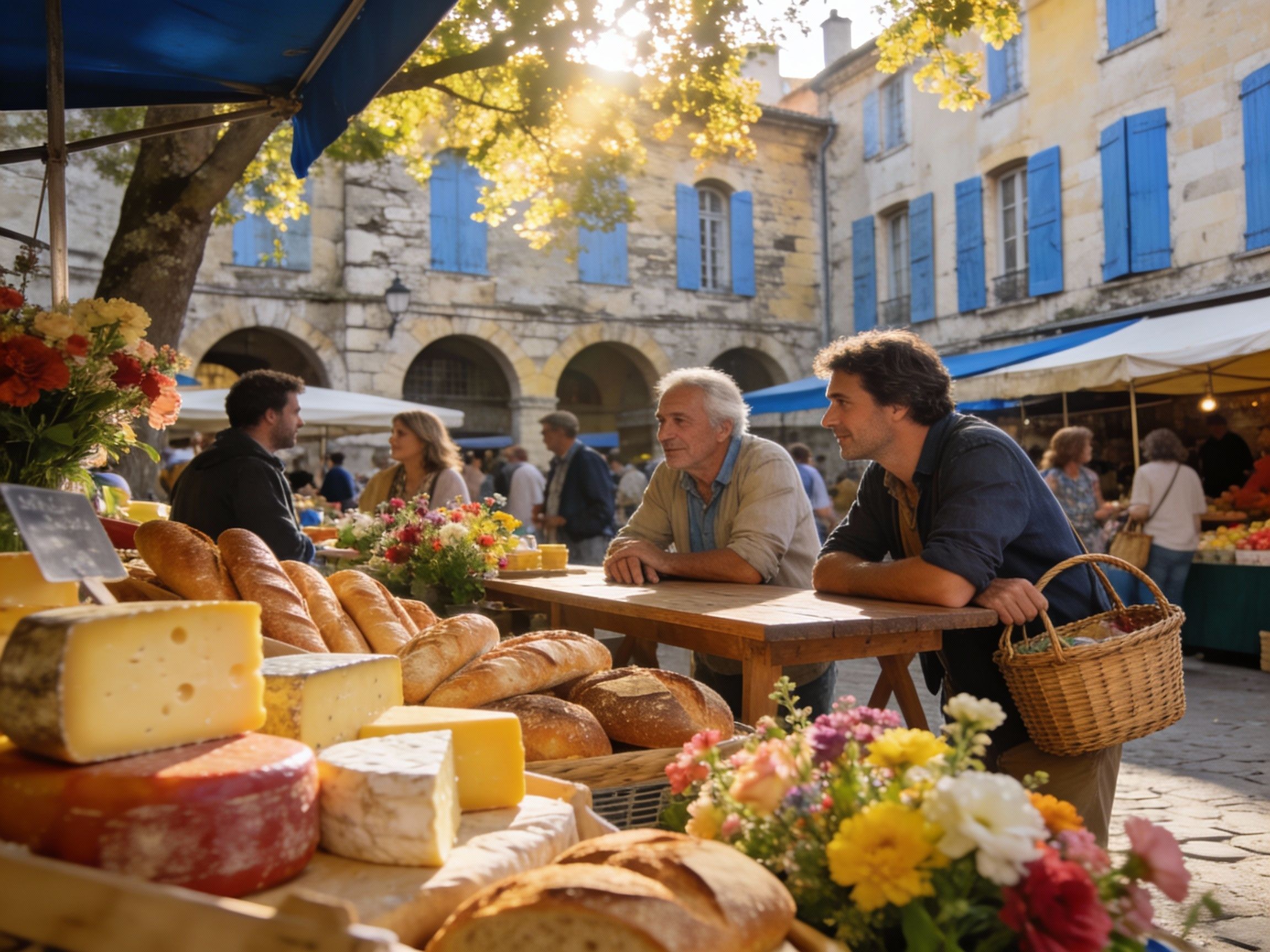
Imagine waking on a crisp spring morning in a narrow street of Lyon’s Croix‑Rousse, the smell of warm tarte aux pralines drifting from a boulangerie, while a tram rumbles by and the market stalls are already crowded. That moment—coffee, conversation, and a rhythm that feels both leisurely and connected—explains why buyers from Madrid to Montreal keep coming to France. But beneath the romance, the French market has been quietly shifting: price falls have slowed, new‑builds are nudging upward, and regional winners are emerging. Here’s a place-first, contrarian comparison that pairs the life you want with what the market really offers in 2025, with facts from INSEE and Notaires to anchor the view.
Living the France life: everyday scenes that change where you buy

France is less a single market and more a dozen distinct daily rhythms. Paris moves at a compressed, high‑density tempo; the Riviera unspools into long beach afternoons and late dinners; provincial centres like Rennes or Dijon pulse around markets, university terms and local fairs. Notaires data shows these rhythms map to price movement—some regional centres outperformed in 2024–25 while larger hubs experienced mixed results—so lifestyle choice and local market reality must align.
Paris and Île‑de‑France: concentrated life, concentrated price layers
Picture an early evening stroll on Rue de Seine: galleries, late espresso, and the constant negotiation between old‑world apartment charm and modern convenience. Paris remains the strongest symbol of scarcity—central arrondissements can command €8,000–€10,000/m² and above—yet even within the city results are uneven. Buyers who prize neighbourhood character over headline averages often find better value in eastern arrondissements or in the Grande Couronne suburbs where space for a terrace or garden becomes affordable.
South & Coast: seasonal intensity, year‑round communities
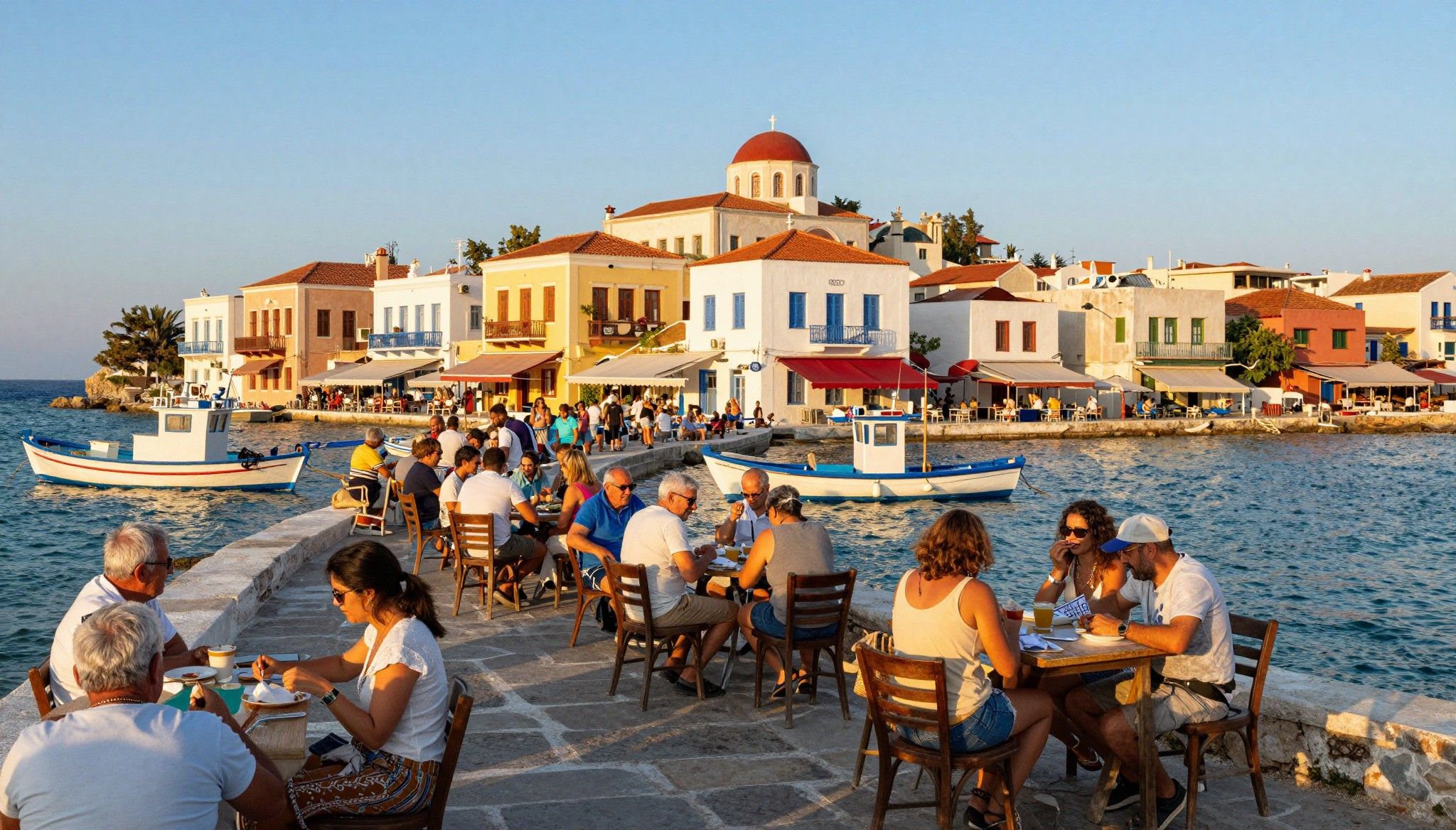
From Nice’s Promenade to Biarritz’s surf breaks, coastal life promises sunlight and sea‑air rituals—but be wary of the summer illusion. Many coastal towns quiet significantly out of season; successful buyers seek towns with year‑round services (e.g., Toulon, Montpellier) or choose homes built for seasonal variation—good insulation, shutters, and storm‑ready terraces. The market here rewards lifestyle-compatible design more than generic 'sea‑view' claims.
- Lifestyle highlights to orient your search
- Morning market rituals: Rue Cler (Paris), Marché des Capucins (Bordeaux), Mercado couvert (Nice)
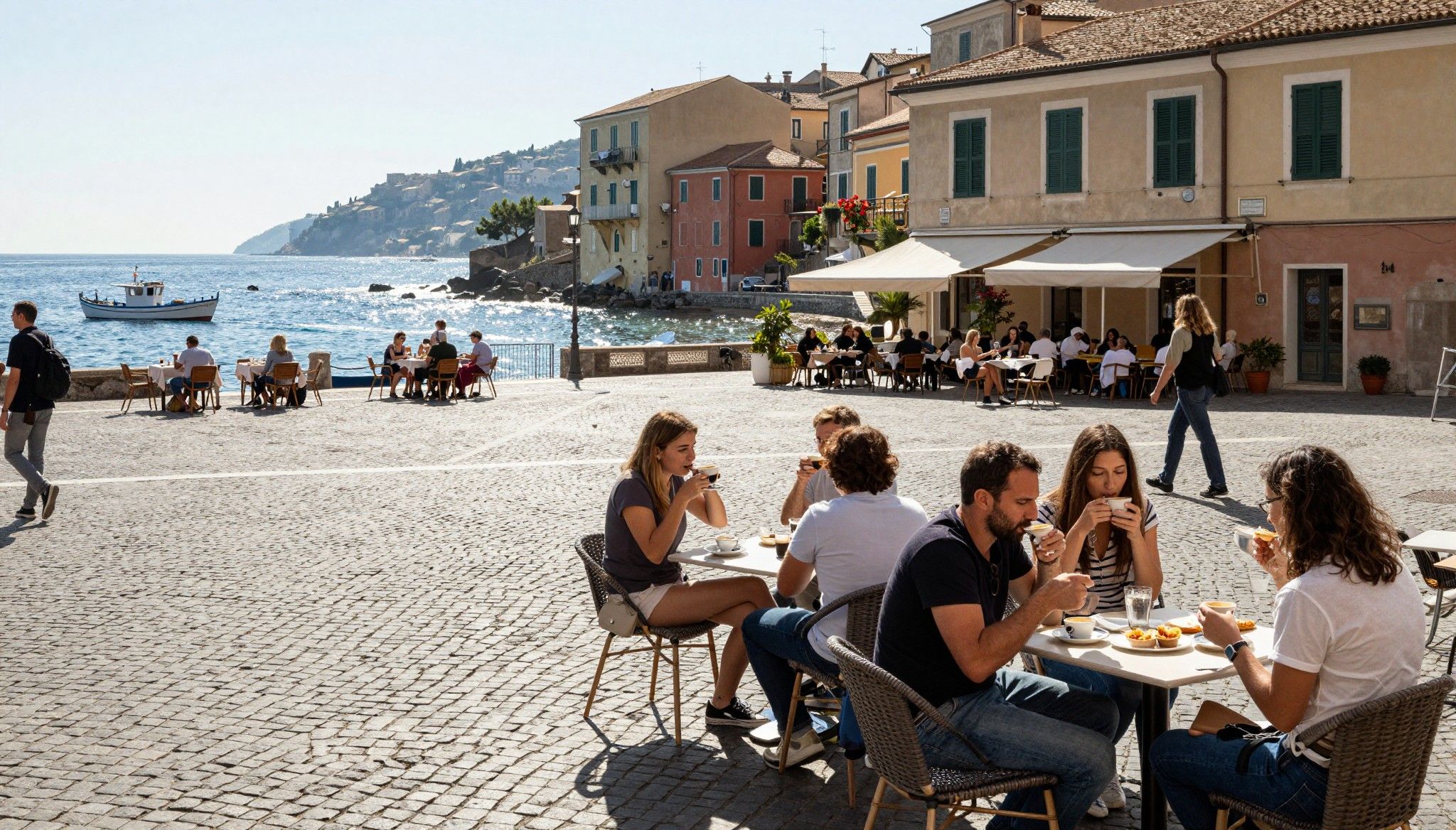
- Local cafés with after‑work crowds: Café de Flore (Paris, people‑watching), Le Flore (Lyon), Café du Commerce (Marseille)
- Weekend escapes: Île de Ré beaches, Annecy lake trails, the vineyards around Beaune
Making the move: practical considerations that preserve the lifestyle
The dreamy street scenes matter, but they intersect with market mechanics. INSEE shows national prices stabilising and edging back into growth in early 2025; that affects timing, negotiation leverage and which property type holds value. Instead of chasing a single metric, pair the lifestyle you want with the product type and financing conditions that sustain it.
Property styles and how they map to daily life
Ask how you’ll actually use a space. A classic Haussmann apartment offers scale and centrality but limited outdoor space; a renovated village house near Bordeaux offers a garden and slower pace but longer commutes. New builds (rising modestly in 2025) come with energy performance and fewer hidden renovation surprises—valuable if you plan remote work or long stays.
Work with local experts who protect the lifestyle you buy into
Find agents who can speak to school rounds, weekend markets and seasonal noise—those soft details change day‑to‑day life. A local notaire or surveyor will flag structural quirks that kill terraces or restrict renovations; an agent familiar with expat needs can pre‑qualify properties that suit both rental yield and long‑term living.
- Six practical steps mixing lifestyle and transaction smarts
- 1) Map daily routines (markets, schools, transport) before short‑listing neighbourhoods; visit at different times.
- 2) Prioritise energy performance and insulation if you want year‑round comfort; new builds often outperform old stock in utility costs.
- 3) Use a bilingual local agent and an independent surveyor early—reduce surprises and preserve negotiation leverage.
Insider knowledge: expats’ straight talk and seasonal truths
Expat lessons are as practical as they are social. Many newcomers overestimate off‑season silence or underestimate the bureaucracy of utilities and renovations. Notaires and INSEE data underline a key point: while national indices stabilise, local microtrends matter. Savvy buyers tune into seasonal life—festival months, school calendars and tourist peaks—because they change rental demand and everyday comfort.
Language, routine and community: how to feel at home
You don’t need perfect French to live well, but learning market‑useful phrases, joining a local market circle or volunteering at a fête will accelerate integration. French communities value reciprocity—neighbours trade favours, not just information—so small social investments yield big lifestyle returns.
Long‑term lifestyle horizons: what keeps value and happiness aligned
Think ten years ahead: access to transport, protected green spaces and adaptable interiors often outperform cosmetic sea‑views. Regions investing in mobility and local services (examples seen in Notaires data) tend to show steadier price resilience and create repeatable weekend rituals that make a house feel like home.
Conclusion: Fall for the life first, then use the data to buy it. Walk the streets at breakfast, learn the market rhythms from INSEE and Notaires, and choose local professionals who treat lifestyle fit as seriously as price per square metre. If you pair sensory exploration with rigorous local insight, France can deliver both a memorable life and a sound investment.
Swedish strategist who relocated to Marbella in 2018. Specializes in legal navigation and tax planning for Scandinavian buyers.