France’s Price Myth: Where Value Hides Beyond Paris
France’s cost story hides regional nuance: Paris and Côte d’Azur command premiums while cities, coasts and countryside offer distinct lifestyle values — backed by Notaires and national data.
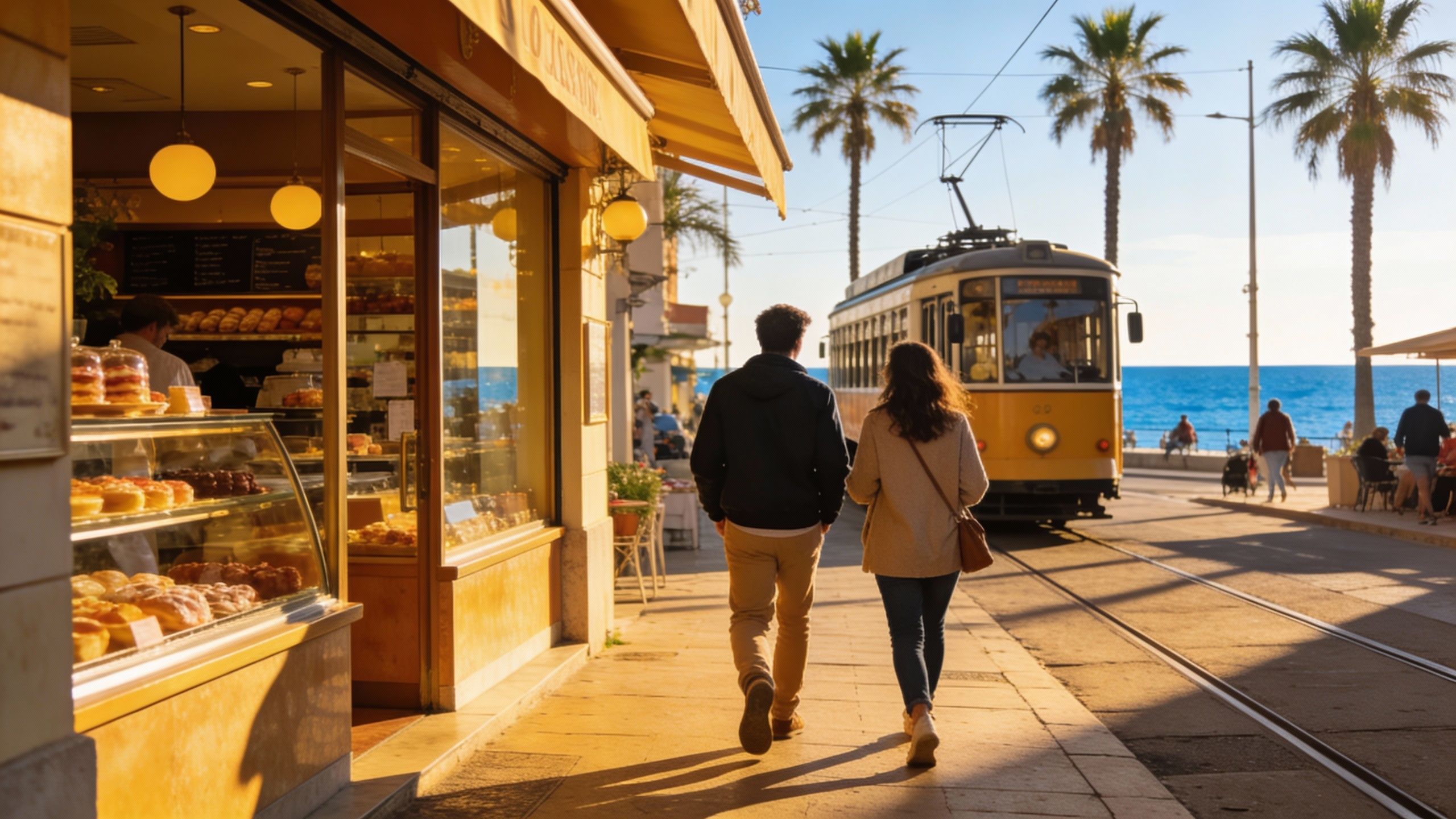
Imagine sitting at a small table on Rue Cler, the smell of fresh bread drifting from a boulangerie, while a neighbour chats about the weekend market and the price someone just paid for their apartment two streets over. That sensory, everyday France — cafés that open early, afternoons in public gardens, Sunday marché runs — is what draws buyers, not abstract metrics. Yet many international buyers hear “France” and picture only Paris or the Côte d’Azur, then assume the whole country is prohibitively expensive. The truth is more varied: city, coast and countryside offer sharply different values and lifestyles, and the smart buyer learns where the value hides beyond the headlines.
Living the France lifestyle
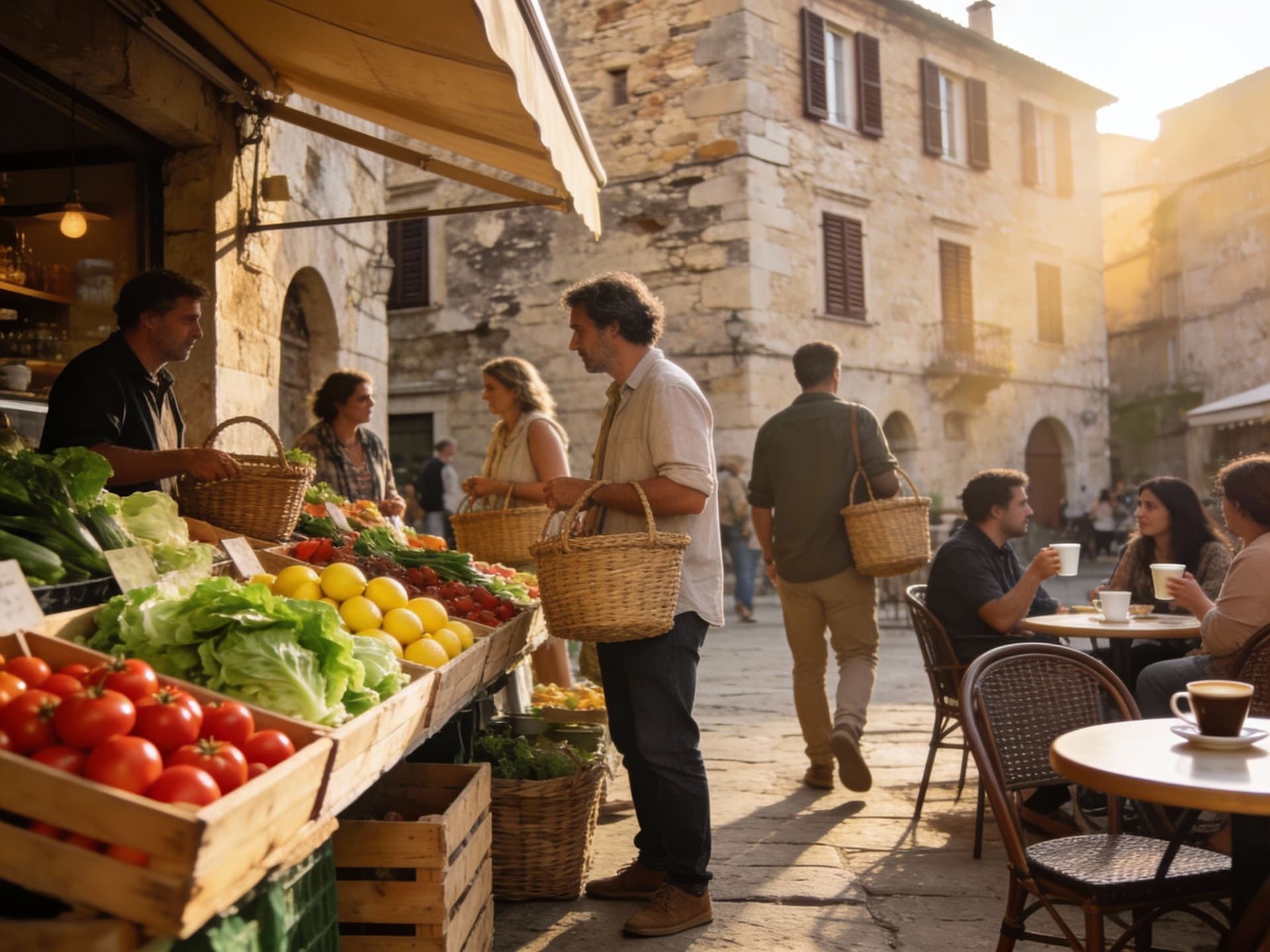
Life in France moves by seasons: spring marché stalls brim with asparagus and strawberries, summers are for coastal afternoons and aperitifs, autumn brings chestnut festivals and truffle hunts, and winters slow down to quiet walks and hearty stews. These rhythms shape where locals buy and how they use space — terraces and village squares are as prized as metro access in Paris, and energy efficiency matters more in rural homes exposed to winter winds. Recent macro trends such as disinflation and interest-rate shifts alter affordability but don’t erase local lifestyle trade-offs; think: less competition in smaller coastal towns, more stable long-run demand in university cities.
Paris vs provincial cities: different beats
Paris is a compact, 24-hour cultural engine where apartments hold premium prices and liquidity, particularly in central arrondissements. By contrast, provincial cities such as Lyon, Nantes and Bordeaux offer comparable cultural life — markets, restaurants, festivals — at lower per-square-metre costs and often superior space for families. If your day-to-day imagines cafés, museums and efficient transport, Paris delivers; if you picture weekend hikes, local markets and larger living areas, a regional city may better match both lifestyle and budget.
Coast and countryside: two distinct promises
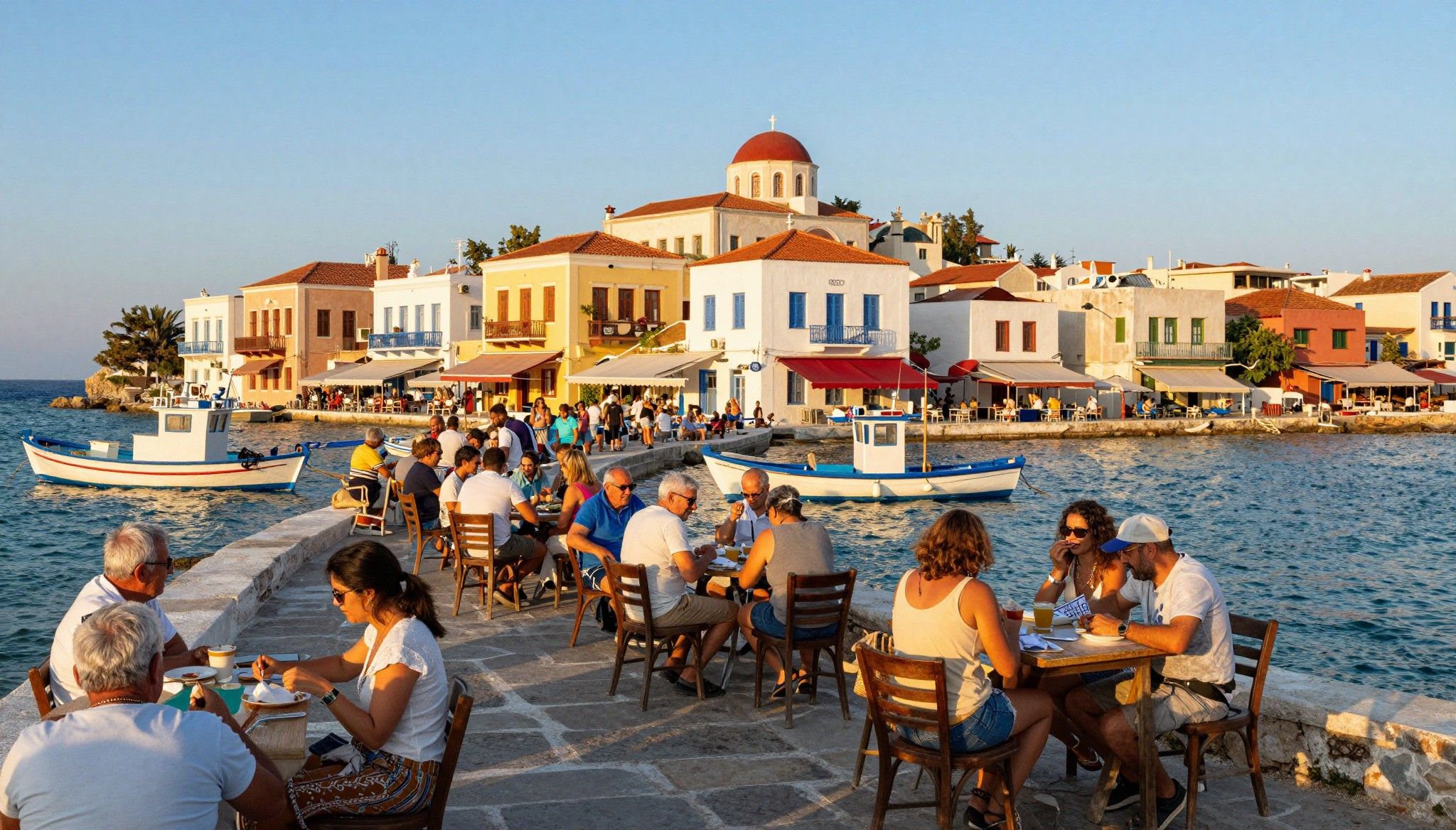
The Mediterranean coast (PACA, Alpes-Maritimes, Var) blends holiday lifestyle with strong demand from non-resident buyers, while Atlantic towns and rural Dordogne or Creuse offer tranquillity, lower prices and long-term value. Coastal properties bring seasonal rental potential and a social calendar; rural homes reward those seeking space, vineyards or slow-food life. Knowing which life you want — beachside aperitifs or market mornings in a hilltop town — will determine the property type and region to prioritise.
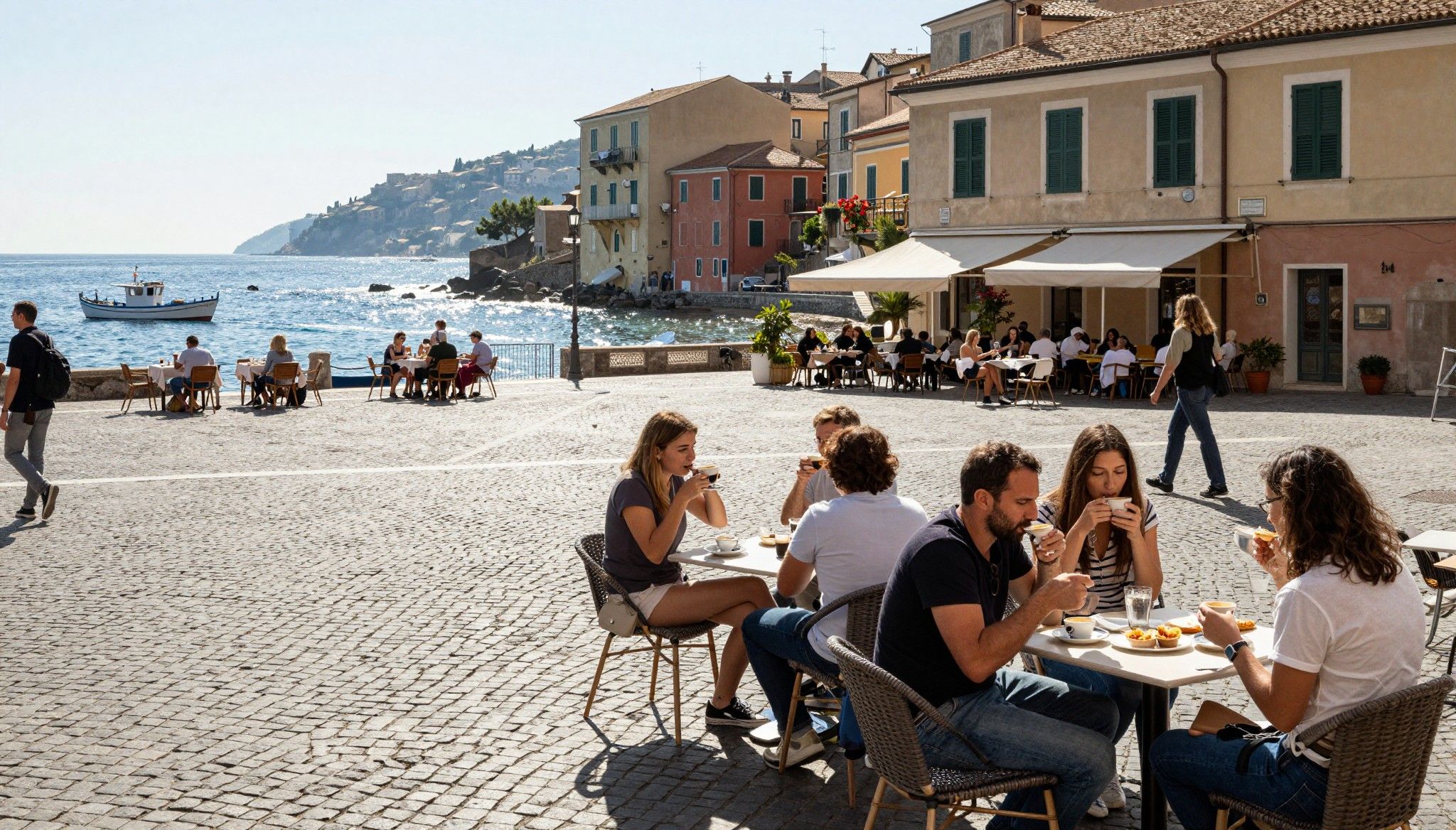
- Lifestyle highlights to try before you buy: stroll the marché at Marché d'Aligre (Paris); have coffee on Cours Saleya (Nice); shop seafood at La Rochelle's Vieux Port; take a Sunday drive through Dordogne villages; join a truffle fair in Périgord.
Making the move: practical considerations
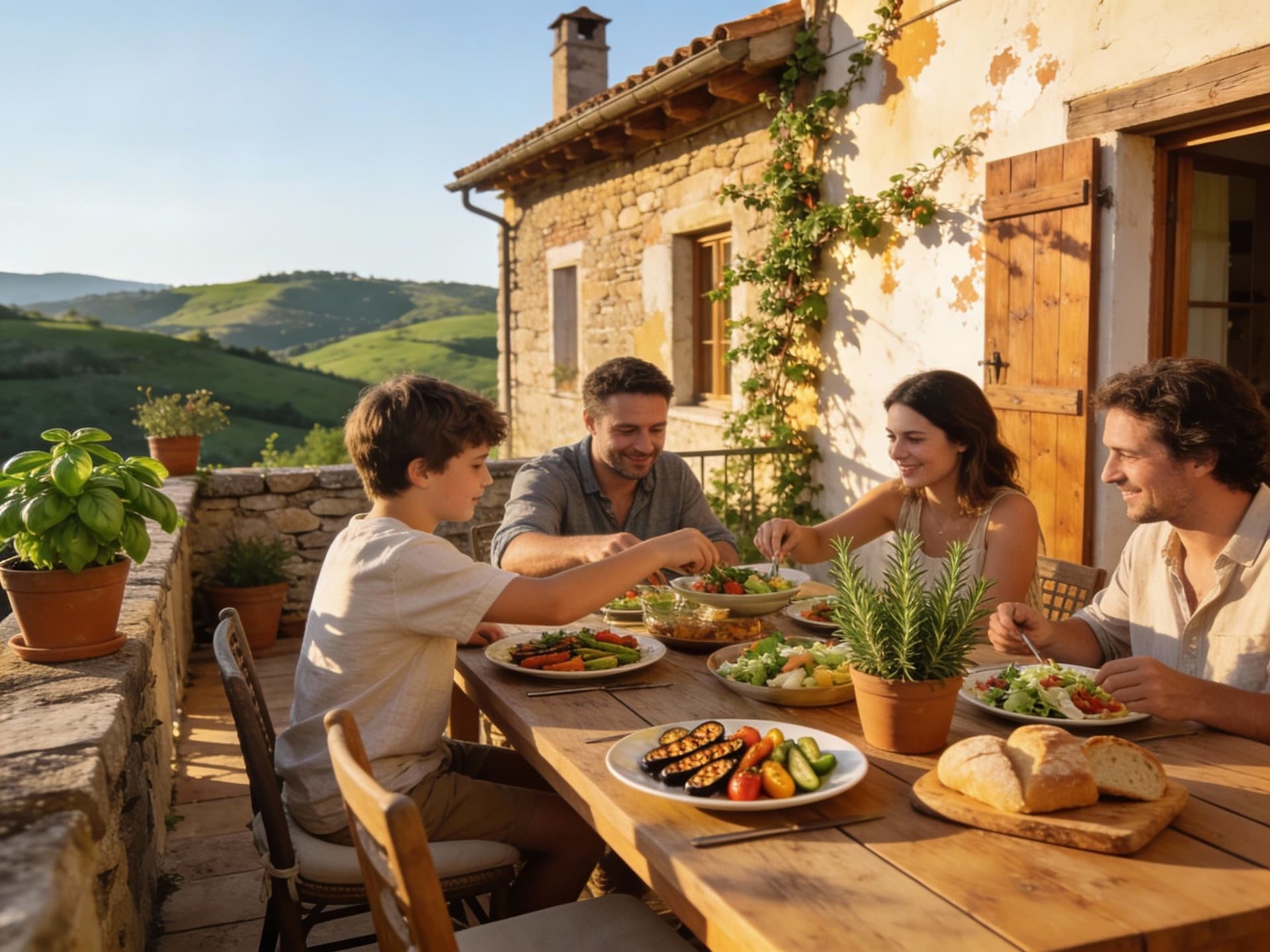
Turning the dream into an address means matching lifestyle choices to the mechanics of French transactions: availability differs sharply by region, foreign buyer share is concentrated in specific departments, and mortgage and interest-rate trends affect negotiating power. Notaires report that foreign buyers represented around 1.8–2% of transactions in recent years, concentrated in Paris and popular coastal departments, which means opportunities exist elsewhere with less competition. With mortgage rates easing from 2024 peaks, some buyers find better buying conditions, but region matters — prices and transaction volume vary more by department than headline national trends suggest.
Property styles and how they shape daily life
Haussmannian flats in Paris deliver light-filled rooms and proximity to culture but rarely terraces; village stone houses in Dordogne give gardens and quiet but often need renovation and insulation work. New-builds near regional hubs combine modern insulation and warranties (labelling like RT/RE2020) with smaller outdoor spaces, while coastal villas prioritise outdoor living and rental suitability. Match the property type to routines: if you want market mornings, choose a walkable neighbourhood; if you crave outdoor life, prioritise terraces, south-facing plots and good drainage.
Working with local experts who know the lifestyle
A local agency or property hunter (chasseur immobilier) does more than show listings — they introduce you to market rhythms, local services, and the exact streets where life matches your expectations. Notaires and bilingual agents can clarify transaction norms, common renovations, and regional quirks like seasonal rental regulations. Choose professionals who demonstrate local social knowledge — the cafés, schools, and markets they mention — not just sales talk; these details predict day-to-day happiness.
- Steps to align lifestyle and purchase: 1) Spend a week living like a local in your target neighbourhood, eating at small cafés and visiting markets; 2) Meet a local notaire and an agent to discuss recent transactions and hidden costs; 3) Inspect seasonal variation — visit in both summer and late autumn; 4) Verify rental rules and energy performance (DPE) for investment potential.
Insider knowledge: what expats wish they'd known
Expats often tell the same stories: they fell for daily rituals — market breakfasts, school gates, local clubs — but underestimated renovation timelines, seasonal lulls and the speed of municipal bureaucracy. Many also assumed foreign demand meant no bargains; in fact, non-resident buyers remain a small share nationally, so value frequently exists in less-touristed regions. The unvarnished truth: lifestyle decisions (proximity to friends, frequency of visits, climate preference) should outweigh speculative price plays when buying a second home.
Language, community and daily integration
Learning enough French to handle local shops and municipal paperwork changes life more than any design upgrade: a few phrases open doors, while cultural gestures — greetings, respecting mealtimes — integrate you quickly. Join local associations or market groups to meet neighbours and get invited to the small rituals that define belonging. Real integration also affects property use: a house in a welcoming village will be lent out to friends and feel like home; an isolated villa remains a pretty investment unless you build ties.
Long-term lifestyle and market durability
Regions with universities, transport links and diversified economies — places like Grenoble, Bordeaux, Nantes and Toulouse — tend to show steadier long-term demand than purely tourist towns. Coastal hotspots can outperform in strong seasons but show higher volatility; rural areas offer long-term value for buyers who plan to use properties themselves or who invest in quality renovations. Think of the purchase as buying into a local life, not merely a market statistic: that perspective usually yields better decisions and happier outcomes.
- Red flags and quick checks before offering: 1) Unusually low price in a high-demand zone — investigate structural or flooding issues; 2) DPE (energy) rating worse than 'E' — expect renovation costs; 3) Short municipal rental permits in coastal towns — confirm seasonal rental rules; 4) Missing planning records or unclear boundaries — request cadastral maps.
If you can picture your daily routine — where you buy bread, where you spend Saturday afternoons, who you see for coffee — you’ve already done the hardest part of buying in France. The rest is assembling a local team: a notaire who knows the department, an agent who describes the neighbourhood’s rhythms, and a contractor who can quote renovation reliably. When lifestyle and practicalities align, France stops being an abstract 'market' and becomes the place you live.
Dutch investment strategist with a Portugal-Spain portfolio. Expert in cross-border financing, rights, and streamlined due diligence for international buyers.