France vs Algarve & Lisbon — Lifestyle Tradeoffs & Market Signals
Compare France's year‑round cultural life and stabilising 2025 market with Algarve and Lisbon: lifestyle contrasts, regional price signals and practical next steps.
Imagine sipping espresso at a pavement table on Rue des Rosiers in Paris, then, two weekends later, driving through Provençal lavender fields to a stone farmhouse that catches the evening light. France offers that cinematic range — coastal villas on the Côte d'Azur, compact Parisian apartments, and quiet rural houses with large gardens — all within hours. For buyers weighing Algarve and Lisbon against France, the question isn't simply price: it's what kind of life you want, and how that life weaves with liquidity, regulation and seasonal rhythms. Below I compare the lived experience and the market signals so you can see where each place supports a lifestyle or a portfolio objective.
Living the French Life: rhythm, rituals and regional personalities
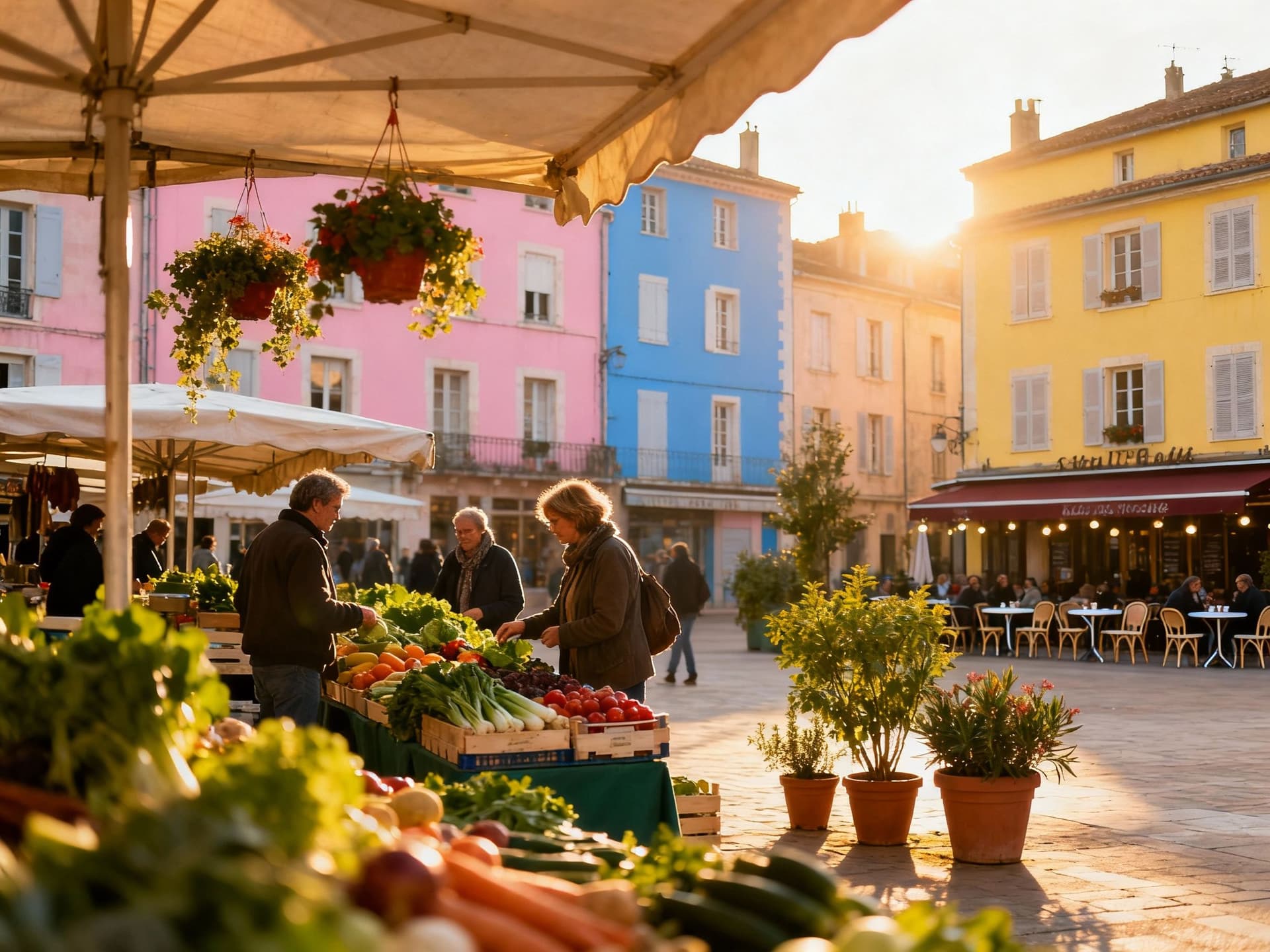
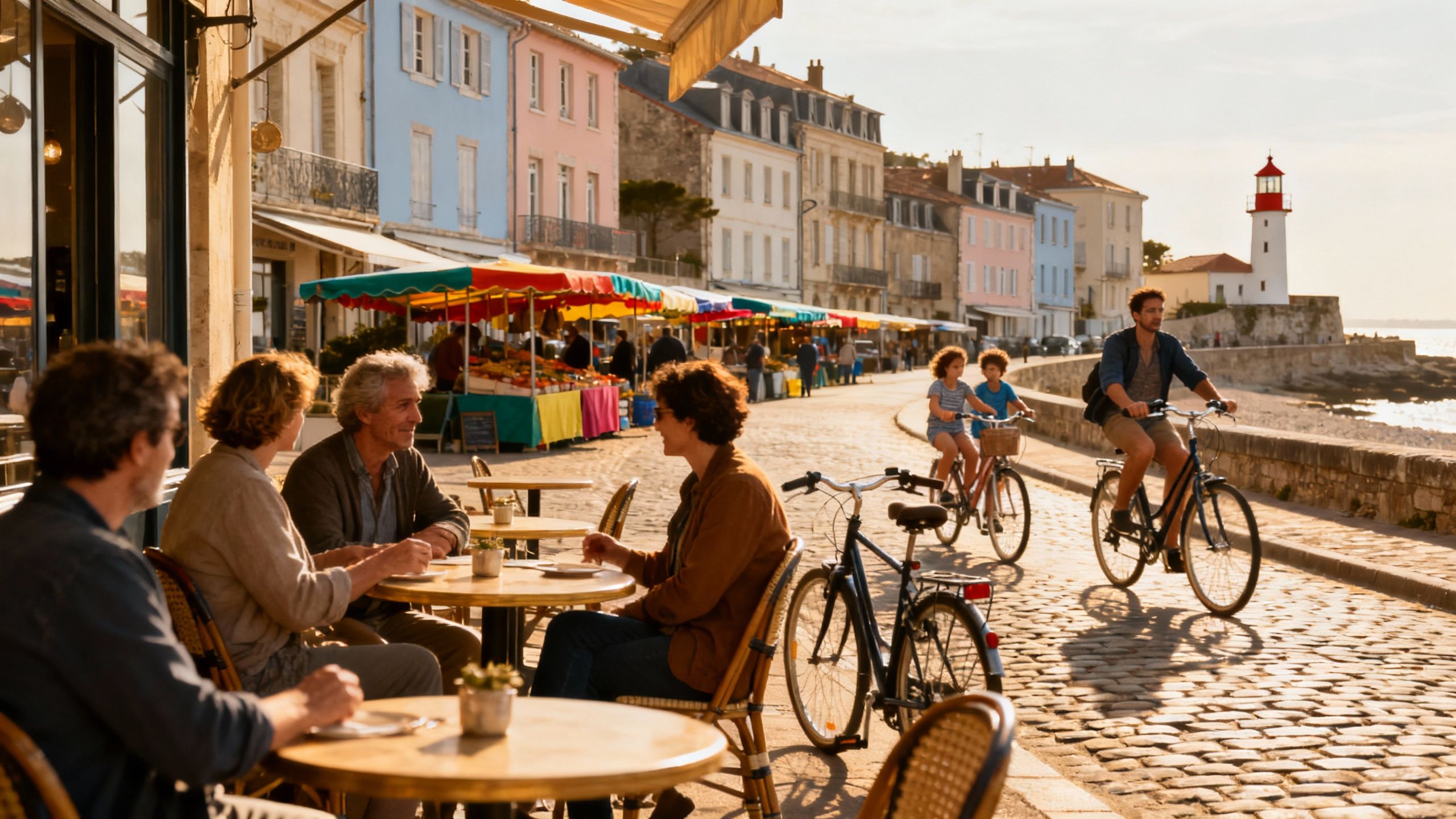
France's daily life moves with ritual: morning boulangeries, long market Saturdays, and late-evening terraces where neighbours argue about football and local politics. From Nice's terrace culture on Place Masséna to Rennes' lively markets and Bordeaux's wine-focused weekends, each region has its own tempo. That tempo shapes what you need in a property — a small, well-located flat for weekday urban life or a house with a garden for slow weekends — and influences rental appeal if you plan to let the home seasonally or year-round. Recent signs of market recovery show demand returning across regions, which matters if you want both lifestyle and liquidity in one purchase.
Paris, Provence and the Riviera — very different mornings
In Paris you wake to small cafés, boulangeries and efficient metros — flats are compact, central and command premium per square metre. Provence offers slow mornings in village squares and a higher chance of finding character stone houses with terraces and mature gardens. The Côte d'Azur layers beach life with international social scenes; a compact apartment in Nice or a villa near Saint-Tropez will feel different in community and seasonality. National price differences are material: regional averages in 2025 show wide dispersion between Paris, mid-sized cities and coastal hotspots, so match the morning you want to the type of property you buy.
Food, markets and the local social calendar
Markets—Marché d'Aligre in Paris, Cours Saleya in Nice, and the weekly Provençal markets—are the social infrastructure of French life. They provide small-business energy, sourcing for home cooks, and reliable weekend rituals that anchor a neighbourhood. That cultural density makes smaller urban units attractive for buyers who want instant social life; conversely, quiet villages reward buyers seeking community through market days and local associations. If food and street life are central to your happiness, prioritise proximity to the market square over a larger, more remote property.
Making the move: how the French market supports lifestyle and investment
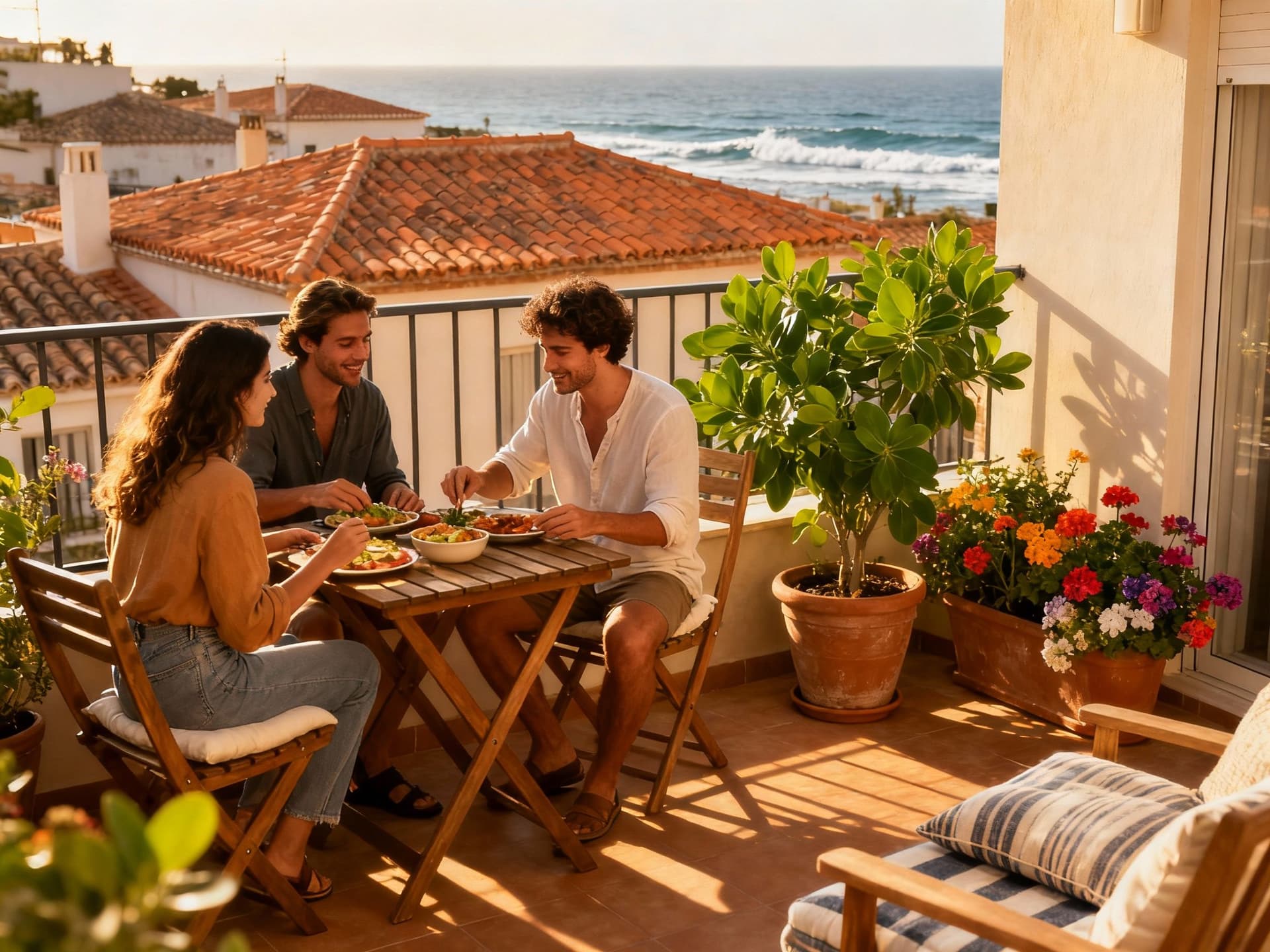
Turning a dream into an address in France means balancing lifestyle priorities with practical market realities. After two years of cooling, house prices in metropolitan France returned to growth in early 2025, which affects timing and negotiation leeway. For international buyers used to Algarve or Lisbon where new-build pipelines and holiday-let models dominate, France offers a different mix: older stock that rewards renovation, regulated rental markets, and stronger regional variation in yield and demand. That mixture favours buyers who want long-term value retention plus the option of seasonal letting in popular coastal or urban areas.
Property styles and how they shape daily life
Stone farmhouses in Dordogne or Provence give you space, fruit trees and storage for long stays but require maintenance and heating upgrades. Parisian Haussmann flats offer walkable city life with limited outdoor space — ideal for buyers prioritising cultural access. Along the Riviera and in Biarritz or Bordeaux, a renovated apartment can function as a reliable seasonal let with premium nightly rates, whereas remote rural houses depend on long-term rentals or owner use. Match the building type to your lifestyle: entertaining and outdoors favour houses; culture and convenience favour apartments.
How to blend lifestyle and practicality when choosing a French property
1. Define how often you’ll be in-country and when — high-season lettability matters if you plan short stays. 2. Prioritise transport links for life beyond the property: TGV access, regional airports and ferry connections affect usability. 3. Check energy performance and renovation potential — France enforces energy standards that influence future renting and resale. 4. Choose neighbourhoods with daily services (baker, pharmacy, market) rather than purely scenic spots if you value integration. 5. Work with a local notaire early to flag inherited obligations or co-ownership rules that can surprise buyers.
Insider knowledge: what expats wish they'd known before buying
Expats often assume the French market is uniformly expensive; the reality is nuanced. Foreign buyers cluster in southern departments (Alpes-Maritimes, Var) and in Alpine communes, but many regions offer value and lifestyle that quietly outperforms expectation. For instance, buyers who trade the Algarve's obvious sun-and-sand model for Provençal village life or Brittany's rugged coast often gain a calmer, year-round community rather than a purely seasonal market. Knowing where foreigners actually buy — and why — helps you pick a place aligned with both social life and resale prospects.
Cultural and practical caveats
French bureaucracy can feel slow: administrative steps like residency paperwork, tax filings and utility transfers take time and patience. Language matters; even basic French eases negotiations and builds trust with neighbours and artisans. Also, seasonal markets mean that a village alive in summer can feel very quiet in winter — factor that into rental expectations if you plan part-time living. These are not deal-breakers, but they change the experience of living in France compared with the Algarve or Lisbon's more uniformly tourist-driven seasonal cycles.
- Local insights that change where you should look
• Alpes‑Maritimes: international buyers, strong resale but seasonal flux. • Dordogne & Lot: space, character, lower prices for buyers prioritising tranquility. • Bordeaux & Loire: growing urban markets with food and wine scenes that sustain year‑round tourism. • Brittany & Normandy: coastal life with robust local communities, less tourist volatility. • Île‑de‑France (suburbs): commuter lifestyle with steady demand and long-term capital resilience.
Practical market signals you can act on today: Q1 2025 data show prices stabilising and rising modestly in many regions, which reduces the negotiation margin compared with 2023–24. Mortgage rates coming down in 2025 have reopened buyer activity and should be tracked closely if you plan financing from abroad. Energy regulation (for example, bans on renting G-rated properties in recent years) changes renovation priorities and your effective cost of ownership. Use these signals to time viewings, structure offer contingencies and plan renovation budgets.
- Actionable next steps before you make an offer
• Visit across seasons: see the same neighbourhood in winter and summer to judge year‑round life. • Secure a French tax advisor and an English‑speaking notaire to clarify residency and inheritance impacts. • Get a recent diagnostic (DPE) and factor energy upgrades into the price. • Ask local agents for comparable lettings data — nightly rates on holiday platforms can mislead on sustainable yields. • Reserve a technical inspection before removing suspensive clauses to avoid renovation surprises.
Final thought: what France gives you that Algarve & Lisbon don’t
France offers scale and diversity: from a Paris flat that anchors a cultural life to rural properties that reward slow living, you get a spectrum of lifestyle choices rarely matched in a single country. Market data indicate stabilisation in 2025, meaning buyers who prioritise long‑term value and year‑round communities may find France a compelling diversification to Algarve and Lisbon exposures. If the life you imagine includes rich local markets, layered regional culture and a property that ages into a legacy, France deserves a closer look.
Ready for viewings? A local agency that understands both the French lifestyle and international buyer constraints will save time and reduce risk. Tell your agent whether you prioritise market rituals (daily café life, markets), seasonal income, or long-term quiet living — then measure properties against that yardstick. If you’d like, we can match you with curated listings and agents who specialise in the regions above and in cross-border buying logistics.
Danish relocation specialist who has lived in Barcelona since 2016. Helps families move abroad with onboarding, schooling, and local services.