Italy: Choose the life first, then the property
Italy’s appeal is lifestyle-first: match neighbourhood rhythms to regional market data (ISTAT shows steady, regionally varied price gains) and use local experts to turn a dream into a resilient buy.
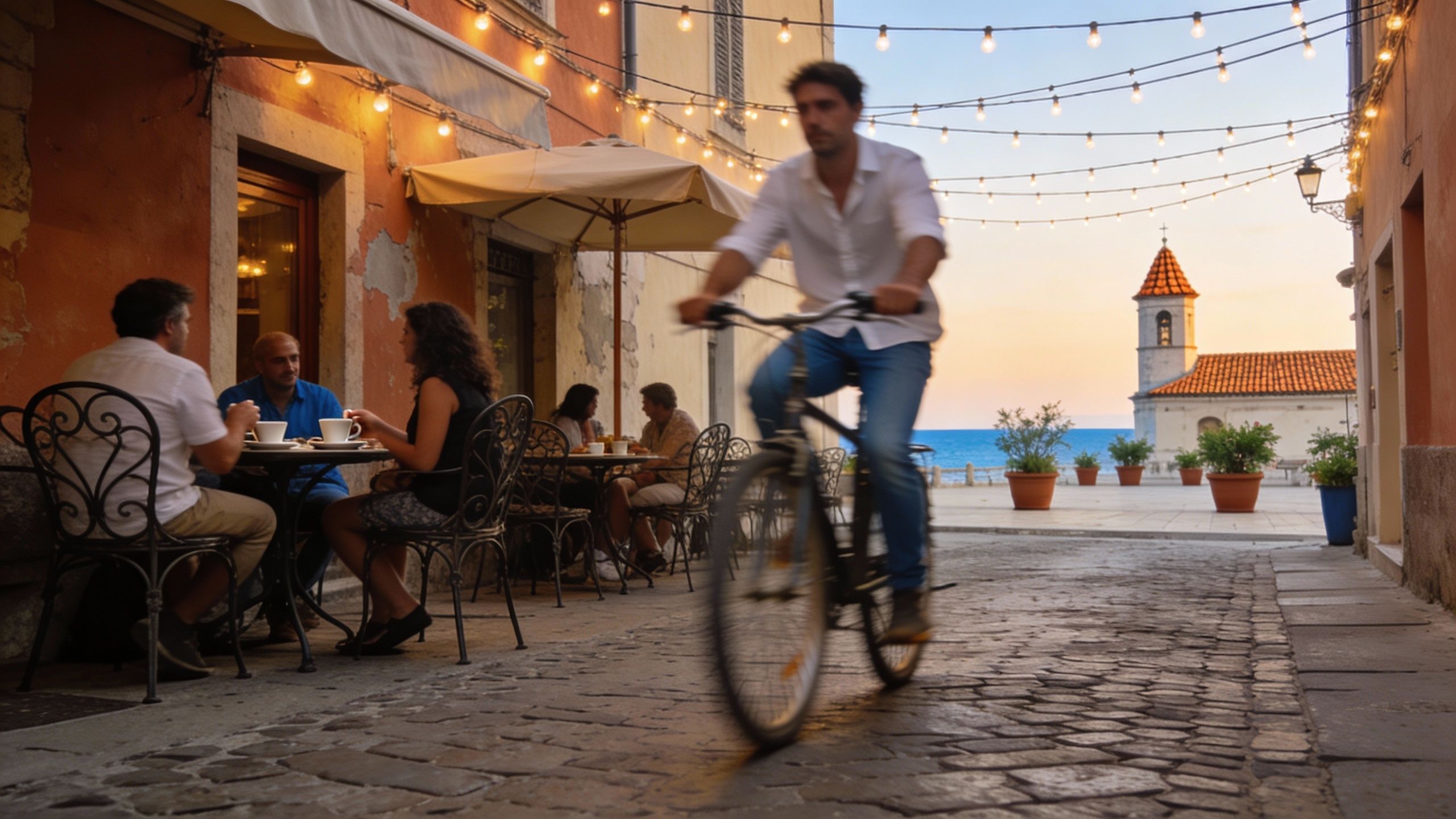
Imagine waking to an espresso on a narrow Roman terrace, then biking to a market in Trastevere for fresh artichokes — and knowing the flat you picked will still rent well during summer festivals. Italy offers that rare mix of everyday beauty and resilient property fundamentals, but the story isn’t uniform: city cores, alpine valleys and southern coasts each behave differently.
Living the Italy lifestyle
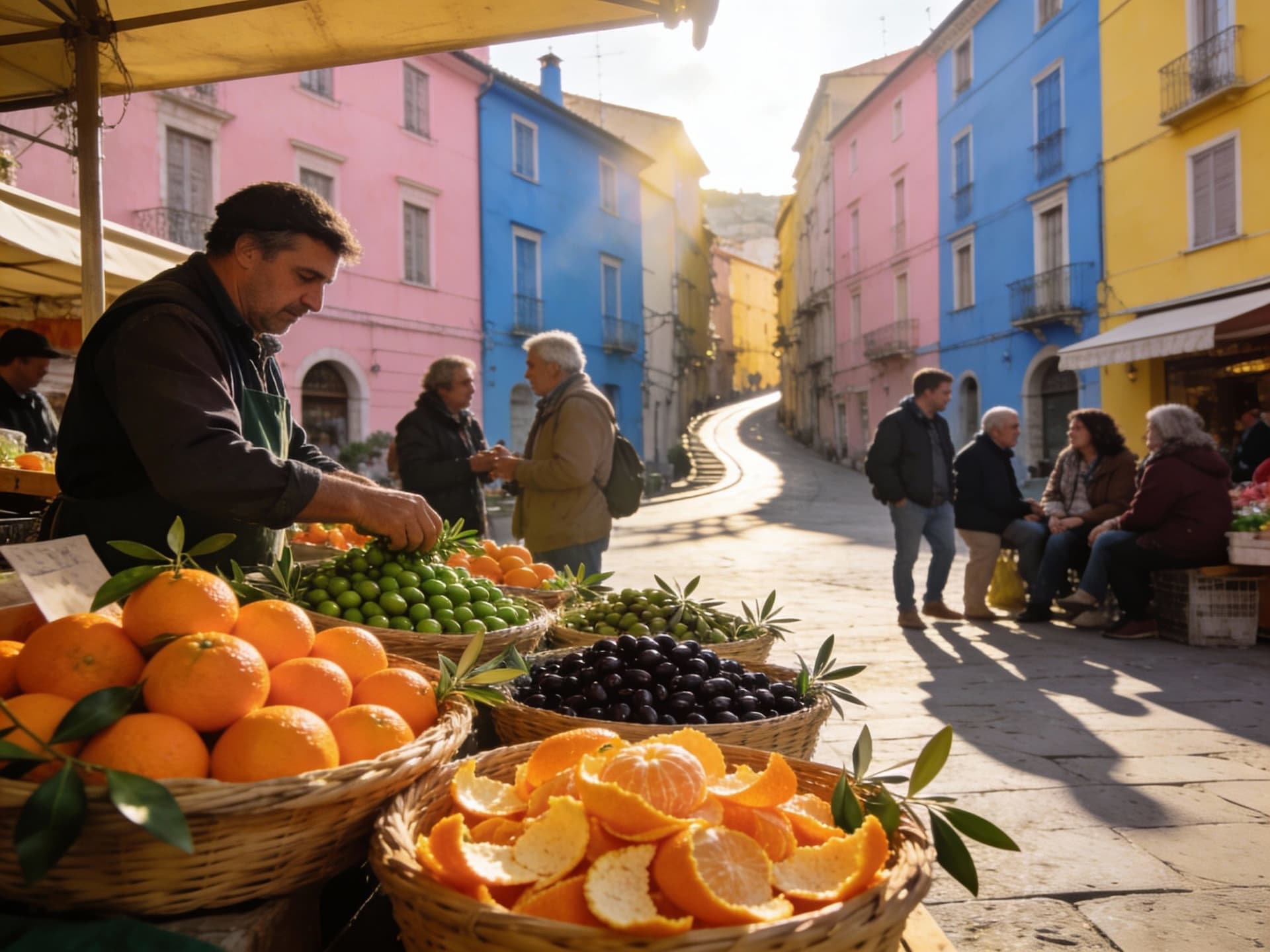
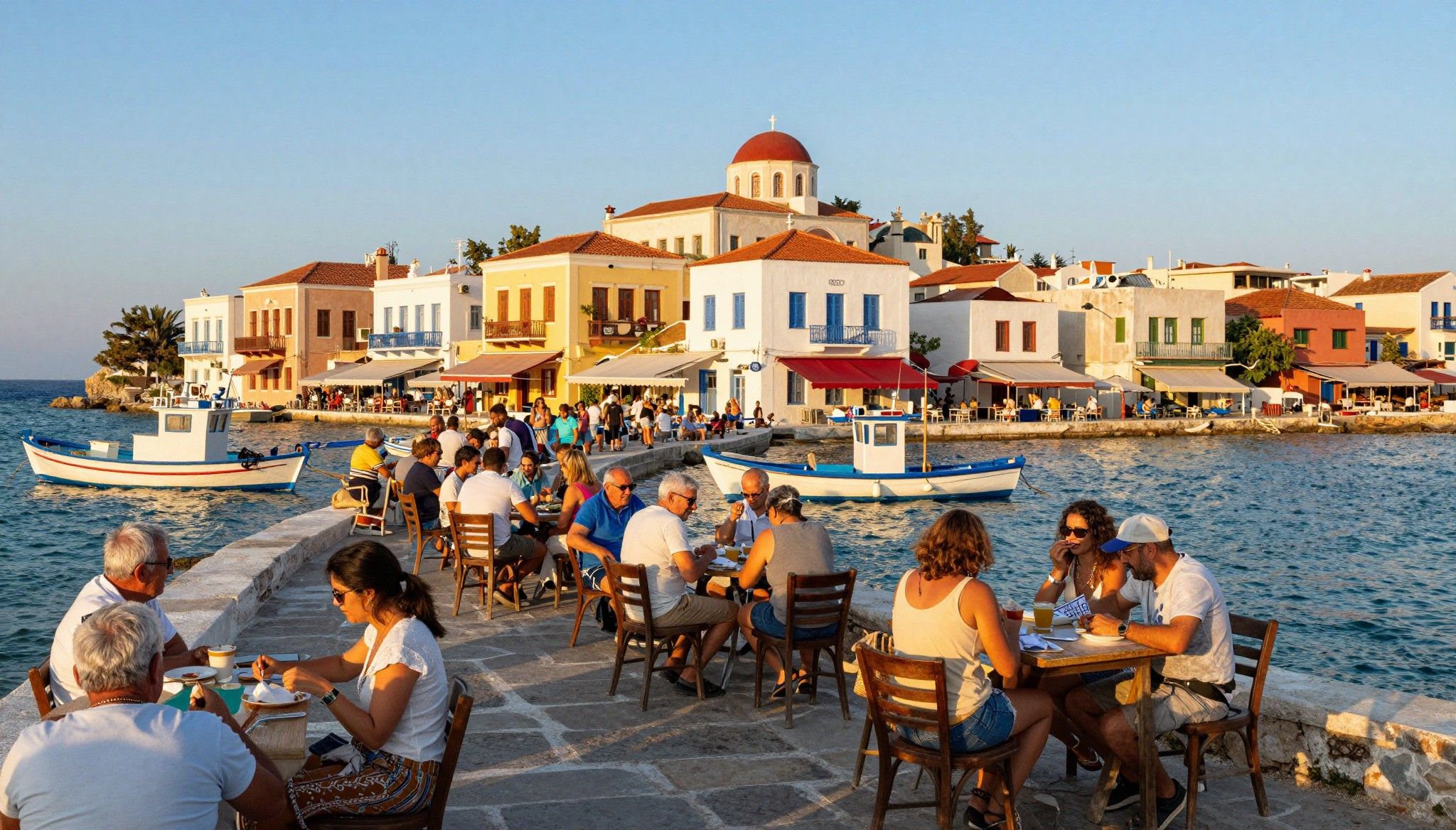
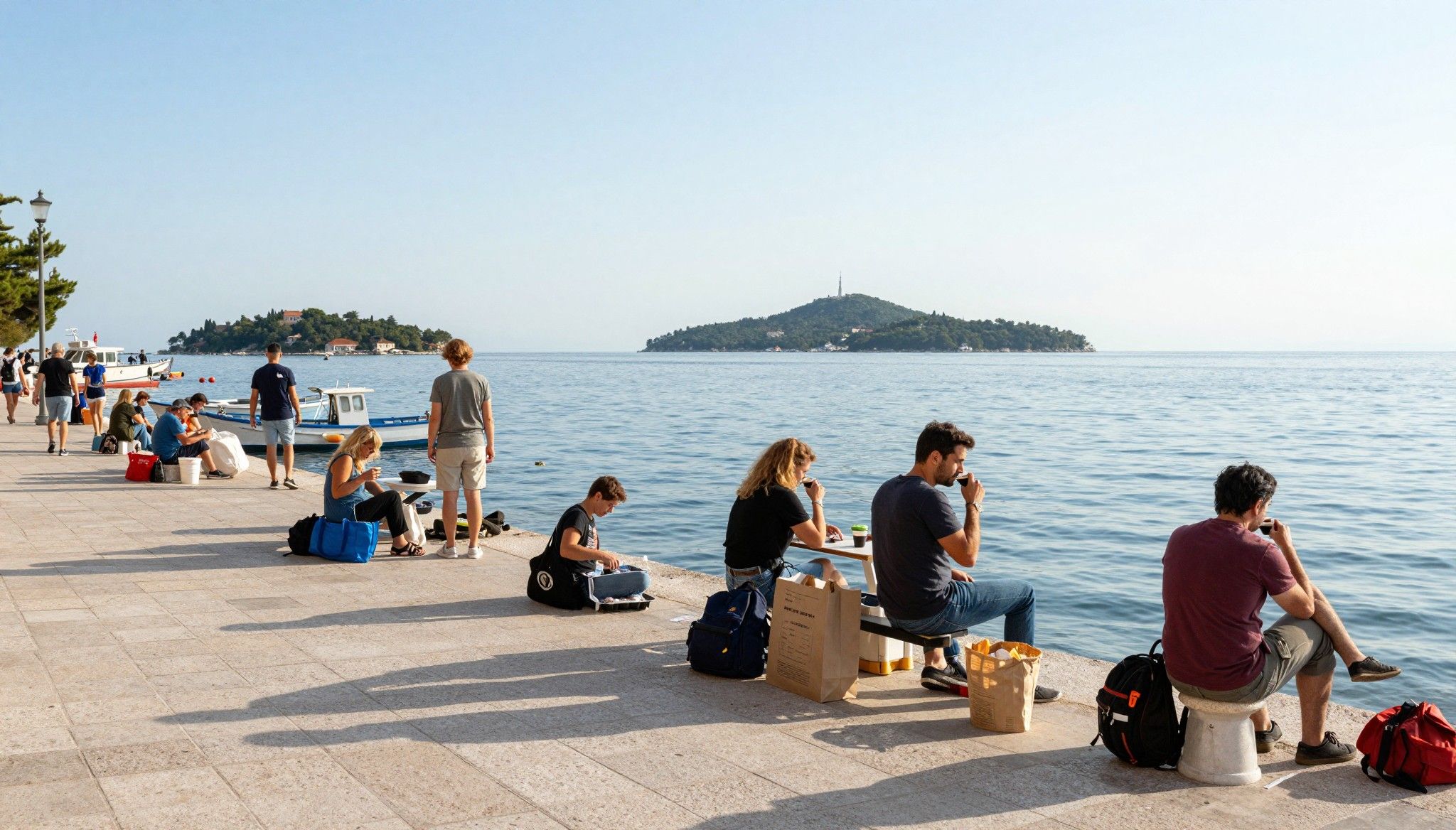
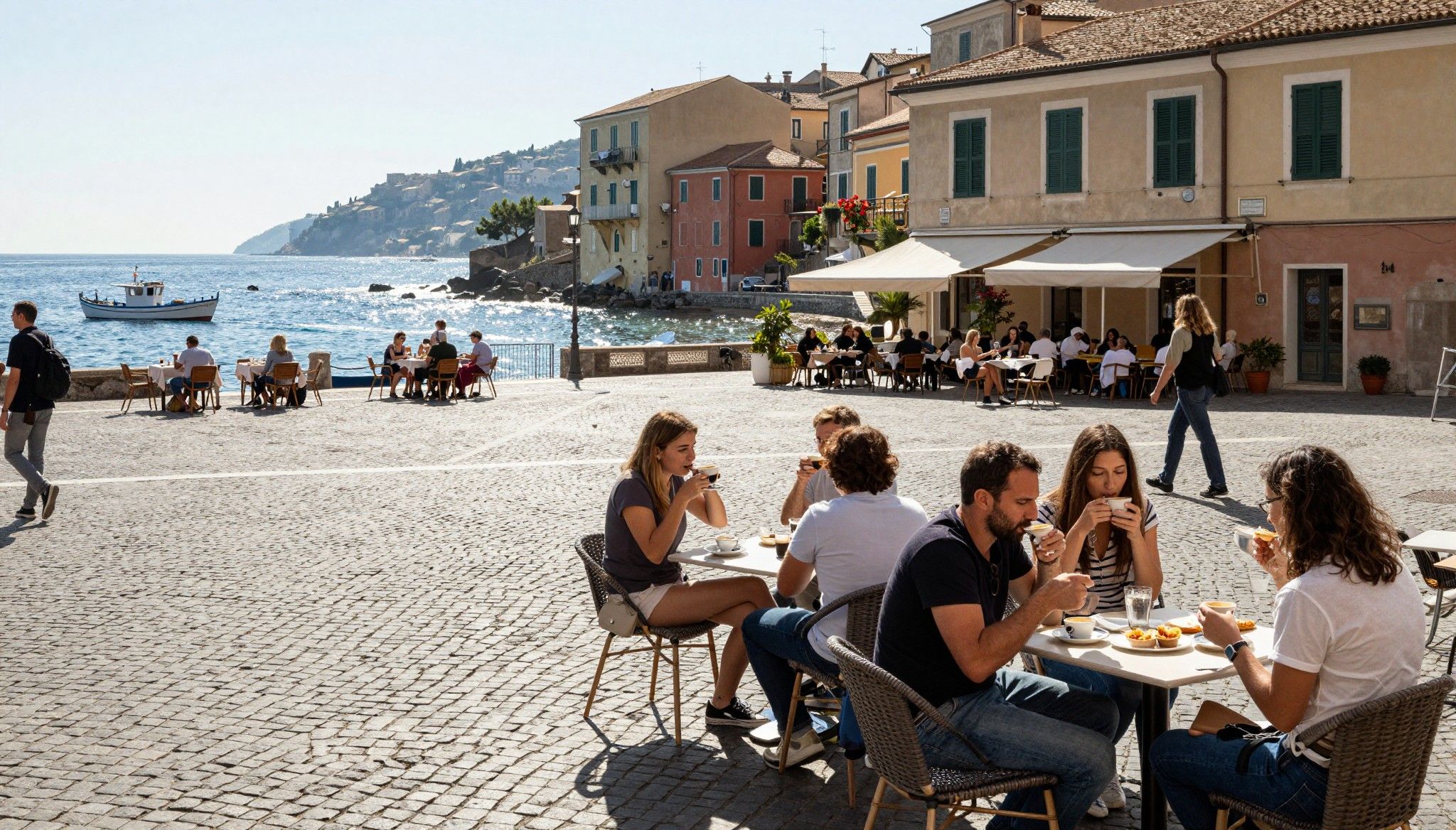
Italy is lived outdoors: morning cafes, long market Saturdays, aperitivo at 19:00 and dinners that stretch late. Neighborhoods feel like woven communities — from Milan’s Navigli canals to Florence’s artisan lanes and Palermo’s morning fish markets. Each place has a signature rhythm that shapes how you use space and which property suits you.
Rome — layers of everyday history
In Rome, choose between Campo de' Fiori’s weekday market energy, Monti’s cafés and vintage shops, or quiet residential areas near Villa Borghese. Apartments with high ceilings and shutters work here; terraces are gold in summer. Expect bureaucratic steps for renovations but also strong tourist rental demand in central pockets.
Milan & North — design, commerce, and compact life
Milan moves fast: superior coworking, international schools and refined retail. Neighborhoods like Brera or Porta Romana offer a mix of modern new-builds and converted industrial lofts. Expect higher per-square-metre prices, but steadier capital-growth narratives tied to jobs and finance.
Making the move: lifestyle meets market reality

Dreams meet numbers when you sign contracts. Nationally, Italy’s House Price Index has shown modest annual growth in recent quarters while regional spreads remain wide — a reminder that lifestyle choices must align with local market cycles. Use data to choose whether you prioritise daily life or pure capital appreciation.
Property styles — how you'll actually live
Historic apartments (centro storico) offer character: exposed beams, stone staircases and modest square footage. New-builds in suburbs deliver communal amenities and parking. In coastal Puglia or Sicily you’ll find villa potential; in the Lakes region, compact chalets. Match the property fabric to daily rituals: market access, outdoor space and climate resilience.
Working with local experts who know the life
A good local agent translates lifestyle desires into legal and technical realities: they check seismic classifications, heritage constraints and seasonal rental rules. Ask agents for past-case examples: the apartment near San Lorenzo they sold to a remote-working couple, or the renovation in Brera completed under a supervised permit. These stories indicate practical competence.
Match lifestyle to property: assess morning markets, noise at 22:00, proximity to healthcare, and outdoor space needs.
Check micro‑location: street orientation, sunlight, and whether the building is on a steep hill (impacting delivery access and renovation cost).
Ask agents for rental-performance data if you plan short-term lets, and confirm local policy changes that could affect yield.
Prioritise a trusted notaio and an architect experienced in local heritage rules — these two often decide renovation timelines and final costs.
Insider knowledge: what expats wish they'd known
Expats often arrive enchanted by food and public life, then stumble on small frictions: municipal permit timelines, the cadence of local shops closing mid‑afternoon, or seasonal quiet in summer towns. Knowing these patterns changes where you look — and what you ask sellers to include.
Cultural integration & daily rhythms
Language helps. Italians value local relationships: building a network at the barbiere or the mercato opens doors to off‑market listings and practical help. For many buyers, joining a local club (sport, wine, or language exchange) accelerates belonging and reveals neighbourhood realities not visible in listing photos.
Long-term lifestyle and value
Italy rewards patient buyers: cultural amenities, food provenance, and landscape diversity make properties attractive for long-term living and seasonal rental. But regional divergence matters: northern metros show stronger price floors, while southern coasts deliver immediate lifestyle at lower cost — decide whether you want instant life or long-term capital growth.
Steps to a lifestyle-led purchase: 1) Visit in the season you plan to live there (winter for quiet, summer for tourism reality). 2) Shortlist neighbourhoods after real-time visits and market checks. 3) Commission neighborhood-specific valuation and renovation estimate. 4) Secure a notaio and local tax advisor before offer.
Conclusion — start with a life you love, back it with data
Fall in love with a street before a spreadsheet: picture weekday markets, café conversations and weekend escapes. Then use regional data, local agency expertise and clear renovation budgets to make that life real. If you want, our platform can surface vetted local agents and neighbourhood performance snapshots to convert that vision into a confident purchase.
Danish relocation specialist who has lived in Barcelona since 2016. Helps families move abroad with onboarding, schooling, and local services.