The Quiet Months: Where Italy’s Value Surfaces
Italy’s real estate value often appears in off‑peak months — use weekday neighbourhood checks, ISTAT data and local rules on rentals to buy for lifestyle and resilience.
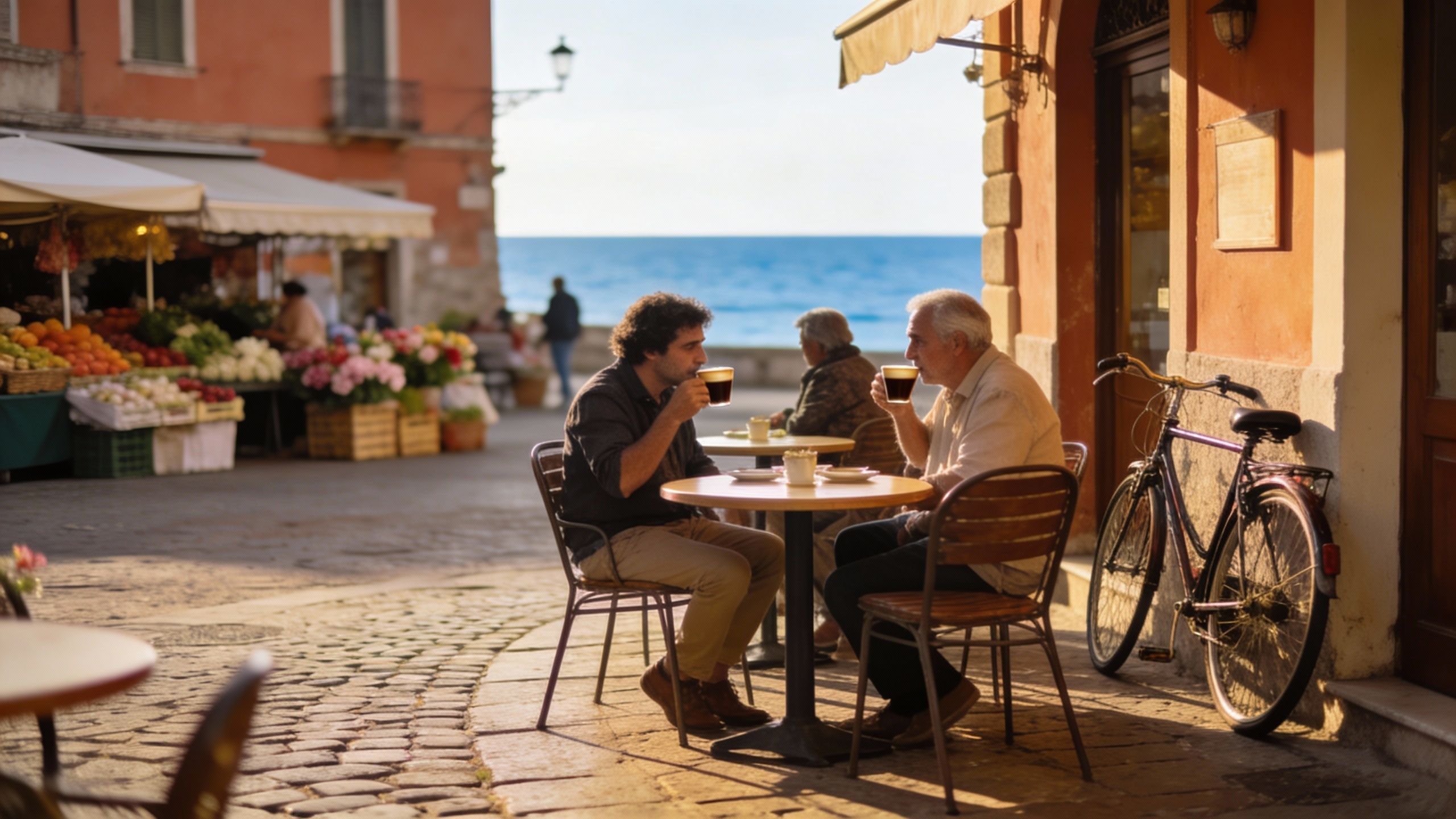
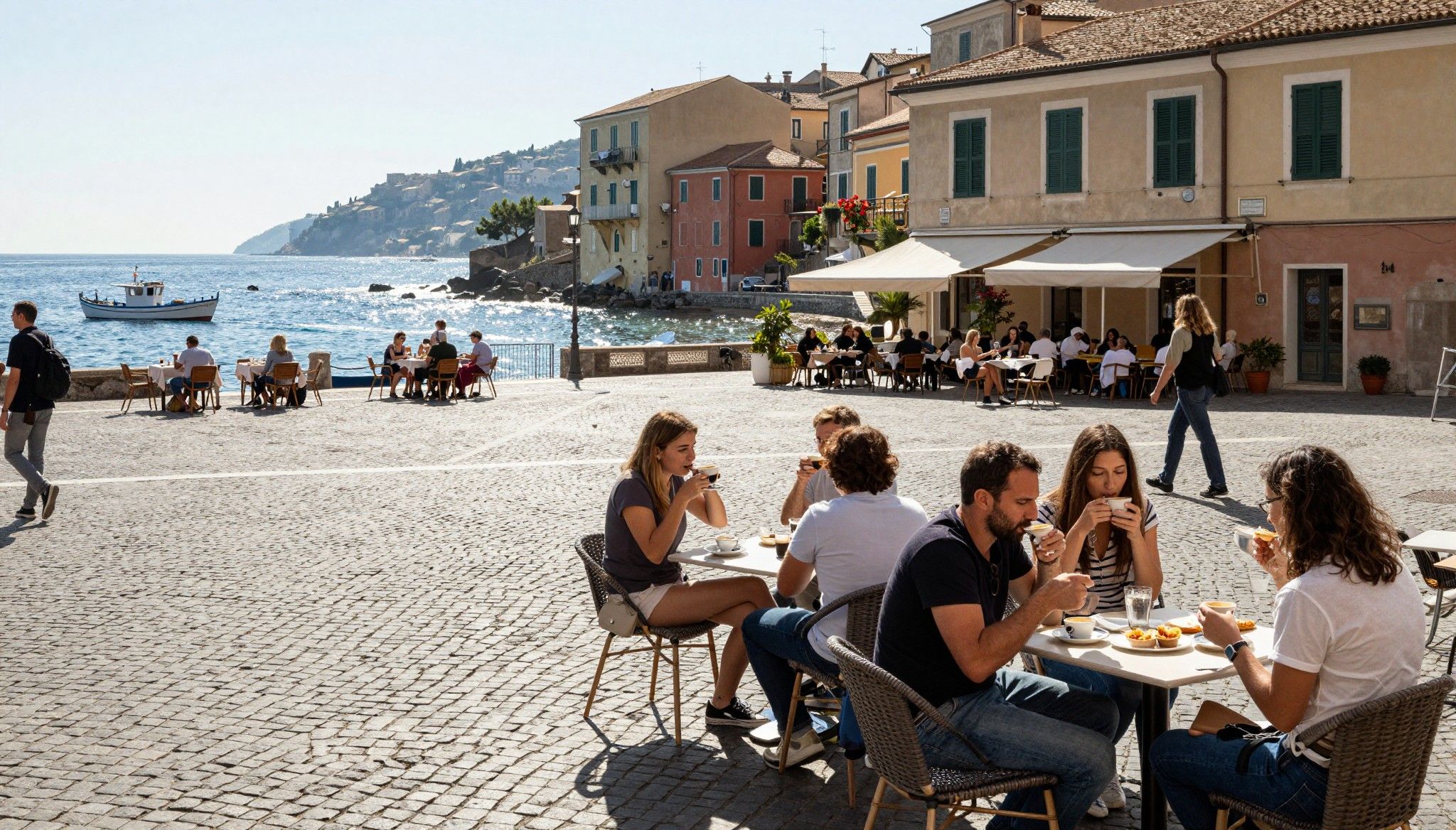
Imagine sipping an espresso on Via dei Giubbonari in Rome at 9 a.m., then a late-afternoon passeggiata along Genoa’s rebuilt waterfront before dinner in a family-run osteria. Italy moves slowly and sharply at once: piazzas pulse with neighbourhood life, coastal towns empty in winter, and markets reset on Mondays. These rhythms shape more than mood — they shape when and where value appears in the market. According to a recent ISTAT release, national house prices rose year-on-year in 2025 even as regional dynamics varied widely, creating pockets of opportunity for buyers who look beyond high-season noise.
Living the Italy lifestyle — daily rhythms that change the market
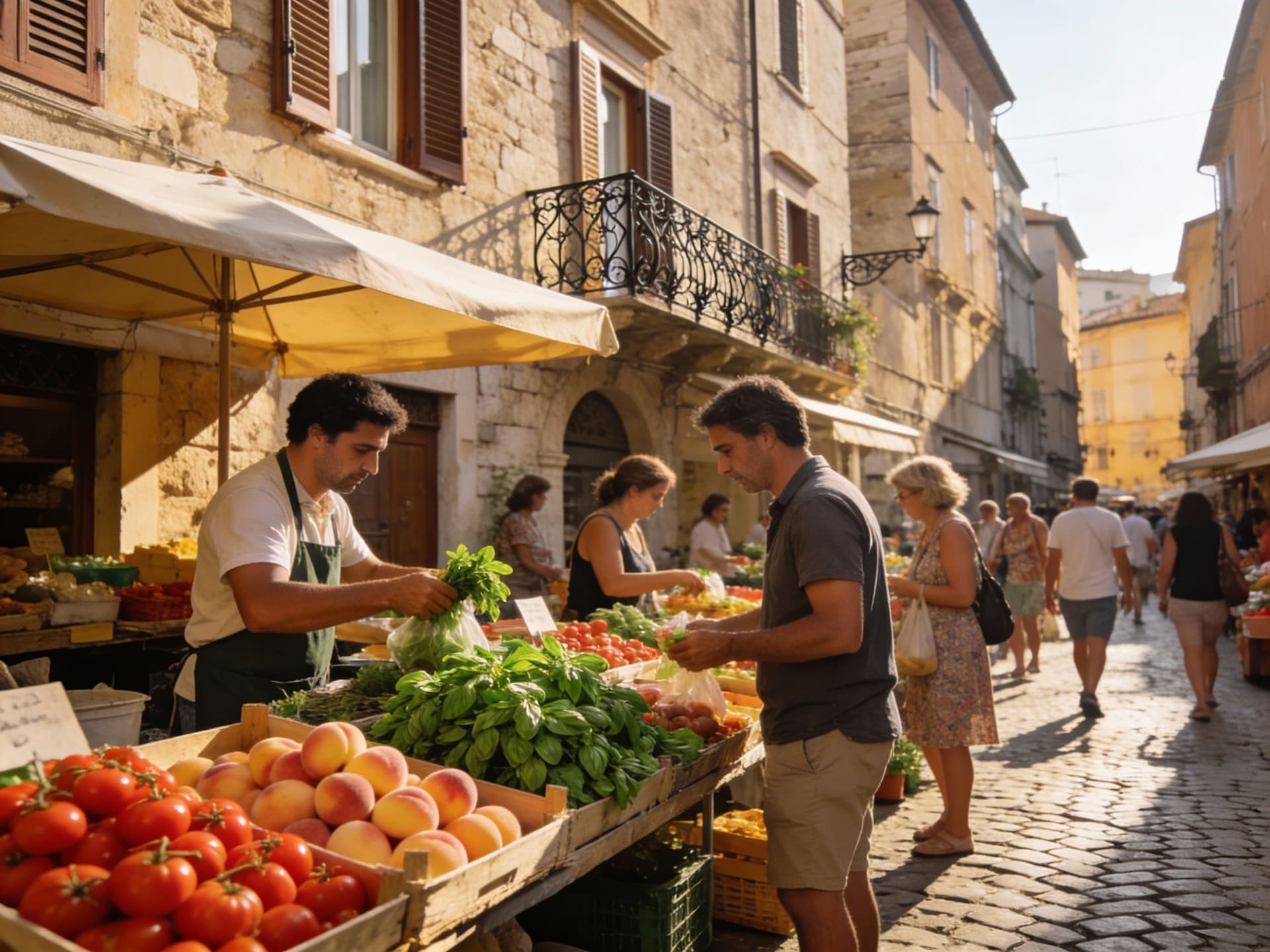
Italy isn’t a single mood. Mornings in Florence mean baristas pulling espressos on narrow cobbled streets; afternoons in Liguria mean families at Spiaggia di Boccadasse; evenings in Milan mean aperitivo crowds on Navigli. These daily patterns influence amenity demand, rental seasonality and the desirability of neighbourhoods — and therefore prices. When you picture life here, include weekdays, not just Instagram sunsets: weekday services, small markets, and quiet winter streets matter for long-term living and for a property’s resilience when tourists ebb.
City corners where neighbours still gather
Look beyond famous boulevards. In Rome, Trastevere’s backstreets offer a different rhythm from the tourist-heavy Corso; in Milan, the Isola neighbourhood hums with local cafés and coworking spots rather than the boutiques of the central Quadrilatero. These are the streets where you’ll find a barista who remembers your order and a market that runs year-round — traits that matter for day-to-day happiness and for steady rental income outside peak season.
Food, markets and the seasonal calendar
Markets are life here — Mercato di Sant’Ambrogio in Florence or Testaccio Market in Rome determine Saturday routines and local freshness. Tourist nights recovered strongly in 2024, with non-resident stays climbing, which fuels short-term rental demand in summer. But that same season inflates asking prices and crowds, masking quieter months where negotiation is easier and community life is clearer. Savourability of neighbourhood produce and weekly markets also predict long-term desirability: buyers who prioritize market proximity often see better year-round occupancy if they rent.
Making the move: practical considerations that respect lifestyle
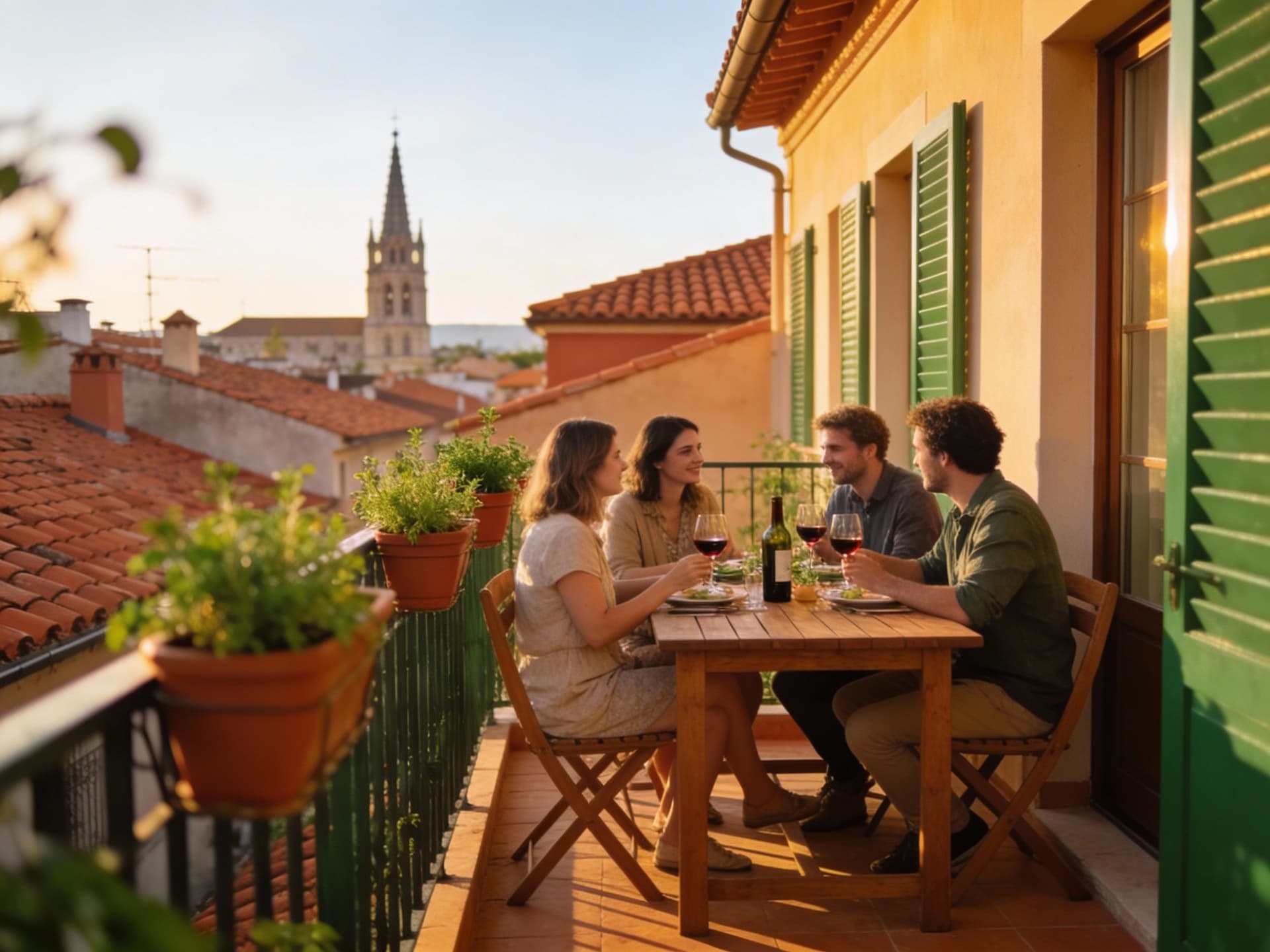
Dreaming about an Italian life is one thing; structuring a purchase that sustains it is another. Start with season-aware timing, neighbourhood micro-research and a local agent who understands weekday life, not just touristic metrics. Property choices — seaside flat, restored centro storico apartment, or modern suburban villa — should reflect how you will use the home across seasons and weekdays, not only the summer peak.
Property styles and how they fit daily life
A canal-side apartment in Venice or a historic palazzo flat in Naples will offer atmosphere but come with restoration and insurance realities. New-builds on Genoa’s waterfront or renovated trulli in Puglia may provide easier maintenance and energy efficiency. Think: can you handle narrow staircases with frequent grocery trips? Will heating in a stone farmhouse be costly in winter? The right style marries how you want to live with the practicalities of Italian construction and climate.
Work with experts who know neighbourhood life
- 1) Time your viewings in shoulder months (late autumn or early spring) to see neighbourhood life without tourist distortion. 2) Ask agents for weekday walk‑throughs to assess services (markets, pharmacies, transport) and noise profiles. 3) Verify short‑term rental rules and recent local measures — cities like Florence and Venice have tightened controls and incentives can shift. 4) Use recent market data to benchmark price per square metre for the micro-area rather than relying on city averages. 5) Check sales volume trends alongside prices; rising prices with rising sales often indicate broad demand, while price increases with falling volume can be speculative.
Insider knowledge: the surprises expats tell us
Expats repeat a few unexpected lessons: avoid judging a street on one summer weekend; ask neighbours about winter logistics; and test commutes at 8 a.m. and 6 p.m. Many who moved here found community in smaller squares and local bars rather than on glossy seafront promenades. These human details often determine whether a place feels like a holiday or a home.
Cultural cues that change where you buy
Italians prize neighbourhood ties: a familiar tobacconist, an early‑opening panetteria and a piazza with regulars. If you want to integrate, prioritise areas with active local associations, volunteer markets and year‑round cultural programming. Language matters less for daily life than willingness to join in: attending a market or a festa is the fastest way to belong and to test whether a neighbourhood suits you.
Local red flags to watch for
- • Overconcentration of tourist lets on one street — seasonal emptiness after August. • Frequent building works without permits — ask to see recent planning approvals. • Sparse weekday services — grocery open only weekends signals poor year‑round livability. • Unclear utility histories in restored dwellings — verify heating, drainage and seismic upgrades.
Practical next steps: spend two weekdays in your target neighbourhood, commission an energy and structural survey, and request comparable sales for the specific street, not just the district. Use ISTAT’s house price indices to understand regional momentum and watch municipal rules on short-term rentals — national debates continue and recent reporting shows policy moves can change rental economics quickly. With the right local team, you’ll buy not just a property but a year-round life.
Conclusion: Italy rewards patient buyers who align lifestyle with market rhythm. Visit outside the peak, listen to weekday neighbourhood life, and work with agents who live locally. Do that and the piazza stops being a postcard and becomes your daily backdrop.
Swedish strategist who relocated to Marbella in 2018. Specializes in legal navigation and tax planning for Scandinavian buyers.