Malta: Why Micro‑Location and Terrace Size Define Value
Malta compresses Mediterranean life into walkable neighbourhoods; rising prices and residency rules mean lifestyle choices—terrace size, micro-location, licensing—drive value.
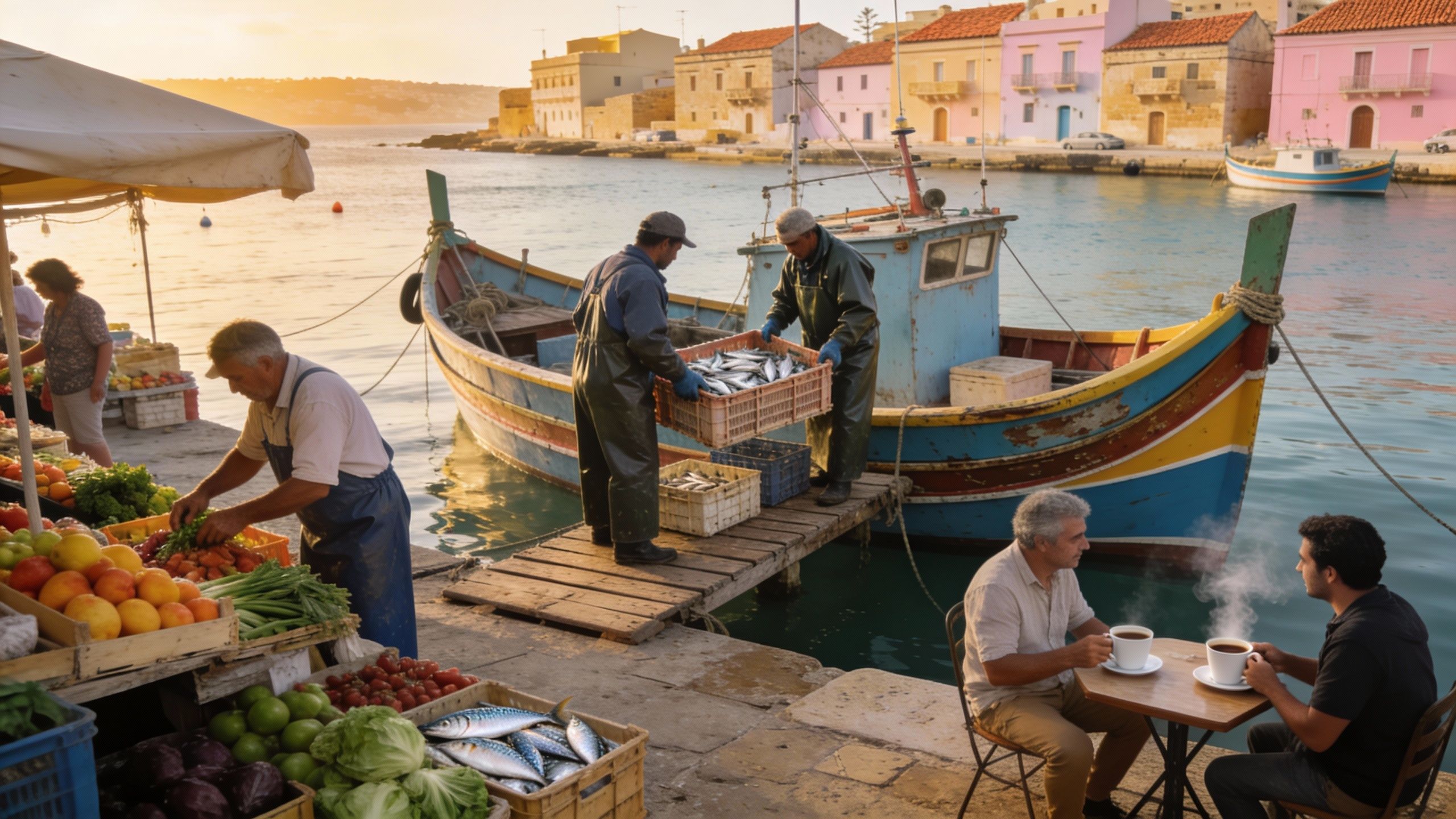
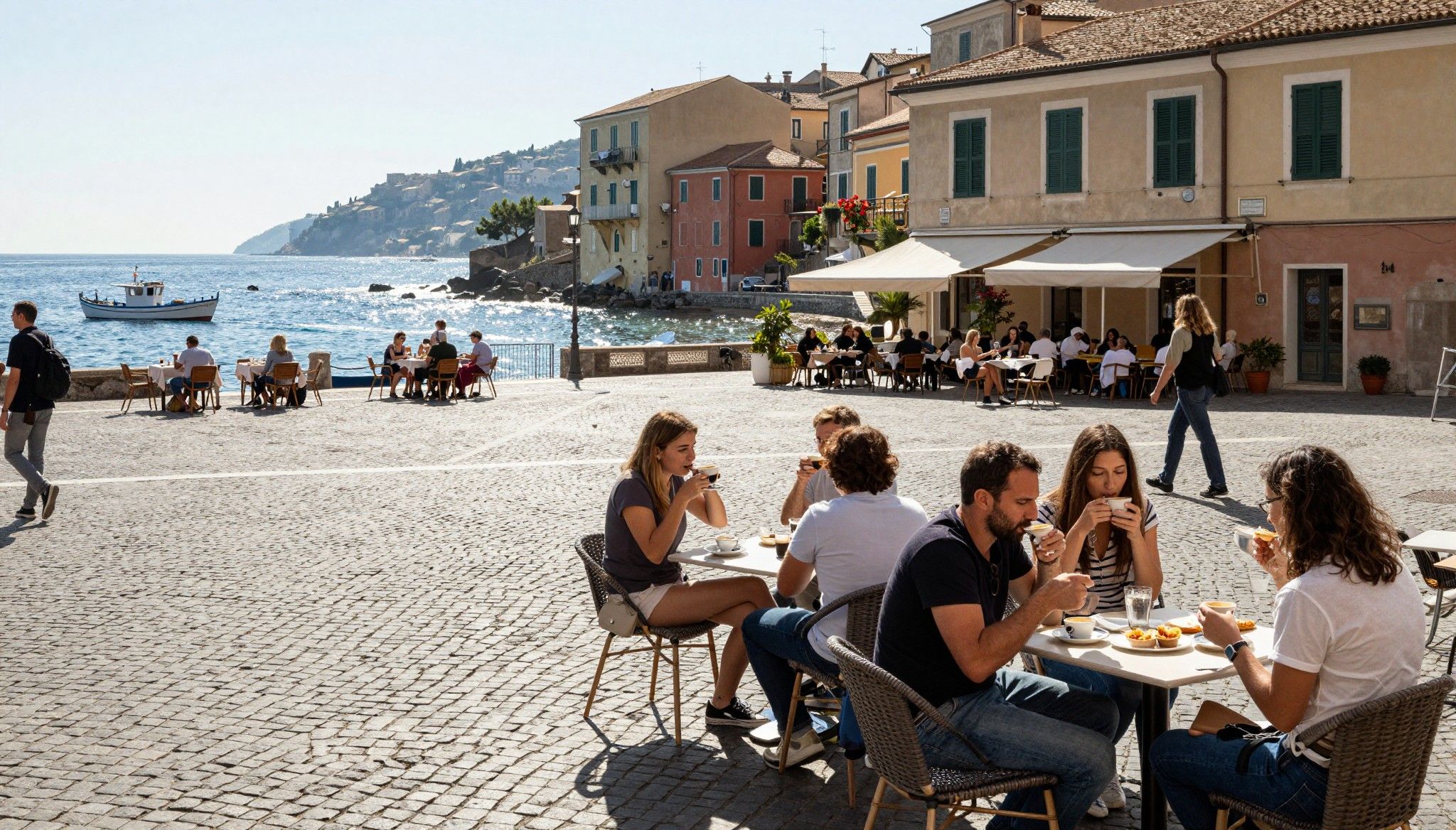
Imagine waking to espresso steam on a narrow balcony in Sliema, crossing a sun-warmed promenade to a fish market at Marsaxlokk, then closing the day with a walk through Valletta’s bar-lined streets. Malta is compact enough that those three scenes can be a single Sunday—its scale shapes daily life, and that same compactness drives a distinctive, sometimes surprising property market.
Living the Malta lifestyle: small island, big variety
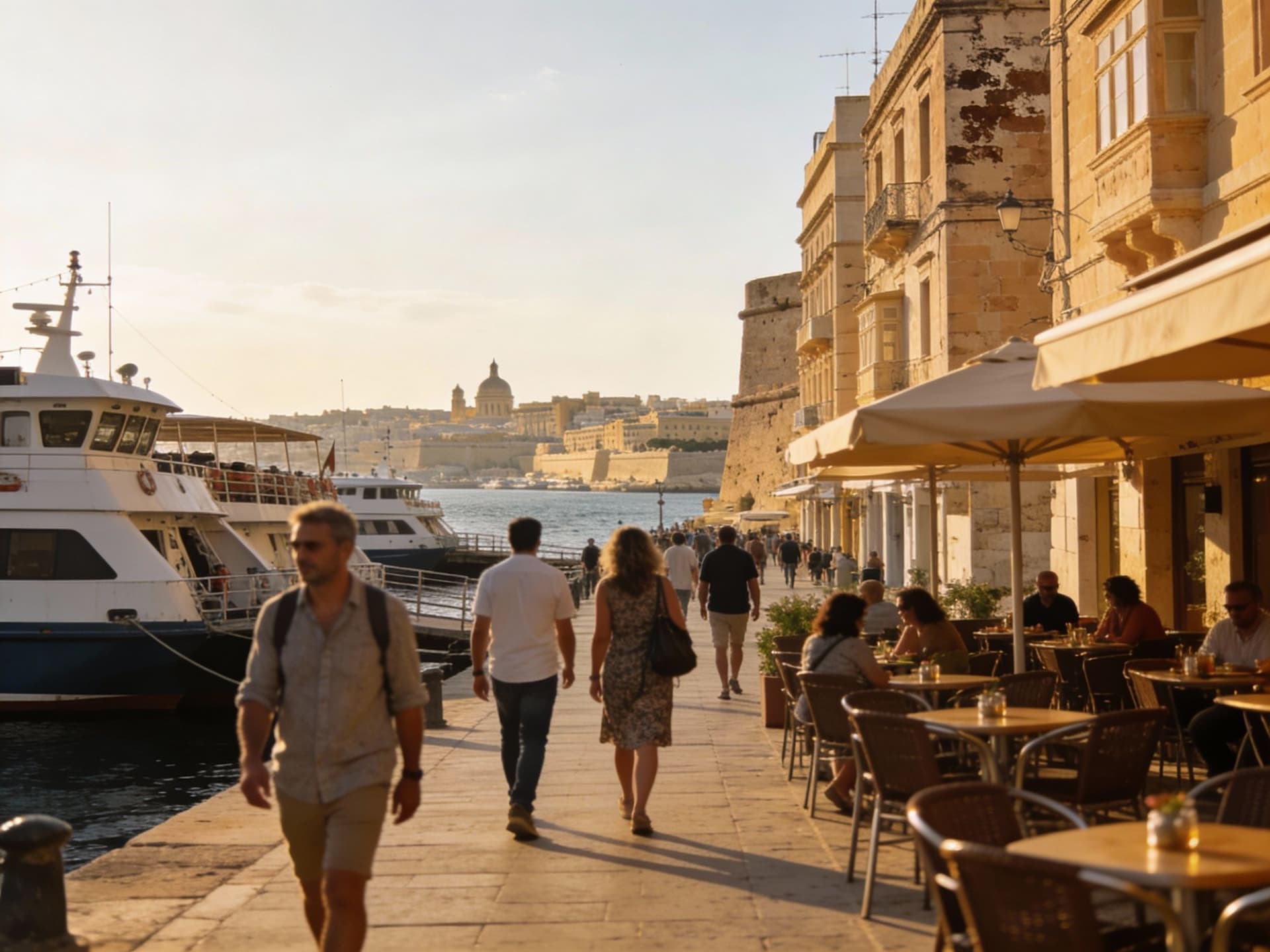
Day-to-day life in Malta is tactile: calcified limestone facades heat in sunlight, cafés hum in Maltese and English, and neighbourhood routines matter. Summers mean sea-swimming at Mellieħa Bay or the Blue Lagoon; winters unfold in quieter, community-first rhythms—cafés, churches, and municipal markets keep places lively year-round. The island’s size (less than 450 km²) concentrates experiences: good restaurants, international schools and medical centres are never far, but prime locations are scarce.
Sliema & Tigné: promenade life and apartment living
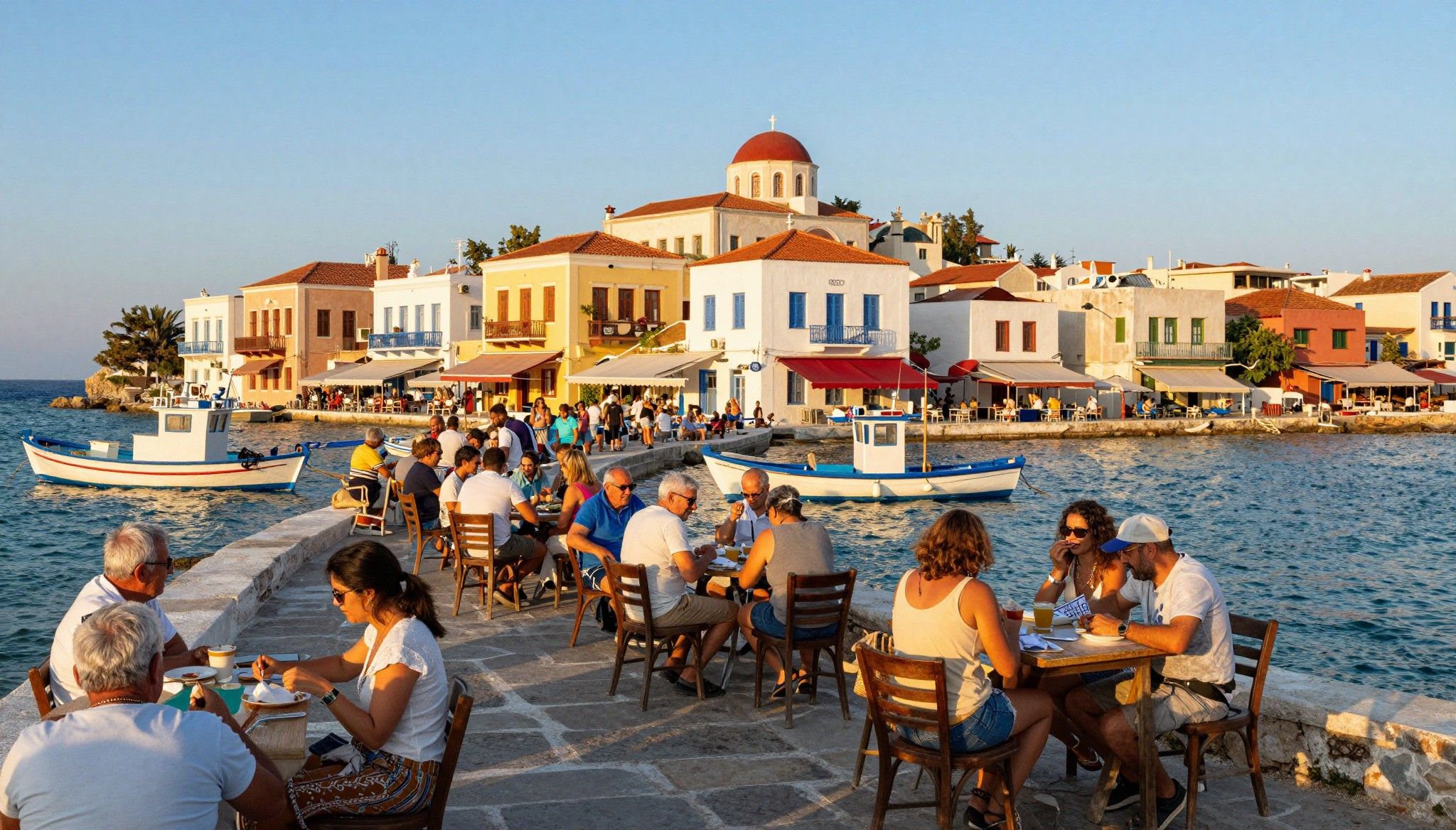
Sliema’s seafront and Tigné peninsula are where coastal apartment living meets international retail and cafés. If you want morning runs along a wide promenade, espresso at a waterside table and 20-minute ferry hops to Valletta, this neighbourhood fits. Expect apartment blocks—many modern conversions or new-builds—often with sea views but cramped footprints compared with mainland standards.
St Julian’s & Paceville: social energy and investment demand
St Julian’s (Spinola Bay, Balluta) blends lively dining, nightlife and serviced apartments. For buyers seeking rental demand—short-term and corporate—St Julian’s registers steady interest, though buyers should balance peak-season income with quieter winter months and local licensing rules on short lets.
- Lifestyle highlights: local favourites and hidden gems
- Morning espresso at Caffe Grottino (Sliema) and a walk along the Ferries
- Sunday fish market at Marsaxlokk and pastel-painted waterfront dining
- Historic evenings in Valletta: theatre, museums and late-night cafés
Making the move: the market in plain sight
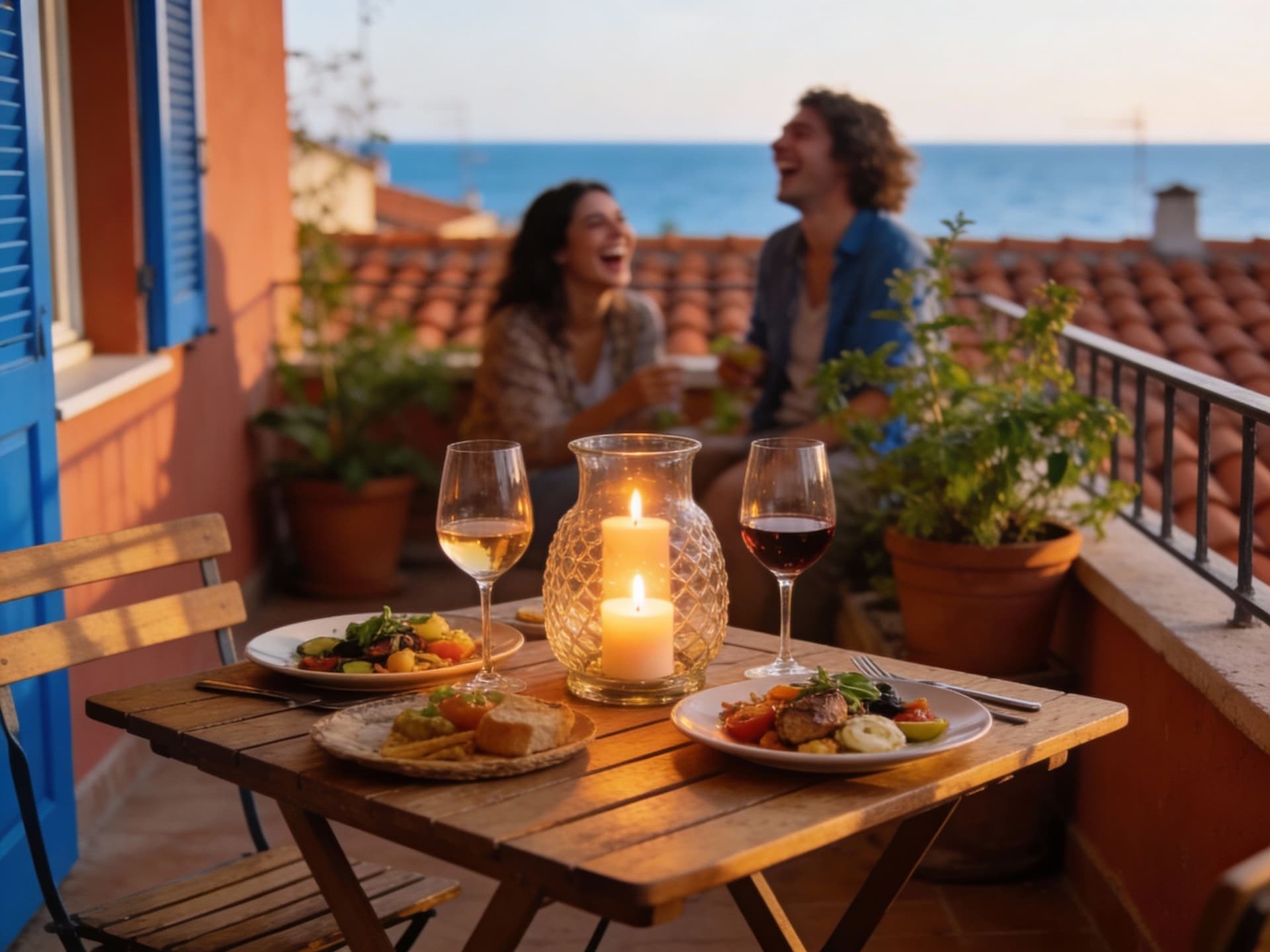
Malta’s market has kept upward momentum: the National Statistics Office reports a Residential Property Price Index (RPPI) of 165.22 at Q4 2024—about a 5.2% annual rise—reflecting steady demand for apartments and maisonettes. That growth underlines two practical realities: land scarcity compresses supply, and compact urban plots command a premium. For buyers this means choices are more about micro-location and quality than broad neighbourhood categories.
Property styles: what lives well here
Expect apartments and maisonettes to dominate coastal and urban areas; townhouses and villas appear more often in peripheral villages and on Gozo. A converted townhouse in Valletta offers high ceilings, Maltese timber balconies and proximity to culture; a modern two-bedroom apartment in Sliema buys convenience and year-round rental appeal. Consider outdoor space carefully—terraces and balconies function as living rooms in summer and determine resale demand.
Working with local experts who understand lifestyle outcomes
A local agent does more than show listings: they translate building quirks (lime-stone maintenance, party-wall norms), explain micro-zoning and short-let licensing, and identify where a terrace will actually become your living room. Choose advisors with island experience, bilingual staff (English/Maltese) and transparent fee structures; they should connect you to reliable notaries and conveyancers who handle the paperwork efficiently.
- Six lifestyle-driven practical steps to buy in Malta
- 1) Map life needs first: proximity to the sea, school choices or nightlife will narrow neighbourhoods.
- 2) Inspect outdoor space: a 12 m² terrace in Malta adds measurable lifestyle value and rental appeal.
- 3) Ask about building maintenance: older limestone façades need different servicing than modern façades.
- 4) Check short-let licensing and strata rules if you plan seasonal rentals—some areas restrict Portia-style short lets.
- 5) Compare two micro-locations: the same budget will buy different conditions a 10-minute walk apart.
Insider knowledge: residency, expectations and island-specific pitfalls
If residency is part of your plan, note that Malta’s Permanent Residence Programme (MPRP) now sets clearer property thresholds and contribution rules; qualifying property purchase values and rental minima were adjusted from 1 January 2025. Understanding these rules early is practical: they determine which neighbourhoods qualify and how quickly you can formalise your living situation after approval.
Cultural integration and daily realities
English is an official language, which flattens the language barrier for many buyers. But social life hinges on local rituals: festas (village feast days) close streets and bring communities together; seasonal rhythms (swimming in summer, relaxed winters) affect how neighbourhoods feel. Expect friendly curiosity and a slow-to-fast social pace—people are direct but polite, and being visible in local cafés helps integration.
What expats wish they’d known: three candid notes
1) Expect higher per-square-metre pricing than many mainland coastal markets—Malta’s limited land supply pushes premiums. 2) Paperwork moves reliably but requires local expertise; conveyancers and agents shorten timelines. 3) The seasonal rental story is real: St Julian’s and Sliema can deliver income, but licensing and quieter winters require conservative yield assumptions.
- Red flags to watch for
- Unlicensed short-let adverts in a property’s file; verify local council and tax compliance.
- Missing maintenance records for limestone façades or common-area repairs.
- Over-reliance on peak-season rental estimates when planning cashflow.
- A pragmatic timeline for lifestyle-led buyers
- 1) Week 1–2: Short visit and neighbourhood recon with an island agent.
- 2) Week 3–6: Legal checks, conveyancer engagement and contract negotiation.
- 3) Month 2–4: Completion, registration, and settling logistics (utilities, residency paperwork if needed).
In short: Malta sells a Mediterranean life in compressed form. The island’s compactness brings convenience and variety—but also competition for desirable locations and a premium on outdoor living. Plan around micro-locations, prioritise terrace space, work with experienced local agents and conveyancers, and temper rental income expectations with licensing realities.
If you can picture mornings in Sliema, market afternoons in Marsaxlokk and quiet Valletta nights, Malta can be the place where that life is real. When you’re ready, seek an island-savvy agency to map lifestyle priorities to the market realities we’ve described—then plan a short, focused visit to feel each micro-neighbourhood before you sign.
Danish relocation specialist who has lived in Barcelona since 2016. Helps families move abroad with onboarding, schooling, and local services.