Malta’s Price Puzzle: Where Value Hides Beyond the Harbour
Malta’s headline “expensive” label hides micro‑opportunities: northern harbours buy liquidity, southern towns buy space—use NSO data and local insight to match lifestyle with real value.
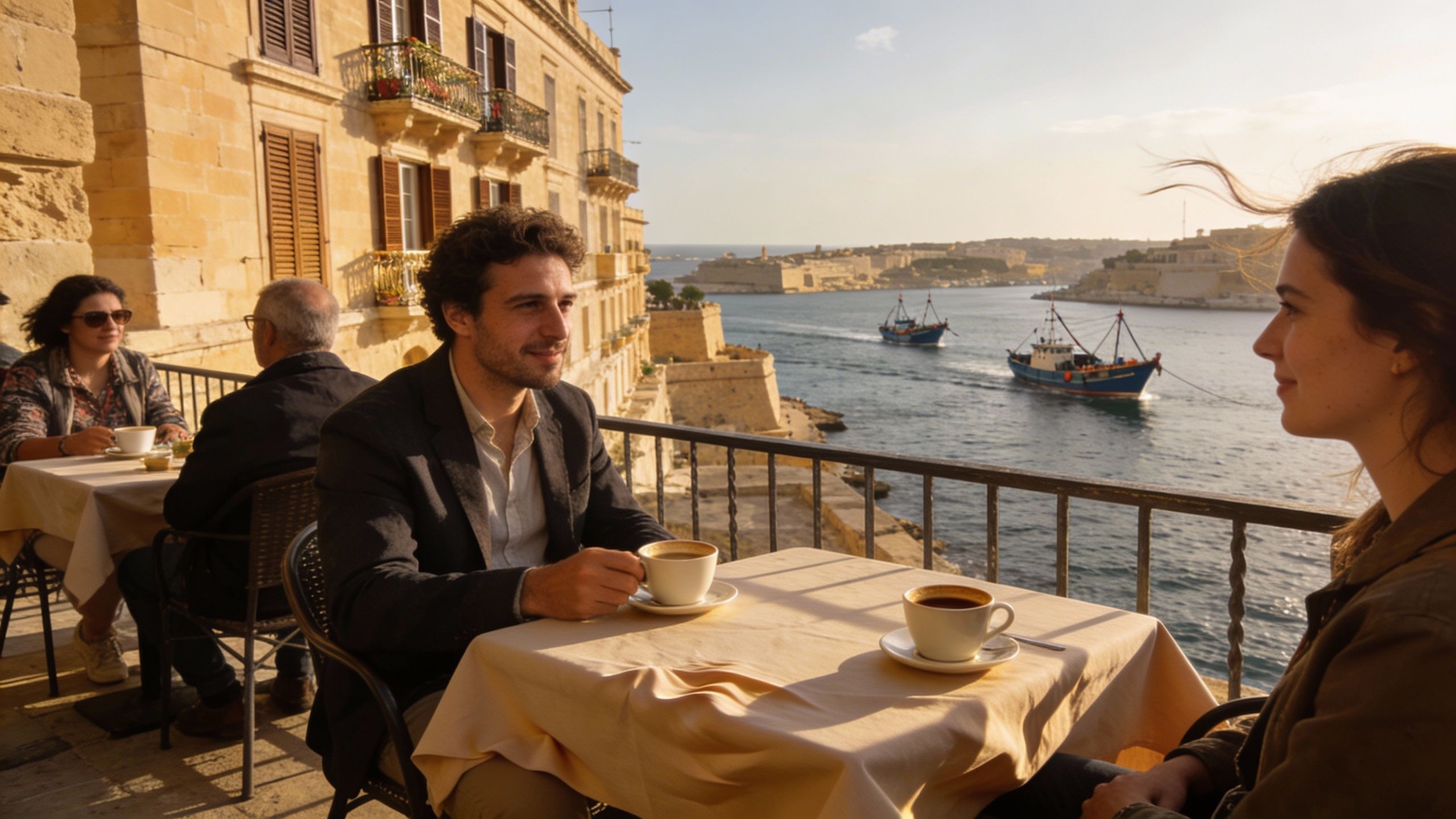
Imagine sipping an espresso on a narrow Valletta street at 09:00, then walking ten minutes to a clifftop view where the sea is a different colour at every turn. Malta is compact, loud with history, and intimate in ways big countries cannot be. That intensity – a dense island with high demand and limited supply – fuels headlines calling Malta "expensive." The reality is more nuanced: data shows price growth, but lifestyle trade-offs and micro‑neighbourhood choices reveal surprising value for discerning buyers.
Living the Malta lifestyle: small island, big personality
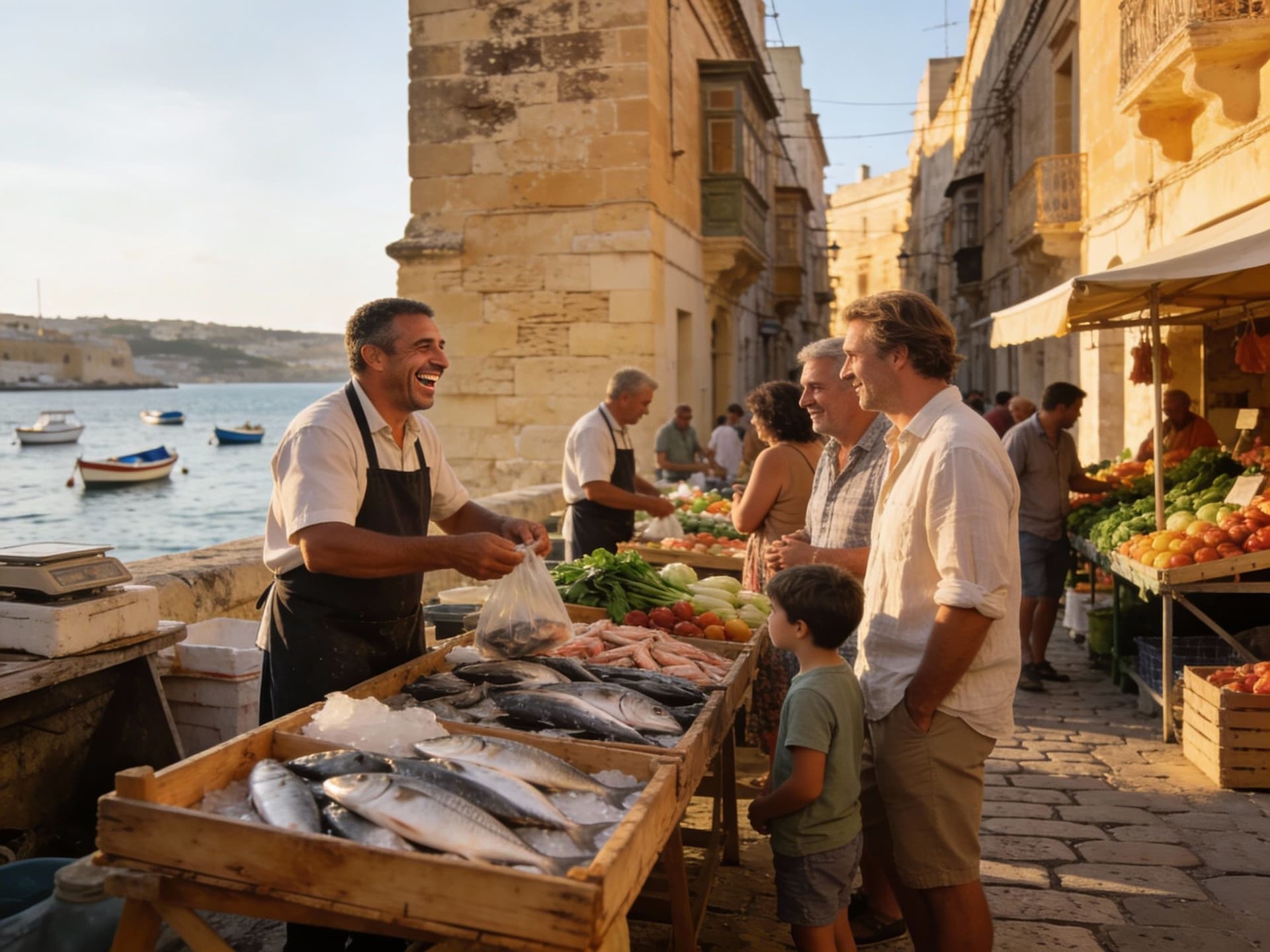
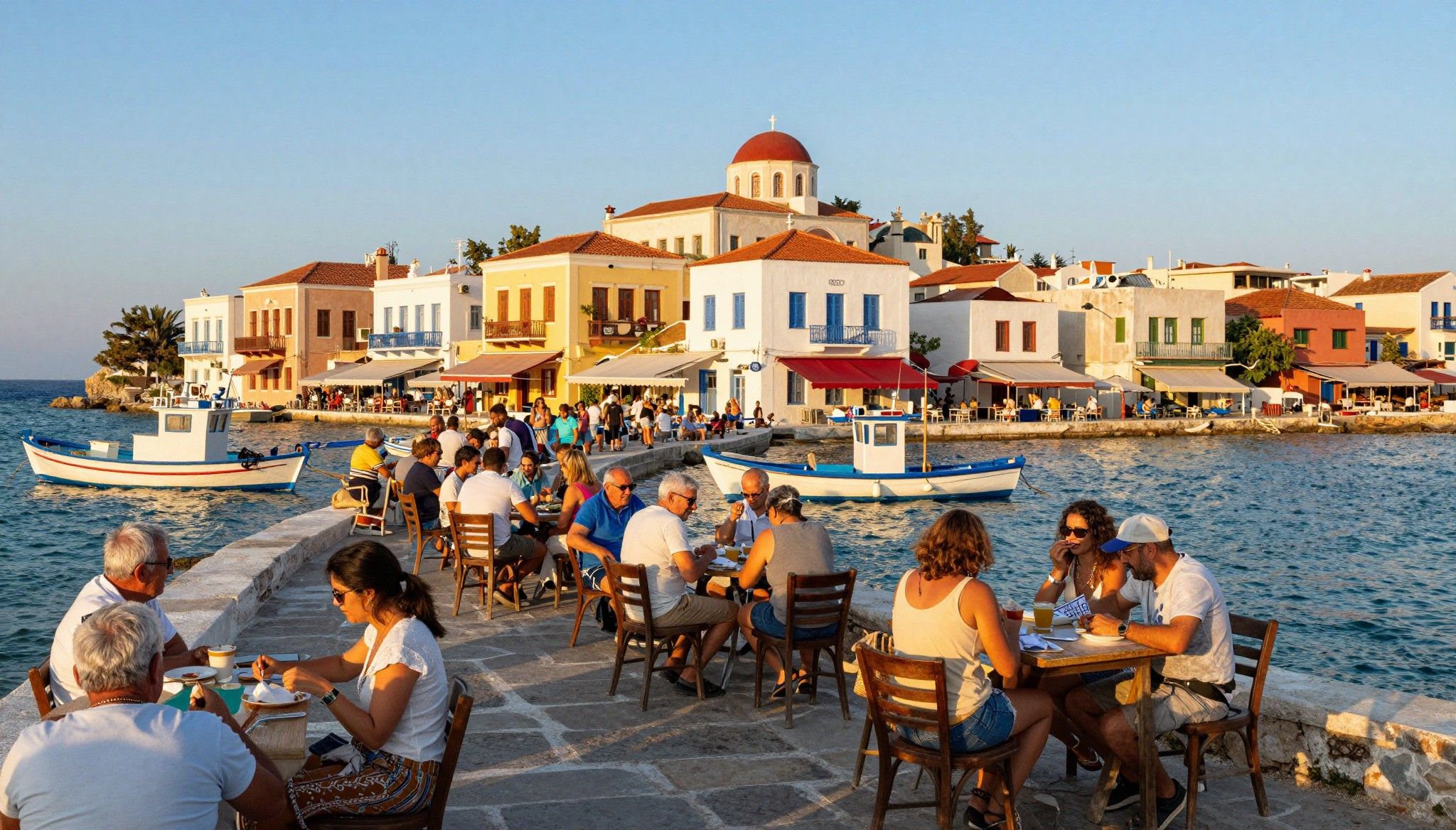
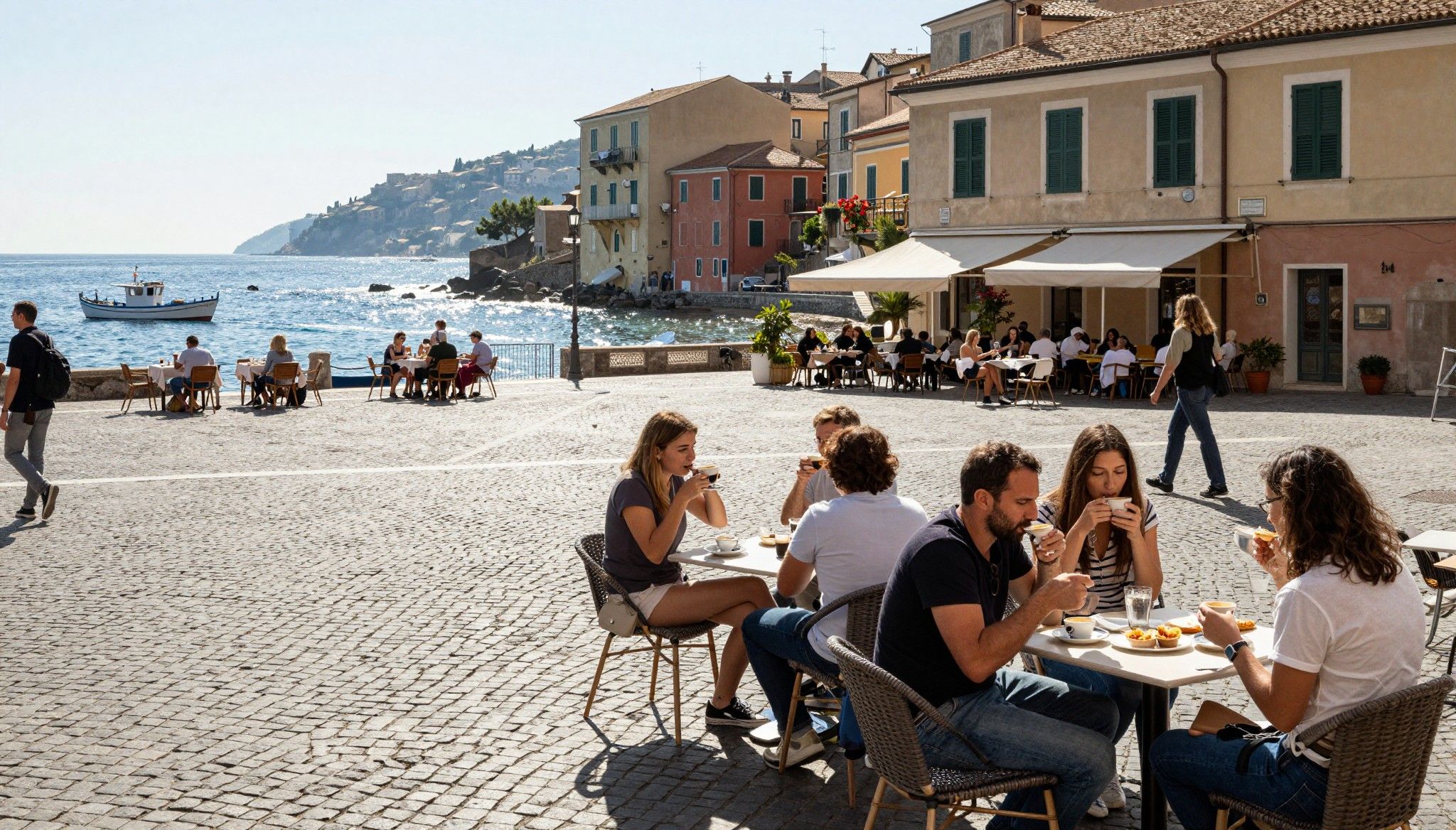
Malta moves at two paces: a boisterous daytime rhythm in markets and marinas, and a softer, community-focused evening life in village squares. Streets in Sliema and St Julian’s hum with cafes and coworking dens; narrow lanes of Senglea and Vittoriosa hold neighbourhood bakeries and senior clubs. Climate is Mediterranean – long, sunlit seasons encourage outdoor dining most of the year, which shapes how people choose homes: terraces, rooftop decks and shaded courtyards are prized.
Neighborhood spotlight: Sliema & St Julian’s — liquidity and pulse
Sliema and St Julian’s are Malta’s financial and leisure cores: waterfront promenades, boutique shops and a concentration of serviced apartments. Prices here reflect liquidity—buyers can rent easily and resale is straightforward. National statistics show continued price rises across Malta, but the premium in these northern harbour areas buys immediate rental demand and urban conveniences.
Neighborhood spotlight: South and Gozo — space, pace and surprises
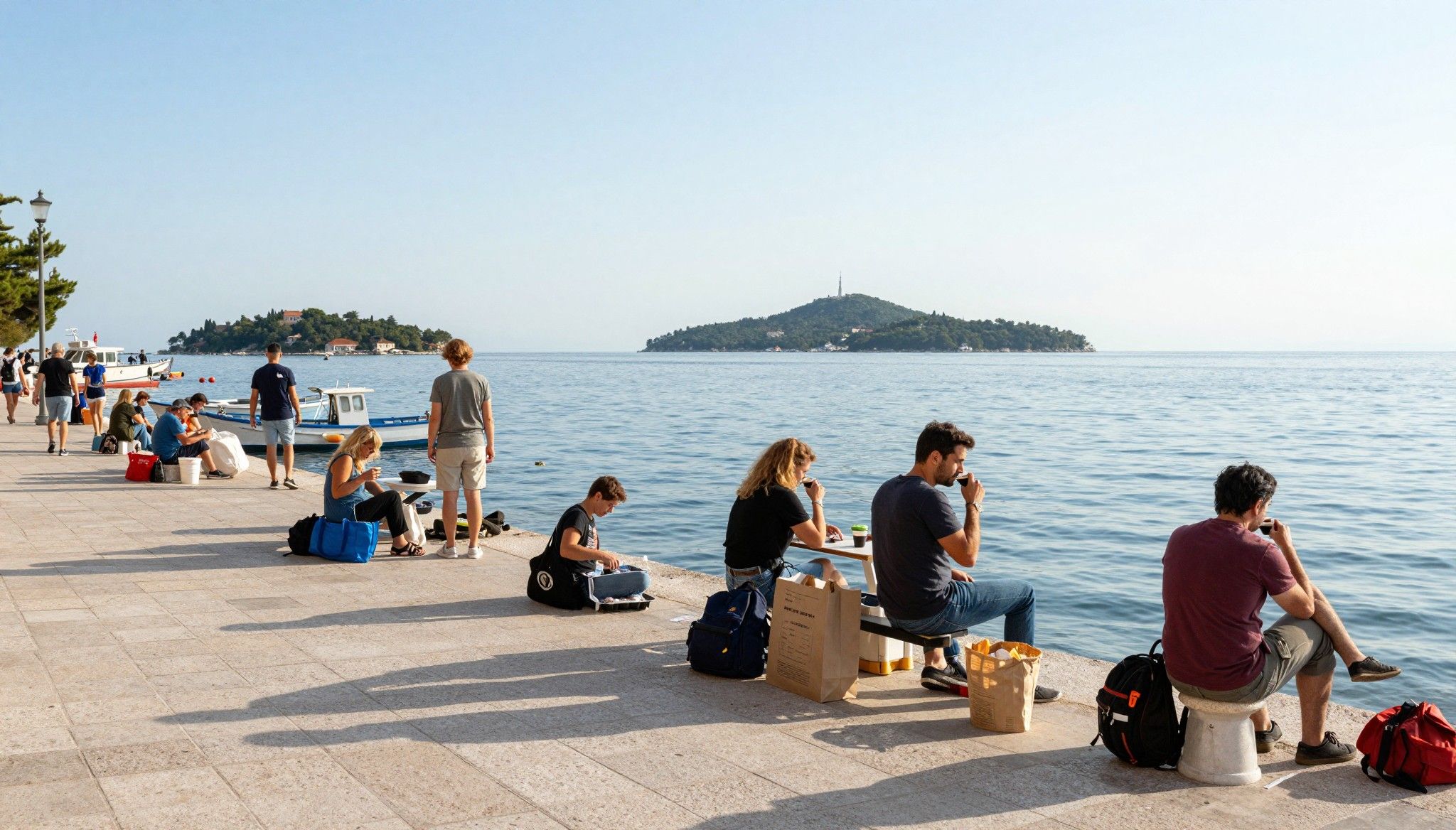
Head south or hop the ferry to Gozo and life feels roomier: larger terraces, lower-rise streets, calmer marinas and a village rhythm. Transaction data for 2024 shows volume across Malta remains high, and that value can be found outside the northern harbour corridor—especially for buyers who prioritise outdoor space and local authenticity over immediate tourist footfall.
- Lifestyle highlights: real places to anchor your life in Malta - St George’s Bay promenade (St Julian’s) for seaside cafés and evening energy - Constitution Street, Valletta for morning markets and history on your doorstep - Marsaxlokk fish market on Sundays for fresh catch and slow-life lunches - Mgarr Harbour (Gozo) for larger terraces and a calmer pace - Spinola Bay (St Julian’s) for waterfront dining and boating culture
Making the move: practical considerations that preserve the lifestyle

Dreams of midday swims and cobbled streets must be balanced with market mechanics. Malta’s compactness means choices are trade-offs: proximity to the sea often costs you indoor space; village homes give you square metres but need more travel time to services. Start with lifestyle priorities—work, schooling, social life—then map property types that support them.
Property styles and how they shape daily life
Apartments dominate urban life: compact, walkable, often with shared roof terraces. Maisonettes and terraced houses offer indoor-outdoor living and are common in older towns. New-builds and conversions give modern layouts but can lack the high ceilings and character of traditional Maltese homes. Choose the typology that fits your day-to-day: balconies and terraces matter more here than a spare room.
- Practical steps to match lifestyle with purchase 1. List top three daily non-negotiables (school, commute, sea access). 2. Visit at different times (weekday morning, Saturday market, winter evening). 3. Prioritise outdoor private space if you plan to live year-round. 4. Ask local agents about absentee‑owner concentration in the area. 5. Verify rental demand if you need yield—northern harbour areas are easier to let.
Insider knowledge: myths, local quirks and what expats wish they’d known
Three common myths trip up buyers: that all seafront is overpriced without upside; that the whole island moves in tourist season; and that English fluency removes the need for local guidance. In practice, micro‑location determines long‑term value, seasonal tourism skews perceptions but not fundamentals, and local teams speed you past paperwork and cultural subtleties.
Cultural integration and daily social life
English is widely spoken and many expat communities form around international schools, marinas and coworking hubs. Still, social life often centres on clubs, religious festivities and village festas—engage with them and doors open. Neighbourhood baristas and grocers become your fastest route into local networks.
Long-term picture: supply limits, regulation and what to watch
Malta’s limited land supply and steady transaction volumes keep upward pressure on prices. Recent reports note over €3.5 billion in residential transactions in 2024, which explains continued demand. For long-term owners, that scarcity is a stabiliser; for new buyers, it means careful planning and local advice are essential to avoid overpaying for lifestyle alone.
- Red flags and reality checks before you sign - High advertised yields with no local rental comparables. - Multiple off-market promises to sell in the same building (poor title clarity). - New developments listed as "investment" but far from services. - Large price premiums for tiny terraces—calculate usable square metres. - Overly broad statements about residency schemes; check current rules.
Conclusion: Malta rewards buyers who choose micro‑location over macro headlines. If you prioritise daily life—morning markets, walkable cafés, rooftop swims—you’ll find pockets of real value beyond the northern harbours. Work with a local specialist who knows village rhythms, delivery times for utilities, and which streets keep their charm. Then pack a small suitcase: Malta’s lifestyle has a way of converting short visits into long stays.
Dutch investment strategist with a Portugal-Spain portfolio. Expert in cross-border financing, rights, and streamlined due diligence for international buyers.