Why Malta’s Price Tag Hides Everyday Value
Malta’s compact lifestyle—short commutes, vibrant neighbourhoods and steady price growth—means buyers pay for convenience and community, not empty land. RPPI data confirms durable demand.
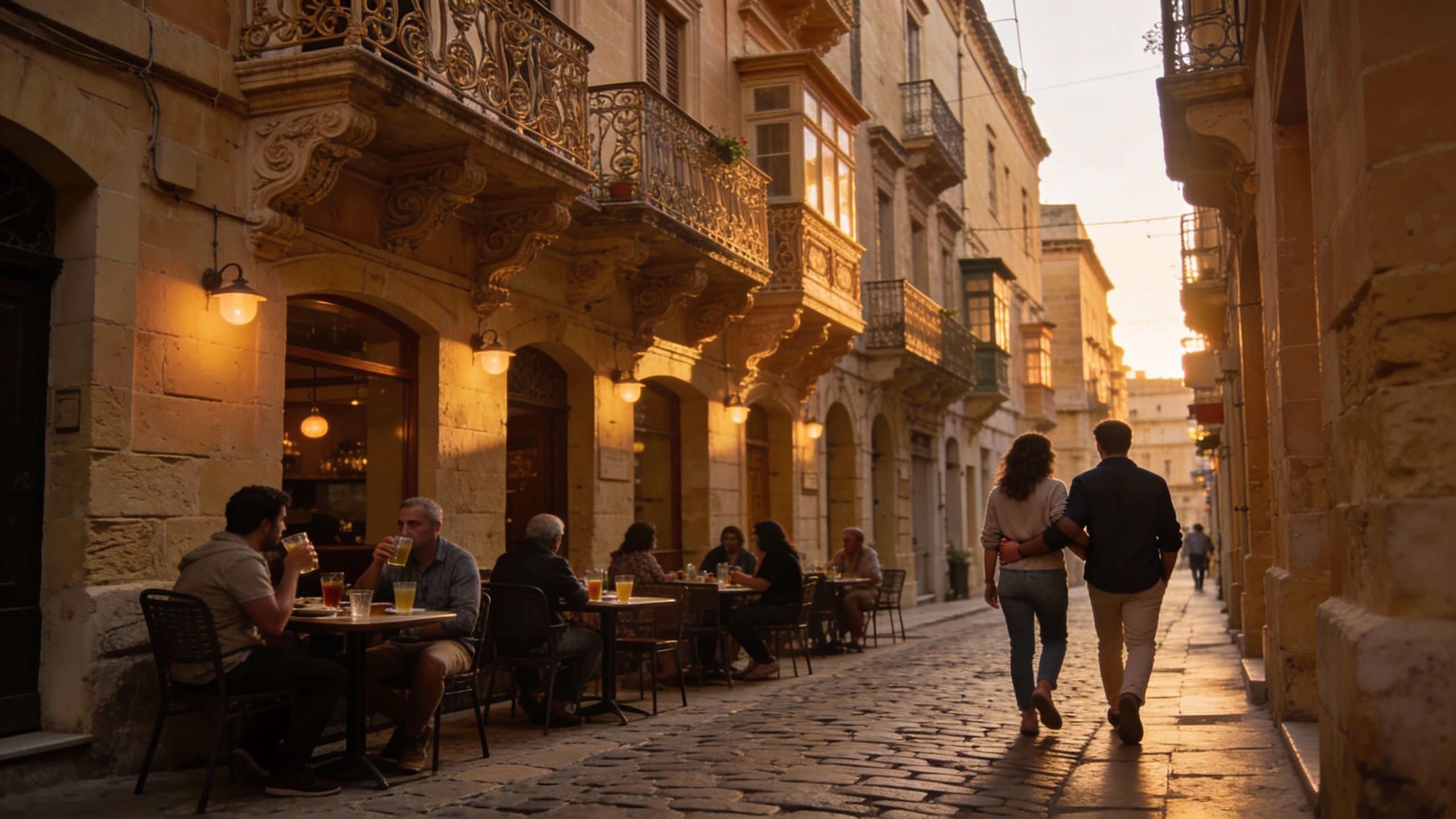
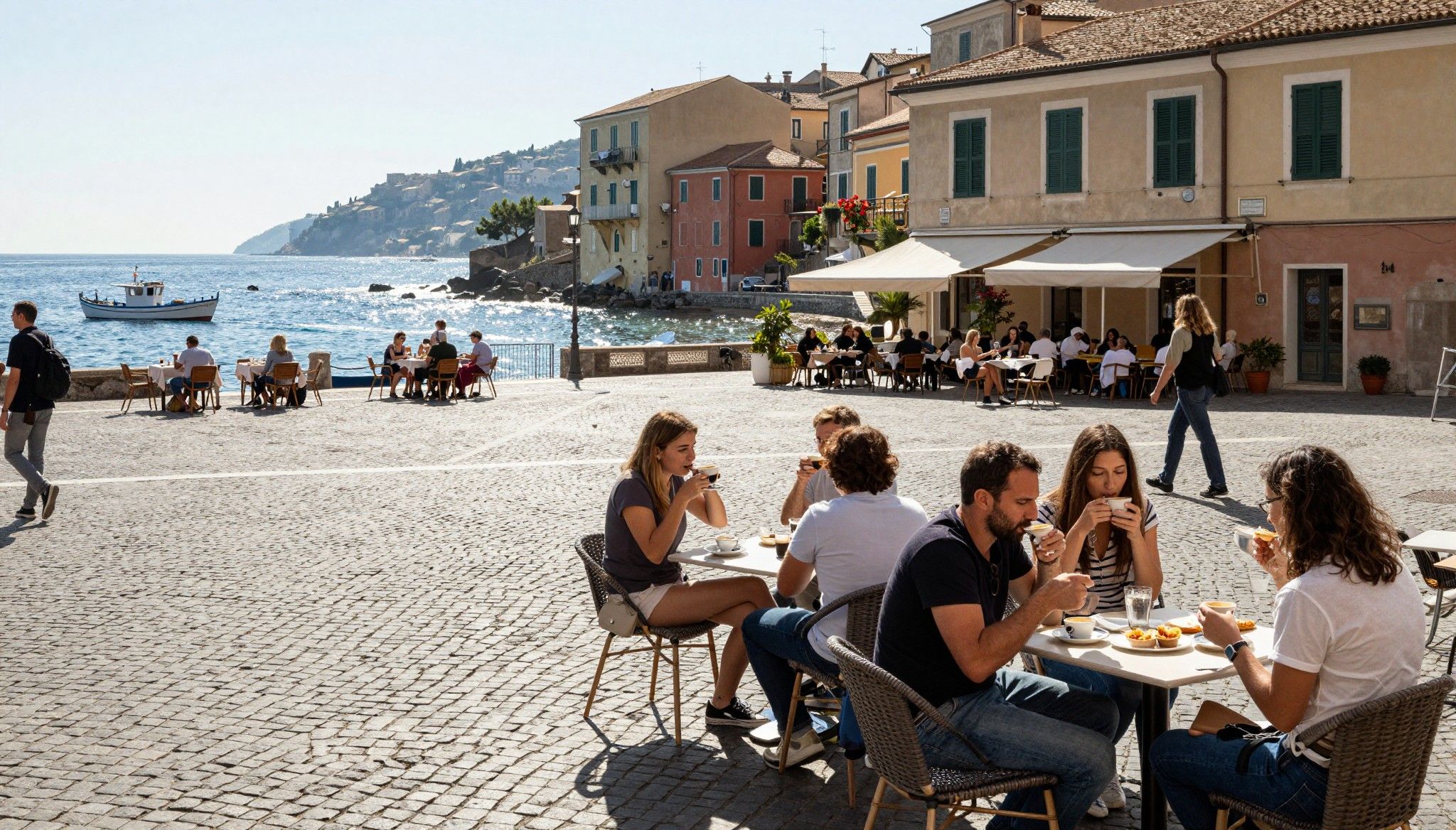
Imagine starting your morning on a narrow Valletta street with an espresso in hand, the church bells faintly marking the hour, then ending the day on a quiet Mellieħa bay watching families paddle home. Malta feels small enough to learn the barista’s name, large enough to host concert halls, coworking hubs and international flights within an hour. For many international buyers the island sells a lifestyle — compact, sunlit, social — that traditional price labels miss. Yet lifestyle and numbers must meet: recent RPPI data shows steady price growth, and understanding that rhythm is essential before you buy.
Living the Malta lifestyle
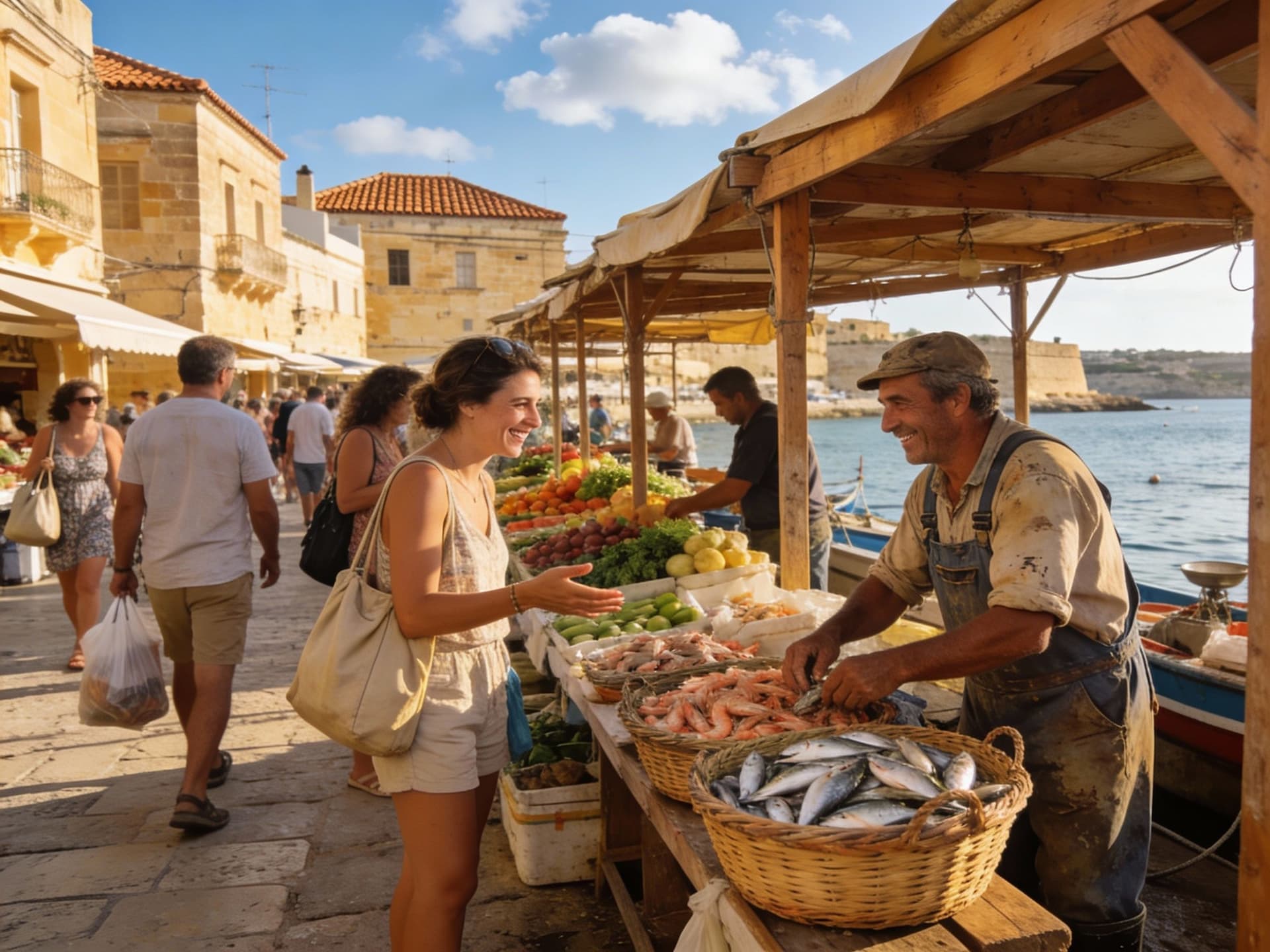
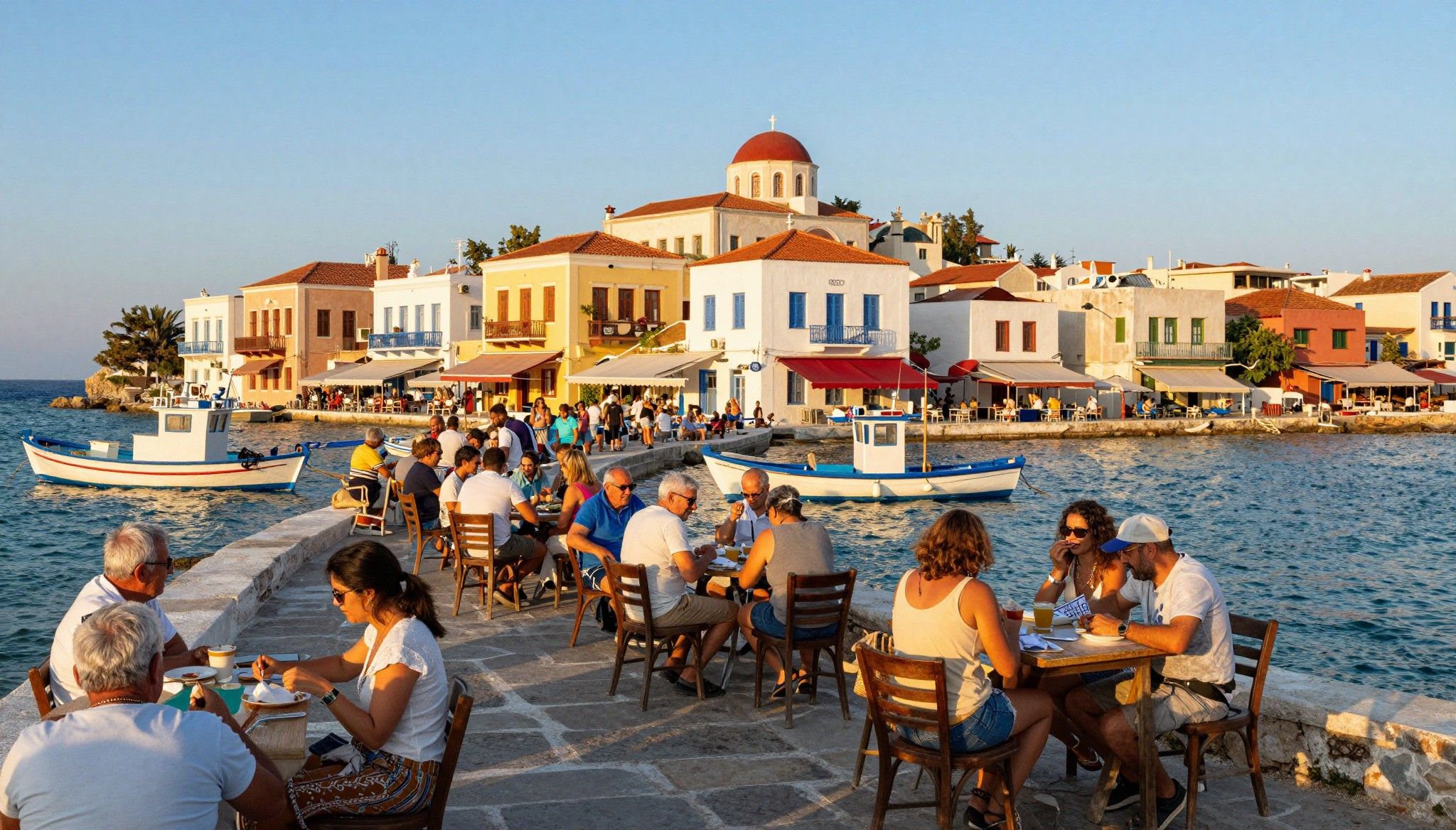
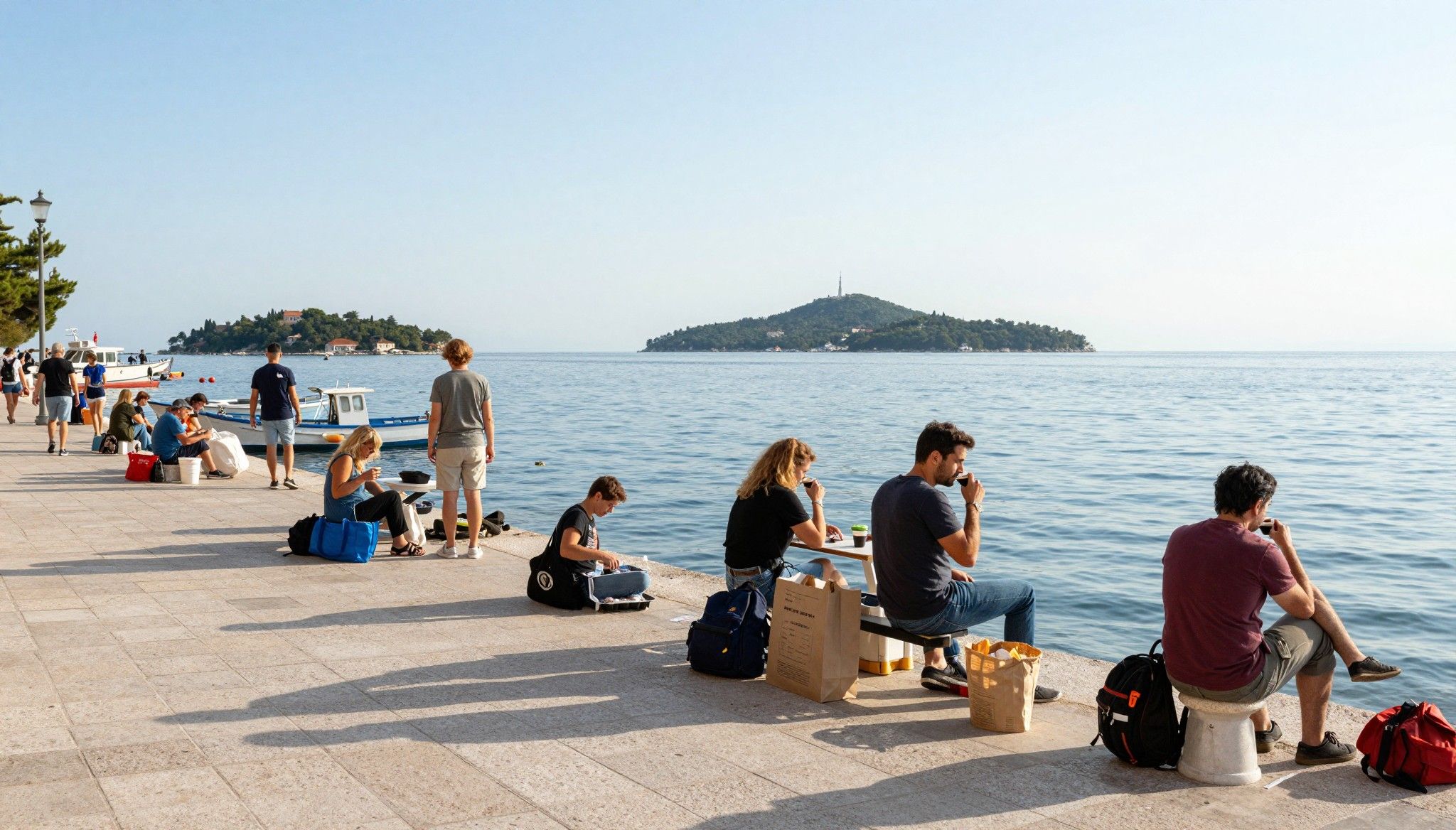
Malta’s daily rhythm runs on short commutes, café culture and an outdoors-first life. Morning markets in Marsaxlokk, weekday espresso crowds in Sliema, and evening promenades in St Julian’s give shape to ordinary weeks. People here trade long drives for neighbourhood life: groceries, a sea swim, a child’s school run and dinner at a small trattoria can all fit inside a two-hour window. That density is a quality-of-life trade-off — you pay for compact convenience rather than large grounds and long drives.
Valletta, Sliema, Mellieħa: three very different afternoons
Walk Valletta in the afternoon and you feel history underfoot: limestone façades, narrow alleys and theatre crowds. Apartments here are often smaller, vertically stacked, and prized for proximity to cultural life — museums, opera and rooftop cafés. Contrast that with Sliema’s seaside esplanade where modern apartment blocks, shops and international tenants create a busier, expat-friendly tempo. Up north, Mellieħa trades bustle for beaches and green pockets; properties tilt toward family-style maisonettes and villas with sea views that reward weekend living.
Food, sun and social life — how the island eats
The island’s food scene is anchored by fresh markets, seafood trattorias and a growing roster of modern bistros. Sundays mean fish markets in Marsaxlokk; weekdays see excellent pastizzi and coffee near busier hubs like St Julian’s. Seasonal festivals — festas, open-air concerts and village regattas — shape property life: central flats fill with sound and energy in summer while quieter months reveal neighbourhood rhythms that buyers will actually live with. If you crave a social calendar, town-centre flats deliver; if you want slow mornings and sea swims, coastal bays or northern villages fit better.
- Lifestyle highlights to test-drive on a weekend visit: Valletta rooftop bars; Sliema promenade and boutique shopping; Mellieħa bay and Għadira beach swims; Marsaxlokk Sunday market; the nightlife cluster around Spinola Bay; morning coffee on Republic Street.
Making the move: practical considerations that preserve the lifestyle
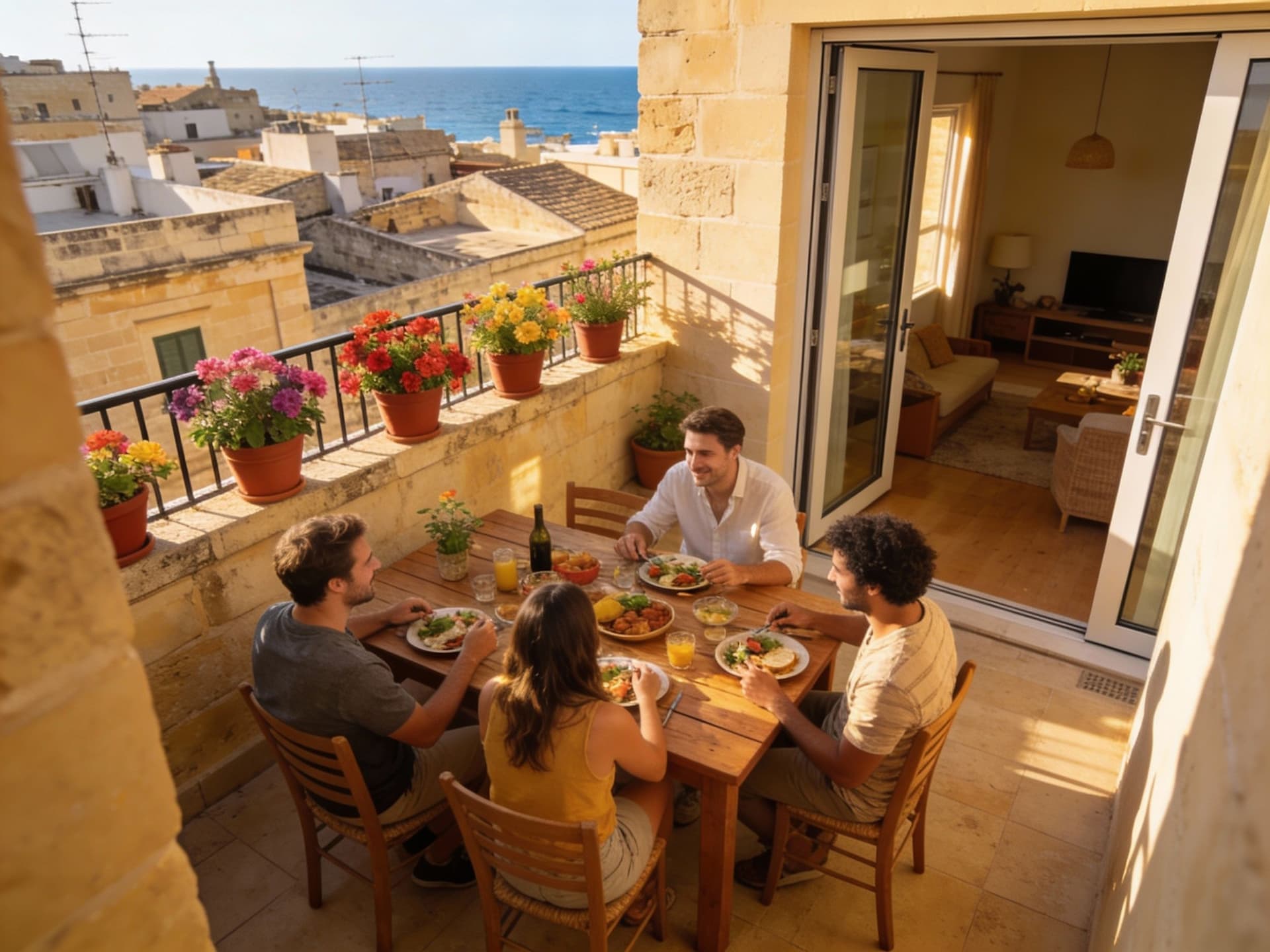
The lifestyle you fall for is anchored by an active market. Malta’s RPPI rose approximately 5% year-on-year in recent quarters, reflecting persistent demand and limited supply on a small island. That price momentum doesn’t negate value — it reframes it: expect compact homes to command premiums for location and convenience. Before signing, align desired lifestyle (seaside swims, cultural life, quiet village) with realistic budgets informed by official indices and local listings.
Property styles and how they shape everyday life
Flats and penthouses: fast access to town life, short maintenance, and high rental appeal if you plan to let. Maisonettes: often offer small outdoor courtyards, better for families or pets. Townhouses and villas: rarer and pricier, but offer genuine indoor-outdoor living and garden space. Choose by which daily scenes you value: balcony coffees and promenade walks or private gardens and longer weekends away.
Work with specialists who match lifestyle to stock
- 1. Ask agents for lifestyle portfolios — examples of properties where residents actually live, not staged flyers. 2. Insist on recent local comparables within the same street or block; Malta’s small market means micro-differences matter. 3. Check short-term rental history if investing: areas near Spinola Bay or St Julian’s show high seasonal demand but can be noisy. 4. Confirm energy and water considerations; older limestone houses may need retrofits for insulation and plumbing. 5. Meet a few neighbours during viewings to sense community rhythms — daily life trumps staged images.
Insider knowledge: what expats wish they’d known
Buyers often treat residency and tax incentives as interchangeable — they’re not. A major recent legal change ended Malta’s controversial citizenship-by-investment route; residency pathways and tax planning remain complex and deserve proper counsel. Language eases transition — English is official — but cultural nuances, like festa calendars, lunchtime closures and neighbourly norms, affect daily logistics. Seasonality matters: summer vibrancy brings tourists and rental upside; winter reveals the true pace and community you’ll join.
Cultural integration, community and the small-island truth
Integration here is practical: join local clubs, volunteer at a festa committee, or frequent the same coffee spot. Expats who invest time in neighbours find household maintenance and local services far easier to manage. Expect bureaucracy to be personal — appointments, paperwork and tradespeople are usually approachable but slower than in larger metros. That civility is part of the price: you trade scale for human connections.
Long-term lifestyle and market outlook
Data through 2025 shows steady property inflation, reflecting constrained supply and sustained demand. For long-term residents, this means greater asset resilience but also higher entry costs. Planning for maintenance, adaptability (air-conditioning, insulation) and community fit will keep your quality of life stable as prices evolve. For investors, expect consistent rental demand in central coastal nodes but be mindful of regulation changes tied to tourism and residency.
- Red flags and local realities to check on viewings: - Unclear paperwork on common areas and balconies - No recent electrical or plumbing certification in older buildings - Overstated sea views that depend on a narrow window or rooftop access - Short-term rental restrictions or contested building plans - Unexplained service charge spikes in managed blocks
Malta’s compactness is the thing many buyers fall in love with and then misunderstand: you don’t buy Mediterranean kilometres here, you buy neighbourhood life. Treat a property search as a lifestyle audition — spend mornings in the cafés, evenings on the promenades, and a few weekdays working from local coworking spaces. Pair that experiential research with RPPI readings and expert local counsel to set realistic expectations.
Ready to move from dreaming to planning? Start with three actions: view micro-neighbourhoods, request RPPI comparables for exact addresses, and meet agencies who can show lived-in examples rather than glossy flyers. With those steps you’ll see past headline prices to the everyday value Malta actually offers: short walks, fresh markets, strong expat communities and a small-island pace that rewards presence. An agent who knows both the registers of local life and the recent statistics will translate that lifestyle into a sensible purchase.
Danish relocation specialist who has lived in Barcelona since 2016. Helps families move abroad with onboarding, schooling, and local services.