Why Marsaxlokk Outsmarts Seafront Hype
Malta’s property prices rose in 2024–25, but choosing a quiet harbour village like Marsaxlokk can deliver higher everyday quality of life than pricier seafront hotspots — if you match lifestyle needs to property type. (NSO RPPI data cited.)
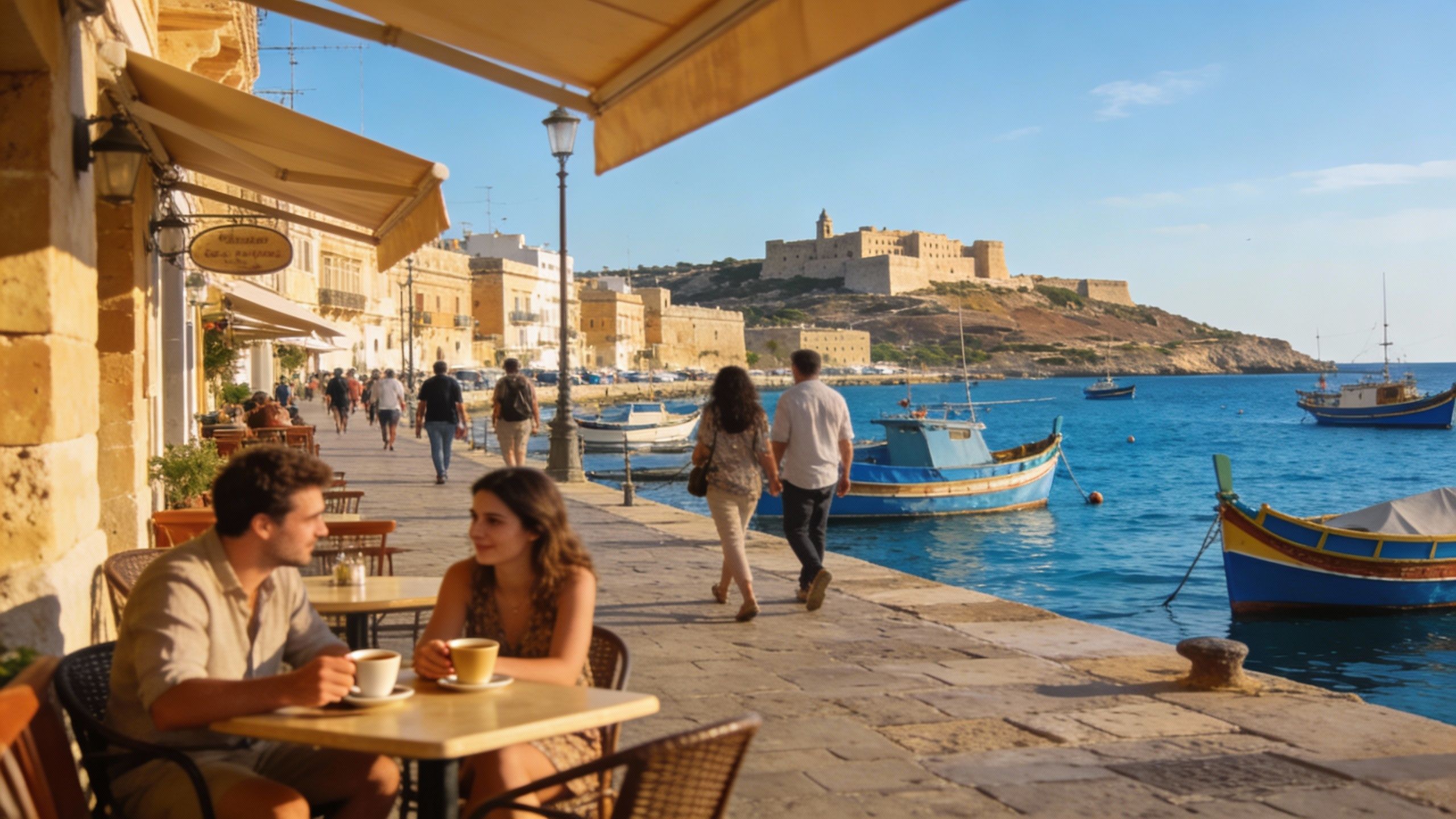
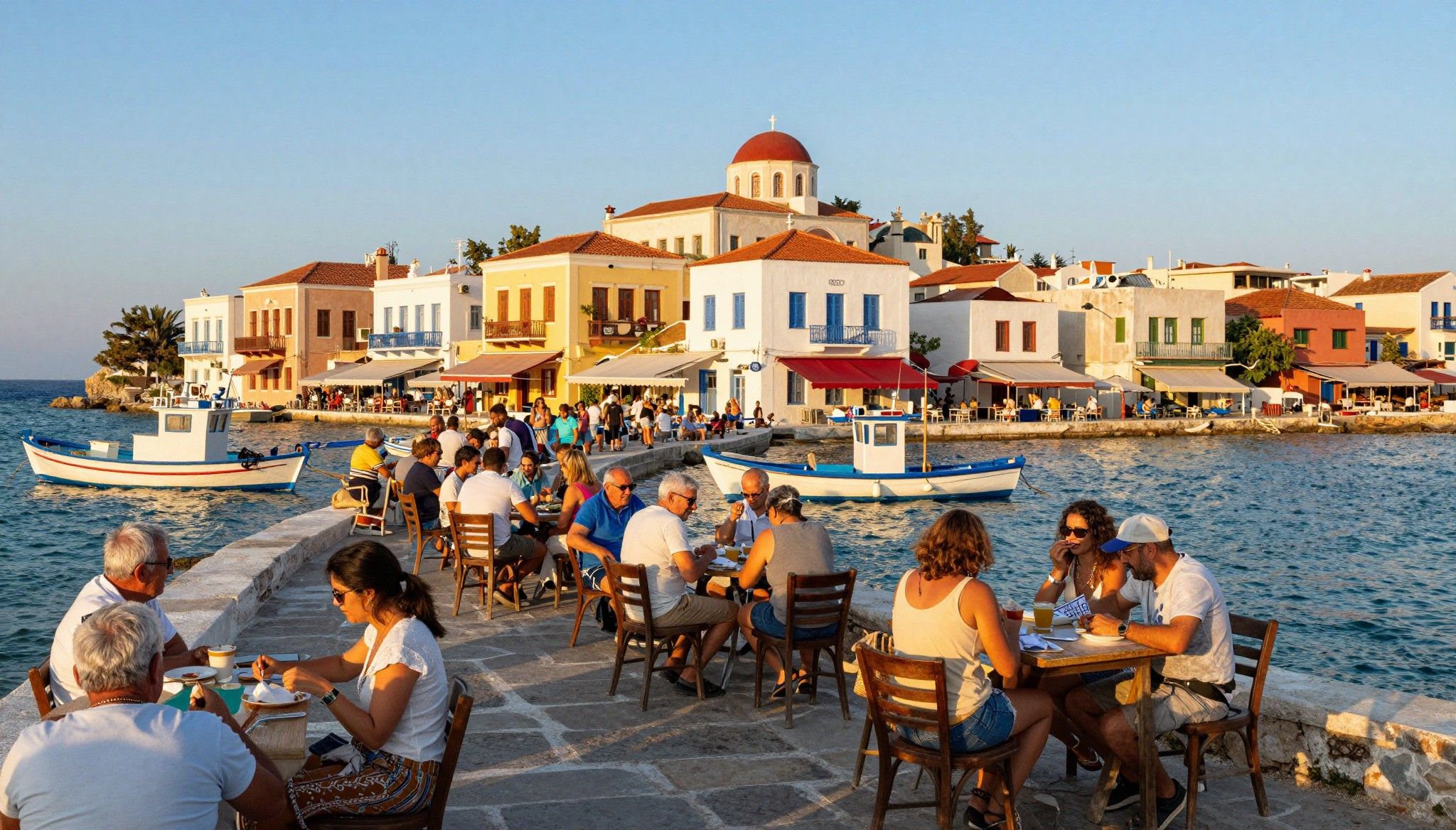
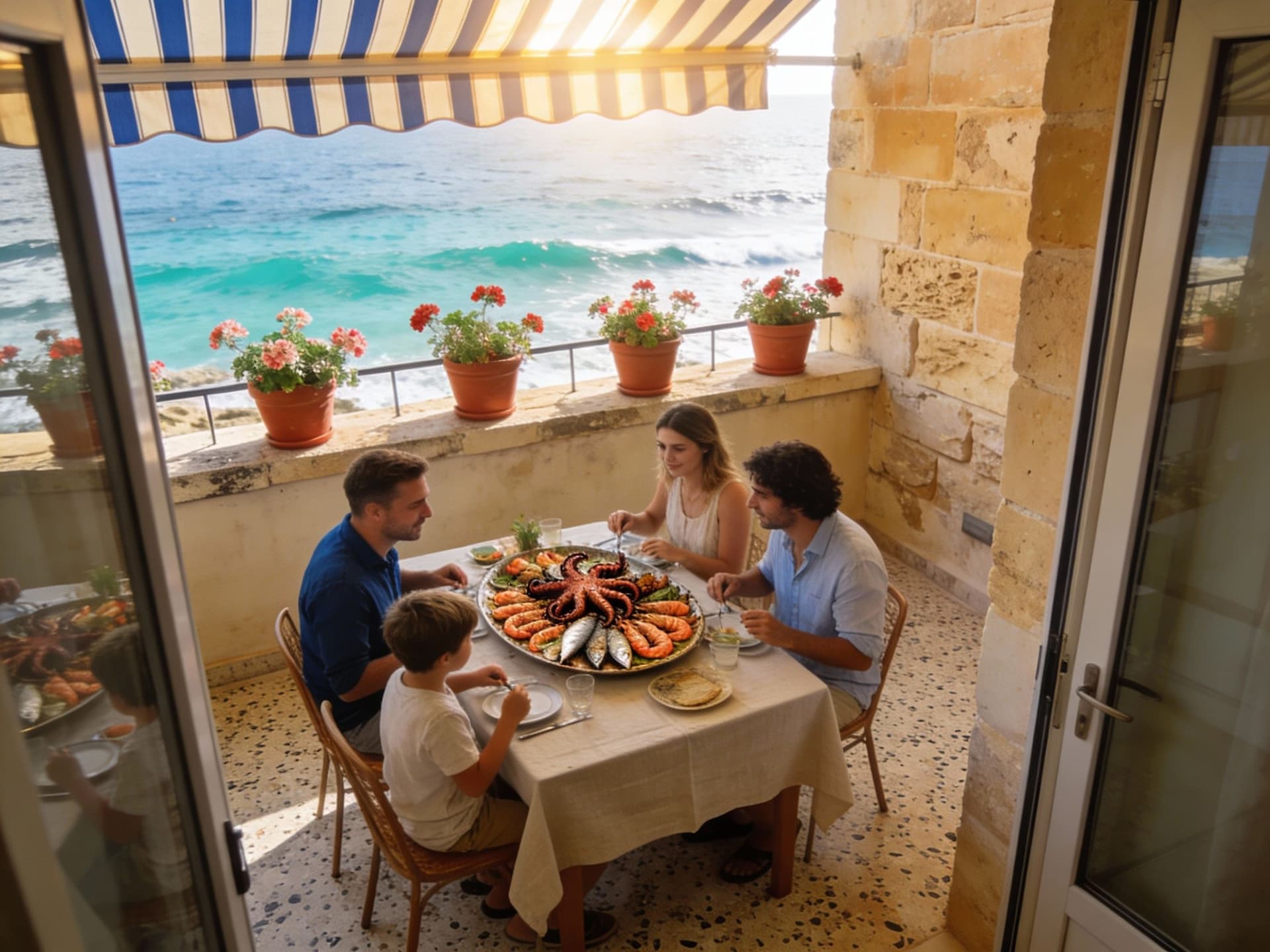
Imagine starting your Saturday with espresso on a quiet quay while fishing boats painted in electric blues glide past — then popping to a market stall for lampuki caught that morning. That scene is Marsaxlokk, a fishing village 20–30 minutes from Valletta that feels like a small town inside a capital island. Many international buyers focus on Sliema or St Julian’s for convenience and liquidity, but a different rhythm — slower mornings, immediate access to fresh seafood and dramatic coastal coves — shapes a very different everyday life. In Malta that difference can change what you want from a property: more outdoor dining terraces and community feel, fewer concierge services and late-night bars.
Living Maltese Days: How place defines pace

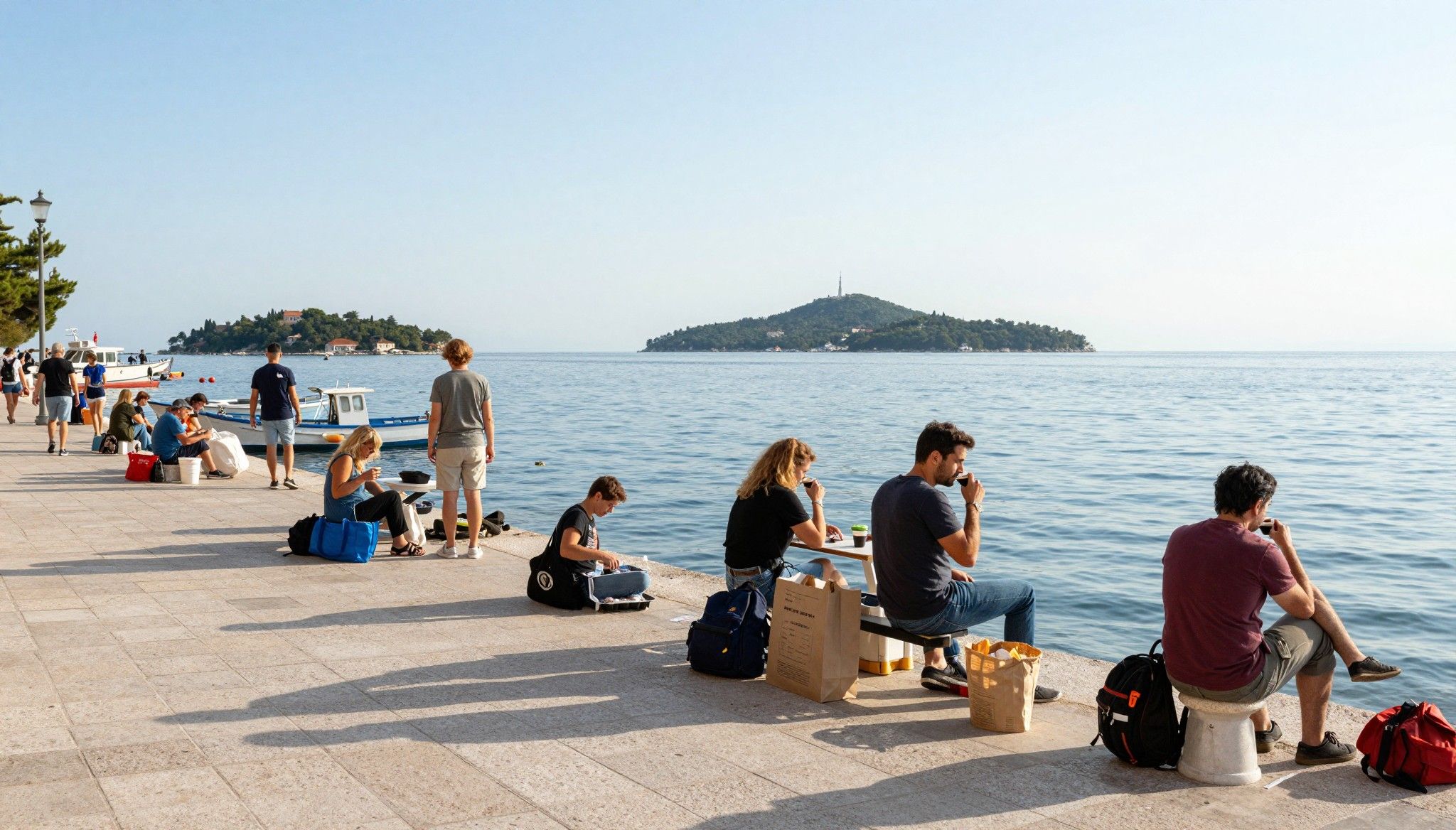
Malta is compact — 316 km² — so distances mislead: a 25‑minute drive can move you from Valletta’s baroque bustle to a seaside cove where the main sound is gulls and nets. In practice that means your daily rhythm depends on street choice: Sliema and St Julian’s hum with cafes, co‑working spots and evening life while places like Marsaxlokk and Mellieħa trade nightlife for long breakfasts, open-air fish restaurants and walkable harbours. For international buyers this compactness is a gift: you can live in a quiet coastal village and still reach city services within half an hour. That tradeoff — urban convenience versus intimate local life — is the central lifestyle decision in Malta.
Marsaxlokk: harbour mornings and market rhythms
Arrive before 09:00 on a Sunday and you’ll see fishermen hauling tuna onto the quay, and families queuing for fillets sold direct from boats — a ritual that shapes local menus and seasonality. That market life means kitchens and terraces matter: buyers here prize properties with good storage, a practical kitchen and a sunny balcony more than a rooftop gym. Streets are narrow and parking intermittent, so many residents prefer houses or maisonettes with private courtyards rather than city flats. If you imagine morning coffee interrupted by sea breezes and kids cycling to school along the promenade, Marsaxlokk delivers that wardrobe of daily moments.
Sliema & St Julian's: convenience, cafés and liquidity
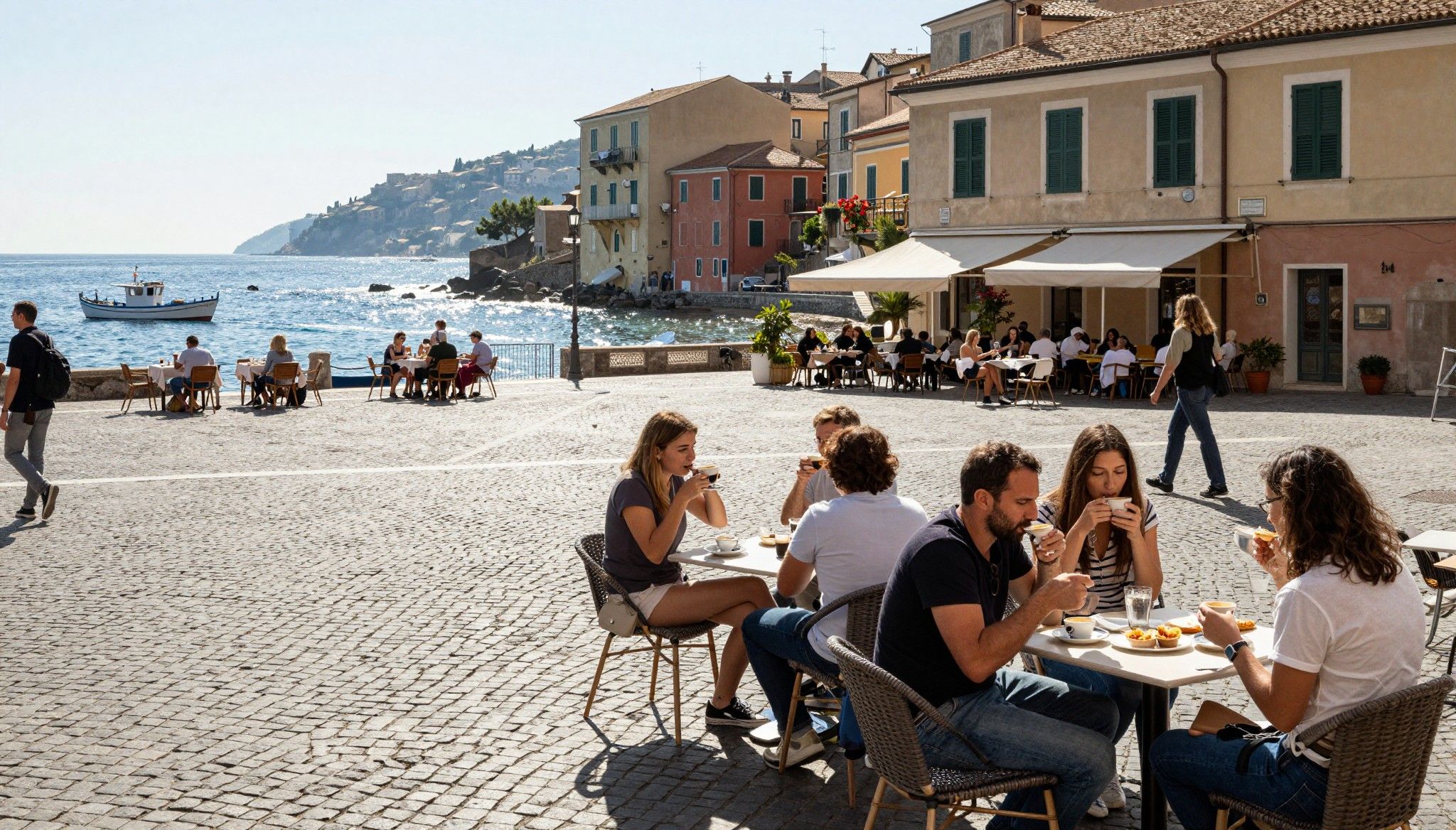
Sliema’s seafront promenades and St Julian’s mix of nightlife and serviced apartments create velocity: agents list and sell quickly, rental demand is steady, and amenities cluster around short walks. That translates into higher turnover — useful if you want liquidity or short-term rental income — but also into denser apartment living, smaller terraces, and more noise at night. For buyers dreaming of café culture and regular theatre or international-school options, these neighbourhoods answer differently than seaside villages. The question is which daily scenes you prefer: promenade walks with espresso stops, or quieter seafood lunches and cliff-side swims?
- Lifestyle highlights that change where you buy
- Marsaxlokk Sunday fish market and harbour-side lunches.
- Sliema promenade cafés, ferries to Valletta and shops.
- St Julian’s nightlife, serviced apartments and short-stay rentals.
Making the move: lifestyle-led practicalities
Dreaming of quiet mornings must meet reality: Malta’s Residential Property Price Index rose about 5% between 2023 and 2024 and continued into 2025 with annual growth in the mid‑5% range, meaning prices are climbing island‑wide. That momentum changes affordability and which neighbourhoods make sense as lifestyle investments: high‑turnover, central areas offer resale liquidity but at a premium, while quieter villages can offer relative value for buyers who prioritise daily life over market speed. Translate lifestyle into criteria before viewing: how much outdoor space, how much commute tolerance, and what local services you cannot live without.
Property types: what matches the life you want
In Malta you’ll typically choose between apartments, maisonettes and traditional townhouses. Apartments in Sliema and St Julian’s are efficient for city life and renting; maisonettes and townhouses in villages like Marsaxlokk or Birżebbuġa offer courtyards and terraces that extend daily living outdoors. If your life is largely social — restaurants, coworking, expat groups — an apartment near the promenade may be right; if you want cooking with fresh fish and morning sea air, prioritise a property with a kitchen facing the harbour or a sunlit terrace. Think less about “resale only” and more about how you’ll actually use the home for mornings, meals and weekend rituals.
Working with local experts who place lifestyle first
- Choose agents who know micro-neighbourhood rhythms: 1) ask for street-level tradeoffs (noise, parking, delivery access); 2) request comparison showings across a quiet village and a central promenade to feel the daily contrast; 3) insist on recent sold prices for similar units within a 6‑month window; 4) get an on-the-ground property manager quote to compare running costs and rental potential. These steps blend lifestyle senses with measurable metrics and shorten the gap between imagining life in Malta and living it.
Insider knowledge: what expats wish they’d known
Expat buyers commonly tell the same story: we wanted coastal quiet and found central convenience suit our social life — or vice versa. A repeated regret is underestimating seasonality: summer weekends in Sliema and St Julian’s are livelier and noisier, while winter reveals the true neighbourhood character. Another common surprise is how much local cafés and small grocers shape friendships; picking a street with at least one trusted barista or grocer accelerates feeling at home. Finally, buyers often underbudget for small but recurring items: shutter repairs, coastal paintwork and private water heaters — things that matter when you use a home year‑round.
Language, culture and making community
English is an official language in Malta, which flattens many integration barriers for international buyers and renters. Still, learning local Maltese phrases unlocks community warmth — neighbours are more likely to invite you to feasts or village festas if you acknowledge local customs. Expect strong parish identities: feast weeks, band marches and church events punctuate the year and shape local calendars. That local calendar influences property use — for instance, if your street hosts a festa, plan for temporary noise and blocked parking during celebration weekends.
Longer-term lifestyle considerations
Property inflation in 2024–2025 shows steady demand, which supports long-term value but compresses entry points — younger buyers find affordability challenging without tradeoffs between location and space. If you plan to live in Malta long-term, prioritise durability: thicker shutters for storms, terraces with shade for hot summers, and reliable water heating systems. For investors thinking lifestyle-led rental returns, pair a well-located apartment in Sliema with seasonal management plans; for owner-occupiers seeking calm, a maisonette in Marsaxlokk or Mellieħa will repay daily quality of life.
- Red flags and small prints buyers visiting for lifestyle should check
- Check coastal erosion and sea-spray exposure for external finishes and metalwork.
- Confirm parking rights — many village streets have limited resident bays.
- Ask for recent energy and water bills to estimate running costs in older townhouses.
Conclusion: pick the life first, then the postcode
If you want mornings by a harbour and fresh fish on the table, Marsaxlokk and similar south-coast towns outperform central liquidity for everyday happiness. If you value café culture, theatres and a faster resale market, Sliema or St Julian’s will match that energy. Use the data — Malta’s RPPI growth indicates rising prices island‑wide — to set realistic budgets, but let lifestyle scenes decide which tradeoffs you accept. Start by visiting two contrasting streets on the same day: a promenade and a village quay; the difference will clarify which property features to prioritise, and a skilled local agent can translate that preference into a short, targeted shortlist.
Swedish strategist who relocated to Marbella in 2018. Specializes in legal navigation and tax planning for Scandinavian buyers.