Rome vs Milan: Where Italy’s Lifestyle Value Hides
Compare Rome, Milan and coastal Italy: lifestyle differences, micro‑market data and practical steps that turn a romantic dream into a smart purchase.
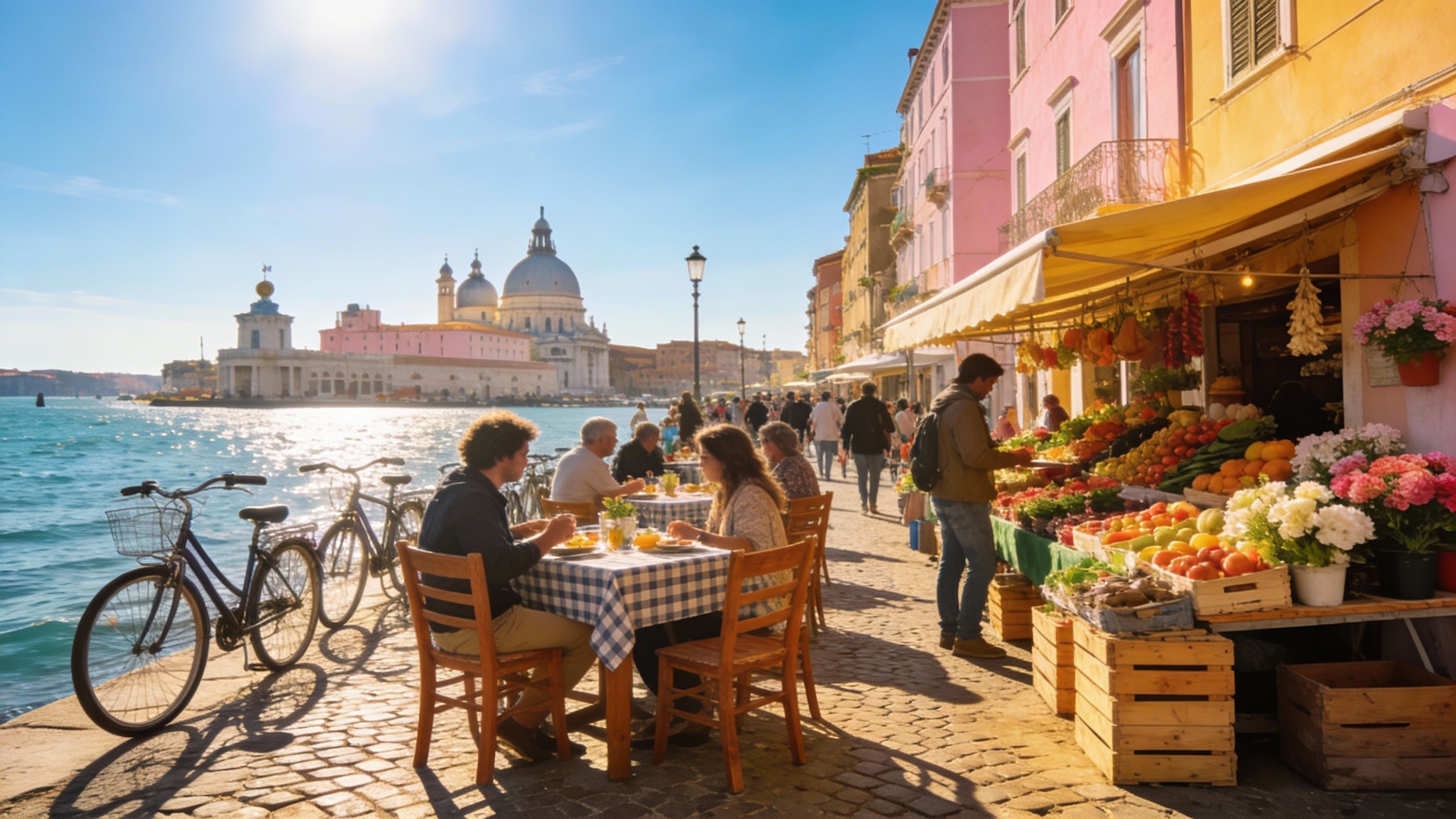
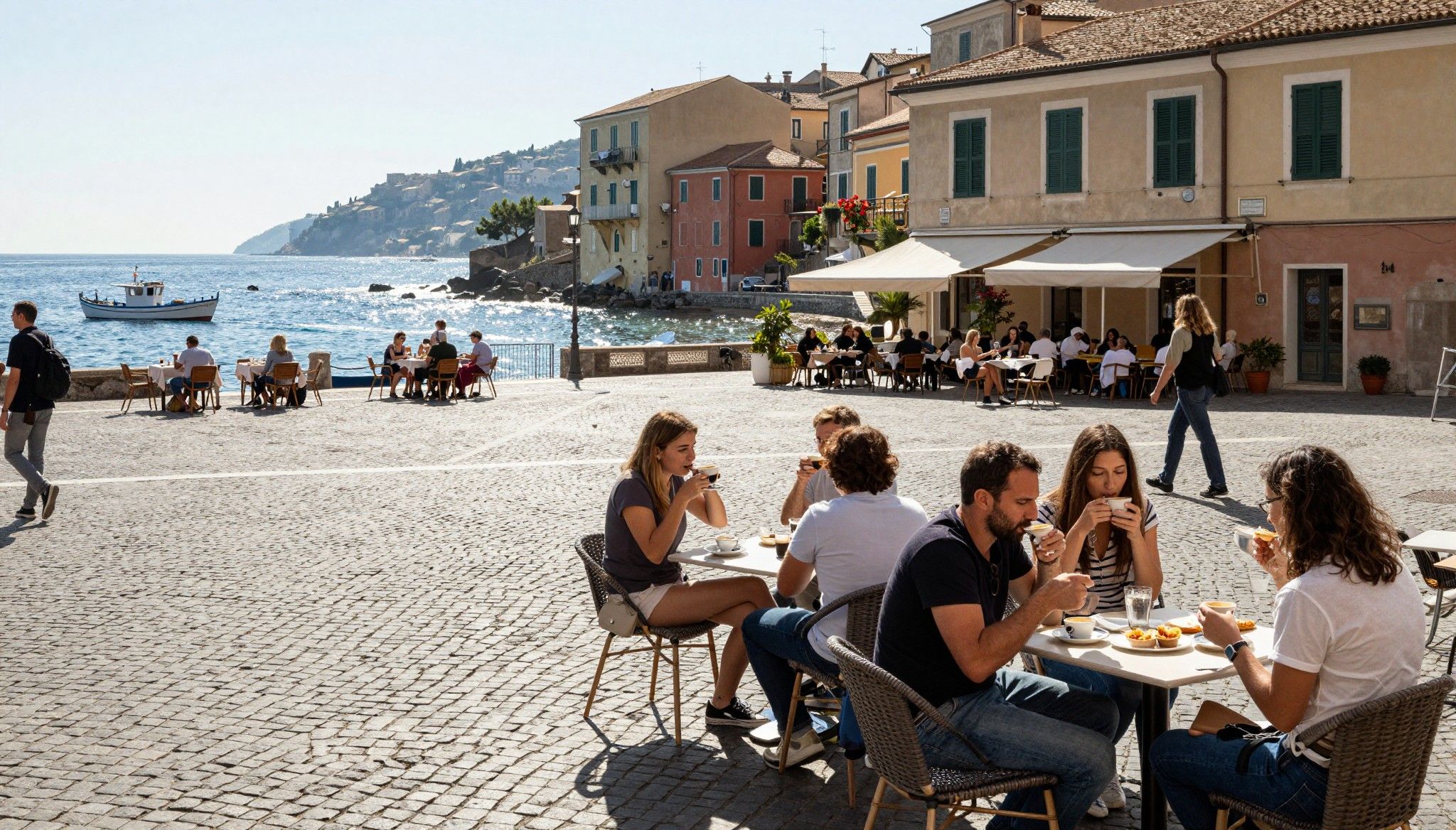
Imagine starting your morning with an espresso at a corner bar in Trastevere, then hopping a tram to work in Prati — the day feels unapologetically Italian: slow, sensory, and exquisitely local. Yet behind that postcard rhythm are real choices that shape where you buy: city, suburb, coast, or hill town. For international buyers, the question isn’t just price per square metre; it’s which version of Italy you want to live inside.
Living the Italy life: more than a view
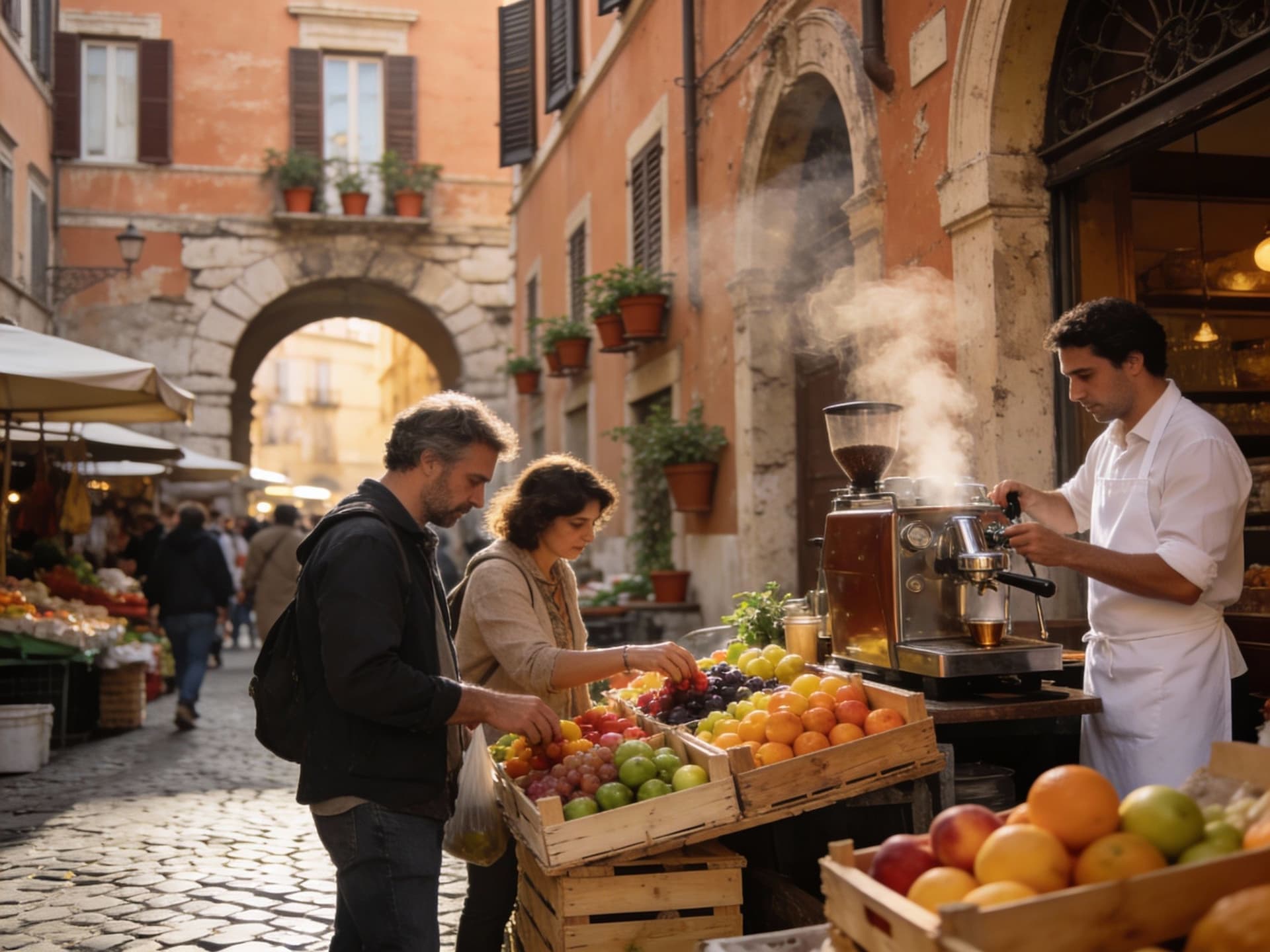
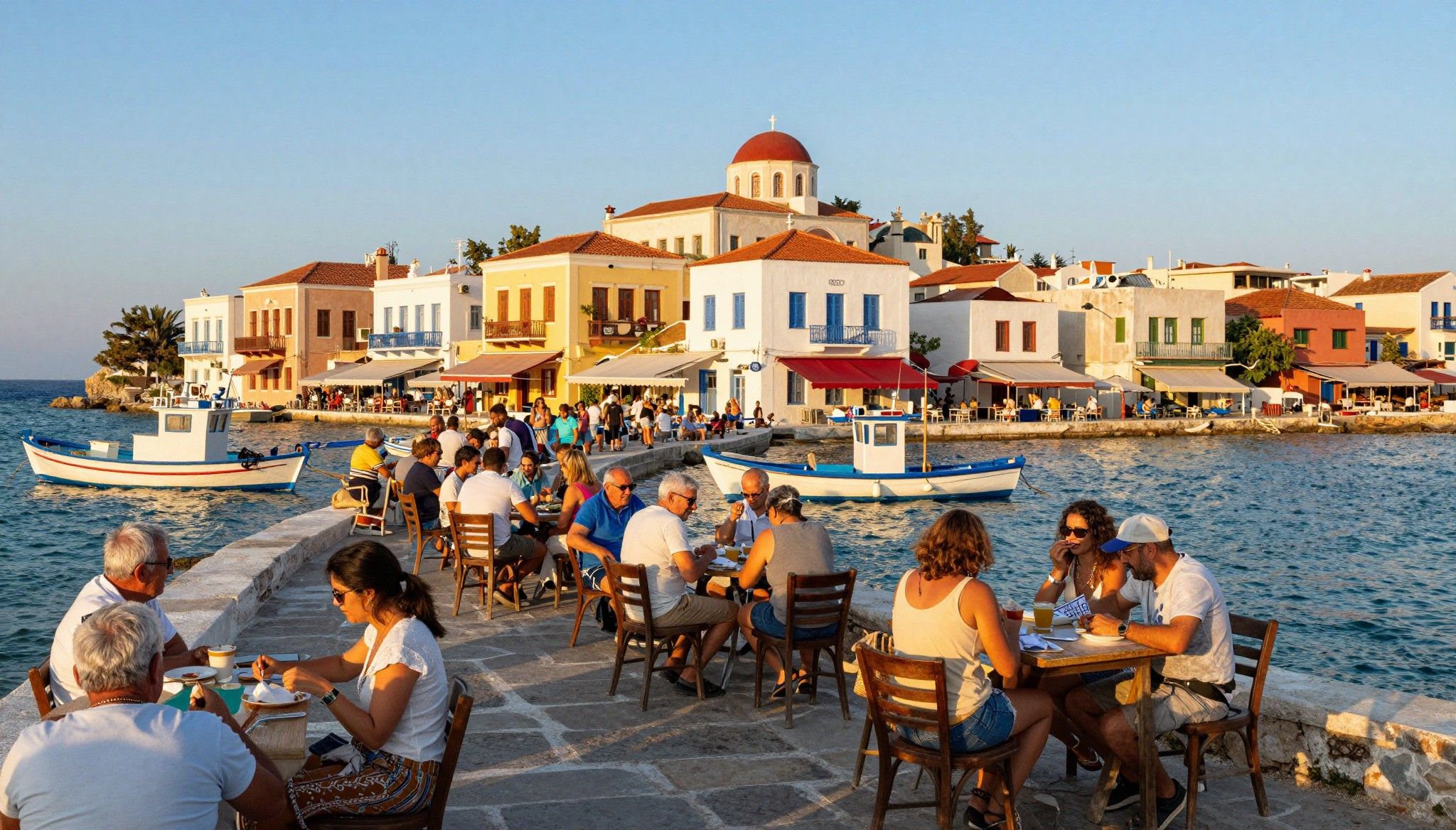
Italy’s daily life varies wildly by place. Milan hums with design studios and early-morning cafés; Rome mixes ancient streets with sudden pockets of new life; Genoa’s harbour and narrow caruggi offer sea-scented lanes; Puglia and Sicily deliver slow coastal routines. Average prices hide this variety — Milan commands city-centre premiums, while many coastal and southern towns remain accessible for buyers seeking lifestyle over headline prestige.
City pockets: the texture of neighbourhood choice
Walk Milan’s Navigli at dusk and you’ll sense the premium: aperitivo crowds, design boutiques, and a quick metro to work. But the city’s outskirts — Magenta, Abbiategrasso, Garbagnate — present markedly lower per-metre prices while still offering commuter links and renovated stock. Choosing a neighbourhood is a lifestyle decision: do you want the city’s pulse on your doorstep, or the weekend calm of a tree-lined suburb?
Rome’s advantages: space without sacrificing culture
Rome often surprises buyers who assume it’s as expensive as Milan. In reality, renovation-led pockets and strategic urban renewal mean you can find apartments close to vibrant markets and ancient piazzas at prices that compare favourably with Milan’s core. Rome trades the razor-edge efficiency of Milan for generous living space, layered history, and an evolving events calendar that boosts long-term rental demand.
- Lifestyle highlights to look for
- Trastevere (Rome) — cobbled lanes, neighbourhood trattorie, evening passeggiata
- Navigli (Milan) — canalside bars, design studios, strong transport links
- Boccadasse and Nervi (Genoa) — sea access, fish markets, relaxed local rhythm
Making the move: practical considerations that keep the lifestyle intact
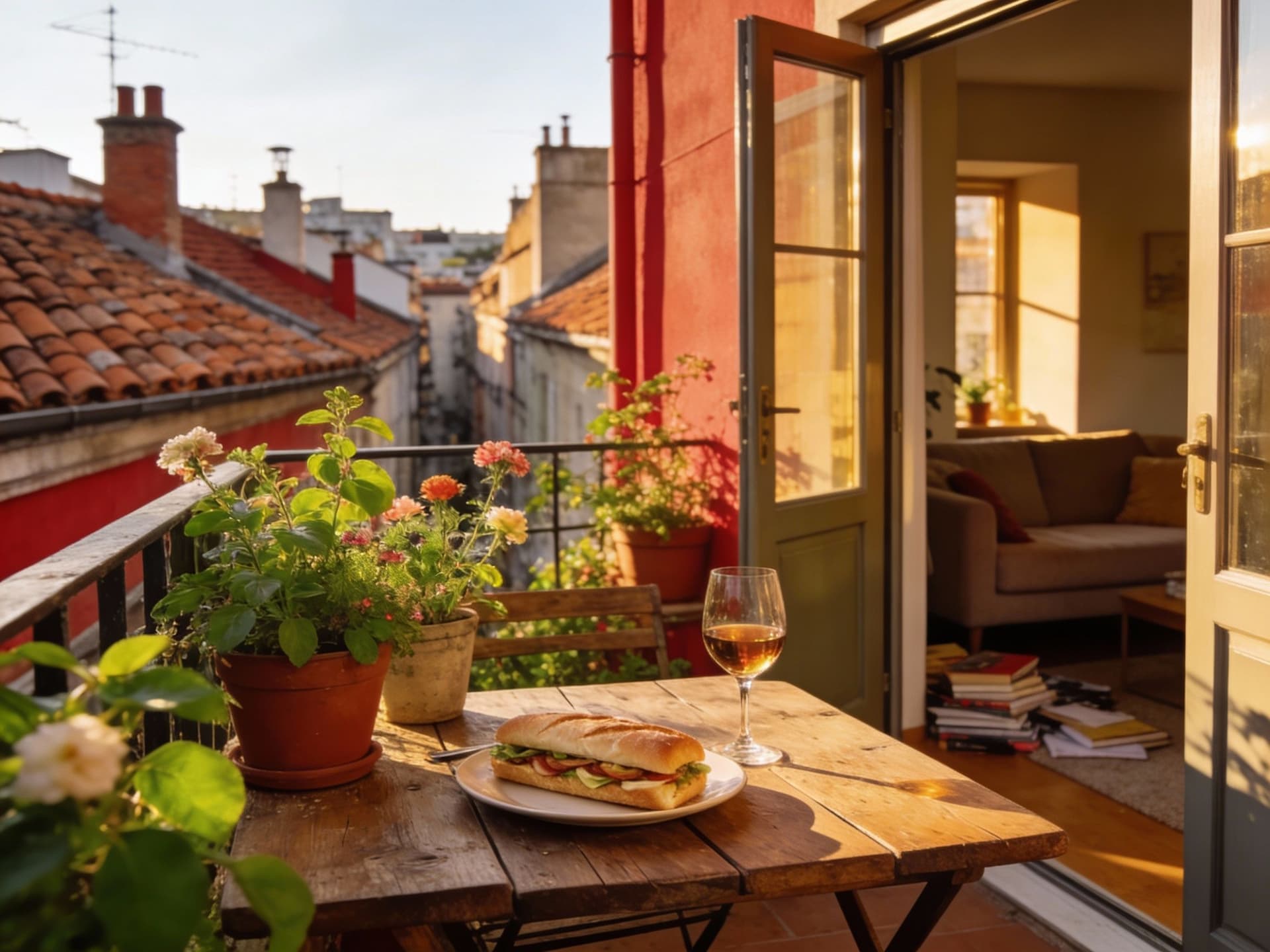
Dreams meet contracts: market momentum, renovation potential and local rules shape whether a neighbourhood will deliver the life you pictured. National trends show modest price growth and stronger demand for new, energy-efficient homes — but regional variation is the rule. Translating lifestyle into a property brief requires local data, a trusted agent, and a clear decision on use: primary home, holiday retreat or income asset.
Property types and how they feel day-to-day
Historic centre apartment: compact rooms, high ceilings, immediate culture — perfect if you want walkable life but expect higher renovation bureaucracy. Modern apartment/new-build: insulation, lifts, private parking and energy efficiency — suits families and remote workers. Country villa: space and privacy, but factor in maintenance, winter access and lower rental liquidity.
Working with local experts who preserve lifestyle value
- Steps to align lifestyle with purchase
- 1) Define the life you want: morning routine, commute tolerance, weekend rituals; map those to neighbourhoods.
- 2) Ask agents for local comparables within a 500–1,000 m radius — micro‑markets matter more than city averages.
- 3) Prioritise energy class (A/B) in Italy — better efficiency saves money and appeals to renters.
Insider knowledge: what expats wish they’d known
Expats commonly underestimate the importance of micro-neighbourhood culture: a market stall that opens three mornings a week, a favourite barista, or a local festa can define happiness more than square metres. Bureaucracy is real — permits and notary timelines matter — but the social fabric and everyday rituals are the currency of living well in Italy.
Cultural cues that change where you buy
Language matters but so does gesture: being present at local markets, supporting a favourite osteria and learning basic Italian opens doors. In coastal towns, expect a summer rhythm of tourism; in university cities, an autumn pulse. These cues influence rental seasonality and resale appeal, so match your lifestyle aim (quiet retreat versus revenue-generating holiday home) to local tempo.
Long-term lifestyle and investment considerations
Look beyond 12-month headlines: northern and central regions generally carry price resilience, while southern and island markets often offer upside via renovation and tourism positioning. New-build demand has been stronger in recent cycles, and rental growth in cities has started to outpace sale-price rises — a sign that income strategies can work if you choose well-located properties.
- Practical red flags and quick checks
- Unclear property title or unresolved servitudes — insist on a title search before offers.
- Buildings with low energy class and no upgrade path — higher running costs and lower rental demand.
- Neighbourhood seasonality that kills off-year life — visit in winter before buying a seaside retreat.
Conclusion: Italy rewards buyers who pair imagination with local rigor. If you want piazza mornings and market rituals, plan visits across seasons, lean on agents who know micro‑markets, and pick property types that match the life you intend to live. Agencies aren’t gatekeepers — they’re translators: they help turn the idea of Italy into an address you’ll wake up to happily.
Dutch investment strategist with a Portugal-Spain portfolio. Expert in cross-border financing, rights, and streamlined due diligence for international buyers.