Valletta Charm vs Sliema Liquidity: Malta’s Tradeoffs
Malta’s lifestyle premium is real: choose Valletta’s history or Sliema’s liquidity wisely — RPPI data shows prices rising and land scarcity reshaping value.
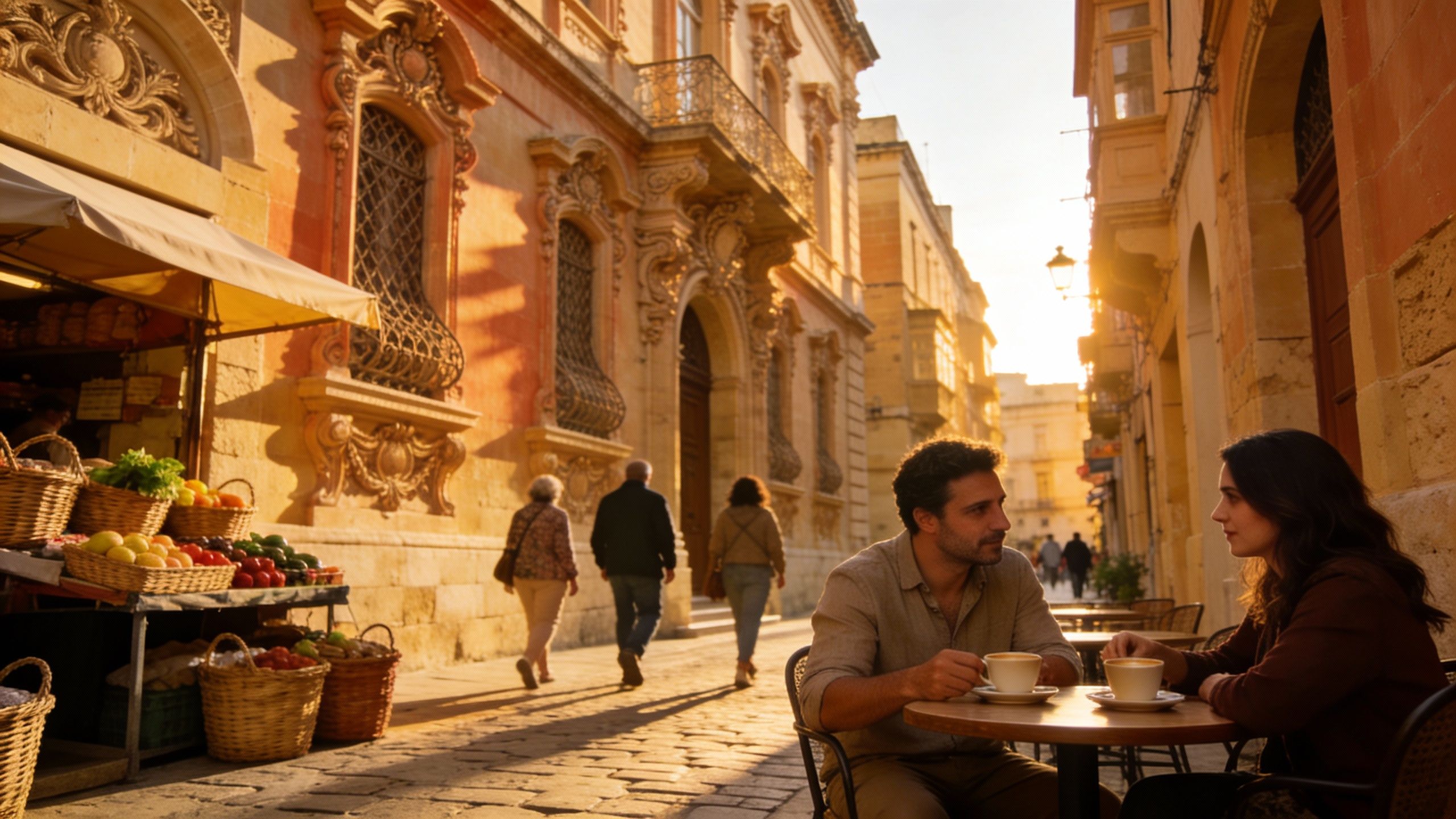
Imagine sitting at a pavement table on Republic Street, Valletta, the clink of espresso cups and the trampling of tourist groups mixing with locals picking up fresh bread. That sensory jolt is Malta: compact, sunlit, and dense with history — but also a market where rising prices and scarce land create tough tradeoffs for buyers. This piece compares the lived life in Malta’s signature neighborhoods with the market realities you’ll face when you buy, using recent RPPI figures and local reporting to separate romance from transactional truth. If you want the island life, understand where the lifestyle premium is paid — and where a savvy compromise can get you both sea air and liquidity.
Living the Malta life: compact, social, sea-close
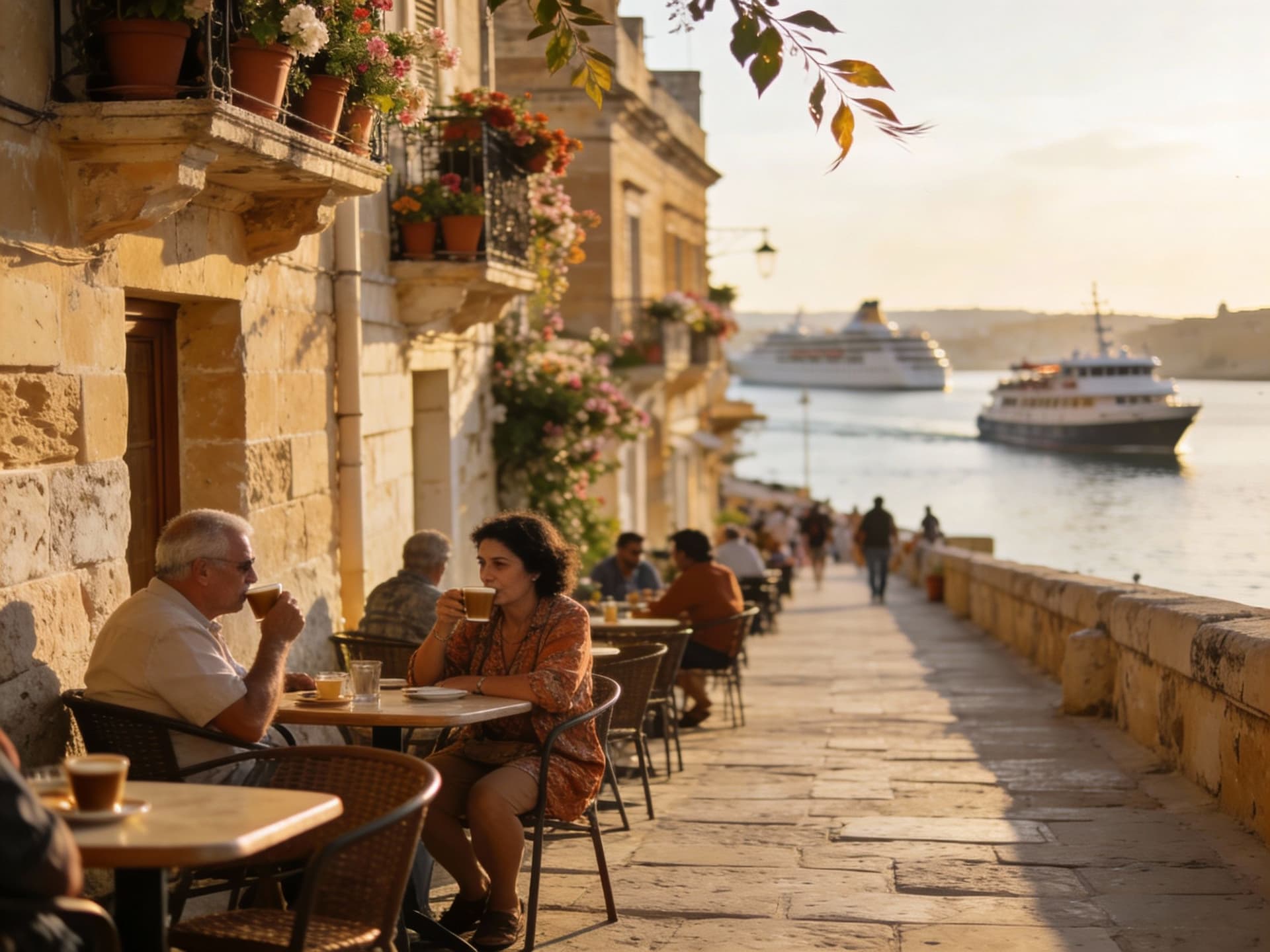
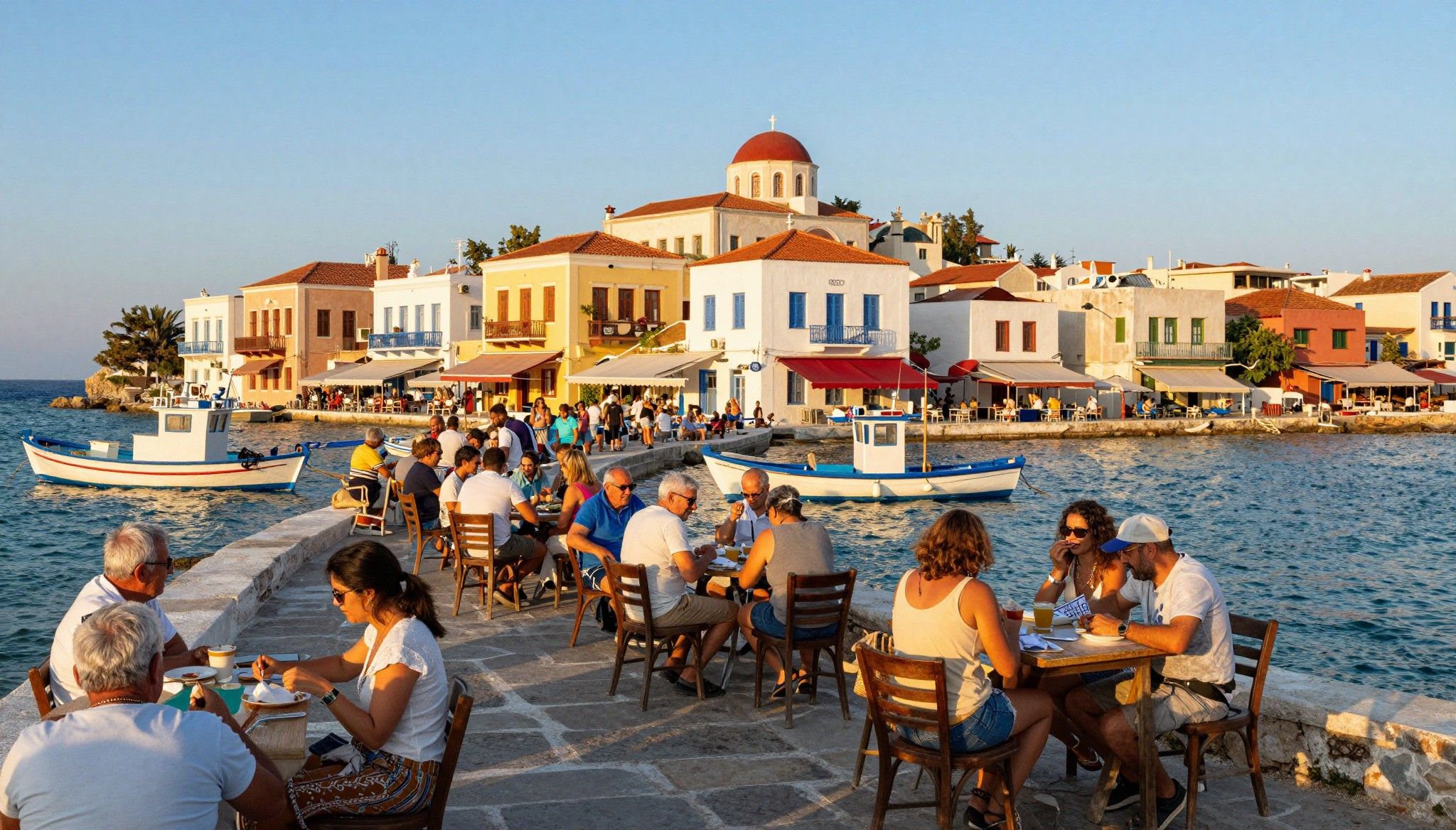
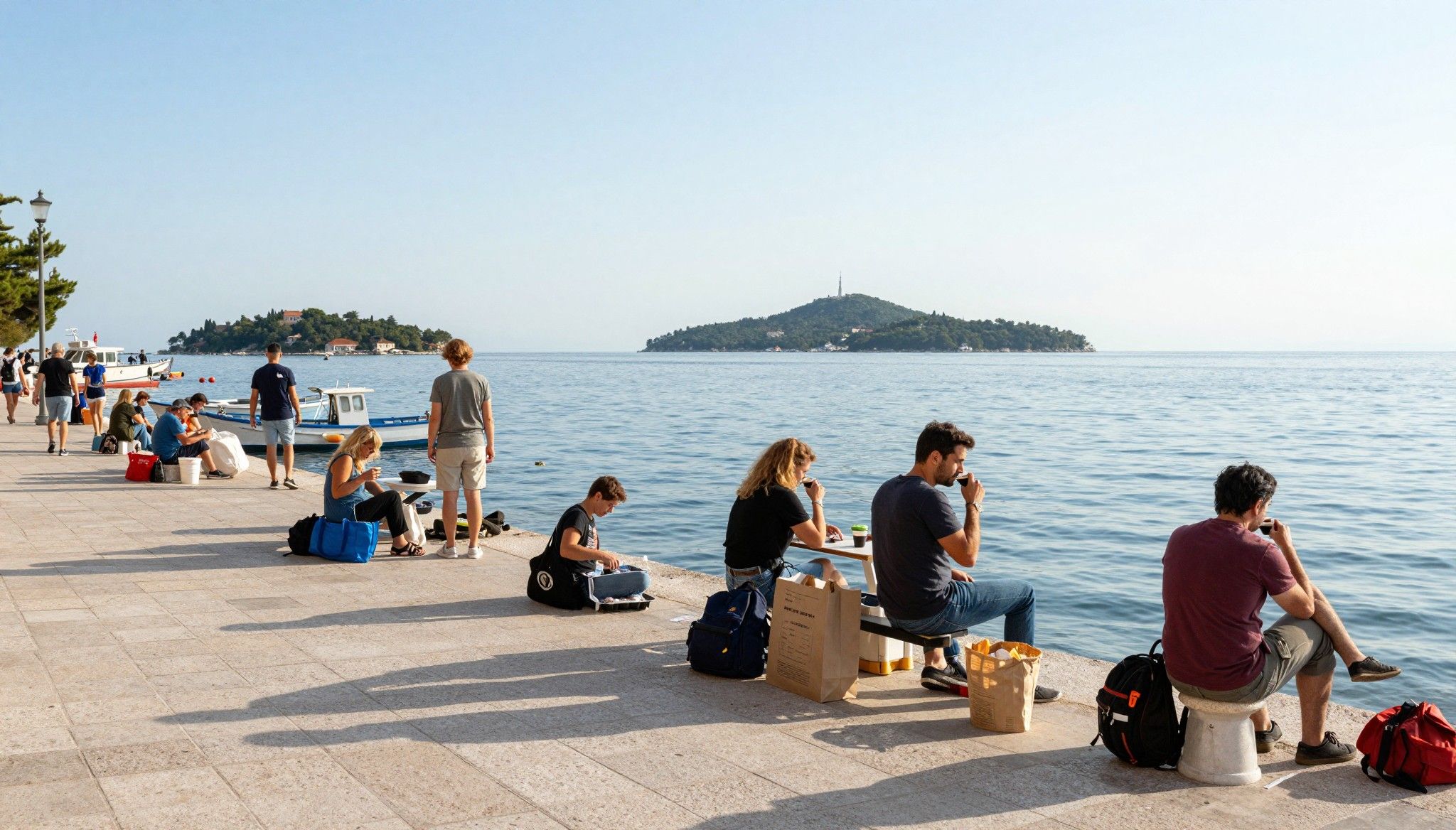
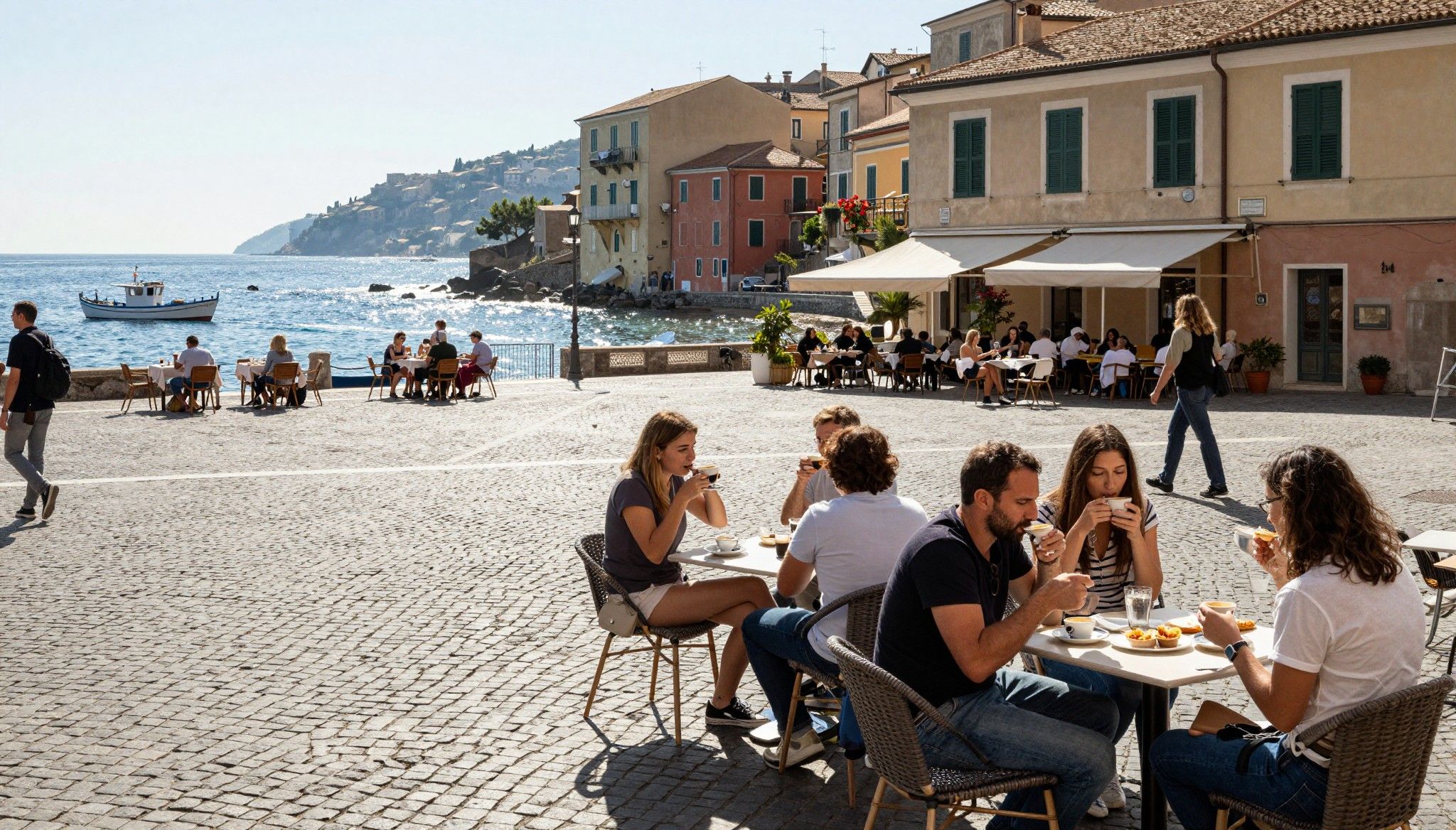
Malta feels like a string of villages stitched along a Mediterranean coastline: Valletta’s stone streets, Sliema’s sea promenades, St Julian’s buzzy bars, and the quieter bays of Mellieħa and Gozo. Each place has its own daily rhythm — morning markets in Marsaxlokk, late dinners in St Julian’s, and Sunday swims at Ghadira Bay — and these rhythms shape what properties sell for and how they function in real life. Recent official data show prices continue to climb, so the lifestyle you pick will often determine the premium you pay. Think of choosing a neighbourhood as choosing a living tempo as much as a home.
Valletta: historic compactness, culture on your doorstep
In Valletta you buy stone, history and walkability: narrow streets, baroque churches, and small-scale cafes. Apartments here tend to be older, require sensitive renovation, and come with a lifestyle premium — you trade large outdoor space for proximity to museums, theatres and harbour views. For buyers focused on culture and a highly walkable day-to-day, Valletta is unmatched, but expect renovation timelines, heritage constraints and higher per-square-metre costs compared with suburban alternatives.
Sliema & St Julian's: convenience, sea promenades and liquidity
Sliema and St Julian’s offer modern apartment living, easy ferry links to Valletta, international shops and a predictable rental market — which makes them liquid for investors and comfortable for families who want conveniences. These suburbs command some of the highest per-metre prices on the islands, yet they give you regular rental demand and resale ease. If you prioritise weekday comfort, good cafes along the promenade, and a move-in-ready unit with a terrace, these areas deliver — at a price.
- Lifestyle highlights: streets, food and small pleasures
- Republic Street (Valletta) espresso ritual: bakeries open at 07:30, street musicians by noon, and opera rehearsals echoing from old palazzi.
- Sliema promenade walks: morning joggers, seaside cafes, and fast ferries to Valletta — ideal for commuters and weekend strollers.
- Marsaxlokk Sunday fish market: buy fish at dawn, then walk along the harbour for casual lunches and local colour.
Making the move: practical tradeoffs that shape your life
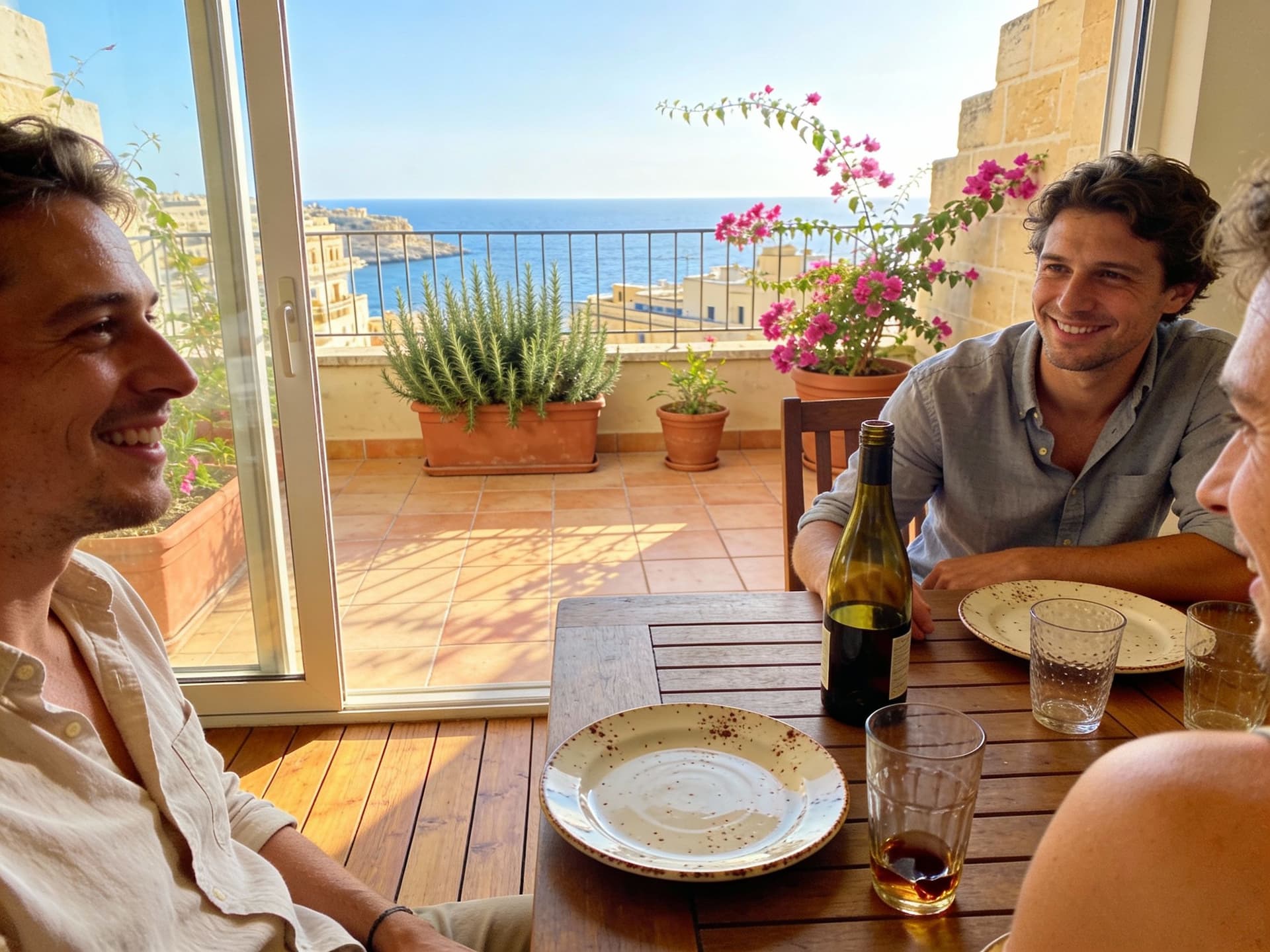
Lifestyle choices translate directly into price and transaction complexity in Malta. Official RPPI figures show consistent annual growth — maisonettes and apartments rose notably in recent quarters — and NSO analysis points to land scarcity as a primary driver of value. That scarcity means developers and sellers price location and outdoor space sharply, and renovation-ready historic units often bring regulatory hurdles. Pin your priorities early: proximity to the sea, terrace size, or short-term rental potential — each changes the deal you should be seeking.
Property styles and what they mean for day-to-day life
Maisonettes and mid-century blocks in Sliema offer balcony living and quicker modernisation; traditional palazzos in Valletta reward careful restoration with vaulted rooms and thick walls that stay cool in summer. New-builds are rare and sit at the pricier end, but they give you modern insulation and legal clarity. Which you pick alters monthly costs (heating/cooling, maintenance), the renovation timeline, and your neighbour mix — students, seasonal visitors or long-term Maltese families.
Working with local experts who get both life and law
Agencies and lawyers in Malta do more than list buildings: they translate municipal norms, heritage constraints, and residency options into realistic timelines. With recent legal scrutiny around investor programmes and EU rulings, diligence is more important than ever — not because you can’t buy, but because the paperwork and reputational checks are detailed. Choose advisers who explain how neighbourhood life sits with zoning, permit timelines, and any residency implications for your plans.
- Steps that blend lifestyle and transaction sense
- 1) Spend weekdays and weekends in your target neighbourhoods to sense true rhythm — Valletta by day is different to Valletta by evening.
- 2) Match property type to use case: buy a palazzo for long-term living, a modern apartment for rental yield or liquidity.
- 3) Ask your agent for comparable rents and recent sale prices in the last 12 months — local data matters more than broad averages.
Insider knowledge: expat truths, seasonal realities and red flags
Expats often romanticise Malta’s compactness and English-speaking ease, and that’s fair — English is an official language and makes integration quicker for many. But newcomers also report unexpected realities: noise from nightlife districts, limited parking, and renovation surprises in older buildings. Seasonality matters: July and August fill the island with tourists, altering neighbourhood rhythms and short-term rental incomes, while winter reveals which areas are truly lived-in year-round.
Cultural integration and daily practicalities
Maltese social life is civic and cafe-centred: expect invitations to festa nights, street barbecues, and strong local ties. Language is less of a barrier — English works in shops, agencies and government — but learning Maltese opens doors in neighbourhoods where long-standing families shape community life. For families, local schools and healthcare are compact and accessible, but you should verify commuting times and local school capacity in your chosen suburb.
Red flags and practical checks
- Watch for speculative land premiums: recent NSO-based reporting shows land value now accounts for much of dwelling prices; a parcel priced for potential development can skew valuations.
- Confirm permit history: many older renovations were done informally — insist on clean permits and structural reports before buying.
- Short‑term rental saturation: in popular areas seasonal income can be attractive but also volatile and locally regulated.
Conclusion: marry the life you want with a pragmatic purchase plan
Malta’s appeal is immediate: sea, stone, and a social Mediterranean rhythm. The market reality is also clear — consistent price rises and land-driven premiums mean the lifestyle you want will determine both cost and complexity. Spend time living in your chosen neighbourhood, align property type with your intended use (live, rent, or a hybrid), and work with local agents and legal advisers who explain not just the contract but the daily life you’ll inherit. If you want help turning a lifestyle snapshot into a realistic shortlist, an experienced Malta-based broker can translate ambience into comparables, timelines and negotiation levers.
British investor turned advisor after buying in Costa del Sol since 2012. Specializes in cross-border compliance and data-driven investment strategies for UK buyers.