Valletta’s Quiet Corners That Outsmart Seafront Hype
Malta compresses big-city variety into island-sized neighbourhoods — buy for daily life, not just views; recent NSO RPPI data shows 5–6% annual price growth.
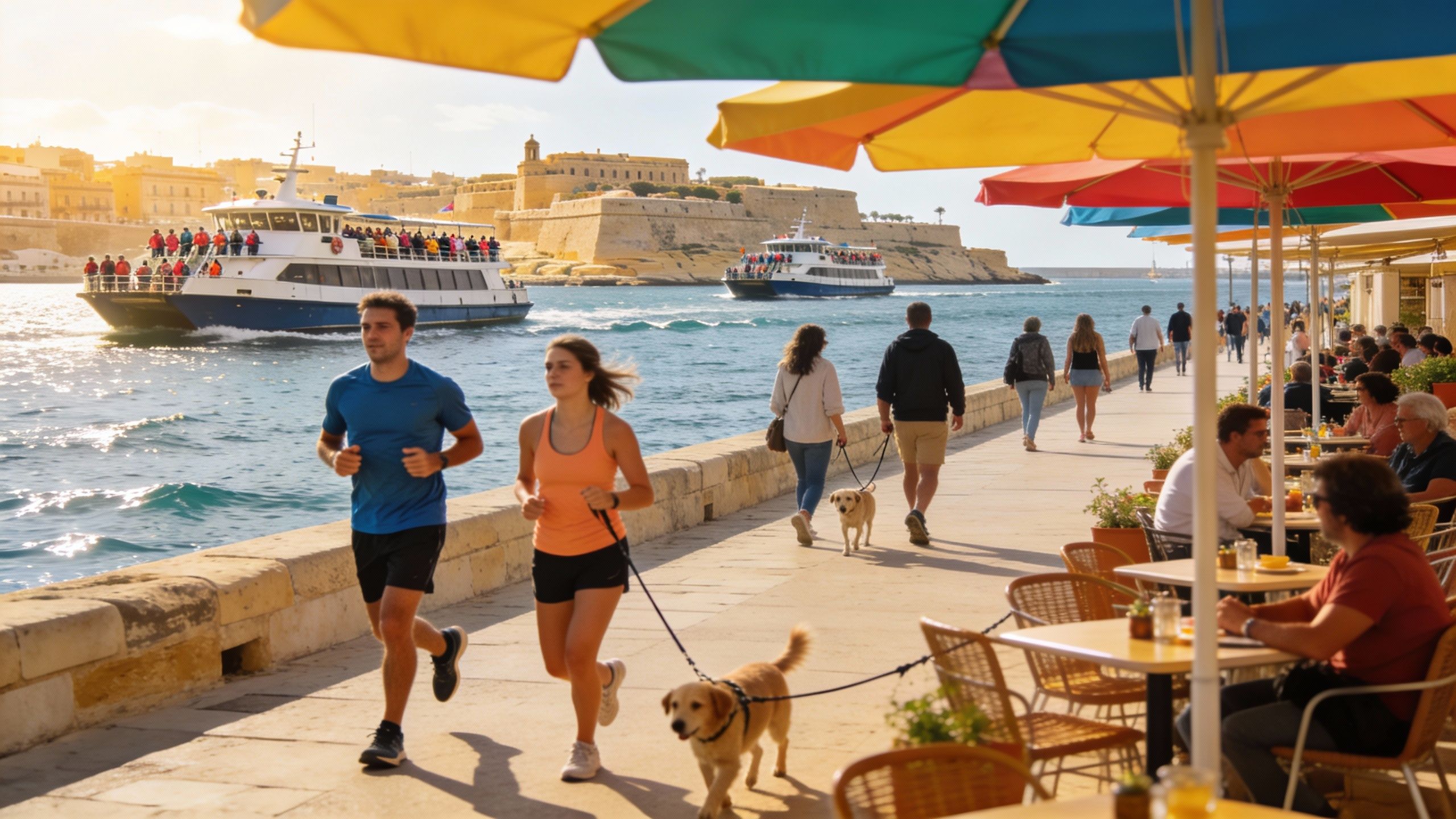
Imagine an early-morning walk through a narrow Valletta lane: limestone walls warming under a pearly sun, an espresso steaming at Cafe Cordina, fishermen hauling crates at the Grand Harbour and the city’s domes rising like punctuation marks. That sensory contrast — historic intimacy pressed against active seaside life — is Malta. It’s compact, social, English-friendly and deceptively varied; the island’s small size compresses neighbourhood character and market quirks into short distances, which changes how you buy as much as where.
Living the Malta lifestyle: compact, sociable, seasonal
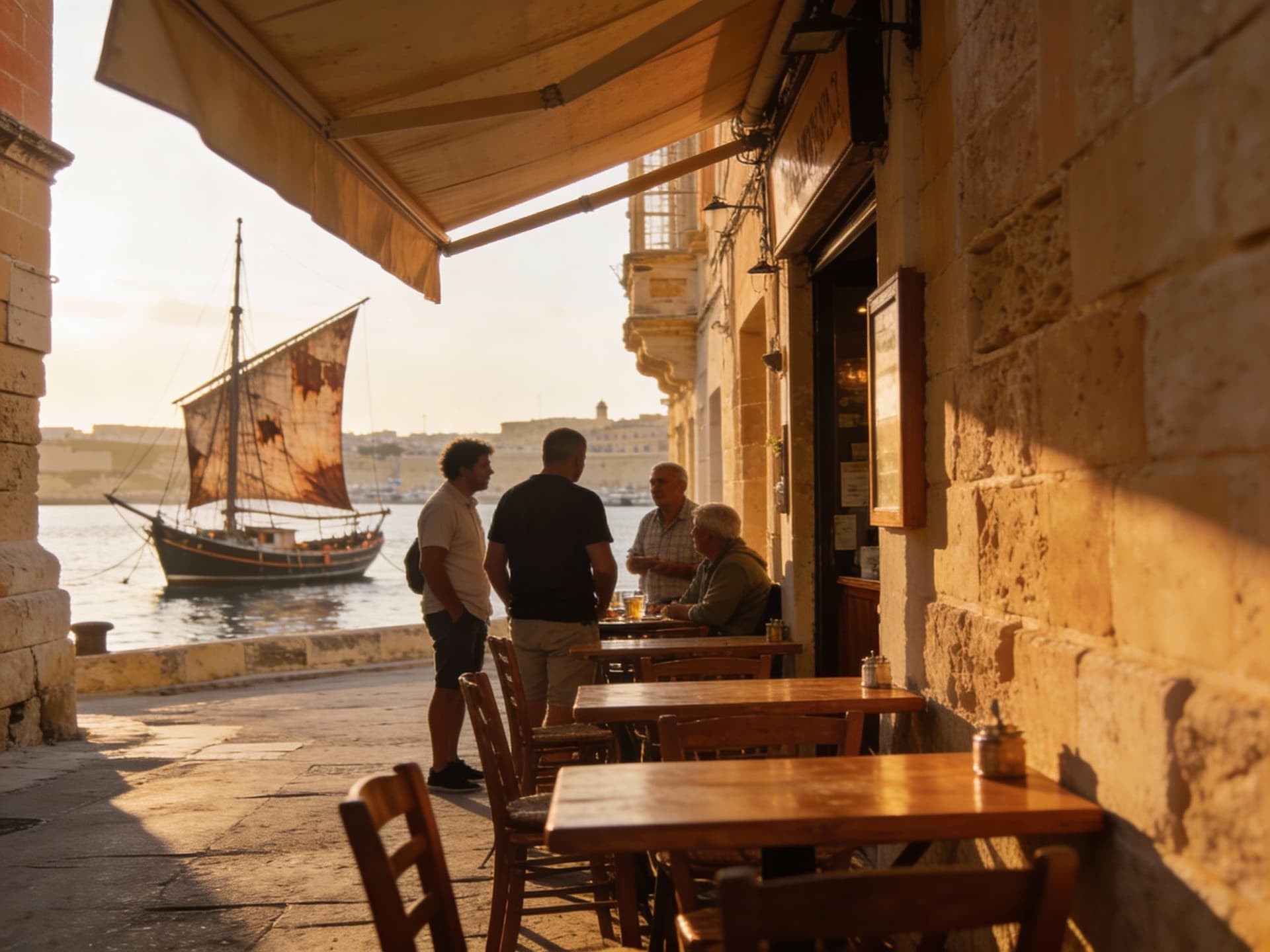
Daily life in Malta feels like being part of a continuous neighbourhood conversation. Sliema’s waterfront promenade hosts morning runners and evening families; St Julian’s juggles slick restaurants with Paceville’s nightlife; Marsaxlokk still empties onto its fish market on Sundays. Because the island is small, a 20–30 minute drive can move you from medieval streets to sandy coves — a luxury of variety. For buyers that matters: location dictates lifestyle more than square metres.
Valletta & The Three Cities: history on your doorstep
Valletta and the Three Cities (Vittoriosa, Senglea, Cospicua) offer a life where every turn is a historic tableau. Narrow streets mean apartments with character — high ceilings, internal courtyards, traditional timber balconies — and a rhythm defined by small bakeries, neighbourhood bars and cultural events. For buyers, these properties often require renovation know-how but reward with unique character and strong short-term rental demand when managed correctly.
Sliema–St Julian’s: café culture, seafront living and mixed moods
If you want terrace cafés, seafront walks and easy access to services, Sliema and St Julian’s are the obvious draws. Spinola Bay’s cafes and Balluta Bay’s promenade host a mix of locals and expats; apartments here fetch a liquidity premium because of proximity to amenities and the ferry links to Valletta. That premium reflects demand for convenience more than architectural superiority — something to factor into valuation.
- Lifestyle highlights you can live: Valletta espresso at Cafe Cordina; Sunday fish market in Marsaxlokk; cliff swims at St Peter’s Pool; morning jogs along Sliema promenade; traditional festas in small towns; the Mdina Silent City at dusk.
Making the move: practical choices that preserve the lifestyle
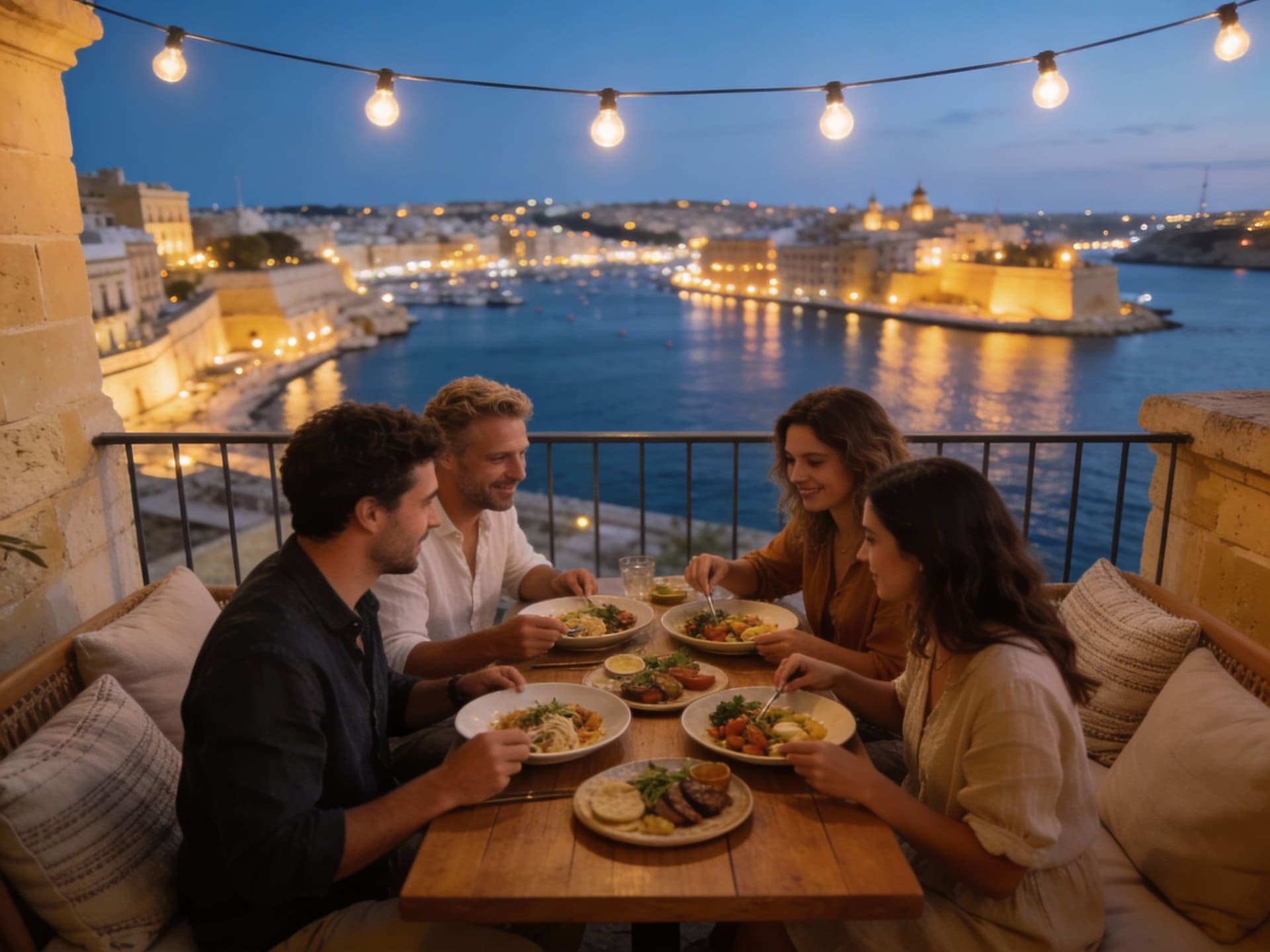
Dreams collide with data in Malta: prices keep rising, with the Residential Property Price Index climbing roughly 5–6% in recent annual readings. That momentum is driven by limited land, strong demand for central locations and an outsized share of apartments in the housing stock. Buyers who prioritise lifestyle (walkability, cafes, harbour access) pay a premium — but that premium often matches liquidity and rental demand. Use official RPPI releases to benchmark expectations before offers.
Property types and how they feel to live in
From limestone townhouses in Mdina to modern seafront apartments in Sliema, each property type shapes daily life. Maisonettes offer terraces and street access for sociable owners; apartments provide proximity to services and easier rental management; converted townhouses give quiet courtyards and heritage charm but often need structural work. Match the property to how you’ll spend time: cook at home, entertain outdoors, commute to offices, or host short‑stay guests.
Working with local experts who understand lifestyle value
- 1. Ask agents for neighbourhood day-and-night photos and noise patterns; lifestyle is sensory and time-dependent. 2. Insist on documented rental performance (if you plan to rent) rather than anecdote. 3. Use architects familiar with Maltese limestone and ventilation needs for renovations. 4. Verify municipal plans — Malta’s land scarcity makes planning changes unpredictable. 5. Consider property management that combines local concierge with international marketing.
Insider knowledge: what expats wish they’d known
The common expat regrets aren’t about culture or cafes; they’re about underestimating practical details. Many buyers assumed seaside views guaranteed good value; instead, centrality and access (ferries, shops, schools) often determine resale and rental liquidity. Another surprise: small islands amplify minor inconveniences — a single road closure or seasonal noise can affect daily life more than on a large mainland city. Recent NSO commentary shows land scarcity pushing overall housing value higher, so plan for less price flexibility in core neighbourhoods.
Cultural integration, language and daily routines
English is an official language, which flattens many daily barriers: doctors, banks and schools communicate easily with international buyers. Still, participating in local festa traditions, market mornings and neighbourhood clubs accelerates belonging. Expect direct social warmth: neighbours check in, shopkeepers remember names and community life revolves around shared meals and streets rather than gated solitude.
Long‑term lifestyle trade-offs to weigh
Will you prioritise seasonal vibrancy (St Julian’s summer buzz) or year‑round calm (Gozo or inland villages)? Decide if maintenance of historic features — timber balconies, lime-washed walls — appeals or drains energy and budget. For investors, note Malta’s high land-value share: functional modernity (good insulation, ventilation, lift access) can outperform romantic features when resale matters.
- Practical checklist before making an offer: get recent RPPI data; commission a structural survey for older limestone properties; confirm utilities and refuse collection schedules; ask for three years of running costs; check local planning restrictions for extensions or pool installations.
If you’re already picturing life on a balcony over Spinola Bay or a courtyard in Mdina, remember this: Malta sells lifestyle in compact doses. The best buys balance sensory appeal with practical resilience — honest agents who know which streets hold noise after midnight, architects who understand limestone, and local managers who can turn a weekend home into a reliable income stream. Start with a clear picture of the daily life you want, use official market data to set realistic budgets and then let local specialists translate the dream into a safe, staged purchase.
Next steps: download the latest RPPI release, shortlist three neighbourhoods by lifestyle fit, and commission a neighbourhood report from a Maltese agent that includes noise profiles, planning constraints and rental comparables. That way you’ll buy not because a view moved you, but because a place will actually sustain the life you came for.
Danish relocation specialist who has lived in Barcelona since 2016. Helps families move abroad with onboarding, schooling, and local services.