When France Outshines Portugal for Coastal‑City Portfolios
France’s market returned to growth in early 2025; pair its seasonal variety with Algarve/Lisbon lifestyle to diversify a two‑country property plan.
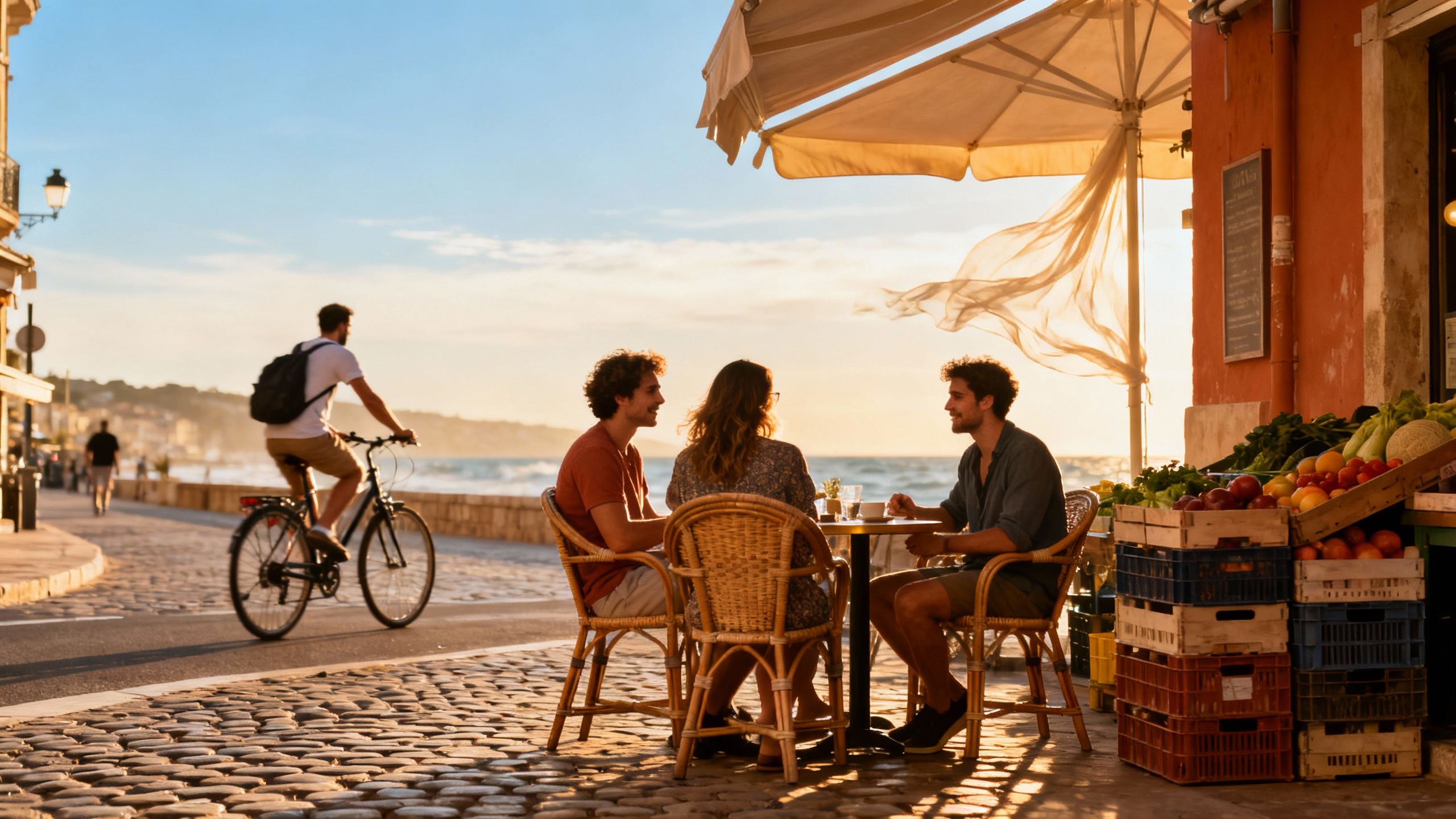
Imagine sipping coffee on a shaded terrace in Aix, then catching an evening train to Paris for a theatre night — France lets you live both coastal calm and metropolitan momentum without abandoning either. For buyers who already love Portugal’s Algarve beaches or Lisbon’s light, France often looks like a different rhythm and a different return profile. That contrast matters if you’re building a two‑country portfolio and want lifestyle variety with balanced risk. According to recent market analysis, prices in metropolitan France began rising again in early 2025, signalling renewed activity and new opportunities for diversification.
Living the French Life: texture and tempo
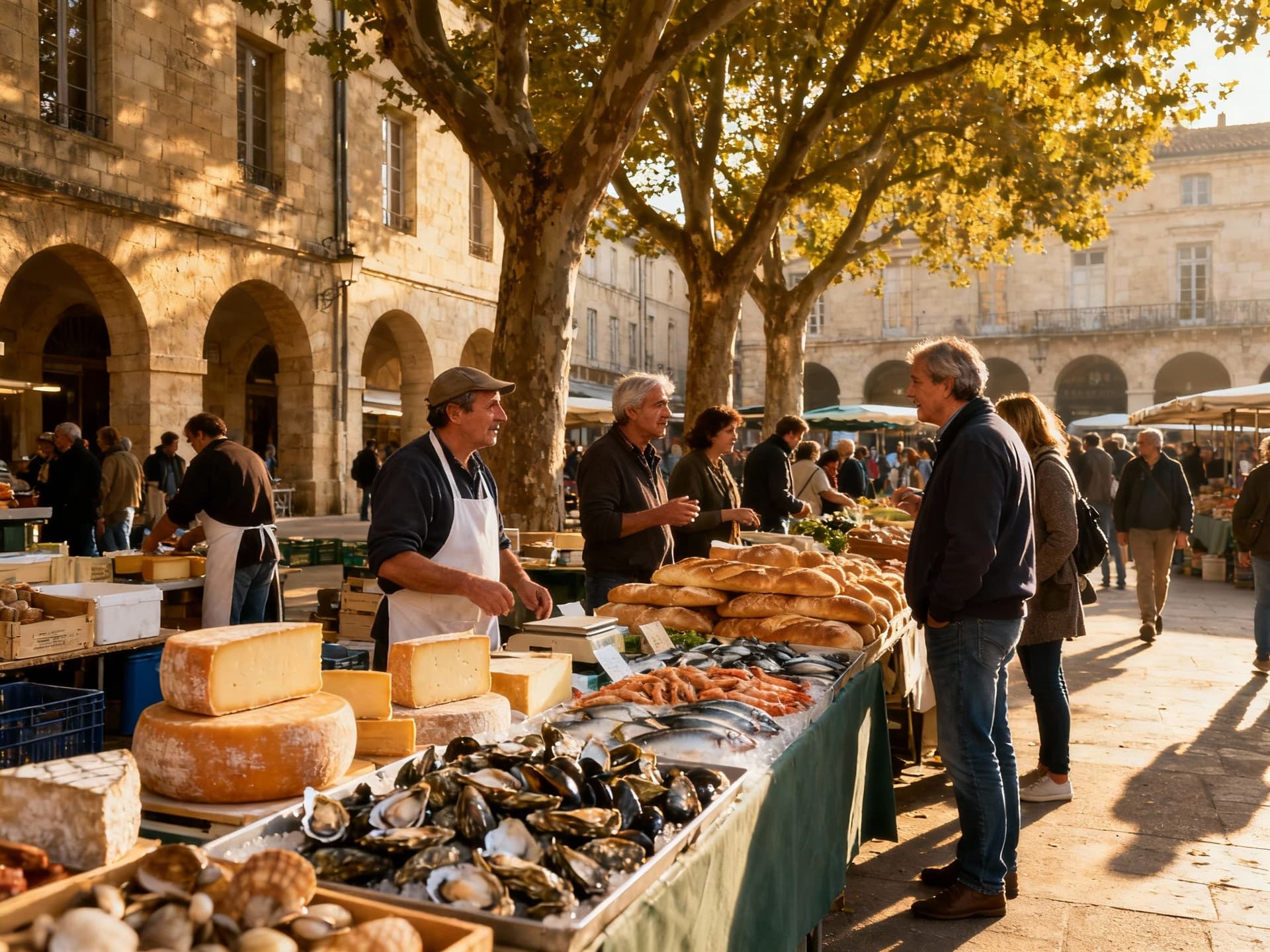
France is a patchwork of daily rituals that shape where you want to live. Mornings in Marseille start with fishmongers and noisy markets; in Bordeaux they begin with bakeries turning out cannelés; in Nice the sea sets a gentle tempo. That variety means a buyer can prioritise surf and sand one week, museums and Michelin the next — or split time between a Lisbon base and a Provence bolthole. The result is a lifestyle-first property brief: light-filled apartments in Île‑de‑France, townhouse courtyards in Occitanie, and white-walled villas along the Atlantic coast.
Neighbourhood spotlight: Le Marais to Vieux Nice
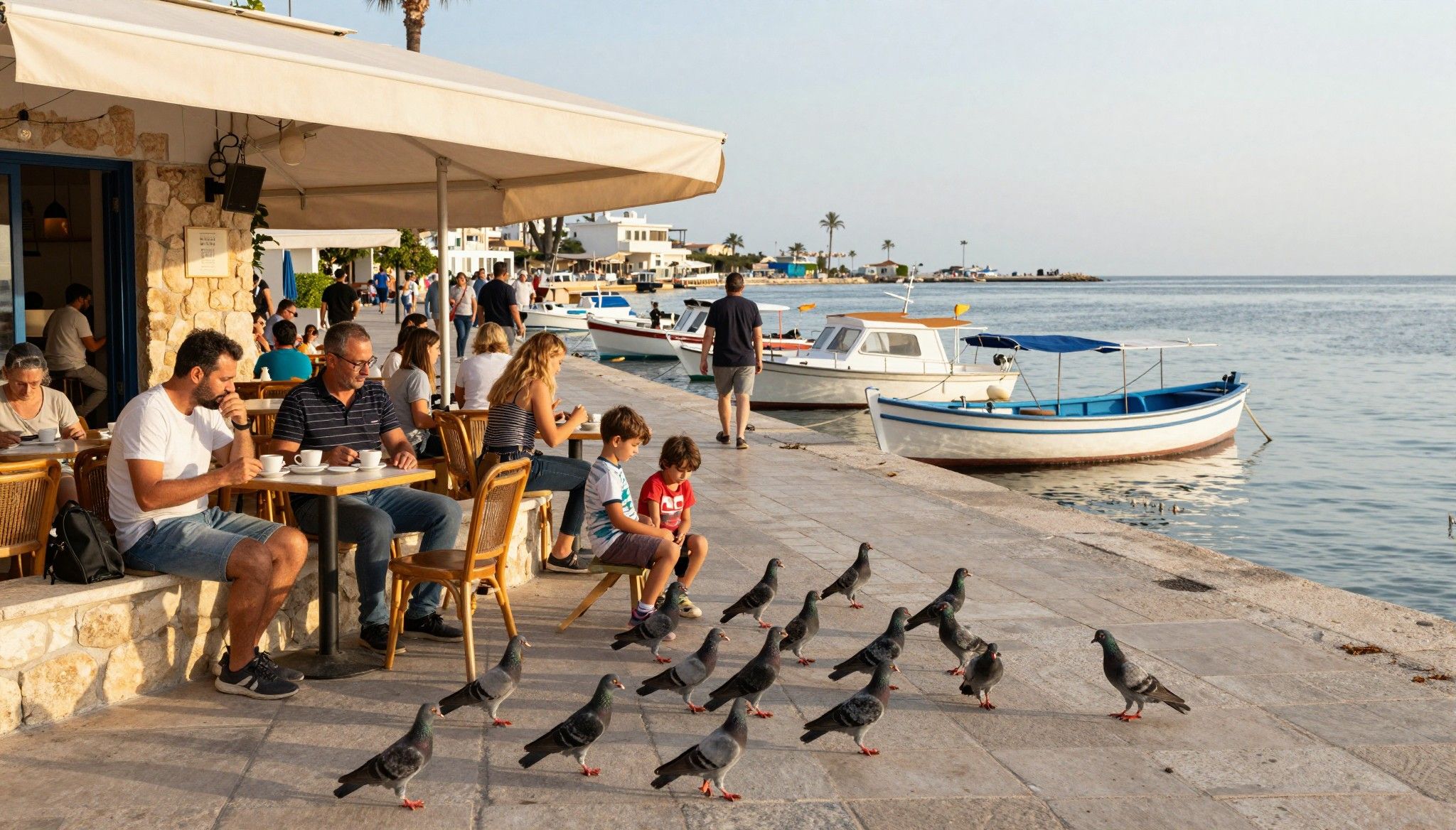
Le Marais (Paris) delivers cobbled streets, independent galleries and cafés where neighbours linger over espresso — perfect for buyers who want a walkable, culturally dense life. In Nice’s Vieux Nice you trade formal salons for open-air markets and narrow lanes, where children still chase pigeons and evening aperitifs spill onto the square. These are distinct microcosms: Le Marais rewards proximity to institutions and museums; Vieux Nice rewards breezy, everyday seaside living.
Food, markets and weekend rituals
Markets define the French week. Picture Sunday at Marché Forville in Cannes or the covered market in Rennes: oysters, regional cheeses, seasonal produce and neighbours trading recipes. These rituals shape property choices — proximity to a market or a reliable boulangerie matters more than an extra bedroom for many buyers. If Algarve mornings mean beach cafés, French weekends mean market walks and long lunches under plane trees; both feed different property wishlists.
- Lifestyle highlights: actual places and experiences
• Morning coffee at Café de Flore (Paris) — culture and people-watching • Sunset swims at Plage de la Côte des Basques (Biarritz) — surf town life • Saturday at Marché des Capucins (Bordeaux) — wine country proximity • Sunday marché and aperitif in Place des Lices (Saint‑Tropez) — village social life • Coastal walks in Cap Fréhel (Brittany) — raw Atlantic nature
Making the move: practical considerations that match lifestyle
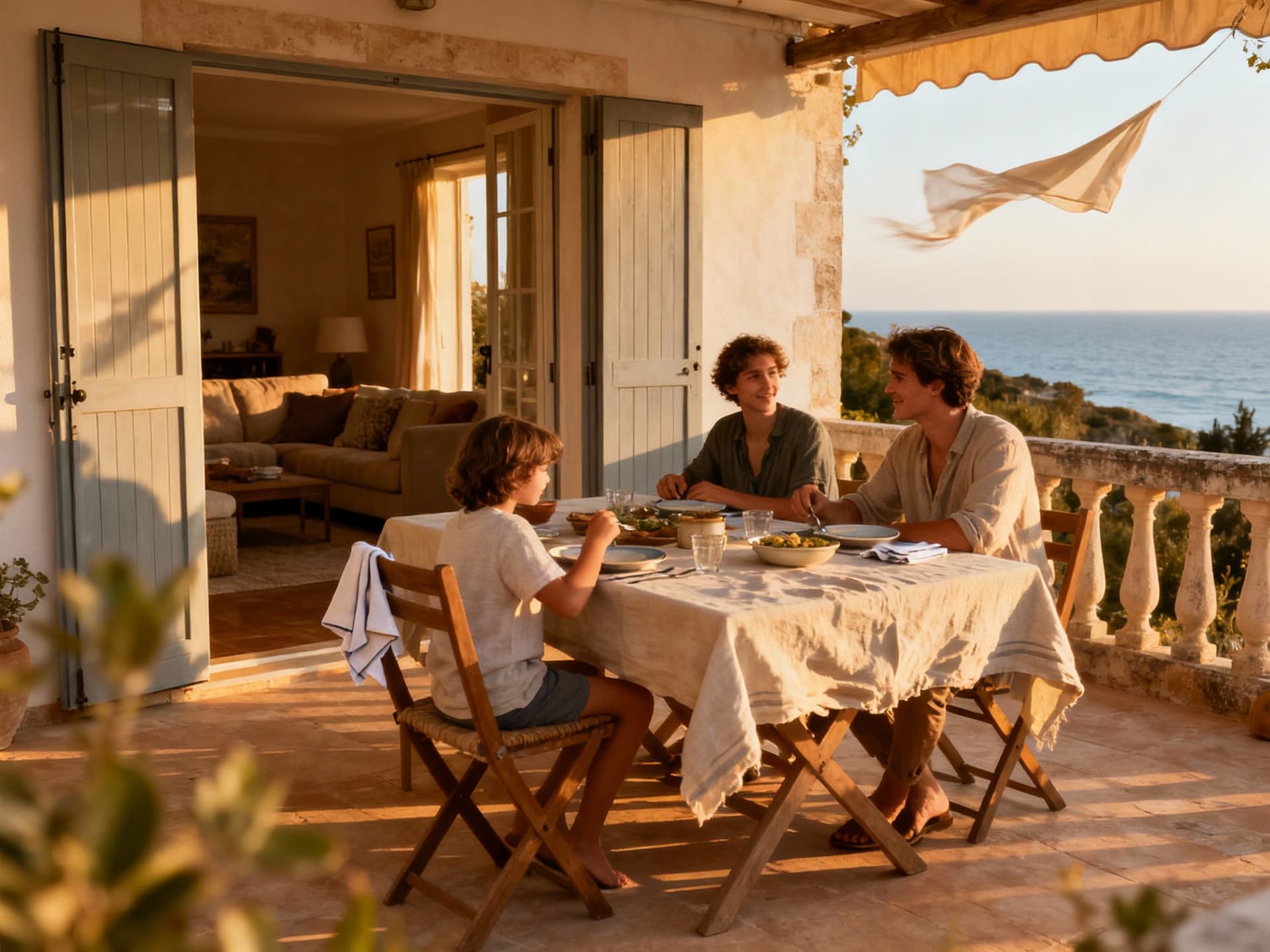
Lifestyle is the hook; market timing is the reality. Data shows metropolitan French prices returned to growth in early 2025 after a period of stability, which means pockets of opportunity for buyers who time their search according to local seasonality and financing conditions. For buyers splitting time with Portugal, this rebound suggests France can offer countercyclical value — when Portuguese coastal demand peaks in summer, French regional markets may have steadier year-round liquidity.
Property styles and how you'll live in them
Historic flats in Paris offer compact, well‑connected living with fewer maintenance headaches than a seaside villa; rural stone houses around Dordogne provide space and gardens but come with seasonal heating and upkeep. If you love Algarve terraces and open plan living, in France target Nouvelle‑Aquitaine or Languedoc new-builds that prioritise indoor‑outdoor flow and modern insulation. Match the architecture to the lifestyle: city apartments for cultural life, renovated maisons for slow country living, coastal villas for a sun-first routine.
How local experts turn lifestyle ideas into concrete buys
1. Define the rhythm: short‑stay rental potential vs long seasonal stays — this changes which neighbourhoods to prioritise. 2. Check micro-seasonality: coastal towns bustle in July–August; inland villages are calmer but steady all year. 3. Ask for walk‑score and market days — proximity to shops and transport matters more than square metres. 4. Run a renovation feasibility (cost, permissions) before making an offer on an older property. 5. Secure a local notaire and bilingual tax advisor early — bureaucracy moves slowly; clear precedents speed purchase.
Insider knowledge: what expats wish they'd known
Expats often romanticise France’s ease — but small, practical details reshape experience. Language matters in village life; a few phrases open doors. Local associations run fêtes and neighbour networks; participating changes how anchored you feel. Seasonality affects services: some coastal restaurants close outside summer, while towns with year-round residents sustain consistent amenities. These rhythms influence both enjoyment and resale prospects.
Cultural integration and daily social life
Make the first move socially: join market mornings, volunteer at a local fête, and try a language exchange. These activities help you find reliable local tradespeople and short‑term rental managers if you plan to rent. For dual-country owners, set up a property manager in both Portugal and France to avoid seasonal surprises and ensure maintenance continuity.
Long-term lifestyle + property realities to plan for
• Heating and insulation upgrades are common in older French homes — budget for efficiency works • Coastal properties may need specific storm and salt protection measures • Market liquidity varies: Paris and the Riviera are deep markets; smaller coastal towns can be thin outside season • Planning rules in historic villages often restrict extensions; factor in conversion timelines and permissions
If you’re comparing France with Algarve or Lisbon, consider how each place supports the life you want. Portugal often offers warmer winters and a strong summer rental season; France offers variety — mountain, sea, city — within short travel times and growing post‑2024 price momentum. Together, they make a complementary pair for buyer diversification: Portugal for holiday income and easy sunshine, France for cultural depth and capital‑preserving variety.
Conclusion: imagine splitting your year — Lisbon winters, Provence springs, Algarve summers, Paris autumns — and use specialist agencies in both markets to assemble that life. France’s market turn in early 2025 means acting with research and local partners pays: pick neighbourhoods that suit your rhythm, budget for seasonality and upkeep, and let bilingual specialists translate lifestyle into a transaction you enjoy. Next step: shortlist three neighbourhoods in France that match a Portuguese base and ask a local agency for recent comparable sales and seasonal occupancy data.
Danish relocation specialist who has lived in Barcelona since 2016. Helps families move abroad with onboarding, schooling, and local services.