Croatia: Life‑First Property Picks, Backed by Data
Croatia’s lifestyle — markets, islands and a growing shoulder season — masks practical shifts: property tax reform and year‑round tourism change where and how to buy. Learn what locals value and which data matter.
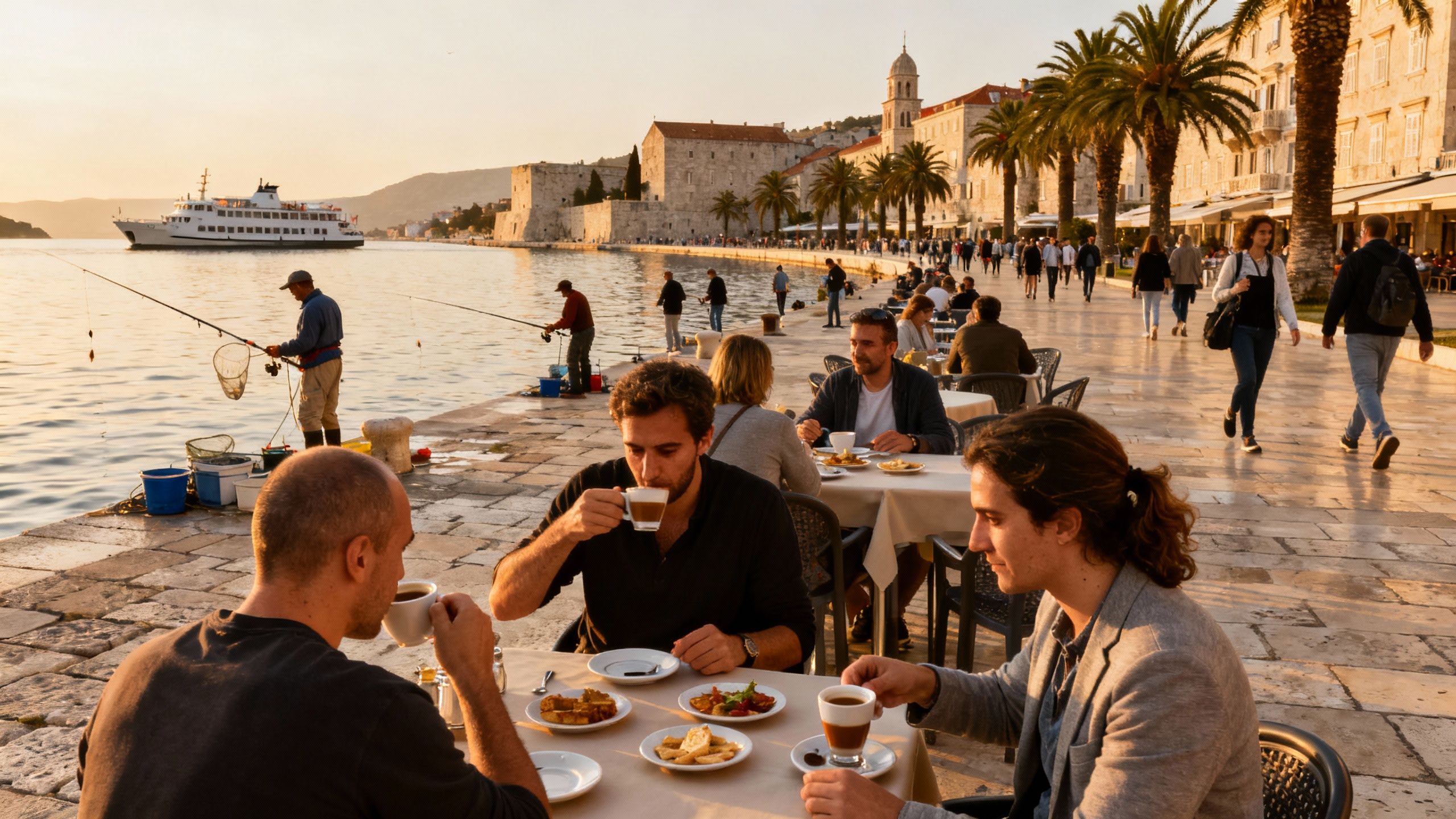
Imagine sipping an espresso on Split’s Riva at 8am, then wandering narrow Diocletian-era streets to a fish market where the day’s catch arrives hot from a 30‑minute ferry. That sensory rhythm — sea salt, espresso steam, local gossip — is what draws many of us to Croatia. But the life you taste on holiday and the property you buy to live it are not the same decision. This guide stitches the dream to the data: how Croatia’s year‑round tourism, shifting tax policy and neighbourhood rhythms reshape where to buy and how to live here.
Living the Croatia lifestyle
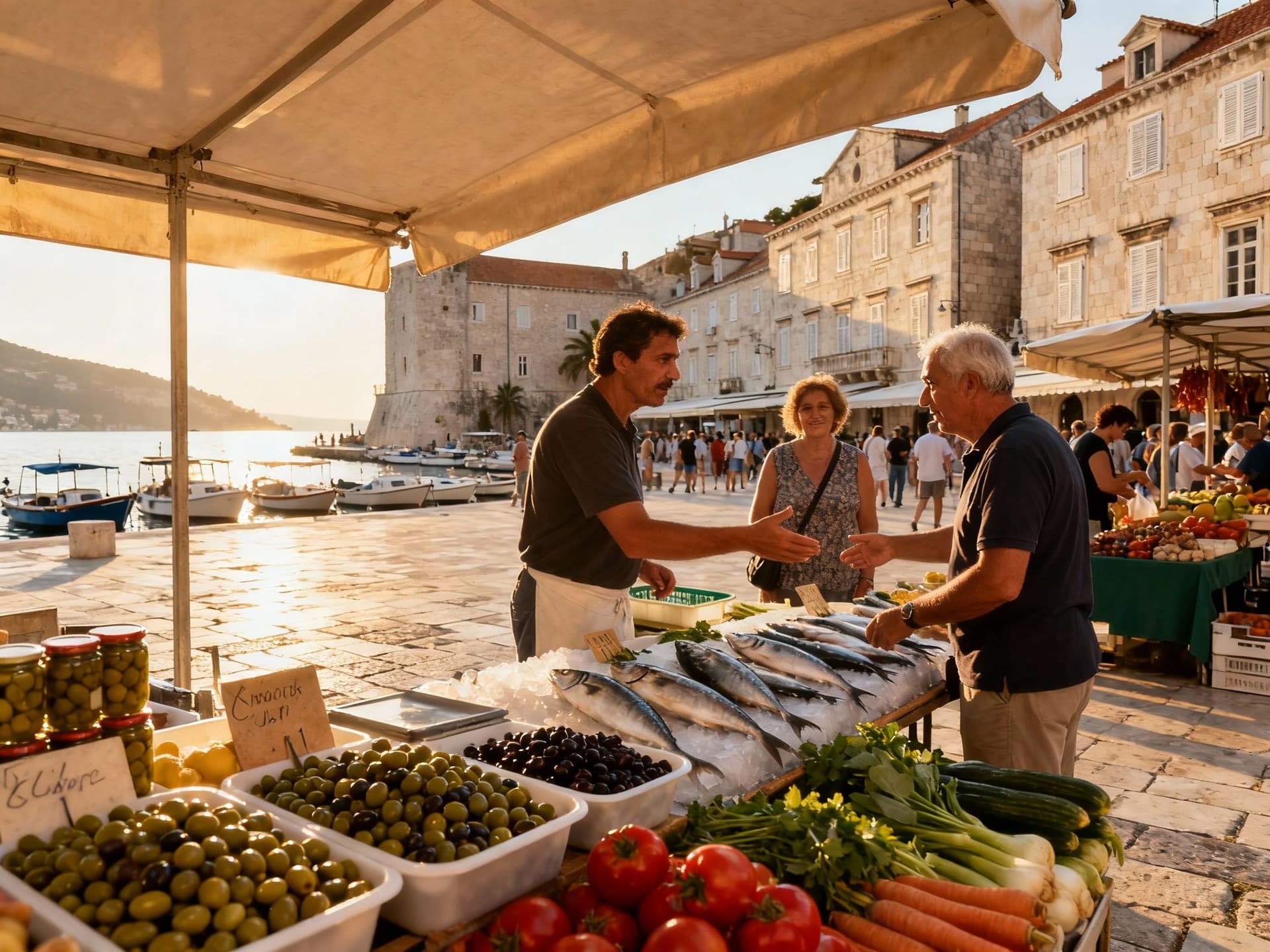
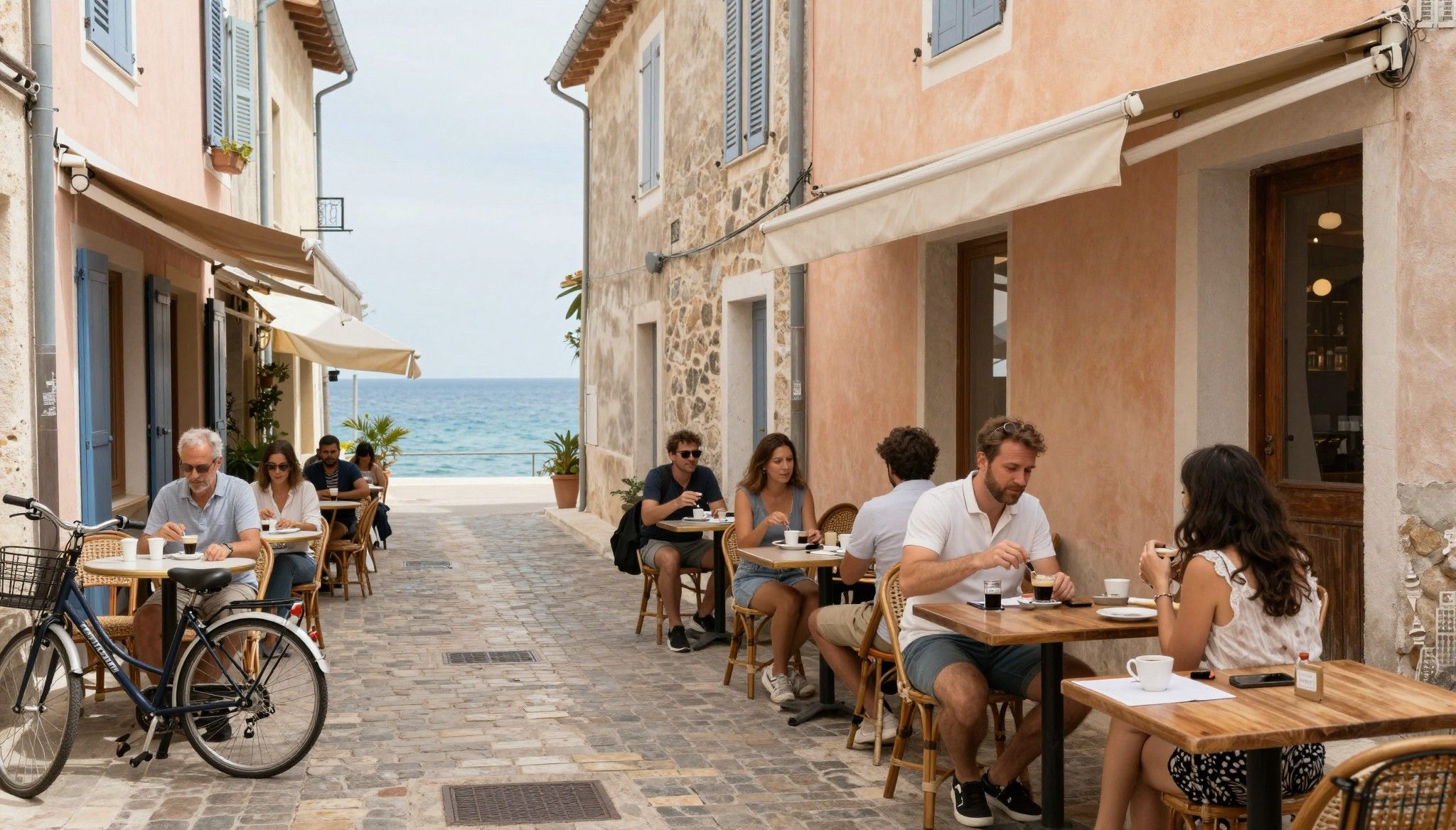
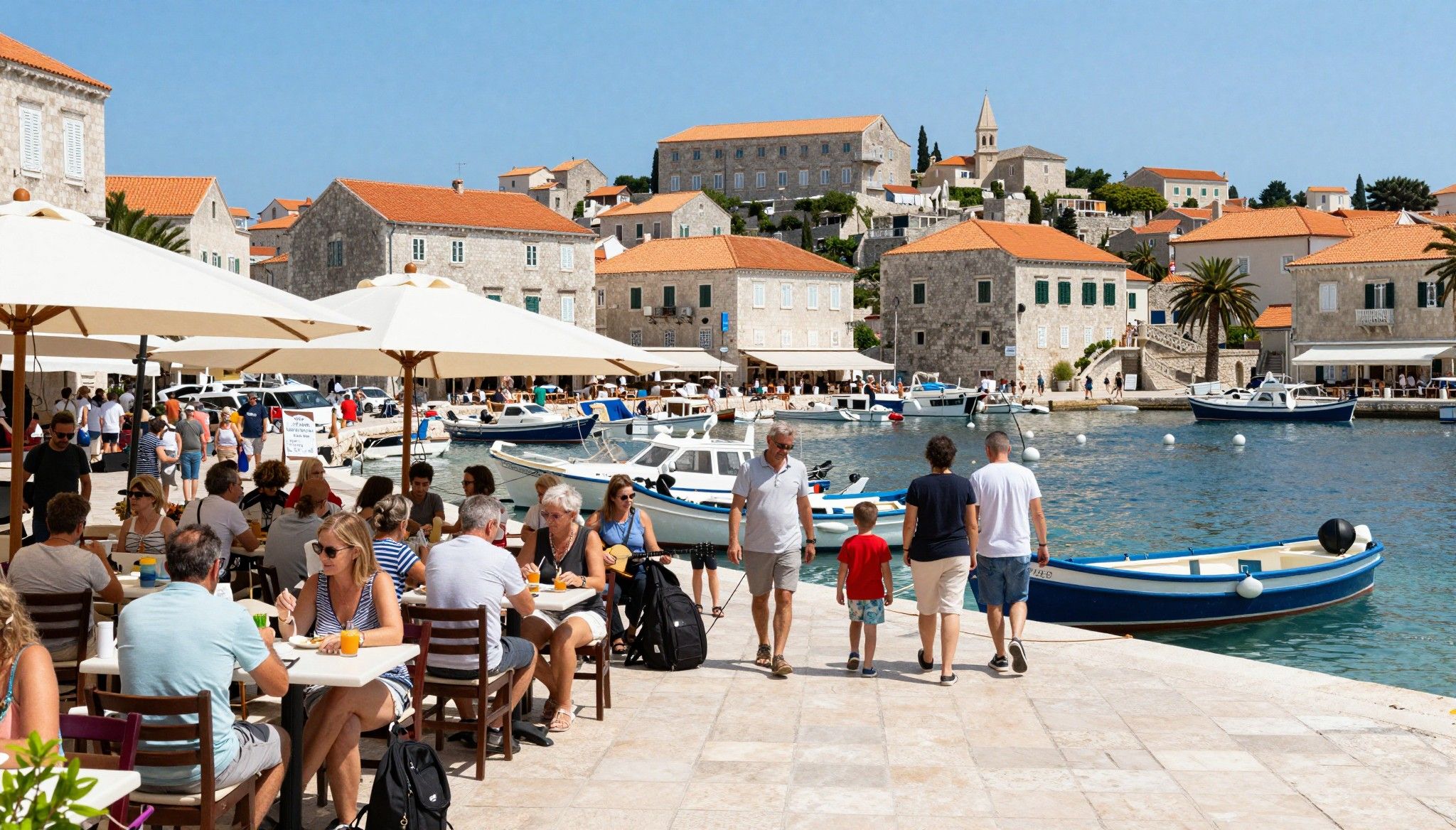
Croatia feels both familiar and particular: café culture in Zagreb, seafood markets in Zadar, island slow‑time in Hvar and rugged pebble beaches in Istria. Days are measured by markets opening, a late lunch, an afternoon siesta on a shaded terrace and long sea‑lit evenings. For buyers, that means properties with terraces, good insulation for winter months, and proximity to local shops deliver more than capital returns — they buy daily routines.
City pulse vs island hush: neighbourhood contrasts
Zagreb’s Črnomerec and Maksimir districts offer leafy streets, year‑round cafés and easy access to hospitals and schools — a different life to Split’s Veli Varoš where morning fishermen share the quay with cafés. On the islands, Bol (Brač) or Vis give a slower pace with seasonal peaks; expect quieter winters and a reliance on mainland links. Choosing the neighbourhood defines daily life: proximity to a market or ferry changes whether you shop daily or stock up monthly.
Food, markets and places that anchor community
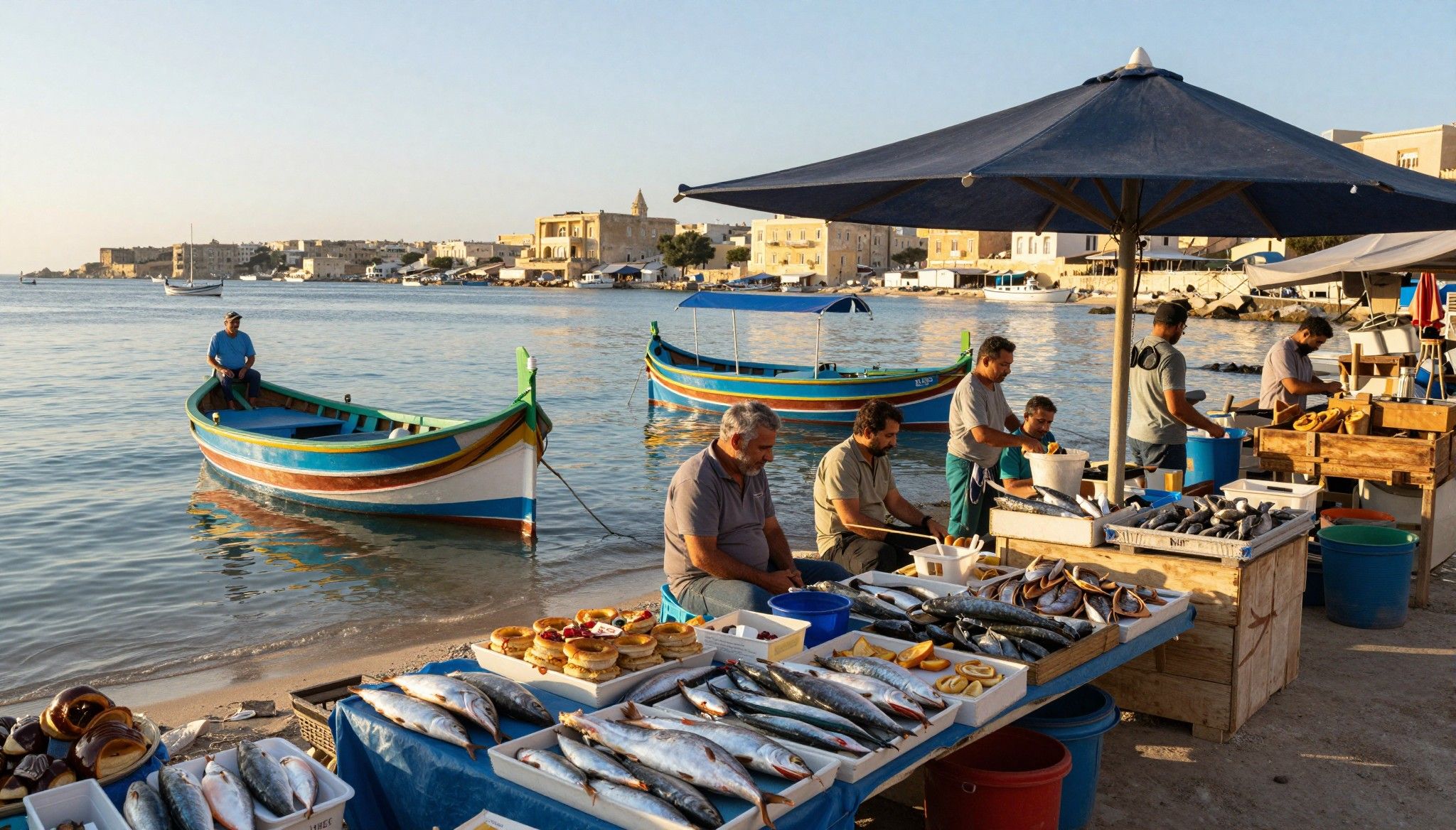
Ask any local about their week and they’ll map it with market stops: Dolac market in Zagreb for produce, Split’s fish market by the Riva, Pula’s beachfront stalls, and tiny island morning markets where olives and cheese appear. These markets are social infrastructure — they teach language, create neighbours and raise the daily quality of life. A property two blocks from a market often translates to faster integration and a steadier rental appeal off‑season.
- Lifestyle highlights to scout when you visit
- Dolac Market (Zagreb) — morning produce and neighbourhood pulse
- Split Riva & Veli Varoš — waterfront life with daily fish markets
- Hvar Town harbour & Stari Grad — island sociability and cafés
- Istria’s hill towns (Motovun, Rovinj) — truffle routes and agritourism scenes
Making the move: practical considerations
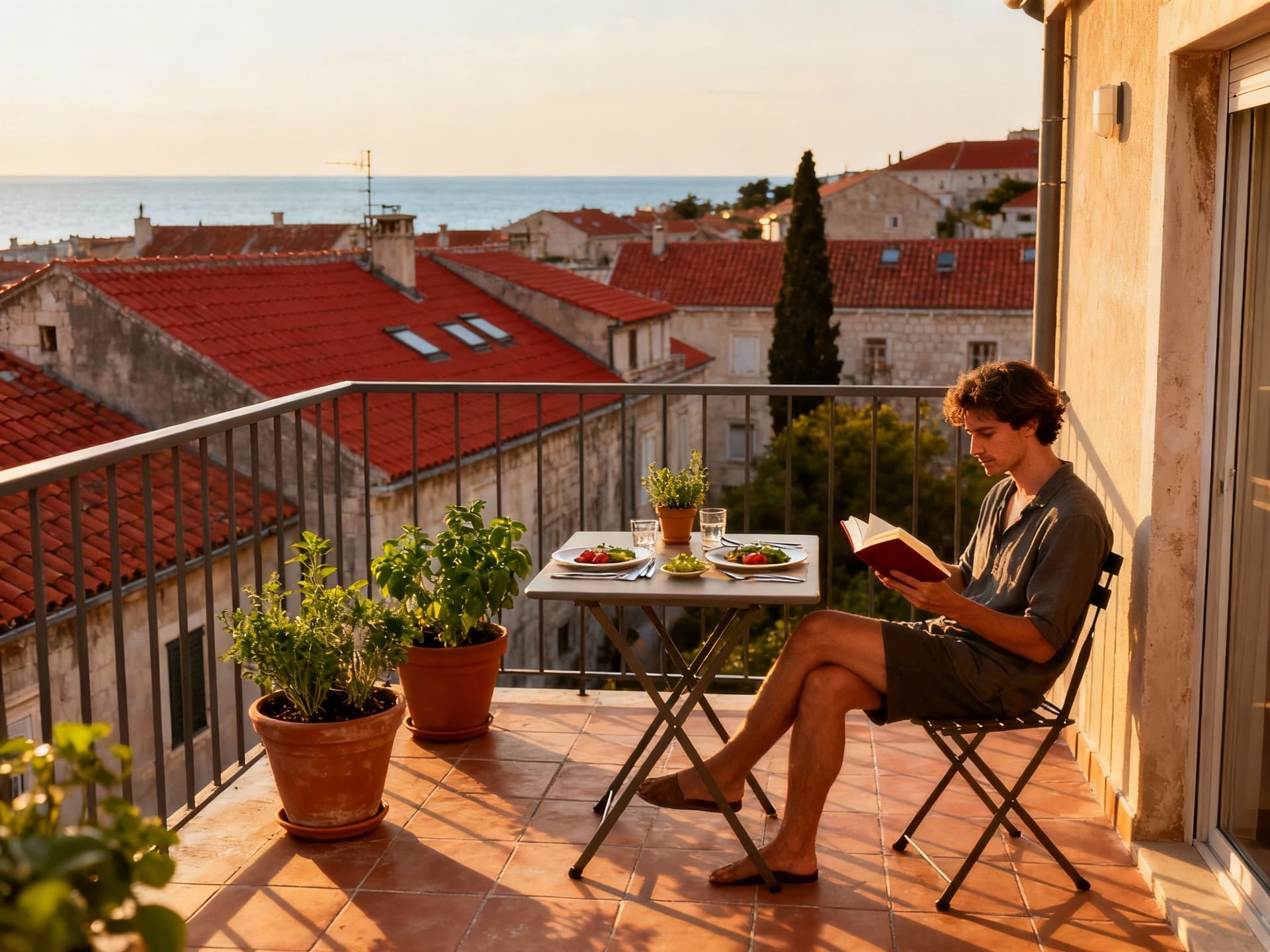
Croatia’s tourism bounce isn’t just summer spectacle — official data show growth in pre‑ and post‑season, which sustains demand for rental and local commerce year‑round. That seasonal smoothing matters for buyers: areas with stronger shoulder‑season traffic offer steadier short‑term rental yields and more services outside July and August. But tourism intensity also drives local policy: recent measures aim to rebalance housing availability for residents versus short‑term tourists.
Property styles and how they shape daily life
Stone townhouses with thick walls suit island microclimates and keep interiors cool in summer; modern apartments with efficient glazing perform better in Zagreb’s continental cold. If you crave terraces and outdoor dining, prioritise southwest orientations and covered verandas to extend outdoor months. For investment buyers balancing rental income and personal use, mixed‑use buildings (ground‑floor commerce, upper residential) often yield the best lifestyle‑to‑income ratio.
Work with local experts who understand how policy affects living costs: Croatia announced a shift toward property taxation to address housing shortages, with rules that can exempt long‑term rentals and agricultural properties. Your agent should map tax exposure by municipality because local councils may set different rates or exemptions. That local nuance changes the net cost of ownership — especially for second‑home owners who rent seasonally.
- How to blend lifestyle and practicality when choosing a property
- List your daily non‑negotiables (market, health services, ferry/airport) and score neighbourhoods against them.
- Check annual tourism cycles in your target town — stronger shoulder seasons reduce vacancy risk.
- Confirm local council rules on short‑term lets and property taxes with a notary or local lawyer before offer.
- Factor in utility retrofits (insulation, A/C, water pressure) — they shape comfort year‑round and resale value.
Insider knowledge: what expats wish they'd known
Experienced expats tell the same story: you fall in love with a daily rhythm, not a photograph. Data confirm the trend — 2024 saw over 21 million visitors and growth in shoulder months — which supports services outside high season and makes year‑round life possible in more places. Still, local social rhythms, municipal services and school places often determine whether a neighbourhood suits long‑term life, not just holiday charm.
Cultural cues that change how you buy
Croatians value neighbourhood ties and market rituals; showing respect for local patterns — shopping at the market, learning key phrases, attending a town feast — accelerates acceptance. Language classes, volunteering at local events and regular market visits are practical lifestyle investments that also protect property value by creating stronger local networks. Agents who introduce you to neighbours or the butcher are not being social extras; they’re accelerating your integration.
Longer view: what sustainable lifestyle ownership looks like
Look for neighbourhoods showing transaction consistency rather than explosive short‑term growth; Q1 2025 data show concentration in Zagreb, Istria and Primorje‑Gorski Kotar, signalling areas with deeper liquidity. Sustainable ownership pairs a liveable property with manageable running costs: think efficient heating, good water systems and access to year‑round services. That approach protects lifestyle and reduces the need to sell when markets wobble.
- Red flags local agents will spot (and you should too)
- Unclear land registry entries or incomplete cadastre maps
- Municipal plans showing near‑term tourism developments that could change neighbourhood character
- Properties heavily optimised for July/August rental but lacking insulation or heating for winter use
- Local unofficial arrangements for utilities (shared wells, private road maintenance) without written agreements
By choosing an agency that combines lifestyle knowledge with legal and tax competence you get both a shortlist of neighbourhoods that match daily life and a team that mitigates transaction risk. Ask agencies for references from recent buyers who live in the same area and for a simple cost model showing annual running costs and likely seasonal rental performance.
Conclusion: fall in love, then check the numbers. Croatia offers a rich daily life — markets, islands, coastal towns and a surprisingly strong shoulder season — but a wise purchase pairs those pleasures with local data: tourism seasonality, municipal tax rules and building condition. Start with a short trip focused on neighbourhood mornings (market days), speak to neighbours, and bring a local agent who understands both lifestyle and the fine print. When you pair the right street with the right paperwork, Croatia stops being a holiday and becomes home.
Swedish strategist who relocated to Marbella in 2018. Specializes in legal navigation and tax planning for Scandinavian buyers.